
Ghumoopedia — Explore, Discover, Experience
Sign in
Gir National Park, near Sasan Gir

City guide · Gujarat

Sasan Gir

Sasan Gir is a small settlement in Gujarat best known as a gateway to Gir National Park and Wildlife Sanctuary. The protected landscape and surrounding countryside are the last home of the Asiatic lion in the wild, making the village an important base for wildlife travel and conservation.

Famous for

  • Asiatic lion habitat
  • Gir forest safaris
  • Dry deciduous woodland
  • Mugger crocodiles
  • Siddi community traditions
In the city
1
District
Gir Somnath

Why Sasan Gir matters

Sasan Gir is a small settlement in Gujarat best known as a gateway to Gir National Park and Wildlife Sanctuary. The protected landscape and surrounding countryside are the last home of the Asiatic lion in the wild, making the village an important base for wildlife travel and conservation. Visitors come for guided forest safaris, birdwatching and the chance to learn about the region’s varied habitats; sightings of any particular animal are never guaranteed.

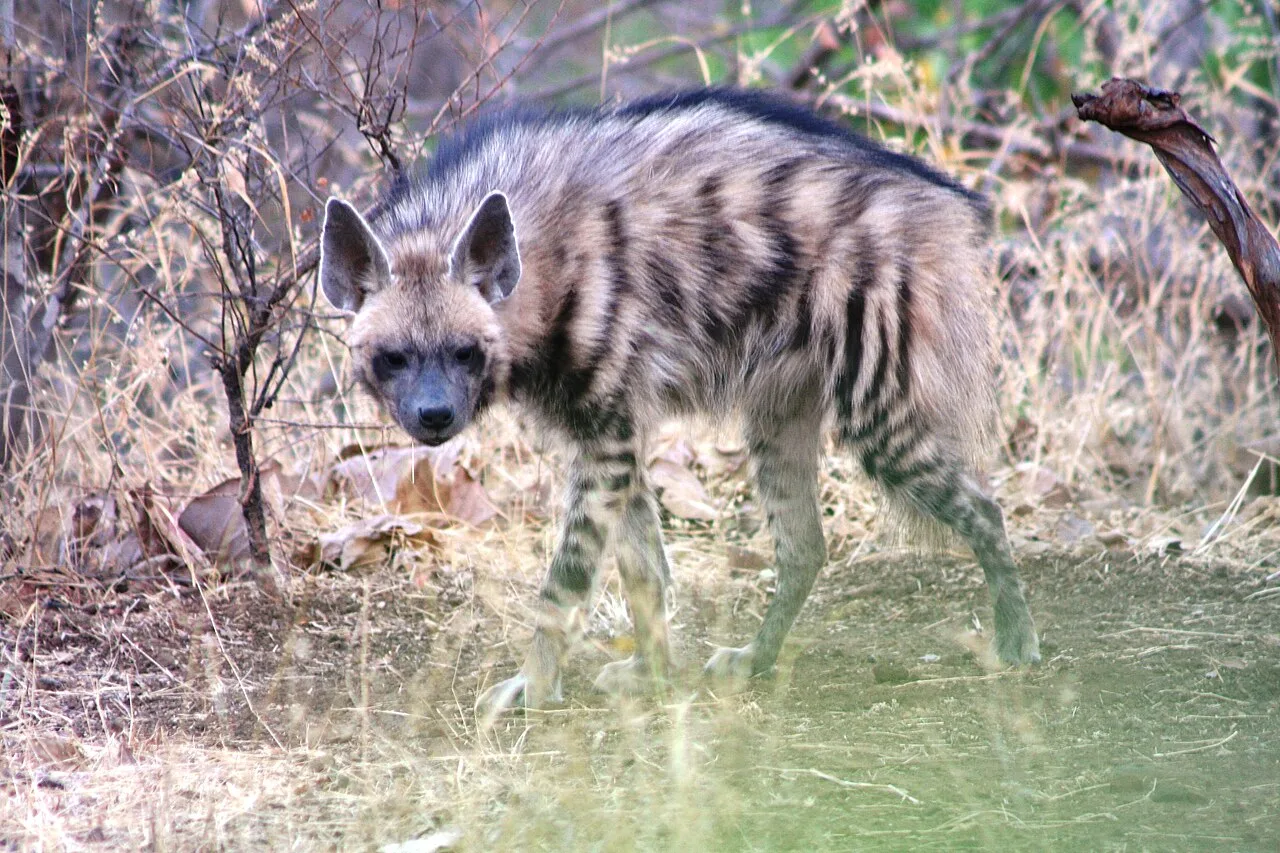
Gir is more than a lion destination. Its dry deciduous forest, scrub and grassland support leopards, deer, crocodiles and a rich range of birds and other wildlife. Rivers and reservoirs shape the landscape, while nearby villages reflect the close relationship between local livelihoods and the forest. Sasan’s visitor facilities, forest reception areas and access to safari routes make it a practical starting point for exploring the region. It also offers a quieter rural contrast to Gujarat’s larger temple and commercial centres, with Junagadh, Somnath and the coast within reach for wider regional itineraries.

Famous for: crafts, trade & products

Sasan Gir is not a major textile, handicraft or manufacturing centre, and it has no widely recognised signature saree or GI-tagged product. Its local economy is closely associated with the forest and visitor services: accommodation, guiding, transport, food and everyday supplies for residents and travellers. The village market area is useful for basic provisions and simple refreshments, rather than specialist shopping.

The best-known local institution is the forest department’s safari and visitor infrastructure, which organises access to designated routes and provides information about the protected landscape. Check current booking arrangements through official channels before travelling, and follow instructions on permits and guided visits. Devalia, the Gir Interpretation Zone, offers a more managed wildlife experience and interpretive displays; it is separate from a safari in the wider forest. For broader shopping, including regional crafts and goods, travellers can look to larger towns such as Junagadh or Veraval. Sasan’s appeal lies primarily in its wildlife, conservation setting and access to Gir, rather than in a distinctive line of local products.

History

Gir was once part of the private hunting grounds of the Nawab of Junagadh. During the nineteenth century, hunting by princely rulers and their guests contributed to a sharp decline in the lion population. By the end of that century, only a small number of Asiatic lions remained in India, confined to the Gir region. Concern over their survival prompted the Nawab to protect the forest and restrict hunting.

After independence, conservation efforts continued under government forest authorities. Gir National Park and Wildlife Sanctuary was established in 1965, formalising protection for the forest and its wildlife. Over time, conservation work, research and regulated tourism helped make the area a central site for Asiatic lion protection. Sasan developed as the most familiar visitor gateway, with transport links and services serving both the surrounding villages and travellers. Today, its identity is closely tied to the protected landscape and to the ongoing challenge of balancing wildlife conservation, local livelihoods and tourism.

Food, festivals & culture

Food in Sasan Gir reflects the broader Kathiawadi and Gujarati countryside. Meals commonly draw on millet rotla, vegetables, lentils, kadhi and rice, with bolder, chilli-forward flavours found in regional cooking. Simple vegetarian dishes are widely available, while restaurants and lodgings may also serve other familiar Indian meals. There is no single celebrated local sweet specific to Sasan; visitors can find Gujarati snacks and sweets in the wider region.

Gujarati is widely spoken, alongside Hindi and other languages used by residents and visitors. Navratri, usually in autumn, brings devotional music and garba dancing across Gujarat; Diwali is also widely celebrated. The region’s cultural life includes Hindu places of worship and, in nearby rural communities, distinctive Siddi traditions. The Siddi community has African-rooted musical and dance forms, including the energetic Dhamal, though performances are not a regular tourist attraction and should be approached respectfully. Sasan’s everyday rhythms are shaped as much by village life and forest conservation as by festivals.

Visiting the city

The cooler months, roughly November to February, are comfortable for a visit. The park closes during the monsoon, generally from mid-June to mid-October; check current access and safari rules before planning. Keshod Airport is the nearest airport, but services are limited. Sasan Gir has its own railway station; Junagadh and Veraval are larger railheads with wider connections.

Taxis and pre-arranged transfers are practical for reaching the village and nearby attractions. Within Sasan, most visitor facilities are clustered around the village and forest reception area. Plan ahead for guided safaris, and allow time for Devalia’s Gir Interpretation Zone. Junagadh, Somnath and the coast can be added as regional excursions. Follow forest rules and keep a respectful distance from wildlife.

Attractions

Places to visit in Sasan Gir

Sights within about 12 km of each other, even when they fall in different districts.

Map

Sasan Gir on the map

  1. 1Gir National Park

Gujarat

Other cities to explore