Ghumoopedia — Explore, Discover, Experience
Sign in
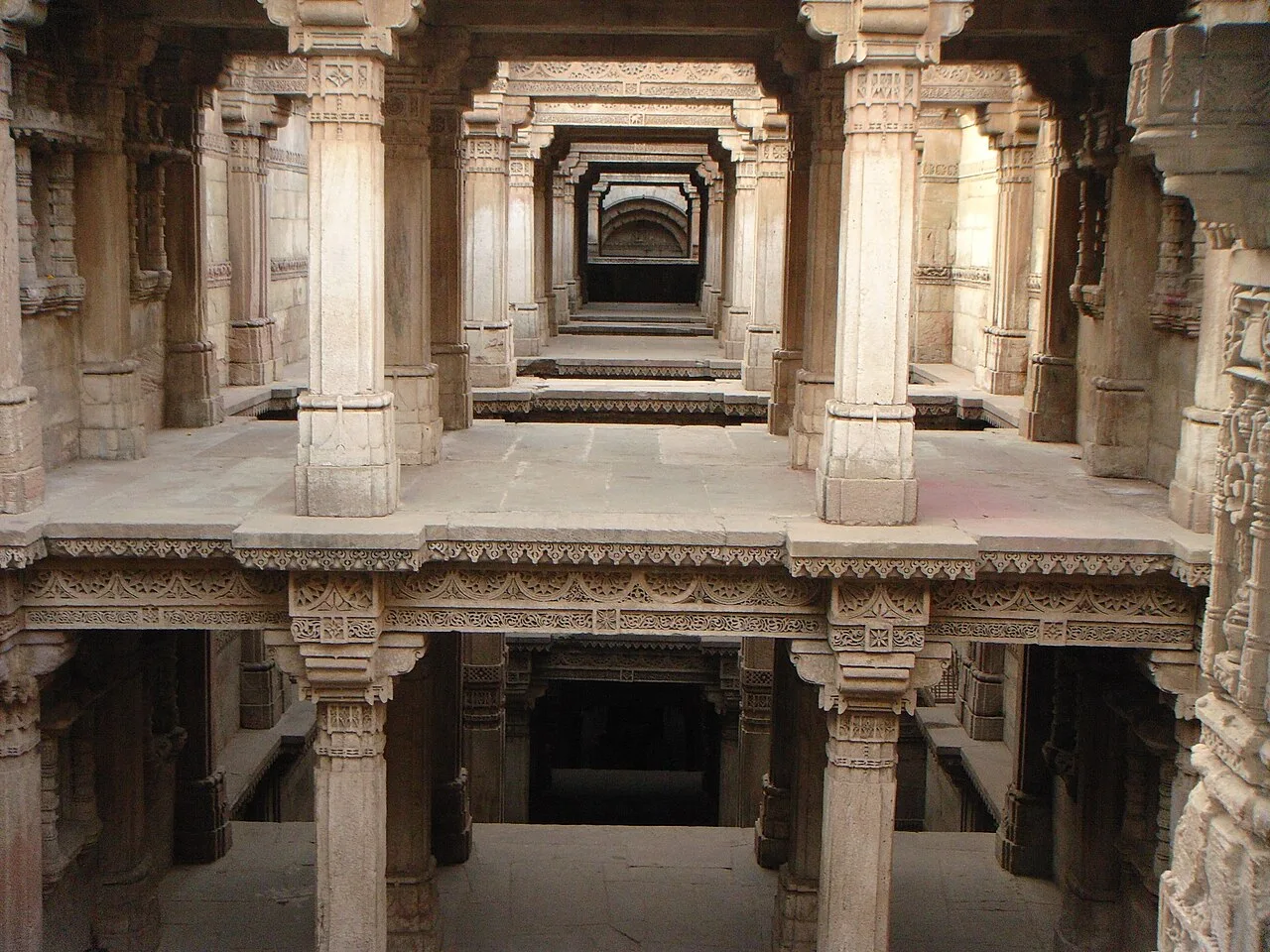
Adalaj Stepwell, near Ahmedabad

City guide · Gujarat

Ahmedabad

Ahmedabad is Gujarat’s largest urban centre and a major hub for commerce, education, design and industry. Set beside the Sabarmati River, it connects the state’s historic trading towns with the capital, Gandhinagar, and draws visitors for its architecture, food and cultural life.

Famous for

  • Historic walled city
  • Cotton textiles
  • Sabarmati Ashram
  • Gujarati vegetarian food
  • Navratri garba
In the city
11
Districts
Gandhinagar, Ahmedabad

Why Ahmedabad matters

Ahmedabad is Gujarat’s largest urban centre and a major hub for commerce, education, design and industry. Set beside the Sabarmati River, it connects the state’s historic trading towns with the capital, Gandhinagar, and draws visitors for its architecture, food and cultural life. Its old walled city, recognised as a UNESCO World Heritage Site, is known for closely packed pols, carved wooden houses, mosques and temples.

The city’s story is visible in places as varied as the medieval Jama Masjid, the Sidi Saiyyed Mosque’s carved stone screen and Sabarmati Ashram, closely associated with Mahatma Gandhi and India’s independence movement. Visitors also come for textile collections, lively markets, Gujarati cooking and festivals such as Navratri. Ahmedabad’s long association with cotton mills helped shape its identity, while contemporary institutions in design, management and research reflect a broader economy. Across the river, newer neighbourhoods, museums and the riverfront offer a different view of a city that continues to grow while retaining strong links to its past.
Famous for: crafts, trade & products

Ahmedabad’s textile heritage grew from its cotton mills and trading networks, earning it the nickname “Manchester of India.” The city remains a useful place to explore Gujarat’s fabrics, including printed cotton, bandhani tie-dye, embroidery and khadi. Dhalgarwad and the old-city bazaars are good areas for fabric and traditional clothing; Law Garden’s evening market is known for colourful garments, accessories and embroidered work. Manek Chowk is a busy central market, with food stalls especially lively after dark.

Ahmedabad is also a market for crafts from across Gujarat, rather than the sole place of manufacture. Specialist shops may carry Patan Patola silk, Kutch embroidery and other regional textiles; check the maker and place of origin when seeking GI-recognised products. The Calico Museum of Textiles offers an exceptional view of historic Indian fabrics, while the National Institute of Design and Ahmedabad Textile Industry’s Research Association reflect the city’s continuing links with design and textile innovation. Cotton goods, garments, chemicals, pharmaceuticals and engineering are among the industries contributing to the city’s economy.

History

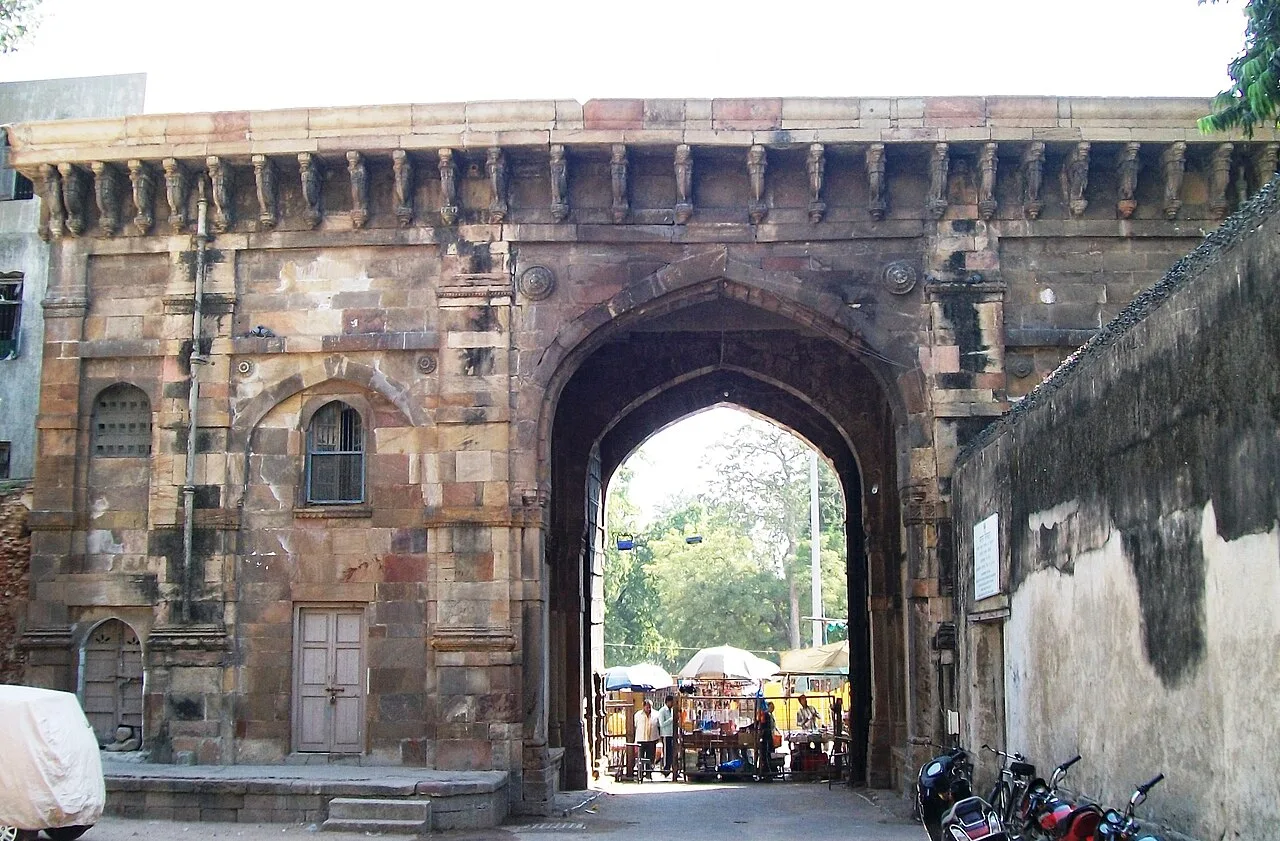
The Sabarmati area was settled before the city’s foundation and was associated with Ashaval and, in historical accounts, Karnavati. In 1411, Gujarat Sultan Ahmad Shah established a new capital here and named it Ahmedabad. The city prospered under the sultans and later the Mughals, when its textile trade connected it to markets across India and beyond. Fortifications and monumental mosques from these eras remain part of the old city’s character.

Maratha rule preceded the East India Company’s takeover in 1818. Under British rule, a railway connection and the growth of cotton mills helped Ahmedabad become a major industrial centre. In the early twentieth century, Gandhi established ashrams here, and the city became an important centre of the independence movement, including the launch of the Salt March. After independence, Ahmedabad was the capital of Gujarat from the state’s formation in 1960 until the capital moved to Gandhinagar. Its economy has since diversified into education, finance, design, construction and other industries.

Food, festivals & culture

Gujarati is the city’s principal language; Hindi and English are also widely used. Food is central to daily life, from Gujarati thalis and snacks such as khaman, dhokla, fafda and khakhra to sweets including jalebi, shrikhand and mohanthal. Manek Chowk is well known for its evening food stalls, while local restaurants and markets offer both traditional vegetarian dishes and newer interpretations of Gujarati cooking.

Navratri, usually held in September or October, fills the city with nights of garba and dandiya dancing. Uttarayan, the kite festival in January, is marked by rooftop flying and seasonal treats; Diwali is celebrated in autumn with lights, worship and family gatherings. Music and dance range from devotional traditions to contemporary performances. Places of worship include the Jama Masjid, Sidi Saiyyed Mosque, Hindu temples and Jain temples, reflecting the city’s varied religious communities. The old city’s pols and neighbourhood shrines also reveal how worship and community life are woven into everyday streets.

Visiting the city

The cooler, drier months from November to February are generally the most comfortable for exploring; summers are very hot, while the monsoon usually brings rain from around June to September. Sardar Vallabhbhai Patel International Airport serves the city, and Ahmedabad Junction, also called Kalupur station, is its main railway station.

Ahmedabad Metro, city buses, auto-rickshaws and app-based taxis help visitors get around; walking is rewarding in the old city, though its lanes can be crowded. Explore the walled city’s pols, Jama Masjid and nearby markets, then visit Sabarmati Ashram and the riverfront. Law Garden and the western bank offer shopping, restaurants and newer city life, while Shahibaug has historic buildings and museums. Gandhinagar is a separate nearby city and can be visited as a day trip.

Attractions

Places to visit in Ahmedabad

Sights within about 12 km of each other, even when they fall in different districts.

Adalaj Stepwell

Gandhinagar district

Adalaj Stepwell

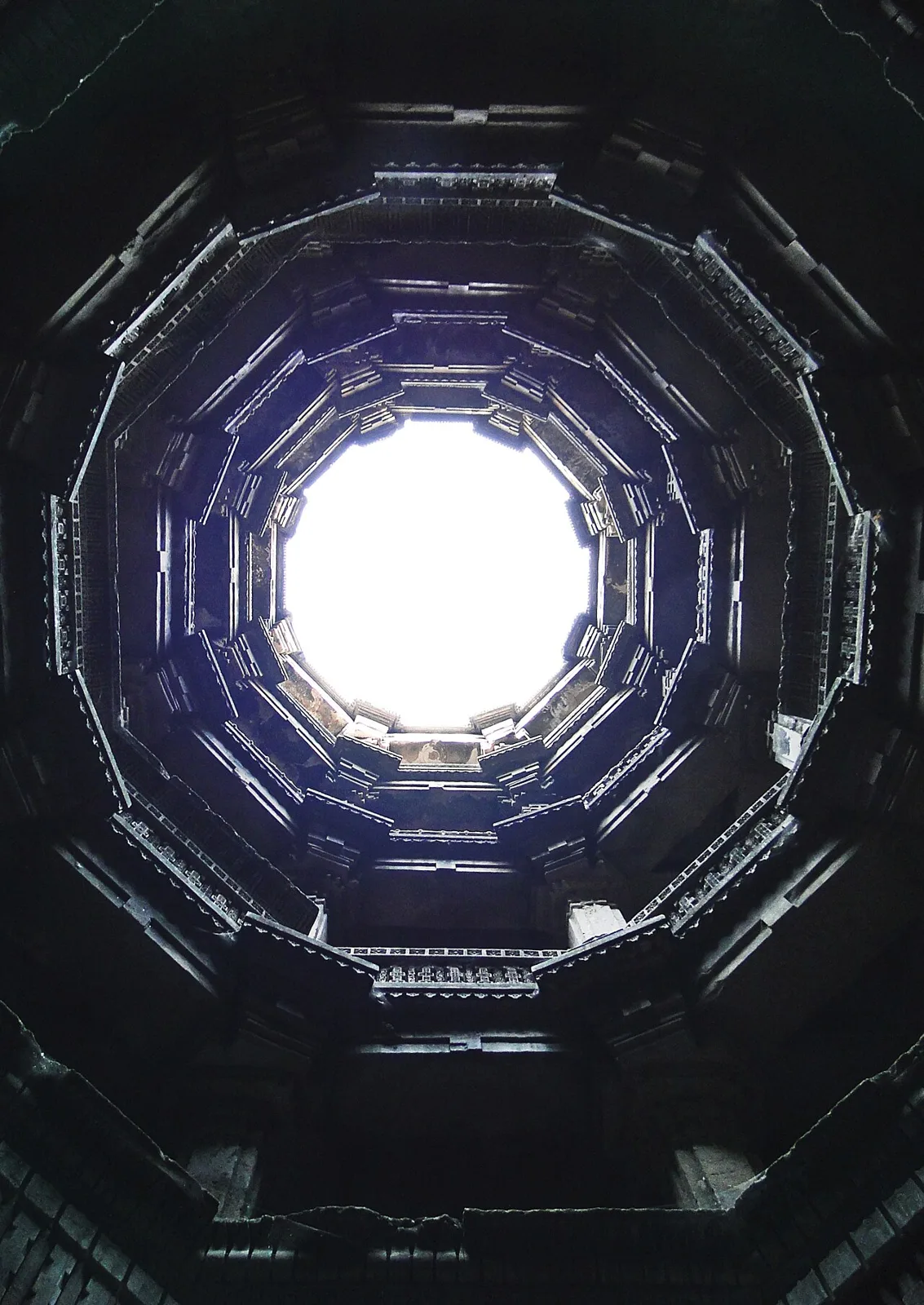
Adalaj Stepwell, also known as Rudabai Stepwell, is a sandstone structure in Gujarat’s Gandhinagar district. Visitors come to see its Solanki-style design and its connection to Rana Veer Singh.

Bhadra Fort

Ahmedabad district

Bhadra Fort

This historic Ahmedabad complex brings together royal buildings, mosques, gateways and open areas. Visitors explore its architecture and its present role as a cultural centre for the city.

Calico Museum of Textiles

Ahmedabad district

Calico Museum of Textiles

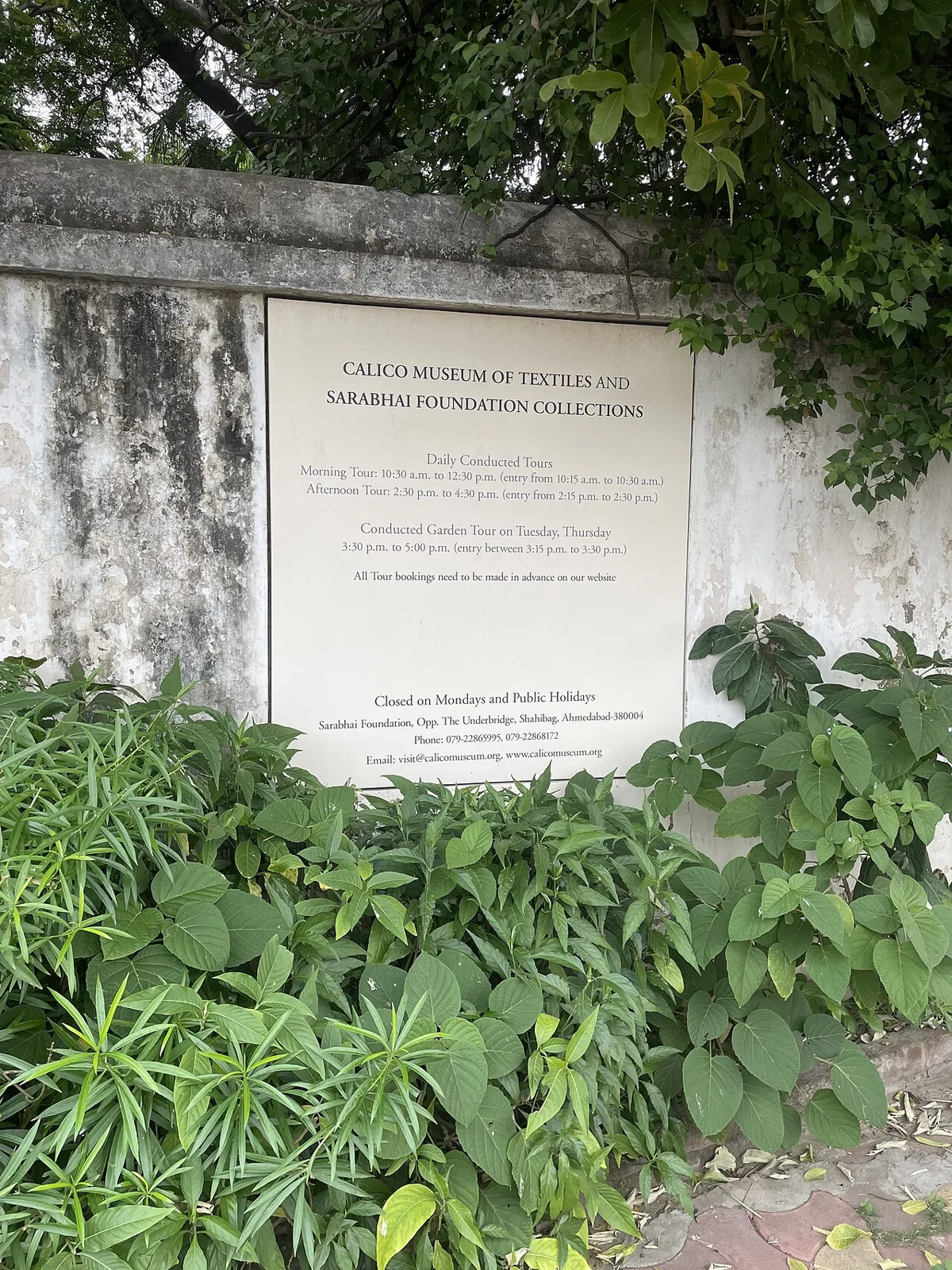
The Calico Museum of Textiles is a textile museum in Ahmedabad, Gujarat. Visitors come to see and learn about textiles at this institution, which is managed by the Sarabhai Foundation.

Dada Harir Stepwell

Ahmedabad district

Dada Harir Stepwell

Dada Harir Stepwell is a fifteenth-century stepwell in Asarwa, Ahmedabad district, Gujarat. Visitors can see this historic structure about 15 kilometres from Ahmedabad.

Hutheesing Jain Temple

Ahmedabad district

Hutheesing Jain Temple

Ahmedabad's Hutheesing Jain Temple, in Gujarat, is a place of Jain worship built by the Hutheesing family in 1848. Visitors can see its blend of Maru-Gurjara temple design and haveli features.

Jama Masjid, Ahmedabad

Ahmedabad district

Jama Masjid, Ahmedabad

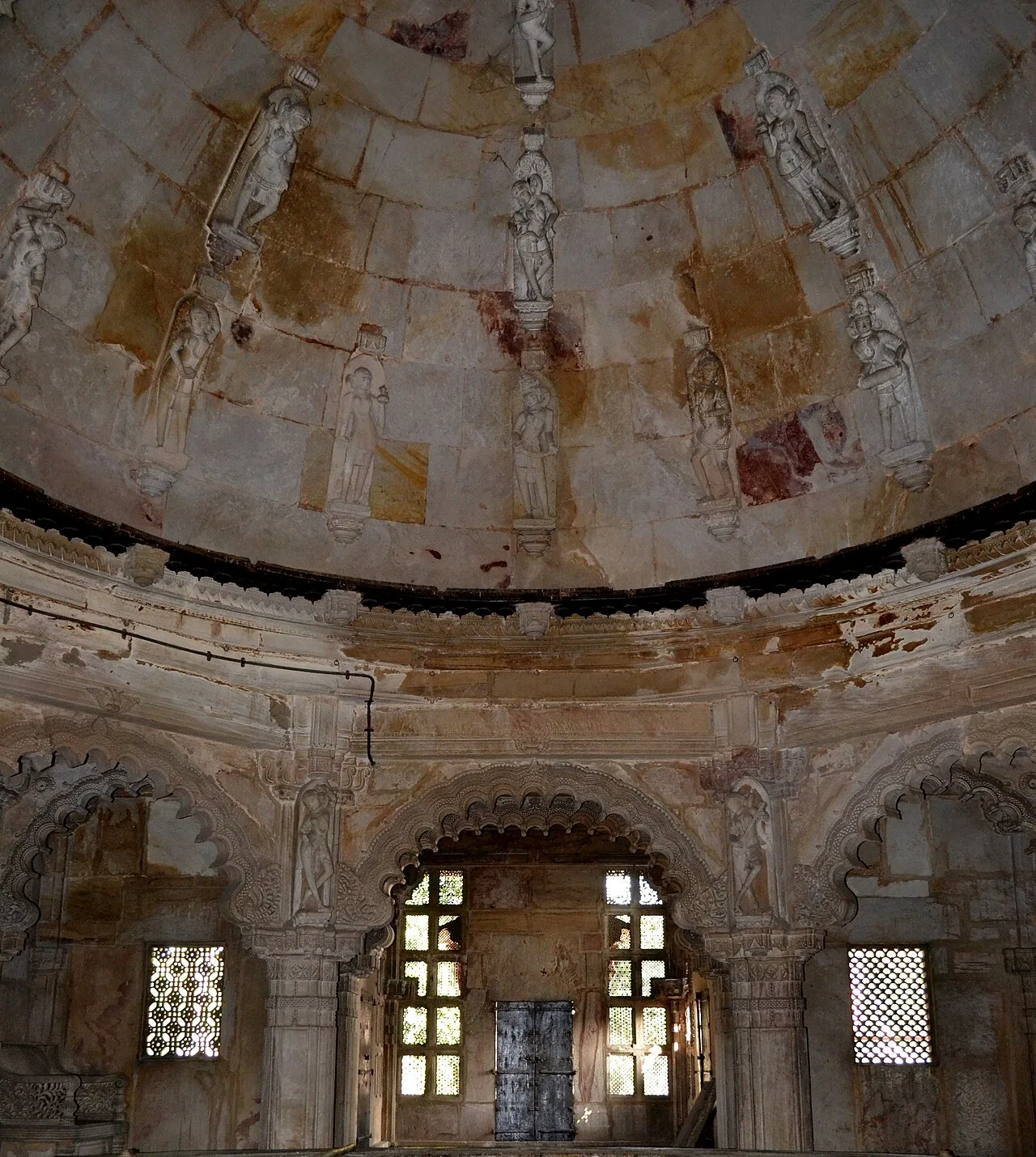
Ahmedabad’s Jama Masjid is a historic Friday mosque in the old city, visited for its impressive scale, central courtyard and expression of Gujarat-style architecture.

Kankaria Lake

Ahmedabad district

Kankaria Lake

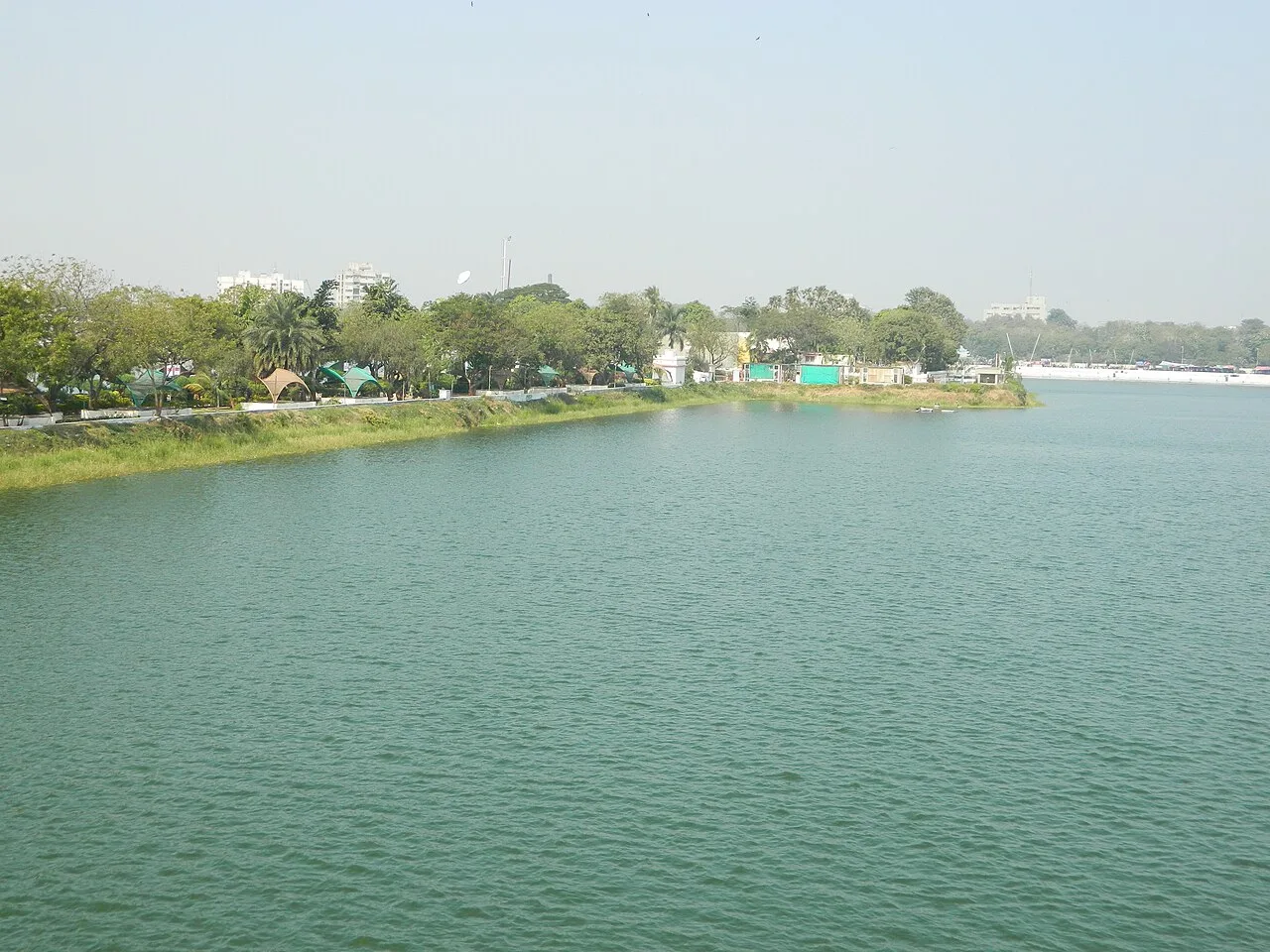
Kankaria Lake is Ahmedabad’s largest lake, situated in Maninagar. Visitors come for its leisure attractions and the cultural, artistic and social programme of the Kankaria Carnival.

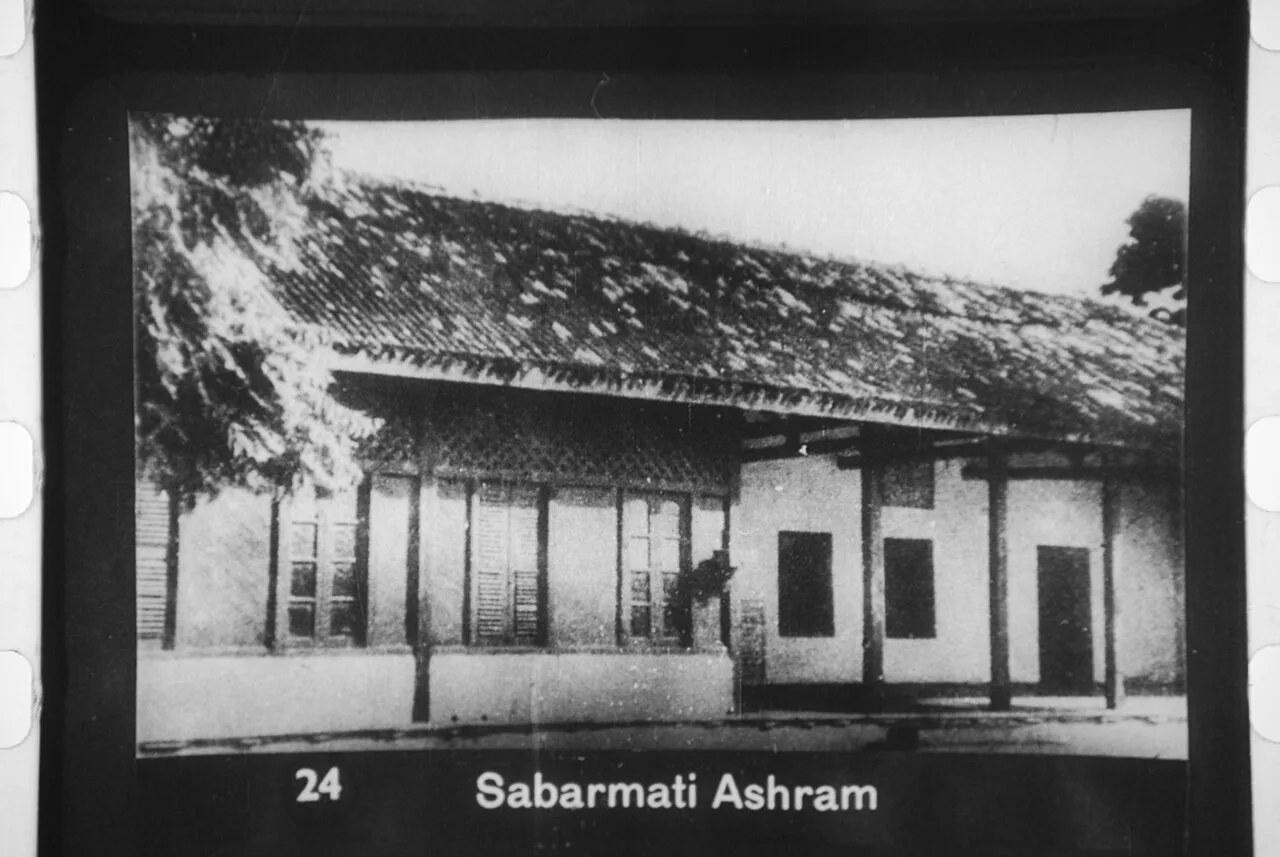
Sabarmati Ashram

Ahmedabad district

Sabarmati Ashram

Sabarmati Ashram, in Ahmedabad, is one of Mahatma Gandhi’s former homes and is now a national monument. Visitors come for its links with Gandhi and the Dandi March.

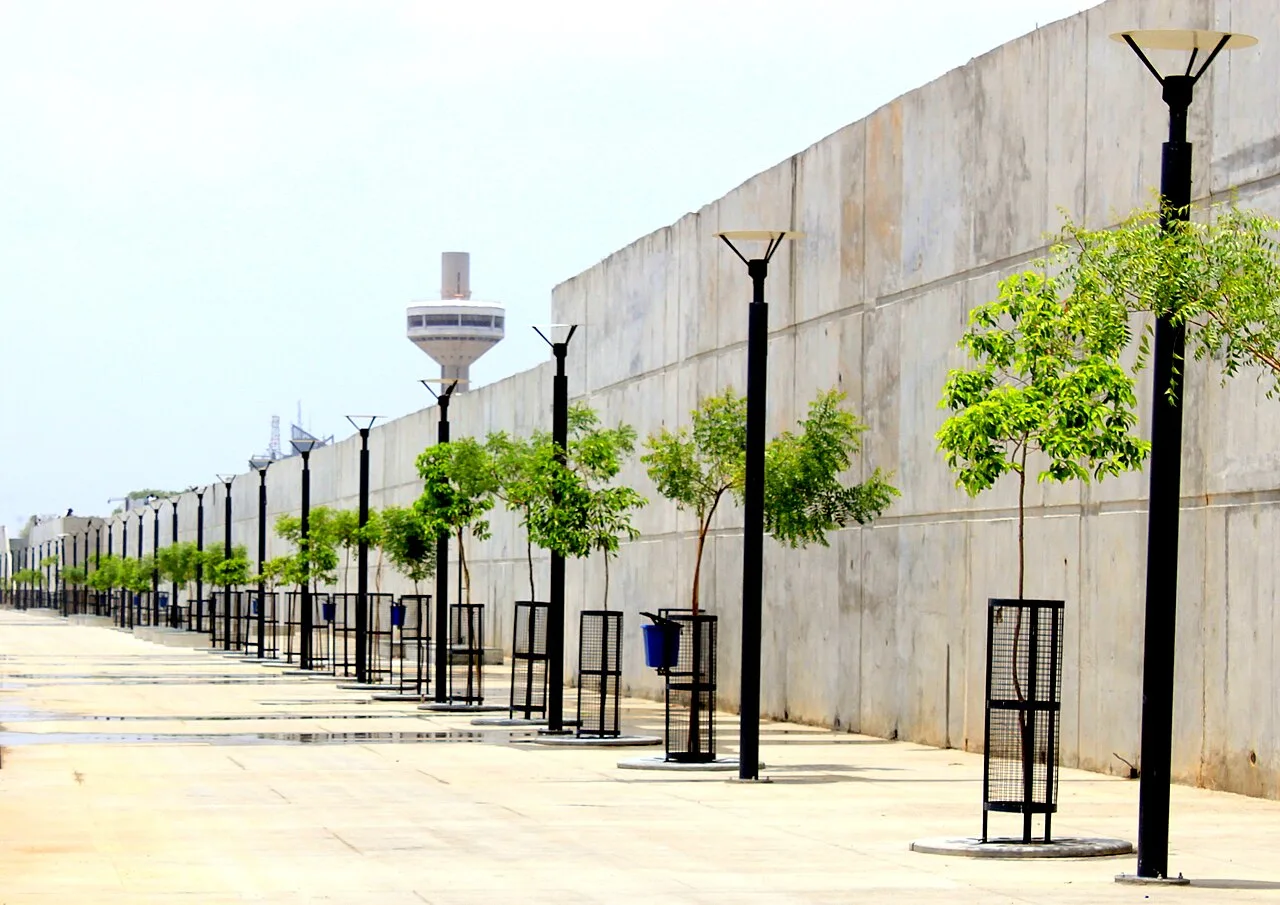
Sabarmati Riverfront

Ahmedabad district

Sabarmati Riverfront

The Sabarmati Riverfront is a developing public waterfront in Ahmedabad. Visitors can access its facilities as they open, while the project aims to improve the environment and provide social infrastructure.

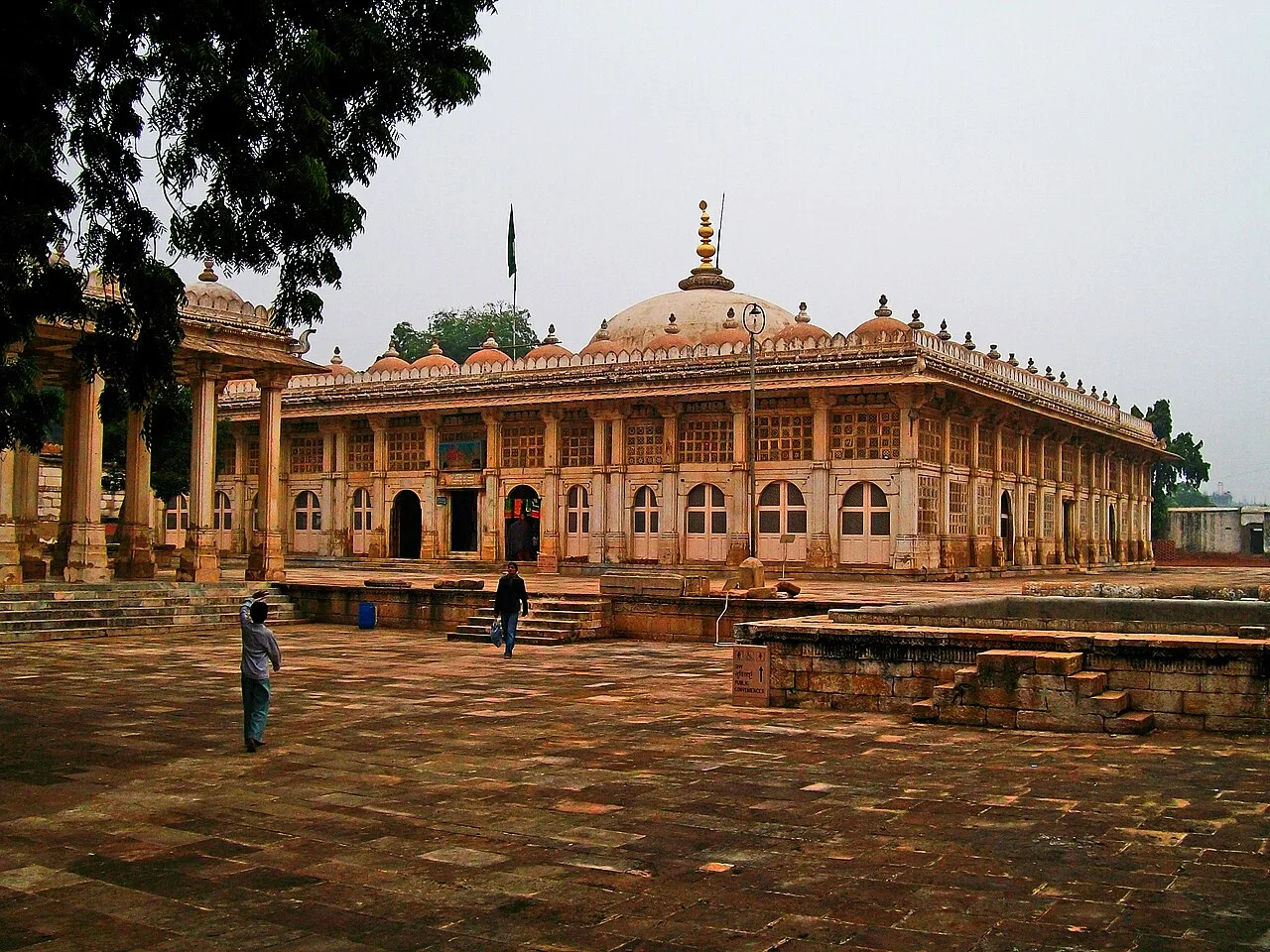
Sarkhej Roza

Ahmedabad district

Sarkhej Roza

Sarkhej Roza is a Sufi religious complex in Makarba, Ahmedabad district, made up of a mosque and tombs. Visitors explore its nationally recognised status and its association with Shaikh Ahmed Ganj Baksh.

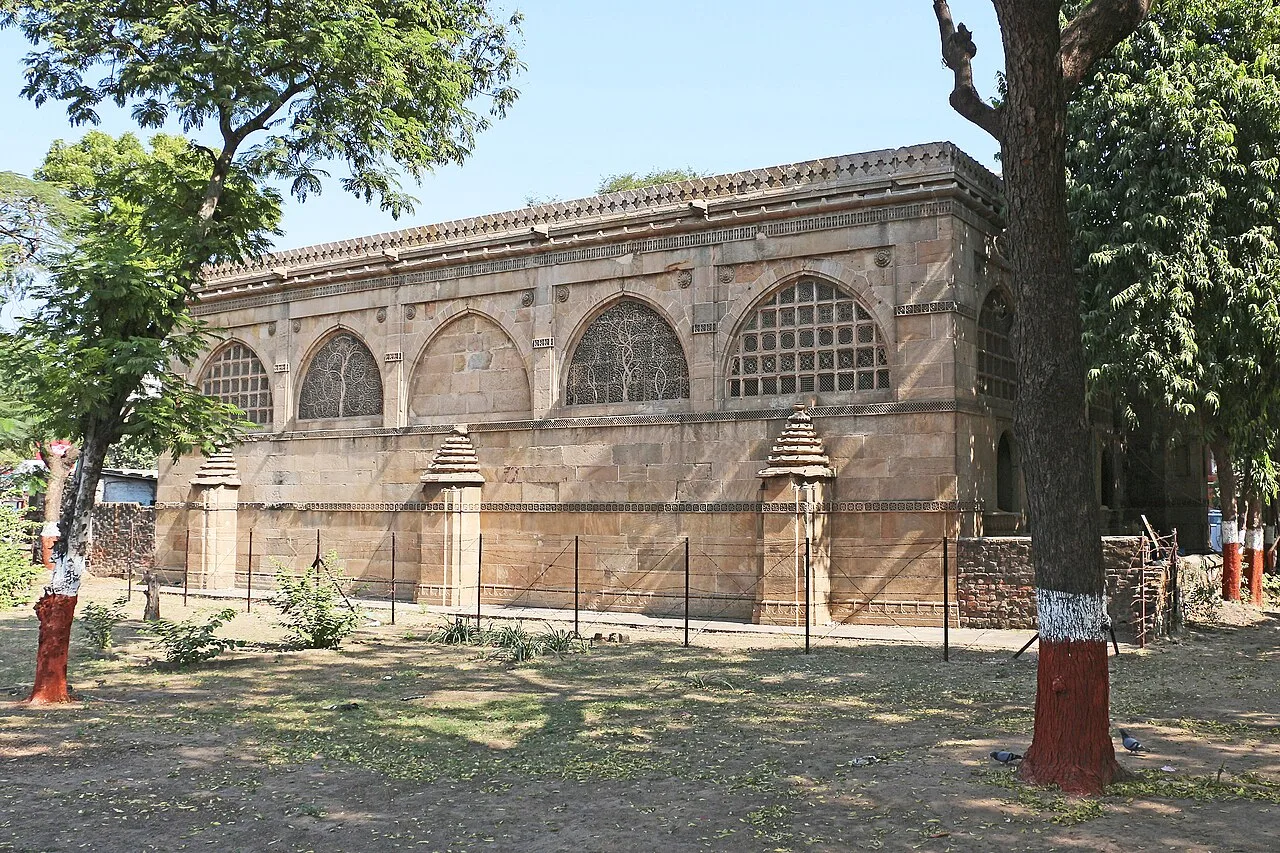
Sidi Saiyyed Mosque

Ahmedabad district

Sidi Saiyyed Mosque

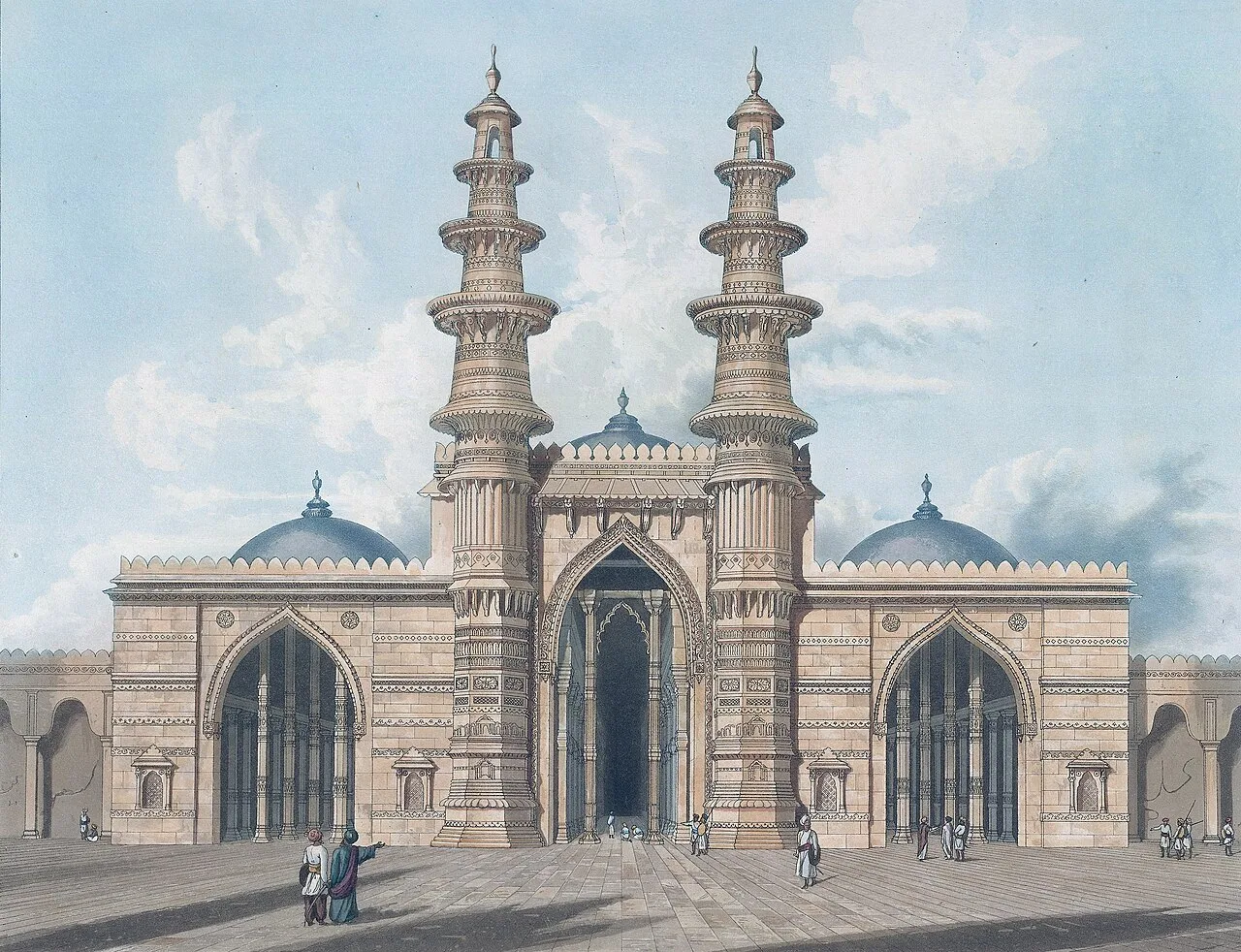
Sidi Saiyyed Mosque is a Sunni place of worship in Ahmedabad, Gujarat, also known locally as Sidi Saiyyed ni Jali. Visitors come to see this nationally important historic monument.

Map

Ahmedabad on the map

  1. 1Adalaj Stepwell
  2. 2Bhadra Fort
  3. 3Calico Museum of Textiles
  4. 4Dada Harir Stepwell
  5. 5Hutheesing Jain Temple
  6. 6Jama Masjid, Ahmedabad
  7. 7Kankaria Lake
  8. 8Sabarmati Ashram
  9. 9Sabarmati Riverfront
  10. 10Sarkhej Roza
  11. 11Sidi Saiyyed Mosque

Gujarat

Other cities to explore