
Ghumoopedia — Explore, Discover, Experience
Sign in
Watson Museum, near Rajkot

City guide · Gujarat

Rajkot

Rajkot is a major commercial and cultural centre in Saurashtra, the western peninsula of Gujarat. Its central position connects the region’s towns and farming districts, while engineering, manufacturing, trade and education give the city an important role in Gujarat’s economy.

Famous for

  • Rajkot Patola textiles
  • Kathiawadi food
  • Gandhi’s childhood home
  • Engineering and machine tools
  • Gold and silver jewellery
In the city
1
District
Rajkot

Why Rajkot matters

Rajkot is a major commercial and cultural centre in Saurashtra, the western peninsula of Gujarat. Its central position connects the region’s towns and farming districts, while engineering, manufacturing, trade and education give the city an important role in Gujarat’s economy. The Aji and Nyari rivers run through its setting, though their flows are seasonal.

Visitors come for its links to Mahatma Gandhi, who spent part of his childhood here, and for landmarks such as Kaba Gandhi no Delo, the family home now interpreted as a museum. The Watson Museum, historic gardens and prominent temples offer other ways to explore the city. Rajkot is also a good introduction to Saurashtrian food and everyday urban life, from Kathiawadi meals to busy jewellery and textile markets. Its blend of princely-state history, Gandhi heritage and modern industry makes it more than a stopover on the way to other destinations in the region.

Famous for: crafts, trade & products

Rajkot is known for Rajkot Patola, a traditional silk textile recognised with a Geographical Indication (GI) tag. The city also has a long association with bandhani tie-dye, cotton fabrics and embroidery. Specialist textile shops and established markets are places to look for these crafts; ask sellers about the technique and origin, since designs and production vary. Soni Bazaar is a well-known area for gold and silver jewellery, while the city’s central shopping streets offer clothing, household goods and local specialties.

Engineering is a major part of Rajkot’s economy. Local firms make machine tools, auto components, diesel engines and other industrial goods, with workshops and businesses spread across the city’s industrial estates. These products are primarily part of the region’s trade rather than visitor souvenirs. Rajkot’s commercial and educational institutions also serve a wide hinterland, and its markets are useful for finding Saurashtrian snacks, spices and sweets. For a more considered purchase, compare workmanship and materials, particularly for jewellery and hand-produced textiles.

History

Rajkot was founded in 1612 by Vibhoji Jadeja, a Jadeja Rajput ruler, and became the capital of his princely state. Its name is commonly understood as combining raj, meaning royalty, and kot, meaning fort. Under British rule, Rajkot developed as an administrative centre for the Kathiawar region and later served as the headquarters of the Western India States Agency. The city is also closely associated with Mahatma Gandhi’s early life: his family home, Kaba Gandhi no Delo, is preserved as a heritage site.

After independence, Rajkot became the capital of Saurashtra State in 1948. It joined Bombay State in 1956 and became part of Gujarat when the state was formed in 1960. In the decades that followed, the city grew as a regional hub for administration, education, commerce and manufacturing. Its engineering businesses helped shape its modern identity, alongside continued growth in services and trade. Rajkot today reflects both its princely past and its role in a changing, industrial Saurashtra.

Food, festivals & culture

Gujarati is the main language of daily life, with Kathiawari speech widely heard; Hindi is also used. The local food tradition is hearty and often includes rotla, ringan no olo, sev tameta and khichdi-kadhi. Fafda with jalebi, ghughra and peda are popular snacks or sweets. Restaurants and eateries around the city serve Kathiawadi thalis, though recipes and levels of spice vary.

Navratri, usually in autumn, brings nights of garba and dandiya raas, while Uttarayan in January is celebrated with kite flying. Janmashtami and Diwali are also widely observed. Folk music, devotional singing and the storytelling tradition of dayro are part of the region’s cultural life. Places of worship include Hindu temples such as the Swaminarayan temple, as well as Jain temples, mosques and other community shrines. Gandhi heritage sites and local museums add another dimension to the city’s cultural landscape.

Visiting the city

October to March is generally the most comfortable time to visit, with milder weather than the hot summer months. Monsoon, usually from June into early autumn, can bring rain that varies considerably from year to year. Rajkot International Airport at Hirasar is the city’s airport, and Rajkot Junction is its main railway station.

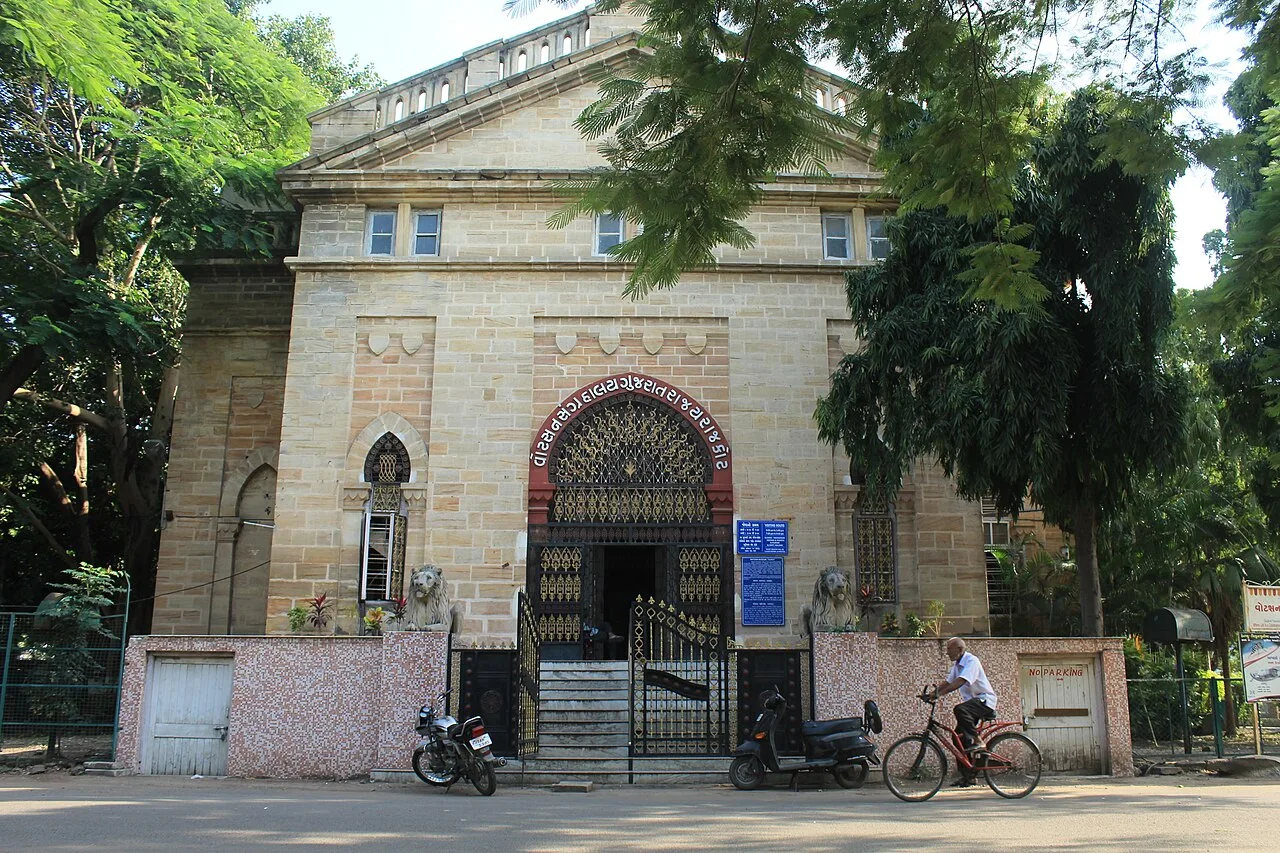
Auto-rickshaws, taxis and local buses are useful for getting around; agree on the destination before setting off in an auto-rickshaw. The old-city area around Kaba Gandhi no Delo offers a sense of Rajkot’s heritage, while Jubilee Garden is near the Watson Museum. Race Course is a popular open space, and Yagnik Road and Soni Bazaar are useful areas for shopping and dining. Allow time for traffic when planning visits across town.

Attractions

Places to visit in Rajkot

Sights within about 12 km of each other, even when they fall in different districts.

Map

Rajkot on the map

  1. 1Watson Museum

Gujarat

Other cities to explore