
Ghumoopedia — Explore, Discover, Experience
Sign in
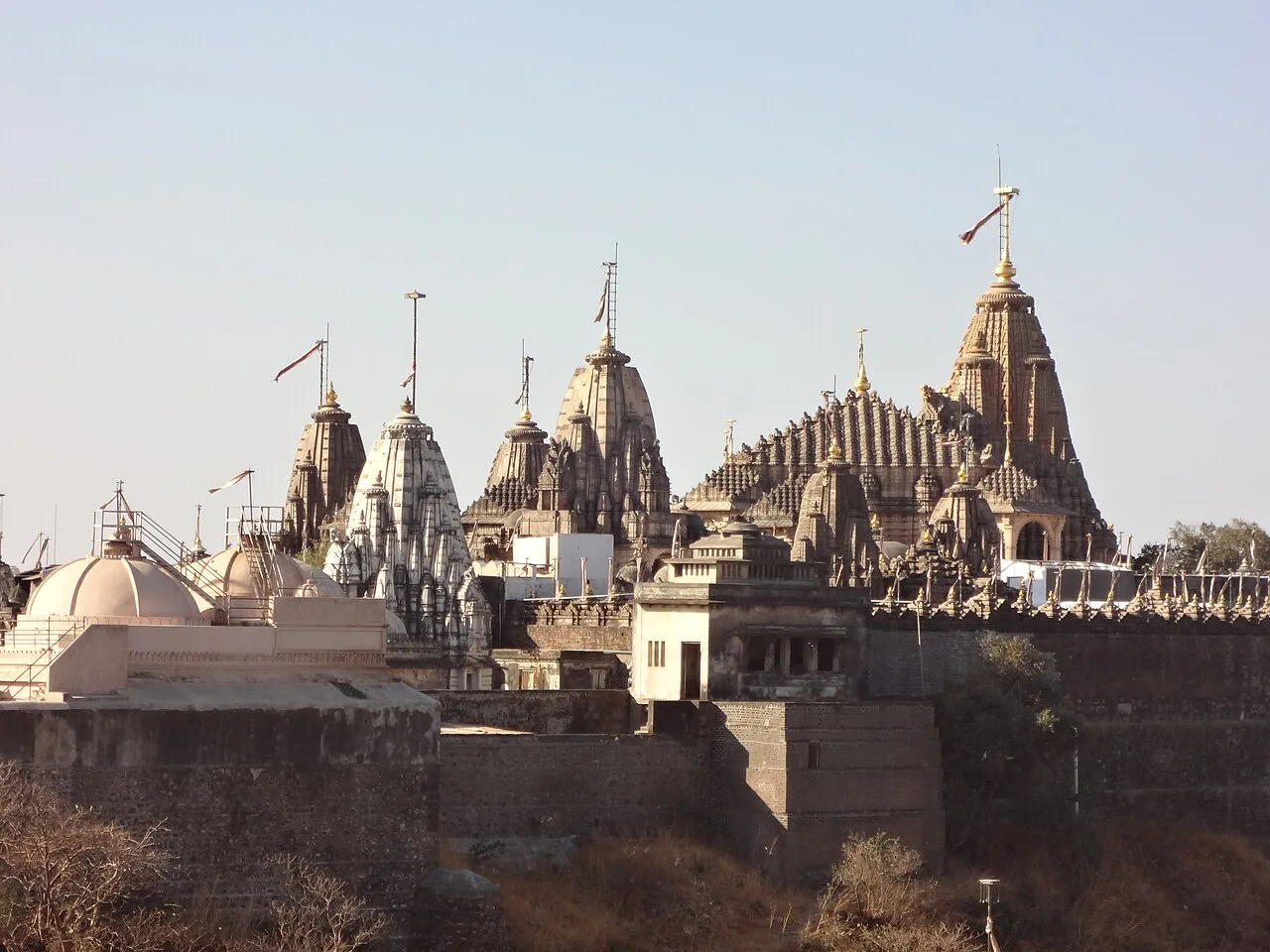
Palitana temples, near Palitana

City guide · Gujarat

Palitana

Palitana, in Gujarat’s Bhavnagar district, is one of Jainism’s most important pilgrimage towns. Its defining landmark is Shatrunjaya Hill, a sacred site crowned with a vast complex of marble temples.

Famous for

  • Shatrunjaya hill temples
  • Jain pilgrimage
  • Marble temple carvings
  • Jain vegetarian food
  • Adinath temple
In the city
1
District
Bhavnagar

Why Palitana matters

Palitana, in Gujarat’s Bhavnagar district, is one of Jainism’s most important pilgrimage towns. Its defining landmark is Shatrunjaya Hill, a sacred site crowned with a vast complex of marble temples. More than 900 temples and shrines are spread across the hill, including the principal temple dedicated to Adinath, the first Jain tirthankara. For many Jain devotees, climbing the hill is a significant act of pilgrimage; visitors also come to see its detailed stonework and hilltop views.

The town supports pilgrims with places to stay, religious services and everyday facilities, while remaining closely shaped by Jain practice. In 2014, Palitana became the first city to be officially declared vegetarian, with the sale of meat, fish and eggs prohibited. It lies about 50 kilometres southwest of Bhavnagar and is a useful stop for exploring this part of Saurashtra. Its appeal is primarily spiritual and architectural rather than commercial: the climb, the temples and the traditions associated with the sacred hill define a visit.

Famous for: crafts, trade & products

Palitana is best known for the marble architecture of the Shatrunjaya temples, rather than for textiles, sarees or a large manufacturing sector. Temple courtyards, gateways and shrines display intricate carving shaped by generations of Jain patrons and artisans. The complex includes temples associated with Adinath, Kumarpal, Vimal Shah and Sampriti Raja. These are places of worship, so visitors should treat them respectfully and follow local guidance on photography and conduct.

There is no single craft or GI-tagged product that defines the town. For practical shopping, explore the bazaar and commercial lanes near the town centre and the hill approach. Shops serving pilgrims may offer religious books, prayer items, images and simple souvenirs; local stores also cater to daily needs. Gujarati snacks and packaged foods can be found around town, but food should not be carried onto the sacred hill. Palitana’s strongest “product” is its pilgrimage heritage: the temples and their sculpture are the main reason visitors come, rather than a specialist shopping district.

History

Palitana’s history is closely linked to Jain patronage and the Shatrunjaya pilgrimage. Jain tradition associates the hill with Adinath, who is said to have meditated there. The temples were built and expanded by generations of devotees, with construction beginning in the medieval period and continuing over many centuries. Their development reflects the resources and religious commitments of merchant patrons and rulers.

Palitana State was founded in 1194. In 1656, Murad Baksh, then governor of Gujarat, granted the village to the Jain merchant Shantidas Jhaveri. Management of the temples was assigned to the Anandji Kalyanji Trust in 1730, which remains closely associated with their administration. During British rule, Palitana was a princely state in the Kathiawar Agency of the Bombay Presidency. The princely state ended with the integration of states into independent India in 1948. In modern times, pilgrimage remains central to the town’s identity, and its vegetarian regulations reflect the continuing influence of Jain values.

Food, festivals & culture

Jain observance strongly shapes Palitana’s food culture. The town is officially vegetarian, and many Jain meals avoid root vegetables to limit harm to living organisms in the soil. Gujarati staples include dal, rice, kadhi, rotlo and dal dhokli, alongside snacks such as dhokla, khandvi and gathiya. Sev tameta nu shaak is another familiar regional dish. Gujarati sweets and farsan are available in town, though visitors observing strict dietary rules should check ingredients.

Paryushan, generally observed in the late monsoon, is an important period of fasting, prayer and reflection for Jains. Mahavir Jayanti, usually in spring, is marked by worship and devotional gatherings; Navratri in autumn brings Gujarati garba in the wider region. Gujarati is the main local language, and Hindi is also commonly understood. Jain devotional singing and temple rituals are part of religious life. The Shatrunjaya temples are the principal places of worship; visitors should dress modestly and follow temple and pilgrimage customs.

Visiting the city

October to February is generally the most comfortable season to visit, while summer can be very hot and monsoon rain may make the hill steps slippery. The nearest airport is Bhavnagar Airport. Palitana railway station serves the town; Bhavnagar Terminus is another regional rail connection. Confirm current transport arrangements before travelling.

Auto-rickshaws and local vehicles can help with journeys around town, including the temple approach. The bazaar and lanes near the foot of Shatrunjaya Hill are useful areas to explore for pilgrim services and everyday shops. The hill pilgrimage involves a long climb on stone steps, so allow ample time, wear suitable footwear and follow local guidance. Pilgrims are expected to complete the visit and descend before nightfall; check current rules before setting out.

Attractions

Places to visit in Palitana

Sights within about 12 km of each other, even when they fall in different districts.

Map

Palitana on the map

  1. 1Palitana temples

Gujarat

Other cities to explore