
Ghumoopedia — Explore, Discover, Experience
Sign in
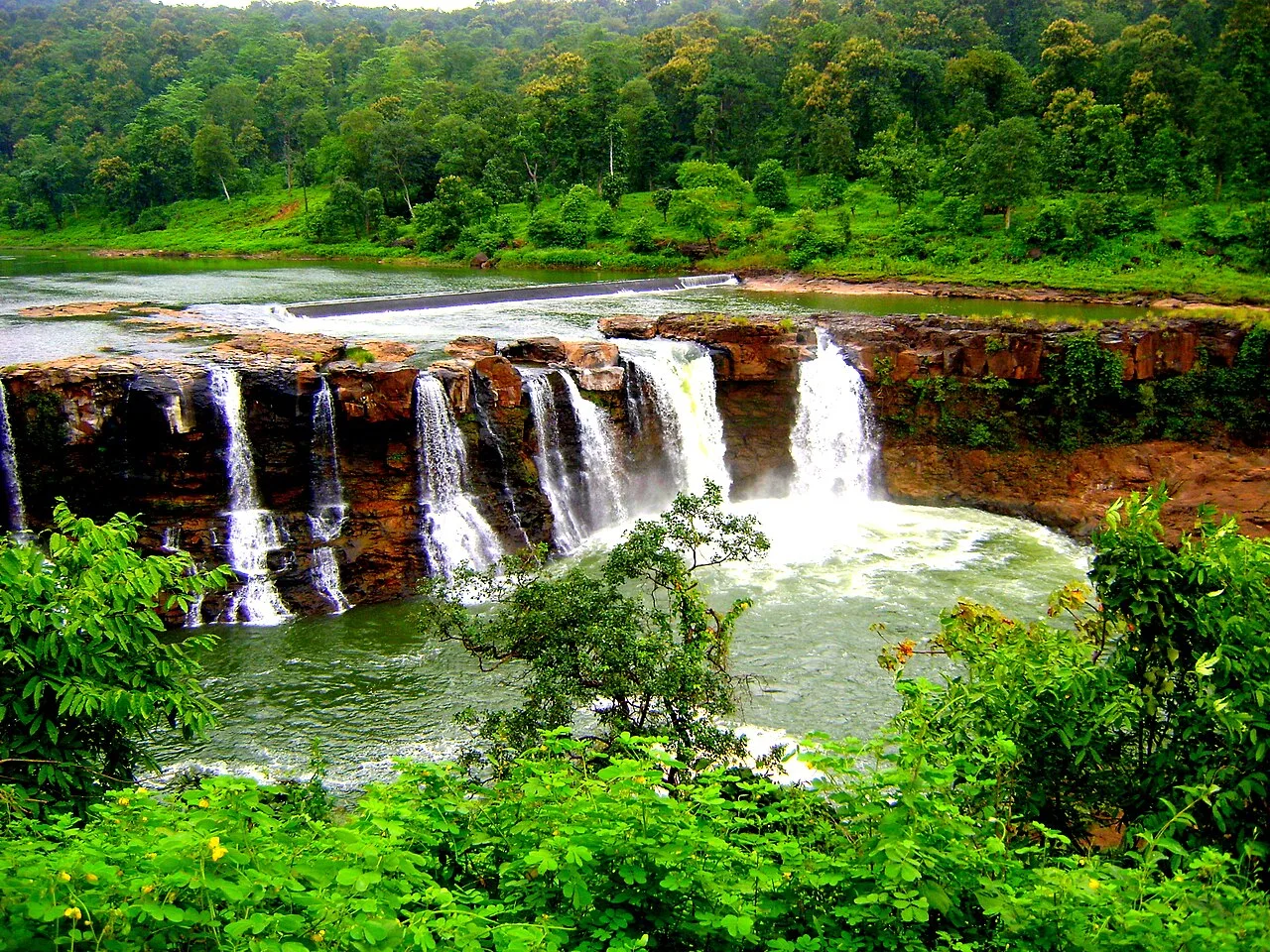
Waghai (Gira Falls), near Vansda

City guide · Gujarat

Vansda

Vansda, also called Bansda, is a small town in Valsad district whose importance comes from its position among the forested southern Gujarat hills and its history as the capital of the former Bansda princely state. It serves local communities and travellers moving between the district’s towns and the inland hill country, with road connections towards Waghai, Chikhli, Dharampur and Saputara.

Famous for

  • Former Bansda princely capital
  • Vansda National Park nearby
  • Western Ghats forest landscapes
  • Roads to Saputara and Waghai
In the city
0
Nearby
1
District
Dang
Plan a trip

Why Vansda matters

Vansda, also called Bansda, is a small town in Valsad district whose importance comes from its position among the forested southern Gujarat hills and its history as the capital of the former Bansda princely state. It serves local communities and travellers moving between the district’s towns and the inland hill country, with road connections towards Waghai, Chikhli, Dharampur and Saputara.

The town is a convenient base for visiting Vansda National Park, a protected forest landscape nearby, as well as other destinations in the southern Gujarat and Dang region. Visitors come for greenery, monsoon scenery and a quieter alternative to the larger towns on the coast. Vansda is not especially known as a major shopping or manufacturing centre; its appeal lies more in its historic identity, regional setting and access to nature. The surrounding area also offers glimpses of rural life and the varied communities of this part of Gujarat.

Famous for: crafts, trade & products

Vansda’s best-known distinction is historical rather than commercial: it was the seat of the Bansda princely state. The town functions as a local service and trading centre, where everyday shops and markets cater to residents and people travelling through the surrounding countryside. Visitors can look for ordinary Gujarati provisions, snacks and household goods in the town bazaar, but Vansda is not widely identified with a particular textile, craft, GI-tagged product or large-scale industry.

There is no prominent specialist shopping quarter or widely recognised local product market to plan a visit around. For regional handicrafts or a broader selection of goods, travellers may find more options in larger towns on their route. The strongest reason to shop locally is practical: pick up refreshments and essentials before heading towards the forest and hill roads. Food and small retail businesses are generally concentrated around the town centre and its main roads. Travellers interested in locally made items can ask shopkeepers about current availability, as stock and seasonal offerings may vary.

History

Vansda’s history is closely tied to the princely state of Bansda, of which the town was the capital. The rulers administered a small state in the wooded southern Gujarat region, and the town developed as its centre of authority and local exchange. Its historic name is also written as Bansda, a form still used in references to the former state.

The princely state’s political role ended in 1949, after which the area became part of independent India’s administrative system. Gujarat was formed as a separate state in 1960, and Vansda subsequently developed as a municipality within Valsad district. Modern growth has been shaped chiefly by regional roads and its role as a service centre for nearby villages and hill communities. Rather than becoming a major industrial city, Vansda has retained a small-town character, with its past as a princely capital and its location near forested landscapes continuing to distinguish it.

Food, festivals & culture

Gujarati is widely used in everyday life, and Hindi is also understood in many settings. In the surrounding countryside, residents may speak local tribal languages and dialects, including Dangi varieties. Food is rooted in familiar Gujarati home cooking: meals may include rotli, rice, lentils, vegetables and farsan, while tea and locally sold sweets are easy to find in shops. There is no single dish or sweet that is especially associated with Vansda, and menus vary between homes and eateries.

Navratri, usually in autumn, brings devotional music and garba dancing across Gujarat; Diwali, also in autumn, and Holi in spring are widely observed. Local religious life includes Hindu places of worship, though festivals and customs differ between communities. Folk music and dance in the wider southern Gujarat region reflect both Gujarati and tribal traditions. Visitors should be respectful when attending worship or community celebrations, and ask before photographing people or ceremonies.

Visiting the city

The cooler months, broadly from October to February, are comfortable for exploring town and nearby outdoor areas. The monsoon, usually from June to September, makes the landscape lush but can bring heavy rain and affect forest-road conditions. Surat Airport is a practical airport to check for connections; confirm onward road arrangements before travelling. The nearest railway station is Unai.

Vansda is connected by state highways with places including Waghai, Chikhli, Saputara, Vapi and Dharampur. Local travel is mainly by road, using taxis, private vehicles or available regional buses; transport frequency can vary. Explore the town centre and its market streets for everyday shops and food, then use Vansda as a base for nearby forest and hill destinations. Check current access conditions before setting out for protected areas.

Short trips

Around Vansda

Within about 40 km — easy half-day or day trips from the city.

Map

Vansda on the map

  1. 1Waghai (Gira Falls)

Gujarat

Other cities to explore