
Ghumoopedia — Explore, Discover, Experience
Sign in
Rani ki Vav, near Patan

City guide · Gujarat

Patan

Patan is a historic city in northern Gujarat and the administrative centre of Patan district. Founded as Anahilapataka, it served as a capital under the Chavda and Chaulukya dynasties and later held regional importance under other rulers.

Famous for

  • Patan Patola sarees
  • Rani ki Vav
  • Sahastralinga Tank
  • Jain temples
  • Patola weaving
  • Rathyatra celebrations
In the city
2
District
Patan

Why Patan matters

Patan is a historic city in northern Gujarat and the administrative centre of Patan district. Founded as Anahilapataka, it served as a capital under the Chavda and Chaulukya dynasties and later held regional importance under other rulers. Its layered past is visible in its temples, mosques, old market streets and historic waterworks.

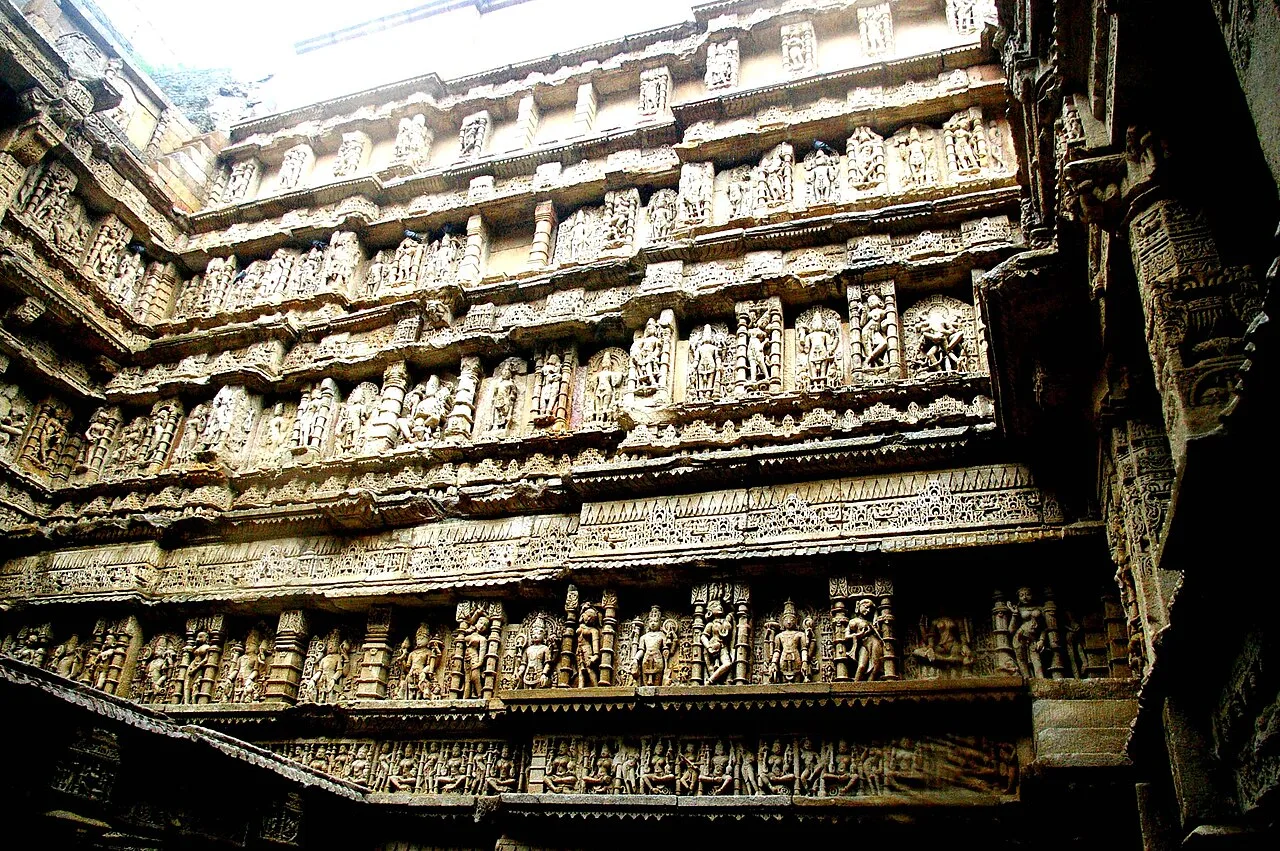
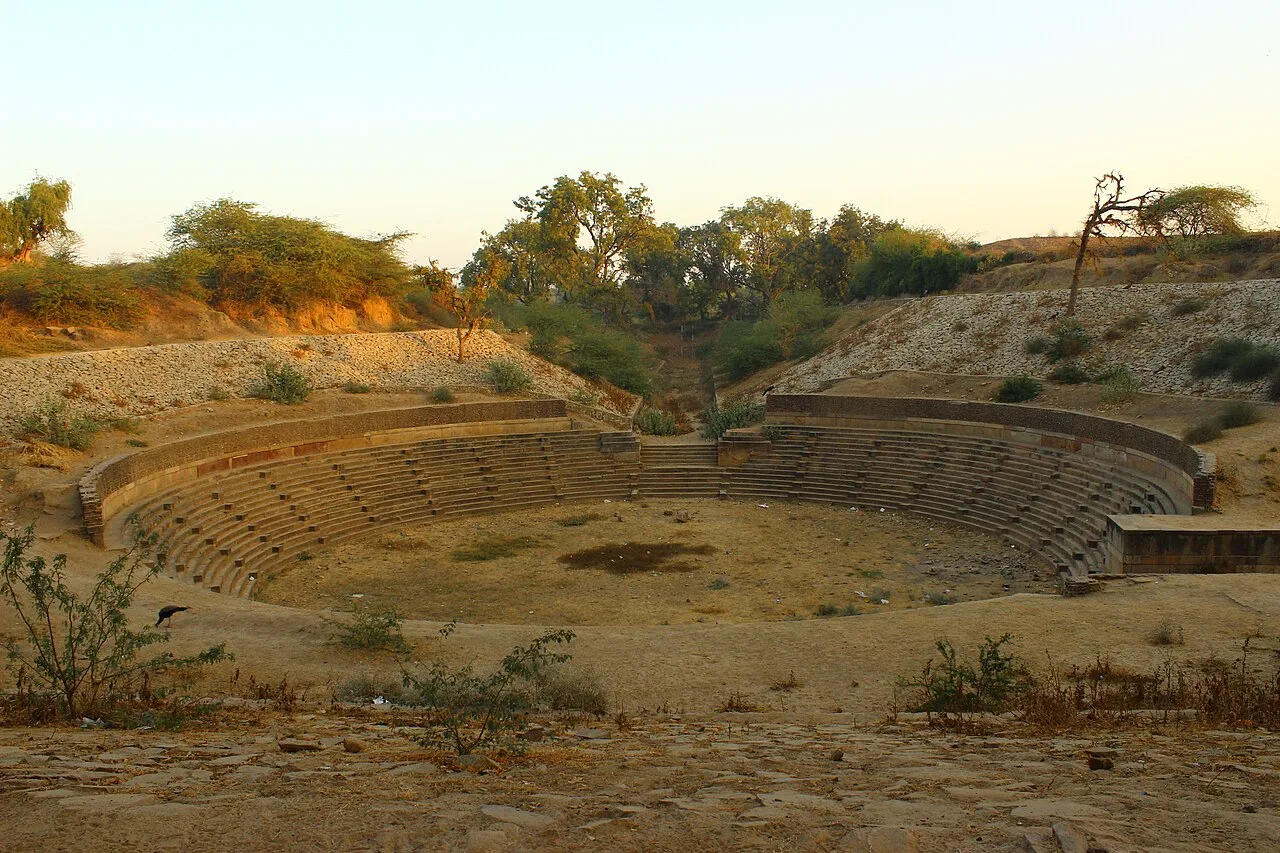
Visitors are drawn especially to Rani ki Vav, an elaborately carved stepwell recognised as a UNESCO World Heritage Site, and to the remains of the Sahastralinga Tank. Patan is also celebrated for Patola, a painstakingly woven silk textile whose distinctive patterns have made the city’s name familiar across India. Jain temples and the living tradition of textile weaving offer another perspective on its heritage. Today, Patan combines district-level civic services, education and healthcare with a traditional bazaar and craft economy. It makes a rewarding stop for travellers interested in architecture, religious history and regional handicrafts, and a useful base for exploring northern Gujarat.
Famous for: crafts, trade & products

Patan is best known for Patan Patola, a richly patterned double-ikat silk textile woven by aligning and dyeing the threads before they are woven. The process demands considerable skill and time, and designs are passed on through generations of specialist weavers. Visitors can learn about the craft and see examples at the Patan Patola Heritage Museum, managed by the Salvi family, and at weaving establishments in the city. Ask permission before photographing artisans or their work.

The old bazaar is a place to browse for textiles, household goods and everyday Gujarati products; availability and authenticity vary, so buyers should ask about materials and workmanship. Salvivad is associated with Patola weaving and traditional clay toys. Patan’s textile heritage is also recognised through the GI-tagged Patan Patola. Beyond crafts, the city has a strong educational and medical role in the region, with Hemchandracharya North Gujarat University among its prominent institutions. The combination of working craft traditions, markets and cultural institutions gives Patan an identity that extends beyond its celebrated monuments.

History

Patan began as Anahilapataka, founded by Chavda ruler Vanaraja in the ninth century. It became a major capital under the Chaulukya, or Solanki, dynasty from the tenth to thirteenth centuries, when the city prospered as a political, religious and trading centre. Jainism had a significant presence, and the area developed a substantial community of temples. Rani ki Vav and the Sahastralinga Tank reflect the importance of water management and monumental building in this period.

Patan later came under successive regional powers. It served as a capital of the Gujarat Sultanate from 1407 to 1411; in later centuries, authority shifted through Mughal and Maratha rule. During the colonial era, it formed part of the princely-state political landscape under the Gaekwad rulers of Baroda and British paramountcy. After independence, Patan developed as a regional administrative centre. It is now the headquarters of Patan district, with modern education, healthcare and transport serving surrounding towns and villages alongside its historic crafts and heritage sites.

Food, festivals & culture

Gujarati is the principal language of daily life; Hindi is also widely understood. Food reflects the broader vegetarian traditions of Gujarat, with thalis, rotli and shaak, khichdi-kadhi and farsan commonly available. Sweet shops offer familiar Gujarati sweets such as mohanthal and other seasonal or festival treats, though menus vary between establishments. Patan is not defined by one single signature dish, so its food is best approached as part of the region’s everyday cuisine.

Navratri, usually held in autumn, brings nights of garba dancing and devotional music. The city’s Rathyatra is another major public celebration, while Jain festivals and observances are important to its long-standing Jain community. Bhajans and temple rituals are part of local religious life, alongside the sounds of garba during festival season. Patan’s places of worship include Hindu and Jain temples as well as mosques and dargahs, reflecting the city’s varied history. Visitors should dress modestly at religious sites and check locally for festival dates, which follow the lunar calendar.

Visiting the city

The cooler months from October to February are generally the most comfortable for exploring Patan on foot; summers can be very hot, while monsoon showers may affect outdoor visits. For scheduled commercial flights, the most practical gateway is Sardar Vallabhbhai Patel International Airport in Ahmedabad. Patan Railway Station is the city’s main rail stop, with connections to the wider regional network.

Auto-rickshaws are useful for getting between the station, central areas and monuments; local buses serve nearby settlements. Rani ki Vav and the remains of Sahastralinga Tank are key stops, while the old bazaar and Salvivad offer a closer look at the city’s craft and market life. Allow time for the Patola museum or a weaving visit, and for the Jain temples in the older parts of town. Confirm access arrangements locally before visiting a workshop or place of worship.

Attractions

Places to visit in Patan

Sights within about 12 km of each other, even when they fall in different districts.

Map

Patan on the map

  1. 1Rani ki Vav
  2. 2Sahasralinga Tank

Gujarat

Other cities to explore