
Ghumoopedia — Explore, Discover, Experience
Sign in
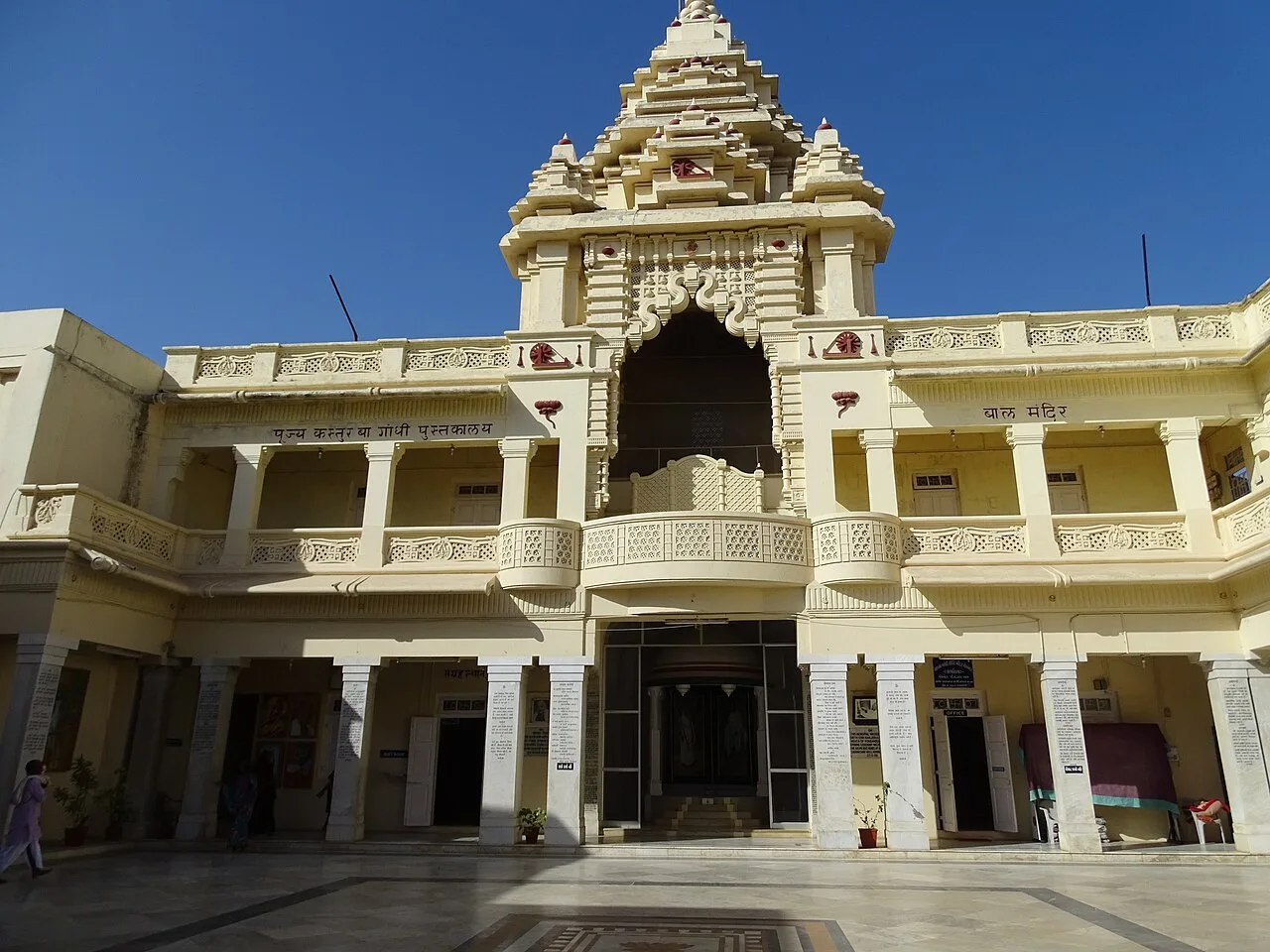
Kirti Mandir, near Porbandar

City guide · Gujarat

Porbandar

Porbandar is a coastal city in Saurashtra and the administrative headquarters of Porbandar district. Its best-known landmark is Kirti Mandir, built at the site associated with the birth of Mahatma Gandhi.

Famous for

  • Mahatma Gandhi’s birthplace
  • Kirti Mandir
  • Sudama Temple
  • Porbandar limestone
  • Fishing and coastal trade
In the city
1
District
Porbandar

Why Porbandar matters

Porbandar is a coastal city in Saurashtra and the administrative headquarters of Porbandar district. Its best-known landmark is Kirti Mandir, built at the site associated with the birth of Mahatma Gandhi. The city is also linked by local tradition with Sudama, the friend of Krishna, and Sudama Temple is an important place of worship. These associations give Porbandar a distinctive place in Gujarat’s cultural and pilgrimage landscape.

The city’s importance also comes from its historic role as the capital of a princely state and its continuing connection to the sea. Fishing and port activity shape the waterfront, while the urban area includes neighbouring Chhaya, jointly governed with Porbandar by the municipal corporation. Visitors come for the Gandhi and Sudama sites, coastal scenery and a quieter view of Saurashtra beyond its larger tourist centres. Porbandar’s heritage streets and working harbour offer a glimpse of a city where regional history, religious tradition and everyday maritime life meet.

Famous for: crafts, trade & products

Porbandar is better known for its coastal trade, fishing and building stone than for a signature textile or saree tradition. Pale local limestone, often called Porbandar stone, has been used in construction and is part of the city’s material heritage. Fishing supports local trade, and seafood can be found through the city’s markets and eateries. Cement and other industries connected with regional mineral resources also contribute to the local economy.

Central market streets are the most practical places to browse for everyday goods, clothing, household items and regional snacks. Shops may carry bandhani fabrics, embroidered garments and handicrafts associated with the wider Saurashtra and Gujarat region, though these are not necessarily made in Porbandar. Ask sellers about a product’s origin if you are looking for locally produced work. The city is not especially known as a destination for a particular GI-tagged craft or saree, so visitors seeking a wider selection of Gujarat handicrafts may find more choice in larger regional centres. For a sense of local commerce, explore the central bazaars and the areas around the waterfront, where fishing-related activity is part of the city’s daily life.

History

Porbandar developed as a coastal settlement and later became the seat of the princely state of the same name. From at least the mid-16th century, the state was ruled by the Jethwa Rajput clan. It first acknowledged the authority of the Mughal administration in Gujarat; after Maratha expansion in the region, it came under the influence of the Gaekwad court and the Peshwa. Its position on the Arabian Sea supported maritime connections as well as local fishing and trade.

Under British rule, Porbandar continued as a princely state. After India became independent in 1947, it joined the United State of Kathiawar in 1948 and later became part of Gujarat. The last ruler was Natwarsinhji Bhavsinhji Maharaj. In modern times Porbandar has grown as a district headquarters and port city, with neighbouring Chhaya forming part of the combined urban administration. Its most prominent modern historical association is with Mahatma Gandhi, who was born here.

Food, festivals & culture

Gujarati is the main language of daily life; Hindi is also widely understood. Local food reflects Saurashtra’s Gujarati and Kathiawadi cooking, with thalis, bajra rotla, khichdi-kadhi, vegetable dishes and farsan commonly available. Coastal restaurants and eateries also serve fish and other seafood. Sweet shops offer familiar Gujarati treats such as jalebi, peda and other milk-based sweets, though specialities vary from shop to shop.

Navratri, usually in autumn, brings garba and community celebrations. Diwali, Holi and Janmashtami are also observed, while Gandhi Jayanti on 2 October has particular resonance in Gandhi’s birthplace. Bhajans and devotional gatherings are part of religious life, alongside regional folk forms such as dayro. Kirti Mandir draws visitors interested in Gandhi’s life, while Sudama Temple is a major devotional landmark associated with the local tradition about Sudama and Krishna. Temples and neighbourhood shrines throughout the city serve local communities and festival gatherings.

Visiting the city

The cooler months from October to March are generally the most comfortable for exploring Porbandar. April and May are hotter; monsoon weather usually arrives from mid-June and can be variable. Porbandar Airport is the nearest airport, and Porbandar railway station is the main rail stop in the city. Check current flight and rail connections before travelling, as services can change.

Auto-rickshaws, taxis and local transport are useful for getting around; many central sights are within a relatively compact area. Begin around Kirti Mandir and the central streets, then visit Sudama Temple and continue towards the seafront and Chowpatty. The waterfront and older port-side areas offer a feel for the city’s maritime character. Chhaya, adjoining Porbandar, is also part of the urban area and can be explored as part of a local outing.

Attractions

Places to visit in Porbandar

Sights within about 12 km of each other, even when they fall in different districts.

Map

Porbandar on the map

  1. 1Kirti Mandir

Gujarat

Other cities to explore