
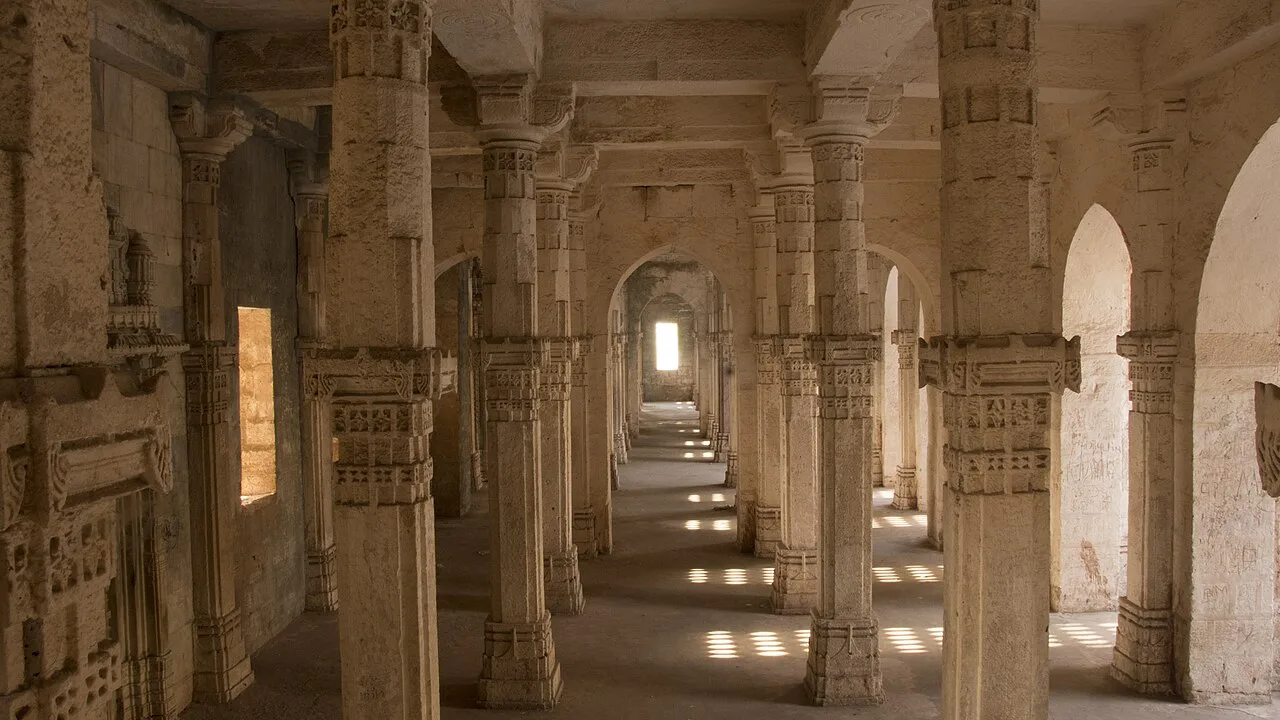
Uparkot Fort
Uparkot Fort is a fort in Junagadh district, Gujarat, on the eastern side of Junagadh. Visitors come to see the fort and its location within the city.
Key facts · verified by Ghumoopedia editors
- Type of place
- Heritage monument
- Best time to visit
- November to February
- Nearest railway station
- Junagadh Junction · about 5 km (straight line)
- Nearest airport
- Keshod Airport (Junagadh) · about 30 km (straight line)
- Verified
- 21 Nov 2026
Plan a trip from Uparkot Fort — a day-by-day route through places nearby.
Uparkot Fort is situated in Junagadh district, in the state of Gujarat. Within Junagadh, the fort lies on the eastern side. These details identify both the district where it is found and its position in the city. A visit centres on seeing Uparkot Fort itself. Its location can be described as the east of Junagadh, while the wider administrative area is Junagadh district, Gujarat. The fort’s name and placement within the city are the key points about the site. Gujarat combines Harappan cities at Dholavira and Lothal, the stepwells and Sultanate mosques of Ahmedabad and Patan, the Jain hills of Palitana and Girnar, Gandhi's Sabarmati Ashram, the Asiatic lions of Gir and the white salt desert and craft villages of Kutch. Gujarat is very hot from March to June (Kutch and north Gujarat often exceed 42°C), receives monsoon rain from late June to September, heaviest in the south and the Dangs, and is pleasant and dry from November to February with cold desert nights in Kutch. The usual best time to visit is November to February. Timings, fees and access arrangements must be confirmed locally. For official information, see Gujarat Tourism at https://www.gujarattourism.com.
Why it matters
Uparkot Fort is a major heritage site in Junagadh, reflecting the city’s long history as a political and strategic centre in Saurashtra. Its fortifications, rock-cut Buddhist caves, stepwells and later religious buildings show how the site served changing communities and rulers over many centuries. The fort is especially important locally for understanding Junagadh’s layered past, including its association with the Chudasama rulers and later periods of regional rule. It is also a useful starting point for exploring other historic places in the city. No UNESCO World Heritage designation is claimed here; visitors should check current government or site information for the monument’s protection and management status.
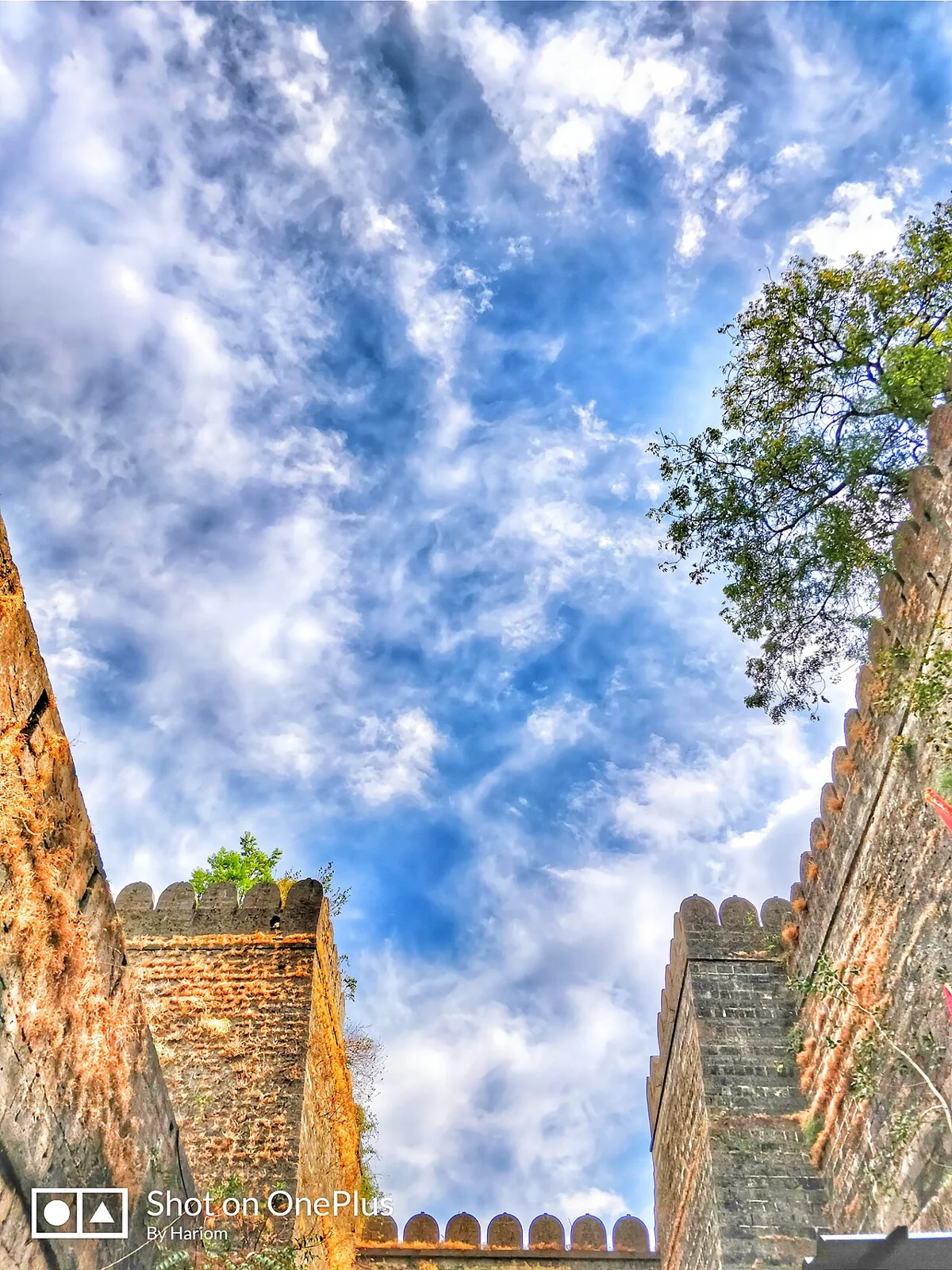
Uparkot is traditionally dated to the Mauryan period, and local accounts often associate its foundation with Chandragupta Maurya. That attribution is part of the fort’s received history rather than a date that should be treated as certain for every surviving structure. Rock-cut Buddhist caves within the complex are generally associated with the early centuries CE, evidence that the area had religious as well as defensive importance. In the medieval period, Junagadh became a stronghold of the Chudasama rulers, and Uparkot is closely connected with their rule. Control of the city later passed through other regional powers, including the Gujarat Sultanate, while the fort continued to be altered and used. Its buildings therefore belong to different periods rather than a single construction campaign. The fort and city remained important under the Nawabs of Junagadh, whose princely state came to an end during the political changes of 1947–48. The complex has survived through repeated use, repair and conservation. Precise dates for individual repairs are not consistently established in general visitor accounts, so interpretive information at the site or from the relevant heritage authority is the best guide to specific structures.
Origin stories & folklore
According to local tradition, Uparkot is extraordinarily ancient and was founded by Chandragupta Maurya. Stories also describe the fort as having endured repeated sieges, sometimes giving the number as sixteen and recounting a siege that lasted many years. These accounts are part of Junagadh’s popular heritage and should be understood as legend rather than a verified military record. The fort’s deep wells and protected position have helped such stories endure: they suggest a stronghold able to withstand isolation. Local guides and residents may tell versions that differ in detail. Visitors can enjoy these narratives while distinguishing them from dated archaeological evidence and the history presented by heritage interpretation.
Architecture & design
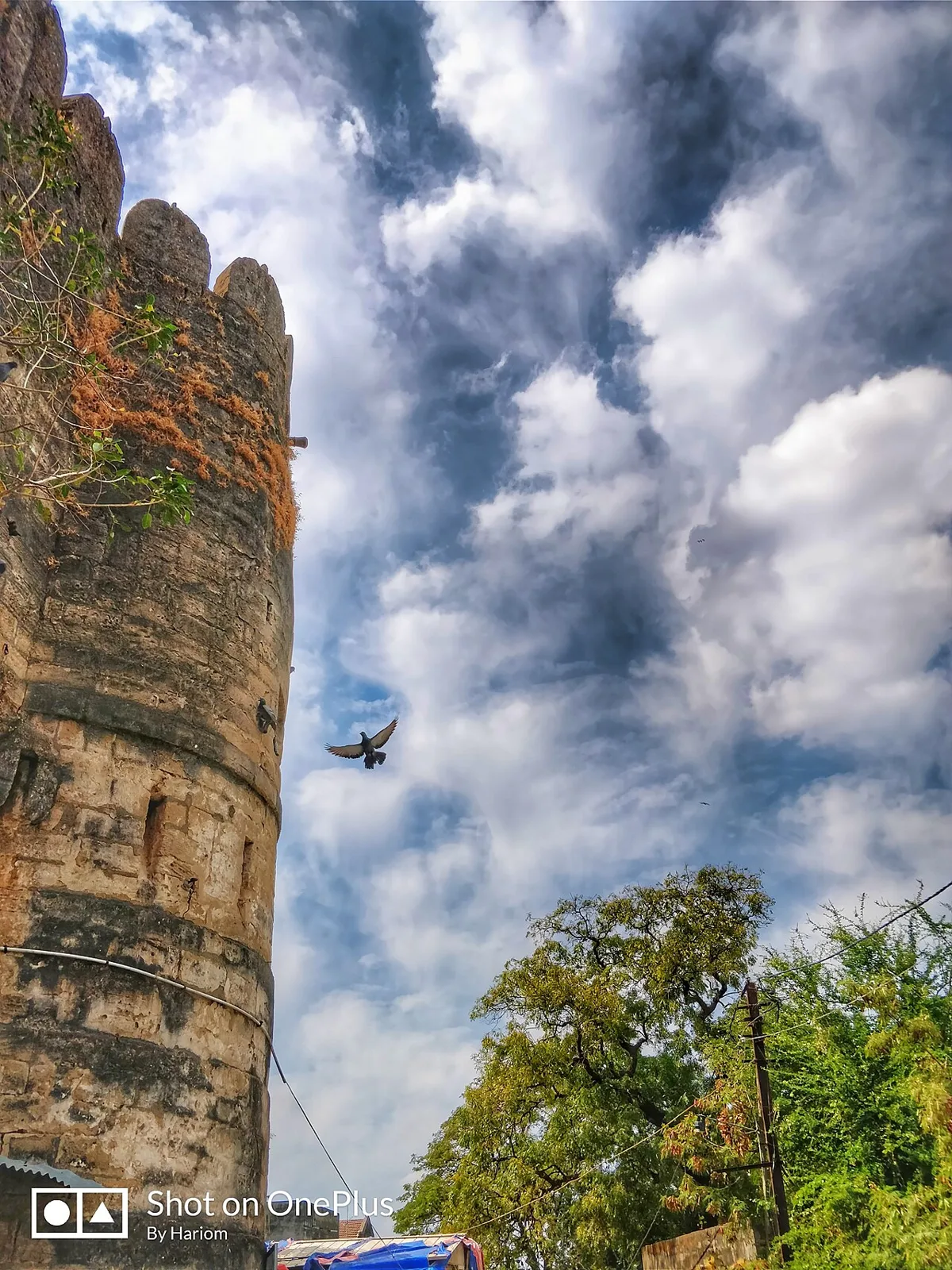
Uparkot occupies elevated ground on the eastern side of Junagadh and is enclosed by substantial defensive walls with gateways. Its layout reflects a fort adapted over time, rather than a single, uniform design. Within the enclosure are structures from different periods, including rock-cut Buddhist caves, a mosque, stepwells and defensive features. The caves are cut into living rock and include carved pillars, halls and water cisterns. Adi Kadi Vav is a narrow, open-cut stepwell reached by a long flight of steps; Navghan Kuvo is a deep well with a distinctive spiral access route cut through rock. These waterworks were practical responses to the need for dependable water during siege or dry periods. Jama Masjid, within the fort, has a large prayer hall and a prominent courtyard setting. The massive walls and elevated position provided defence and views across the surrounding landscape. Stone, rock-cut construction and reused or adapted spaces make the complex an unusual record of changing military, religious and civic needs.
Important objects & sculptures
Look for the rock-cut Buddhist caves, where carved pillars, halls and cisterns remain among the most distinctive features of the complex. The two celebrated water structures, Adi Kadi Vav and Navghan Kuvo, are notable both as engineering works and as parts of the fort’s history. Jama Masjid is another major feature, with its broad prayer space and architectural details. Visitors may also see historic cannons displayed within the fort; their names and associated stories are given differently in popular accounts, so rely on site interpretation for identification. Inscriptions and carved details, where visible, should be viewed without touching or marking the stone. The surviving features represent different periods and uses, rather than one collection assembled at a single time.
Explore Uparkot Fort slowly and read the interpretation boards, use the official audio guide where available or hire an authorised guide to understand its history. Hill forts involve steep climbs on uneven stone steps; start early, carry water and descend well before dark. Early morning gives softer light, cooler air and smaller crowds. A comfortable itinerary is one main visit in the morning, a local meal at midday and a short nearby stop before an afternoon return. Use the district list on this site to find other places in Junagadh, but check the route and its condition before combining stops. If a festival is on — such as Navratri garba, the Rann Utsav or Uttarayan kite flying — roads and stays can be busy, and the experience can be unforgettable. Leave no litter: many sites are protected by the communities around them.
Suggested itineraries
Half day: Fort entrance and walls (30–45 minutes) → Buddhist caves (30–45 minutes) → Adi Kadi Vav and Navghan Kuvo (45–60 minutes) → Jama Masjid and a slow return (30–45 minutes). Full day: Uparkot Fort (2–3 hours) → lunch in Junagadh (about 1 hour) → Ashokan Rock Edicts and Mahabat Maqbara (1–2 hours) → Bhavnath or Damodar Kund if energy and conditions allow (1–2 hours). Gentler option: Visit the entrance area and a small selection of accessible viewpoints with a companion, taking frequent rests; skip steep stepwells and ask locally which areas have the easiest approach.
Junagadh’s everyday culture reflects Gujarati and Saurashtrian traditions, with Gujarati widely spoken and Hindi also commonly understood; visitors may hear other regional languages as well. The city’s religious and historic landmarks remain part of local life, and residents may visit nearby temples, mosques and shrines for worship. Folk music, devotional singing and Gujarati dance traditions are part of the wider region’s cultural calendar, though performances are not a regular feature of the fort itself. Modest dress and considerate conduct are appreciated around active religious spaces. The fort is a heritage attraction rather than a living village, so visitors should be mindful of local worshippers, guides and other guests while exploring.
Festivals & events
Navratri, usually in autumn, brings garba and other celebrations across Gujarat, including Junagadh. Maha Shivratri is an important occasion at Bhavnath, near Girnar, and the Junagadh area can become especially busy around the associated fair. The Girnar Parikrama, generally held in the cooler season around the Hindu month of Kartik, also draws pilgrims and visitors to the district. These events are not necessarily hosted inside Uparkot Fort, but they can affect traffic, accommodation and crowd levels around the city. Confirm event arrangements locally before planning a combined visit.
Local food in Gujarat includes dhokla, khandvi, thepla, fafda-jalebi, undhiyu in winter, the Gujarati thali, Kutchi dabeli, Surti locho and ponk, kadhi-khichdi, and sweets such as mohanthal and shrikhand; much of Gujarat's food is vegetarian and lightly sweet. Ask what is fresh that day; many small eateries cook a limited daily menu. Vegetarian travellers eat superbly here; non-vegetarian food is available in cities but limited in pilgrimage towns such as Palitana, Dwarka and Ambaji, where it may be banned. Remote sites may have no restaurant at all. Carry water and snacks, eat a proper breakfast before long drives, and ask your accommodation for a packed lunch if you are heading out early. Try a home-cooked or local thali meal when you can — it is often the best food on the route. Choose busy, clean places, drink sealed or filtered water, and carry your packaging back with you.
Shopping & local experiences
Junagadh’s markets are a practical place to look for Gujarati snacks, regional sweets, everyday textiles and small locally made souvenirs. Saurashtra is known more broadly for colourful embroidery and craft traditions; ask vendors where an item was made rather than assuming every market product is local. Food shops and eateries in town offer a chance to try Gujarati or Kathiawadi-style dishes, including snacks and vegetarian meals. Buy from established sellers, check ingredients if you have dietary requirements, and avoid souvenirs made from protected materials or pieces taken from heritage sites.
November to February
The nearest principal railway station by straight-line distance is Junagadh Junction, roughly 5 km away. The nearest operating airport by straight-line distance is Keshod Airport (Junagadh), roughly 30 km away. These figures are calculated from map coordinates — actual road distance is longer. Ahmedabad, Vadodara, Surat and Rajkot are the main rail and air gateways; Bhuj serves Kutch, and Veraval, Junagadh, Dwarka and Porbandar serve Saurashtra. For the final leg, Gujarat State Road Transport Corporation (GSRTC) buses, private sleeper coaches and shared chhakdas and autos in rural areas link district towns. A private taxi gives more flexibility for remote sites. When comparing train, bus and flight, count the complete door-to-door time: a flight saves the most time only if the onward road transfer is short, while an overnight train can save a hotel night. Book your return before you leave, because seats fill quickly on weekends, festivals and holidays. Current train numbers, timings, return services and fares are not listed here; check IRCTC and NTES for trains and the airline's own schedule for flights. No permit is needed to visit Gujarat. Gujarat is a dry state: alcohol sale and consumption are prohibited except with a liquor permit, which visitors from outside the state can apply for at authorised hotel liquor shops with ID — never carry alcohol across the state border without one. Lion safaris in Gir and entry to parts of the Rann of Kutch near the border need advance online booking or a permit, and the White Rann around Dhordo is busiest during the Rann Utsav (roughly November to February).
Confirm onward and return timings on IRCTC / NTES, the state bus operator or your airline before travel. A dash means current timings or fares have not been verified.
Getting around
Junagadh Junction is the main rail arrival point for the city. From the station or other parts of town, autos and taxis can usually take visitors to the fort entrance; confirm the drop-off point and return arrangement locally. Local buses may serve parts of Junagadh, but routes and convenience vary. Once inside Uparkot, expect to explore on foot over uneven ground and between separated structures. Ask about parking near the entrance before driving, since availability and access can change. A local taxi or auto is useful for combining the fort with other city sights.
Hours, tickets & permissions
Entry conditions can change and may depend on which parts of the complex are open. Tickets, concessions, photography restrictions, guide arrangements or temporary closures may apply; do not assume that access to every structure is included in one admission. Carry identification if requested by the managing authority and follow any posted rules, especially around religious buildings and protected features. Confirm current opening hours, fees and access arrangements with the site or relevant heritage authority before travelling. Local conditions, conservation work or events may affect entry.
Facilities
Facilities within the fort may be basic and can vary by entrance or season. Toilets, drinking water, refreshments and seating are not guaranteed beside every structure, so carry water and plan food stops in Junagadh. Shops and eateries are easier to find in the city than deep inside the complex. Guides or audio interpretation may be available, but check locally rather than relying on them. Parking arrangements and public toilets should also be confirmed before arrival. ATMs are available in Junagadh, but it is sensible to carry a suitable payment option for small purchases.
Accessibility
Uparkot is a large historic complex with uneven stone surfaces, sloping paths and substantial flights of steps, particularly at the stepwells. Walking between features can involve effort, and shade is limited in some open areas. The deep stairways at Adi Kadi Vav and the access route at Navghan Kuvo are unsuitable for many visitors with mobility limitations. Wheelchair and stroller access is likely to be restricted; do not assume ramps, lifts or step-free routes. Older visitors or anyone with limited stamina may prefer a short visit near the entrance, frequent rests and a companion. Ask site staff about current path conditions before setting out.
No permit is needed to visit Gujarat. Gujarat is a dry state: alcohol sale and consumption are prohibited except with a liquor permit, which visitors from outside the state can apply for at authorised hotel liquor shops with ID — never carry alcohol across the state border without one. Lion safaris in Gir and entry to parts of the Rann of Kutch near the border need advance online booking or a permit, and the White Rann around Dhordo is busiest during the Rann Utsav (roughly November to February). Carry a photo ID at all times and save the emergency number 112 and your accommodation's contact offline. Heat in summer and heavy rain in the monsoon are the main weather risks; carry water, avoid midday sun and allow extra time when roads flood. On forts, keep away from unfenced edges, especially in mist or rain, and do not climb after dark.
Photography
Early morning usually offers softer light, cooler conditions and fewer visitors; late-day light can also bring out the texture of the stone. Look for views along the fort walls and across the city, while staying behind barriers and away from fragile edges. Ordinary handheld photography is commonly possible, but restrictions may apply inside religious spaces or during conservation work; follow posted guidance and ask before photographing people. Drone use requires legal permissions and may be prohibited or restricted around heritage sites. Avoid flash where requested, and do not disturb worship or ceremonies for a photograph.
Choose a stay by the full journey to Uparkot Fort, not just the district name. Ahmedabad, Vadodara, Rajkot and Bhuj offer the widest choice; pilgrim towns have dharamshalas and trust guesthouses, and Gir has resorts near Sasan Gir. In summer, check air-conditioning; in the monsoon, check that the property is accessible if roads flood. Book in advance for weekends, festivals and the peak season (November to February). Confirm the exact location, meals included, check-in time and cancellation terms in writing. Avoid sending money to unverified contacts or touts at stations. Carry some cash, as card and digital payments can be unreliable in remote areas.
Within Junagadh, the Mahabat Maqbara is known for its elaborate funerary architecture, while the Ashokan Rock Edicts preserve an important early historic inscription site. Sakkarbaug Zoo is another established city attraction. Near Girnar Hill, visitors may consider Bhavnath Temple and Damodar Kund, subject to their interests, mobility and local access conditions. Girnar’s temples and paths can require a demanding climb, so allow appropriate time and check conditions before going. These places can be combined with Uparkot, but confirm routes and transport locally rather than assuming short travel times.
For couples, Uparkot Fort rewards a slow pace: arrive early for soft light and fewer crowds, share a local meal and keep the evening free. A full-moon night on the White Rann, sunset at Shivrajpur or an evening on the Sabarmati Riverfront makes the trip memorable. Public displays of affection can be frowned upon in conservative communities and at religious sites, so be discreet. Keep a buffer in your itinerary, because weather and road conditions can delay plans.
Q: How much time should I allow for Uparkot Fort? A: Allow several hours to explore the main structures at a relaxed pace; steep steps and walking between features can extend the visit. Q: When is the best season to visit? A: November to February is generally the most comfortable season in Gujarat. Summer can be very hot, while monsoon conditions may affect paths. Q: Is there an entry ticket, and what are the rules? A: Entry requirements and fees can change. Confirm current details with the managing authority before visiting and follow posted restrictions. Q: Is the fort suitable for children or elderly visitors? A: Families can visit, but uneven ground and steep stepwells require care. Visitors with limited mobility may prefer a shorter route near the entrance. Q: Where can I stay nearby? A: Junagadh has accommodation options across the city. Choose a place based on your transport needs and check current availability before travel.
Be the first to share photos, stories, advice or a helpful contact for Uparkot Fort.
Loading…