
Girnar Hill
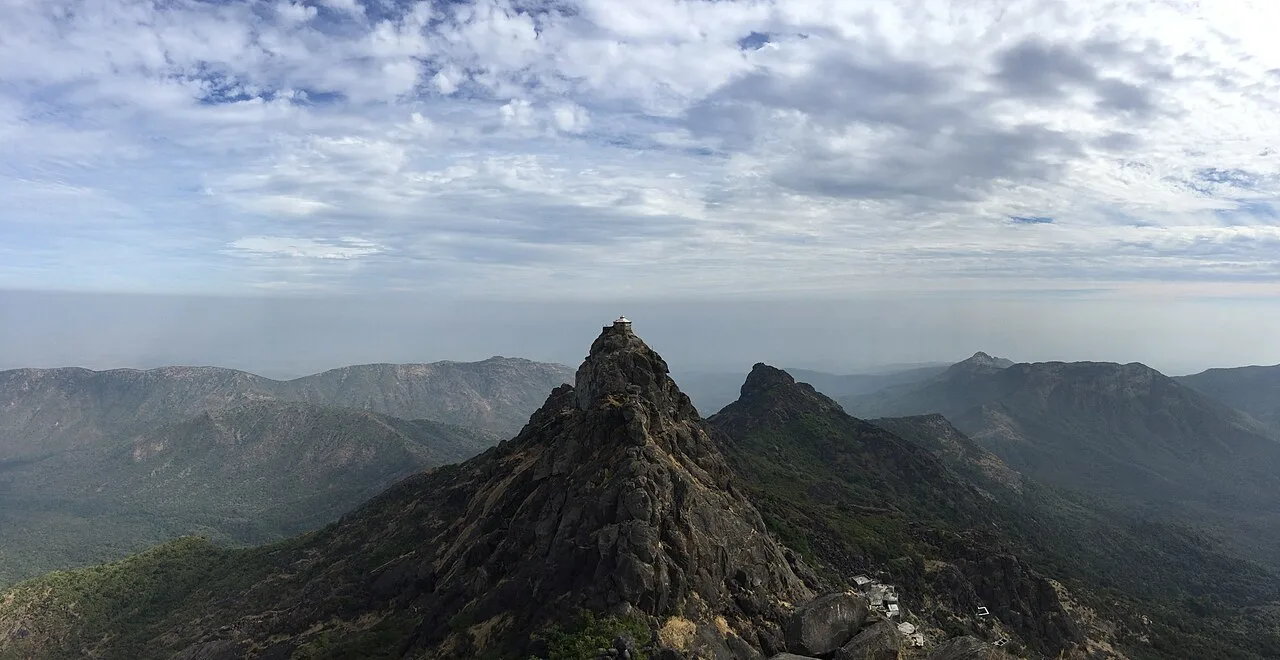
Girnar is a hill in Junagadh, Gujarat, revered as a Jain Mahatirth. Pilgrims visit in connection with traditions about Neminath, the 22nd Tirthaṅkar, and the hill’s highest summit.
Key facts · verified by Ghumoopedia editors
- Type of place
- Natural attraction
- Best time to visit
- November to February
- Nearest railway station
- Junagadh Junction · about 5 km (straight line)
- Nearest airport
- Keshod Airport (Junagadh) · about 30 km (straight line)
- Verified
- 21 Nov 2026
Plan a trip from Girnar Hill — a day-by-day route through places nearby.
Located in Junagadh district, Gujarat, Girnar is a hill and an important destination for Jain pilgrims. It is regarded as a Mahatirth, with its religious significance linked to traditions about Neminath. Jain belief holds that Neminath, the 22nd Tirthaṅkar, reached omniscience and later attained nirvana on the hill’s highest summit, Neminath Shikhar. The tradition also associates the summit with five hundred and thirty-three other enlightened sages. These accounts appear in the Kalpa Sūtra by Acharya Bhadrabāhu and the Shri Uttaradhyayana Sutra by Arya Sudharmaswami. The Junagadh Municipal Corporation administers Girnar. Gujarat combines Harappan cities at Dholavira and Lothal, the stepwells and Sultanate mosques of Ahmedabad and Patan, the Jain hills of Palitana and Girnar, Gandhi's Sabarmati Ashram, the Asiatic lions of Gir and the white salt desert and craft villages of Kutch. Gujarat is very hot from March to June (Kutch and north Gujarat often exceed 42°C), receives monsoon rain from late June to September, heaviest in the south and the Dangs, and is pleasant and dry from November to February with cold desert nights in Kutch. The usual best time to visit is November to February. Timings, fees and access arrangements must be confirmed locally. For official information, see Gujarat Tourism at https://www.gujarattourism.com.
Why it matters
Girnar is a prominent sacred hill in Junagadh district, Gujarat, and an important pilgrimage destination for both Jain and Hindu visitors. Jain tradition identifies its highest summit, Neminath Shikhar, with the 22nd Tirthankara Neminath, who is believed to have attained liberation here; the hill’s temples make it a major Jain tirtha. Shrines on the hill and at its foothills also draw Hindu pilgrims. Girnar is part of the wider cultural landscape of Junagadh, where ancient inscriptions and historic monuments reflect the region’s long history. Its significance is religious and regional rather than based on a UNESCO designation; visitors should check locally which authorities manage particular routes and shrines.
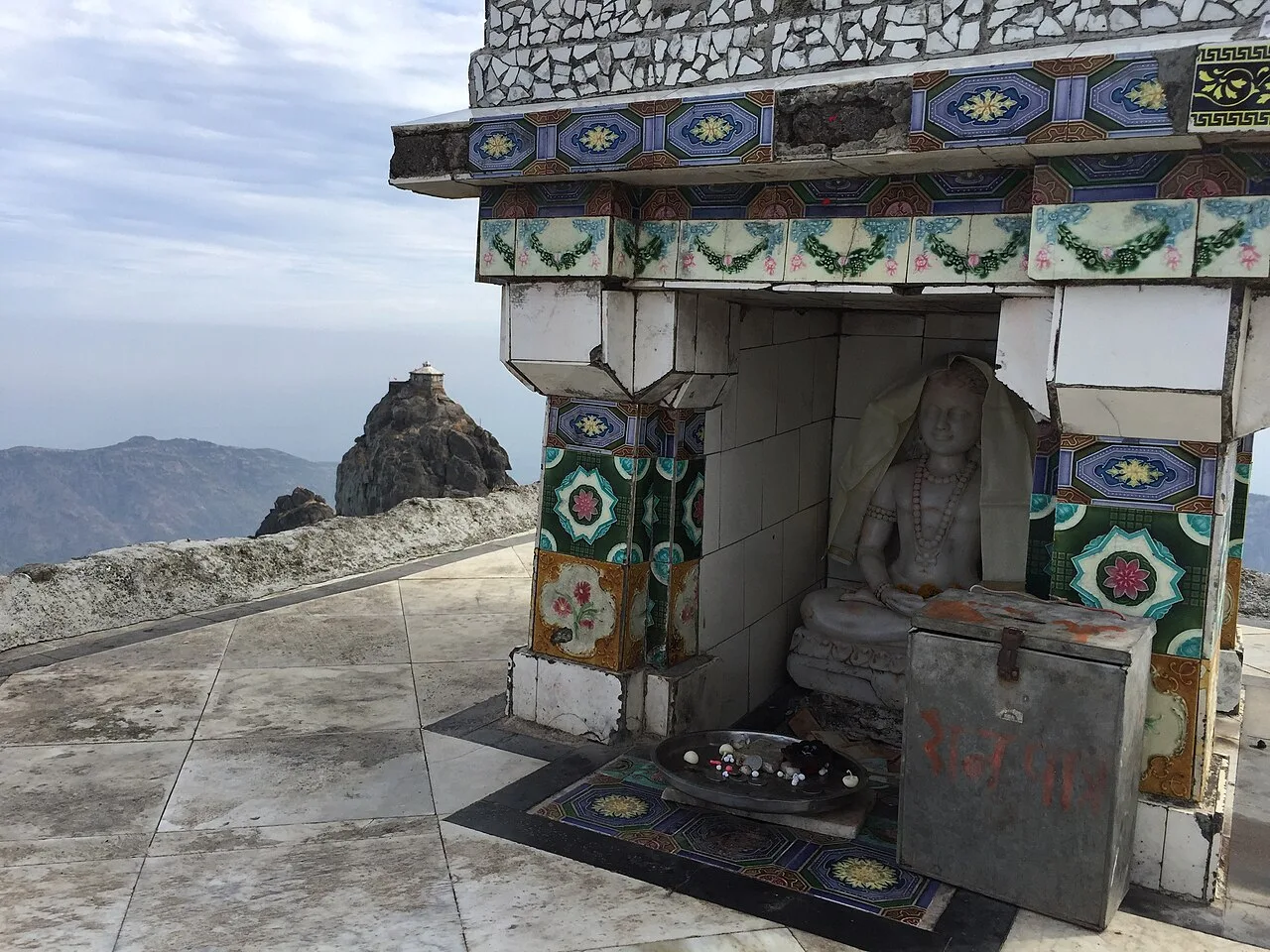
Girnar’s religious history is layered, with Jain and Hindu traditions connected to the hill over many centuries. Jain temples on the hill include the shrine associated with Neminath; the present temple complex reflects periods of construction and patronage by Jain communities, including medieval-era building. The age and history of individual shrines can differ, and local temple trusts or guides may provide more detail about specific structures. At the foothills, the Ashokan Rock Edicts provide evidence of the area’s importance in ancient India: Ashoka’s inscriptions are traditionally dated to the third century BCE. The same rock bears later inscriptions, including the Junagadh inscription of Rudradaman, traditionally dated to the second century CE, and an inscription of Skandagupta from the fifth century. These are part of Junagadh’s wider historical landscape rather than the hilltop temple complex itself. Pilgrimage and worship continue today, alongside changes in visitor access, including the development of a ropeway to the Ambaji area. Check current route and shrine access locally.
Origin stories & folklore
According to Jain religious tradition, Neminath, the 22nd Tirthankara, attained omniscience and later nirvana at Neminath Shikhar on Girnar. The account is associated with Jain scriptures including the Kalpa Sutra, attributed to Acharya Bhadrabāhu, and the Uttaradhyayana Sutra, attributed to Arya Sudharmaswami. The same tradition links the summit with 533 other enlightened sages. These are matters of religious belief, not claims that can be verified through ordinary historical evidence. Hindu devotees also regard Girnar’s shrines and peaks as sacred, and local pilgrimage customs connect particular routes and temples with divine figures and ascetics.
Spend unhurried time at Girnar Hill: walk the marked paths, use official viewpoints and ask locally whether a guide, entry ticket or forest permission is needed. Weather can change quickly, so carry a rain layer even on a clear morning. Wildlife sightings are never guaranteed — patience and quiet improve your chances. A comfortable itinerary is one main visit in the morning, a local meal at midday and a short nearby stop before an afternoon return. Use the district list on this site to find other places in Junagadh, but check the route and its condition before combining stops. If a festival is on — such as Navratri garba, the Rann Utsav or Uttarayan kite flying — roads and stays can be busy, and the experience can be unforgettable. Leave no litter: many sites are protected by the communities around them.
Suggested itineraries
Half day: Spend about 30–60 minutes at Girnar Taleti and the foothill shrines; then take the ropeway to the Ambaji area if operating, or walk a manageable section of the steps; allow the remaining time for worship, views, and return. Full day: Start early; walk the hill route at a steady pace, pausing at shrines and viewpoints; continue only as far as conditions and fitness allow; return to Taleti and have a meal in Junagadh. A full ascent can be strenuous and may take much of the day. Gentler option: Visit Taleti and nearby shrines, use the ropeway if available, and choose a short, level town visit rather than attempting a long climb.
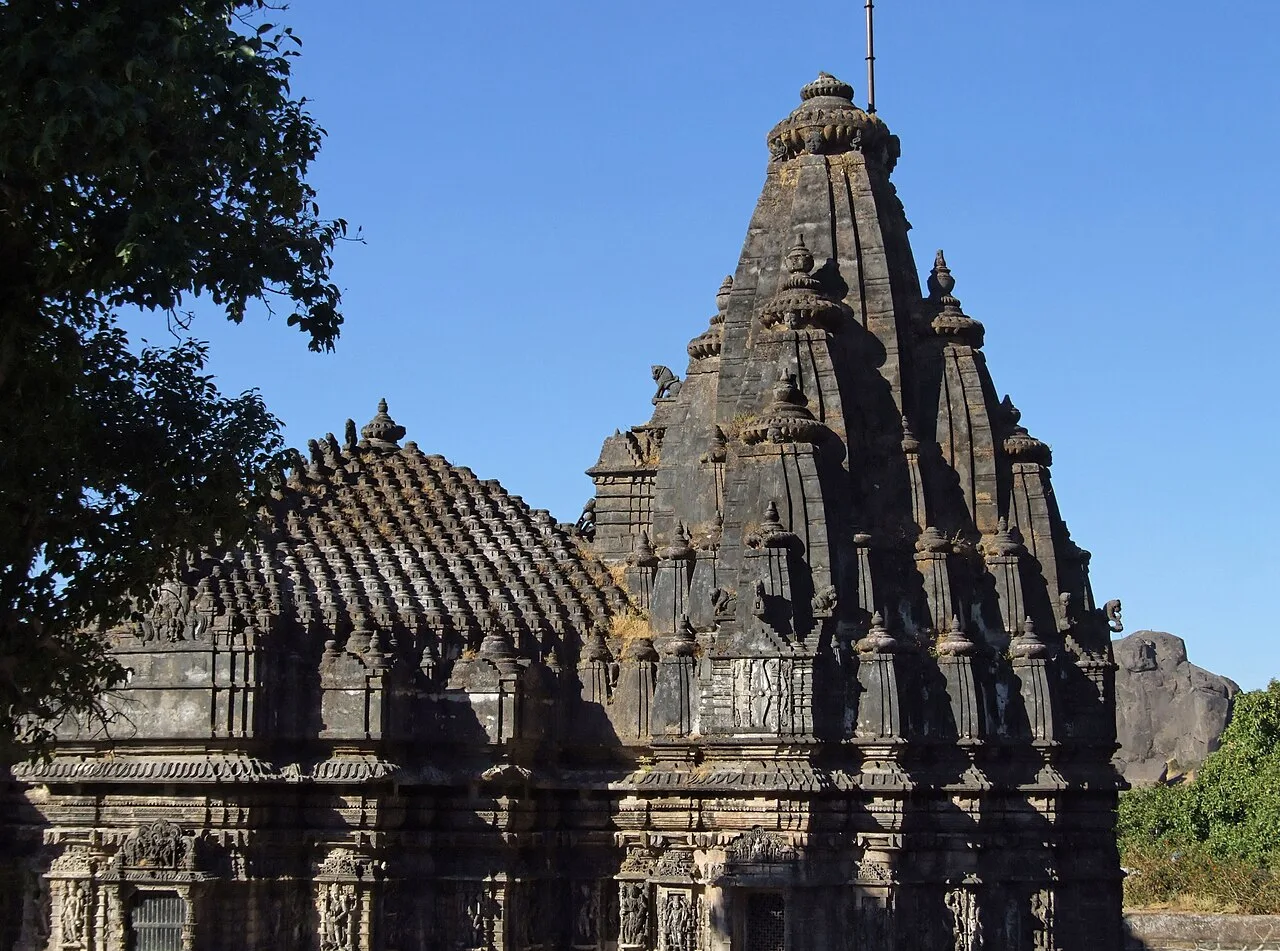
Pilgrimage shapes daily life around Girnar: visitors climb or travel part of the route to worship, make offerings, and spend time at shrines. Jain customs include observant conduct at temples and respect for worshippers; visitors should follow posted instructions and ask before entering restricted areas. Gujarati is widely spoken locally, with Hindi also commonly understood in visitor settings. The wider Junagadh region shares Gujarat’s traditions of garba and other devotional and community music, especially during festival seasons. Clothing is generally practical for a steep, exposed pilgrimage route; modest dress is considerate at shrines. Customs differ between temples, so follow local guidance rather than assuming one rule applies everywhere.
Local communities
Jain and Hindu pilgrims, temple staff, religious guides, and local residents all have connections with Girnar. Jain communities support worship and the upkeep of their pilgrimage sites, while Hindu devotees visit shrines on the hill and at Bhavnath Taleti. Junagadh residents and small businesses serve visitors through transport, food, lodging, and pilgrimage supplies. Forest and conservation staff work in the surrounding natural area, where wildlife and habitat protection are important concerns. The hill is a shared sacred and natural landscape; visitors can help by following access rules, avoiding disturbance to wildlife, and treating worshippers and local workers respectfully.
Festivals & events
The Girnar Parikrama, also known as the Lili Parikrama, is held in the Kartik season and brings large numbers of pilgrims to the hill and surrounding routes. The Bhavnath fair at Bhavnath Taleti, associated with Maha Shivratri and usually held in the winter season, is another major nearby gathering. Jain observances and temple pilgrimages take place through the year, with attendance varying by religious calendar. During major events, paths, roads, and local accommodation can be busier than usual. Confirm event arrangements locally, allow extra time, and respect any temporary route or access restrictions.
Local food in Gujarat includes dhokla, khandvi, thepla, fafda-jalebi, undhiyu in winter, the Gujarati thali, Kutchi dabeli, Surti locho and ponk, kadhi-khichdi, and sweets such as mohanthal and shrikhand; much of Gujarat's food is vegetarian and lightly sweet. Ask what is fresh that day; many small eateries cook a limited daily menu. Vegetarian travellers eat superbly here; non-vegetarian food is available in cities but limited in pilgrimage towns such as Palitana, Dwarka and Ambaji, where it may be banned. Remote sites may have no restaurant at all. Carry water and snacks, eat a proper breakfast before long drives, and ask your accommodation for a packed lunch if you are heading out early. Try a home-cooked or local thali meal when you can — it is often the best food on the route. Choose busy, clean places, drink sealed or filtered water, and carry your packaging back with you.
Shopping & local experiences
Around Girnar Taleti, visitors may find basic pilgrimage goods such as offerings, devotional items, and practical supplies for the climb. Junagadh’s markets offer snacks, sweets, and everyday Gujarati food products, as well as souvenirs and regional textiles or craft goods when available. Selection varies by shop and season, so ask sellers about the origin of handmade items if that matters to you. Buying from local businesses supports the town’s visitor economy. Choose reusable water containers where practical and avoid purchasing items made from wildlife or plants.
Girnar rises above Junagadh as a steep, rugged hill with rocky slopes, forested sections, and views across the surrounding Saurashtra landscape. The wider Girnar area includes the Girnar Wildlife Sanctuary, where dry deciduous woodland and scrub provide habitat for wildlife. Animals reported in the region include leopards, hyenas, jackals, and deer, but sightings are never assured; keep a respectful distance and do not feed or pursue animals. Seasonal rain can bring greener vegetation and flowing water in gullies, while exposed routes may be hot and dry in other seasons. The area also supports resident and migratory birdlife. Stay on permitted paths, carry water, and take any forest or wildlife rules seriously.
November to February
The nearest principal railway station by straight-line distance is Junagadh Junction, roughly 5 km away. The nearest operating airport by straight-line distance is Keshod Airport (Junagadh), roughly 30 km away. These figures are calculated from map coordinates — actual road distance is longer. Ahmedabad, Vadodara, Surat and Rajkot are the main rail and air gateways; Bhuj serves Kutch, and Veraval, Junagadh, Dwarka and Porbandar serve Saurashtra. For the final leg, Gujarat State Road Transport Corporation (GSRTC) buses, private sleeper coaches and shared chhakdas and autos in rural areas link district towns. A private taxi gives more flexibility for remote sites. When comparing train, bus and flight, count the complete door-to-door time: a flight saves the most time only if the onward road transfer is short, while an overnight train can save a hotel night. Book your return before you leave, because seats fill quickly on weekends, festivals and holidays. Current train numbers, timings, return services and fares are not listed here; check IRCTC and NTES for trains and the airline's own schedule for flights. No permit is needed to visit Gujarat. Gujarat is a dry state: alcohol sale and consumption are prohibited except with a liquor permit, which visitors from outside the state can apply for at authorised hotel liquor shops with ID — never carry alcohol across the state border without one. Lion safaris in Gir and entry to parts of the Rann of Kutch near the border need advance online booking or a permit, and the White Rann around Dhordo is busiest during the Rann Utsav (roughly November to February).
Confirm onward and return timings on IRCTC / NTES, the state bus operator or your airline before travel. A dash means current timings or fares have not been verified.
Getting around
Junagadh is the usual base for reaching Girnar Taleti, the main foothill starting area. Auto-rickshaws and taxis can take visitors from town to the foothills; local buses may also serve parts of the area, but check routes and service locally. Walking is the usual way to cover the hill’s stair routes, while the ropeway offers an alternative for reaching the Ambaji area when operating. It does not replace access on foot to every shrine or summit. Parking is available around visitor areas but can be busy during pilgrimage events. Confirm drop-off points, permitted vehicle access, and return transport before beginning a long visit.
Hours, tickets & permissions
Access depends on the route, shrine, and facilities you plan to use. Some areas may have entry rules, tickets, forest permissions, or separate arrangements for temple visits and the ropeway; requirements can change. Dress respectfully at religious sites, follow signs, and ask before photographing inside a shrine. Carry identification if requested by an authority, and check whether cameras or other equipment have restrictions. Confirm current opening arrangements, entry requirements, and fees with the relevant temple trust, forest authority, ropeway operator, or local visitor information before setting out.
Facilities
Facilities are concentrated around Girnar Taleti and Junagadh rather than evenly distributed along the hill. Toilets, drinking water points, small food outlets, and parking are usually available near the main visitor area, but availability and condition can vary. There may be refreshments and basic supplies along busy pilgrimage sections; do not rely on every stop being open. Guides may be available locally, though visitors should agree on the route and credentials before setting out. ATMs and broader medical, dining, and accommodation services are easier to find in Junagadh. Carry water and essential items, and check locally before relying on any facility.
Accessibility
Girnar’s stair routes are steep, long, and uneven in places, with exposed sections and limited shade. A visit involving substantial climbing is not suitable for everyone, and there may be few opportunities to rest or turn back easily. Wheelchair and stroller access is very limited on the steps. The ropeway can make part of the visit more accessible when operating, but it does not provide access to every shrine or summit, and boarding and onward paths may still pose difficulties. Older visitors or anyone with heart, breathing, balance, or mobility concerns should assess conditions carefully and consider a foothill visit instead. Ask locally about current route conditions and assistance.
No permit is needed to visit Gujarat. Gujarat is a dry state: alcohol sale and consumption are prohibited except with a liquor permit, which visitors from outside the state can apply for at authorised hotel liquor shops with ID — never carry alcohol across the state border without one. Lion safaris in Gir and entry to parts of the Rann of Kutch near the border need advance online booking or a permit, and the White Rann around Dhordo is busiest during the Rann Utsav (roughly November to February). Carry a photo ID at all times and save the emergency number 112 and your accommodation's contact offline. Heat in summer and heavy rain in the monsoon are the main weather risks; carry water, avoid midday sun and allow extra time when roads flood. Stay on marked paths, keep away from cliff edges and fast water, and never approach wild animals.
Photography
Early morning and late afternoon can provide softer light on the hill and views over Junagadh, though weather and haze affect visibility. Use public viewpoints and avoid blocking paths or disturbing worship. Photography outdoors is generally common, but rules may differ inside temples or near ceremonies; ask before taking pictures of people, offerings, or rituals. Do not assume that cameras are permitted in every shrine. Drone use may be restricted by aviation, forest, or site rules, so obtain the required permissions before bringing one and never fly near crowds, wildlife, or religious activity.
Choose a stay by the full journey to Girnar Hill, not just the district name. Ahmedabad, Vadodara, Rajkot and Bhuj offer the widest choice; pilgrim towns have dharamshalas and trust guesthouses, and Gir has resorts near Sasan Gir. In summer, check air-conditioning; in the monsoon, check that the property is accessible if roads flood. Book in advance for weekends, festivals and the peak season (November to February). Confirm the exact location, meals included, check-in time and cancellation terms in writing. Avoid sending money to unverified contacts or touts at stations. Carry some cash, as card and digital payments can be unreliable in remote areas.
In Junagadh, visitors can combine Girnar with the Ashokan Rock Edicts near the foothills, Bhavnath Mahadev Temple, and the historic Uparkot Fort. Mahabat Maqbara, known for its distinctive architecture, is another town attraction. Damodar Kund is a sacred water site near the Girnar area. These places have different access arrangements and may need separate time, especially on festival days. Check local routes and conditions before combining stops, and avoid trying to fit several distant attractions into a short visit. Junagadh town offers places to eat and stay between outings.
For couples, Girnar Hill rewards a slow pace: arrive early for soft light and fewer crowds, share a local meal and keep the evening free. A full-moon night on the White Rann, sunset at Shivrajpur or an evening on the Sabarmati Riverfront makes the trip memorable. Public displays of affection can be frowned upon in conservative communities and at religious sites, so be discreet. Keep a buffer in your itinerary, because weather and road conditions can delay plans.
Q: How much time should I allow for Girnar? A: A foothill visit or ropeway-assisted outing can take part of a day. A long stair climb can take much of the day, depending on route, pace, weather, and stops. Q: When is a good season to visit? A: November to February is generally more comfortable for outdoor travel in Gujarat. Monsoon conditions can affect paths, and summer heat can make climbing strenuous. Q: Is there an entry fee or permit? A: Requirements may vary by shrine, route, forest area, and ropeway. Confirm current entry rules and fees with the relevant authority before travelling. Q: Is Girnar suitable for children and older visitors? A: The long, steep stair routes are demanding. Families and older visitors can consider a shorter foothill visit or the ropeway if operating, while checking access and fitness needs locally. Q: Where can I stay nearby? A: Junagadh has the broadest choice of accommodation and services. Check availability in advance during major pilgrimage events and festivals.
Be the first to share photos, stories, advice or a helpful contact for Girnar Hill.
Loading…