
Modhera Sun Temple
This Hindu temple complex in Modhera, Gujarat, honours Surya. Visitors come to see its carved halls, decorated pillars and stepped reservoir, which is dotted with small shrines.
Key facts · verified by Ghumoopedia editors
- Type of place
- Temple / pilgrimage site
- Best time to visit
- November to February
- Nearest railway station
- Mehsana Junction · about 25 km (straight line)
- Verified
- 21 Nov 2026
Plan a trip from Modhera Sun Temple — a day-by-day route through places nearby.
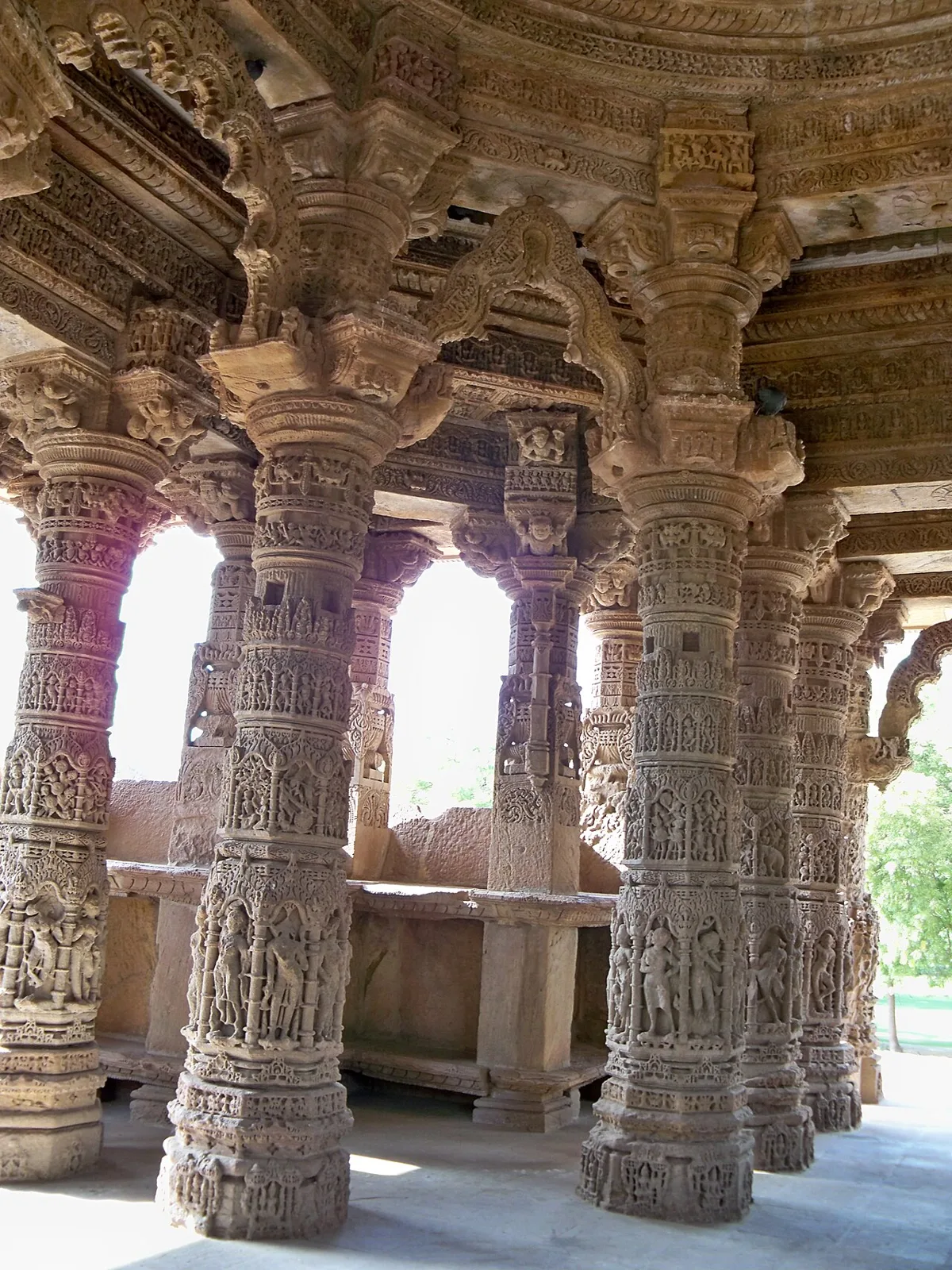
In Modhera village, within Gujarat’s Mehsana district, stands a Hindu temple built in honour of Surya, the sun deity. The site lies beside the Pushpavati River. The complex was built in the eleventh century under the Chaulukya rulers Bhima I and Karna I. Worship no longer takes place here. The Archaeological Survey of India protects and maintains the monument. Three main parts make up the site: the Gūḍhamanḍapa, or shrine hall; the Sabhamanḍapa, an assembly space; and the Kunḍa, a reservoir. The halls have detailed exterior carvings and ornamented pillars. Steps arranged in tiers descend to the reservoir’s base, alongside numerous small shrines. Gujarat combines Harappan cities at Dholavira and Lothal, the stepwells and Sultanate mosques of Ahmedabad and Patan, the Jain hills of Palitana and Girnar, Gandhi's Sabarmati Ashram, the Asiatic lions of Gir and the white salt desert and craft villages of Kutch. Gujarat is very hot from March to June (Kutch and north Gujarat often exceed 42°C), receives monsoon rain from late June to September, heaviest in the south and the Dangs, and is pleasant and dry from November to February with cold desert nights in Kutch. The usual best time to visit is November to February. Timings, fees and access arrangements must be confirmed locally. For official information, see Gujarat Tourism at https://www.gujarattourism.com.
Why it matters
The Modhera Sun Temple is an important medieval Hindu monument dedicated to Surya, the solar deity. Located in Mehsana district, it reflects the religious life and artistic traditions of Gujarat under the Chaulukya, also known as Solanki, dynasty. Its three-part complex—shrine hall, assembly hall and stepped reservoir—makes it a notable example of temple planning in western India. The Archaeological Survey of India (ASI) protects and maintains the site; it is no longer used for worship. It is often included in accounts of Gujarat’s heritage alongside Patan’s Rani ki Vav and Ahmedabad’s historic architecture. The temple is on UNESCO’s Tentative List, but is not a World Heritage Site.
The temple was built in the 11th century, during the rule of the Chaulukya dynasty. It is generally associated with King Bhima I; the broader building period is also linked in accounts to the reigns of Bhima I and Karna I. The Chaulukyas, also called Solankis, governed much of Gujarat and supported temple building and other forms of architecture. Modhera’s location beside the Pushpavati River and the carefully planned arrangement of its halls and reservoir reflect the importance given to both worship and water in the complex. The site’s principal shrine is no longer used for worship, and its original central image is absent. The monument has survived as a historic and archaeological site rather than a functioning temple. Its sculptures and carved stonework provide evidence of the craftsmanship of its period. The Archaeological Survey of India now protects and maintains the complex, with conservation intended to safeguard its structures and carvings. Visitors should follow current site notices, since access to particular areas may be restricted for preservation.
Origin stories & folklore
According to local tradition and later religious accounts, Modhera is associated with Rama’s return after the events of the Ramayana. One story says that Rama performed a ritual at a place known as Dharmaranya to seek purification after defeating Ravana. The name Modhera is sometimes connected in this tradition with the Modha Brahmins, said to have been settled there. These accounts belong to religious lore, not the securely documented construction history of the temple. The complex is also linked in popular interpretation with Surya’s daily journey across the sky, reflected in the temple’s dedication and eastward-facing plan. Such traditions add meaning for visitors, but should be understood as belief rather than established historical fact.
Architecture & design
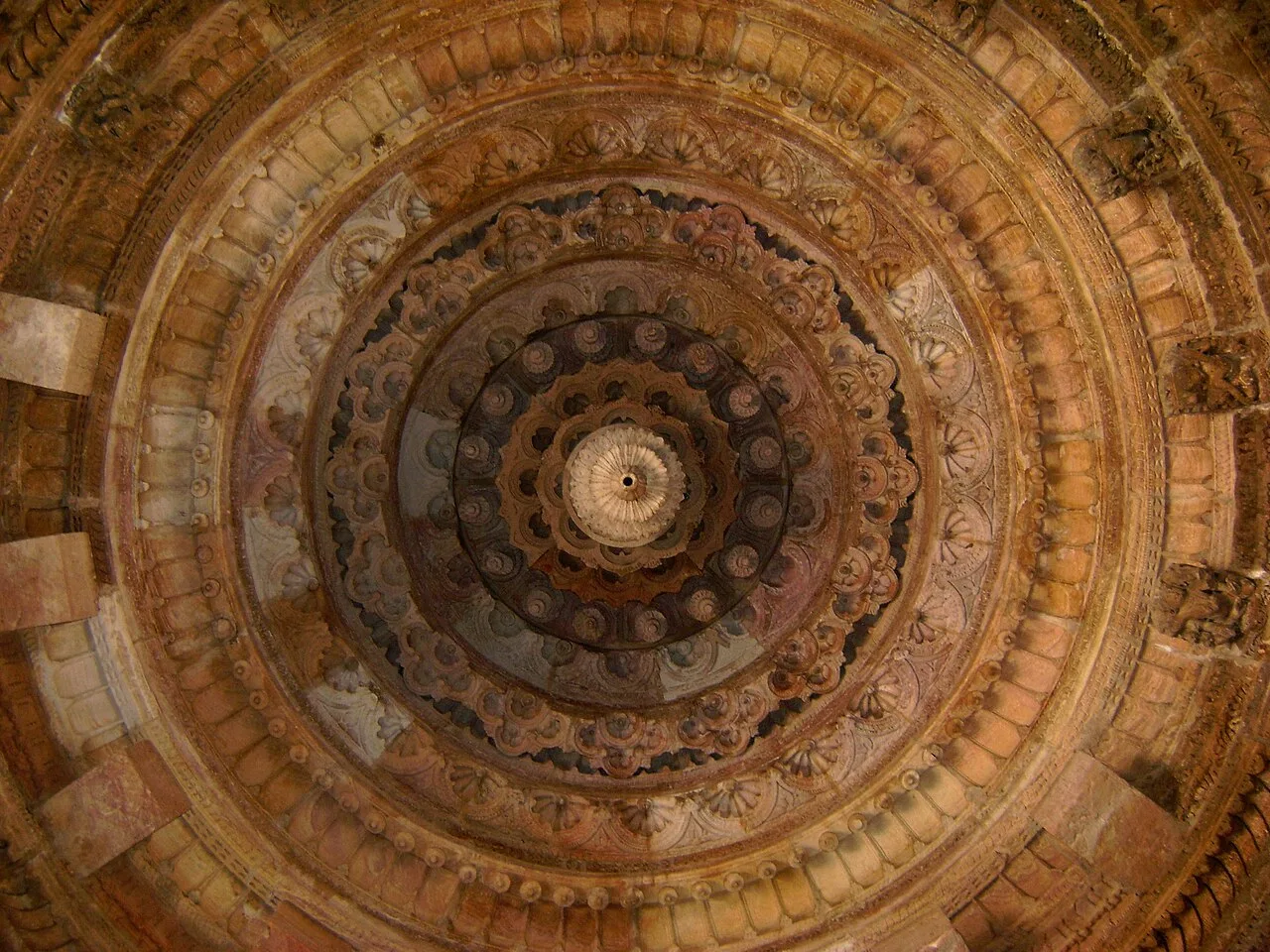
The complex is built primarily of finely worked sandstone and is arranged in three main parts: the Gudhamandapa, or enclosed shrine hall; the Sabhamandapa, or assembly hall; and the stepped reservoir known as the Surya Kund or Ramakund. The halls are noted for richly carved exterior walls, pillars and ornamental details. The shrine hall once housed the central image of Surya, which is no longer present. The assembly hall has a more open character, with carved pillars supporting its structure. The large rectangular kund is approached by tiers of steps descending toward the water basin. Small shrines and niches punctuate its stepped sides, creating a strong visual link between water and worship. The temple faces east, and its plan reflects the importance of sunlight to Surya devotion. The layout moves from the reservoir toward the halls and shrine, guiding visitors through distinct spaces. The steps and carved stonework also demonstrate careful design adapted to the site.
Important objects & sculptures
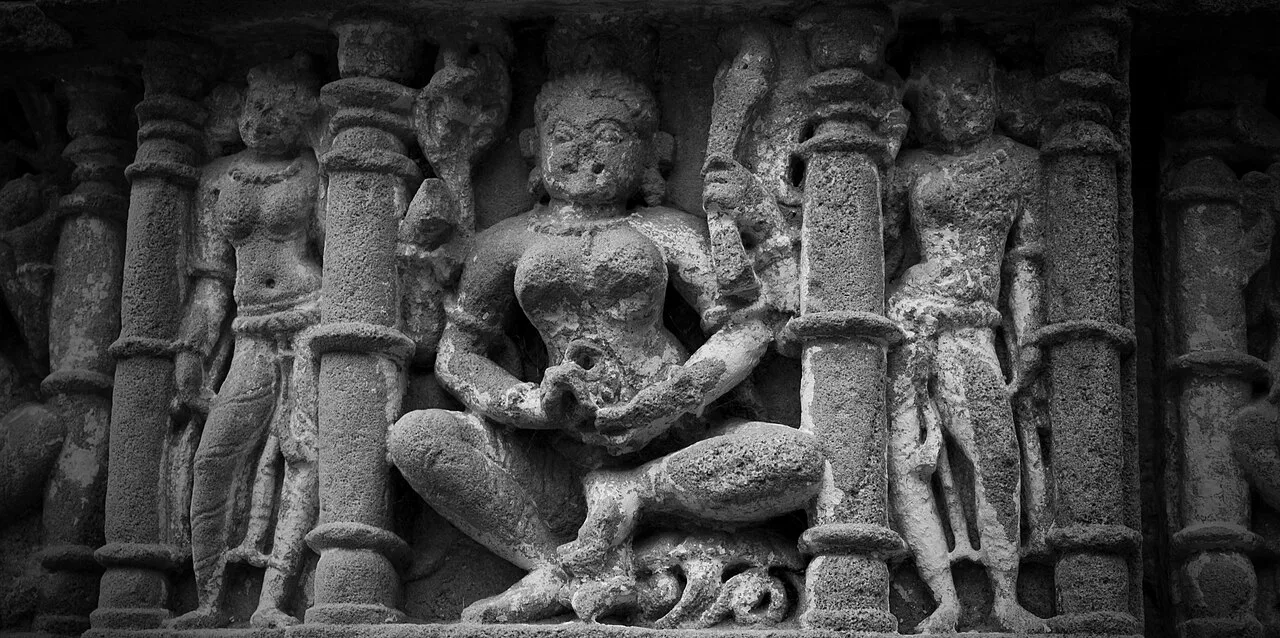
Look for the temple’s carved pillars, brackets, doorways and exterior panels, where figures of deities, attendants, dancers and other motifs appear among floral and geometric designs. Images of Surya are especially significant: the solar deity is traditionally shown with distinctive clothing and riding a chariot drawn by horses. The temple’s sculptural programme includes figures from Hindu religious traditions, although individual identifications can be uncertain without an informed guide. Around the kund, notice the small shrines set among the descending steps and the patterns made by their placement. The original principal image is no longer in the shrine, and the complex is not a museum of movable objects; its architecture and in-situ carvings are the main things to observe.
Religious significance
The temple was dedicated to Surya, the Hindu solar deity, who is associated with light, vitality and the ordering of time. Its orientation and the movement through the kund, assembly hall and shrine express a relationship between water, sunlight and worship. The temple is no longer used for regular worship, so visitors should not expect daily prayers or an active pilgrimage service at the monument. Its religious significance remains important to Hindu heritage and to people who visit or study Surya devotion. Local beliefs and stories may give the site additional meaning. Visitors are asked to treat the complex respectfully, avoid presenting folklore as verified history, and follow any guidance from site staff or caretakers.
Visit Modhera Sun Temple with time to observe daily prayers and rituals respectfully. Follow the posted rules on footwear, photography, phones, head covering and dress, and avoid interrupting worshippers; popular temples may have separate queues, dress codes or mobile-phone deposit counters. Ask caretakers which areas are open to visitors, and beware of unofficial 'guides' or agents offering quick darshan for a fee. A comfortable itinerary is one main visit in the morning, a local meal at midday and a short nearby stop before an afternoon return. Use the district list on this site to find other places in Mehsana, but check the route and its condition before combining stops. If a festival is on — such as Navratri garba, the Rann Utsav or Uttarayan kite flying — roads and stays can be busy, and the experience can be unforgettable. Leave no litter: many sites are protected by the communities around them.
Suggested itineraries
Half day: Allow about 2–3 hours to explore the Surya Kund, assembly hall and shrine hall at an unhurried pace, then take a short break in the village before returning. Full day: Spend the morning at the temple, have lunch in or near a neighbouring town, then visit Bahucharaji or continue to Patan for its historic sights, allowing time for road travel. Gentler option: Focus on the accessible viewpoints around the main approach and kund, take frequent rests, and skip the steeper steps and uneven sections.
Modhera’s heritage is part of the wider Gujarati cultural landscape, shaped by temple traditions, regional craftsmanship and local religious life. Gujarati is the principal local language; Hindi is also commonly understood in visitor-facing settings, though this can vary. The temple’s carved figures include dancers and musicians, connecting its visual culture with performance traditions. The annual dance festival held in the area brings classical dance and music to the monument’s setting. Nearby towns and villages maintain their own devotional customs and seasonal celebrations. Visitors should dress respectfully, speak considerately around religious sites and ask before photographing local people, especially during ceremonies or community events.
Festivals & events
The best-known event associated with the monument is the Modhera Dance Festival, also called Uttarardha Mahotsav, generally held in winter. It features Indian classical dance and music in the temple’s historic setting; event arrangements and access can vary from year to year. Navratri, usually observed in autumn, is celebrated widely across Gujarat with devotional music and garba, while Uttarayan, the kite festival, takes place in January. These are regional celebrations rather than daily activities at the monument. Festival periods can bring larger crowds and busier roads, so check current event information and plan transport and accommodation ahead.
Local food in Gujarat includes dhokla, khandvi, thepla, fafda-jalebi, undhiyu in winter, the Gujarati thali, Kutchi dabeli, Surti locho and ponk, kadhi-khichdi, and sweets such as mohanthal and shrikhand; much of Gujarat's food is vegetarian and lightly sweet. Ask what is fresh that day; many small eateries cook a limited daily menu. Vegetarian travellers eat superbly here; non-vegetarian food is available in cities but limited in pilgrimage towns such as Palitana, Dwarka and Ambaji, where it may be banned. Remote sites may have no restaurant at all. Carry water and snacks, eat a proper breakfast before long drives, and ask your accommodation for a packed lunch if you are heading out early. If prasad or langar is offered, accept it according to local custom. Choose busy, clean places, drink sealed or filtered water, and carry your packaging back with you.
Shopping & local experiences
Look for Gujarati snacks and regional food in nearby towns rather than expecting a large market at the monument. Patan is particularly known for Patola weaving, though authentic handwoven pieces are specialist purchases and should be bought from reputable sources. Local shops may offer small crafts, textiles or keepsakes, but availability varies. Avoid taking stones, fragments or other material from the protected site. Ask about the origin and production of craft items, and carry reusable bags to reduce packaging and litter.
November to February
The nearest principal railway station by straight-line distance is Mehsana Junction, roughly 25 km away. The nearest operating airport by straight-line distance is Sardar Vallabhbhai Patel International Airport, Ahmedabad, roughly 75 km away. These figures are calculated from map coordinates — actual road distance is longer. Ahmedabad, Vadodara, Surat and Rajkot are the main rail and air gateways; Bhuj serves Kutch, and Veraval, Junagadh, Dwarka and Porbandar serve Saurashtra. For the final leg, Gujarat State Road Transport Corporation (GSRTC) buses, private sleeper coaches and shared chhakdas and autos in rural areas link district towns. A private taxi gives more flexibility for remote sites. When comparing train, bus and flight, count the complete door-to-door time: a flight saves the most time only if the onward road transfer is short, while an overnight train can save a hotel night. Book your return before you leave, because seats fill quickly on weekends, festivals and holidays. Current train numbers, timings, return services and fares are not listed here; check IRCTC and NTES for trains and the airline's own schedule for flights. No permit is needed to visit Gujarat. Gujarat is a dry state: alcohol sale and consumption are prohibited except with a liquor permit, which visitors from outside the state can apply for at authorised hotel liquor shops with ID — never carry alcohol across the state border without one. Lion safaris in Gir and entry to parts of the Rann of Kutch near the border need advance online booking or a permit, and the White Rann around Dhordo is busiest during the Rann Utsav (roughly November to February).
Confirm onward and return timings on IRCTC / NTES, the state bus operator or your airline before travel. A dash means current timings or fares have not been verified.
Getting around
Modhera is a village destination, so visitors commonly arrive from Mehsana or another nearby town by taxi, hired car or local bus where services are available. Autos may be useful for short journeys around nearby settlements, but availability can be limited and should be checked locally. Walking is the practical way to explore the temple complex, though its steps and uneven surfaces require care. Check parking arrangements on arrival, particularly during festivals or busy weekends. For a return journey, arrange a pickup in advance if relying on a taxi or auto, as immediate availability may not be assured.
Hours, tickets & permissions
The monument is managed as an ASI-protected site, and entry arrangements may include a ticket and rules for photography or access to particular areas. Requirements can change, and special events may have separate arrangements. There is no active temple dress code for daily worship, but modest clothing is a considerate choice at a religious heritage site. Carry identification if required by current entry procedures, and check notices before arrival. Confirm current opening hours, fees, ticket conditions and any closures directly with the Archaeological Survey of India or the relevant Gujarat tourism authority.
Facilities
Facilities at the monument and in the surrounding village may be limited. Toilets and parking are usually available in or near the visitor area, but standards and access can vary; check locally. Carry drinking water, especially in warm weather, and do not assume food outlets are open at the site. More options for meals, cash and other services are generally found in nearby towns such as Mehsana. Guide availability may vary, so use authorised or clearly identified guides where offered. Check current site information for visitor facilities before setting out.
Accessibility
The complex includes broad open areas, uneven stone surfaces and many steps, especially around the reservoir. Exploring the full site involves walking and negotiating changes in level; shade may be limited in exposed areas. These conditions can be tiring in hot weather. Wheelchair users and visitors with strollers may be able to view some areas from the approach, but access throughout the complex should not be assumed. Older visitors or anyone with limited mobility may prefer a slower visit with rests and a companion. Check locally about current access routes and assistance, and avoid the steepest steps if they feel unsafe.
No permit is needed to visit Gujarat. Gujarat is a dry state: alcohol sale and consumption are prohibited except with a liquor permit, which visitors from outside the state can apply for at authorised hotel liquor shops with ID — never carry alcohol across the state border without one. Lion safaris in Gir and entry to parts of the Rann of Kutch near the border need advance online booking or a permit, and the White Rann around Dhordo is busiest during the Rann Utsav (roughly November to February). Carry a photo ID at all times and save the emergency number 112 and your accommodation's contact offline. Heat in summer and heavy rain in the monsoon are the main weather risks; carry water, avoid midday sun and allow extra time when roads flood. Watch your belongings in crowds and on public transport, and follow posted instructions.
Visitor rules
Treat the monument as a protected heritage site: do not climb on carved surfaces, touch fragile details unnecessarily, remove stones or leave litter. Follow posted instructions and staff guidance, including any temporary restrictions on access. Modest dress is respectful, although this is not an active temple with routine worship rules. Keep noise low and avoid disturbing other visitors or local people. Plastic use and food restrictions may be subject to site rules, so check notices and take rubbish away if bins are unavailable. Photography and equipment restrictions can change; do not enter cordoned-off areas.
Photography
Soft morning or late-afternoon light can bring out the sandstone carvings and the geometry of the kund, while the open complex offers views across its principal structures. Photography is generally possible in outdoor areas, but follow current ASI notices about cameras, flash or restricted spaces. Ask permission before photographing local people, performers or any religious activity. Avoid blocking pathways while taking pictures. Drone use may require permissions and can be restricted around protected monuments; do not fly one unless the applicable authorities explicitly allow it. Be mindful of other visitors and fragile surfaces when choosing a viewpoint.
Choose a stay by the full journey to Modhera Sun Temple, not just the district name. Ahmedabad, Vadodara, Rajkot and Bhuj offer the widest choice; pilgrim towns have dharamshalas and trust guesthouses, and Gir has resorts near Sasan Gir. In summer, check air-conditioning; in the monsoon, check that the property is accessible if roads flood. Book in advance for weekends, festivals and the peak season (November to February). Confirm the exact location, meals included, check-in time and cancellation terms in writing. Avoid sending money to unverified contacts or touts at stations. Carry some cash, as card and digital payments can be unreliable in remote areas.
In the wider region, Patan is known for Rani ki Vav, a UNESCO World Heritage Site, and its historic Patola weaving tradition. Bahucharaji is an important pilgrimage town in Mehsana district. Sidhpur has historic religious architecture and old town areas, while Taranga is known for its Jain temple complex. These stops can require substantial road travel and should not all be combined casually in one day. Check routes, current access and opening arrangements before setting out. Mehsana can serve as a practical base for food and onward transport.
For couples, Modhera Sun Temple rewards a slow pace: arrive early for soft light and fewer crowds, share a local meal and keep the evening free. A full-moon night on the White Rann, sunset at Shivrajpur or an evening on the Sabarmati Riverfront makes the trip memorable. Public displays of affection can be frowned upon in conservative communities and at religious sites, so be discreet. Keep a buffer in your itinerary, because weather and road conditions can delay plans.
Q: How much time should I allow for a visit? A: Around two to three hours is a comfortable allowance for exploring the main complex, with extra time for photography or a slower pace. Q: When is the best season to visit? A: November to February is generally the most comfortable period in this part of Gujarat; summer can be very hot. Q: Is the temple still used for worship, and how does entry work? A: It is no longer used for regular worship. It is an ASI-protected monument, and visitors should confirm current entry rules and fees with the managing authority. Q: Can children and older visitors explore the site? A: Yes, but supervise children around steps and allow older visitors time to rest; the kund has many stairs and surfaces can be uneven. Q: Where can I stay nearby? A: Mehsana and Patan offer more accommodation options than the village itself. Check availability and transport arrangements before travelling.
Be the first to share photos, stories, advice or a helpful contact for Modhera Sun Temple.
Loading…