
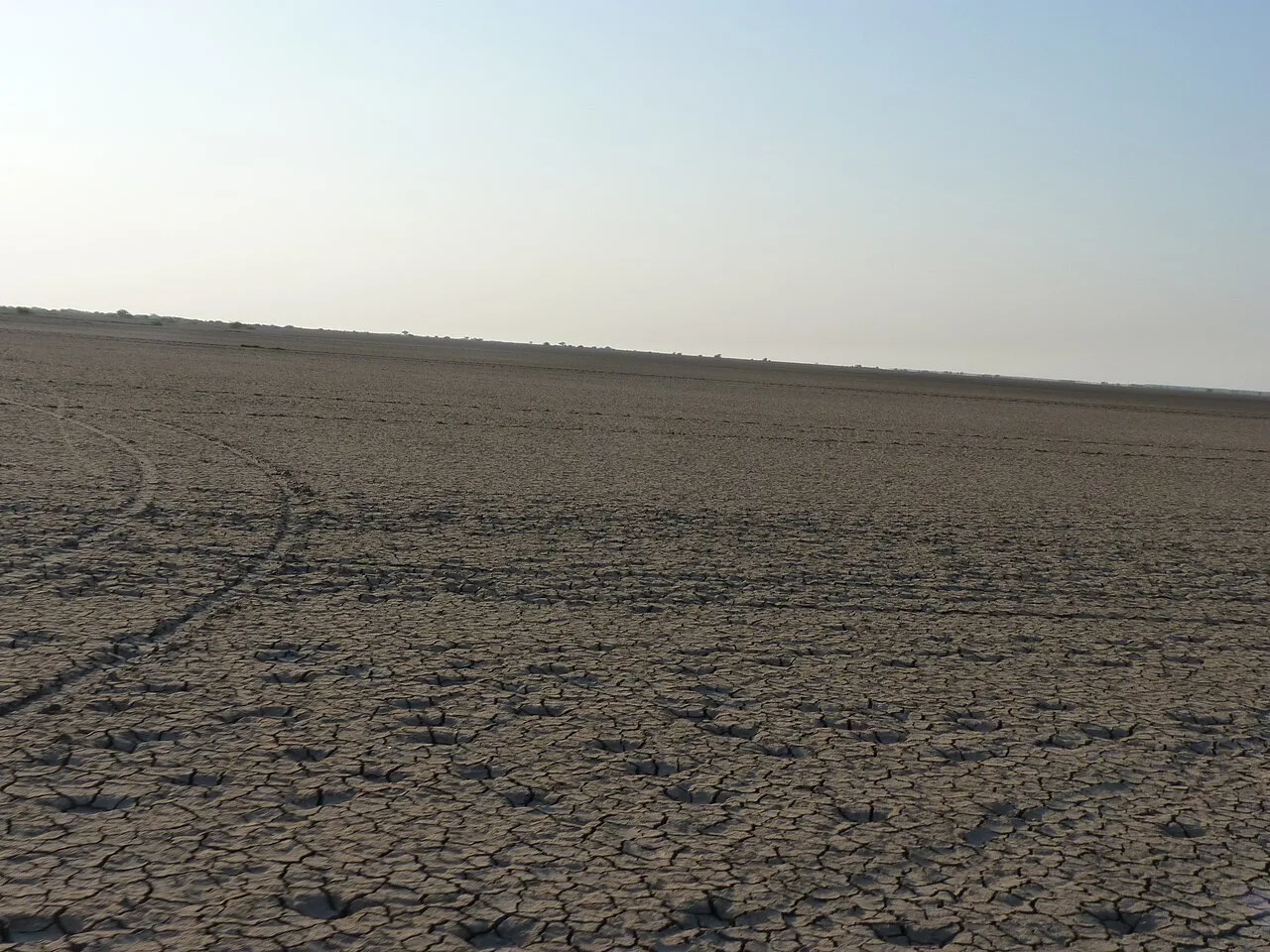
Indian Wild Ass Sanctuary
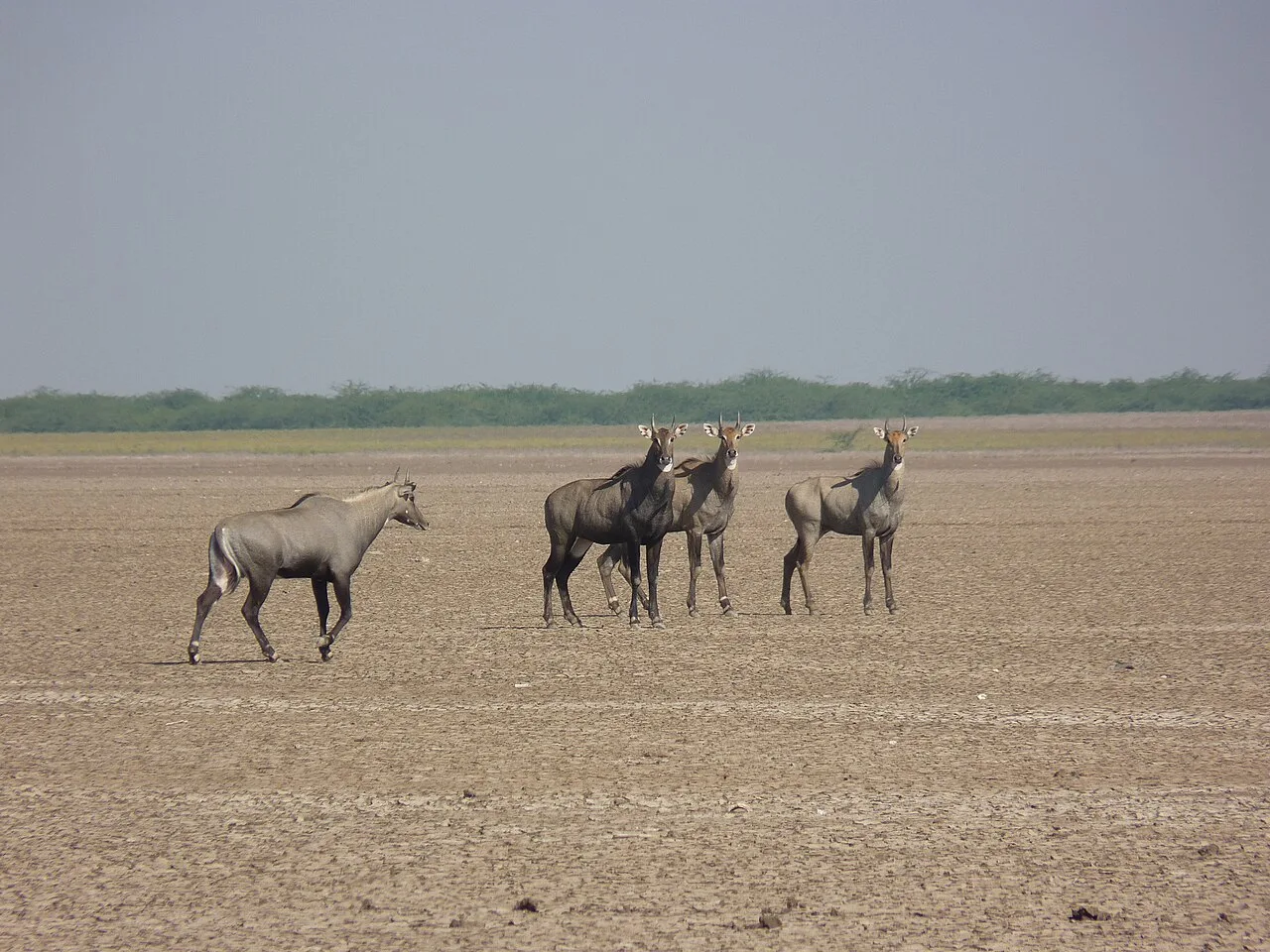
In Gujarat’s Little Rann of Kutch, the Indian Wild Ass Sanctuary protects the endangered khur. Visitors are drawn by the chance to see this wild ass, a southern subspecies of the Asiatic wild ass.
Key facts · verified by Ghumoopedia editors
- Type of place
- National park / sanctuary
- Best time to visit
- November to February
- Nearest railway station
- Viramgam Junction · about 50 km (straight line)
- Verified
- 21 Nov 2026
Plan a trip from Indian Wild Ass Sanctuary — a day-by-day route through places nearby.
Also called the Wild Ass Wildlife Sanctuary, this protected area lies in Surendranagar district, Gujarat, within the Little Rann of Kutch. It covers 4,954 km². Its establishment came under the Wildlife Protection Act, 1972. The sanctuary is one of the last refuges for the endangered Indian wild ass (Equus hemionus khur). In Gujarati, the animal is known as khur or godhkhur. It is a southern subspecies of the Asiatic wild ass, also called the onager (E. hemionus). Gujarat combines Harappan cities at Dholavira and Lothal, the stepwells and Sultanate mosques of Ahmedabad and Patan, the Jain hills of Palitana and Girnar, Gandhi's Sabarmati Ashram, the Asiatic lions of Gir and the white salt desert and craft villages of Kutch. Gujarat is very hot from March to June (Kutch and north Gujarat often exceed 42°C), receives monsoon rain from late June to September, heaviest in the south and the Dangs, and is pleasant and dry from November to February with cold desert nights in Kutch. The usual best time to visit is November to February. Timings, fees and access arrangements must be confirmed locally. For official information, see Gujarat Tourism at https://www.gujarattourism.com.
Why it matters
The Indian Wild Ass Sanctuary, also called the Wild Ass Wildlife Sanctuary, protects about 4,954 km² of the Little Rann of Kutch in Surendranagar district, Gujarat. It is regionally important for conserving the khur, or Indian wild ass (Equus hemionus khur), a southern subspecies of the Asiatic wild ass. The sanctuary was established under India’s Wildlife (Protection) Act of 1972 and is regarded as one of the subspecies’ last strongholds. Its broad salt flats, seasonal wetlands and grasslands also support other wildlife and livelihoods linked to the Rann. These are its principal documented recognitions; visitors should consult the Gujarat Forest Department for current protected-area information and access arrangements.
The Little Rann is a naturally formed saline landscape rather than a historic monument, so it has no known builder or single founding community. Its seasonal conditions have long shaped how people use the area: water spreads across low-lying ground during the monsoon, while dry-season salt flats and islands, locally called bets, support wildlife, grazing and seasonal work. Communities have also gathered salt here, an activity that remains part of the region’s economy. The sanctuary was established under the Wildlife (Protection) Act of 1972 to protect the Indian wild ass and its habitat. The khur is a native subspecies of the Asiatic wild ass, also known as the onager. Protection status brought wildlife conservation into a landscape already used by local residents and seasonal workers; managing that overlap remains important. There is no large historic structure or restoration project that defines the sanctuary. Instead, conservation depends on safeguarding habitat, monitoring wildlife and regulating visitor access. The sanctuary’s present identity reflects both the Rann’s changing seasonal ecology and the continuing effort to conserve its wildlife while recognising local livelihoods.
Spend unhurried time at Indian Wild Ass Sanctuary: walk the marked paths, use official viewpoints and ask locally whether a guide, entry ticket or forest permission is needed. In the salt desert, carry sunglasses, sunscreen and water; the white salt glare is intense, and full-moon nights are magical but cold. Wildlife sightings are never guaranteed — patience and quiet improve your chances. A comfortable itinerary is one main visit in the morning, a local meal at midday and a short nearby stop before an afternoon return. Use the district list on this site to find other places in Surendranagar, but check the route and its condition before combining stops. If a festival is on — such as Navratri garba, the Rann Utsav or Uttarayan kite flying — roads and stays can be busy, and the experience can be unforgettable. Leave no litter: many sites are protected by the communities around them.
Suggested itineraries
Half day: Arrange an authorised local vehicle or guide; spend about 2–3 hours on an approved wildlife and landscape circuit; return to the village for a meal. Full day: Start with a morning sanctuary visit of about 3–4 hours; take a midday break in a nearby settlement; spend 1–2 hours at a locally confirmed viewpoint or village stop; return before conditions become difficult. Gentler option: Choose a vehicle-based visit with minimal walking, confirm the route and stopping points in advance, and take breaks in shade where available.
Life around the Little Rann is shaped by dry conditions, seasonal work and movement between villages, grazing areas and salt pans. Gujarati is widely spoken; Kutchi and other regional languages may also be heard. Across the wider region, folk music, devotional singing, Garba and Dandiya Raas are part of community and festival life, though performances are not a regular sanctuary attraction. Traditional clothing varies by community and occasion; visitors should avoid treating it as a costume or photographing people without permission. Local hospitality often centres on Gujarati meals and tea. Ask before entering private land or salt-work areas, and follow local guidance about where visitors may go.
Local communities
Residents of villages around the sanctuary include farming, pastoral and salt-working communities. Agariya workers are associated with seasonal salt production in the Little Rann; pastoral households in the wider region keep livestock and use grazing areas according to local conditions. Farming, small businesses, transport and tourism-related work also support livelihoods. These activities take place alongside wildlife protection, so routes and access can be subject to restrictions. Visitors should use authorised local guides where required, respect work areas and private property, and ask before photographing residents or their livelihoods. Do not assume that every village or community offers visitor access.
Festivals & events
Navratri, usually in autumn, is marked across Gujarat with Garba and Dandiya Raas; celebrations are generally held in towns and villages rather than inside the sanctuary. Uttarayan, the kite-flying festival, is observed in January, especially in urban and residential settings. Local fairs and religious gatherings may take place in nearby towns, but schedules vary and should be checked locally. The Rann Utsav is associated with Kutch and is not a sanctuary festival. Festival periods can make accommodation and roads busier, so allow extra time and avoid entering protected areas or work sites for celebrations.
Local food in Gujarat includes dhokla, khandvi, thepla, fafda-jalebi, undhiyu in winter, the Gujarati thali, Kutchi dabeli, Surti locho and ponk, kadhi-khichdi, and sweets such as mohanthal and shrikhand; much of Gujarat's food is vegetarian and lightly sweet. Ask what is fresh that day; many small eateries cook a limited daily menu. Vegetarian travellers eat superbly here; non-vegetarian food is available in cities but limited in pilgrimage towns such as Palitana, Dwarka and Ambaji, where it may be banned. Remote sites may have no restaurant at all. Carry water and snacks, eat a proper breakfast before long drives, and ask your accommodation for a packed lunch if you are heading out early. Try a home-cooked or local thali meal when you can — it is often the best food on the route. Choose busy, clean places, drink sealed or filtered water, and carry your packaging back with you.
Shopping & local experiences
Nearby towns and markets may offer everyday Gujarati goods, snacks and locally made textiles. Tangaliya weaving is associated with the Surendranagar region; ask sellers about the maker and origin rather than assuming every item is locally produced. Craft choices vary by village and season, and the sanctuary itself is not a shopping destination. Visitors may also try a Gujarati meal or local tea at a nearby settlement, subject to availability. Buy responsibly, avoid products made from wildlife or protected plants, and do not collect salt, plants, shells or other natural material from protected areas.
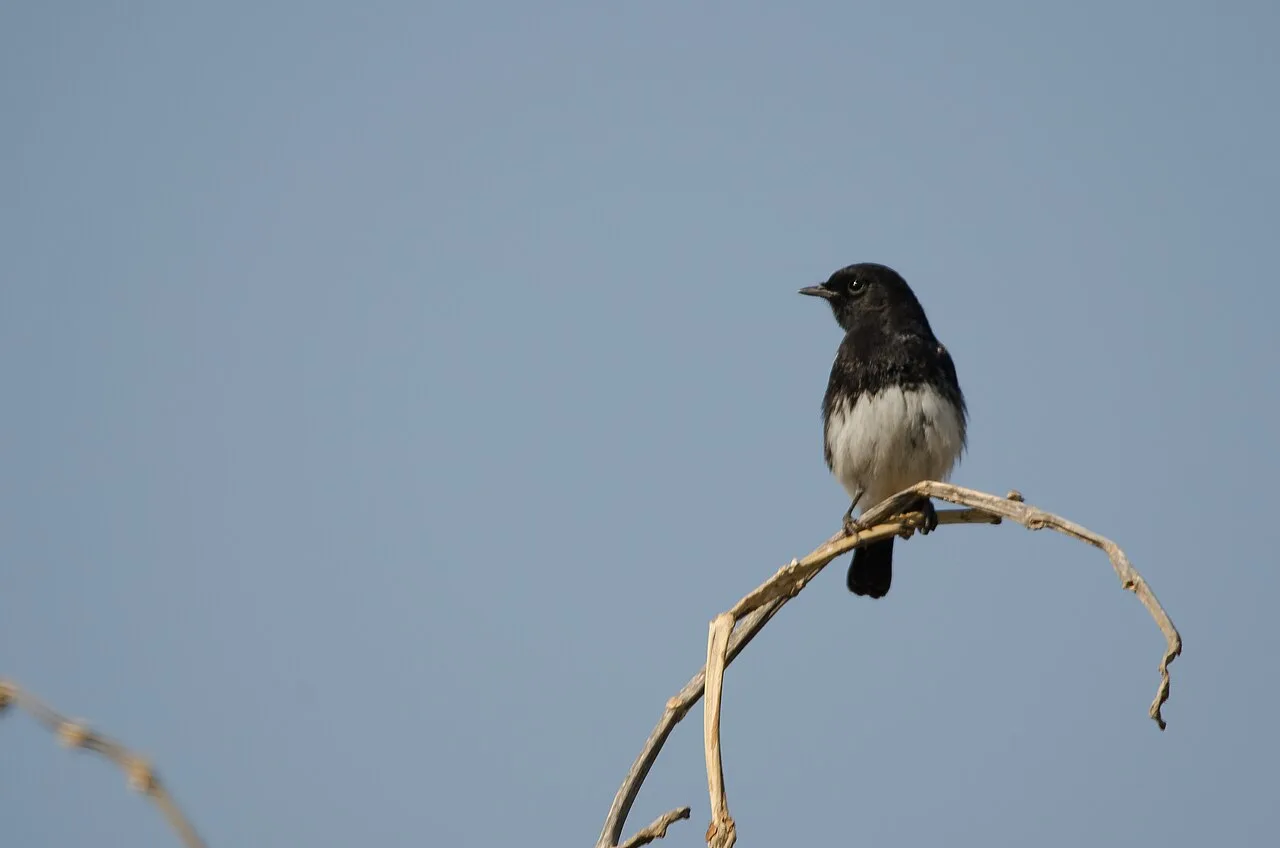
The sanctuary occupies the Little Rann, a flat, saline desert that alternates between dry salt crusts and seasonal inundation. Slightly raised bets, grassland patches and scrub provide different habitats within this open landscape. Vegetation is adapted to arid and saline conditions, with grasses and hardy shrubs appearing where soil and seasonal water allow. The Indian wild ass is the best-known mammal, but sightings are never assured; other mammals and reptiles also use the area. Seasonal wetlands attract waterbirds, while open ground supports dryland and grassland birds. Conditions change greatly between monsoon and dry seasons. Carry water and sun protection, keep quiet, and observe wildlife from permitted areas without approaching or feeding animals.
November to February
The nearest principal railway station by straight-line distance is Viramgam Junction, roughly 50 km away. The nearest operating airport by straight-line distance is Sardar Vallabhbhai Patel International Airport, Ahmedabad, roughly 105 km away. These figures are calculated from map coordinates — actual road distance is longer. Ahmedabad, Vadodara, Surat and Rajkot are the main rail and air gateways; Bhuj serves Kutch, and Veraval, Junagadh, Dwarka and Porbandar serve Saurashtra. For the final leg, Gujarat State Road Transport Corporation (GSRTC) buses, private sleeper coaches and shared chhakdas and autos in rural areas link district towns. A private taxi gives more flexibility for remote sites. When comparing train, bus and flight, count the complete door-to-door time: a flight saves the most time only if the onward road transfer is short, while an overnight train can save a hotel night. Book your return before you leave, because seats fill quickly on weekends, festivals and holidays. Current train numbers, timings, return services and fares are not listed here; check IRCTC and NTES for trains and the airline's own schedule for flights. No permit is needed to visit Gujarat. Gujarat is a dry state: alcohol sale and consumption are prohibited except with a liquor permit, which visitors from outside the state can apply for at authorised hotel liquor shops with ID — never carry alcohol across the state border without one. Lion safaris in Gir and entry to parts of the Rann of Kutch near the border need advance online booking or a permit, and the White Rann around Dhordo is busiest during the Rann Utsav (roughly November to February).
Confirm onward and return timings on IRCTC / NTES, the state bus operator or your airline before travel. A dash means current timings or fares have not been verified.
Getting around
The sanctuary is extensive, so local transport is generally more practical than walking between sites. Visitors commonly arrange a private vehicle or locally operated guided excursion from an access village; confirm that the operator and route are authorised. Autos and shared vehicles may serve nearby settlements, but availability can be limited, especially outside town centres. Local buses connect some towns and villages, though they may not reach viewing areas. There are no visitor boats to rely on. Ask about parking and designated drop-off points before entering, and do not drive across salt flats or into restricted habitat without permission.
Hours, tickets & permissions
Entry is regulated because this is a protected wildlife sanctuary, and visitors may need to use an authorised route, vehicle or guide. Ticketing, forest permissions, identification requirements, camera rules and access to particular areas can change with season and management conditions. Do not assume that the entire sanctuary is open to independent driving or walking. Confirm current entry procedures, hours and fees with the Gujarat Forest Department or the relevant local forest office before setting out. Ask whether weather, road conditions or wildlife-management measures affect access on the day.
Facilities
Facilities inside the sanctuary may be limited. Toilets, drinking water, food, parking and guide services are more likely to be found in nearby settlements or at organised visitor points; check locally rather than relying on them being available on the route. Carry sufficient drinking water, sun protection and any medicines you need. ATMs and a wider choice of shops are generally easier to find in larger towns than near remote access points. Ask your guide or accommodation about the nearest dependable facilities before departure, and take all rubbish back with you.
Accessibility
Much of the sanctuary is open, flat terrain, but salt crusts, soft ground, ruts and uneven tracks can make movement difficult. Walking distances vary by route, and shade is scarce. Do not assume that trails, vehicles or viewing points are wheelchair- or stroller-accessible; check the exact route and vehicle arrangements with the operator before booking. A vehicle-based visit may reduce walking, but getting in and out can still be challenging. Older visitors and anyone with limited mobility should plan frequent rests, carry water and avoid heat exposure. Ask locally about ground conditions after rain, when access may be especially difficult.
No permit is needed to visit Gujarat. Gujarat is a dry state: alcohol sale and consumption are prohibited except with a liquor permit, which visitors from outside the state can apply for at authorised hotel liquor shops with ID — never carry alcohol across the state border without one. Lion safaris in Gir and entry to parts of the Rann of Kutch near the border need advance online booking or a permit, and the White Rann around Dhordo is busiest during the Rann Utsav (roughly November to February). Carry a photo ID at all times and save the emergency number 112 and your accommodation's contact offline. Heat in summer and heavy rain in the monsoon are the main weather risks; carry water, avoid midday sun and allow extra time when roads flood. Stay on marked paths, keep away from cliff edges and fast water, and never approach wild animals.
Visitor rules
Follow forest staff and authorised guides, remain on permitted routes and stay out of restricted habitat, salt-work areas and private land. Wear light, modest clothing and closed footwear suited to dust and uneven ground. Keep a respectful distance from wildlife; do not feed, chase, call or handle animals. Take plastic and other rubbish away, and avoid loud music or disruptive behaviour. Photography may be subject to local restrictions, especially near people or sensitive sites. Ask before photographing residents. Do not light fires or fly a drone without explicit permission from the relevant authorities.
Photography
Early and late daylight can bring softer light across the open salt flats; glare is often strong, so a lens hood, sunglasses and sun protection are useful. Use only approved roads and viewpoints, and ask your guide where stopping is allowed. Wildlife sightings are unpredictable, so a long lens and patience are preferable to approaching animals. Photography is generally possible from permitted visitor areas, but confirm any camera or access restrictions with the forest authority. Drone use requires explicit approval and should not be assumed to be allowed. Seek consent before photographing people, homes, work or religious activity.
Choose a stay by the full journey to Indian Wild Ass Sanctuary, not just the district name. During the Rann Utsav, the tent city near Dhordo and village bhunga stays at Hodka and nearby hamlets fill quickly; Bhuj has the widest year-round choice. In summer, check air-conditioning; in the monsoon, check that the property is accessible if roads flood. Book in advance for weekends, festivals and the peak season (November to February). Confirm the exact location, meals included, check-in time and cancellation terms in writing. Avoid sending money to unverified contacts or touts at stations. Carry some cash, as card and digital payments can be unreliable in remote areas.
Dasada and Zainabad are commonly used as nearby bases for visits to the Little Rann; check locally which access points and excursions are operating. Wadhwan, in Surendranagar district, is known for its historic townscape and can make a cultural stop if road conditions and time allow. Chotila is another district destination, associated with its hilltop temple; visitors should check access conditions and consider the climb before combining it with a sanctuary visit. Thangadh is known for ceramics and may interest visitors looking for a town-based stop. These places are not necessarily close to one another, so check routes before planning a combined day.
For couples, Indian Wild Ass Sanctuary rewards a slow pace: arrive early for soft light and fewer crowds, share a local meal and keep the evening free. A full-moon night on the White Rann, sunset at Shivrajpur or an evening on the Sabarmati Riverfront makes the trip memorable. Public displays of affection can be frowned upon in conservative communities and at religious sites, so be discreet. Keep a buffer in your itinerary, because weather and road conditions can delay plans.
Q: How much time should I allow for a visit? A: A half day can suit a guided circuit; allow a full day if you are combining the visit with a nearby town or need flexible travel time. Q: When is the best season to visit? A: November to February is generally the most comfortable period, though conditions and access can vary. Confirm locally before travel. Q: Do I need an entry ticket or permit? A: Entry arrangements may include a ticket, permission, authorised vehicle or guide. Check current requirements with the forest authority before departure. Q: Is the sanctuary suitable for children and elderly visitors? A: It can be, with planning, but heat, glare, limited shade and uneven tracks are important considerations. A vehicle-based visit may reduce walking; confirm access in advance. Q: Where can I stay nearby? A: Visitors often look for accommodation in nearby villages such as Dasada or Zainabad, or in larger towns. Confirm availability and travel arrangements before setting out.
Be the first to share photos, stories, advice or a helpful contact for Indian Wild Ass Sanctuary.
Loading…