Ghumoopedia — Explore, Discover, Experience
Sign in
Rani ki Vav, near Diyodar

City guide · Gujarat

Diyodar

Diyodar is a small town in Gujarat’s north, in Vav-Tharad district, and the administrative centre of its taluka. Its importance today is chiefly regional: it serves nearby settlements with local administration, shops and everyday services.

Famous for

  • Bhilria Vaghela heritage
  • Former princely-state history
  • North Gujarat market town

Why Diyodar matters

Diyodar is a small town in Gujarat’s north, in Vav-Tharad district, and the administrative centre of its taluka. Its importance today is chiefly regional: it serves nearby settlements with local administration, shops and everyday services. The surrounding countryside gives the town a rural character, while its position in the north Gujarat borderland connects it with communities and trading routes across the area.

Diyodar is most notable to history-minded visitors for its association with the Bhilria Vaghela Rajputs and its past as a princely estate. It is not widely known as a major monument destination or as a centre for a nationally recognised craft or textile. A visit is therefore best understood as a chance to experience a working small-town setting and learn about a less familiar chapter of Gujarat’s princely history. The town’s market streets and places of worship offer a glimpse of everyday life; nearby villages and countryside can add context for travellers exploring the wider region.
Famous for: crafts, trade & products

Diyodar’s best-documented distinction is historical rather than commercial: it was the seat of a Vaghela-led estate that once comprised many villages. There is no clearly established town-specific textile, handicraft, or GI-tagged product for which Diyodar is especially known. Visitors looking for a signature saree, craft workshop, or branded local product should not assume one is a defining feature of the town.

The central bazaar is the practical place to browse for daily goods and locally used items. Shops and small traders serve residents and surrounding settlements, and may stock seasonal produce or goods brought in from elsewhere in north Gujarat; availability varies. Ask locally about market days if you hope to see more activity, since schedules can change. Diyodar is also a useful stop for observing the commerce of a taluka town rather than a destination shopping district. For specialised crafts, textiles, or a wider range of regional products, travellers may find more choice in larger centres such as Palanpur. No specific product or market in Diyodar should be treated as a guaranteed local speciality.

History

Diyodar’s history is closely associated with the Bhilria Vaghela Rajputs. After Rajput power at Patan was overthrown, members of the dynasty established themselves at Bhildi in 1297. Later displaced from successive holdings, they eventually took Diyodar. The estate was once said to include eighty-four villages, but lost territory to Kankrej and Bhabhar Koli groups. During the famine of 1786, the district was abandoned and its chief left with his family.

Punjaji, a Vaghela relative who served the Nawab of Radhanpur, later regained much of the district with the Nawab’s support and restored some villages. He retained authority rather than returning it to the senior branch. His sons’ descendants became the recognised Thakors of Diyodar. In the 1820s, the state entered agreements with the British and came under the Palanpur Agency, later the Banas Kantha Agency. Following independence in 1947 it was part of Bombay State; Gujarat’s formation in 1960 brought it into the state’s administration. It is now a taluka town in Vav-Tharad district.

Food, festivals & culture

Everyday food in Diyodar reflects the wider north Gujarati home kitchen. Meals commonly draw on rotli or bajra rotla, dal, seasonal vegetables, rice or khichdi, with chaas as a familiar accompaniment. Sweets such as ladoo and local shop-made treats may be available, though recipes and offerings vary by household and season; the town is not especially known for a signature dish. The central shops are the easiest place to look for snacks and everyday provisions.

Gujarati is the principal language of daily life, and Hindi is also understood; speech may reflect the region’s connections with neighbouring parts of Gujarat and Rajasthan. Navratri, usually in autumn, brings devotional observances and garba or dandiya raas where communities organise them. Diwali, generally in autumn, and Holi, in spring, are widely observed, while Uttarayan in January is marked in the broader Gujarati tradition. Local temples, shrines and mosques serve as places of worship and community gathering. Visitors should be considerate during prayer times and ask before photographing ceremonies or worshippers.

Visiting the city

The cooler months, roughly from November to February, are generally the most comfortable for exploring Diyodar. Summer can be very hot, while monsoon conditions vary from year to year. Sardar Vallabhbhai Patel International Airport in Ahmedabad is the main airport for reaching the region. Diyodar railway station serves the town; Palanpur Junction is a larger rail hub for onward connections.

Within town, most central errands and short visits can be managed on foot or by local auto-rickshaw, subject to availability. The bazaar area is a good place to begin for a sense of daily activity. The railway-station surroundings and the town’s local places of worship offer additional points for a quiet walk, while the outskirts provide a view of the rural setting. Confirm local transport options and access arrangements on arrival, particularly if visiting nearby villages.

Trips from the city

Nearest places to visit from Diyodar

Our closest destination guides, by straight-line distance.

Rani ki Vav

43 km away · Patan district

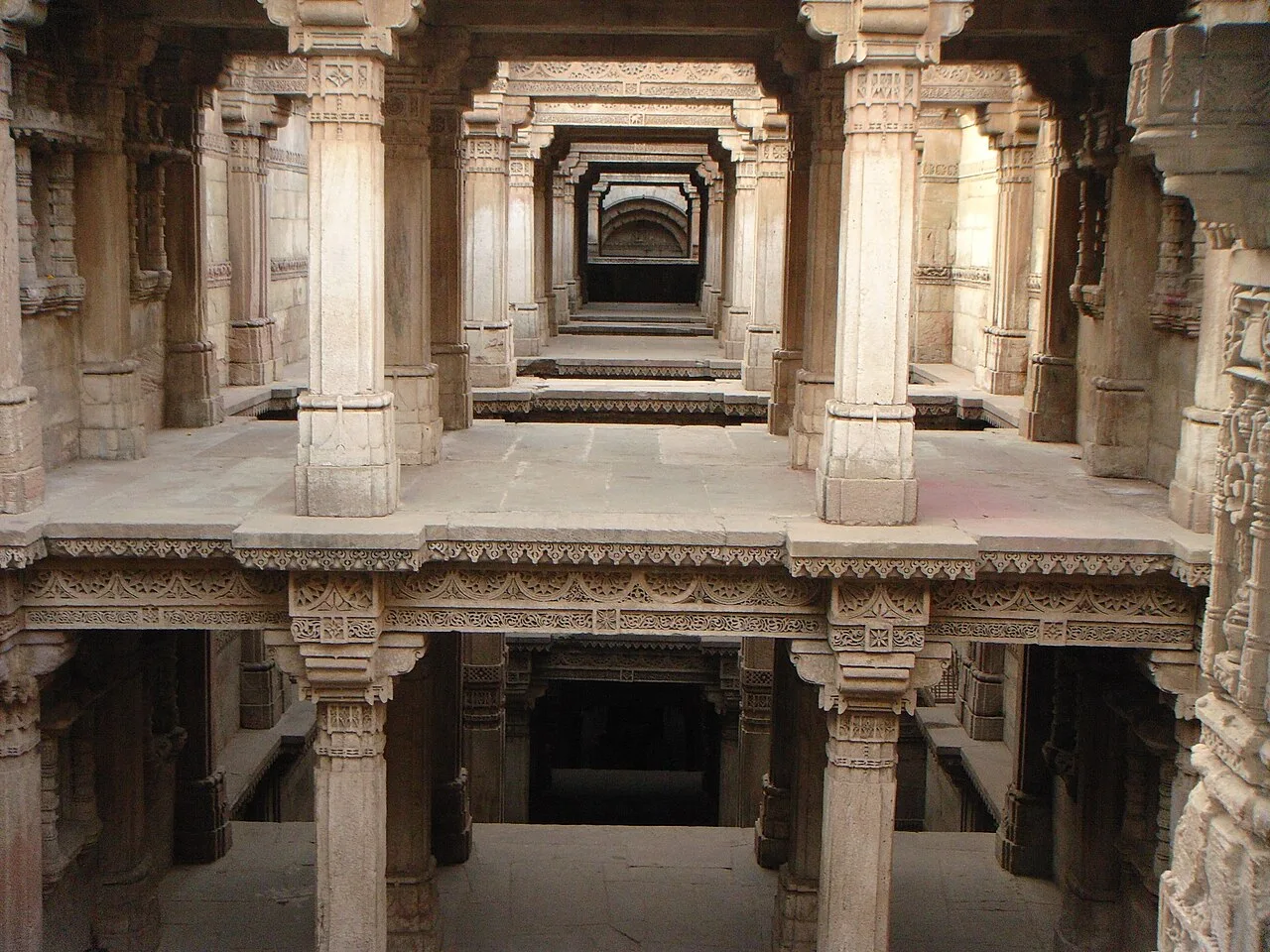
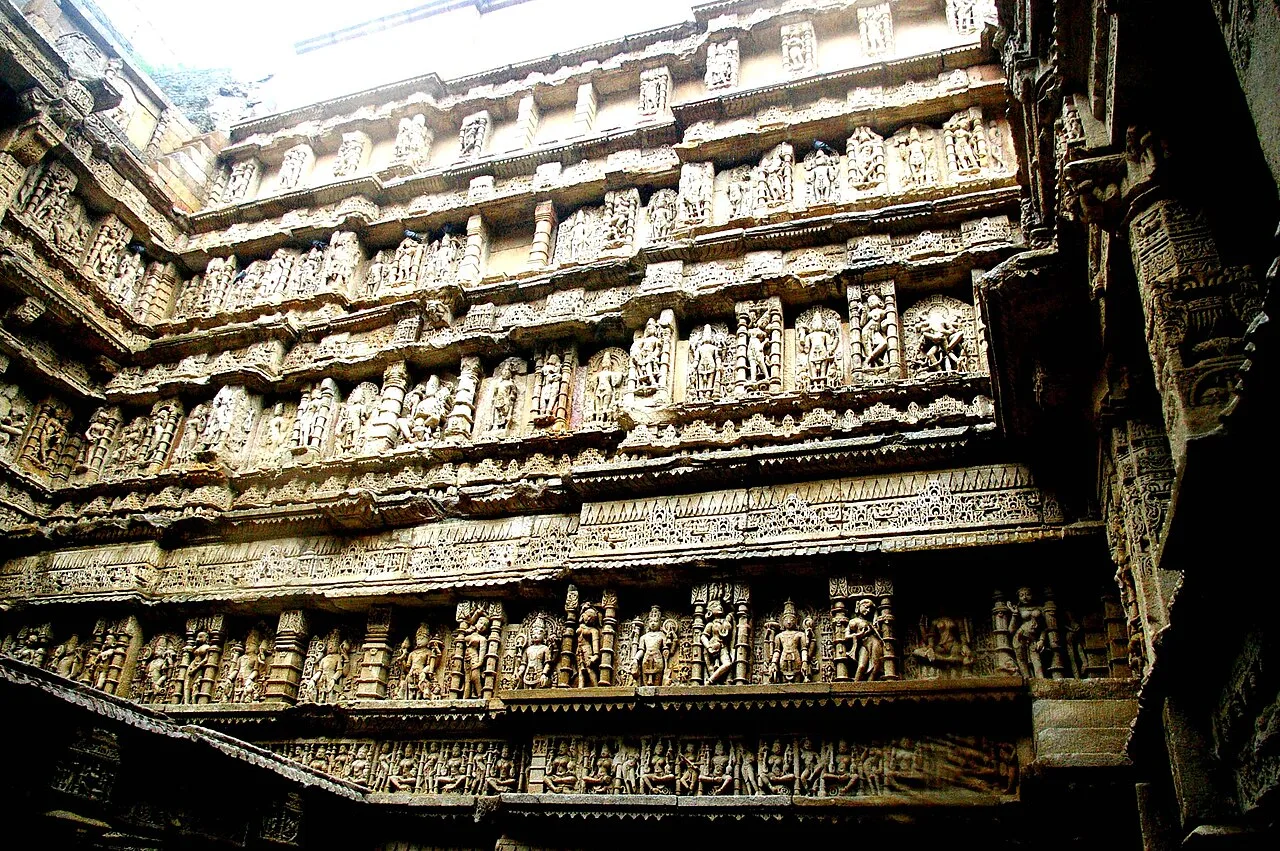
Rani ki Vav

Rani ki Vav is a stepwell in Patan, Gujarat, notable for its tiered underground design and extensive sculpture, which reflect the monument’s religious and architectural significance.

Sahasralinga Tank

43 km away · Patan district

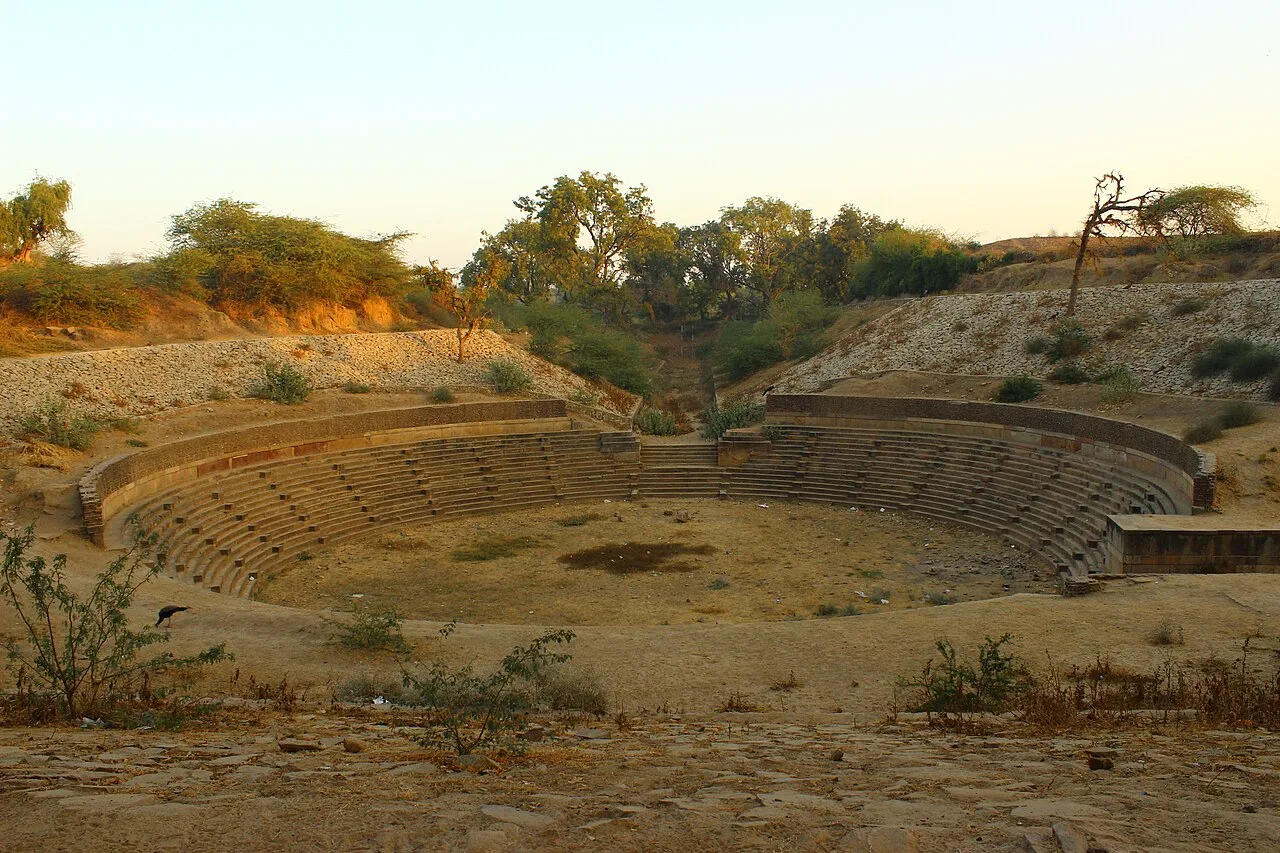
Sahasralinga Tank

Sahasralinga Tank is a medieval, human-made reservoir in Gujarat’s Patan district, commissioned under Chaulukya rule. Visitors come to see this historic site, which is protected as a national monument.

Modhera Sun Temple

69 km away · Mehsana district

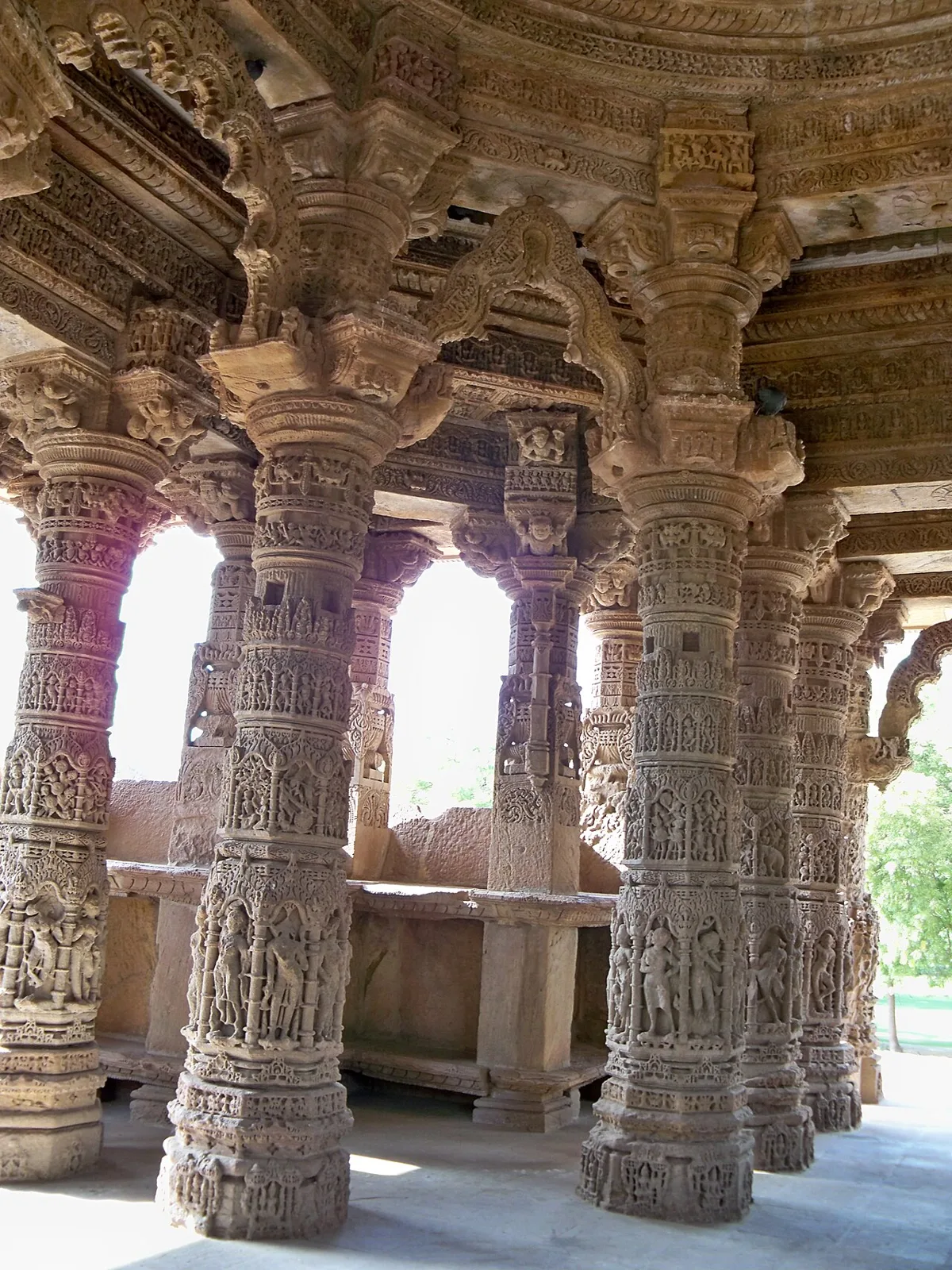
Modhera Sun Temple

This Hindu temple complex in Modhera, Gujarat, honours Surya. Visitors come to see its carved halls, decorated pillars and stepped reservoir, which is dotted with small shrines.

Indian Wild Ass Sanctuary

86 km away · Surendranagar district

Indian Wild Ass Sanctuary

In Gujarat’s Little Rann of Kutch, the Indian Wild Ass Sanctuary protects the endangered khur. Visitors are drawn by the chance to see this wild ass, a southern subspecies of the Asiatic wild ass.

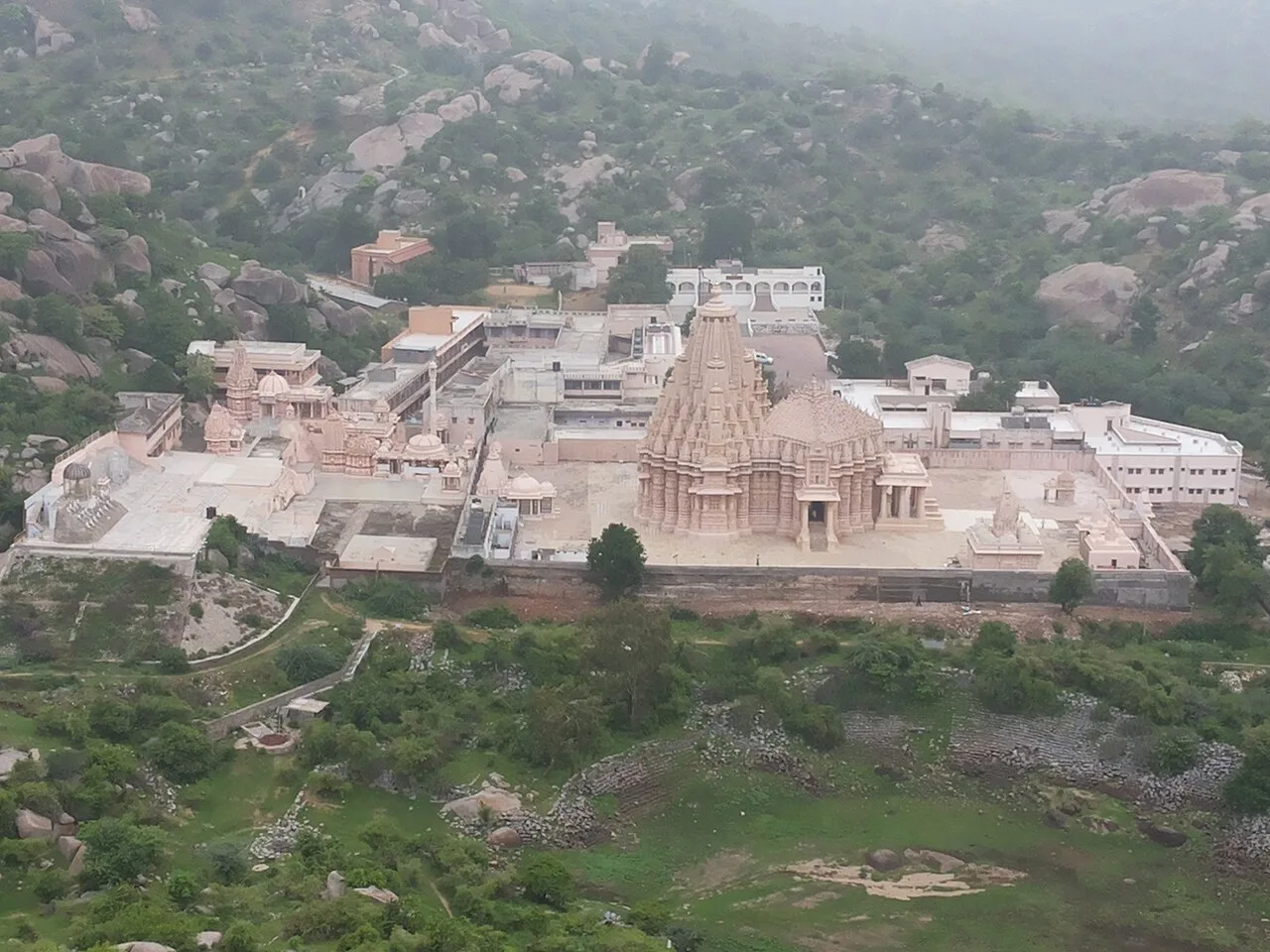
Taranga Jain Temples

101 km away · Mehsana district

Taranga Jain Temples

Taranga is a Jain pilgrimage site near Kheralu, known for temples representing Śvetāmbara and Digambara traditions and for its notable Māru-Gurjara architecture.

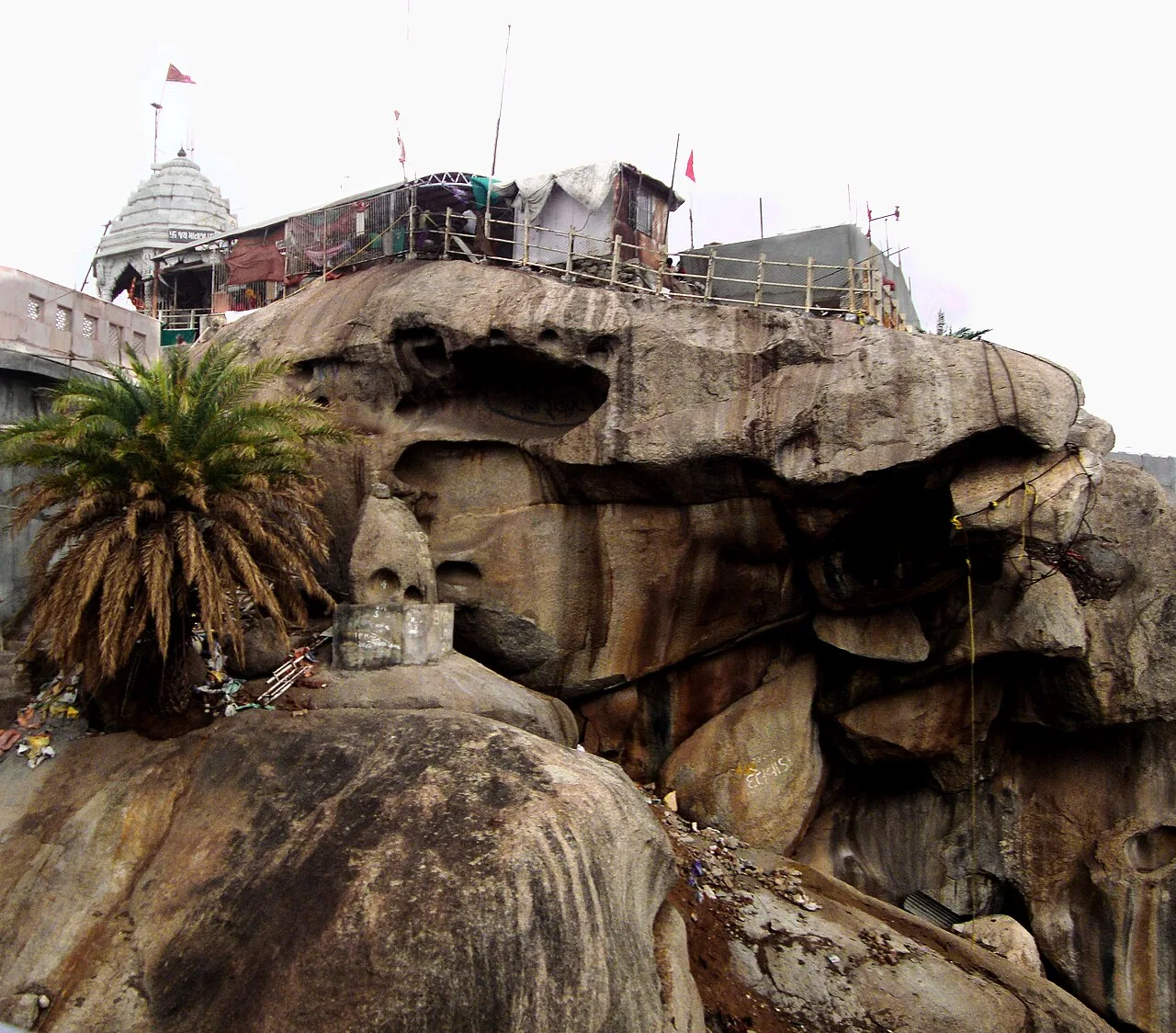
Ambaji

112 km away · Banaskantha district

Ambaji

Ambaji is a census town in Banaskantha district, Gujarat. The available details establish its identity and location but do not say what draws visitors there.

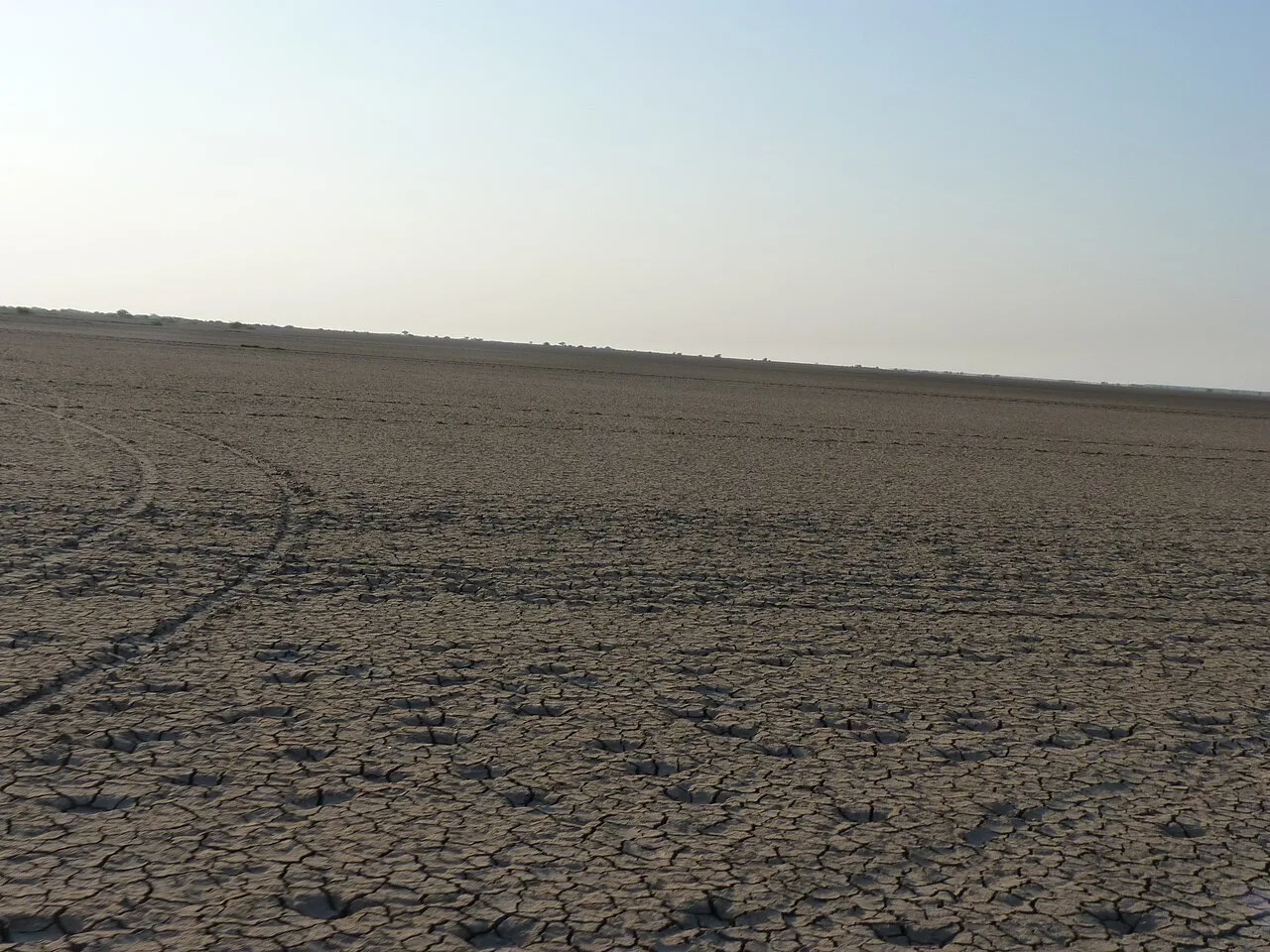
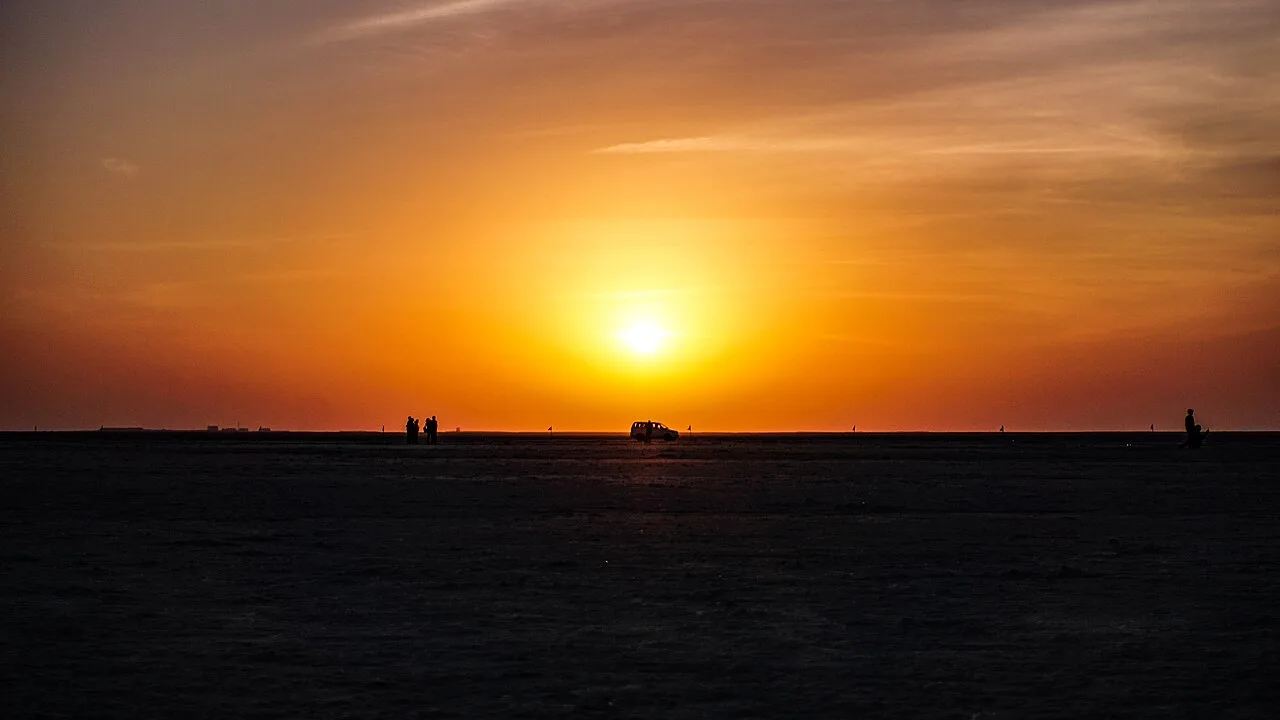
Great Rann of Kutch

115 km away · Kutch district

Great Rann of Kutch

A vast saline desert in Gujarat’s Kutch district, the Great Rann forms part of the Thar Desert. Visitors come to encounter its immense salt-flat landscape.

Adalaj Stepwell

133 km away · Gandhinagar district

Adalaj Stepwell

Adalaj Stepwell, also known as Rudabai Stepwell, is a sandstone structure in Gujarat’s Gandhinagar district. Visitors come to see its Solanki-style design and its connection to Rana Veer Singh.

Map

Diyodar on the map

  1. 1Rani ki Vav
  2. 2Sahasralinga Tank
  3. 3Modhera Sun Temple
  4. 4Indian Wild Ass Sanctuary
  5. 5Taranga Jain Temples
  6. 6Ambaji
  7. 7Great Rann of Kutch
  8. 8Adalaj Stepwell

Gujarat

Other cities to explore