Ghumoopedia — Explore, Discover, Experience
Sign in
Sayaji Baug, near Borsad

City guide · Gujarat

Borsad

Borsad is a municipality in Anand district, in Gujarat’s fertile Charotar region. About 17 kilometres from Anand, it serves as a local centre for surrounding villages, with everyday trade and services closely tied to farming.

Famous for

  • Borsad Satyagraha
  • Borsad Stepwell
  • Napa Wanto tank
  • Mahakaleshwar Mahadev Temple
  • Charotar agriculture

Why Borsad matters

Borsad is a municipality in Anand district, in Gujarat’s fertile Charotar region. About 17 kilometres from Anand, it serves as a local centre for surrounding villages, with everyday trade and services closely tied to farming. Tobacco, bananas, cotton, barley and other crops are grown in the area, shaping the town’s links to the wider agricultural economy.

Borsad’s historical importance reaches beyond the region. The Borsad Satyagraha of 1922–23, associated with Sardar Vallabhbhai Patel, challenged a tax imposed to address dacoity. The campaign drew support across villages and became a notable example of collective resistance. Visitors can also explore the town’s architectural and religious landmarks, including the seven-storey Borsad Stepwell, the historic Napa Wanto tank and Mahakaleshwar Mahadev Temple. Borsad is best approached as a working Charotar town with a distinct history, rather than a large sightseeing destination; it also makes a practical stop from Anand for travellers interested in local heritage and rural Gujarat.
Famous for: crafts, trade & products

Borsad is not especially known for a signature textile, handicraft or GI-tagged product. Its local economy is more closely associated with the farming and trade of the Charotar belt. Tobacco, bananas, cotton and barley are among the crops grown in the surrounding area, alongside other agricultural produce. The town’s shops and bazaars serve local residents and nearby villages with everyday goods and services.

For a sense of local commerce, browse the central bazaar streets, where food shops and general retailers reflect daily life in the town. Seasonal produce is best sought through local sellers when available; the range changes with harvests. Borsad’s most distinctive heritage is architectural rather than craft-based: the historic stepwell, built in 1497 by Vasu Soma and his family, is a notable example of the town’s past. Visitors looking for broader regional shopping, including a wider choice of textiles and other goods, can also explore Anand, the larger nearby commercial centre.

History

A local legend attributes Borsad’s beginnings to a monk who established a hamlet in the second century CE, though the story is part of local tradition. The town’s historic landmarks reflect later periods: the Napa Wanto tank is associated with the Gujarat Sultanate ruler Mahmud Begada, while the Borsad Stepwell was built in 1497 by Vasu Soma and his family. Borsad became a municipality in 1888, during British rule.

The town is best remembered nationally for the Borsad Satyagraha of 1922–23. When colonial authorities sought to impose a tax to combat dacoity in the taluka, Sardar Vallabhbhai Patel and local organisers challenged its justification. Villagers across the area resisted payment, and the campaign helped prevent property seizures. The government eventually withdrew the tax. The movement is also remembered for building cooperation among communities divided by social and economic differences. In the decades since independence, Borsad has continued as a local administrative and trading centre serving its agricultural hinterland.

Food, festivals & culture

Everyday food in Borsad reflects Gujarati home cooking: meals commonly include rotli, dal, vegetable shaak and rice or khichdi. Snacks such as dhokla and other farsan are familiar across the region, while sweet shops offer Gujarati-style sweets that vary by season and occasion. The surrounding farming landscape also shapes local markets and household cooking.

Gujarati is the principal language of daily life; Hindi is also used in many public and commercial settings. Hindu festivals are marked in the town and nearby villages: Navratri in autumn brings devotional gatherings and garba, while Diwali is celebrated in autumn and Uttarayan in January with kite-flying. Holi is observed in spring. Bhajans and other devotional music are part of worship and festival gatherings. Mahakaleshwar Mahadev Temple is among the town’s notable places of worship, and the surrounding area has other neighbourhood temples and religious spaces serving local communities.

Visiting the city

The cooler months, roughly October to February, are generally the most comfortable time to visit; summers can be hot, and the monsoon brings rain. Vadodara Airport is the nearest major airport, while Anand Junction is the main railway station for reaching Borsad. From Anand, road transport connects the town with the district; local auto-rickshaws and other road transport can help with short trips. Check current connections before setting out.

In town, focus on the Borsad Stepwell, Napa Wanto tank and Mahakaleshwar Mahadev Temple, then walk through the central bazaar streets for a glimpse of everyday life. The areas around these landmarks are convenient to explore at an unhurried pace. Borsad can also be visited as a short excursion from Anand, with time allowed for travel between the sites.

Trips from the city

Nearest places to visit from Borsad

Our closest destination guides, by straight-line distance.

Sayaji Baug

32 km away · Vadodara district

Sayaji Baug

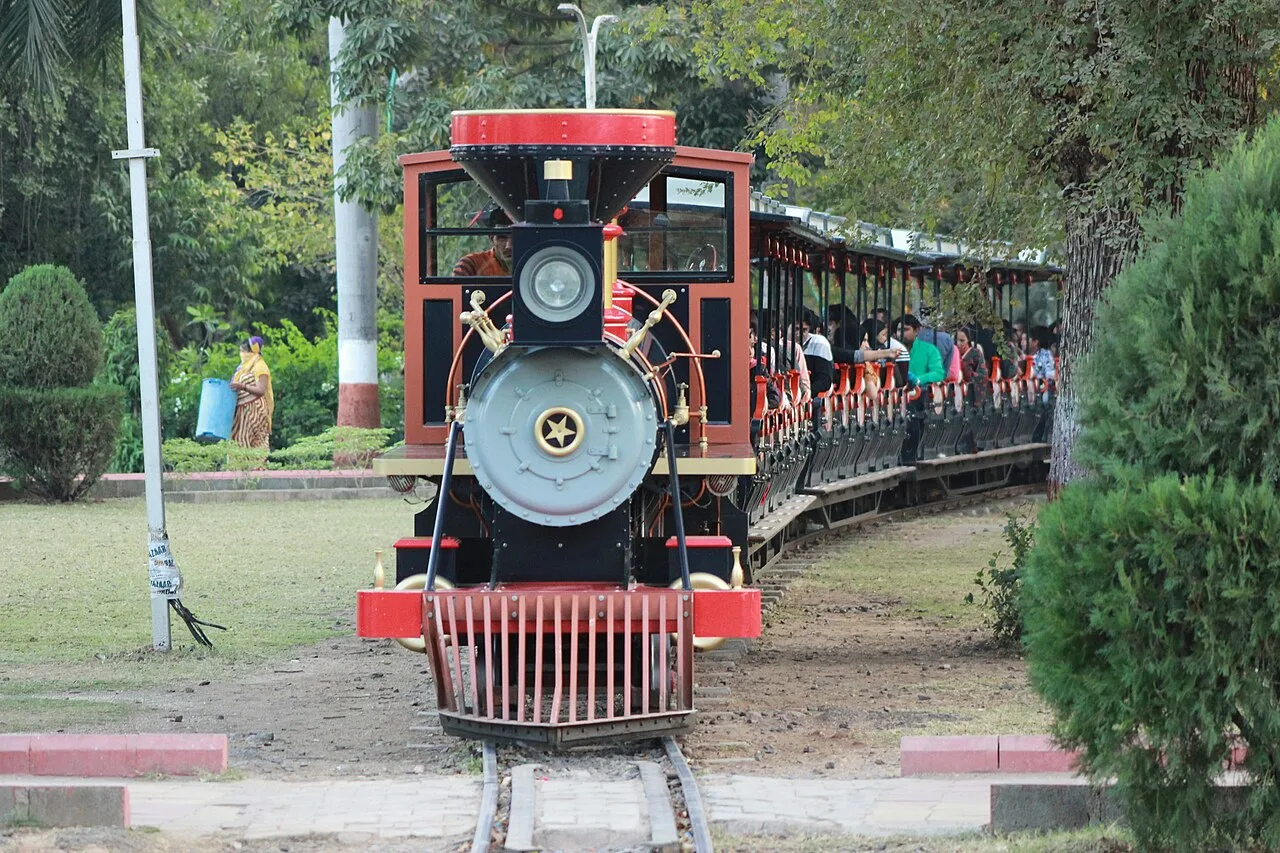
Sayaji Baug, also called Kamati Baug, is a garden in Vadodara, Gujarat, established by Maharaja Sayajirao Gaekwad and visited for recreation and tourism.

Lakshmi Vilas Palace

33 km away · Vadodara district

Lakshmi Vilas Palace

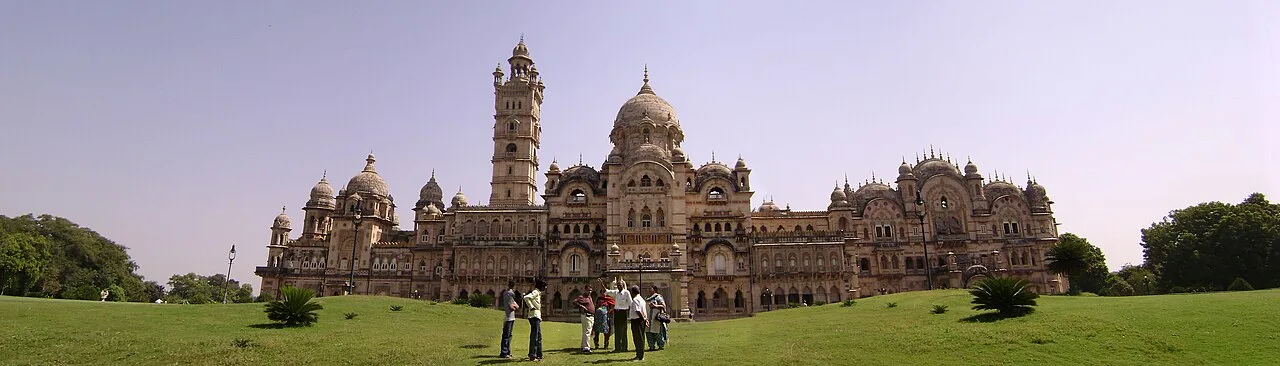
Lakshmi Vilas Palace is a former Gaekwad royal residence in Vadodara, known for its Indo-Saracenic architecture and extensive grounds. People visit to see the palace, its museum and links to the dynasty.

Dakor

46 km away · Kheda district

Dakor

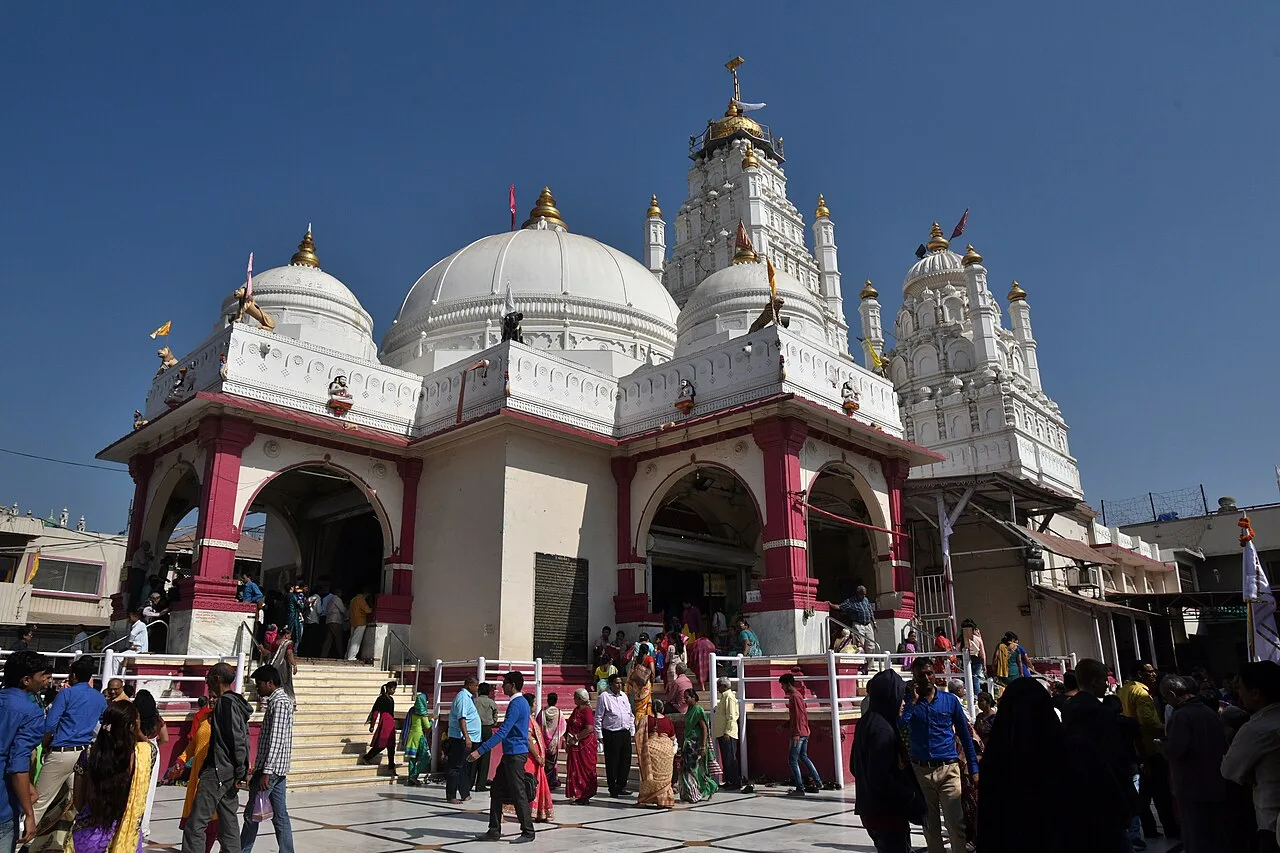
Dakor is a small city and municipality in Gujarat’s Kheda district, known for the temple of Raṇchoḍrāyjī, which draws people to the town.

Pavagadh

64 km away · Panchmahal district

Pavagadh

Pavagadh is a municipal area in Gujarat’s Panchmahal district, about 46 kilometres from Vadodara. Visitors come to see its Mahakali temple and the Champaner-Pavagadh Archaeological Park, a UNESCO World Heritage Site.

Champaner-Pavagadh Archaeological Park

66 km away · Panchmahal district

Champaner-Pavagadh Archaeological Park

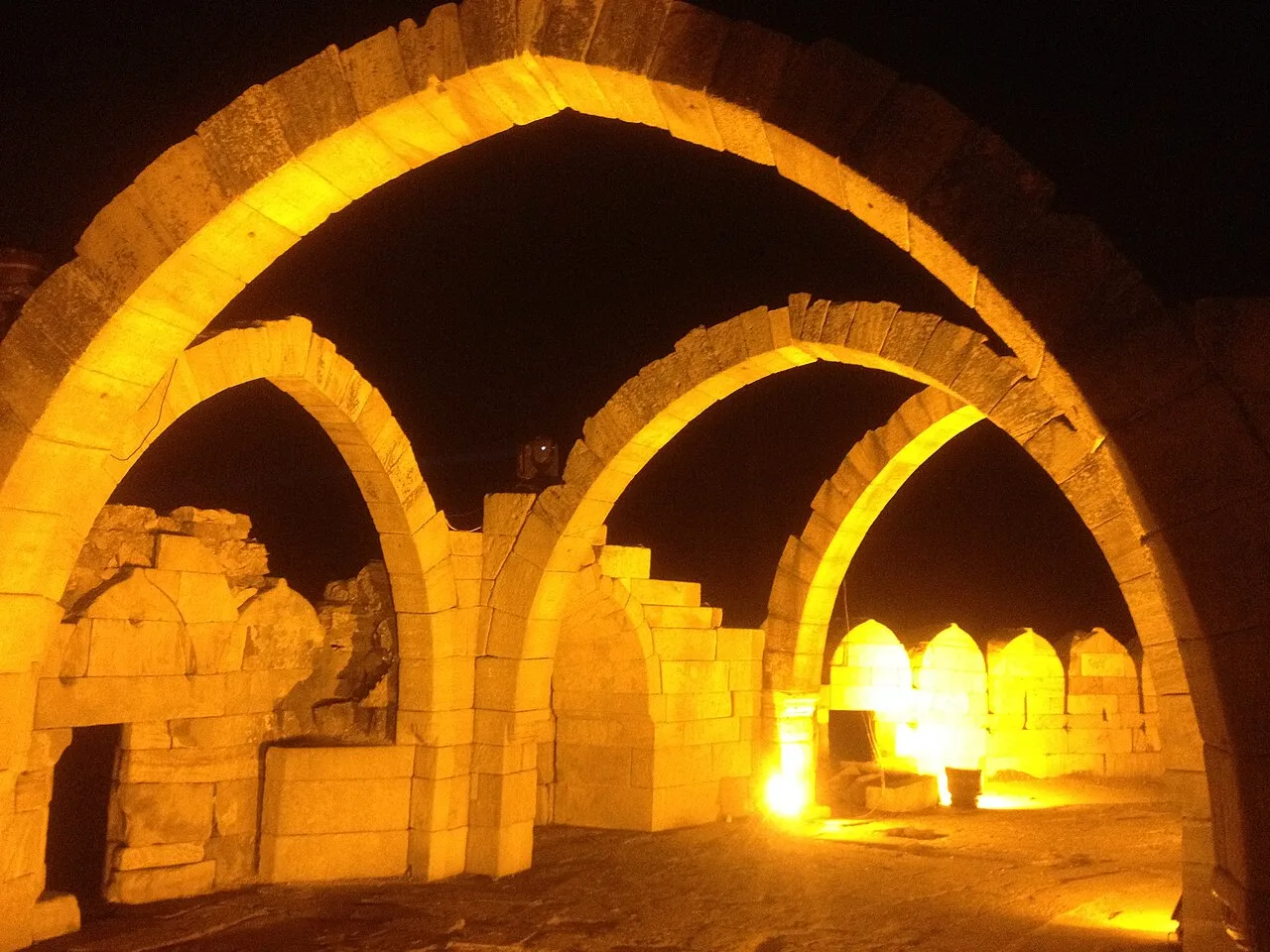
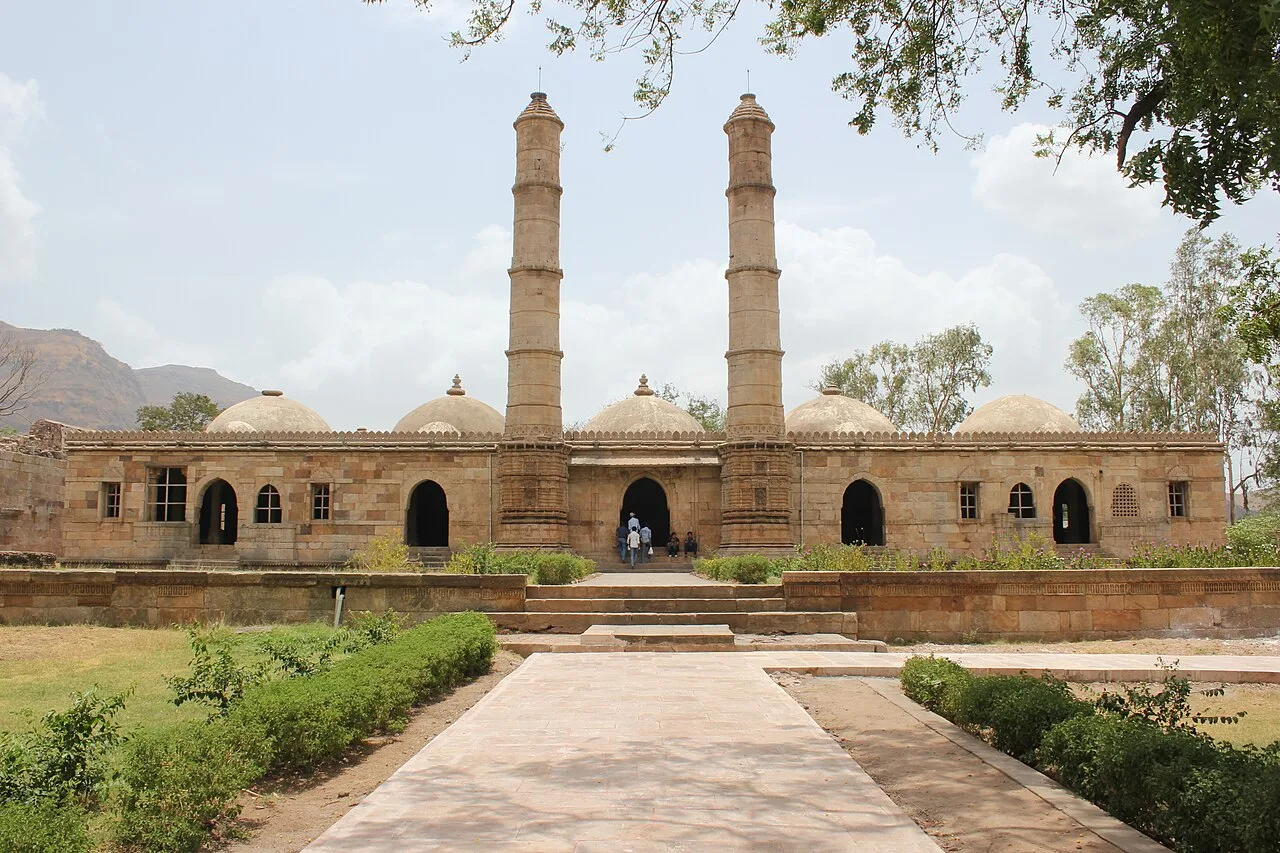
This archaeological park in Gujarat’s Panchmahal district preserves Champaner, Pavagadh’s hill fortress and monuments from several periods. Visitors explore its historic architecture and visit the Kalika Mata Temple.

Lothal

68 km away · Ahmedabad district

Lothal

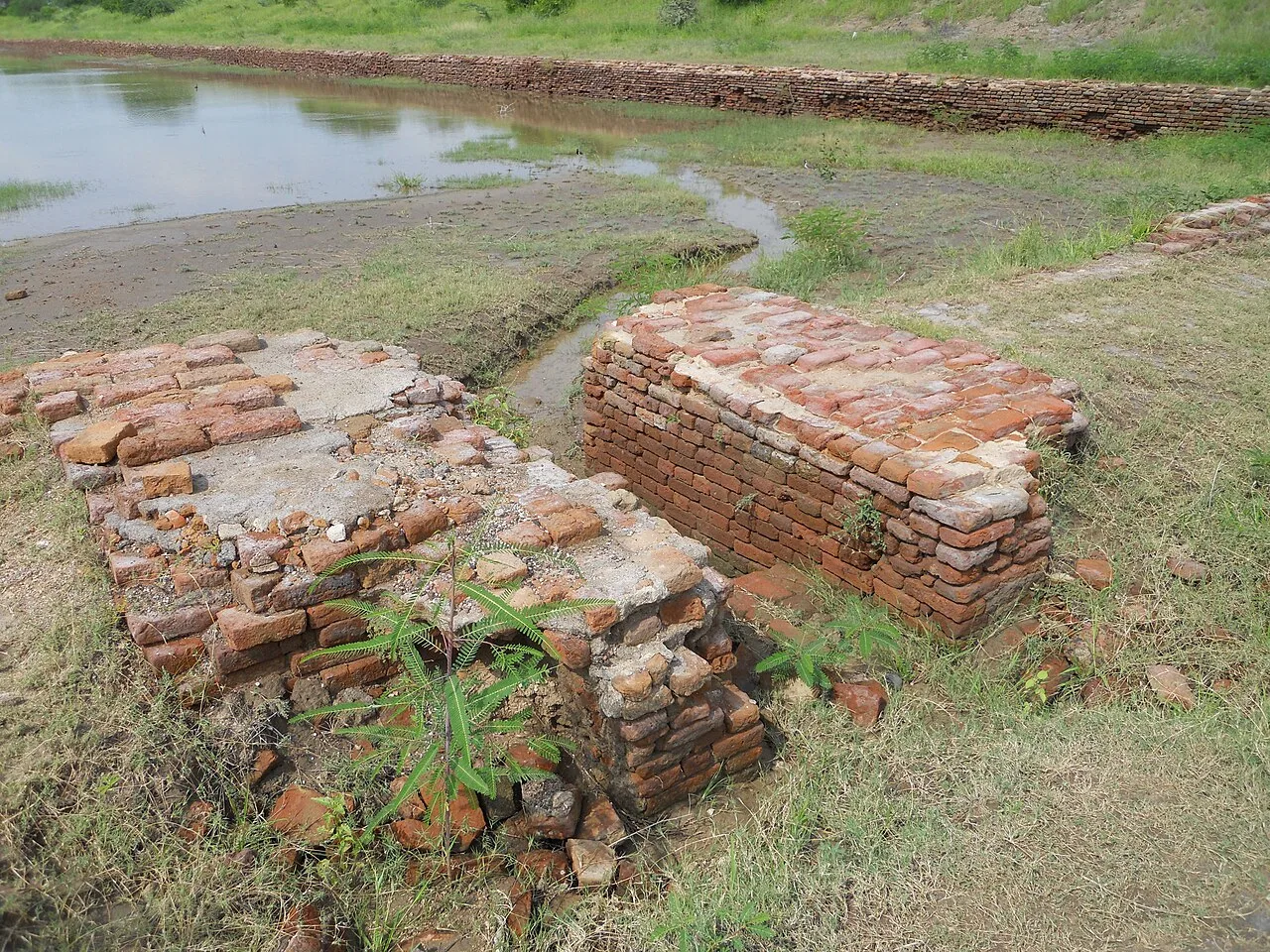
Lothal is a settlement of the ancient Indus Valley Civilisation in Gujarat. Visitors come to learn about its place among the civilisation’s southernmost sites and its early history.

Kankaria Lake

73 km away · Ahmedabad district

Kankaria Lake

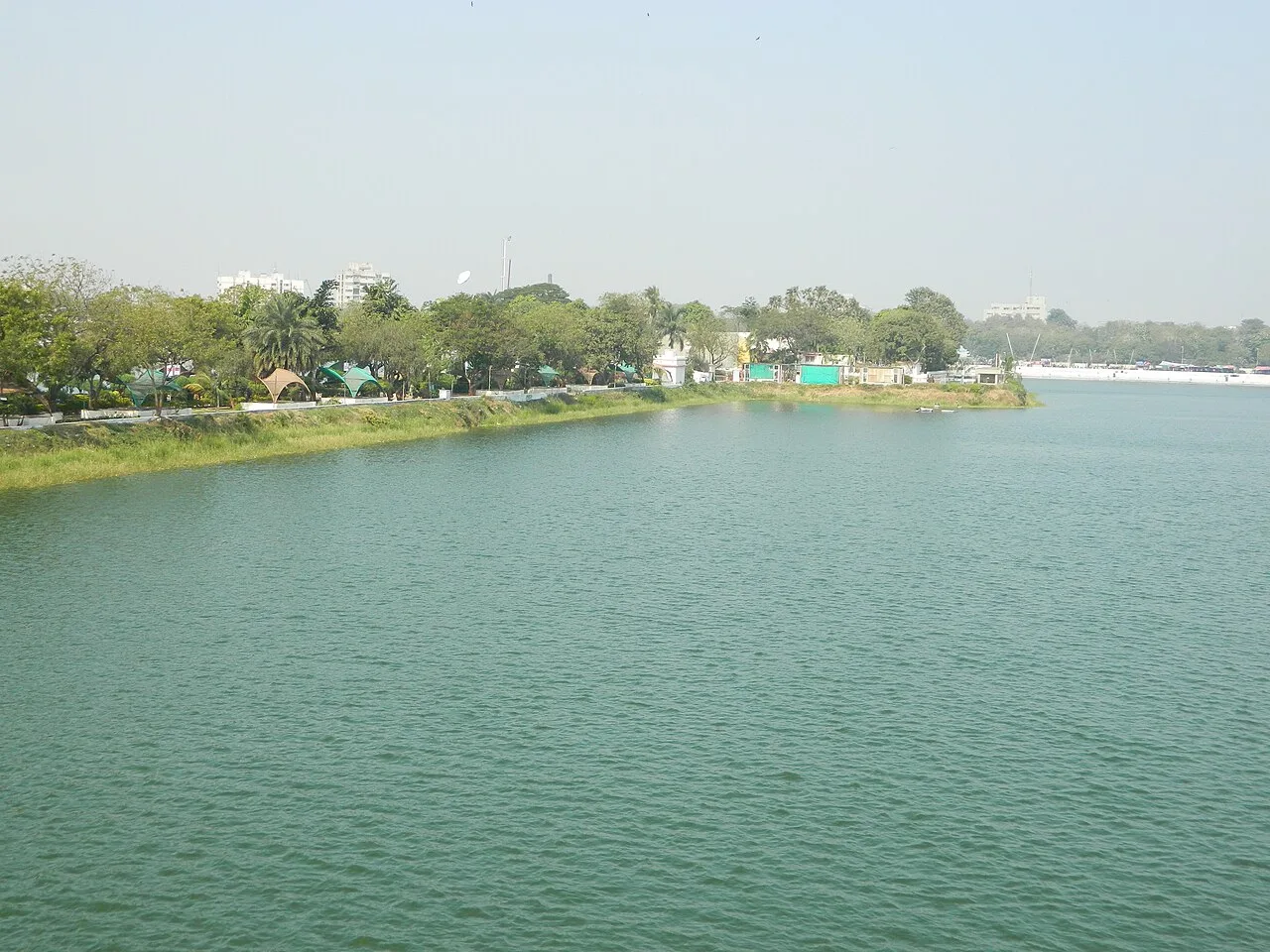
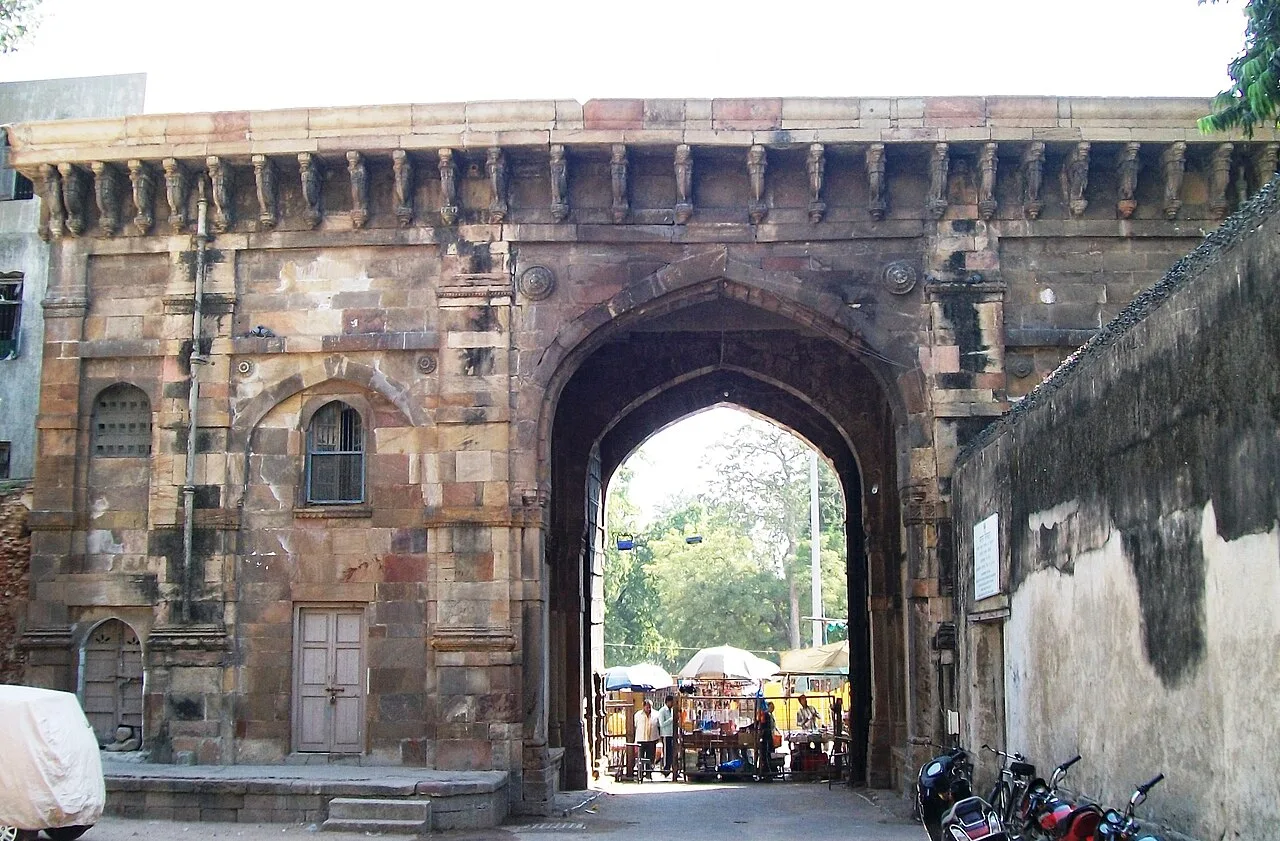
Kankaria Lake is Ahmedabad’s largest lake, situated in Maninagar. Visitors come for its leisure attractions and the cultural, artistic and social programme of the Kankaria Carnival.

Bhadra Fort

76 km away · Ahmedabad district

Bhadra Fort

This historic Ahmedabad complex brings together royal buildings, mosques, gateways and open areas. Visitors explore its architecture and its present role as a cultural centre for the city.

Map

Borsad on the map

  1. 1Sayaji Baug
  2. 2Lakshmi Vilas Palace
  3. 3Dakor
  4. 4Pavagadh
  5. 5Champaner-Pavagadh Archaeological Park
  6. 6Lothal
  7. 7Kankaria Lake
  8. 8Bhadra Fort

Gujarat

Other cities to explore