
District · Gujarat
Kheda
Kheda lies in central Gujarat, within the fertile Charotar region and within reach of the state’s major urban centres.
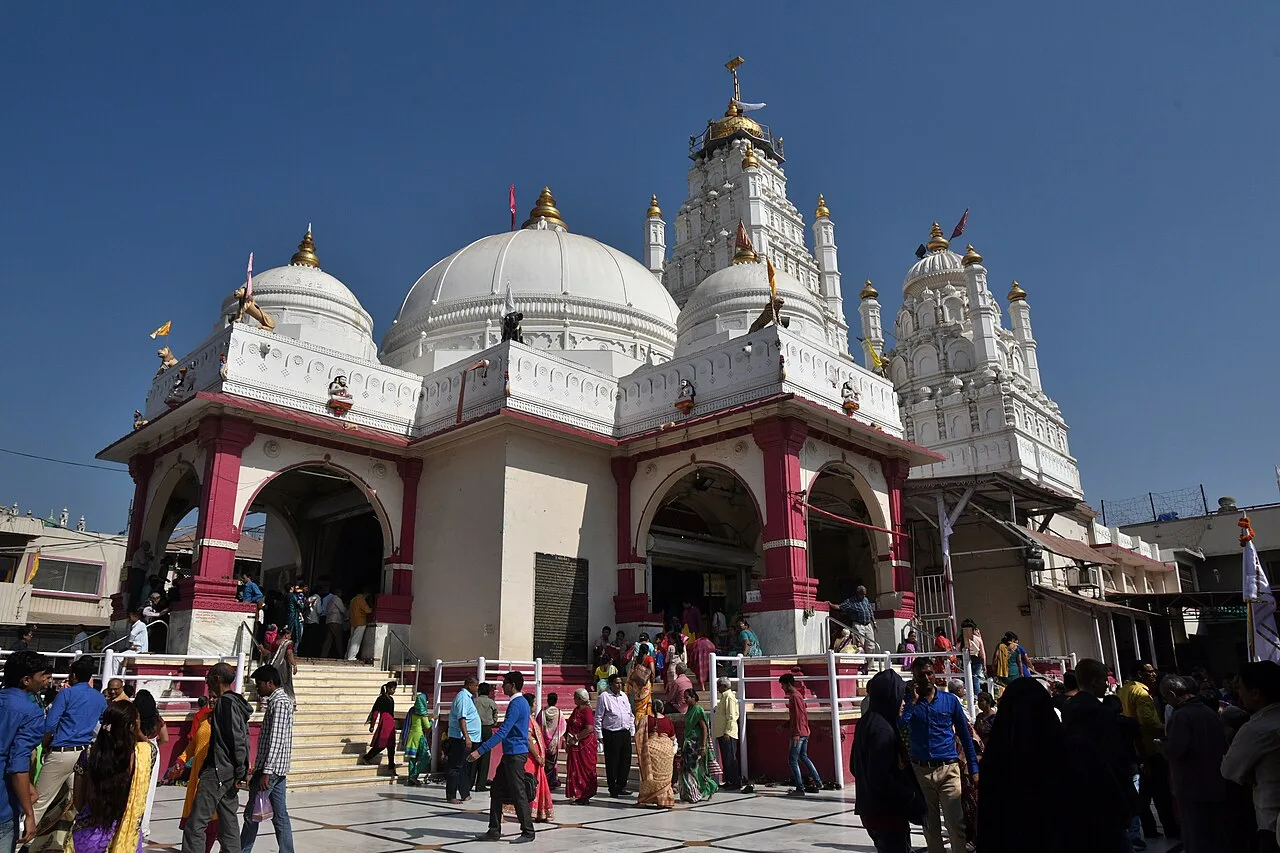
Kheda occupies a largely level, fertile plain in central Gujarat, shaped by river systems and long-settled agricultural communities. Much of the district is part of the Charotar region, known for productive farmland and a network of towns and villages. Nadiad is its administrative centre, while Dakor draws pilgrims to the Ranchhodraiji temple. The district is also remembered for the 1918 Kheda Satyagraha, when farmers, supported by leaders including Mahatma Gandhi and Sardar Vallabhbhai Patel, resisted land-revenue demands after crop failure. Today Kheda combines rural and dairy-based livelihoods with busy market towns and pilgrimage travel; its character is more agricultural and devotional than mountainous or coastal.
Kheda lies in central Gujarat, within the fertile Charotar region and within reach of the state’s major urban centres. It is best known for the 1918 Kheda Satyagraha, an important episode in India’s freedom movement, and for Dakor, a major pilgrimage town associated with the Ranchhodraiji temple and worship of Krishna. The district offers a mix of religious travel and agricultural landscapes rather than a large circuit of widely documented tourist sites.
The Kheda region has long been part of the settled agricultural heartland of Gujarat. It came under the Gujarat Sultanate in the medieval period and later formed part of the Mughal Empire. As Mughal power weakened, Maratha authorities, including the Peshwas and Gaekwad rulers, held influence in different parts of the region. Under British rule, Kheda—then often called Kaira—became a district in the Bombay Presidency. In 1918, after crop failure and hardship among cultivators, local farmers challenged the collection of land revenue. Mahatma Gandhi supported their campaign, known as the Kheda Satyagraha, with Vallabhbhai Patel among the leaders who helped organise it. The movement became an important early example of non-violent resistance. Kheda became part of Gujarat when the state was formed in 1960. Anand district was later separated from Kheda in 1997, leaving Kheda with its present boundaries. Dakor developed as a significant Krishna pilgrimage centre, centred on the Ranchhodraiji temple.
Kheda’s everyday food belongs to the wider Gujarati tradition: vegetarian meals often pair rotli or thepla with vegetables, dal, kadhi and rice, while snacks such as dhokla, khandvi and fafda are widely enjoyed. Dakor is associated with gota, fried savoury gram-flour dumplings commonly flavoured with fenugreek and spices. Gujarati thali, kadhi-khichdi and sweets such as shrikhand or mohanthal are also found across the region, though menus vary by place. Many small eateries prepare a limited selection each day, so asking what is fresh is useful. Pilgrimage-town menus are often predominantly vegetarian.
Kheda is better known for agriculture, pilgrimage and its towns than for a widely documented signature craft. Its craft context is part of Gujarat’s broader textile and handwork culture: embroidery, mirror-work and printed or woven fabrics are found in different parts of the state, but prominent named traditions are more strongly associated with other centres. Visitors may see locally made or traded textiles in markets, though their origin can vary. For pieces described as handmade, ask about the maker and place of production rather than assuming they were made in Kheda.
Dakor draws pilgrims for religious observances associated with Ranchhodraiji, with larger gatherings on important full-moon occasions and during festivals in the Hindu calendar. Janmashtami, celebrating Krishna’s birth, is observed in the region, while Navratri, Diwali and Holi are widely celebrated across Gujarat. Navratri falls in autumn, and Diwali usually in autumn; Holi is in late winter or early spring. Festival periods can make Dakor busier and reduce the availability of rooms, especially at simple pilgrim lodgings. If travelling during a major observance, arrange a stay ahead and allow extra time for crowded streets.
Elsewhere in Gujarat
Kheda is largely a level, cultivated plain in central Gujarat, with the Charotar area known for fertile farmland and settled villages. Rivers and their tributaries, including the Mahi and Vatrak, form part of the wider regional drainage; the district has no coastline or prominent hill ranges. Much of the journey is across open agricultural country, so road travel is generally straightforward, though conditions can change during heavy monsoon rain. The landscape is shaped more by fields, towns and waterways than by remote wilderness, and visitors should not expect a mountain or forest-based itinerary.
Kheda has hot summers, a monsoon season and comparatively mild winters. Summer, broadly from March to June, can make daytime sightseeing tiring; carry light clothing, sun protection and water. Monsoon weather usually arrives from around June and continues into early autumn, bringing humid conditions and occasional disruption to rural roads. Winter, from around November to February, is generally the most comfortable season for visiting Dakor and travelling between towns. October to March is usually a good travel window, with some variation from year to year. Pack breathable clothes, a light layer for cooler evenings in winter, and rain protection if travelling during the monsoon.
Nadiad Junction is a useful rail gateway for Kheda, while Dakor station serves the pilgrimage town. By air, Ahmedabad’s Sardar Vallabhbhai Patel International Airport and Vadodara Airport are practical gateways; the more convenient choice depends on where in the district you are going. The Ahmedabad–Vadodara Expressway and National Highway 48 connect the area with major Gujarat cities. GSRTC buses link towns and larger settlements, and autos or hired cars can help with local journeys, especially to temples and villages. Check current services locally before travelling.
Roads connect Dakor with Nadiad and other towns in the district, and buses serve many town-to-town routes. Local buses, shared vehicles and auto-rickshaws may be useful for shorter journeys, though availability and frequency can vary outside town centres. Taxis or hired cars offer more flexibility for visiting Dakor and making rural stops. Rail services connect parts of the region, but check current routes and onward road options before setting out. Allow extra time during festivals and in heavy monsoon weather. There are no coastal or routine sightseeing boat journeys to plan around in this district.
2 days: Dakor; sleep in Dakor both nights. 3 days: Dakor; take a relaxed second day in Dakor; sleep in Dakor each night.
Dakor is the most practical base for a short visit focused on the district’s listed destination and pilgrimage activity. It has visitor accommodation that may include hotels and basic pilgrim lodgings or dharamshalas; facilities and availability vary, particularly during festival periods. Homestays and government lodges may be available in the wider region, but confirm current options and access before relying on them.
Most visits involve town streets and level roads rather than demanding terrain. Take care around traffic, especially near busy pilgrimage areas and during festivals, and use drinking water that is sealed or otherwise treated. Heat can be tiring in summer; monsoon rain may affect rural road conditions, so check locally before longer drives. Mobile connectivity is generally more dependable in towns than in some rural areas. Serious wildlife encounters are not a defining concern for ordinary visits. No special permit is generally expected for a routine visit to Dakor, but confirm any current local restrictions with official sources before travel.
- Panchmahalabout 49 km
- Vadodaraabout 50 km
- Ahmedabadabout 66 km
- Gandhinagarabout 73 km
- Narmadaabout 119 km
- Mehsanaabout 135 km
- Sabarkanthaabout 138 km
- Patanabout 164 km
Straight-line distance between the centres of each district's destinations; road distance is longer.
Q: How many days should I spend in Kheda? A: One or two days can suit a visit focused on Dakor; allow longer for a slower pilgrimage visit or regional travel. Q: When is the best time to visit? A: October to March is generally the most comfortable period, while festival dates can bring larger crowds. Q: What is the best base? A: Dakor suits a visit centred on its temple and pilgrimage setting; Nadiad is an alternative for town services and connections. Q: How do I get to Kheda? A: The district is accessible by road and rail through regional towns such as Nadiad; check current onward connections to Dakor. Q: Is Kheda suitable for families or elderly travellers? A: Yes, a visit focused on Dakor can suit many families and older visitors, though crowds, walking and summer heat may require planning.
This page draws on our 1 destination guides for Kheda and is updated as our team checks it.
Be the first to share photos, stories, advice or a helpful contact for Kheda.
Loading…