
District · Gujarat
Surat
Surat offers a view of southern Gujarat where a major commercial city sits amid the Tapi River plains and a nearby Arabian Sea coast.
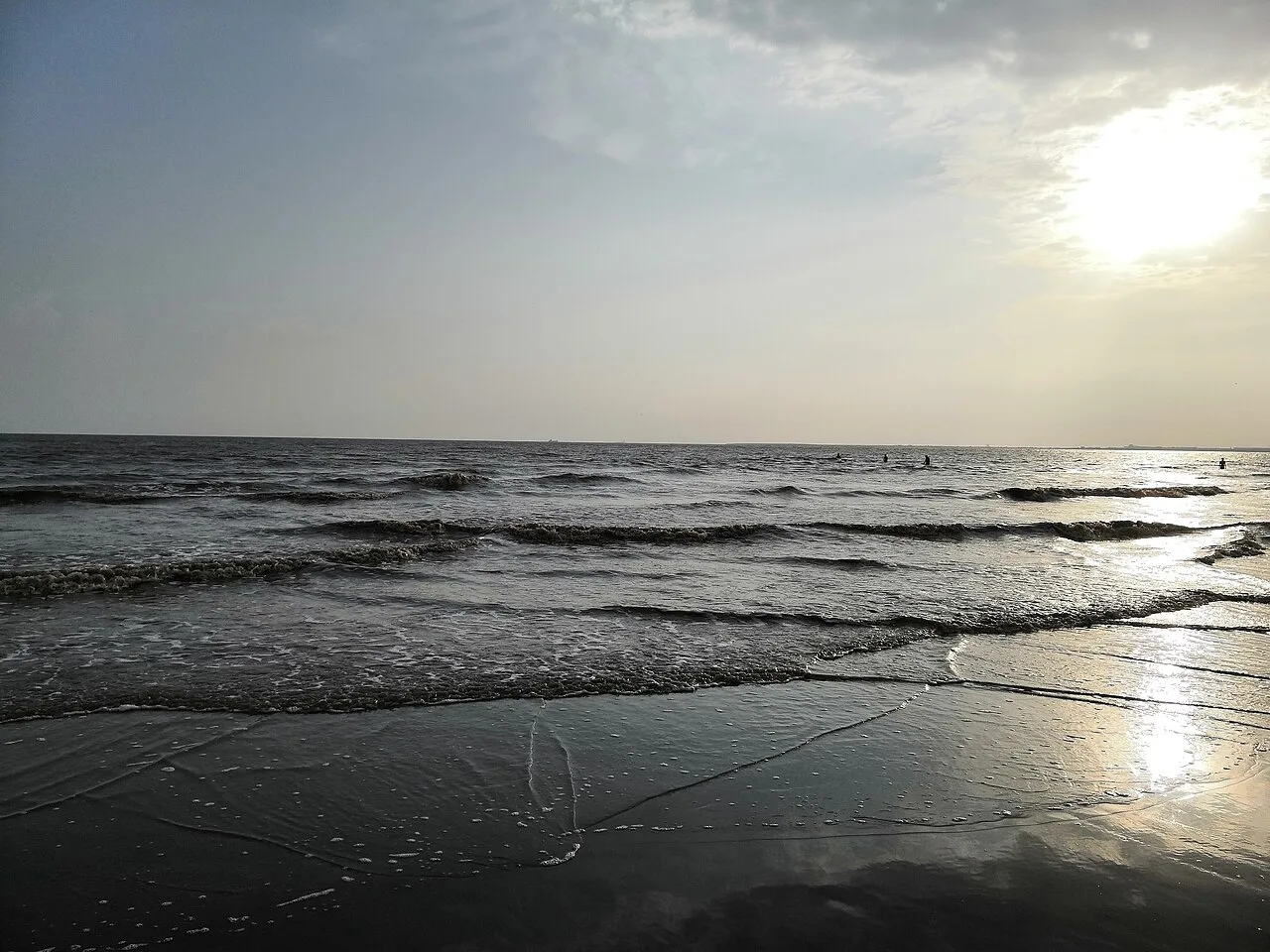
Surat district combines the busy urban landscape of southern Gujarat with the Tapi River, agricultural countryside and an Arabian Sea coastline. Surat city grew into a major port under the Mughals, drawing merchants from across the Indian Ocean; English and Dutch trading establishments also formed part of its commercial history. Today, textiles and diamond cutting shape the city's identity, alongside older neighbourhoods and a strong culture of enterprise. Beyond the city, Dumas Beach offers a coastal setting where the riverine plains meet the sea. The district's character is both outward-looking and distinctly Gujarati, with trading traditions, lively food culture and quieter rural stretches existing close together.
Surat offers a view of southern Gujarat where a major commercial city sits amid the Tapi River plains and a nearby Arabian Sea coast. It is best known for its textile trade, diamond-cutting industry and long history as a port connected to Indian Ocean commerce. Travellers can experience a fast-moving urban centre as well as the quieter coastal setting of Dumas Beach. The district also reflects Gujarat’s trading culture through its food, markets and enterprising neighbourhoods. It suits visitors interested in commerce and history, or those looking to combine city experiences with a short coastal outing.
Surat’s position on the Tapi and its access to the Arabian Sea helped it develop as a trading port. The city grew in importance under the Gujarat Sultanate and later the Mughals, when merchants and ships connected it with ports around the Indian Ocean. Portuguese attacks and European competition formed part of its early modern history. English and Dutch trading companies established commercial posts in the city, and Surat became an important departure point for pilgrims travelling to Mecca. Maratha raids and shifting regional power affected its trade in the 17th and 18th centuries. British influence expanded during the 18th century, and Surat came under British administration. Under colonial rule it was part of the Bombay Presidency; after independence it remained within Bombay State until Gujarat was formed in 1960. The modern district’s boundaries and administration have changed through later state-level reorganisations. Today, the city’s textile and diamond industries continue its long association with trade, while the surrounding district includes agricultural settlements and coastal areas.
Surat is particularly associated with locho, a soft, steamed savoury snack commonly served with chutneys and sev, and with ponk, tender green sorghum enjoyed in winter. Undhiyu, a seasonal mixed-vegetable preparation, is another important part of the local and wider Gujarati table. Dhokla, khandvi, thepla and fafda-jalebi are familiar regional choices rather than dishes exclusive to Surat. A Gujarati thali brings together vegetables, dal or kadhi, breads, rice and accompaniments, often balancing sweet, sour and spicy flavours. Vegetarian options are plentiful. At small eateries, ask which snacks and seasonal dishes have been freshly prepared.
Surat has a long-established association with zari, the metallic thread and decorative work used to embellish saris, dress fabrics and ceremonial clothing. Its textile economy also includes extensive weaving and processing of silk and synthetic fabrics, although much contemporary production is industrial rather than handloom-based. Embroidered textiles and richly ornamented sari borders reflect the city's role as a manufacturing and trading centre. When shopping, ask whether a piece is handworked or machine-made and what fibres and metallic threads it contains; appearance alone does not establish its materials or method of production.
Navratri, usually in autumn, is marked by garba gatherings across Surat and the wider region. Diwali brings family celebrations and busy markets, while Uttarayan in January fills rooftops with kite flying. Ganesh Chaturthi and Eid are also observed by communities in the city. Festival periods can bring heavier traffic, crowded public spaces and greater demand for rooms, particularly in Surat city. Travellers planning to visit during major holidays should arrange accommodation ahead and allow extra time for local journeys. Celebrations and their scale vary between neighbourhoods and villages.
Elsewhere in Gujarat
The district is largely low-lying, with the Tapi River flowing through the urban area and broad plains extending into agricultural countryside. Its southern Arabian Sea edge includes the coastal setting of Dumas Beach. Much of the terrain is accessible by road, but rivers, seasonal drainage and monsoon conditions can affect local journeys. The urban landscape is dense and busy, while settlements beyond the city are more dispersed. Coastal visits are shaped by tides, weather and sea conditions, so follow local guidance before approaching or entering the water.
Surat has hot summers, a humid monsoon season and generally milder winters. Summer heat and humidity can make outdoor sightseeing tiring, so plan activities for cooler parts of the day and carry water. Monsoon weather brings heavy showers at times and may disrupt road travel or make coastal conditions unsuitable for swimming. Winter, broadly from November to February, is usually the most comfortable season for exploring the city and visiting Dumas Beach. Light, breathable clothing works for most of the year; bring rain protection during the monsoon and a light layer for cooler winter evenings. Check local weather and sea conditions before a coastal outing.
Surat Airport is the main air gateway for the district, while Surat railway station provides connections on the Mumbai–Ahmedabad rail corridor. National Highway 48 links the Surat area with Mumbai and other major centres in Gujarat. GSRTC and private buses connect the city with surrounding towns and regional destinations. Within Surat, city buses, auto-rickshaws and taxis are useful for getting around; taxis or locally available buses can serve onward trips towards Dumas Beach. Allow extra time for urban traffic and confirm the return journey before travelling to quieter coastal areas. Check current services locally.
Surat city is the main transport hub, with road connections to district towns such as Bardoli and Mandvi and links to National Highway 48. City buses, auto-rickshaws and taxis serve urban neighbourhoods. For Dumas Beach, visitors can use a taxi or check locally for bus services, then confirm the return option before leaving the city. Buses and shared vehicles may be available for some journeys beyond the urban area, but services can be less frequent in rural locations. Allow extra time for city traffic and changing monsoon road conditions.
2 days: Dumas Beach as a day visit; sleep in Surat on night one. 3 days: Dumas Beach as a day visit; sleep in Surat on nights one and two.
Surat city is the most practical base for a short district visit, with a broad choice of hotels and other city accommodation, as well as access to transport and services. It also works well for a day trip to Dumas Beach. Smaller towns may have simpler guesthouses or local lodgings, but choices can be limited and should be checked before setting out. Homestays and dharamshalas may be available in some areas; confirm facilities and location directly. Book ahead during major festivals and busy travel periods.
Surat is a busy urban area, so take ordinary care with belongings in crowded markets and allow for traffic when crossing roads. At Dumas Beach, tides and sea conditions can change; avoid swimming unless local authorities indicate it is safe, and keep away from the water during rough weather. Monsoon showers can affect roads and visibility. Drink bottled or properly treated water, and take precautions against heat and humidity. Mobile connectivity is generally available in the city but may be less dependable in quieter areas. Check local travel and coastal advice before departing, especially for the return journey.
- Navsariabout 23 km
- Daman · Dadra and Nagar Haveli and Daman and Diuabout 76 km
- Dadra and Nagar Haveli · Dadra and Nagar Haveli and Daman and Diuabout 100 km
- Dangabout 104 km
- Bhavnagarabout 112 km
- Palghar · Maharashtraabout 127 km
- Narmadaabout 136 km
- Vadodaraabout 145 km
Straight-line distance between the centres of each district's destinations; road distance is longer.
Q: How many days should I spend in Surat district? A: Two days can cover Surat city and a visit to Dumas Beach; allow a third day for a slower pace. Q: When is the best time to visit? A: November to February is generally more comfortable for city sightseeing and coastal visits. Q: What is the best base for visiting Dumas Beach? A: Surat city is the most convenient base, with transport and a wider choice of accommodation. Q: How do I get to Surat district? A: Surat Airport and Surat railway station serve the city, while buses and highways connect it with regional destinations. Q: Is Surat suitable for families or elderly travellers? A: Yes, the city has established services, but allow for traffic and heat, and check beach conditions before visiting Dumas.
This page draws on our 1 destination guides for Surat and is updated as our team checks it.
Be the first to share photos, stories, advice or a helpful contact for Surat.
Loading…