
District · Gujarat
Vadodara
Vadodara is an important urban and cultural centre in east-central Gujarat, and a useful base for exploring the surrounding agricultural region.
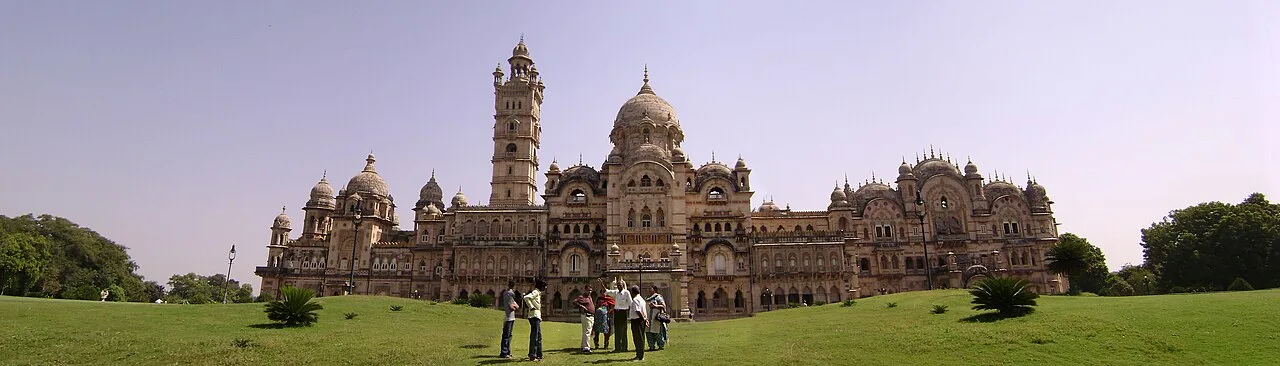
Vadodara district lies in east-central Gujarat, combining a major urban centre with agricultural plains and smaller settlements. The Vishwamitri River runs through Vadodara city, whose identity is closely tied to the Gaekwad rulers of the former Baroda state. Lakshmi Vilas Palace, a historic palace and royal residence, is the district’s best-known expression of that royal legacy. Sayaji Baug, also called Kamati Baug, offers a greener counterpoint to the city’s busy streets. Royal patronage helped shape Vadodara’s reputation for education, culture and the arts. Today, the district brings together heritage, industry and everyday Gujarati life, making it rewarding for travellers interested in architecture, gardens and urban culture.
Vadodara is an important urban and cultural centre in east-central Gujarat, and a useful base for exploring the surrounding agricultural region. The city is best known for its association with the Gaekwad rulers of the former Baroda state, especially the imposing Lakshmi Vilas Palace. Sayaji Baug, also called Kamati Baug, offers a broad green space within the city. Royal patronage helped establish Vadodara’s reputation for education, culture and the arts, while industry and daily commerce shape its modern character. Travellers interested in architecture, gardens and urban life can find a rewarding mix of heritage and contemporary Gujarati culture here.
Vadodara’s history reflects the wider shifts in power across Gujarat. The region formed part of successive Gujarat-based kingdoms and came under the Gujarat Sultanate and, later, Mughal authority. Maratha influence grew in the eighteenth century, when the Gaekwad dynasty established itself in Baroda. The city became the capital of the Gaekwad-ruled Baroda State, whose rulers supported public works, education and the arts. In the nineteenth century, Baroda State remained a princely state under British paramountcy, rather than being directly administered as a British province. Its royal legacy is still visible in the city’s architecture, including Lakshmi Vilas Palace. After India became independent, the princely state was integrated into the Union of India. Baroda became part of Bombay State and, when Gujarat was formed in 1960, became part of the new state. The district’s administrative boundaries have changed over time, so present-day Vadodara district is not identical to the former princely state.
2 destination guides
Lakshmi Vilas Palace
Lakshmi Vilas Palace is a former Gaekwad royal residence in Vadodara, known for its Indo-Saracenic architecture and extensive grounds. People visit to see the palace, its museum and links to the dynasty.
Sayaji Baug
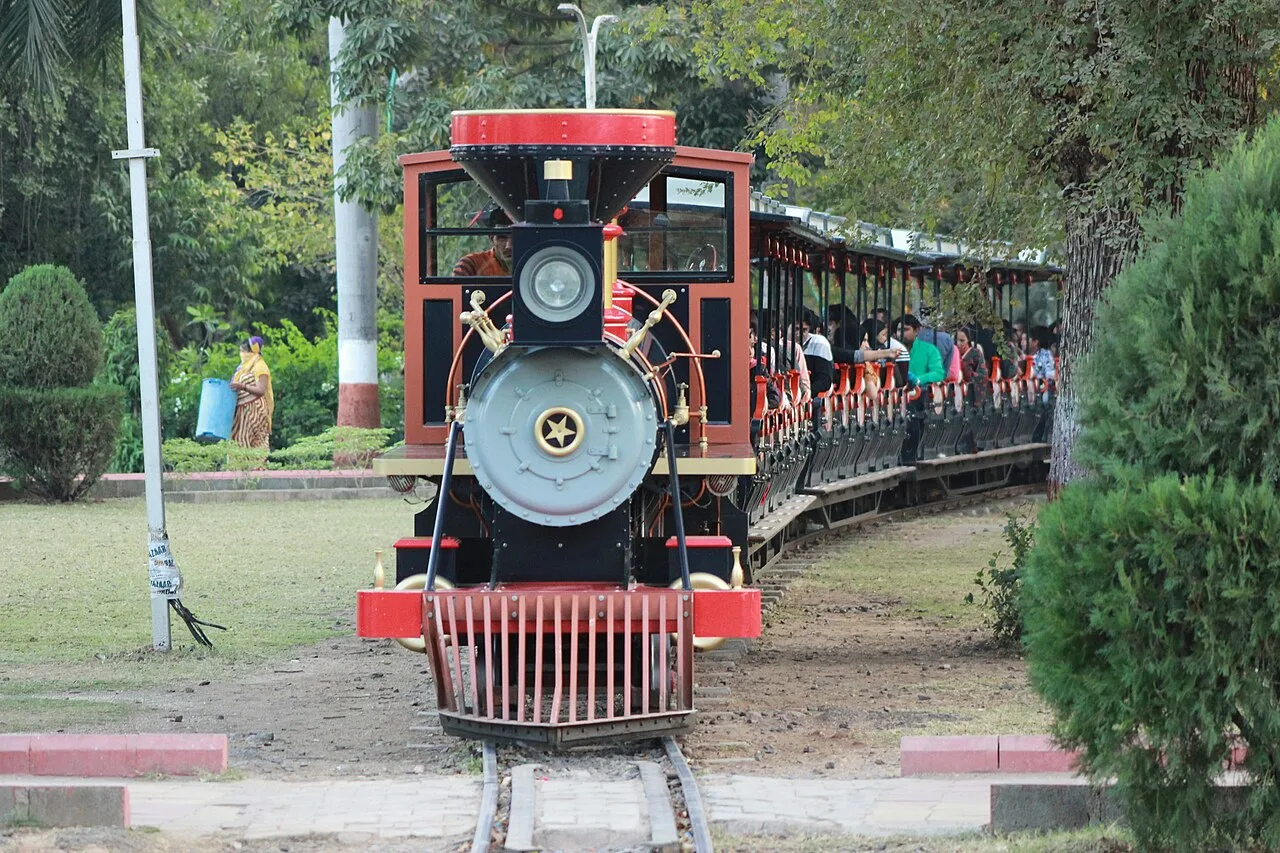
Sayaji Baug, also called Kamati Baug, is a garden in Vadodara, Gujarat, established by Maharaja Sayajirao Gaekwad and visited for recreation and tourism.
Vadodara is a good place to explore the wider Gujarati food tradition, especially its varied vegetarian cooking. Dhokla, khandvi and thepla are familiar choices, while fafda-jalebi pairs a savoury snack with a sweet accompaniment. A Gujarati thali offers a fuller introduction, often combining vegetables, dal or kadhi, breads, rice and accompaniments. Kadhi-khichdi is a comforting everyday option, and undhiyu is particularly associated with winter. Sweets include mohanthal and shrikhand. Many preparations balance sweet, sour and savoury flavours, though not every dish is sweet. Ask smaller eateries what has been freshly prepared that day.
Vadodara has a strong association with the visual arts, supported by the Faculty of Fine Arts at the Maharaja Sayajirao University of Baroda. Painting, sculpture and printmaking are important parts of this cultural identity, alongside the decorative arts visible in its royal heritage. For textiles and handicrafts, distinguish local work from traditions found across Gujarat: bandhani tie-dye, embroidery and block-printed fabrics are regional traditions rather than crafts exclusive to Vadodara. When shopping, ask where an item was made and whether it is handmade.
Navratri, usually in autumn, is widely celebrated in Vadodara and across Gujarat, with evenings of garba and dandiya that draw local participants and visitors. Uttarayan, the kite-flying festival in January, and Diwali also bring a festive atmosphere. Celebrations are regional as well as local, and programmes vary from year to year. During Navratri and major holiday periods, popular venues can be crowded and accommodation demand may rise, so booking ahead is sensible. Check locally for current events and any access arrangements.
Elsewhere in Gujarat
Vadodara district lies on the plains of east-central Gujarat, with built-up urban areas, agricultural land and smaller settlements. The Vishwamitri River runs through Vadodara city and is a notable feature of its urban landscape. Away from the centre, roads pass through generally level or gently undulating countryside, where farms and industrial areas sit alongside villages. There is no coastline in the district, and the best-known visitor sites are urban rather than remote nature destinations. City traffic and seasonal rain can affect travel more than difficult terrain.
Vadodara has hot summers, a monsoon season and milder winters. Summer days can feel intense, so plan outdoor visits for cooler parts of the day and carry water, sun protection and light clothing. Monsoon rains usually fall during the middle part of the year; showers can bring humid conditions, slower journeys and occasional local waterlogging. Winter is generally the most comfortable season for walking around the city and visiting its gardens and heritage sites. October to March is a practical period to visit, though festival dates and conditions vary. Pack breathable clothes, comfortable walking shoes and a light layer for cooler winter evenings; bring rain protection during the monsoon.
Vadodara Airport is the main air gateway, while Vadodara Junction is the principal railway station for reaching the district. The city is well connected by road to Ahmedabad, Bharuch and Surat, with the Ahmedabad–Vadodara Expressway providing a major approach from Ahmedabad. Gujarat State Road Transport Corporation buses and private operators link Vadodara with other towns. Within the city, auto-rickshaws, taxis and local buses are practical options for reaching Lakshmi Vilas Palace, Sayaji Baug and other neighbourhoods. Allow extra time for traffic and onward journeys into the district. Check current services locally.
Vadodara city is the main transport hub for the district. Local buses, auto-rickshaws and taxis can connect the railway station and central neighbourhoods with Lakshmi Vilas Palace and Sayaji Baug. App-based taxi services may also operate; confirm availability locally. Buses and private vehicles serve towns and settlements beyond the city, though services and onward connections vary. For rural journeys, arrange a taxi or check local bus options in advance. Roads are generally the most practical way to travel around the district, but allow extra time for city traffic and monsoon conditions.
2 days: Lakshmi Vilas Palace → Sayaji Baug; sleep in Vadodara on the first night. 3 days: Sayaji Baug → Lakshmi Vilas Palace; sleep in Vadodara on the first and second nights, with an extra day for a slower visit.
Vadodara city is the most practical base for both listed destinations, with a range of hotels and some guesthouses. It also offers access to transport, food and everyday services. Visitors looking for a quieter or more rural stay may find limited options in smaller settlements, so check availability and transport before booking. Homestays, government lodges and dharamshalas may be available in the wider region, but choice and facilities vary. During Navratri and major holidays, arranging accommodation in advance is advisable.
Summer heat can cause dehydration, so carry drinking water and take breaks in shade. During the monsoon, allow for slippery pavements, slower roads and possible waterlogging. Use registered or clearly identified transport where possible, take care in busy traffic and keep belongings secure in crowds and at festivals. Do not enter the Vishwamitri or approach its banks casually; waterways may present hazards, including wildlife. Use safe drinking water and seek medical advice if unwell. Mobile connectivity is generally available in the city but may be less reliable in outlying areas. No special permit is generally needed for the listed city visits; confirm officially before any separate excursion where access rules may apply.
- Panchmahalabout 39 km
- Khedaabout 50 km
- Narmadaabout 78 km
- Ahmedabadabout 102 km
- Gandhinagarabout 115 km
- Bhavnagarabout 144 km
- Suratabout 145 km
- Mehsanaabout 181 km
Straight-line distance between the centres of each district's destinations; road distance is longer.
Q: How many days should I spend in Vadodara district? A: Two days allow time for the two listed destinations; a third day makes for a more relaxed city visit. Q: When is the best time to visit? A: October to March is generally more comfortable for sightseeing, while summer is hot and monsoon travel can be slower. Q: What is the best base for visiting the destinations? A: Vadodara city is the most practical base for both Lakshmi Vilas Palace and Sayaji Baug. Q: How do I get to Vadodara? A: Vadodara Airport and Vadodara Junction are the main air and rail gateways; roads and buses connect the city with other parts of Gujarat. Q: Is Vadodara suitable for families or elderly travellers? A: Yes, the main sights are in the city, but plan for heat, walking distances, crowds and traffic, and arrange suitable transport.
This page draws on our 2 destination guides for Vadodara and is updated as our team checks it.
Be the first to share photos, stories, advice or a helpful contact for Vadodara.
Loading…