
District · Gujarat
Narmada
Narmada district offers a distinctive mix of major modern landmarks, river scenery and wooded countryside in eastern Gujarat.
Narmada district in eastern Gujarat takes its name and much of its character from the Narmada River. Its landscape brings together river valleys, cultivated countryside and the wooded hills of the western Satpura Range. Shoolpaneshwar Wildlife Sanctuary, south of the river, protects an extensive forest landscape. Around Kevadia, also known as Ekta Nagar, the Sardar Sarovar Dam and the 182-metre Statue of Unity form the district's best-known visitor circuit. The statue commemorates Sardar Vallabhbhai Patel, while the dam represents a major chapter in modern India's water-development history. Rajpipla, the district headquarters, recalls the area's princely-state past. Beyond these landmarks, rural settlements and Adivasi communities remain central to the district's social and cultural character.
Narmada district offers a distinctive mix of major modern landmarks, river scenery and wooded countryside in eastern Gujarat. Its best-known visitor circuit is around Ekta Nagar, also called Kevadia, where the Statue of Unity commemorates Sardar Vallabhbhai Patel and the Sardar Sarovar Dam marks a major chapter in India's water-development history. South of the river, Shoolpaneshwar Wildlife Sanctuary protects forests in the western Satpura Range. Rajpipla, the district headquarters, adds a view of the region's princely-state past, while Adivasi communities and rural settlements are an important part of its living cultural landscape. The district suits travellers who want to combine landmark visits with nature and regional history.
The region around Rajpipla was shaped by the former princely state of Rajpipla, ruled by a Gohil Rajput dynasty. Its political history predates British rule, though the kingdom later came under British paramountcy while retaining its princely status. Rajpipla state joined the Indian Union in 1948; after Gujarat was formed in 1960, the area became part of the state. The Narmada River has long been central to settlement, agriculture and pilgrimage in the wider region, while Adivasi communities have maintained enduring connections to its forests and hills. In the post-independence period, the Narmada Valley became the focus of large-scale water development, including the Sardar Sarovar project, whose construction and effects have been debated over many decades. The Statue of Unity, opened in 2018 near the dam, added a major commemorative and visitor destination. Narmada district was established in 1997, with Rajpipla as its headquarters, from areas that had been part of Bharuch district.
3 destination guides
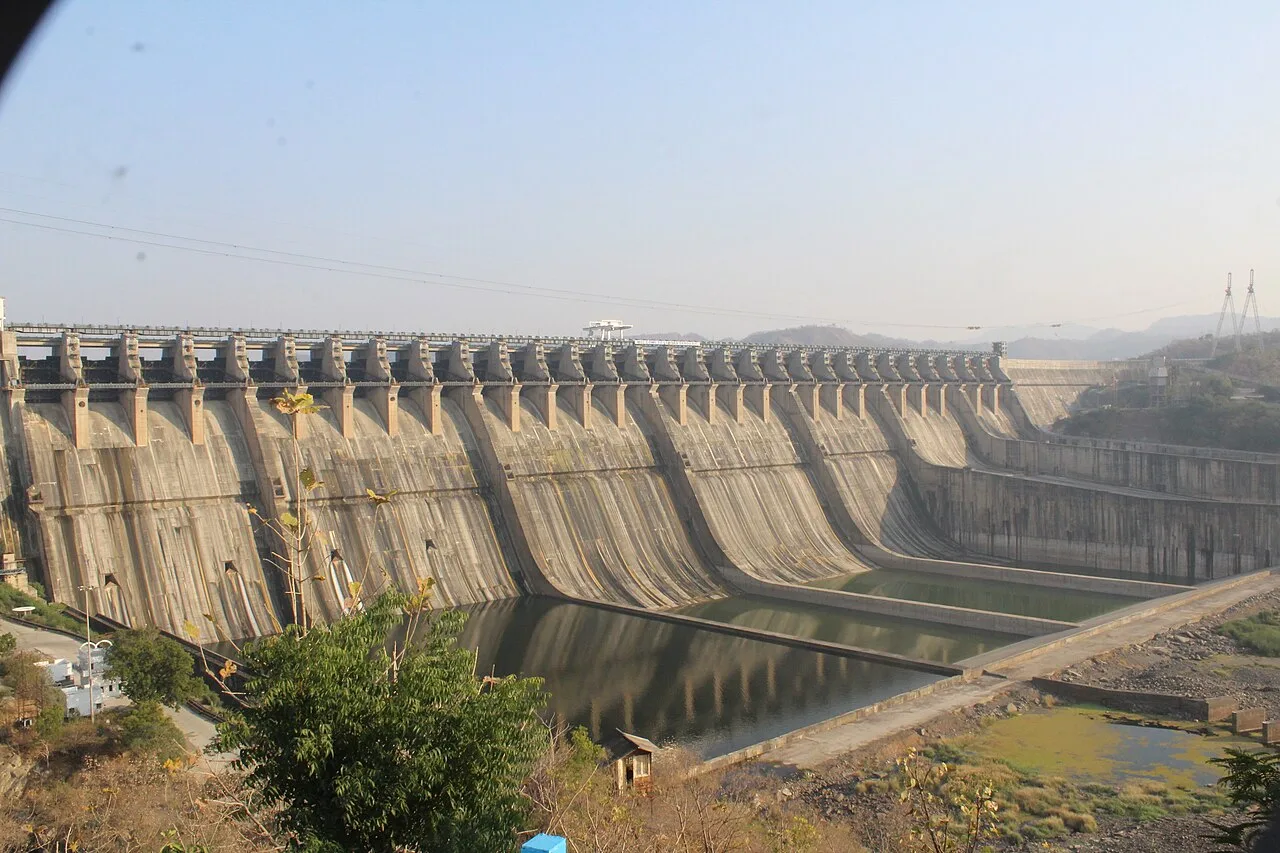
Sardar Sarovar Dam
Sardar Sarovar Dam is a major concrete structure on the Narmada, built to support irrigation and power generation. Visitors may be interested in its scale and its role in the river’s development.
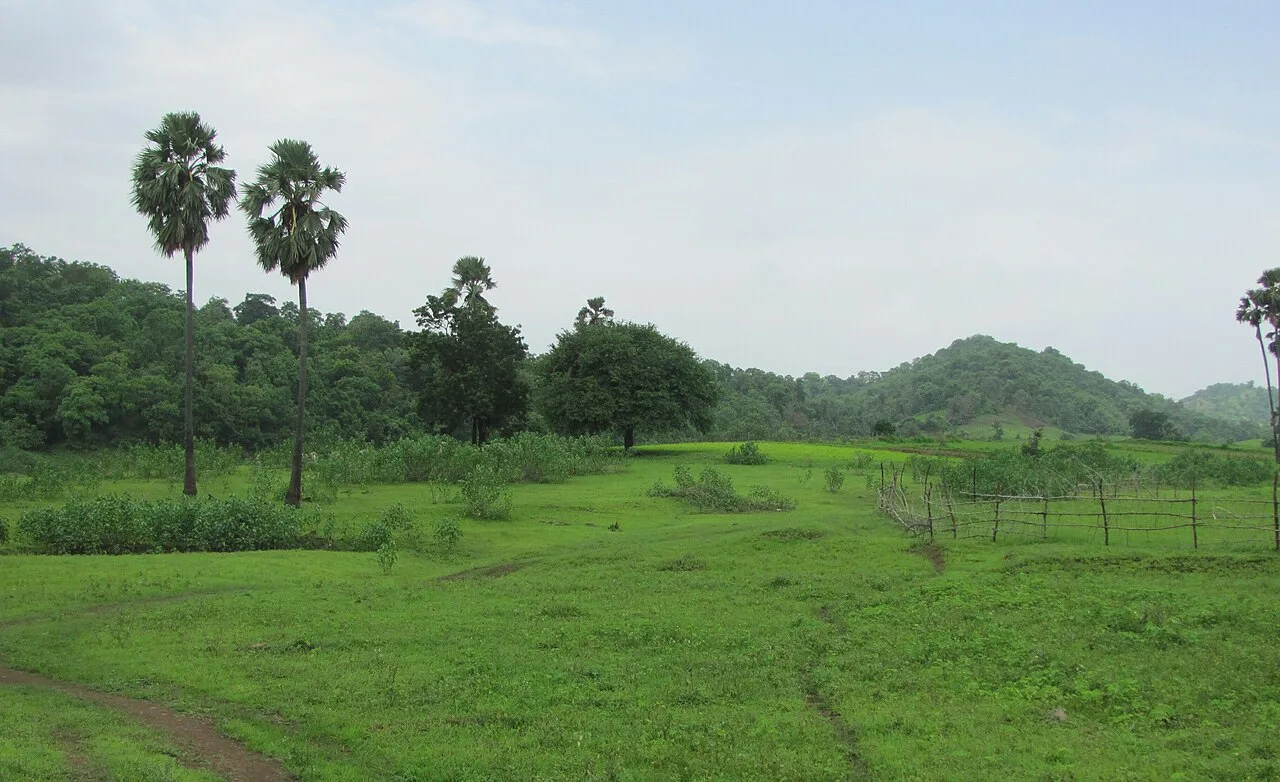
Shoolpaneshwar Wildlife Sanctuary
Shoolpaneshwar Wildlife Sanctuary is a 607.7-square-kilometre protected area in Gujarat’s Narmada district. Visitors come to experience its varied forest habitats and natural setting.
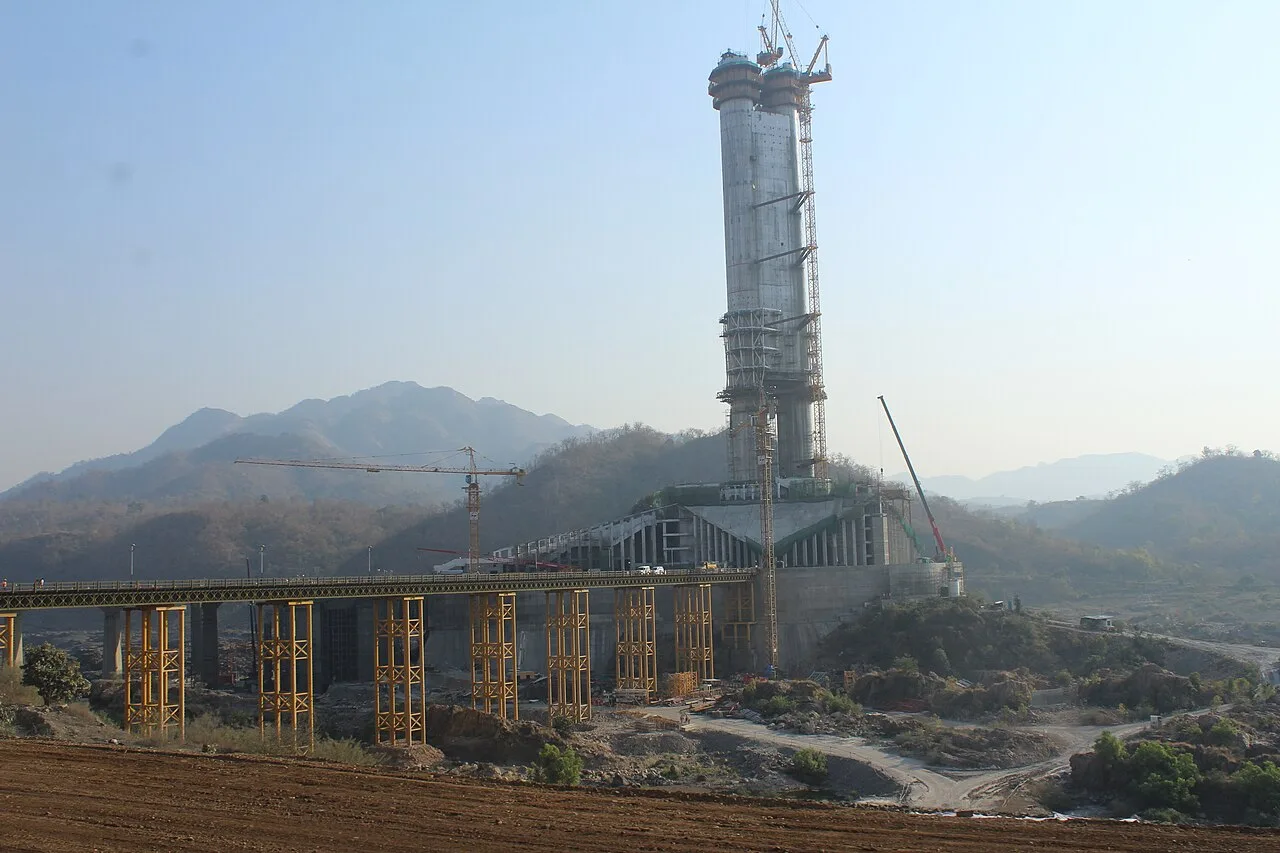
Statue of Unity
The Statue of Unity is a 182-metre tribute to Sardar Patel in Gujarat’s Narmada valley. Visitors come to see the world’s tallest statue and its commemoration of Patel’s role in India’s political integration.
Food around Narmada's visitor centres largely reflects wider Gujarati cooking rather than a distinct district-only menu. A Gujarati thali commonly brings together rotli, vegetables, dal or kadhi, rice and accompaniments, often with a gentle sweetness in some dishes. Dhokla, khandvi and thepla are familiar snacks or light meals, while fafda-jalebi is a popular regional pairing. Winter may bring undhiyu, a seasonal mixed-vegetable preparation. Kadhi-khichdi offers a simpler meal, and mohanthal or shrikhand may appear among sweets. Vegetarian choices are generally easiest to find. At smaller eateries, ask what has been freshly prepared that day.
Narmada's Adivasi communities are an important part of its cultural setting, but visitors should avoid treating every souvenir sold near major attractions as a locally made tribal craft. For wider regional context, Gujarat is known for bandhani tie-dye, embroidery and handwoven textiles; Patan's patola belongs to a separate, well-established weaving tradition elsewhere in the state. These are Gujarati traditions, not crafts unique to Narmada. When shopping, ask where an item was made, who produced it and whether it is handmade.
Navratri, celebrated across Gujarat in autumn, brings music, dance and community gatherings; activity is most noticeable in towns, though local programmes vary. Diwali and Holi are widely observed, and Adivasi communities in the district celebrate seasonal and community festivals in their own ways. Narmada Jayanti and religious occasions associated with the river can draw pilgrims to regional riverside sites. Festival periods and public holidays may increase visitor numbers around Ekta Nagar and the Statue of Unity, so rooms can be harder to find. Dates and the scale of local events vary from year to year; check locally before planning around a particular celebration.
Elsewhere in Gujarat
The Narmada River runs through a landscape of valleys, cultivated plains and settlements, with the western Satpura hills rising to the south. Shoolpaneshwar Wildlife Sanctuary protects a broad forested area in these hills, where roads can be narrow and journeys slower than the map suggests. Around Ekta Nagar, the dam and reservoir have reshaped the river setting and concentrate many visitor facilities. Farther from this circuit, rural roads connect villages and agricultural land. Travel plans are best organised by area, since reaching a forest destination may require a different approach from visiting the dam or statue.
Summer, broadly from March into June, can be hot, so plan outdoor visits for cooler parts of the day and carry water, sun protection and a hat. The monsoon, generally from June to September, brings greener scenery but can also make forest roads and rural routes slower or difficult; check local conditions before setting out. Winter, from about November to February, is usually the most comfortable season for sightseeing and outdoor walks. These winter months are generally the best time to visit, especially for combining the Ekta Nagar attractions with a countryside excursion. Pack light clothing, a warmer layer for early mornings in winter, comfortable walking shoes and rain protection during the monsoon.
Vadodara Airport is the nearest practical air gateway for the main Kevadia visitor circuit. Ekta Nagar railway station, also associated with the name Kevadia, is the principal rail arrival point for the Statue of Unity and nearby attractions. Road approaches connect the district with Vadodara and Bharuch, with Rajpipla serving as an important local centre. Buses and taxis provide onward travel, while transport arrangements within the main attraction area should be confirmed before arrival. Shoolpaneshwar Wildlife Sanctuary requires planning for the specific entrance or forest destination rather than simply travelling to Kevadia. Check current services locally.
Road travel is the main way to move between Rajpipla, Ekta Nagar and other parts of the district. Taxis and hired cars offer the most flexibility, particularly for reaching separate visitor sites or planning a trip to the sanctuary. Local buses connect towns and some larger settlements, while shared jeeps and autos may be available on local routes, but services can be limited and variable. The main attraction area has its own visitor transport arrangements; confirm current access and movement options before arrival. Forest destinations require advance route planning, and visitors should not assume that a ride to Ekta Nagar also serves the sanctuary.
2 days: Statue of Unity → Sardar Sarovar Dam. Night 1: Ekta Nagar; Night 2: Ekta Nagar. 3 days: Statue of Unity → Sardar Sarovar Dam → Shoolpaneshwar Wildlife Sanctuary. Night 1: Ekta Nagar; Night 2: Rajpipla; Night 3: Rajpipla. 4 days: Statue of Unity → Sardar Sarovar Dam → Shoolpaneshwar Wildlife Sanctuary. Night 1: Ekta Nagar; Night 2: Ekta Nagar; Night 3: Rajpipla; Night 4: Rajpipla.
Ekta Nagar is the most convenient base for the Statue of Unity and Sardar Sarovar Dam, with a range of visitor accommodation and other lodging options. Rajpipla is useful for exploring the district headquarters and as a base for road journeys towards the sanctuary; hotels and simpler stays are generally easier to seek there than in smaller settlements. Government lodges or forest accommodation may be limited and subject to rules or availability, so confirm directly before relying on them. Homestays and dharamshalas may be found locally, but standards and availability vary.
The district's heat, monsoon conditions and forest terrain call for flexible plans, sturdy footwear and drinking water from a reliable source. Check road and weather conditions before travelling to rural or sanctuary areas, and avoid entering forests or approaching wildlife without authorised guidance. Do not feed animals or leave marked visitor areas. Crowds can build around the main attractions on holidays, so allow time for queues and follow site instructions. Mobile connectivity may be weaker outside towns and the main visitor circuit. Follow official guidance on sanctuary access and any applicable entry requirements; confirm permits or restrictions with the relevant authorities before travelling. Seek local medical advice for health concerns.
- Panchmahalabout 75 km
- Vadodaraabout 78 km
- Khedaabout 119 km
- Dangabout 129 km
- Suratabout 136 km
- Navsariabout 144 km
- Dhar · Madhya Pradeshabout 170 km
- Ahmedabadabout 179 km
Straight-line distance between the centres of each district's destinations; road distance is longer.
Q: How many days should I spend in Narmada district? A: Two days can cover the main Ekta Nagar attractions. Allow three or four days if you also plan a carefully arranged visit to Shoolpaneshwar Wildlife Sanctuary. Q: When is the best time to visit? A: November to February is generally the most comfortable for sightseeing. Monsoon travel can be slower, especially on rural and forest roads. Q: What is the best base for visiting? A: Stay in Ekta Nagar for the Statue of Unity and dam; Rajpipla is a useful base for the district and journeys towards the sanctuary. Q: How do I get to Narmada district? A: Vadodara is the practical air gateway for the main visitor circuit, and Ekta Nagar railway station serves the area. Road connections link the district with Vadodara and Bharuch. Q: Is the district suitable for families or elderly travellers? A: The main Ekta Nagar attractions can suit families and many older visitors, though walking, crowds and heat may be tiring. Check accessibility and transport arrangements in advance, and plan separate support for forest visits.
This page draws on our 3 destination guides for Narmada and is updated as our team checks it.
Be the first to share photos, stories, advice or a helpful contact for Narmada.
Loading…