
District · Gujarat
Kutch
Kutch, in Gujarat’s far west, is a large district where the salt flats of the Great Rann meet dry grasslands, villages and an extensive coastline.
Kutch, in western Gujarat, brings together salt marshes, dry grasslands, villages and a long coastline. The Great Rann of Kutch gives the district its most recognisable landscape, with seasonal flooding shaping its changing appearance. Bhuj, the district headquarters, is a useful starting point for understanding its royal and urban history: the nineteenth-century Prag Mahal stands beside Aina Mahal. Near Mandvi, Vijaya Vilas Palace recalls the coastal retreats of Kutch’s rulers. Hodka and Bhujodi offer a village-scale counterpoint to these monuments, while Narayan Sarovar is an important Hindu pilgrimage destination in the district’s west. Kutch’s character emerges from this combination of pastoral life, living craft traditions, sacred places and settlements adapted to an often demanding environment.
Kutch, in Gujarat’s far west, is a large district where the salt flats of the Great Rann meet dry grasslands, villages and an extensive coastline. Its appeal lies in the contrast between open, sparsely settled landscapes and places shaped by centuries of human activity. Bhuj offers palaces and an urban base; Dholavira is a major Indus Valley Civilisation archaeological site; and Mandvi and Vijaya Vilas Palace connect the region with the coast. Visitors also come for Kutch’s craft traditions, pilgrimage sites such as Narayan Sarovar, and the seasonal cultural programme around the Rann. The district rewards slower travel and thoughtful planning between widely separated sights.
Kutch’s history reaches back to the Indus Valley Civilisation. Dholavira, on Khadir Bet, was an important Harappan settlement during the third millennium BCE. In later centuries, Kutch developed as a region of local principalities and pastoral communities. Jadeja Rajput rulers established a lasting kingdom; Rao Khengarji I made Bhuj its capital in the sixteenth century. Palaces in Bhuj and at Mandvi reflect the courtly history of the princely state. In 1819, Kutch came under British paramountcy, while its rulers retained authority over internal affairs. After India’s independence, Kutch joined the Union and became a separate state. It merged with Bombay State in 1956 and became part of Gujarat when that state was formed in 1960. Kutch’s history has also been shaped by earthquakes, including the destructive 2001 earthquake, and by changing trade and transport links across the region. Its living heritage includes Kutchi language and diverse craft, pastoral and religious traditions.
16 destination guides · 13 on the map
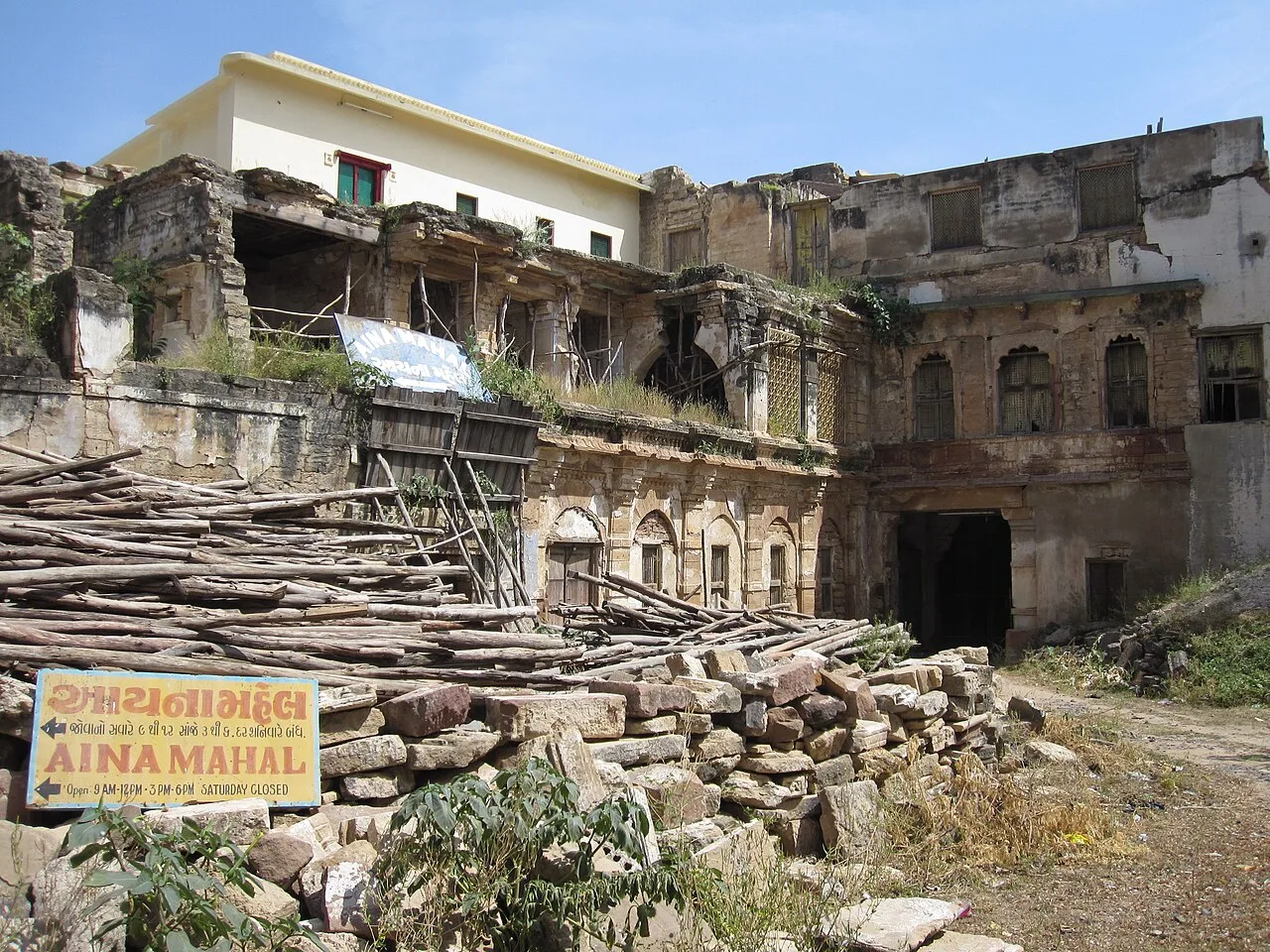
Aina Mahal
Aina Mahal is an eighteenth-century palace beside Prag Mahal in Bhuj, Gujarat. Visitors explore its historic interiors and museum collection, which includes clocks, mechanical toys and paintings.
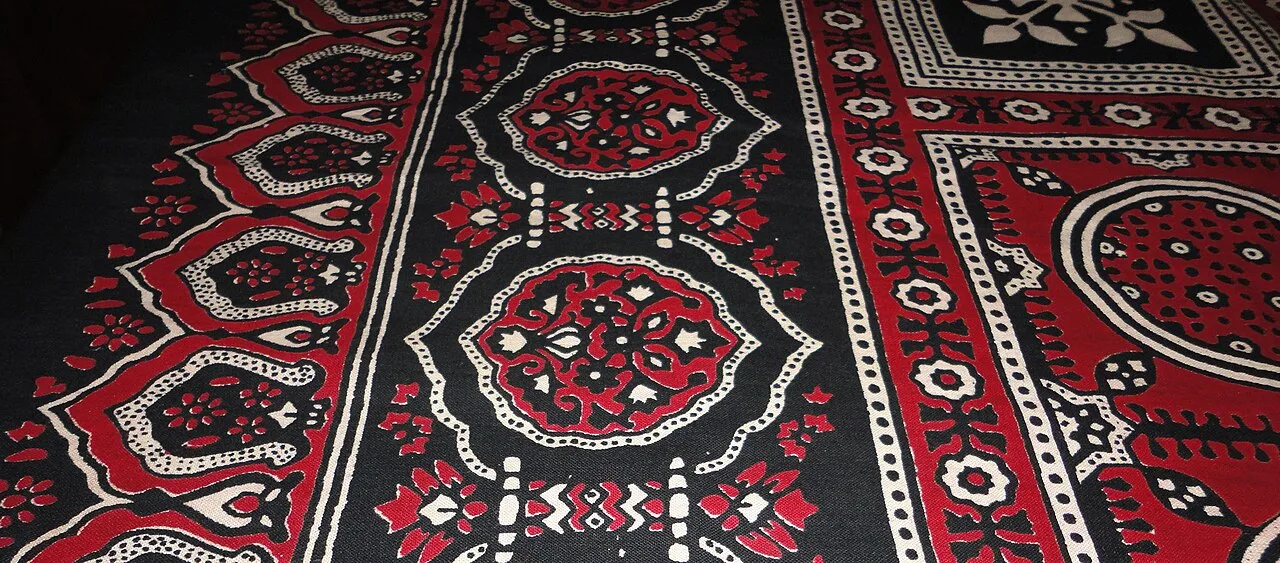
Ajrakhpur
Ajrakhpur, near Bhuj in Gujarat’s Kutch district, is a settlement of Khatri textile printers established after the 2001 earthquake. Visitors come to see Ajrakh work made with natural dyes.
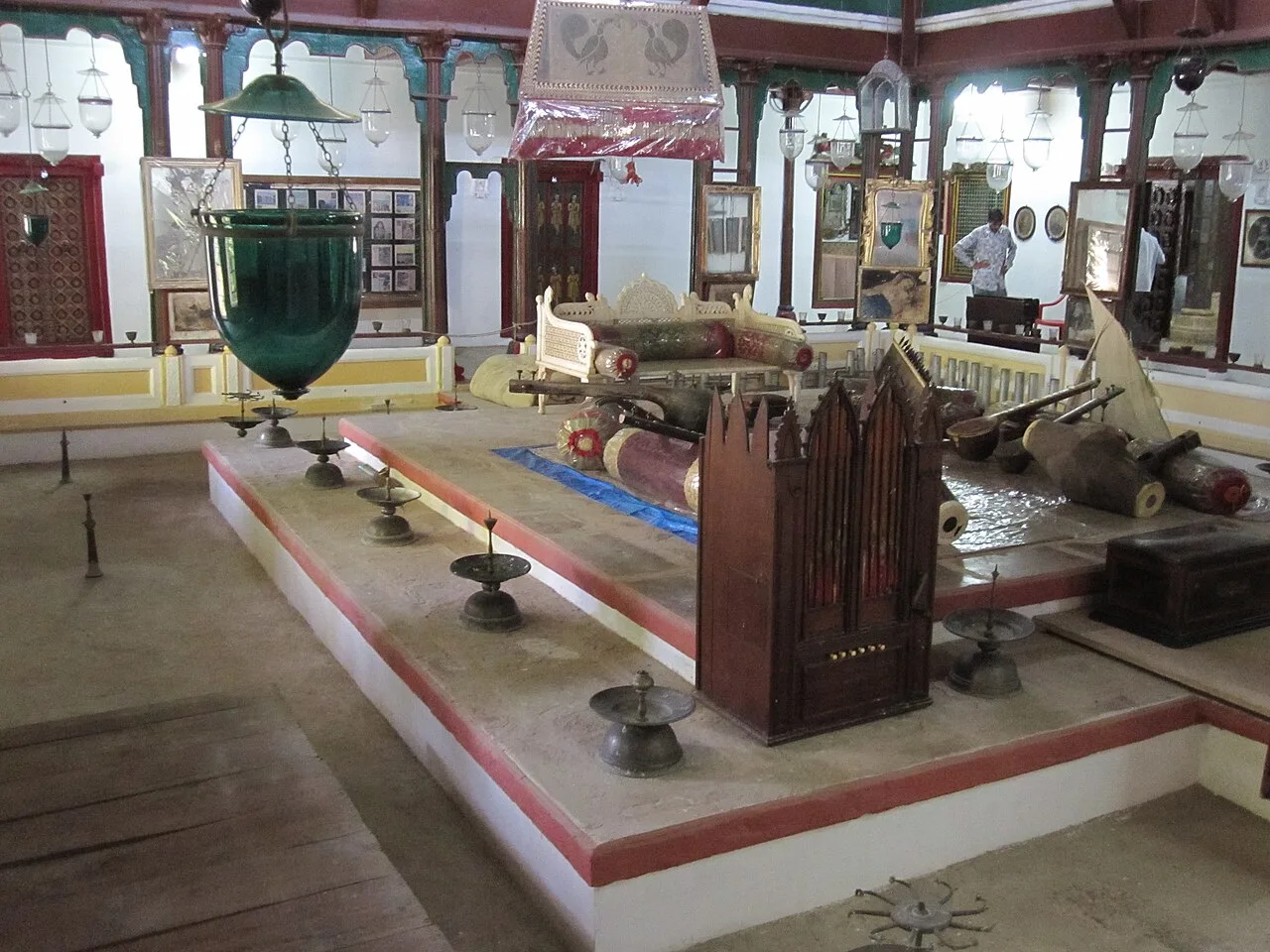
Bhuj
Bhuj is a city and administrative centre in Gujarat’s Kutch district. Visitors interested in Kutch’s past may come to learn about its former role as the capital of Kutch State.
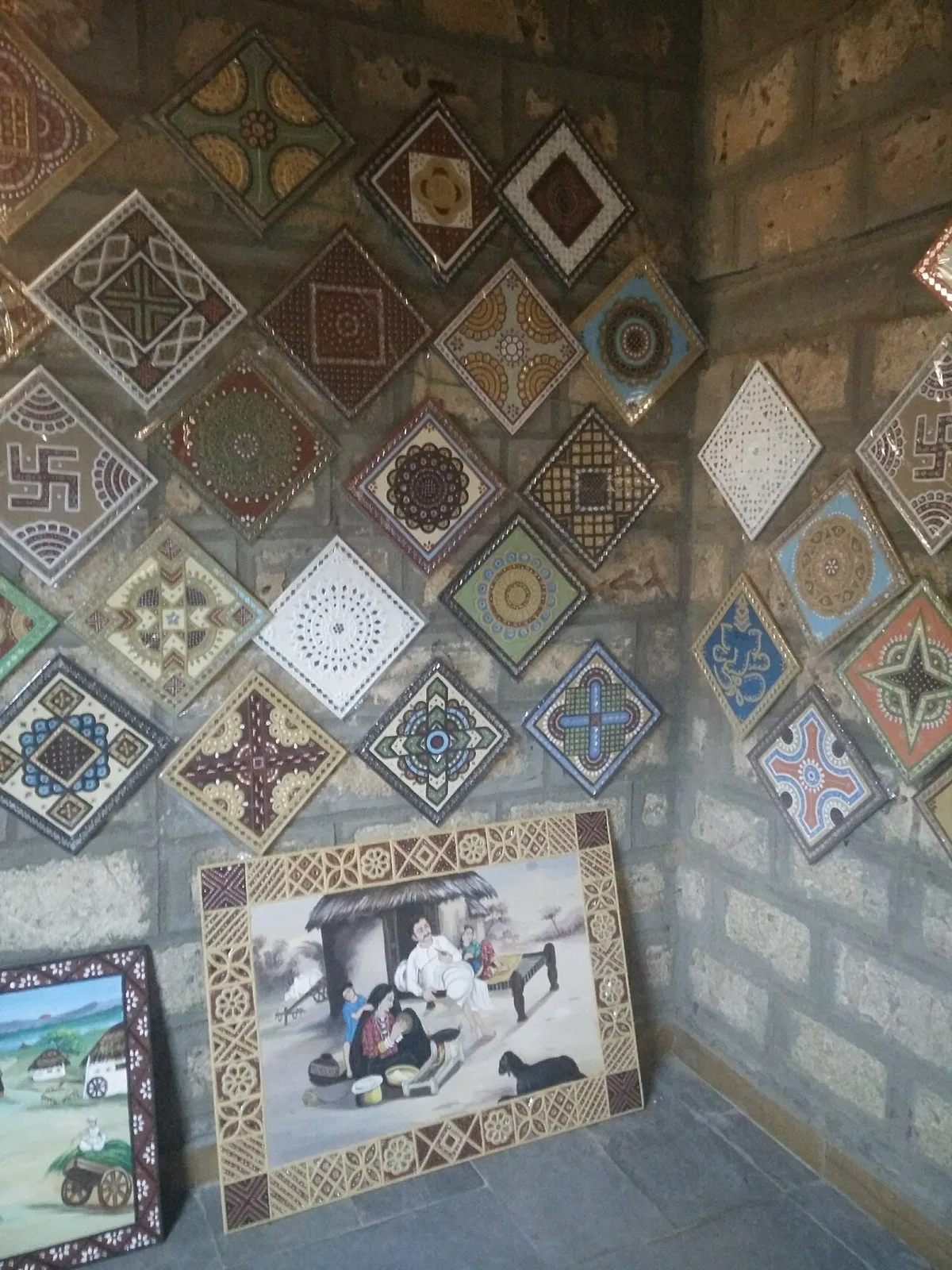
Bhujodi
Bhujodi is a village in Kutch district, Gujarat. Travellers interested in visiting villages in the district may include it in their plans; no particular attraction is specified here.
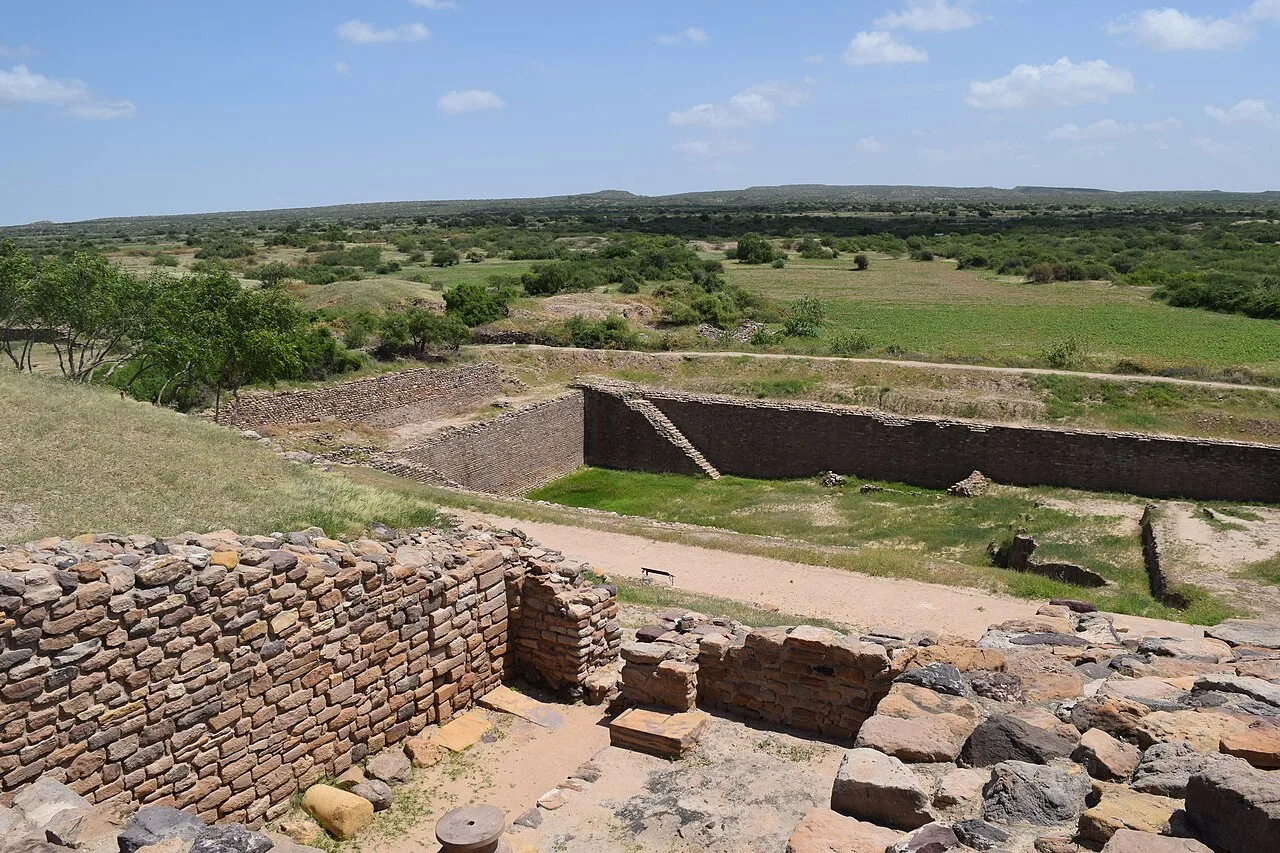
Dholavira
Dholavira is the remains of a city of the Indus Valley Civilization in Gujarat. People visit to see the archaeological ruins and learn about this ancient settlement.
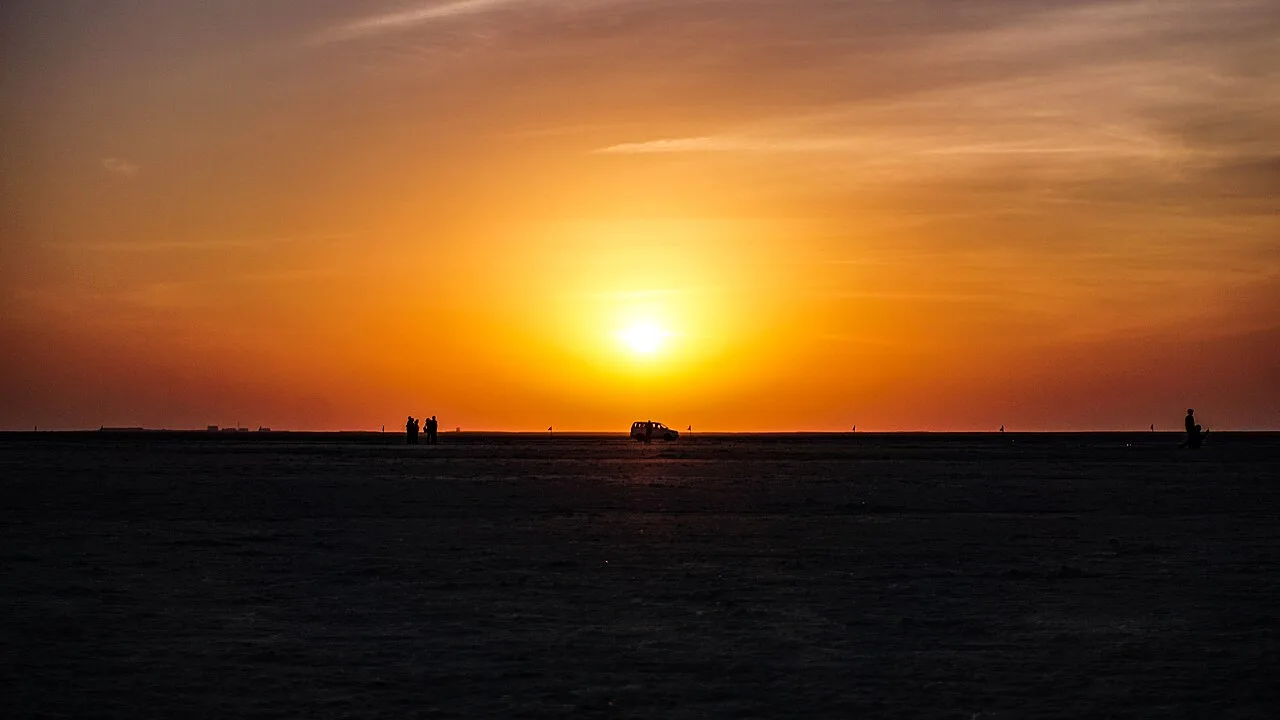
Dhordo
Dhordo is a village in Gujarat’s Kutch district, near the India–Pakistan border. Visitors come for Rann Utsav, a three-month festival held there each year.
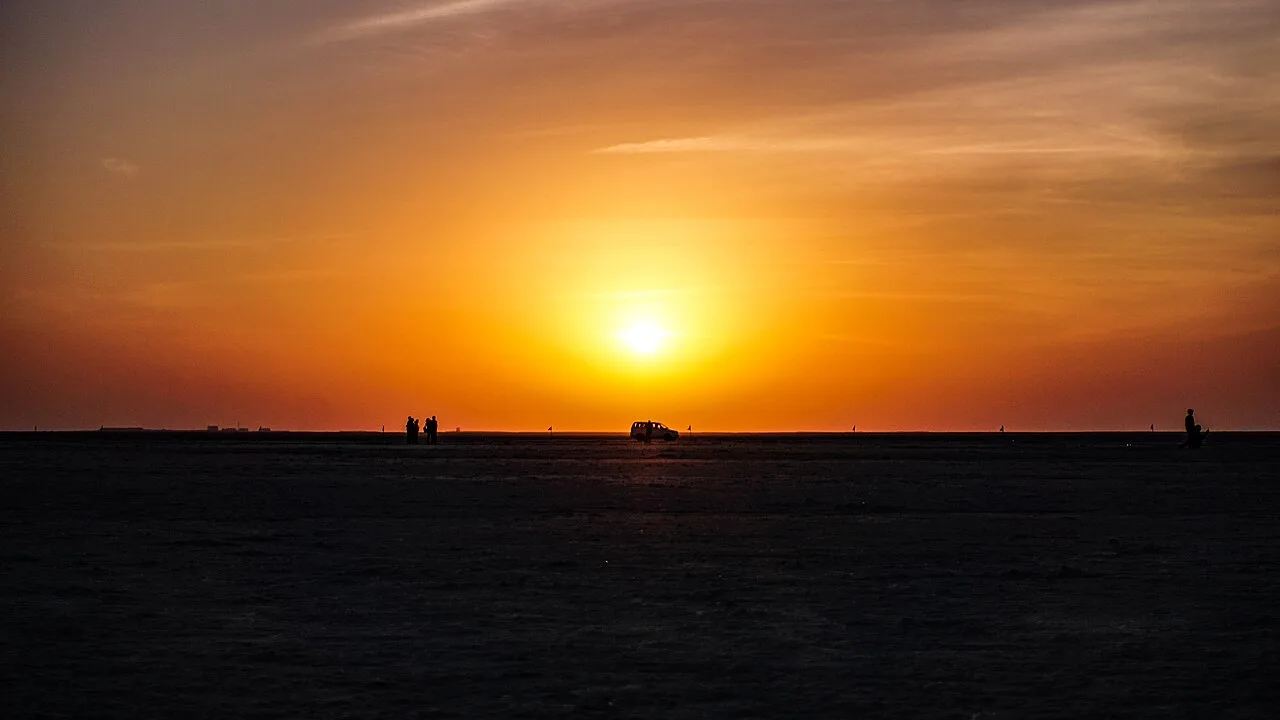
Great Rann of Kutch
A vast saline desert in Gujarat’s Kutch district, the Great Rann forms part of the Thar Desert. Visitors come to encounter its immense salt-flat landscape.
Hodka
Hodka is a village in Gujarat’s Kutch district, about 63 kilometres from Bhuj. Visitors come to see its traditionally decorated mud homes and attend evening folk performances.
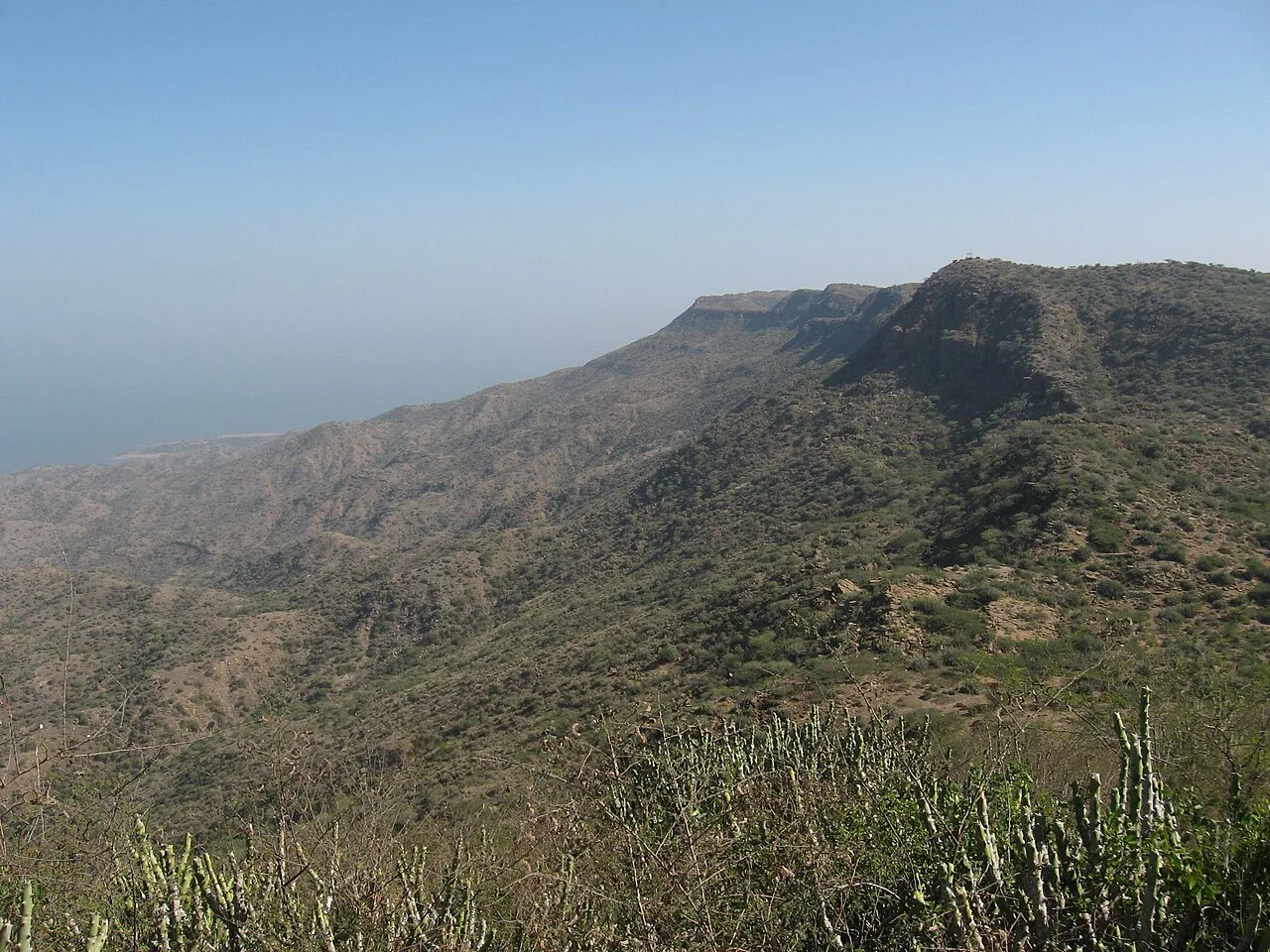
Kalo Dungar
Kalo Dungar, also called Black Hill, is a 462-metre summit in Kutch, Gujarat. Visitors come for its Dattatreya temple and the magnetic-hill illusion.
Kutchi dabeli is a well-known local snack: a bun filled with spiced potato, chutneys and crunchy garnishes. Everyday meals also draw on wider Gujarati traditions, including thepla, kadhi-khichdi and vegetarian thalis. Bajra rotla, often eaten with vegetables, pulses or curd, reflects the region’s dryland food culture. Dhokla, khandvi and fafda-jalebi are Gujarati favourites rather than dishes specific to Kutch; undhiyu is especially associated with winter. Much regional cooking is vegetarian, though practices vary between communities, and not every dish is sweet. In smaller settlements, ask what has been freshly prepared, since eateries may offer only a limited daily menu.
Kutch is known for embroidery, handloom weaving, block printing and other skilled village crafts. Bhujodi is particularly associated with weaving, including shawls and other textiles made by Vankar artisans. Embroidery traditions differ across communities, with distinctive stitches, motifs and uses of mirrors; they should not be treated as a single uniform style. Ajrakh block printing, associated with Kutch and the wider Sindh region, uses intricate patterned designs. Other established traditions include leatherwork, bell making and Rogan painting, notably associated with Nirona. When buying, ask who made the piece and how, and seek permission before photographing artisans or their homes.
The Rann Utsav is a seasonal cultural event held in the winter around the Great Rann; its programme and dates can vary from year to year. It brings performances, craft displays and a marked rise in visitors, so accommodation around the Rann and in Bhuj can be in high demand. Navratri is widely observed in Gujarat, including Kutch, with devotional events and community dancing. Religious fairs at Mata no Madh draw pilgrims, particularly around Navratri. Festival periods can make local transport and rooms busier; check the current calendar and book ahead where possible.
In this district
Kutch includes the Great and Little Rann salt marshes, dry grasslands, low hills and a long coastline on the Gulf of Kutch and the Arabian Sea. Kalo Dungar is the district’s highest point. Seasonal monsoon water changes the appearance and accessibility of the Rann, while settlements and sights are spread across a large area. The landscape means journeys can involve long stretches with few services; roads linking towns are more straightforward than reaching remote villages, salt-flat viewpoints or western pilgrimage sites. Plan routes and fuel stops before setting out.
Kutch has hot, dry summers, a monsoon season when rain can affect road conditions and access to some areas, and generally milder, drier winters. The cooler months, roughly from late autumn through winter, are usually the most comfortable for sightseeing and Rann visits; the Rann Utsav is also held seasonally in winter, with dates that vary. Summer travel requires careful planning around heat, while monsoon conditions can make some routes less predictable. Pack sun protection, a hat, light clothing and water for daytime outings; winter evenings in open areas can feel cold, so bring warm layers.
Bhuj is the main gateway for many Kutch itineraries, with Bhuj Airport and Bhuj railway station serving the district headquarters. Gandhidham Junction is another important rail entry point, particularly for eastern Kutch; the best gateway depends on your route. Road connections link the district with Ahmedabad, Rajkot and other Gujarat centres. GSRTC buses and private coaches serve major towns, while taxis, hired vehicles and local autos help with onward travel. Remote villages and Rann visits require more planning than journeys within Bhuj. Choose your Rann access point before arranging transport, and confirm any applicable permit requirements. Check current services locally.
Bhuj is a practical base for bus, taxi and hired-vehicle travel to many parts of Kutch. GSRTC buses connect major towns, though services may be less convenient for remote sights and villages. Shared jeeps and local autos can help with shorter journeys where available; taxis or a hired car offer more flexibility for multi-stop routes. Roads link Bhuj with Mandvi, the Rann region and other towns, but travel times can be affected by distance, weather and road conditions. Arrange onward transport in advance for remote destinations, and check current access locally.
Bhuj is the most flexible base for palace visits, Bhujodi and journeys towards the Rann; it has a range of hotels, guesthouses and some homestays. For a Rann-focused itinerary, village stays and seasonal accommodation around Hodka or the Rann can reduce backtracking, but availability varies. Mandvi suits coastal visits and has hotels and guesthouses. Simpler lodging may be available near pilgrimage destinations, including dharamshalas or local guesthouses, but facilities can be limited. Confirm arrangements before travelling, especially during festival and winter visitor seasons.
Carry drinking water and sun protection, and avoid long exposed walks in strong heat. Salt flats and remote roads can be disorienting; follow local guidance, do not drive onto unfamiliar terrain, and check conditions after monsoon rain. Keep a safe distance from wildlife and livestock. Crowds and room availability increase during festival periods. Mobile coverage and access to services can be limited outside towns, so share plans and arrange transport ahead. Some Rann and border-side areas may have access restrictions or permit requirements; confirm current rules with official authorities before travel. Seek local advice about road and weather conditions.
Straight-line distance between the centres of each district's destinations; road distance is longer.
Q: How many days should I spend in Kutch? A: Two days can cover Bhuj and nearby sights; three or four days allow time for the Rann, coast or more distant destinations. Q: When is the best time to visit Kutch? A: The cooler winter months are generally most comfortable, though festival dates and seasonal access vary. Q: What is the best base for exploring Kutch? A: Bhuj is the most versatile base. Consider an overnight stay near the Rann or in Mandvi for those areas. Q: How do I get to Kutch? A: Bhuj has an airport and railway station, and Gandhidham is another rail gateway. Road connections link Kutch with other Gujarat centres. Q: Is Kutch suitable for families or elderly travellers? A: Yes, with route planning and suitable transport. Long drives, heat and limited services in remote areas may require a slower itinerary.
This page draws on our 16 destination guides for Kutch and is updated as our team checks it.
Be the first to share photos, stories, advice or a helpful contact for Kutch.
Loading…