
District · Gujarat
Ahmedabad
Ahmedabad district offers a mix of historic city life and quieter rural landscapes in central Gujarat.
Ahmedabad district brings together a dense, historic city and a more open rural hinterland. The Sabarmati River runs through the city, where riverfront development sits alongside old neighbourhoods, gardens and busy commercial areas. Founded by Sultan Ahmed Shah in 1411, Ahmedabad grew into a major centre of trade and textile production. Its walled city is known for closely packed streets, carved wooden houses and historic mosques, temples and stepwells; it was designated a UNESCO World Heritage Site in 2017. Sabarmati Ashram connects the city with Mahatma Gandhi and India’s independence movement. Today, Ahmedabad is an energetic mix of heritage, industry, education and contemporary urban life.
Ahmedabad district offers a mix of historic city life and quieter rural landscapes in central Gujarat. Ahmedabad is one of the state’s main cultural, commercial and educational centres, known for its walled-city architecture, textile heritage and connection with Mahatma Gandhi at Sabarmati Ashram. Its historic urban area was designated a UNESCO World Heritage Site in 2017. Visitors can explore mosques, temples, stepwells and museums, then venture out to the wetlands of Nal Sarovar or the archaeological site of Lothal. The district suits travellers interested in history, architecture, crafts, food and birdlife, with the city serving as a practical base for excursions.
The area has a long history of settlement and trade. Ahmedabad was founded in 1411 by Sultan Ahmed Shah, ruler of the Gujarat Sultanate, and developed as a walled city with mosques, markets and public buildings. The Gujarat Sultanate gave way to Mughal rule in the 16th century; the city remained an important regional centre. Maratha influence grew during the 18th century, before the British took control of Ahmedabad in 1818 and incorporated it into the administrative system of the Bombay Presidency. During the colonial period, textile mills helped make the city a major industrial centre. Sabarmati Ashram later became closely associated with Mahatma Gandhi and India’s independence movement. After independence, Ahmedabad remained within Bombay State until Gujarat was formed in 1960. The district continued as an administrative unit, though its boundaries and subdivisions have changed over time. Its wider landscape also preserves evidence of earlier trade and settlement, including the Indus Valley Civilisation site of Lothal.
12 destination guides
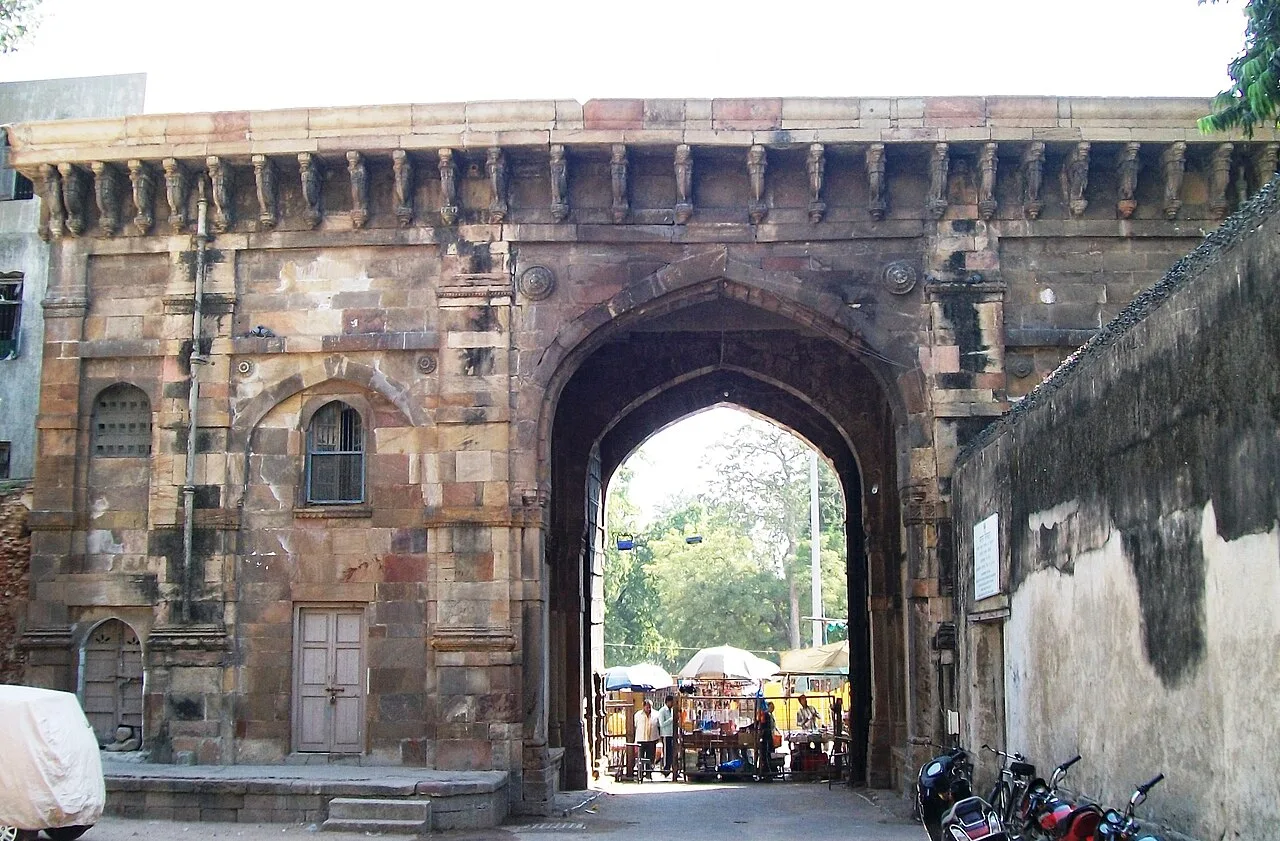
Bhadra Fort
This historic Ahmedabad complex brings together royal buildings, mosques, gateways and open areas. Visitors explore its architecture and its present role as a cultural centre for the city.
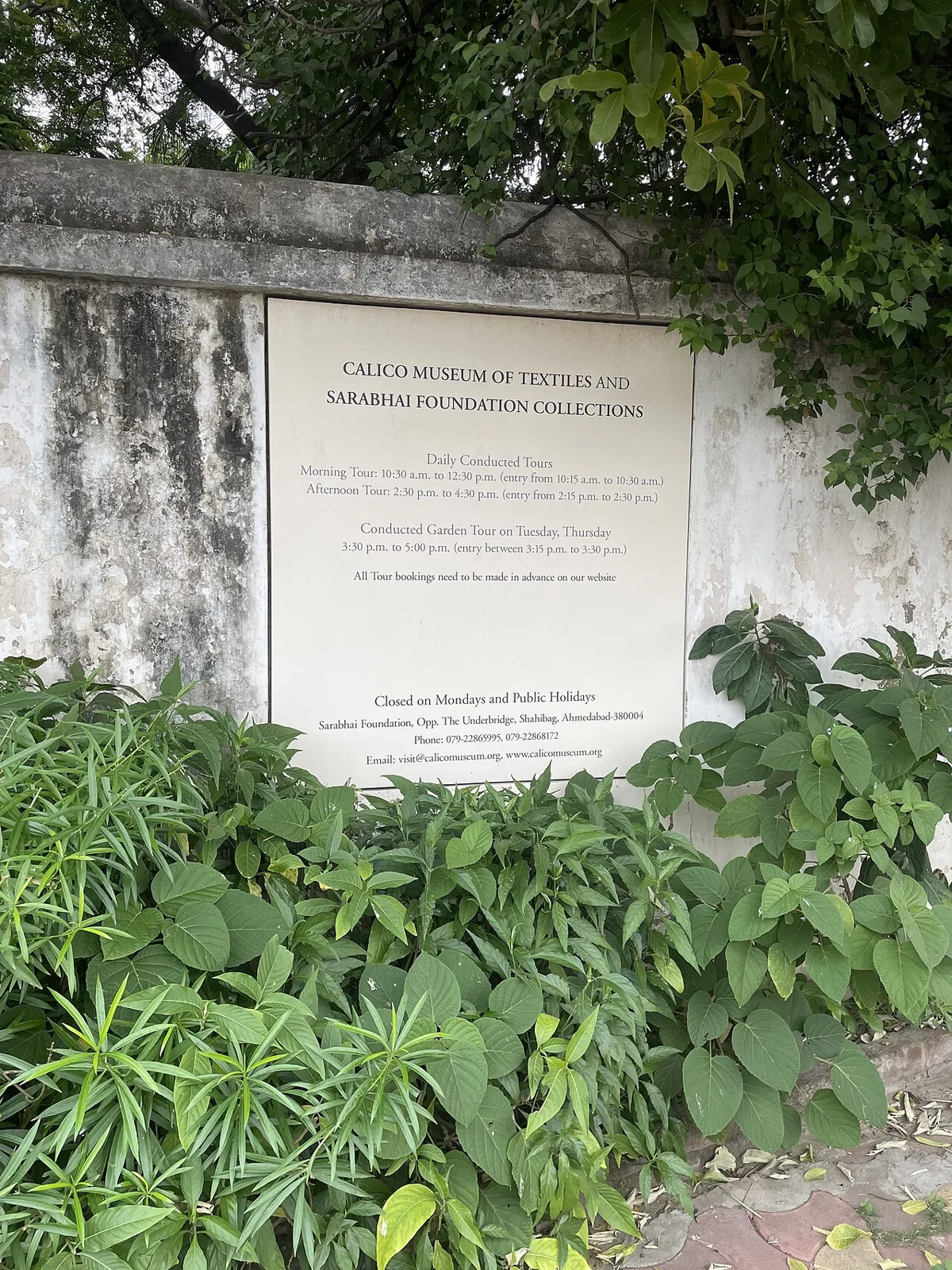
Calico Museum of Textiles
The Calico Museum of Textiles is a textile museum in Ahmedabad, Gujarat. Visitors come to see and learn about textiles at this institution, which is managed by the Sarabhai Foundation.
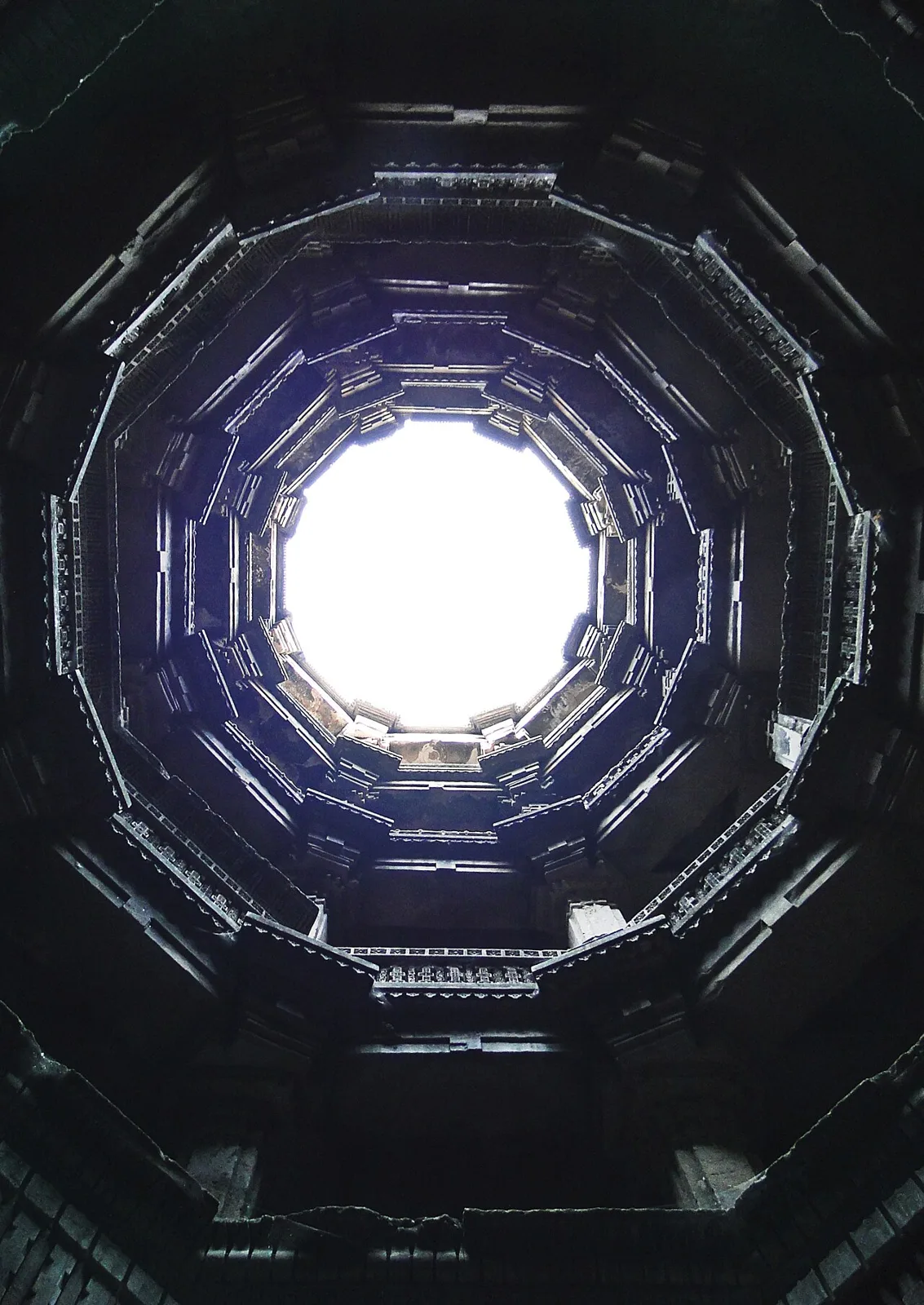
Dada Harir Stepwell
Dada Harir Stepwell is a fifteenth-century stepwell in Asarwa, Ahmedabad district, Gujarat. Visitors can see this historic structure about 15 kilometres from Ahmedabad.
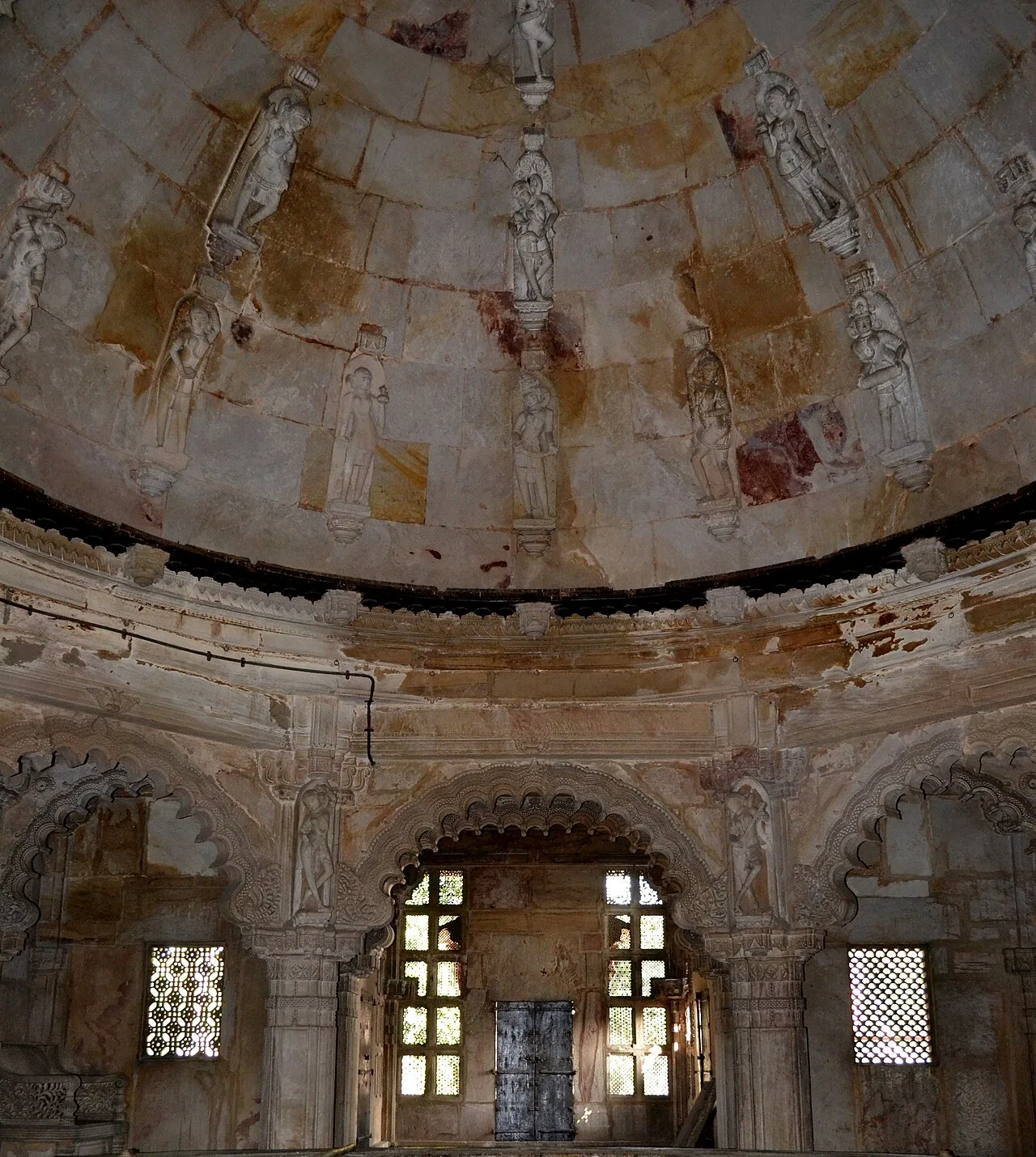
Hutheesing Jain Temple
Ahmedabad's Hutheesing Jain Temple, in Gujarat, is a place of Jain worship built by the Hutheesing family in 1848. Visitors can see its blend of Maru-Gurjara temple design and haveli features.
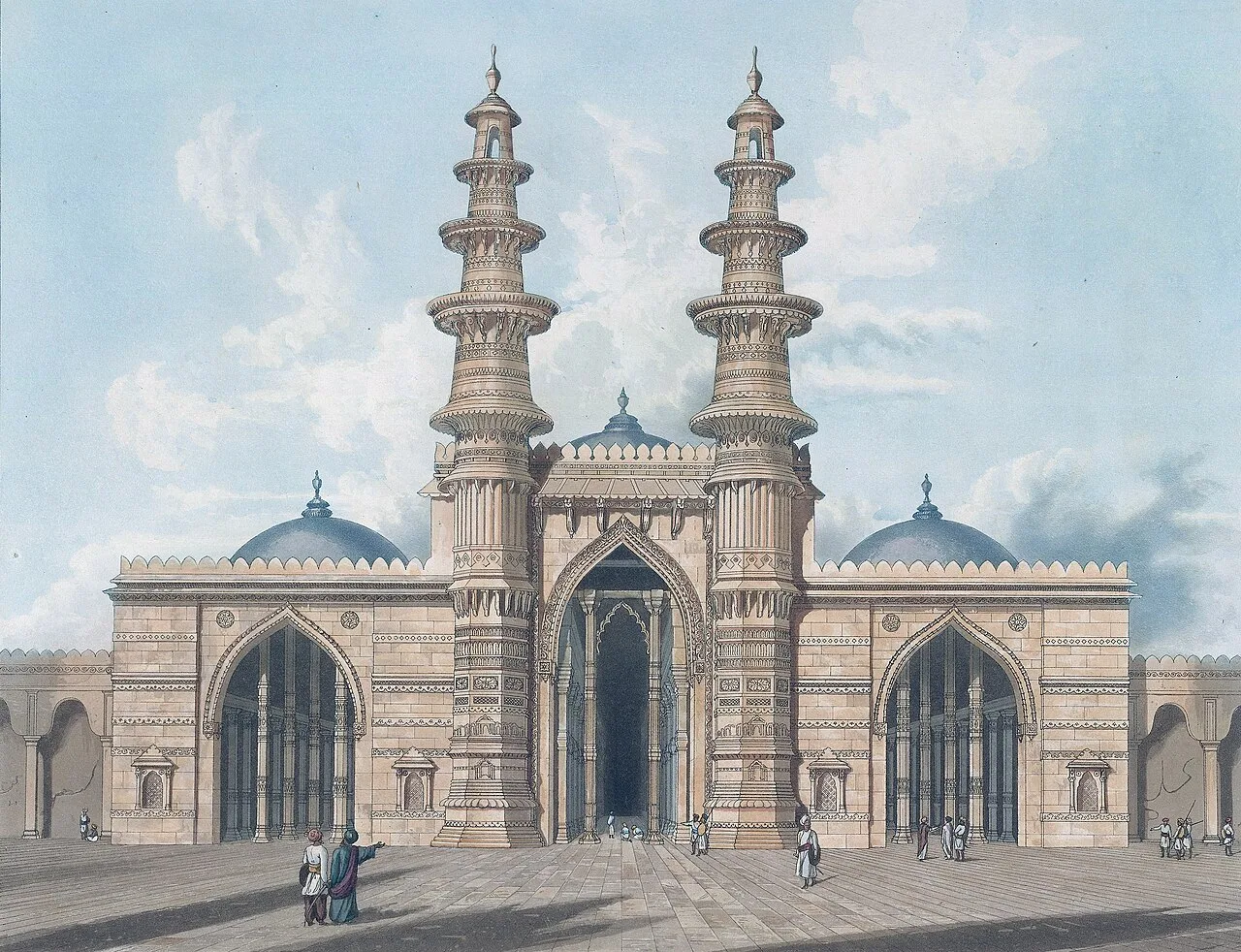
Jama Masjid, Ahmedabad
Ahmedabad’s Jama Masjid is a historic Friday mosque in the old city, visited for its impressive scale, central courtyard and expression of Gujarat-style architecture.
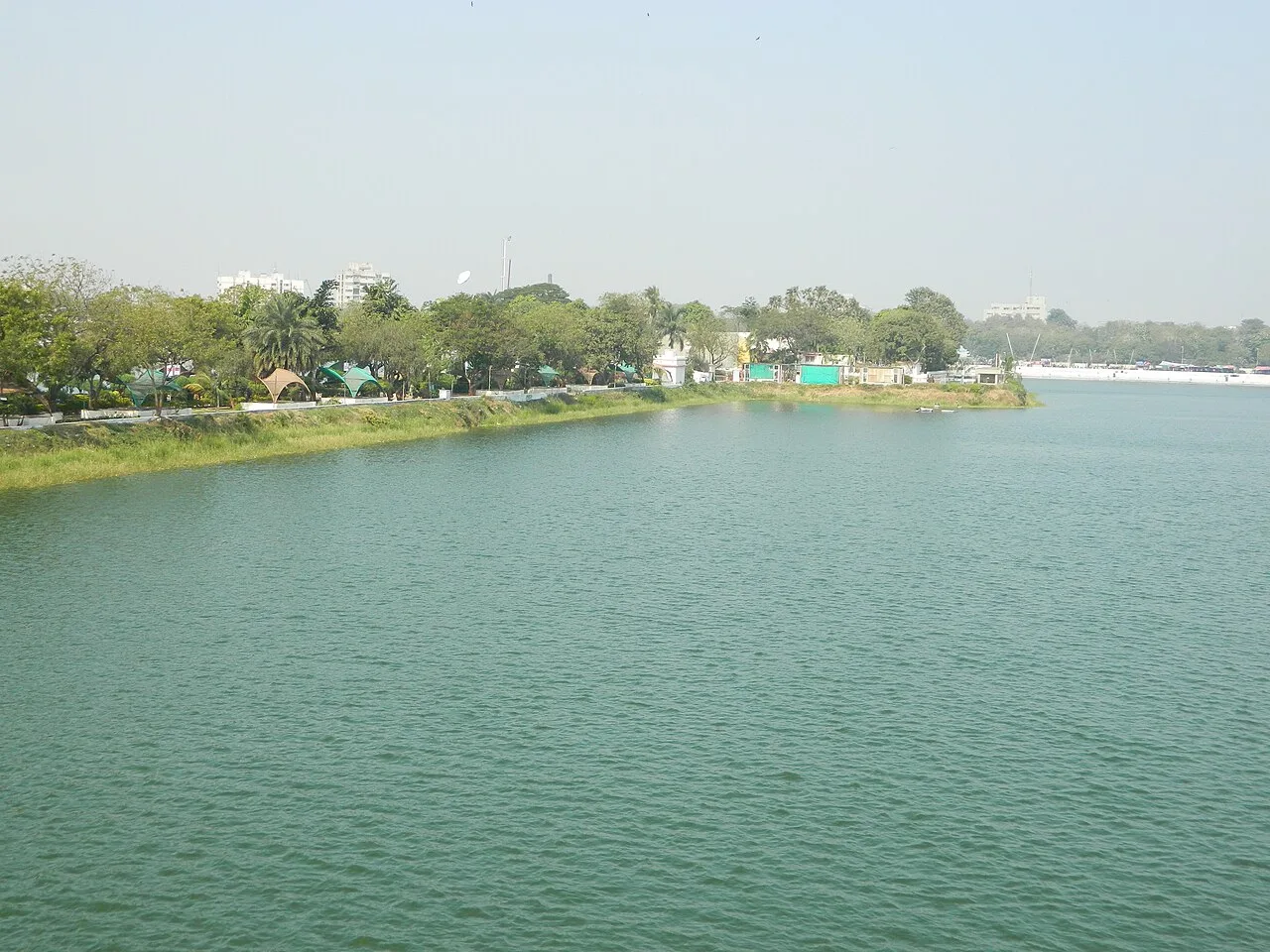
Kankaria Lake
Kankaria Lake is Ahmedabad’s largest lake, situated in Maninagar. Visitors come for its leisure attractions and the cultural, artistic and social programme of the Kankaria Carnival.
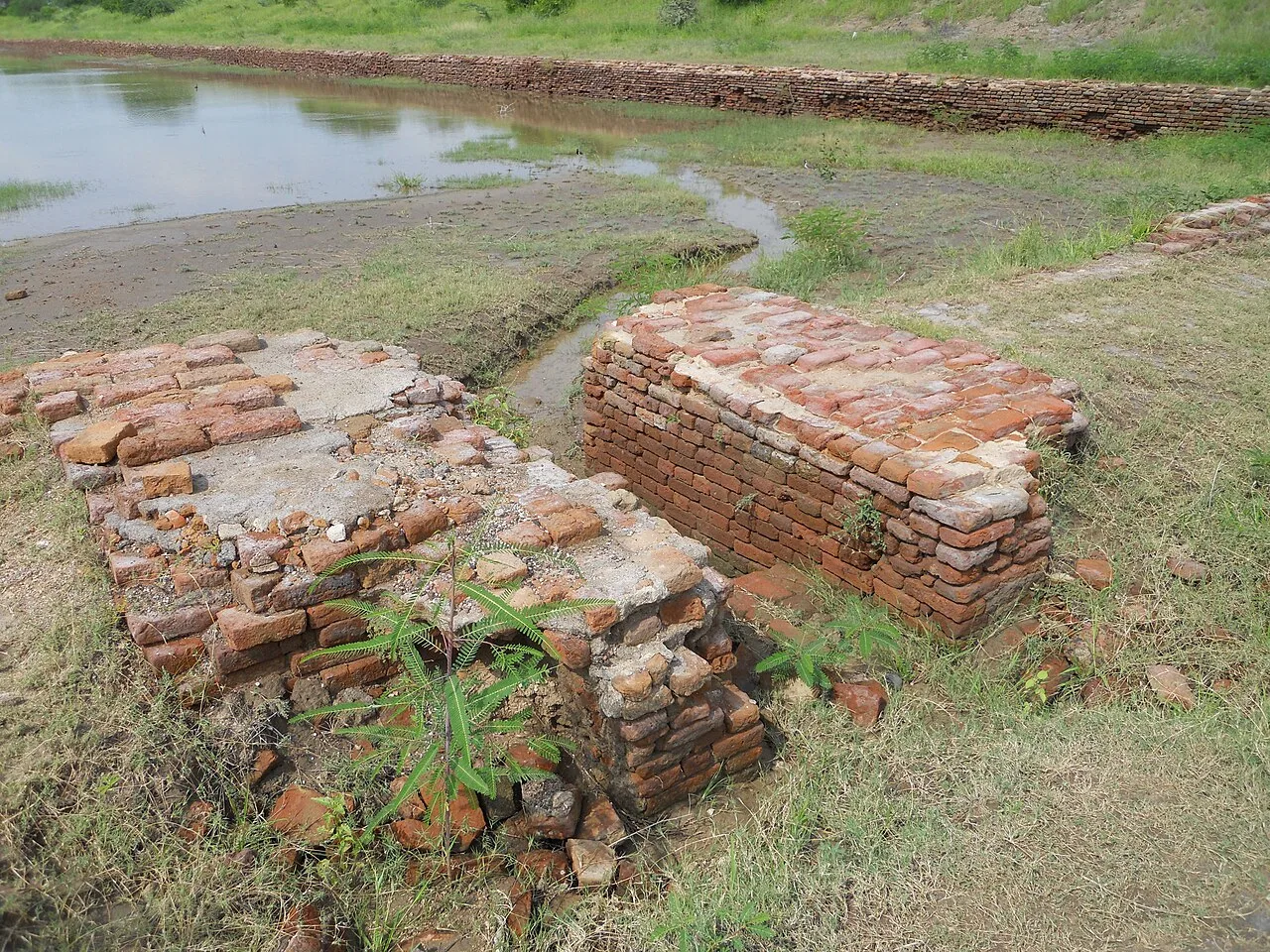
Lothal
Lothal is a settlement of the ancient Indus Valley Civilisation in Gujarat. Visitors come to learn about its place among the civilisation’s southernmost sites and its early history.
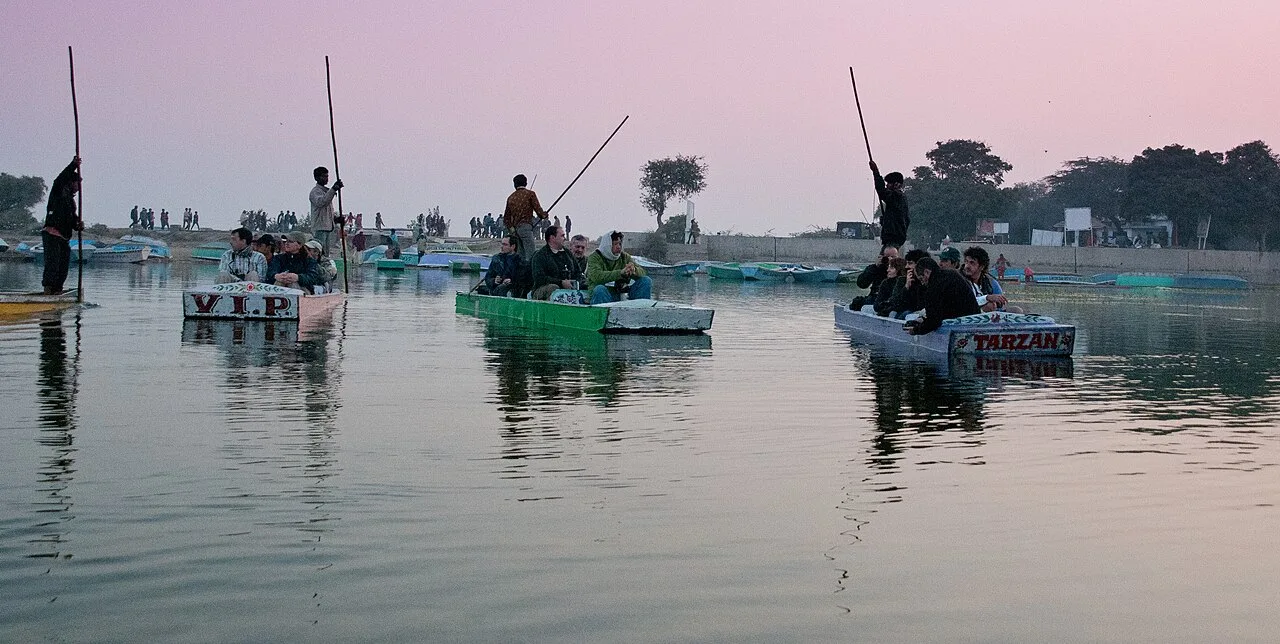
Nal Sarovar Bird Sanctuary
Nal Sarovar is a large lake and marshland reserve in Gujarat, known for the many resident and seasonal birds that gather there. Visitors come to observe its wetland wildlife, especially during the cooler months.
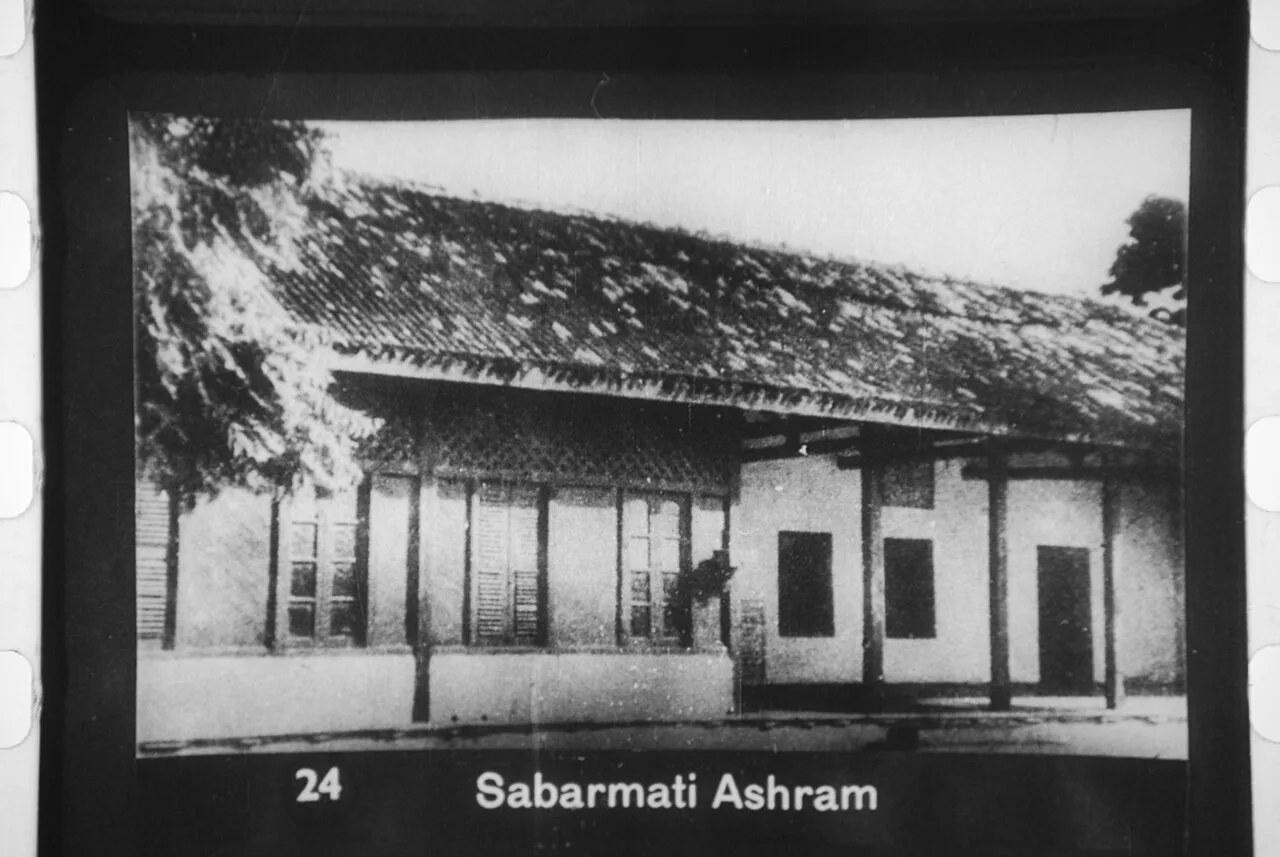
Sabarmati Ashram
Sabarmati Ashram, in Ahmedabad, is one of Mahatma Gandhi’s former homes and is now a national monument. Visitors come for its links with Gandhi and the Dandi March.
Ahmedabad’s food reflects Gujarat’s largely vegetarian culinary traditions, with meals that often combine savoury, sweet and mildly spiced flavours. Dhokla, khandvi, thepla and fafda with jalebi are familiar choices, while a Gujarati thali offers a broader spread of vegetables, breads, pulses and accompaniments. Kadhi-khichdi makes a simple, comforting meal; undhiyu is especially associated with winter. Snacks such as Kutchi dabeli are widely enjoyed, and sweets including mohanthal and shrikhand are common. These dishes belong to wider Gujarati food culture rather than Ahmedabad alone. Ask what is freshly prepared, as some small eateries serve a limited daily menu.
Ahmedabad is particularly associated with Mata ni Pachedi, a painted textile tradition made by members of the Vaghari community for use as a shrine backdrop. Its designs often depict goddesses and devotional stories. The city’s historic pol neighbourhoods also preserve a tradition of finely carved wooden façades, doors and balconies, reflecting the work of local artisans. Gujarat more broadly is known for textile arts such as bandhani tie-dye, embroidery and block printing, though these practices are shared across different towns and communities and are not exclusive to Ahmedabad. Visitors may find examples in museums, heritage spaces and craft shops.
Navratri, usually in autumn, brings nights of garba dancing and busy public celebrations across Ahmedabad and the wider region. Uttarayan, the January kite festival, fills city skies and can make rooftops and gathering places especially crowded. The annual Rath Yatra procession, generally held in summer, draws large crowds and may affect movement through parts of the city. Diwali is widely celebrated, while local fairs and religious events take place in towns and villages across the district. During major festivals, accommodation can be in higher demand, so booking ahead is sensible.
Elsewhere in Gujarat
The district is largely a level plain, with urban development around Ahmedabad giving way to agricultural land and smaller settlements. The Sabarmati River runs through the city, while the southwest includes the wetlands of Nal Sarovar and the low-lying Bhal region, where Lothal is located. There are no major hill ranges or coastline within the district. Flat terrain makes most road journeys straightforward, but distances between rural sights can be considerable and shade may be limited. Wetland conditions and seasonal water levels influence access and birdlife around Nal Sarovar.
Ahmedabad has hot summers, a monsoon season and generally mild, drier winters. Summer heat can make midday sightseeing tiring, especially in the old city or on open rural roads. Monsoon rains bring greener surroundings but may affect road conditions and access to wetlands. The most comfortable period for many visitors is roughly November to February; the cooler months are also suitable for walking around heritage areas and exploring outdoors. October and March can be workable with some adjustment to the heat. Pack light, breathable clothing, sun protection and drinking water; add a light layer for cooler winter evenings and rain protection during the monsoon.
Ahmedabad is served by Sardar Vallabhbhai Patel International Airport and Ahmedabad Junction railway station, also known as Kalupur station. Rail and road connections link the city with Gandhinagar, Vadodara, Surat and other parts of Gujarat; buses and private vehicles are useful for onward journeys to places beyond the urban area, including Lothal. Within Ahmedabad, auto-rickshaws, app-based taxis and city buses can help with local travel. The BRTS and metro serve parts of the city, but routes and service arrangements may change. For heritage sites, allow extra time for walking through dense old-city streets. Check current services locally.
Ahmedabad city has auto-rickshaws, app-based taxis, buses, BRTS and metro services on parts of the network; check current routes and service arrangements locally. Walking is useful in the compact old city, though traffic and narrow lanes can slow progress. Taxis or hired cars are practical for reaching Sarkhej Roza and for day trips to Lothal or Nal Sarovar. Local buses connect the city with some towns and settlements, but onward services to rural sights may be limited or infrequent. Shared vehicles may be available on local routes, but arrangements vary. Allow extra time for road travel and confirm return transport before setting out.
2 days: Bhadra Fort → Jama Masjid, Ahmedabad → Sidi Saiyyed Mosque → Hutheesing Jain Temple → Dada Harir Stepwell; sleep in Ahmedabad. 3 days: Sabarmati Ashram → Sabarmati Riverfront → Calico Museum of Textiles → Sarkhej Roza → Kankaria Lake; sleep in Ahmedabad both nights. 4 days: Bhadra Fort → Jama Masjid, Ahmedabad → Sabarmati Ashram → Lothal → Nal Sarovar Bird Sanctuary → Calico Museum of Textiles; sleep in Ahmedabad each night.
Ahmedabad is the most practical base for the city’s heritage sights, museums and day trips, with a broad choice of hotels and some guesthouses and homestays. Staying near the central city can reduce travel to the walled-city attractions, while other neighbourhoods may suit visitors prioritising road access or a quieter setting. Rural accommodation near Lothal or Nal Sarovar is more limited, so many travellers visit them as day trips and return to Ahmedabad. Dharamshalas and basic lodgings may be available in some places, but facilities vary; confirm arrangements before travelling.
Plan outdoor visits around the heat, carry water and use reliable drinking water. Old-city lanes can be crowded and traffic is busy, so watch for vehicles and keep belongings secure in dense markets and festival crowds. Rural roads may be uneven or poorly lit; avoid relying on late return transport without confirming it in advance. At Nal Sarovar, follow sanctuary guidance, keep a respectful distance from birds and do not enter wetland areas without permission. Mobile connectivity may be less consistent outside urban areas. Confirm current access, boating arrangements and any entry requirements for protected areas with official sources before travelling.
- Gandhinagarabout 20 km
- Khedaabout 66 km
- Mehsanaabout 85 km
- Vadodaraabout 102 km
- Patanabout 105 km
- Panchmahalabout 115 km
- Surendranagarabout 119 km
- Sabarkanthaabout 128 km
Straight-line distance between the centres of each district's destinations; road distance is longer.
Q: How many days should I spend in Ahmedabad district? A: Two days can cover key city sights; allow three or four days if you also want to visit Lothal or Nal Sarovar. Q: When is the best time to visit? A: November to February is generally comfortable for heritage walks and outdoor excursions. Q: Where is the best base? A: Ahmedabad city is the most convenient base for the listed sights and rural day trips. Q: How do I get to the district? A: Ahmedabad is served by Sardar Vallabhbhai Patel International Airport and Ahmedabad Junction; road and rail links connect it with other parts of Gujarat. Q: Is the district suitable for families or elderly travellers? A: Yes, with planning. Choose a manageable pace, account for heat and traffic, and note that some old-city lanes and rural sites may involve uneven surfaces or walking.
This page draws on our 12 destination guides for Ahmedabad and is updated as our team checks it.
Be the first to share photos, stories, advice or a helpful contact for Ahmedabad.
Loading…