
District · Gujarat
Jamnagar
Jamnagar offers a varied introduction to Gujarat’s Saurashtra region, combining princely-state heritage with a working modern city and a coast shaped by the Gulf of Kutch.
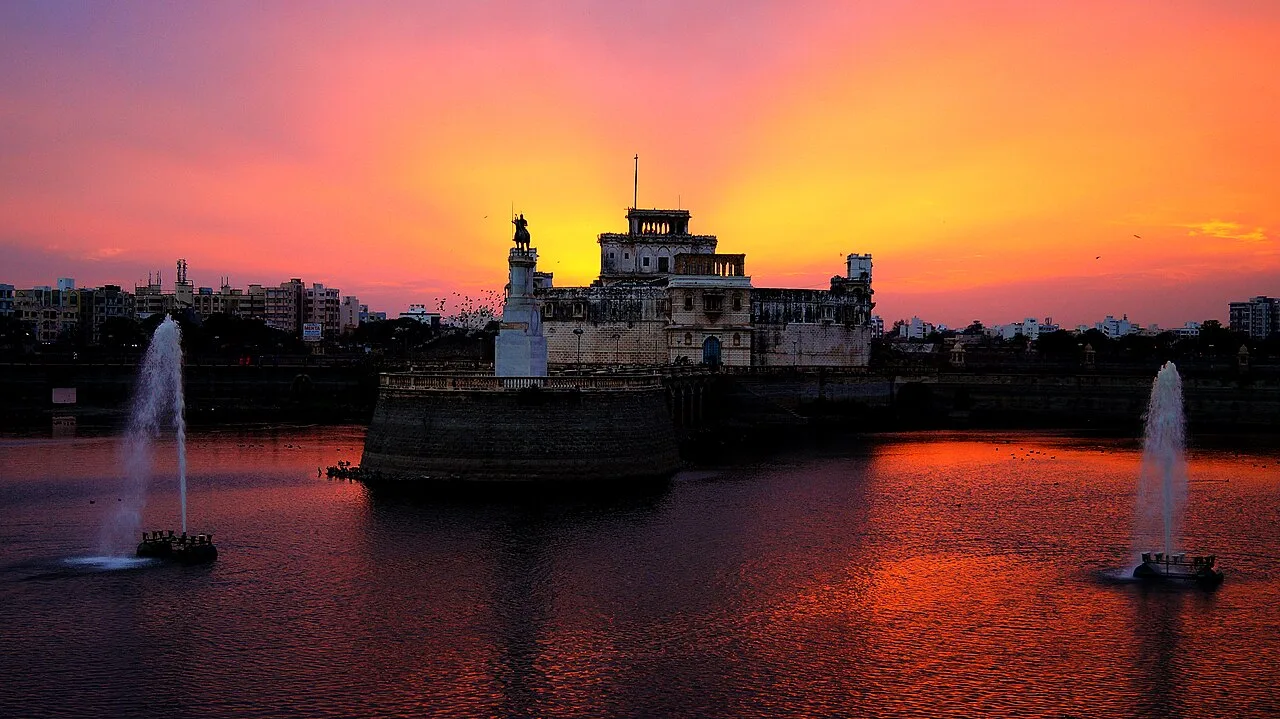
Jamnagar district lies in Gujarat’s Saurashtra region, along the southern side of the Gulf of Kutch. Its landscape brings together a dry inland plain, cultivated countryside and a coast shaped by tidal waters, salt flats and mangroves. Jamnagar city, historically known as Nawanagar, was founded by Jam Rawal in the sixteenth century and developed as the capital of a princely state. Lakhota Lake, a man-made lake in the city centre, remains an important landmark of that urban heritage. Today, royal-era buildings, busy markets, craft workshops and large industries give the district a varied character. The wider gulf’s marine habitats offer another dimension to a visit, with some excursions extending into neighbouring Devbhumi Dwarka district.
Jamnagar offers a varied introduction to Gujarat’s Saurashtra region, combining princely-state heritage with a working modern city and a coast shaped by the Gulf of Kutch. The city’s old name, Nawanagar, and landmarks such as Lakhota Lake reflect its royal past; its markets and craft workshops show a more everyday side of urban life. The district is also known for major industrial activity and for coastal wetlands, salt flats and mangroves. Travellers can use Jamnagar as a base for exploring the city and, with suitable planning, make an excursion to Marine National Park, which lies in neighbouring Devbhumi Dwarka district.
Jamnagar’s history is closely associated with the Jadeja Rajput rulers of Nawanagar. Jam Rawal founded the city in the sixteenth century, establishing it as the capital of a princely state. The ruling family shaped the city’s layout and built palaces, temples, public buildings and waterworks; Lakhota Lake is among the enduring features of that urban heritage. Nawanagar was one of several princely states in the Saurashtra region. During the colonial period it was not governed as a directly administered British district, but came under British paramountcy and maintained its own ruler and administration. After India became independent, the princely state joined the Indian Union and became part of the regional political reorganisation that created Saurashtra state. The area later became part of Bombay state and, when Gujarat was formed in 1960, of the new state. Jamnagar developed as an administrative and industrial centre in modern Gujarat. The present district’s boundaries have changed over time; Devbhumi Dwarka was separated from Jamnagar district in 2013, so some well-known Gulf of Kutch attractions are now outside the district.
2 destination guides
Lakhota Lake
Lakhota Lake is an artificial lake in central Jamnagar, Gujarat, also known as Lakhota Talav and Ranmal Lake. Visitors come to see Lakhota Fort, which stands on an island in the water.
Marine National Park
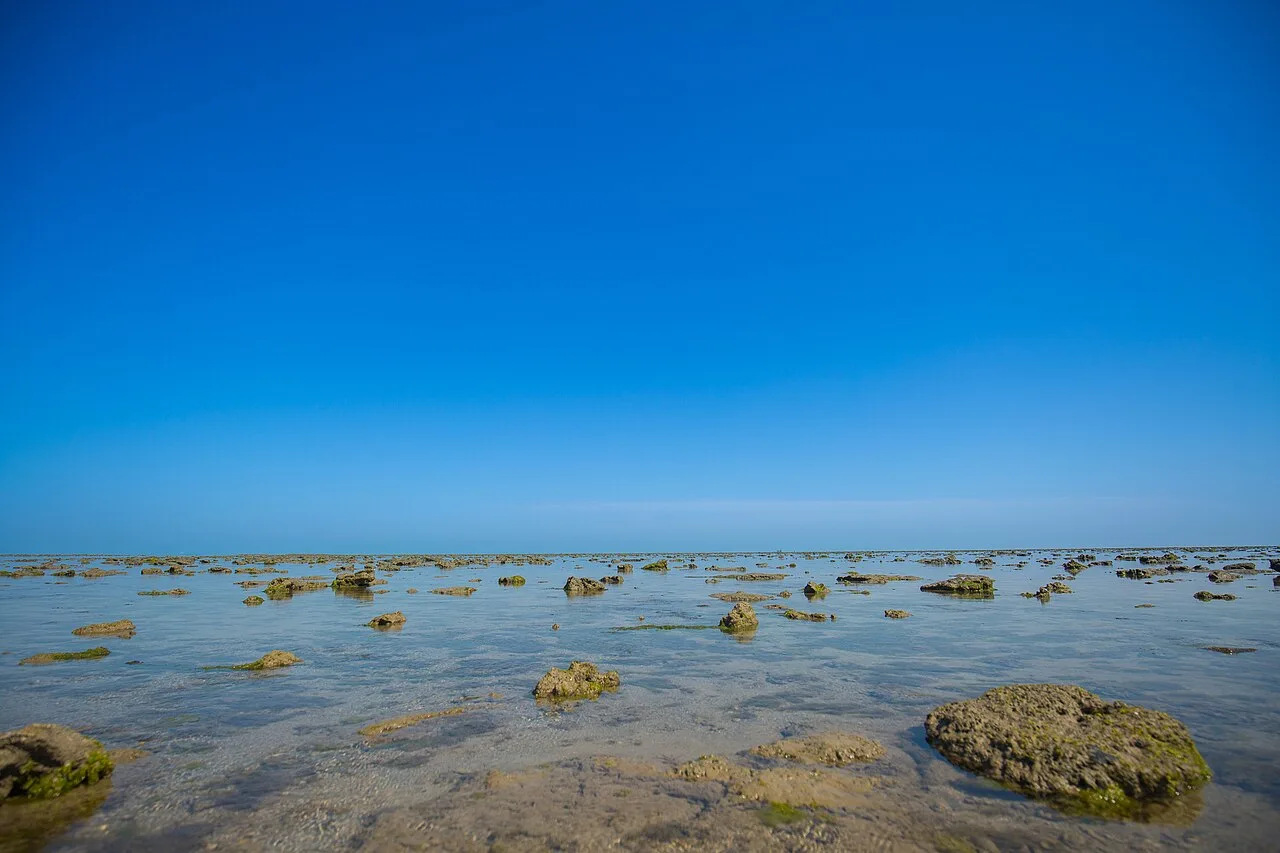
The Marine National Park is a protected marine area in Gujarat’s Gulf of Kutch. Visitors come to encounter its reef-fringed islands and the coral and mangrove environments it conserves.
Food in Jamnagar draws strongly on the vegetarian traditions of Saurashtra and Gujarat. A Gujarati thali typically brings together rotli, vegetables, dal or kadhi, rice and accompaniments, often balancing sweet, sour and spicy flavours. Dhokla, khandvi, thepla and fafda-jalebi are familiar snacks or breakfast choices, while kadhi-khichdi makes a comforting simple meal. Bajra rotla is associated with the wider region’s rural cooking. In winter, look for seasonal vegetable preparations such as undhiyu; sweets may include mohanthal and shrikhand. These are regional dishes rather than exclusive Jamnagar specialities. At small eateries, asking what has been freshly prepared is often the best approach.
Jamnagar is well known for bandhani, the intricate tie-dye textile tradition shared with other parts of Gujarat and Rajasthan. Artisans tie tiny sections of cloth before dyeing, creating dotted patterns on saris, dupattas and dress fabrics. The skill lies in the tying, colour combinations and arrangement of motifs. When shopping, ask whether a piece is hand-tied rather than printed to imitate bandhani. The city also has a substantial brass-working industry, although much of its output consists of practical components rather than decorative handicrafts.
Navratri, usually held in autumn, is marked by devotional events and nights of community garba dancing; activity can make central areas busier and accommodation harder to find. Janmashtami, generally in the monsoon season, is observed with temple visits and celebrations. Diwali in autumn and Uttarayan in January bring family gatherings and festive activity. Local temple events and fairs take place at different times of year, though their scale and dates vary. During major festivals, book a room ahead and allow extra time for crowded streets and transport.
Elsewhere in Gujarat
The district’s interior is mostly dry, gently undulating plain with cultivated fields and scrub, while the Gulf of Kutch coast has tidal flats, salt marshes and mangroves. Seasonal rivers and streams, including the Rangmati and Nagmati around Jamnagar, are more prominent during and after the monsoon. This mix of inland roads and tidal shoreline shapes how visitors travel: city sights are relatively straightforward to reach, but coastal outings need planning around tides, access rules and local conditions. Marine National Park is in neighbouring Devbhumi Dwarka district, not Jamnagar district.
Jamnagar has hot, dry summers, a monsoon season that usually runs from early summer into the later part of the year, and milder, drier winters. The monsoon can bring humid weather and affect road or coastal conditions; summer heat makes outdoor sightseeing tiring in the middle of the day. The most comfortable general period to visit is from October to March. Carry sun protection, a hat and water in warmer months, and light clothing with a warmer layer for winter evenings. During the monsoon, bring rain protection and check local conditions before coastal travel.
Jamnagar Airport is the nearest airport for the city, and Jamnagar railway station is its main rail arrival point. Confirm available flights and suitable rail connections before planning your journey. Roads connect Jamnagar with Rajkot, Ahmedabad and other Saurashtra centres; GSRTC buses and private road transport provide onward options. Within the city, auto-rickshaws and taxis are useful for reaching Lakhota Lake, markets and accommodation. Coastal outings may require a hired vehicle and additional arrangements, especially where protected marine areas, tides or permissions affect access. Check current services locally.
Jamnagar city is the district’s main transport hub, with auto-rickshaws and taxis useful for reaching Lakhota Lake, markets and accommodation. Local buses and shared road transport serve some towns and surrounding areas, but coverage and convenience vary. GSRTC services and private vehicles link Jamnagar with other Saurashtra centres. A hired car can be practical for coastal travel, where public transport may not reach visitor access points. Boat trips are not a general local transport option; any marine excursion depends on authorized access, available operators, tides and current conditions. Confirm arrangements locally before setting out.
2 days: Lakhota Lake; sleep in Jamnagar on both nights, with time for the city’s markets and heritage area. 3 days: Lakhota Lake → Marine National Park; sleep in Jamnagar on night one and choose a suitable coastal base in neighbouring Devbhumi Dwarka district on night two. Plan the marine visit in advance around authorized access and tides.
Jamnagar is the most practical base for the city and Lakhota Lake, with a range of hotels and guesthouses. Visitors seeking a coastal excursion to Marine National Park should note that it is in neighbouring Devbhumi Dwarka district; an overnight stay nearer an authorized access point may make more sense than returning to Jamnagar. Depending on the locality, travellers may find hotels, simple guesthouses, homestays, government accommodation or dharamshalas. Availability and standards vary, so confirm facilities and access arrangements before booking.
Carry drinking water and protect yourself from sun and heat, especially during summer travel. On the coast, mudflats can be slippery and tides can change access; do not enter tidal areas or approach wildlife without local guidance, and follow protected-area rules. Confirm current access requirements officially before visiting marine areas, as permissions and visitor arrangements can vary. Roads outside the city may be less convenient after heavy rain, so check conditions before departure. Mobile connectivity can be uneven in remote coastal areas. In crowded festival periods, keep valuables secure and allow extra time for local travel.
- Devbhoomi Dwarkaabout 85 km
- Porbandarabout 95 km
- Rajkotabout 101 km
- Junagadhabout 123 km
- Kutchabout 134 km
- Surendranagarabout 173 km
- Gir Somnathabout 185 km
Straight-line distance between the centres of each district's destinations; road distance is longer.
Q: How many days should I spend in Jamnagar district? A: Two days can cover Jamnagar city and Lakhota Lake. Allow an extra day or more if arranging a coastal excursion. Q: When is the best time to visit? A: October to March is generally more comfortable for sightseeing. Check weather and tide conditions before coastal travel. Q: Where is the best base? A: Jamnagar is the most convenient base for the city. For Marine National Park, consider a suitable base in neighbouring Devbhumi Dwarka district. Q: How do I get to Jamnagar? A: Jamnagar has an airport and railway station, and road links connect it with other Saurashtra centres. Confirm current services before travelling. Q: Is Jamnagar suitable for families or elderly travellers? A: Yes, the city’s main sights can suit many visitors, though heat, walking surfaces and transport needs should be considered. Coastal areas may require more preparation and mobility.
This page draws on our 2 destination guides for Jamnagar and is updated as our team checks it.
Be the first to share photos, stories, advice or a helpful contact for Jamnagar.
Loading…