
District · Dadra and Nagar Haveli and Daman and Diu
Daman
Daman is the coastal district of Dadra and Nagar Haveli and Daman and Diu, set beside Gujarat on the Arabian Sea.
Daman is a small coastal district on the Arabian Sea, adjoining Gujarat and forming part of the union territory of Dadra and Nagar Haveli and Daman and Diu. The Daman Ganga river separates the town’s Moti Daman and Nani Daman quarters, giving its waterfront a distinctive setting. Portuguese rule, which ended in 1961, left a visible legacy in forts and churches. Moti Daman Fort, Nani Daman Fort, Bom Jesus Church and Our Lady of the Rosary Chapel anchor the district’s heritage circuit. Devka and Jampore beaches provide a contrasting coastal landscape. Daman town, the union territory’s administrative capital, combines civic life, fishing traditions and beach tourism.
Daman is the coastal district of Dadra and Nagar Haveli and Daman and Diu, set beside Gujarat on the Arabian Sea. It is best known for the contrast between its Portuguese-era forts and churches, working waterfront and beaches. The Daman Ganga river divides Moti Daman and Nani Daman, shaping the town’s character and making its two historic quarters natural stops on a visit. Moti Daman Fort, Nani Daman Fort, Bom Jesus Church and Our Lady of the Rosary Chapel form the core heritage circuit, while Devka and Jampore offer a change of pace by the coast. Daman town also serves as the union territory’s administrative capital.
Daman’s coast was part of the political and trading networks of Gujarat. Before Portuguese rule, the area was associated with the Gujarat Sultanate. Portuguese forces took control of Daman in 1559, establishing a colonial presence that lasted until 1961. The forts and churches in the town reflect this period, while local fishing and coastal life continued alongside colonial administration. In December 1961, Daman came under Indian administration along with Goa and Diu. The three were administered together as the Union Territory of Goa, Daman and Diu until Goa became a state in 1987, leaving Daman and Diu as a union territory. Dadra and Nagar Haveli, another former Portuguese possession, became a separate union territory after its integration with India. On 26 January 2020, Dadra and Nagar Haveli and Daman and Diu were merged into one union territory. Daman remains a district within it, with Daman town as the administrative capital.
7 destination guides · 2 on the map
Bom Jesus Church
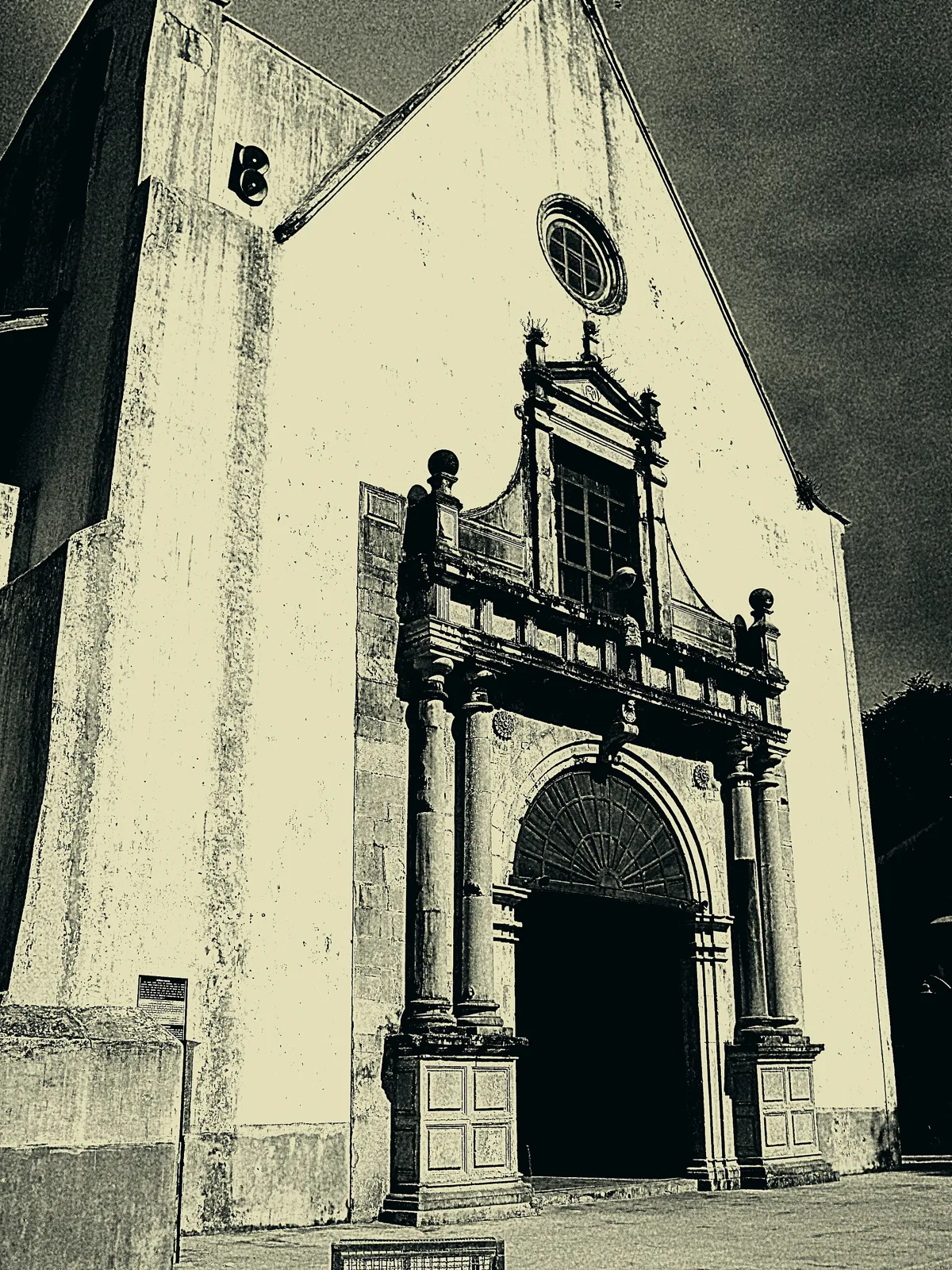
Bom Jesus Church is a place of worship in Daman district, within the union territory of Dadra and Nagar Haveli and Daman and Diu. Visitors come to see the church.
Daman town
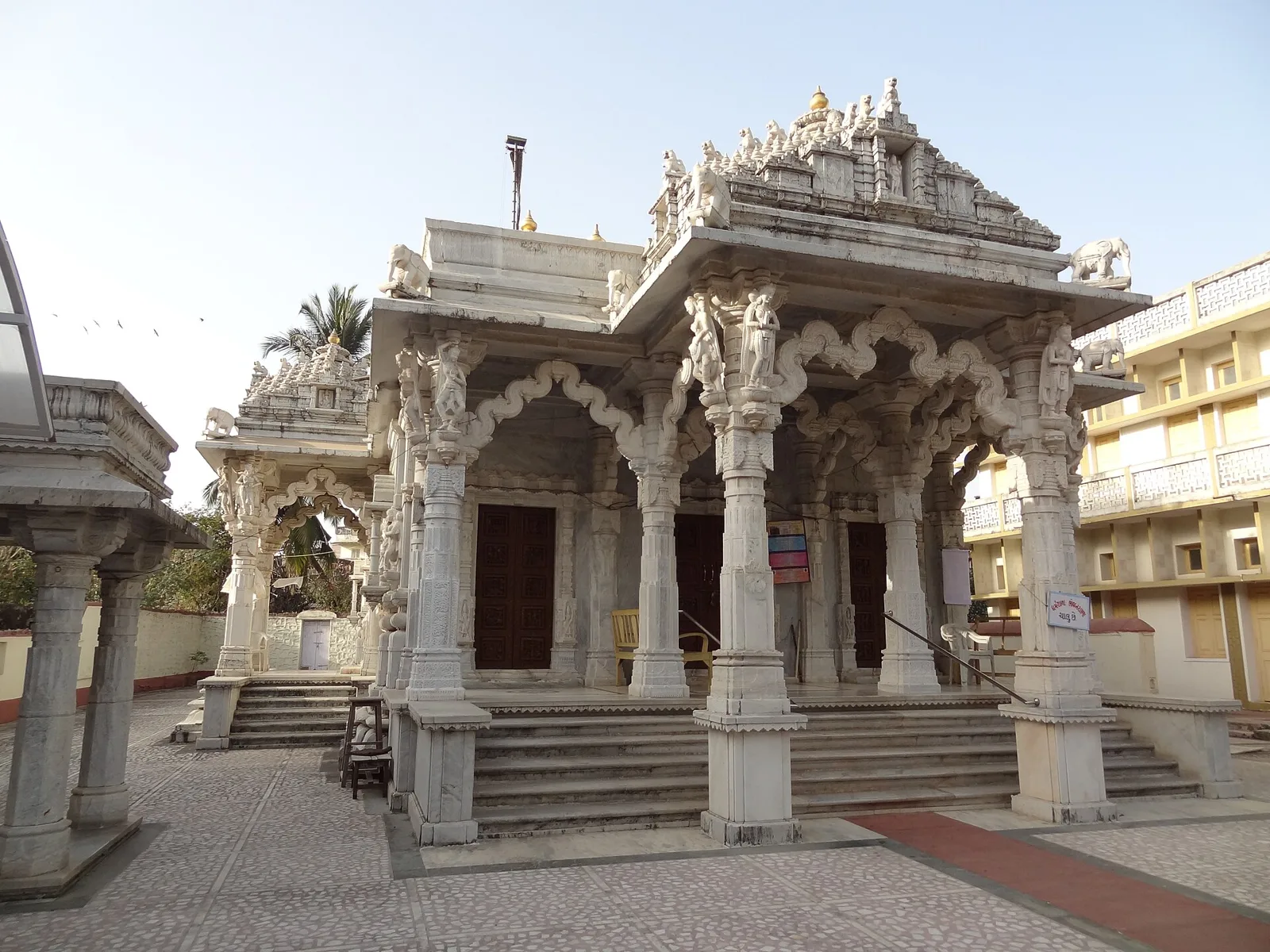
Daman is the administrative capital of Dadra and Nagar Haveli and Daman and Diu. Visitors can see its two distinct areas, separated by the Daman Ganga, and the older part of town in Moti-Daman.
Devka Beach
Devka Beach is a beach in Daman district, within the union territory of Dadra and Nagar Haveli and Daman and Diu. People visit it as a coastal destination.
Jampore Beach
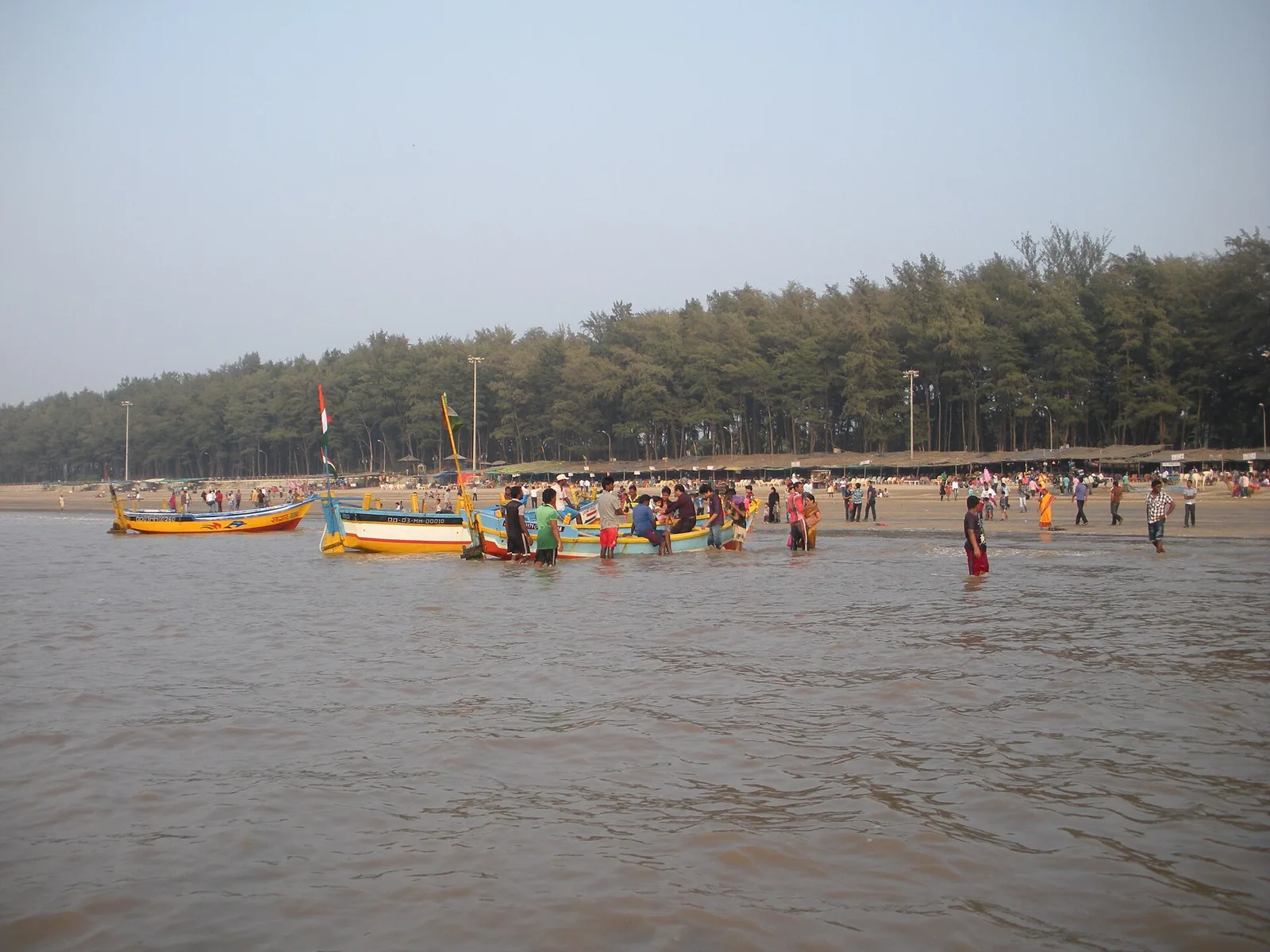
Jampore Beach is a coastal destination in Daman district, within Dadra and Nagar Haveli and Daman and Diu, India. Visitors come for its secluded setting, calm sea, dark sand and sunset views.
Moti Daman Fort
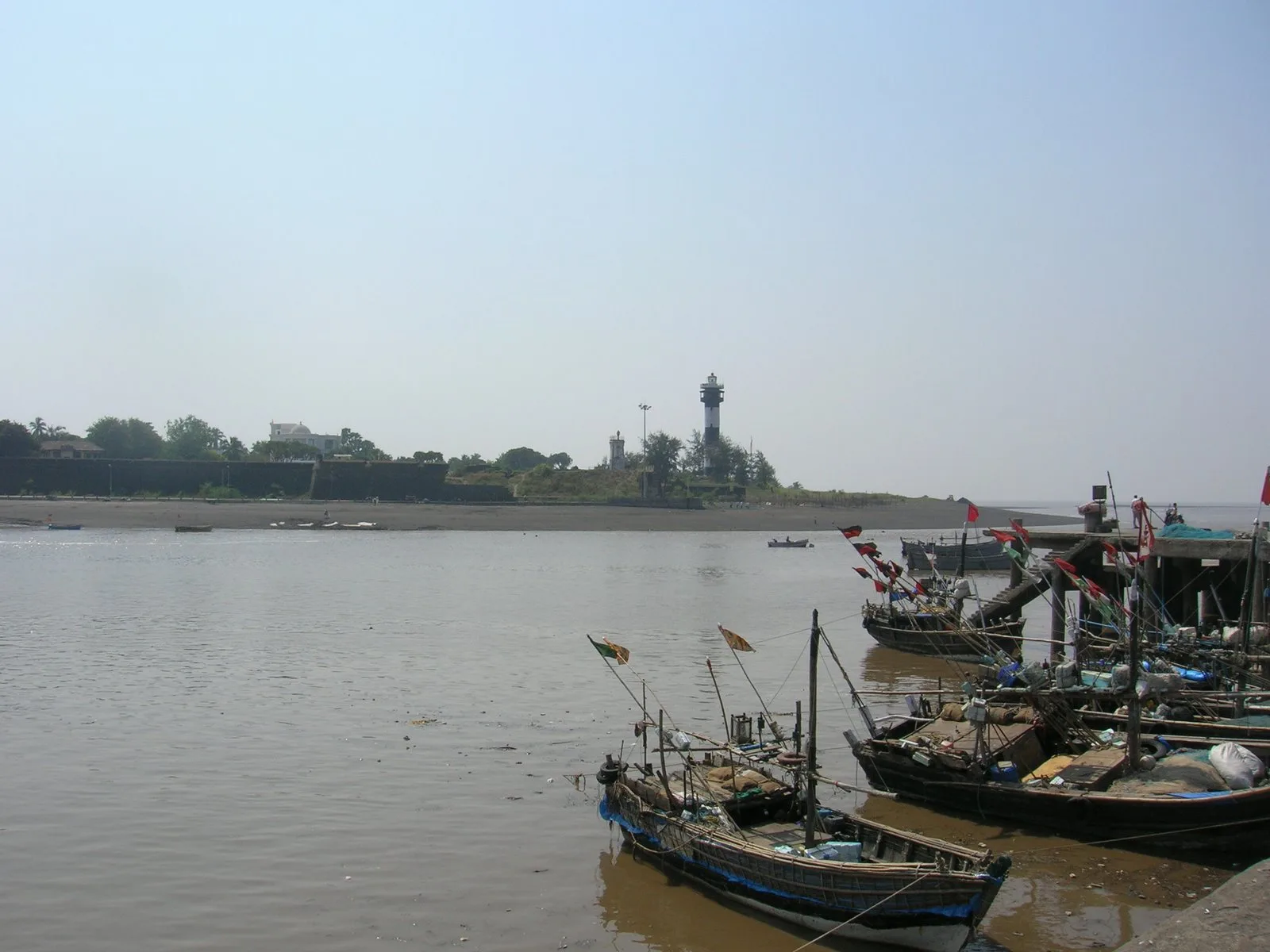
Moti Daman Fort is a fort in Daman district, within Dadra and Nagar Haveli and Daman and Diu. Visitors can come to see the fort itself.
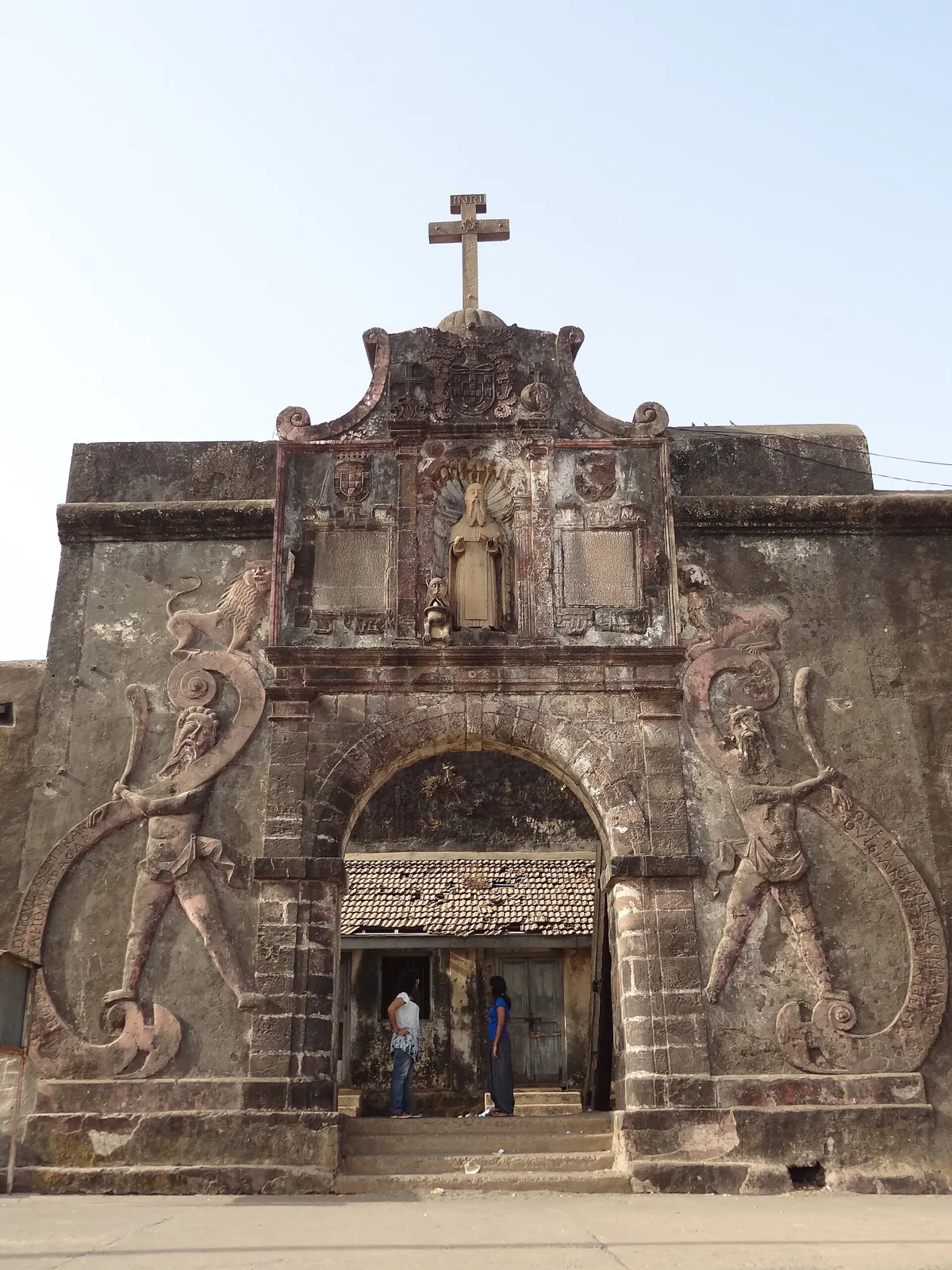
Nani Daman Fort
Nani Daman Fort is a fort in Daman district, within the union territory of Dadra and Nagar Haveli and Daman and Diu. Visitors can come to see the fort.
Our Lady of the Rosary Chapel
Our Lady of the Rosary Chapel is a church in Daman district, within Dadra and Nagar Haveli and Daman and Diu. Visitors may seek it out as a local place of worship.
Daman’s food reflects its coastal setting and connections with Gujarat and Portuguese-influenced western Indian cooking. Fish and prawns are natural choices at seafood restaurants and beachside eateries; ask about the day’s catch and how it is prepared. Sorpotel and vindaloo belong to the wider Portuguese-influenced culinary tradition, though availability varies between establishments. Gujarati thalis, vegetarian dishes and snacks offer alternatives to seafood. Small eateries may work with a limited daily menu. Warli and Kokna foods based on rice, millet and forest greens are associated more with neighbouring Dadra and Nagar Haveli than with Daman’s coastal dining.
For regional art, Warli painting is associated with tribal communities in neighbouring Dadra and Nagar Haveli and adjoining western India, rather than being a craft exclusive to Daman. Its characteristic geometric figures depict community life, farming, animals and celebrations. When buying regional artwork in Daman, ask where it was made and whether the seller can identify the artist or community. Within the district, the historic churches offer another artistic focus through their religious decoration and woodwork; these are heritage features, not evidence of a distinct local handloom tradition.
Christmas is celebrated by Daman’s Christian communities, with church services and observances shaped by the district’s Portuguese-era heritage. Navratri and Diwali are also widely observed, reflecting the region’s close cultural ties with Gujarat. Nariyal Poornima, a coastal festival associated with fishing communities, is marked in the wider region around the monsoon season. Celebrations and school or public holidays can bring more visitors to town and busier local services; popular holiday periods may also make rooms harder to find. Festival practices vary between communities, so visitors should check locally for events during their stay.
Daman is a low-lying coastal district on the Arabian Sea, with beaches, tidal shore and built-up urban areas rather than hills or extensive forest. The Daman Ganga river runs through the town and separates Moti Daman from Nani Daman; bridges link the two quarters. Devka and Jampore provide different stretches of coast, while the historic sites lie within the town. Short road journeys connect these sights, but beach visits are affected by tides, weather and sea conditions. The district’s compact scale makes it possible to combine heritage walks with local road travel.
Daman has a humid coastal climate. Summer, roughly from March into the early monsoon period, can feel hot and sticky, so plan outdoor visits for cooler parts of the day and carry water and sun protection. The monsoon usually brings heavy showers and unsettled sea conditions; wet roads and rough water can affect beach plans. Winter, broadly from November to February, is generally more comfortable for walking and sightseeing. These cooler months are usually the best time to visit. Pack light breathable clothing, a hat, sunscreen and comfortable shoes; bring rain protection during the monsoon and a light layer for breezier evenings in winter.
Vapi, on the Mumbai–Ahmedabad railway line, is the main rail gateway for Daman, with onward travel by road. Surat Airport is the nearest practical commercial air gateway; Mumbai is another option with a wider range of connections. Daman is reached from the Mumbai–Ahmedabad highway corridor through Vapi, with road access from surrounding Gujarat towns. Taxis and auto-rickshaws are useful for travelling between the town, forts and beaches, while shorter heritage walks can be planned within individual quarters. Diu is geographically separate and should not be treated as a nearby stop. Check current services locally.
Road is the practical way to move around Daman. Vapi is the main nearby rail gateway, and road links connect it with Daman town and the surrounding Gujarat corridor. Within Daman, auto-rickshaws and taxis can take visitors between the two riverfront quarters, forts, churches and beaches; local buses may serve some routes, but coverage and frequency can vary. Walking is useful within individual heritage areas, though the river crossings and beach visits call for road transport. Agree on arrangements before setting out, and check locally for current services. Boats are not necessary for the main sights.
2 days: Daman town → Moti Daman Fort → Our Lady of the Rosary Chapel → Bom Jesus Church → Nani Daman Fort; sleep in Daman town. 3 days: Daman town → Moti Daman Fort → Our Lady of the Rosary Chapel → Bom Jesus Church → Nani Daman Fort → Devka Beach → Jampore Beach; sleep in Daman town on both nights. 4 days: Daman town → Moti Daman Fort → Our Lady of the Rosary Chapel → Bom Jesus Church → Nani Daman Fort → Devka Beach → Jampore Beach; sleep in Daman town on all three nights.
Daman town is the most practical base for all the listed sights, with road access to both historic quarters and the beaches. Staying centrally suits a short heritage-focused visit; a base nearer the coast can work for travellers prioritising beach time, though transport may still be needed for the forts and churches. Accommodation commonly includes hotels and guesthouses, with some homestay-style options. Availability of government lodges or dharamshalas can vary, so confirm directly before relying on them. During holiday periods, booking ahead is sensible.
The town’s main sights are reached by roads and paved urban routes, but watch for traffic when walking and use care on uneven surfaces in historic areas. Coastal conditions can change with tides, monsoon weather and rough seas; follow local warnings and avoid entering the water where conditions are unsafe. Carry drinking water and sun protection, particularly in hot, humid weather. Roads may be wet during the monsoon, and connectivity or transport options can be less reliable away from central areas. Ordinary visits to the listed sights do not generally require an Inner Line Permit or protected-area permit; confirm any current access or permit rules through official sources before travel.
- Dadra and Nagar Haveliabout 28 km
- Palghar · Maharashtraabout 51 km
- Navsari · Gujaratabout 53 km
- Surat · Gujaratabout 76 km
- Dang · Gujaratabout 86 km
- Nashik · Maharashtraabout 109 km
- Mumbai Suburban · Maharashtraabout 138 km
- Bhavnagar · Gujaratabout 178 km
Straight-line distance between the centres of each district's destinations; road distance is longer.
All districts of Dadra and Nagar Haveli and Daman and Diu
Q: How many days should I spend in Daman? A: Two days can cover the main forts, churches and a beach. Three days allow a more relaxed pace and time for both Devka and Jampore. Q: When is the best time to visit? A: November to February is generally the most comfortable season for sightseeing and walking. Q: Where is the best base for a visit? A: Daman town is the most practical base for the forts, churches and beaches. Q: How do I get to Daman? A: Vapi is the main rail gateway, with onward road travel to Daman. Surat is the nearest practical commercial air gateway; Mumbai is another option. Q: Is Daman suitable for families or elderly travellers? A: Yes, its compact town and road-accessible sights can suit a range of visitors. Plan for heat, uneven historic surfaces and changing sea conditions, and use local transport where walking is difficult.
This page draws on our 7 destination guides for Daman and is updated as our team checks it.
Be the first to share photos, stories, advice or a helpful contact for Daman.
Loading…