
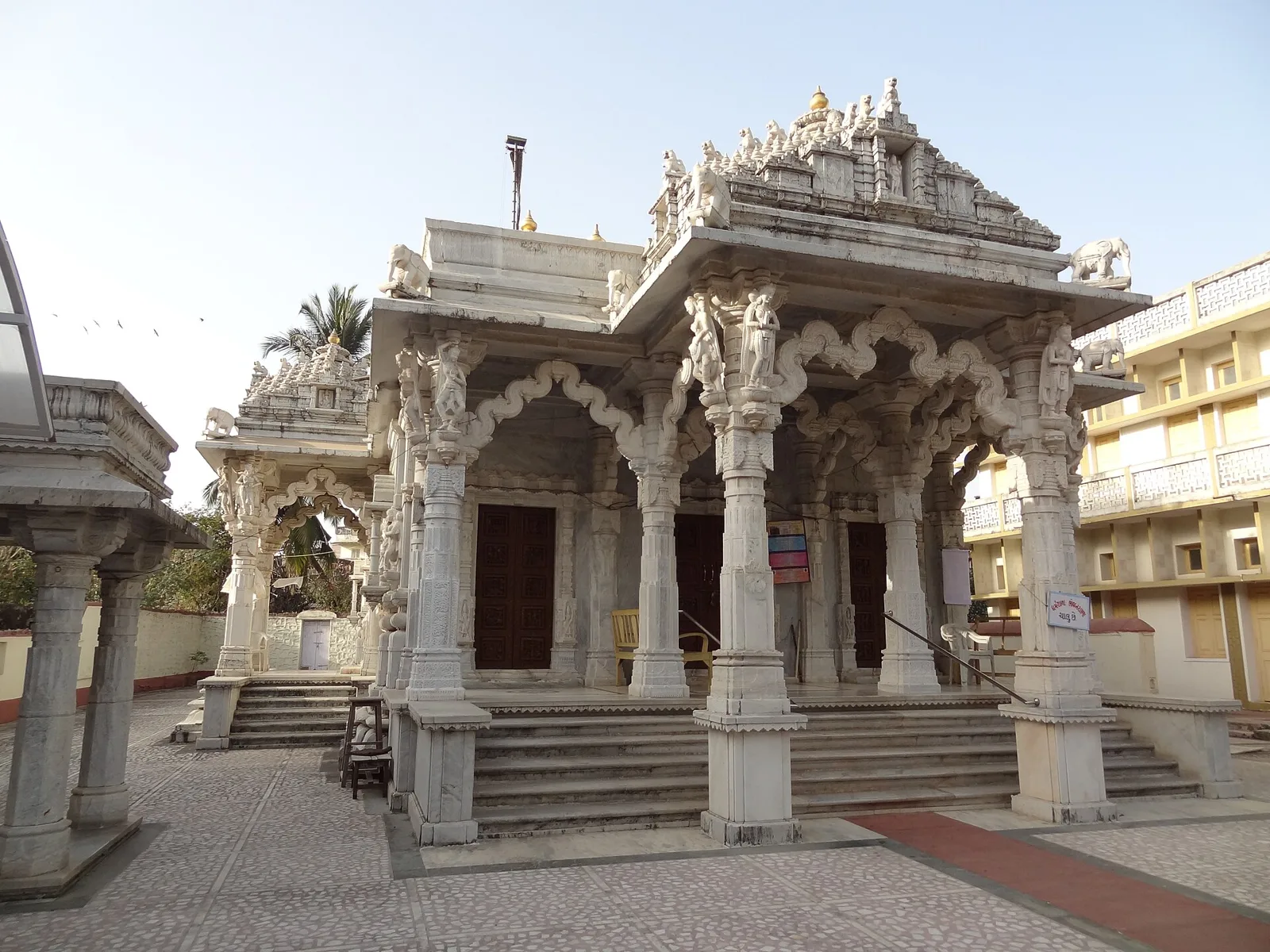
Daman town
Daman is the administrative capital of Dadra and Nagar Haveli and Daman and Diu. Visitors can see its two distinct areas, separated by the Daman Ganga, and the older part of town in Moti-Daman.
Key facts · verified by Ghumoopedia editors
- Type of place
- Heritage monument
- Best time to visit
- October to March; August to October for green forests in Dadra and Nagar Haveli
- Nearest railway station
- Vapi · about 8 km (straight line)
- Nearest airport
- Surat Airport · about 78 km (straight line)
- Verified
- 21 Nov 2026
Plan a trip from Daman town — a day-by-day route through places nearby.
Within Daman district, Daman is a municipal council and the administrative centre of the union territory of Dadra and Nagar Haveli and Daman and Diu. The Daman Ganga River divides the town into Nani-Daman, meaning Little Daman, and Moti-Daman, or Big Daman. Despite its name, Nani-Daman is the larger area; much of the older town lies in Moti-Daman. Moti-Daman contains important facilities, among them major hospitals, supermarkets and large residential areas. Vapi, in Gujarat, is the nearest city. This union territory joins three separate areas: Daman and Diu, two former Portuguese coastal enclaves with forts, churches and quiet beaches, and Dadra and Nagar Haveli, a forested inland region of Warli and Kokna tribal villages around Silvassa, the Madhuban reservoir and the Damanganga river. The coast is hot and humid from March to June; the southwest monsoon from June to September brings heavy rain and rough seas; October to February is warm, dry and pleasant. Dadra and Nagar Haveli is greenest just after the monsoon. The usual best time to visit is October to March; August to October for green forests in Dadra and Nagar Haveli. Timings, fees and access arrangements must be confirmed locally. For official information, see Dadra and Nagar Haveli and Daman and Diu Tourism at https://tourism.dddgov.in.
Why it matters
Daman is the administrative capital of the union territory of Dadra and Nagar Haveli and Daman and Diu, and a coastal town whose historic centre preserves visible traces of Portuguese rule. The Daman Ganga River divides it into Moti Daman and Nani Daman; the old city and major heritage landmarks are mainly in Moti Daman. Forts, churches and historic streets give the town regional importance as a place to understand the former Portuguese coastal enclaves and their later integration into India. Daman is also a living municipal centre, not a single monument. This account does not identify the town as a UNESCO World Heritage Site or claim that every historic building has a separate protected status; visitors should check current conservation and access information locally.
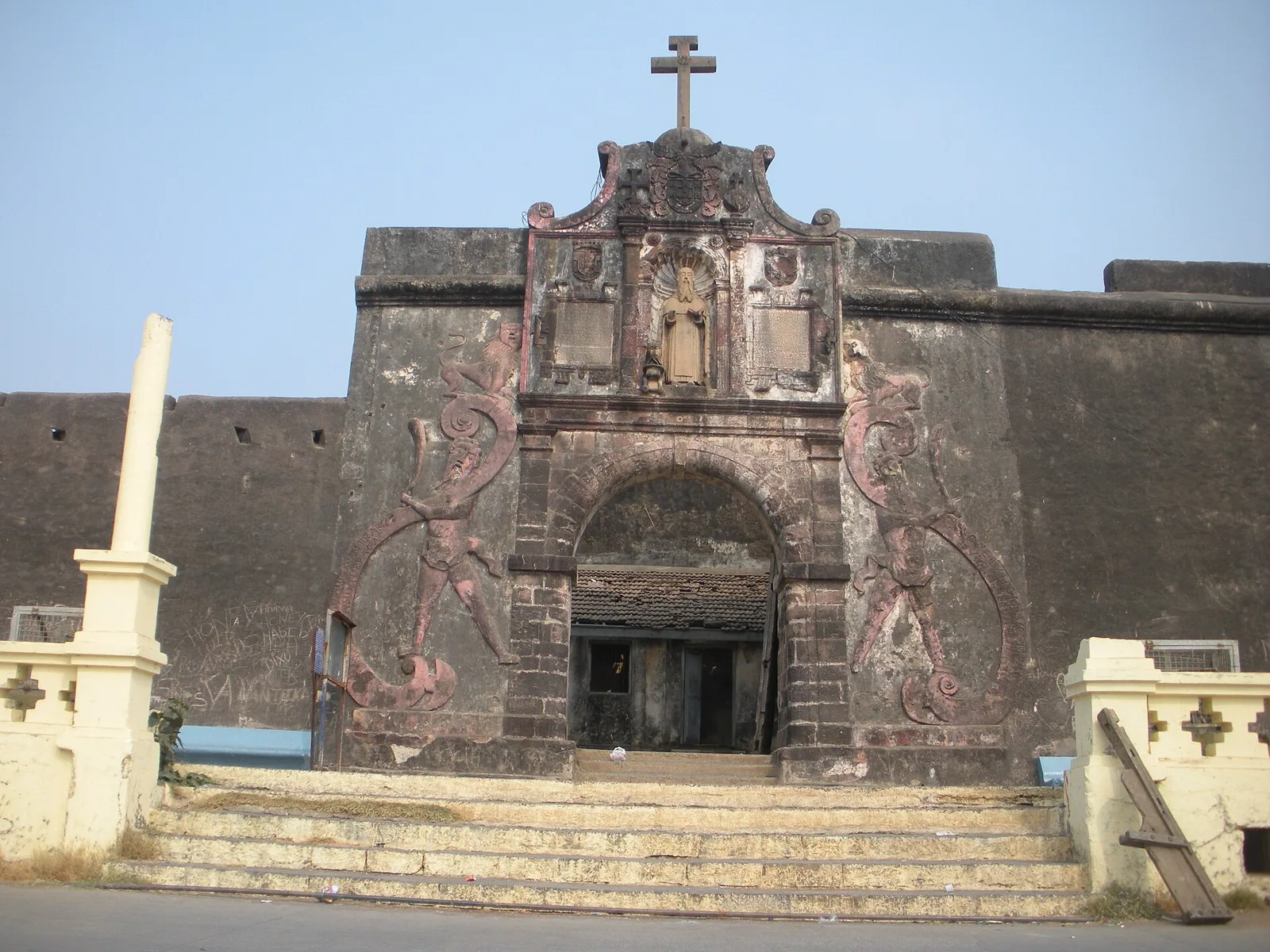
The coast around Daman was inhabited and connected to regional maritime and trading networks before Portuguese rule. Portuguese forces took Daman in 1559, establishing an enclave that remained under Portuguese administration until it became part of India in 1961. Fortifications and churches reflect the period when the settlement served both defensive and administrative purposes. Moti Daman became the principal historic centre, while Nani Daman developed across the Daman Ganga River; despite the names, Nani Daman is now the larger part of the town. Fishing, trade and local communities continued alongside the colonial administration, and Gujarati and other regional influences shaped everyday life. After integration into India, Daman continued as a town and district centre. It is now part of the union territory formed in 2020 by the merger of Dadra and Nagar Haveli with Daman and Diu. Historic structures remain in an inhabited urban setting, where conservation and ordinary civic use meet. For detailed building-by-building dates or restoration records, consult local heritage authorities rather than assuming that all surviving structures belong to one construction phase.
Origin stories & folklore
No single, well-documented founding legend for Daman town can be confidently presented as established history. Local stories and beliefs may connect particular neighbourhoods, places of worship or the Daman Ganga with family and community memories, but these accounts can vary and are best heard from residents or local guides. The town’s layered past—regional settlement, maritime life and Portuguese rule—sometimes encourages stories that explain the origins of its name or landmarks. Treat such explanations as oral tradition unless supported by reliable historical evidence. Visitors can ask respectfully about local stories, especially at churches and older neighbourhoods, while recognising that religious and family traditions may be personal.
Architecture & design
Daman’s heritage is an urban landscape rather than one monument: its most conspicuous historic features include the fortified precinct of Moti Daman, the fort at Nani Daman, churches and older streets. Portuguese-era fortifications use substantial masonry walls, bastions and gateways arranged for defence and controlled access. Within the historic precinct, civic and religious buildings sit alongside homes and later construction. Churches display forms associated with Portuguese Catholic architecture, including prominent façades and interior devotional spaces; details differ from building to building. The settlement’s position beside the Daman Ganga and the coast shaped movement between its two parts, while roads and bridges now connect the modern town. Weathering, repairs and continued occupation mean that materials and finishes can vary. Look for contrasts between defensive stonework, church ornament and everyday vernacular buildings, but do not assume every old-looking feature dates to the Portuguese period.
Important objects & sculptures
There is no single town-wide collection or guaranteed display route. In accessible historic areas, visitors may notice the scale of fort gateways and bastions, defensive openings, masonry details and surviving cannon positions. Churches are places to look for devotional images, carved or decorated altars and memorial inscriptions, where these are visible and the building is open. The appearance and access of individual interiors can change because these are active religious spaces. Some historic objects may be protected, relocated or unavailable for public viewing. Do not touch carvings, altars, inscriptions or fragile surfaces, and ask permission before photographing religious objects or services.
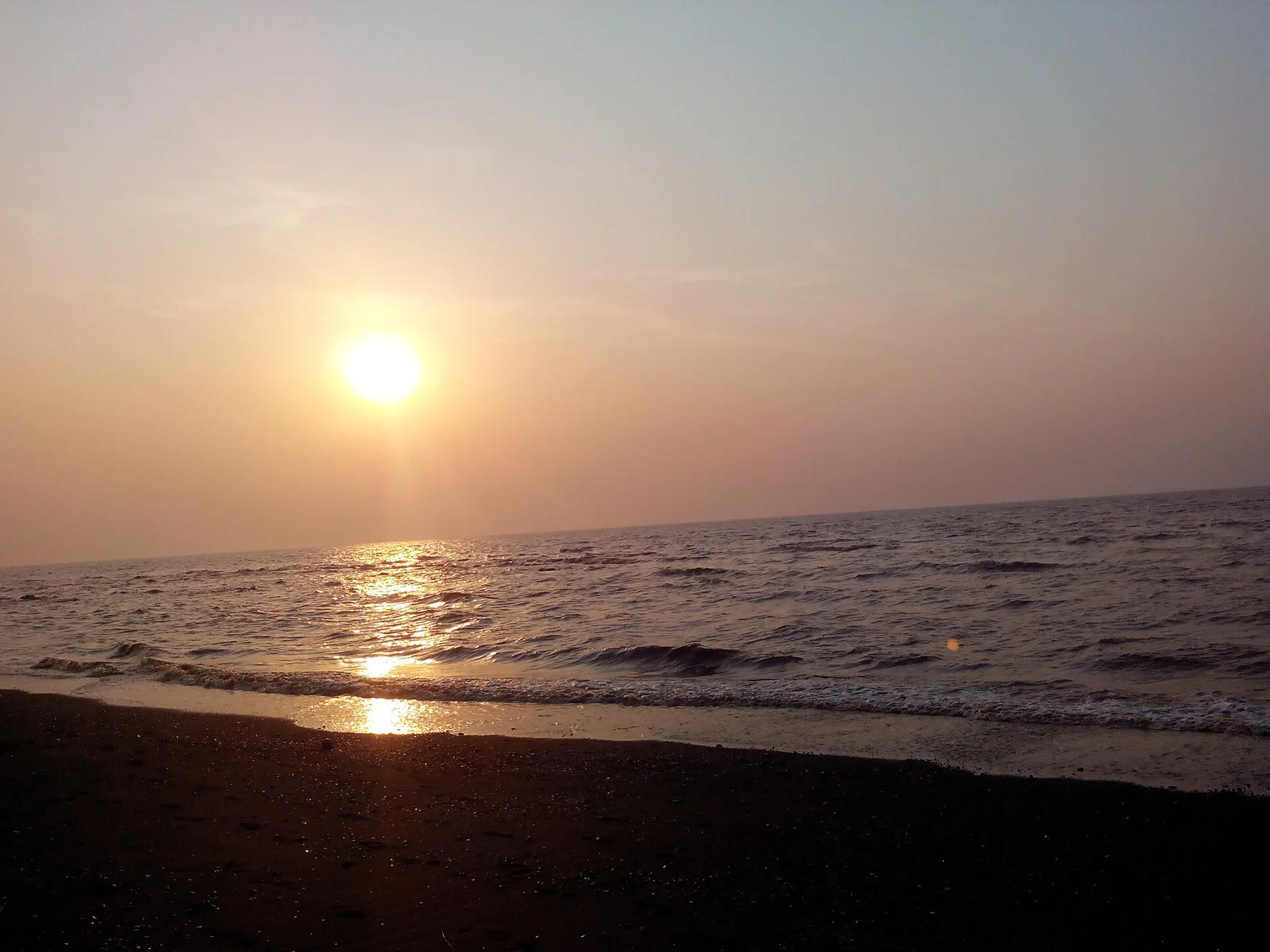
Use Daman town as a base to understand local life: walk through the market, look for local crafts such as Warli paintings, bamboo and tribal crafts from Silvassa, and Portuguese-era tilework and lace in Diu, and ask your host about nearby viewpoints and short excursions. Always ask before photographing people, homes or ceremonies. A comfortable itinerary is one main visit in the morning, a local meal at midday and a short nearby stop before an afternoon return. Visit forts and churches in the morning and spend sunset on a beach; in Diu, a scooter makes it easy to cover the forts, caves and beaches in a day. Use the district list on this site to find other places in Daman, but check the route and its condition before combining stops. If a festival is on — such as Christmas and the feasts of the Portuguese-era churches, the Tarpa tribal festival in Silvassa, Navratri garba or Diwali — transport and stays can be busy, and the experience can be unforgettable. Keep beaches clean and do not leave bottles or plastic behind.
Suggested itineraries
Half day: Moti Daman Fort and historic streets (about 1.5–2 hours), visit an accessible church if open (30–60 minutes), then take a short stop at the riverfront. Full day: Moti Daman Fort and church (2–3 hours), lunch and rest (about 1 hour), Nani Daman Fort (about 1 hour), then choose Devka or Jampore Beach for a relaxed late-day visit (1–2 hours). Gentler option: Use a taxi between one historic site and a nearby café or shaded resting place; visit only the most accessible areas and allow extra breaks.
Daman is a working town as well as a heritage destination. Gujarati is widely used, alongside Hindi and other regional languages; Portuguese remains part of the historical record, rather than a language visitors should expect to hear commonly. Local life reflects coastal livelihoods, regional food traditions and the town’s layered Indian and Portuguese past. Catholic communities maintain active churches and observances, while Hindu festivals and neighbourhood celebrations are also part of the calendar. Music, dance and dress vary by community and occasion, so a single performance should not be taken as representative of everyone. Ask before photographing residents, homes, ceremonies or worship, and follow local guidance at active religious sites.
Festivals & events
Christmas and the feast days of Daman’s Portuguese-era churches bring religious observances and can make nearby streets busier. Navratri, usually in the autumn, and Diwali are celebrated in the wider town and may affect local traffic, accommodation and business hours. Festival dates change from year to year, and the scale of events varies by neighbourhood. Visitors should check locally for public celebrations and any access arrangements around churches or gathering places. Dress and behave respectfully at religious events, and ask before taking photographs during services or ceremonies.
Local food in Dadra and Nagar Haveli and Daman and Diu includes fresh seafood, Portuguese-influenced dishes such as sorpotel and vindaloo, Gujarati thalis and snacks, and in Silvassa, tribal Warli and Kokna dishes made with local rice, millet and forest greens. Ask what is fresh that day; many small eateries cook a limited daily menu. Daman and Diu are known for seafood shacks near the beaches; Silvassa has Gujarati and North Indian vegetarian restaurants. Remote sites may have no restaurant at all. Carry water and snacks, eat a proper breakfast before long journeys, and ask your accommodation for a packed lunch if you are heading out early. Try a home-cooked or local meal when you can — it is often the best food on the route. Choose busy, clean places, drink sealed or filtered water, and carry your packaging back with you.
Shopping & local experiences
Town markets are useful for everyday goods, snacks and locally prepared food. Visitors may find crafts associated with the wider region, including Warli paintings and bamboo or tribal crafts linked particularly with Silvassa, but these are not guaranteed to be made in Daman. Portuguese-era tilework and lace are more closely associated with Diu, so confirm a product’s origin before buying it as a local Daman souvenir. Ask permission before photographing craft sellers or workshops, and choose items respectfully rather than removing material from historic sites. Check locally for current market activity and opening arrangements.
October to March; August to October for green forests in Dadra and Nagar Haveli
The nearest principal railway station by straight-line distance is Vapi, roughly 8 km away. The nearest operating airport by straight-line distance is Surat Airport, roughly 78 km away. These figures are calculated from map coordinates — actual road distance is longer. Vapi station on the Mumbai–Ahmedabad line is the gateway for Daman (about 12 km) and Silvassa (about 18 km); Surat and Mumbai airports have the widest choice of flights. Diu is on a separate island off the Saurashtra coast, with a small airport, the nearest railheads at Veraval and Una, and buses from Ahmedabad and Rajkot. For the final leg, local buses, autos and taxis, with rented scooters and bicycles popular in Diu cover the local area. A private taxi gives more flexibility for spread-out sights. When comparing train, bus and flight, count the complete door-to-door time: a flight saves the most time only if the onward transfer is short, while an overnight train can save a hotel night. For Daman and Silvassa, a fast train to Vapi is usually quicker than flying, since the station is a short drive away. For Diu, flying to Diu airport saves a long road journey, while trains only go as far as Veraval. Book your return before you leave, because seats fill quickly on weekends, festivals and holidays. Current train numbers, timings, return services, ferry departures and fares are not listed here; check IRCTC and NTES for trains, the airline's own schedule for flights and the official operator for ships and ferries. No permit is needed. Daman and Diu allow the sale of alcohol, unlike the surrounding state of Gujarat, which has prohibition — carrying liquor back into Gujarat is an offence, and police check vehicles at the border. Drinking on beaches and in public places is restricted.
Confirm onward and return timings on IRCTC / NTES, the state bus operator or your airline before travel. A dash means current timings or fares have not been verified.
Getting around
Autos, taxis and local buses can help visitors move between the two sides of town and its beaches, though service and availability should be checked locally. A taxi is useful for combining several spread-out stops; ask the driver to confirm the route and waiting arrangements before departure. Walking works well within compact historic areas, but allow for uneven surfaces and heat. Bridges connect the parts divided by the Daman Ganga, and road traffic can be busy. Parking availability varies near popular sites and beaches, so avoid blocking local access and follow signs. Do not assume a boat service is available as routine transport.
Hours, tickets & permissions
Daman’s streets and public areas do not share one entry policy, and individual forts, churches or other historic sites may have separate access rules. Some religious interiors may be closed during services or unavailable to visitors, while conservation work can also affect access. Tickets, permits, camera restrictions, dress expectations and identification requirements, where applicable, depend on the site and current management. Confirm current opening arrangements and any fees with the relevant managing authority or locally before setting out; do not rely on old online listings.
Facilities
Facilities vary by site. In town, visitors can usually find food, shops, drinking water for purchase and cash services, but availability and opening arrangements should be checked locally. Toilets may be available near public attractions or commercial areas, but should not be assumed inside every fort or church. Parking is more likely around larger public sites and beaches than within narrow historic streets. Guide availability is not guaranteed; arrange a knowledgeable local guide in advance if detailed interpretation is important. Carry water, sun protection and any personal supplies you need, particularly when visiting more than one area.
Accessibility
Access differs from one street and building to another. Fort precincts can involve long walks, uneven paving, steps, narrow passages and exposed stretches with limited shade; church entrances and interiors may also have steps. These conditions can make independent wheelchair or stroller access difficult, and ramps or lifts should not be assumed. Older visitors or anyone with limited mobility may find a short, taxi-assisted visit to one accessible area more comfortable than a full walking circuit. Check the route and current site access locally, travel with assistance if needed, and plan rest stops, water and sun protection.
No permit is needed. Daman and Diu allow the sale of alcohol, unlike the surrounding state of Gujarat, which has prohibition — carrying liquor back into Gujarat is an offence, and police check vehicles at the border. Drinking on beaches and in public places is restricted. Carry a photo ID at all times and save the emergency number 112 and your accommodation's contact offline. The sea can be rough, especially from June to September: swim only at lifeguarded beaches and follow red-flag warnings; Daman's beaches have strong tides and dark, muddy water. Watch your belongings in crowds and on public transport, and follow posted instructions.
Photography
Morning or late-afternoon light can bring out the texture of fort walls and historic streets, while the river and coastal areas offer broader views. Photography rules differ by site and may be restricted inside churches or during services; ask staff or worshippers before taking pictures. Do not photograph people, homes or ceremonies without permission. Drone use may require approvals and can be restricted near public, heritage or sensitive locations, so check applicable rules before flying. Avoid climbing on walls or placing equipment where it obstructs residents or worshippers.
Choose a stay by the full journey to Daman town, not just the district name. Daman's Devka and Jampore beaches and Diu's Nagoa beach have resorts and mid-range hotels; Silvassa has business hotels and forest resorts around Khanvel and Dudhni. Weekends are busy with visitors from Gujarat and Mumbai. In the hot months, check air-conditioning; in the monsoon, check that the property is reachable if roads flood or ferries are cancelled. Book in advance for weekends, festivals and the peak season (October to March; August to October for green forests in Dadra and Nagar Haveli). Confirm the exact location, meals included, check-in time and cancellation terms in writing. Avoid sending money to unverified contacts or touts at stations, airports and jetties. Carry some cash, as card and digital payments can be unreliable in remote areas.
Within Daman, visitors can combine the historic centre with Nani Daman Fort, also known as St Jerome Fort, and the churches of Moti Daman where access is available. Devka Beach and Jampore Beach offer different coastal settings for a separate stop; check sea and weather conditions, especially during the monsoon. The Daman Ganga provides the town’s geographic divide and is a useful orientation point. Vapi in Gujarat is the nearest major city and transport gateway, but it is a separate urban centre rather than part of Daman’s heritage precinct. Diu is another former Portuguese enclave in the union territory, but it is a separate destination and is not a practical same-day add-on for most visitors.
For couples, Daman town rewards a slow pace: arrive early for soft light and fewer crowds, share a local meal and keep the evening free. A sunset at Diu Fort, a walk through Moti Daman's fortified quarter, a quiet beach morning at Nagoa or boating on Dudhni lake makes the trip memorable. Public displays of affection can be frowned upon in conservative communities and at religious sites, so be discreet. Keep a buffer in your itinerary, because weather and transport can delay plans.
Q: How much time should I allow for Daman town? A: A half day can cover one historic area; a full day allows time for both sides of town and a beach stop. Q: When is a comfortable season to visit? A: October to March is generally the more comfortable period. The monsoon brings heavy rain and rough coastal conditions. Q: Is entry to the forts and churches free? A: Entry rules vary by site and may change. Confirm current access and any fees with the managing authority locally. Q: Is Daman suitable for children and older visitors? A: Yes, with planning, but heat, uneven paving and steps can make long walks tiring. Use transport between areas and take breaks. Q: Where should I stay nearby? A: Daman has accommodation options in and around town. Vapi is another transport gateway; check location and current availability before booking.
Be the first to share photos, stories, advice or a helpful contact for Daman town.
Loading…