
Ghumoopedia — Explore, Discover, Experience
Sign in
Daman town, near Daman

City guide · Dadra and Nagar Haveli and Daman and Diu

Daman

Daman is the administrative capital of Dadra and Nagar Haveli and Daman and Diu. Visitors can see its two distinct areas, separated by the Daman Ganga, and the older part of town in Moti-Daman.

Famous for

  • Moti Daman Fort
  • Portuguese-era churches
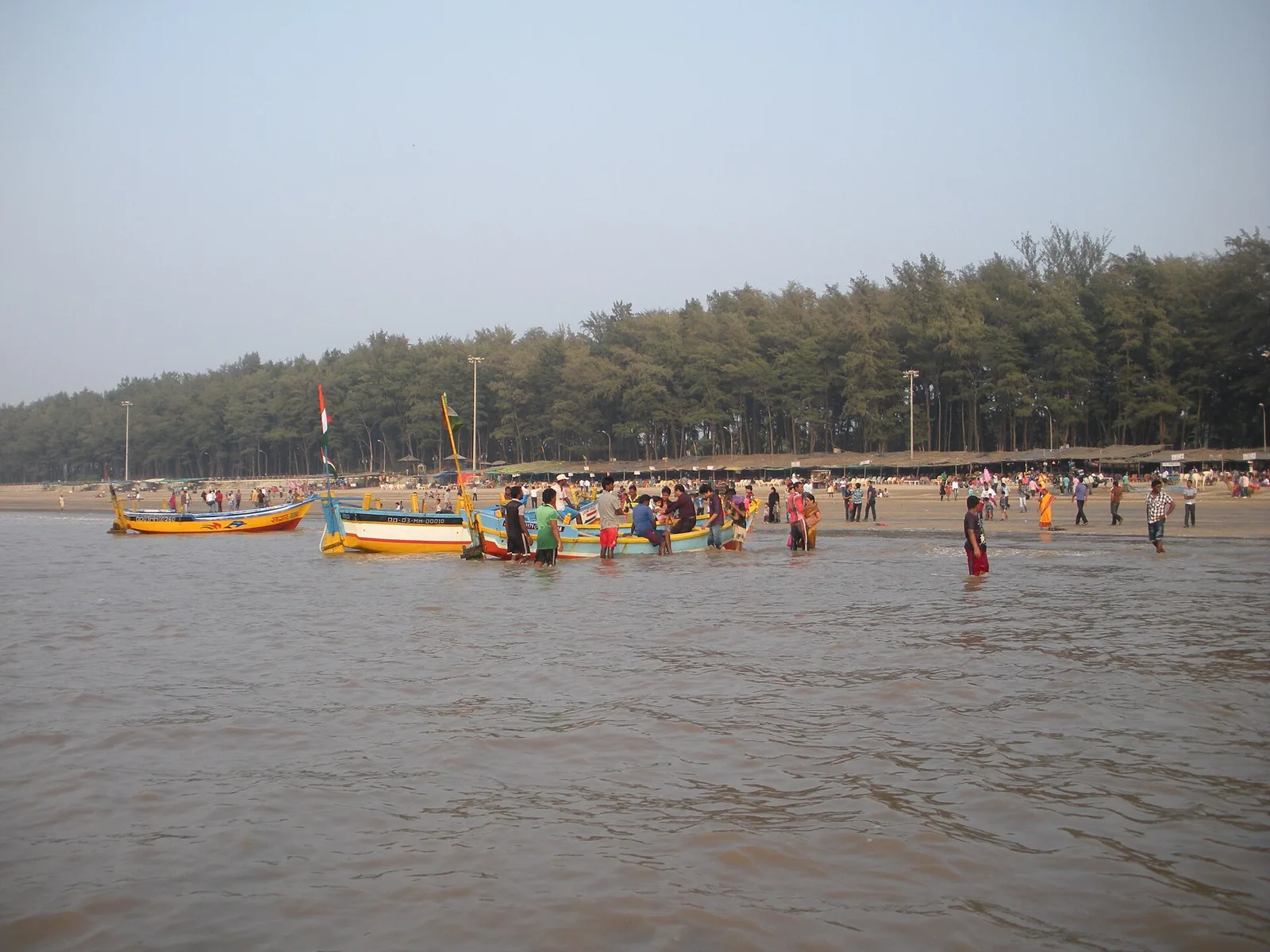
  • Jampore Beach
  • Devka Beach
  • Coastal seafood
In the city
2
District
Daman

Why Daman matters

Daman is a coastal city on the Arabian Sea and the administrative capital of the union territory of Dadra and Nagar Haveli and Daman and Diu. Its compact historic centre, Portuguese-era architecture and beaches make it a popular short-break destination, especially for travellers from Gujarat and Maharashtra. The Daman Ganga River divides the city into Moti Daman and Nani Daman: the old fortified quarter lies mainly in Moti Daman, while Nani Daman is the larger, busier urban area.

Visitors come to walk the ramparts of Moti Daman Fort, see historic churches and spend time at Devka and Jampore beaches. The city’s character also reflects its long period under Portuguese rule, alongside Gujarati coastal traditions and modern Indian life. Daman is connected to the nearby industrial and commercial centres of southern Gujarat, with Vapi the closest major city. Its mix of heritage, sea views and easy access from regional road and rail networks gives it importance both as a local administrative centre and as a leisure destination.
Famous for: crafts, trade & products

Daman is better known for its coastal setting, historic landmarks and manufacturing activity than for a distinctive saree tradition or a widely recognised GI-tagged craft. The wider Daman–Vapi belt has industrial estates and businesses in areas such as pharmaceuticals, plastics, textiles and engineering. These are part of the region’s modern economy, though factory products are generally traded through commercial and industrial channels rather than sold as tourist souvenirs.

For everyday shopping, visitors can browse the commercial streets and local markets of Nani Daman for clothing, household goods, snacks and travel essentials. Small shops around the older quarters offer religious items and locally used goods, while beachside areas have seasonal stalls and casual eateries. Seafood and packaged regional foods are easier to find than a single signature Daman-made product. The city’s most enduring, publicly visible heritage is architectural: the fort precincts, churches and historic streets, rather than a specialised craft market. Travellers looking for particular locally made goods should check labels and ask sellers about the place of manufacture.

History

The name Daman is associated with the Daman Ganga River, which remains a defining feature of the city. The area was part of changing western Indian polities: Daman was linked with the Ramnagar state and later came under the influence of the Gujarat sultans. In the 16th century, Portuguese power took hold along this coast. Portuguese captain-major Diogo de Melo reached Daman in 1523 after a storm drove his vessel ashore; the Portuguese subsequently established a colony that lasted for more than four centuries.

Moti Daman Fort was built during the Portuguese period as a defensive stronghold, and much of its historic fabric survives. The city’s churches and street layout also bear traces of that era. Daman became part of India in December 1961, following the end of Portuguese rule. In recent decades, improved regional transport, tourism and industrial development have shaped the modern city. Since 2020, Daman has been part of the union territory of Dadra and Nagar Haveli and Daman and Diu.

Food, festivals & culture

Daman’s food reflects its coastal setting and its Gujarati and Portuguese-influenced histories. Seafood is widely enjoyed, often served with rice, while Gujarati-style vegetarian dishes are also common. Cafés and restaurants cater to visitors with Indian and familiar international options; there is no single dish that defines every local table. Sweets and snacks are available in neighbourhood shops and markets, with choices varying by season and community.

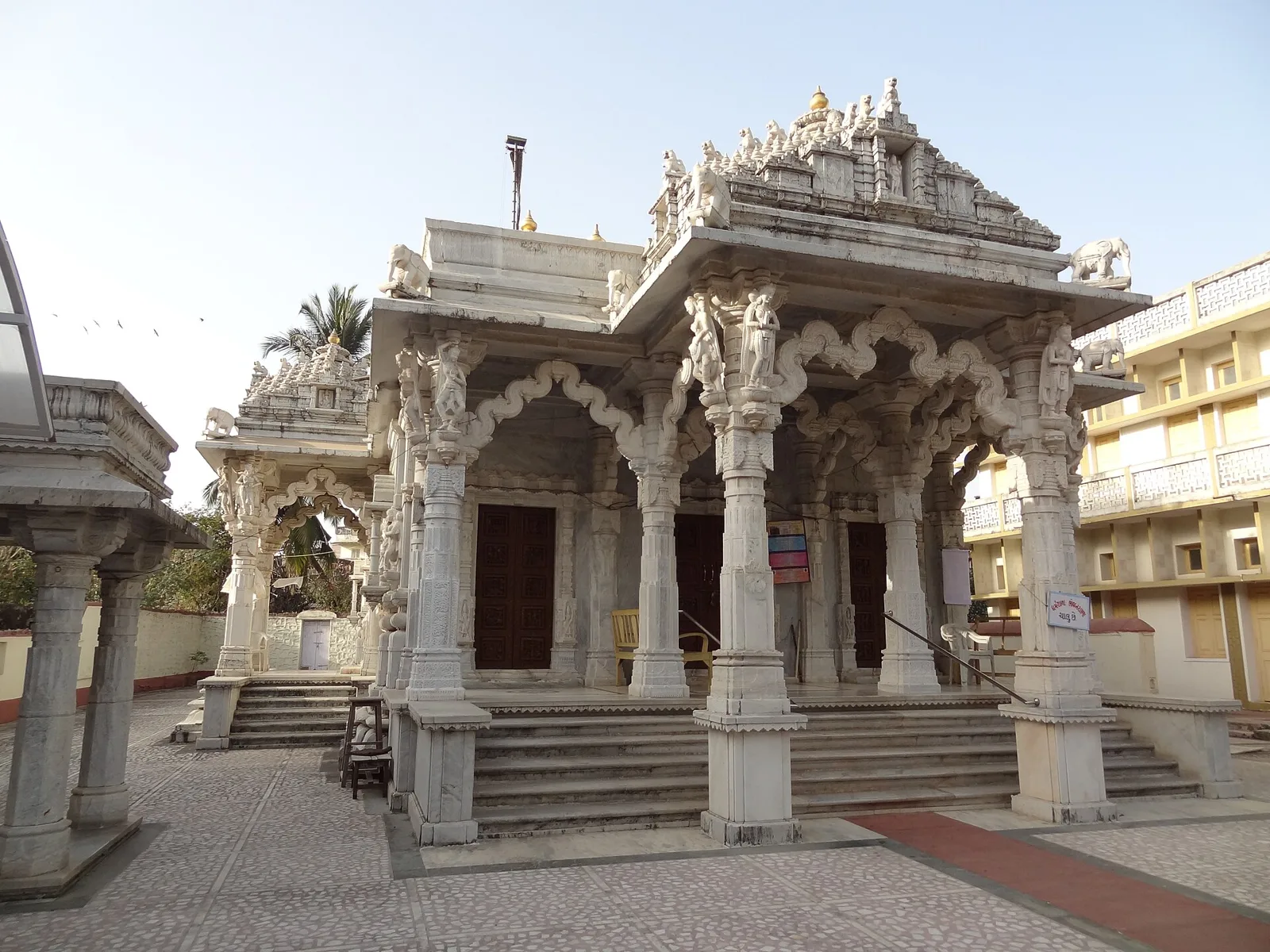
Navratri, usually in autumn, brings devotional celebrations and garba; Diwali is marked with lights and family gatherings. Christmas is observed by Christian communities, and Eid and other religious occasions are celebrated across the city. Gujarati and Hindi are widely heard, with Marathi and English also used; Portuguese survives mainly as part of the region’s historical legacy. Places of worship include the historic Basilica of Bom Jesus in Moti Daman and churches in Nani Daman, alongside Hindu and Jain temples. Music and dance at public celebrations draw on broader Gujarati and western Indian traditions.

Visiting the city

The cooler, drier months from November to February are generally the most comfortable for exploring Daman. Surat Airport is a nearby commercial air connection; Daman also has an airfield that is not a regular commercial passenger airport. Vapi railway station, in Gujarat, is the main rail gateway for visitors, with onward travel by road. Check current transport connections before setting out.

Taxis, auto-rickshaws and local vehicles are useful for getting between the riverbanks and beaches. Moti Daman is best for the fort, historic streets and churches; Nani Daman offers busy commercial areas and its own historic waterfront. Devka Beach is close to the urban centre, while Jampore Beach is a popular option farther south. Allow time to cross between the two sides of the Daman Ganga and to explore the riverfront as well as the coast.

Attractions

Places to visit in Daman

Sights within about 12 km of each other, even when they fall in different districts.

Map

Daman on the map

  1. 1Daman town
  2. 2Jampore Beach

Dadra and Nagar Haveli and Daman and Diu

Other cities to explore