Ghumoopedia — Explore, Discover, Experience
Sign in
Diu town, near Diu

City guide · Dadra and Nagar Haveli and Daman and Diu

Diu

Diu is a medieval fortified town on Diu Island, known for its fort, old Portuguese cathedral and fishing-town character. Visitors come to explore its historic landmarks.

Famous for

  • Diu Fort
  • Portuguese heritage
  • St Paul's Church
  • Seafood and fishing
  • Arabian Sea beaches
In the city
6
District
Diu
Plan a tripHotels near Diu

Why Diu matters

At the eastern end of Diu Island, Diu is a small coastal town whose identity is shaped by the sea and its Portuguese-era past. Once a strategic port on Arabian Sea trade routes, it is now part of the Union Territory of Dadra and Nagar Haveli and Daman and Diu. Fishing remains part of local life, while tourism brings visitors to its fort, historic churches, temples and beaches.

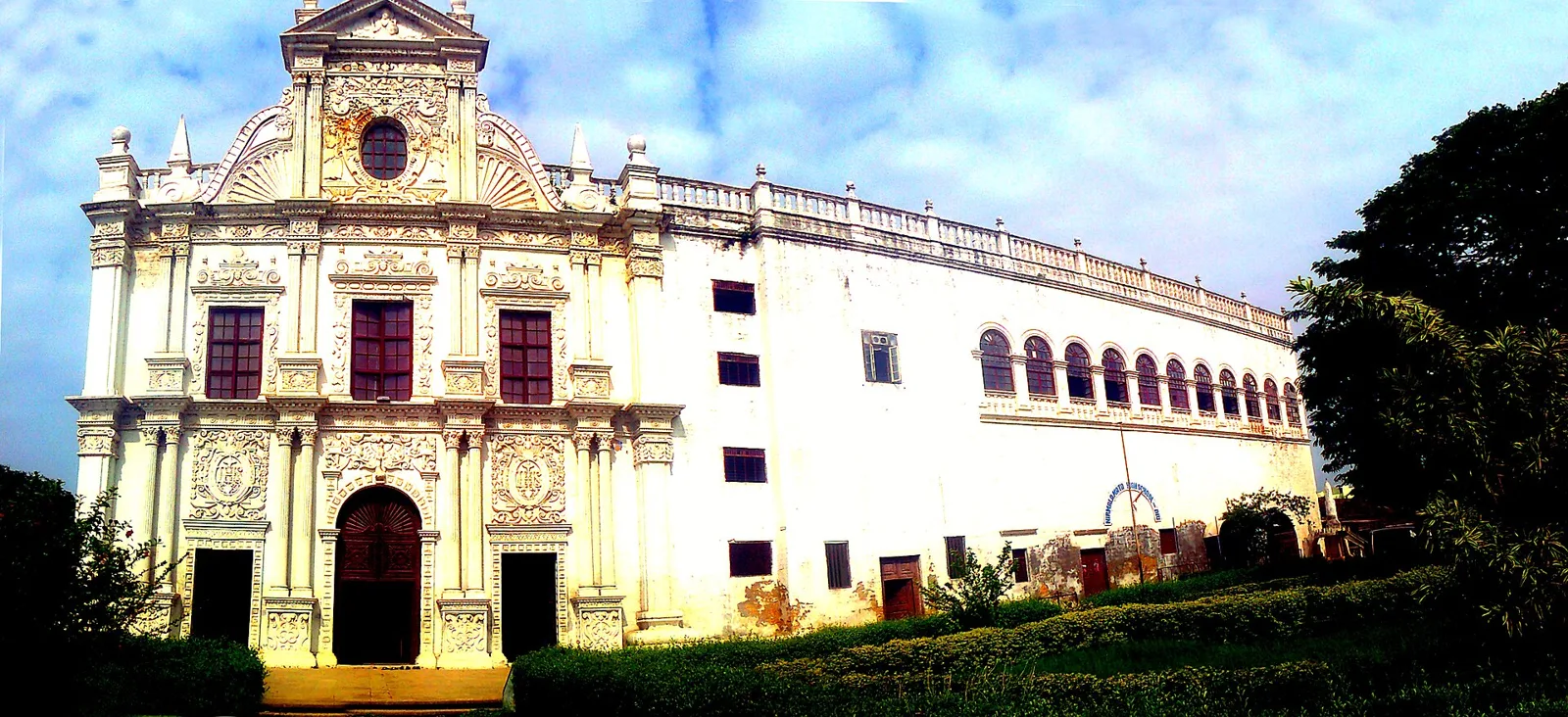
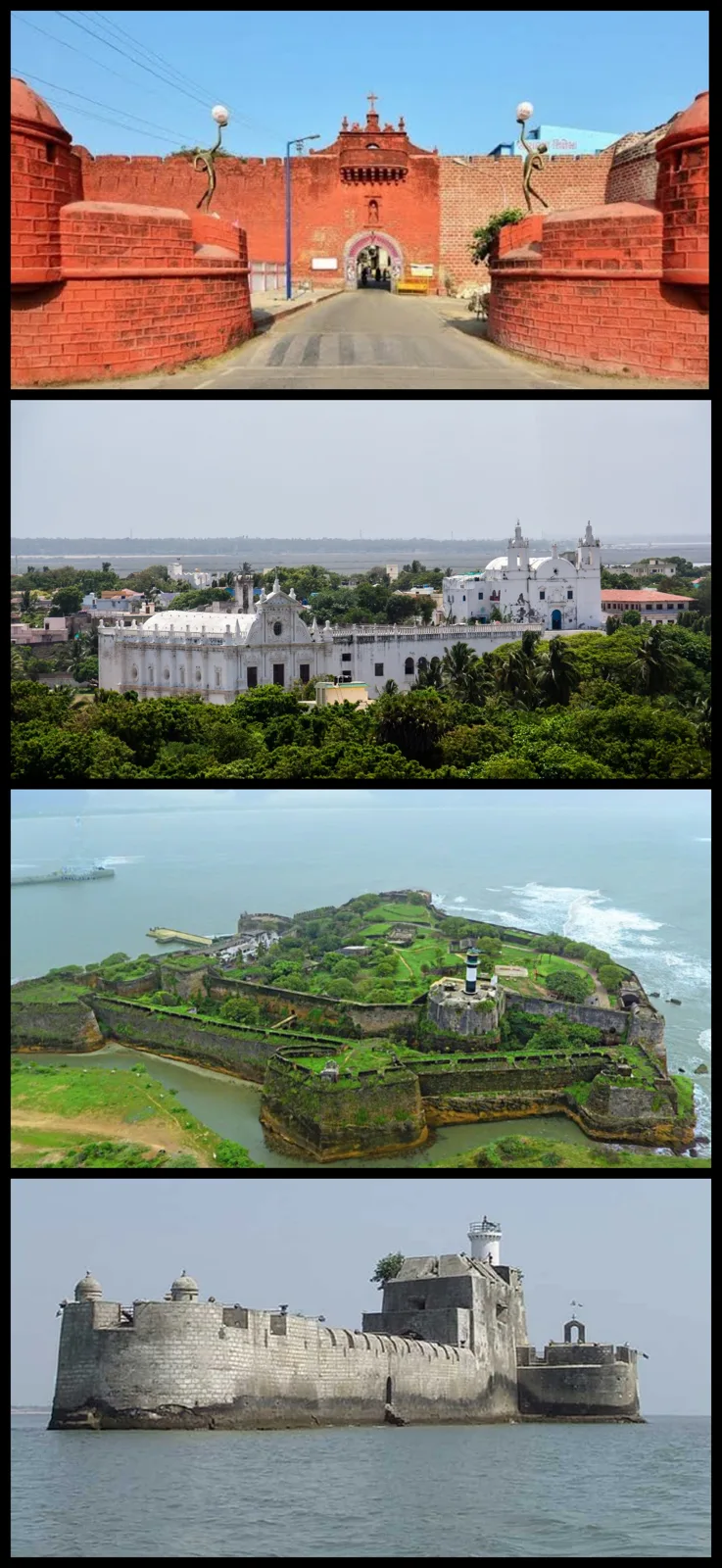
Diu Fort is the town’s landmark, with massive walls and sea views; nearby, St Paul’s Church is noted for its ornate Portuguese-influenced architecture. The old town’s lanes and waterfront give a sense of Diu’s layered history, while Nagoa and Ghoghla beaches offer a more relaxed coastal escape. Visitors also come for seafood and the blend of Gujarati traditions with Portuguese architectural and cultural traces. Diu is compact and generally unhurried, making it a rewarding stop for travellers exploring Gujarat’s Saurashtra coast or combining a beach break with heritage sightseeing.
Famous for: crafts, trade & products

Diu is better known for its coastal setting, fishing and historic architecture than for textiles or large-scale handicraft production. It is not widely identified with a signature saree, major craft industry or locally associated GI-tagged product. The working waterfront and local fish markets reflect the town’s continuing connection to the sea; seafood restaurants and eateries are the most visible places to experience that local trade.

In the town’s central markets, visitors can browse everyday goods, snacks and small tourist souvenirs. Shops near popular visitor areas may carry beach-themed keepsakes, but Diu is not a major destination for a distinct craft or textile-shopping tradition. For a sense of local commerce, explore the town centre and market lanes, then look for fresh catch and regional ingredients in neighbourhood shops. Diu’s strongest “products” for visitors are experiential: Portuguese-era buildings, coastal scenery and seafood shaped by a fishing-town setting, rather than a specialised manufacturing or export sector.

History

Diu was historically linked to Saurashtra and occupied a strategic position on maritime routes across the Arabian Sea. Its importance drew competing regional and overseas powers; the Battle of Diu in 1509 was part of a wider contest for control of Indian Ocean trade. After several unsuccessful Portuguese attempts to establish a foothold, the Sultan of Gujarat permitted them to build a fort in 1535 as part of a defensive arrangement. The relationship soon broke down, and Portuguese forces held Diu through repeated sieges. The fortress, strengthened after the mid-sixteenth-century conflicts, remains the town’s defining historic structure.

Portuguese rule continued until Indian forces took control in 1961. Diu then formed part of the union territory of Goa, Daman and Diu; after Goa became a state in 1987, it remained with Daman and Diu. In 2020, that territory merged with Dadra and Nagar Haveli to form the present union territory. Diu’s former strategic port role has largely given way to fishing and tourism.

Food, festivals & culture

Gujarati is the principal local language, and Hindi is also widely understood; English is useful in visitor-facing businesses. Everyday culture reflects Diu’s Saurashtrian setting and its long Portuguese connection. Seafood is a highlight, including fish and prawn preparations, alongside Gujarati and Kathiawadi meals, snacks and sweets. Menus vary by season and restaurant, so local eateries are a good place to ask what is freshly available.

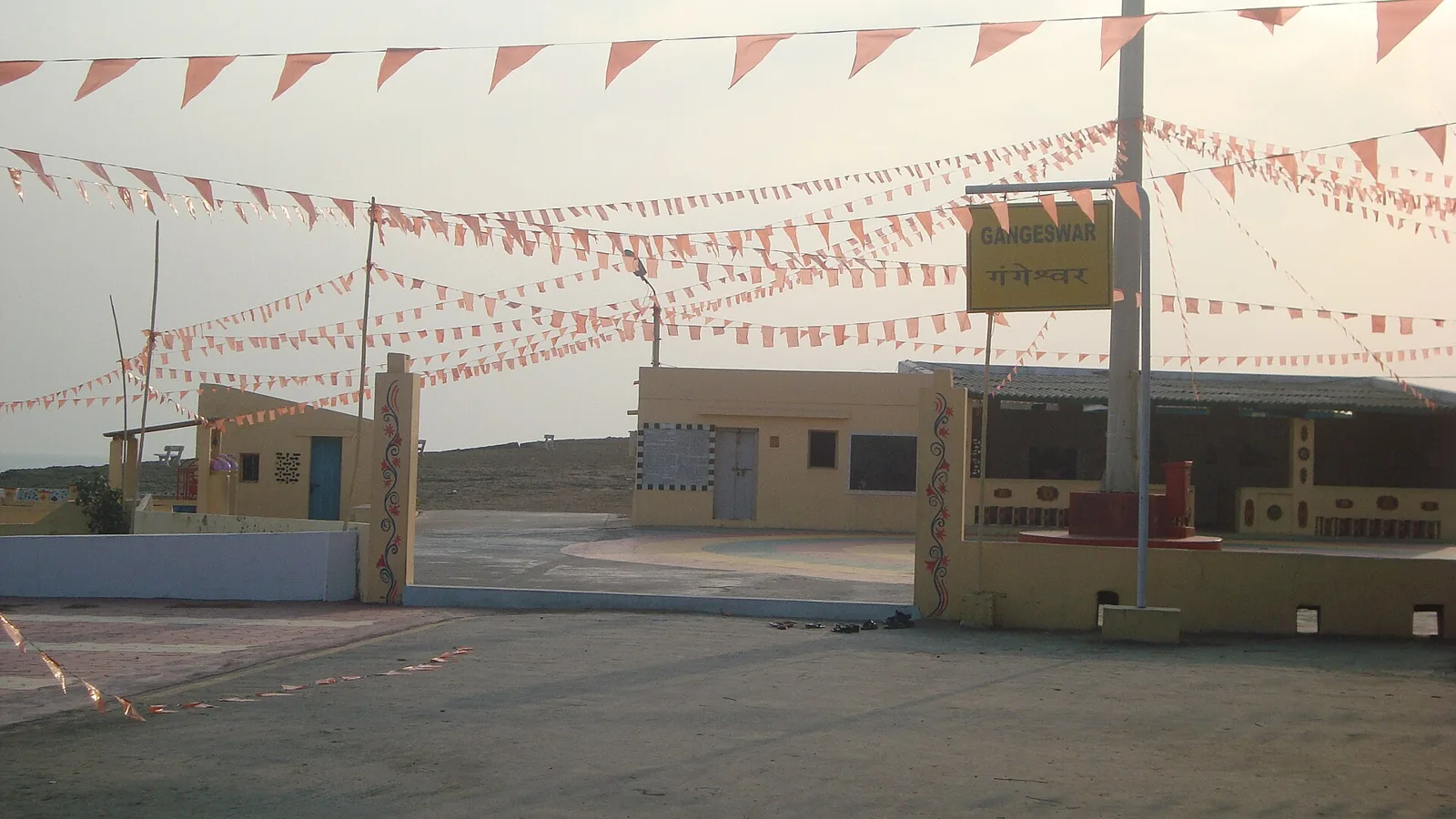
Navratri in autumn brings Gujarati garba and community celebrations; Diwali and Holi are also widely observed. The fishing community marks Nariyal Purnima around the monsoon season, a festival associated with the sea and the resumption of fishing. Christmas is visible in the town’s Christian heritage, particularly around its historic churches, while Eid is celebrated by the Muslim community. St Paul’s Church and St Thomas Church are prominent Christian landmarks; Gangeshwar Mahadev Temple and the Jallandhar shrine are important Hindu places of worship. Local folk music and garba sit alongside the architectural legacy of Portuguese-era churches.

Visiting the city

The cooler, generally drier months from November to February are comfortable for sightseeing and beach visits; summer is hot, and monsoon weather can affect outdoor plans. Diu Airport serves the town, though flight availability can vary. Delwada is the nearest railway station; Veraval is a larger railhead used by many travellers continuing to Diu by road.

Auto-rickshaws and taxis are useful for getting around, and visitors can arrange local transport for beaches and sights. The compact old town is best explored on foot, especially around Diu Fort, the churches and central market lanes. Nagoa Beach is a popular coastal stop, while Ghoghla offers another broad beach across the causeway. Allow time for the waterfront and fishing areas as well as the main historic sites.

Attractions

Places to visit in Diu

Sights within about 12 km of each other, even when they fall in different districts.

Map

Diu on the map

  1. 1Diu town
  2. 2Diu Fort
  3. 3Gangeshwar Mahadev Temple
  4. 4Ghoghla Beach
  5. 5Nagoa Beach
  6. 6St. Paul's Church

Dadra and Nagar Haveli and Daman and Diu

Other cities to explore