
Ghumoopedia — Explore, Discover, Experience
Sign in
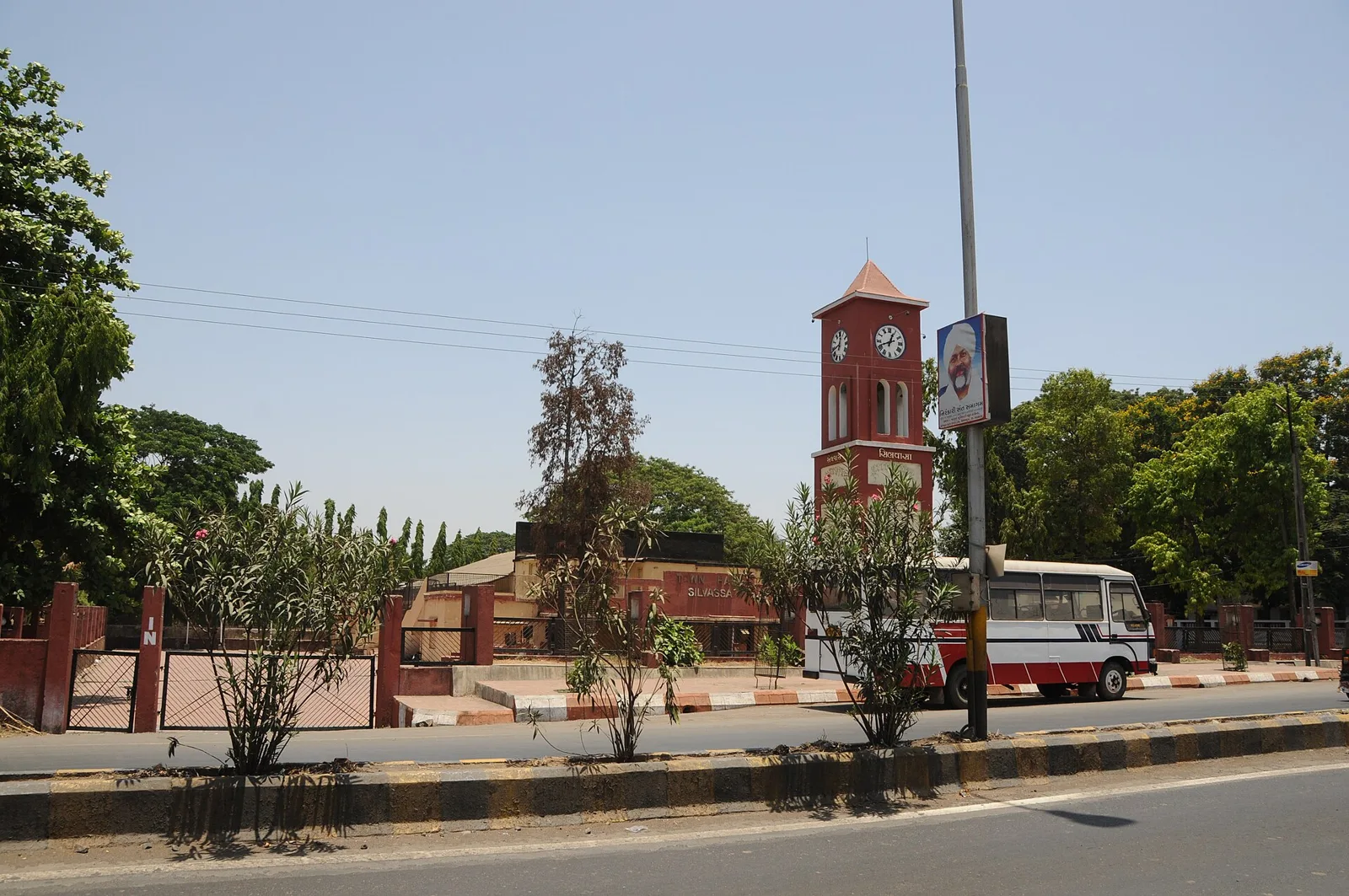
Silvassa, near Silvassa

City guide · Dadra and Nagar Haveli and Daman and Diu

Silvassa

Silvassa is a western Indian city and the administrative centre of Dadra and Nagar Haveli district. Its status as the Union territory’s largest city and its selection for the Smart Cities Mission are reasons for visitors to take note of it.

Famous for

  • Warli tribal art
  • Tarpa dance
  • Vanganga Lake Garden
  • Dudhni lake
  • Textile and plastics industries
In the city
2
District
Dadra and Nagar Haveli

Why Silvassa matters

Silvassa is the administrative headquarters of Dadra and Nagar Haveli district and a key service and commercial centre in the Union territory of Dadra and Nagar Haveli and Daman and Diu. Set inland along the Daman Ganga River, it offers a different pace from the territory’s coastal towns, with gardens, woodland and easy access to lakes and forested countryside. The city is also a useful base for exploring nearby places such as Dudhni and Khanvel.

Visitors come for the Tribal Cultural Museum, the Vanganga Lake Garden and the region’s Warli heritage, as well as for a relaxed break among green landscapes. Silvassa’s economy includes manufacturing, particularly textiles, plastics and other industrial goods, and the city has been included in the Government of India’s Smart Cities Mission. Its mix of administrative importance, tribal culture and nature-focused attractions makes it a distinctive stop in western India.

Famous for: crafts, trade & products

Silvassa is better known for manufacturing than for a signature handloom tradition. Textile units operate alongside plastics, pharmaceutical, engineering and electrical industries in the city’s wider industrial belt. Shops in the town centre and local markets sell garments and textiles, including sarees, but these are generally part of broader regional trade rather than a distinctive Silvassa weave. The city is not especially known for a specific GI-tagged saree or craft product.

Warli painting is the best-known local art tradition, alongside bamboo work and other tribal crafts. The Tribal Cultural Museum offers a way to learn about the area’s communities and material culture; craft and souvenir availability in nearby shops can vary. For everyday shopping, explore the central town markets for clothing, household goods and regional snacks. Visitors looking for industrial products will find that many businesses serve wholesale and commercial customers, rather than operating as tourist-facing factory outlets.

History

Until the late nineteenth century, Silvassa was a small village in Portuguese India. Its prominence grew when the Portuguese administration decided to move the seat of the Pragana Nagar Avely municipality inland from Darará. In 1885, the town was officially designated a vila and named Paço de Arcos, after a town near Lisbon. The Portuguese name appeared in official use, but Silvassa remained the name commonly used by residents.

Silvassa served as the municipal capital during the colonial period. Portuguese administration in the territory ended in 1954, and the territory was formally integrated into India in 1961. Silvassa subsequently developed as the district headquarters and an administrative and industrial centre. Manufacturing helped shape its modern economy, while public services and tourism expanded alongside it. Today, it is part of the merged Union territory of Dadra and Nagar Haveli and Daman and Diu, formed in 2020, and has been selected for the national Smart Cities Mission.

Food, festivals & culture

Silvassa’s everyday food reflects Gujarati and Maharashtrian influences alongside the traditions of local tribal communities. Meals often include rice, lentils, vegetables and breads; Gujarati-style thalis and regional snacks are easy to find. In winter, visitors may come across ubadiyu, a slow-cooked mixed-vegetable dish associated with southern Gujarat. Sweets such as jalebi, basundi and shrikhand are also familiar across the region.

Diwali, Navratri and Holi are widely celebrated, while Christmas is observed by Christian communities. Tribal music and dance are an important part of local cultural events: the tarpa, a wind instrument, accompanies the circular Tarpa dance, and Warli painting is a prominent visual tradition. Gujarati, Hindi and Marathi are commonly heard, along with local tribal languages and dialects. Places of worship include the Our Lady of Piety Church in Silvassa and the Bindrabin temple in the surrounding area.

Visiting the city

The most comfortable time to visit is November to February, when the weather is generally cooler and suited to outdoor excursions. Surat Airport is a nearby air gateway; Mumbai’s Chhatrapati Shivaji Maharaj International Airport offers a wider range of connections. Vapi is the main railway station used for Silvassa, with onward travel by road.

Auto-rickshaws, taxis and hired cars are practical ways to get around; a car is useful for trips beyond town. Explore the central market and Tribal Cultural Museum, then visit Vanganga Lake Garden for a walk among its landscaped grounds. Dudhni and Khanvel make good countryside excursions, while Hirwa Van Garden offers another green escape. Check local conditions before setting out for more distant outdoor areas.

Attractions

Places to visit in Silvassa

Sights within about 12 km of each other, even when they fall in different districts.

Map

Silvassa on the map

  1. 1Silvassa
  2. 2Dadra and Nagar Haveli Wildlife Sanctuary

Dadra and Nagar Haveli and Daman and Diu

Other cities to explore