Ghumoopedia — Explore, Discover, Experience
Sign in
Bom Jesus Church, Dadra and Nagar Haveli and Daman and Diu

Union Territory · West India

Dadra and Nagar Haveli and Daman and Diu

Portuguese forts on the coast and forested tribal hinterland near Silvassa.

Capital
Daman
Districts
3
Destinations
28

Overview

Understanding Dadra and Nagar Haveli and Daman and Diu

Culture

Warli and Kokna communities; Indo-Portuguese churches.

Food

  • Coastal seafood

Festivals

  • Tarpa dance festival

Experiences here

  • Beach
  • Heritage
  • Tribal

Verified by the Ghumoopedia editorial team on 21 Nov 2026. Written and reviewed by Ghumoopedia's editors. Timings, fees and permits can change, so check them with the managing authority shortly before you travel.

The complete guide

Dadra and Nagar Haveli and Daman and Diu: a traveller's guide

Why visit

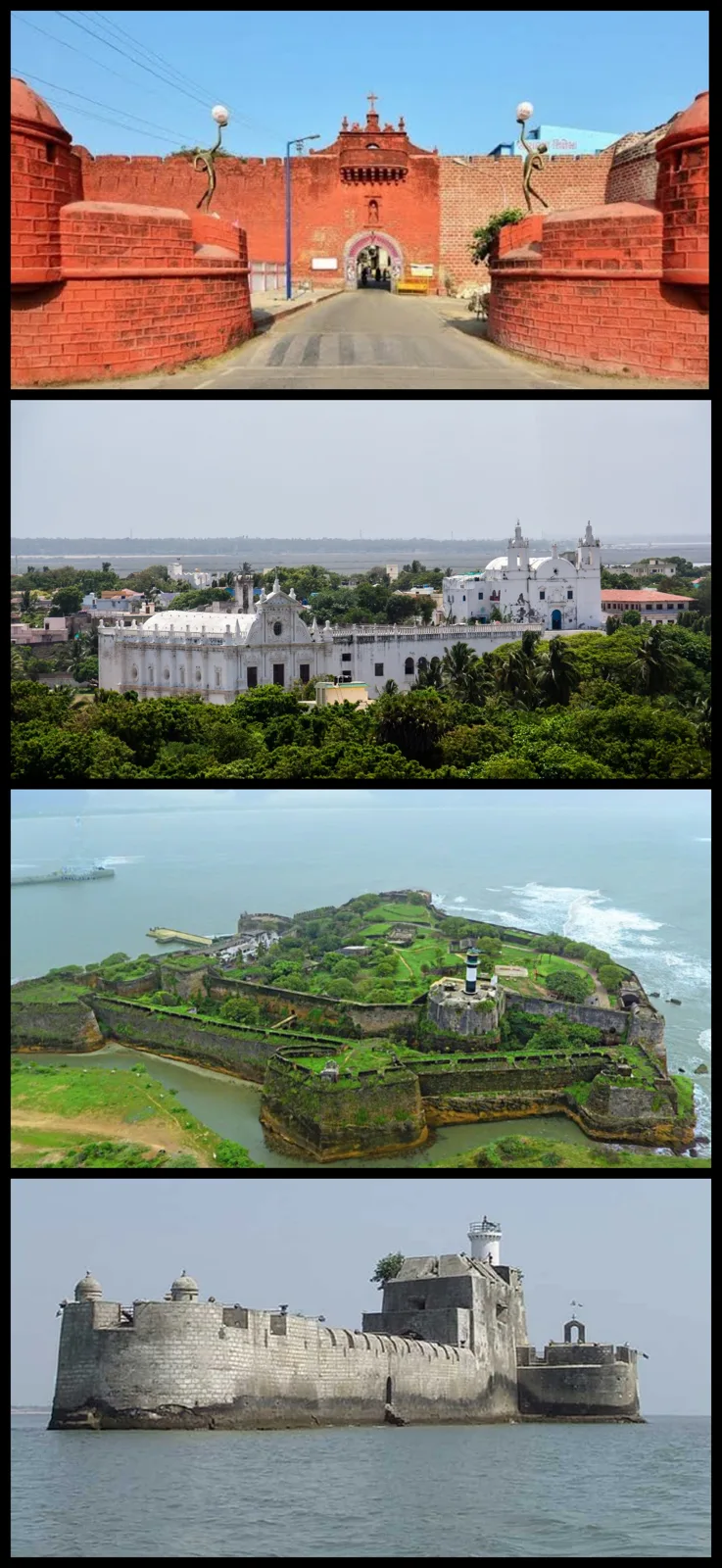
Dadra and Nagar Haveli and Daman and Diu is a union territory of contrasts: three districts spread across separate stretches of western India, rather than one continuous region. On the Arabian Sea, Daman and Diu bring Portuguese-era fortifications, churches, old streets and beaches into a compact coastal trip. Inland, Dadra and Nagar Haveli offers a greener change of pace, with forest, river country and communities whose traditions are distinct from the coast. The administrative capital is Daman; Silvassa is the principal town of Dadra and Nagar Haveli district.

The territory suits travellers who enjoy mixing heritage and nature without trying to cover a vast area in one visit. In Daman, explore Moti Daman Fort, Nani Daman Fort and the churches before heading to Jampore or Devka Beach. Diu rewards a longer stay for Diu Fort, its lanes and coastline, including Nagoa and Chakratirth beaches. Inland, Silvassa, the Dadra and Nagar Haveli Wildlife Sanctuary and the surroundings of Khanvel offer a different itinerary. Plan each district as a separate trip: distances between these non-contiguous areas are substantial.
Landscape & climate

The territory has two contrasting physical settings. Daman is a small coastal district on the Arabian Sea, with low-lying land, beaches and the Daman Ganga River, which reaches the sea near Daman town. Diu district lies farther west along the Saurashtra coast. Its main town occupies an island separated from the mainland by a narrow channel, while sandy beaches, rocky shore and tidal waters shape the surrounding coast. Dadra and Nagar Haveli is inland and landlocked, bordered by Gujarat and Maharashtra. Its terrain rises gently from river valleys into low, forested hills and wooded uplands around Silvassa and Khanvel.

The inland district is associated with the Daman Ganga river system and its tributaries; Madhuban Dam creates a reservoir within the region. Forest patches and protected areas, including Dadra and Nagar Haveli Wildlife Sanctuary, contrast with cultivated land and settlements. The climate is tropical, with hot, humid pre-monsoon months, a strong southwest monsoon generally from June into September, and a drier, more comfortable winter. Rain brings greener hills and fuller waterways inland, though heavy showers can disrupt outdoor plans. Coastal humidity is noticeable for much of the year, and the sea can be rough during monsoon conditions. Summer heat is strongest before the rains, while winter days are usually milder.

History & heritage

The coast and inland tracts have long been connected to the histories of Gujarat and the western Deccan. Diu was an important harbour and strategic point on the Saurashtra coast, contested by regional powers including the Gujarat Sultanate. In the sixteenth century, the Portuguese established a fortified presence there after an agreement with the Gujarat ruler Bahadur Shah, and built the stronghold now known as Diu Fort. Daman also came under Portuguese rule in the sixteenth century. Its paired settlements, Moti Daman and Nani Daman, grew around defensive walls, churches, harbour activity and links to the wider Portuguese maritime network. The coast’s churches and forts are enduring evidence of that period, though local histories extend well beyond it.

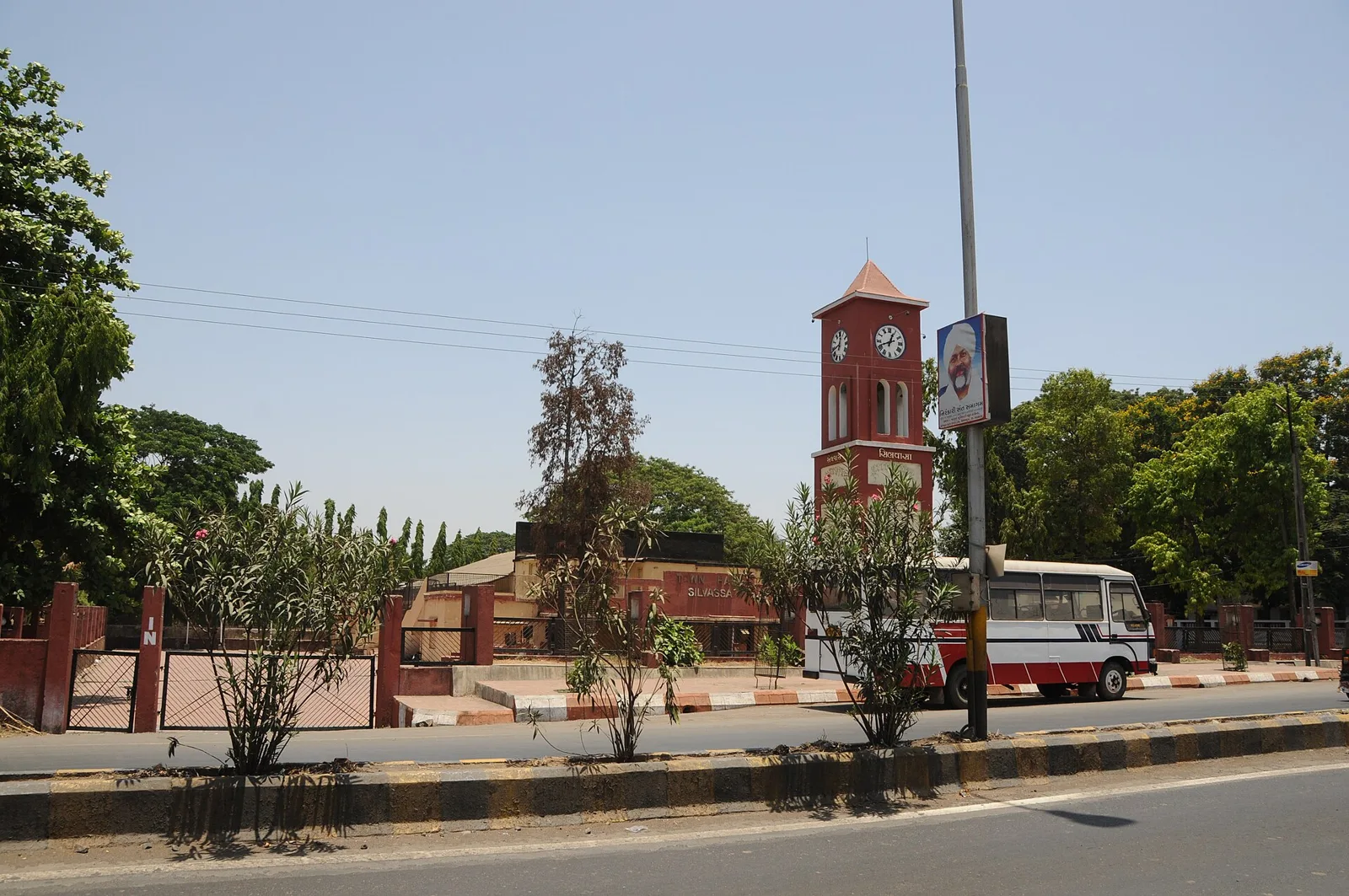
Dadra and Nagar Haveli followed a separate course. Portuguese authority there took shape in the eighteenth century and lasted until the mid-twentieth century. Local communities, including Warli and Kokna people, maintained their own social and cultural traditions through periods of outside rule. In 1954, Portuguese control ended in the inland territory; it was administered separately before its formal transfer to India in 1961. Daman and Diu also became part of India in 1961, following the end of Portuguese rule. They were administered with Goa as a union territory until Goa became a state in 1987, leaving Daman and Diu as a separate union territory. Dadra and Nagar Haveli had also been a separate union territory. In 2020, the two territories were merged to form Dadra and Nagar Haveli and Daman and Diu, with Daman as the capital.

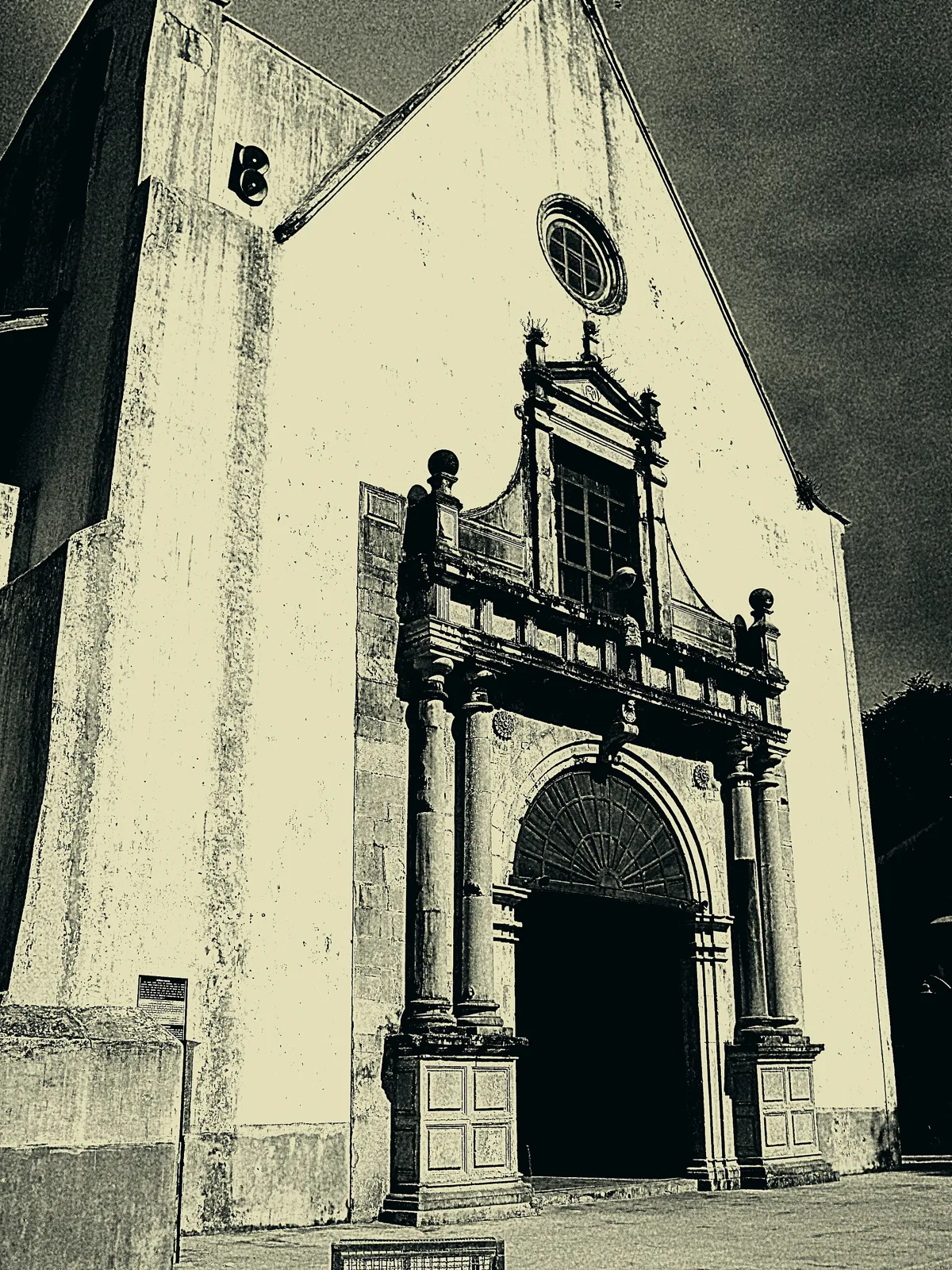
Today, heritage is visible in more than monumental architecture. Moti Daman Fort, Nani Daman Fort, Diu Fort, Zampa Gateway and churches such as Bom Jesus Church and St. Paul’s Church reflect different layers of coastal history. The Our Lady of the Rosary Chapel and the St. Thomas Church Museum add further points of interest. In Diu, Panikota Fort stands offshore, while the INS Khukri Memorial recalls a more recent chapter of Indian naval history. Inland, museums and cultural centres in Silvassa help visitors understand the region’s tribal communities and changing political landscape.

Culture, people & festivals

The territory’s cultural variety follows its geography. Gujarati is widely used in Daman and Diu, alongside Hindi and other languages; Marathi is also heard, particularly in areas connected to Maharashtra. In Dadra and Nagar Haveli, Gujarati, Hindi and Marathi are common, while Varli and Kokna languages and speech traditions remain important to community identity. English is useful in hotels and many visitor-facing settings. Portuguese influence is most visible in coastal architecture, church traditions and place histories, but everyday life is shaped by a broader mix of Gujarati, tribal, Maharashtrian and coastal Indian customs.

Warli and Kokna communities have distinctive cultural practices, with music, seasonal gatherings and oral traditions tied to village life and the agricultural year. The tarpa, a wind instrument, gives its name to the circular group dance performed to its rhythmic music. Tarpa performances are associated with post-monsoon and harvest-season celebrations; cultural programmes or festivals may be scheduled in winter, but dates vary and should be checked locally. Navratri, usually in September or October, brings devotional dance and celebration, while Diwali generally falls in October or November. Holi is observed in February or March, and Christmas in December is marked particularly in the coastal districts with Christian communities. Nariyal Purnima, usually in August, is observed in coastal fishing communities. Festival dates follow lunar calendars, so the month can shift from year to year.

Food & flavours

Food across the territory reflects both the Arabian Sea and its inland neighbours. In Daman and Diu, seafood is a natural highlight: menus may include fish curry, fried or grilled pomfret, prawns and crab, depending on the catch and season. Gujarati cooking brings another strong influence, with rice or rotli, lentils, vegetables, pickles and, in some places, a sweet-sour balance in everyday dishes. Diu’s eateries serve seafood alongside familiar Gujarati meals, while Daman’s food scene also draws on nearby Gujarat and Maharashtra. Coastal kitchens vary from household to household, so a dish described as local may have several versions.

In Dadra and Nagar Haveli, rice, pulses, seasonal vegetables and locally familiar grains form part of everyday food traditions. Finger millet, maize and forest greens may feature in community cooking, though availability and dishes differ between villages and seasons. Visitors can look for Gujarati-style thalis, simple dal and vegetable meals, and snacks such as farsan where they are served. Sweets common across the wider region include jalebi, basundi and other milk- or flour-based preparations; these are regional favourites rather than exclusive products of the territory. Portuguese-era coastal connections are part of the food story, but menus are diverse, and it is better to ask local cooks or restaurants about their own specialities than assume a single defining Indo-Portuguese dish.

Crafts, textiles & what to buy

Handmade work in the territory is closely tied to community knowledge and local materials. In Dadra and Nagar Haveli, visitors may find Warli-inspired painting, bamboo and cane work, woodcraft, woven articles and decorative objects made by tribal artisans. Silvassa is the most convenient place to look for cultural-centre displays and locally made souvenirs, while village-level availability varies. Warli painting uses simple forms and rhythmic scenes to depict people, animals, ceremonies and everyday life. Designs sold to visitors may be contemporary adaptations, so asking who made an item and where is a useful way to support artisans directly.

Textiles and small handicrafts reflect the territory’s position between Gujarat and Maharashtra, as well as the skills of individual communities; not every item sold in a market is locally produced. Daman and Diu also have shops selling shell-themed souvenirs and other coastal mementos, but visitors should avoid buying products made from protected wildlife or coral. Warli painting is associated with a geographical indication registered to Maharashtra; do not assume that every Warli-style work made or sold in this union territory carries that GI status. No widely recognised GI-tagged product specific to the territory is reliably established here, so check the official GI registry if a seller makes such a claim.

Getting there & getting around

For Daman and Silvassa, the most useful major rail access is Vapi, on the Mumbai–Ahmedabad railway corridor. From Vapi, road transfers reach Daman and Silvassa; check current connections before setting out. Mumbai and Surat are useful airports for these areas, with onward travel by road or rail. Daman has an airfield, but travellers should not assume regular commercial passenger services. Diu has its own airport, though flight availability and schedules can change. Veraval and Delwada in Gujarat are possible railheads for the Diu area; verify current rail services and the onward road connection before booking. The nearest practical airport or railhead depends on the route and current service pattern.

The principal road approach to Daman and Vapi is via National Highway 48, the Mumbai–Ahmedabad corridor, with regional roads connecting to the coast and Silvassa. Diu is reached by road from Saurashtra through the regional highway network, including routes towards Una; confirm the current route locally. The districts are not contiguous, so travel between Diu, Daman and Dadra and Nagar Haveli is best treated as an intercity journey rather than a short local transfer. Taxis, hired cars and buses can be useful, while auto-rickshaws and local taxis serve towns and nearby sights. In Diu, road bridges link the island town with the mainland. For beaches, forts or inland villages, agree on return transport in advance, particularly outside busy town centres.

When to go & travel tips

For coastal Daman and Diu, October to March is generally the most comfortable period for sightseeing and beach walks. The monsoon, usually June to September, makes the inland landscape lush but brings heavy rain, humid conditions and rougher seas; avoid assuming that swimming or water activities are safe. For Dadra and Nagar Haveli, the cooler months are pleasant for forests and outdoor visits, while the post-monsoon period can be especially green. Summer is hot across the territory, so schedule walks early or late in the day.

Pack light clothing, sun protection, a refillable water bottle and comfortable footwear; add rain protection during the monsoon and a light layer for cooler winter evenings. Check local conditions before entering forest areas or going into the sea, follow lifeguard and posted safety advice, and do not approach wildlife. Dress respectfully at places of worship, ask before photographing people or ceremonies, and avoid disturbing community events. No special visitor permit is generally assumed for these destinations, but rules can change: confirm requirements with official authorities before travel, especially for restricted sites or organised activities. Check transport and attraction status close to departure.

Highlights

Where to begin

City by city

Cities & hubs of Dadra and Nagar Haveli and Daman and Diu

Every sight is grouped under its city — places within about 12 km together, day trips within 40 km alongside — even across district lines. Open a city to see its attractions.

See every city, town and village of Dadra and Nagar Haveli and Daman and Diu

Away from the cities — 18 more places by district

District discovery

Dadra and Nagar Haveli and Daman and Diu: 3 districts covered

Open a district to see its destinations and neighbours. More districts are added as our team writes them.

3 of 3 districts have destination guides

Destinations

Every guide in this state

Open a district to see its cities and towns, villages and places to see.

Festivals & fairs

The calendar here

Full calendar

Festivals of Dadra and Nagar Haveli and Daman and Diu through the year

Usual season and where each is best known. Exact dates follow local calendars — linked festivals have dated guides.

  • Tarpa festival and Bhavada fairTribal gatherings in Dadra and Nagar Haveli.
  • Diu and Daman tourism festivals (winter) and Portuguese-era Christian feasts
  • Holi, Diwali, Navratri, Ganesh Chaturthi are widely celebrated
From travellers and locals

Be the first to share photos, stories, advice or a helpful contact for Dadra and Nagar Haveli and Daman and Diu.

Loading…