Ghumoopedia — Explore, Discover, Experience
Sign in
Rani ki Vav, near Siddhpur

City guide · Gujarat

Siddhpur

Siddhpur, also written Sidhpur, is a historic town and taluka headquarters in Patan district, northern Gujarat. Its importance rests on two distinctive strands of heritage: its reputation as a Hindu pilgrimage place, especially for rites performed in memory of mothers, and its striking Dawoodi Bohra residential architecture.

Famous for

  • Rudra Mahalaya ruins
  • Bindu Sarovar pilgrimage
  • Matru shraddha rites
  • Dawoodi Bohra mansions
  • Saraswati River heritage

Why Siddhpur matters

Siddhpur, also written Sidhpur, is a historic town and taluka headquarters in Patan district, northern Gujarat. Its importance rests on two distinctive strands of heritage: its reputation as a Hindu pilgrimage place, especially for rites performed in memory of mothers, and its striking Dawoodi Bohra residential architecture. The old town’s pastel-coloured mansions, with carved woodwork and elaborate façades, offer a memorable contrast to the region’s more familiar temple towns.

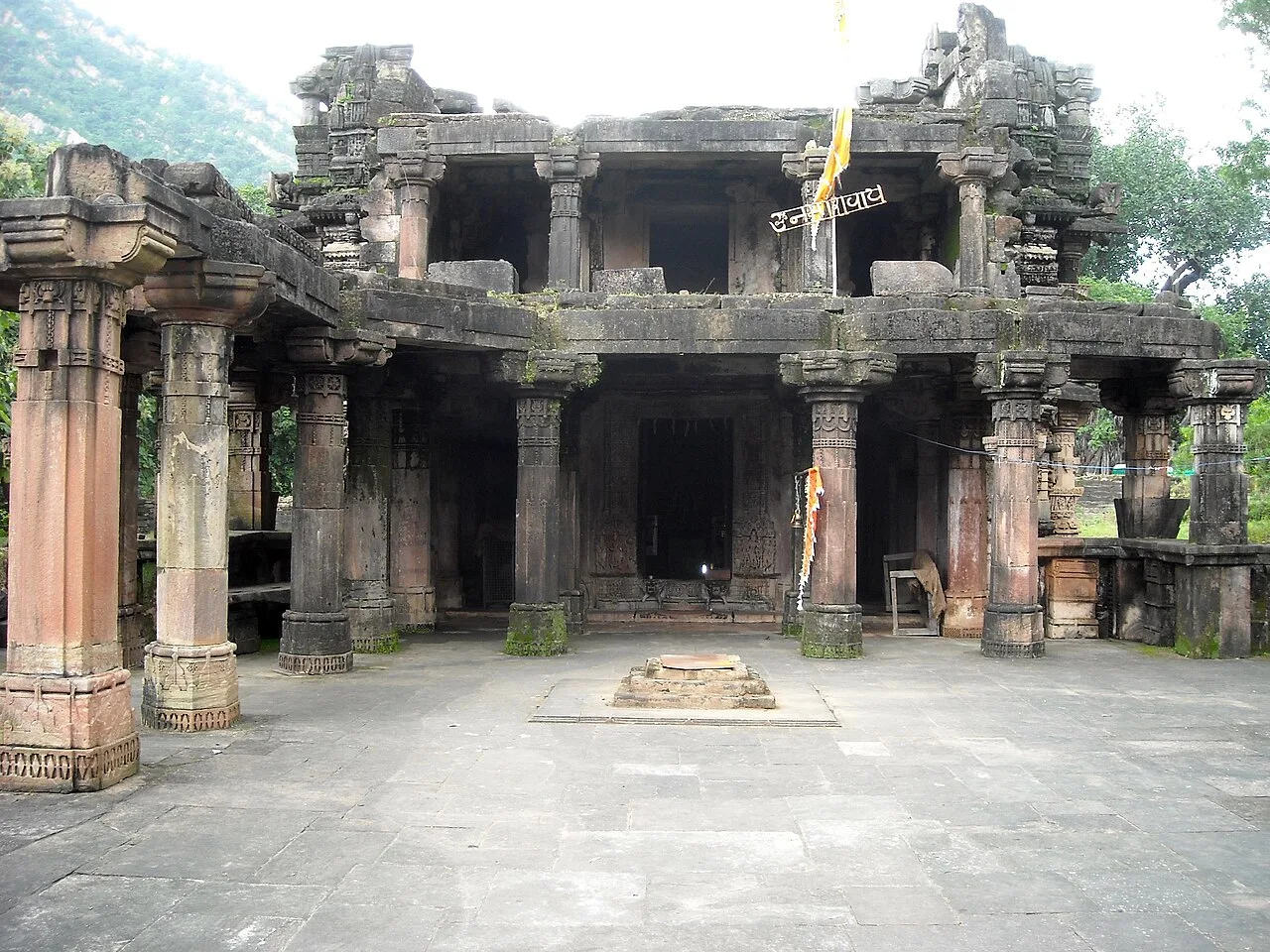
Visitors come to see the remains of Rudra Mahalaya, visit Bindu Sarovar and explore the heritage lanes. The town is also associated with the Saraswati River and the Puranic traditions of Kapila and his mother Devahuti. Siddhpur serves the surrounding countryside as a local centre for administration, trade and everyday services. It is best approached as a place of living religious practice as well as architectural interest: some heritage houses are private homes, while the pilgrimage sites remain part of local worship. Together, these features give Siddhpur a character unlike that of nearby Patan or Modhera.
Famous for: crafts, trade & products

Siddhpur is better known for its historic buildings and pilgrimage traditions than for a signature textile, handicraft or GI-tagged product. Its most distinctive architectural legacy is the Dawoodi Bohra mansion quarter. From the nineteenth into the early twentieth century, prosperous Bohra trading families built large timber houses with stucco façades, ornamental pilasters, balconies and gabled roofs. Many façades are painted in soft colours and carry decorative owner monograms. These are homes rather than a commercial craft district, so visitors should admire them respectfully from public streets and avoid entering without permission.

The town’s markets serve residents and the surrounding rural area, with everyday provisions, household goods and regional produce rather than a widely recognised specialist shopping product. For a sense of local commerce, explore the bazaar streets around the old centre; availability varies, and there is no single established market for heritage souvenirs. Siddhpur’s most notable public-facing institutions are its religious and historic sites, including Bindu Sarovar and the remains of Rudra Mahalaya. Visitors seeking textiles or crafts associated with the wider region may find more choice in larger nearby centres, while Siddhpur’s own appeal lies chiefly in its architecture and sacred places.

History

Siddhpur was once known as Sristhal, meaning a sacred or auspicious place, and grew as a pilgrimage centre on the Saraswati. In 943, Mularaja, founder of the Chaulukya dynasty, began building Rudra Mahalaya. The temple was consecrated around 1140 by Jayasimha Siddharaja, who made the town his capital and gave it the name Siddhpur, commonly understood as the town of Siddharaja. The complex was badly dismantled during the campaign of Alauddin Khalji’s forces in 1298–99 and later fell further into ruin.

The town subsequently came under local rulers based at Palanpur, then Mughal authority in the fifteenth century. Asaita Thakar, traditionally linked with the beginnings of Gujarati Bhavai folk theatre, is associated with Siddhpur. From the nineteenth century, Dawoodi Bohra merchants helped shape the town’s distinctive residential streetscape. Under British rule it remained a regional town rather than a major colonial centre. Today Siddhpur is a municipality and taluka headquarters in Patan district, balancing civic and commercial roles with its religious and architectural heritage.

Food, festivals & culture

Gujarati is the everyday language, with Hindi also understood in many settings. Siddhpur’s culture reflects both its Hindu pilgrimage traditions and its Dawoodi Bohra community. Bindu Sarovar is a focus for rites associated with maternal remembrance, while temples and mosques serve residents and visitors. Local religious life is visible in the rhythms of worship and family observances; visitors should dress modestly and ask before photographing people or entering places of worship.

Food is broadly Gujarati, with vegetarian thalis, lentils, rice, breads, farsan and sweets commonly found in local eateries and shops. These are regional favourites rather than dishes unique to Siddhpur. Navratri, usually in autumn, brings devotional music and garba across Gujarat; Diwali is also widely observed in autumn, and Uttarayan, the kite festival, falls in January. Bohra religious observances, including Muharram and Eid, follow the Islamic lunar calendar. Bhajans and temple music accompany Hindu observances, while community gatherings and religious recitation are important in Bohra life. The town’s cultural character is shaped less by staged performances than by its active sacred sites, household traditions and historic neighbourhoods.

Visiting the city

The cooler months, roughly October to March, are generally the most comfortable for exploring Siddhpur. Summers can be very hot, while monsoon conditions may affect outdoor visits. The nearest major airport is Sardar Vallabhbhai Patel International Airport in Ahmedabad; Siddhpur has its own railway station, Siddhpur railway station. Local travel is possible by auto-rickshaw and taxi, while the compact old centre is best explored on foot.

Begin around Bindu Sarovar and the nearby pilgrimage area, then visit the remains of Rudra Mahalaya. Allow time to walk through the Bohra mansion lanes, particularly in the older residential quarter, keeping in mind that the houses are private properties. The central bazaar offers a glimpse of everyday town life. Check locally before planning around access to individual heritage sites, and be considerate around ceremonies and worshippers.

Trips from the city

Nearest places to visit from Siddhpur

Our closest destination guides, by straight-line distance.

Rani ki Vav

28 km away · Patan district

Rani ki Vav

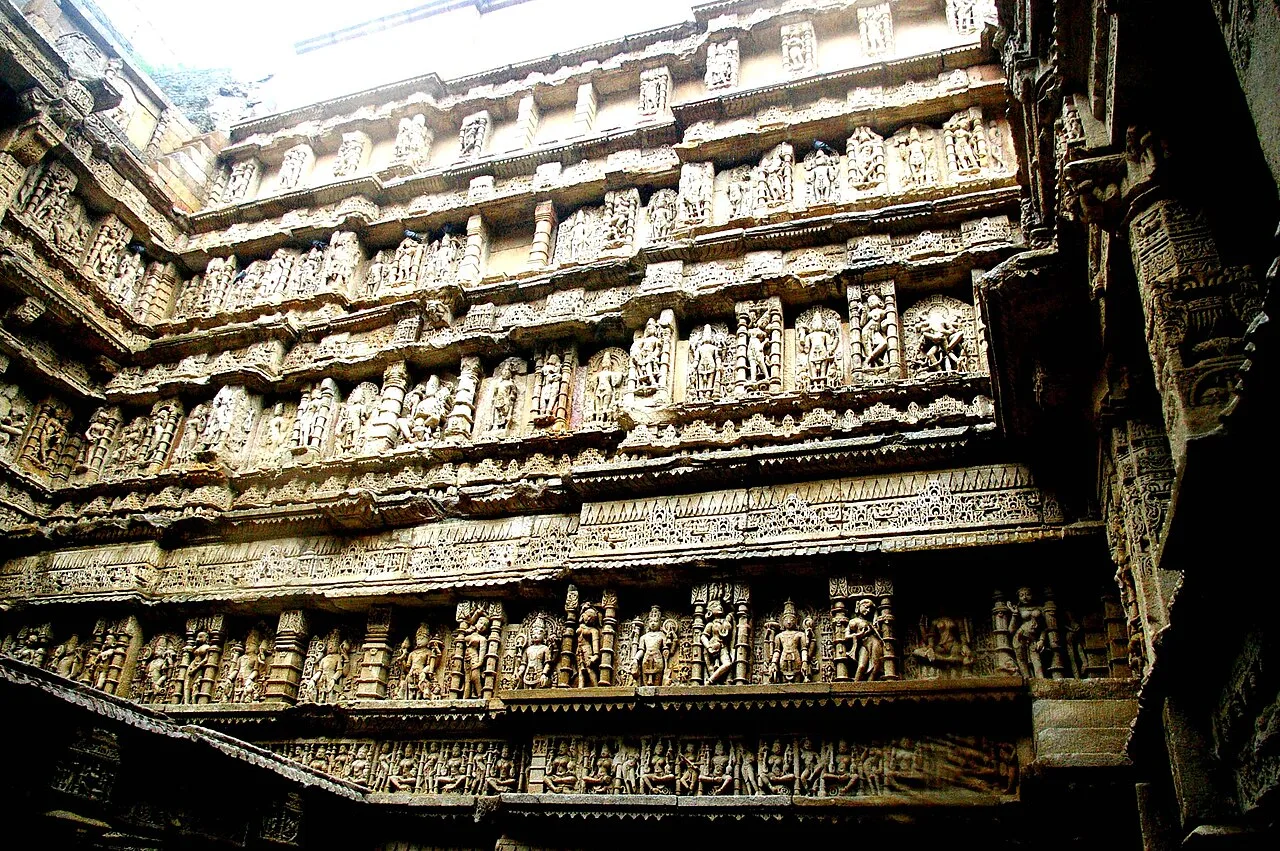
Rani ki Vav is a stepwell in Patan, Gujarat, notable for its tiered underground design and extensive sculpture, which reflect the monument’s religious and architectural significance.

Sahasralinga Tank

29 km away · Patan district

Sahasralinga Tank

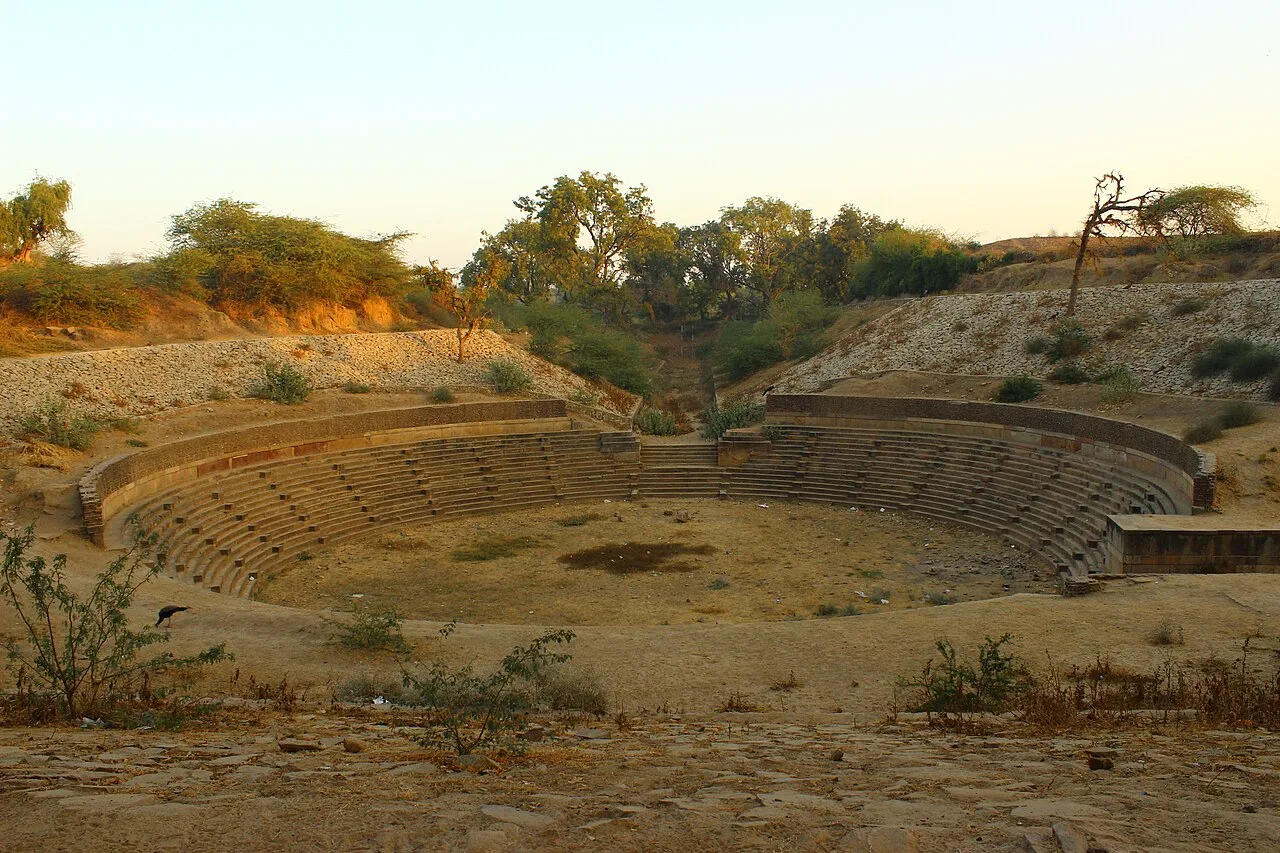
Sahasralinga Tank is a medieval, human-made reservoir in Gujarat’s Patan district, commissioned under Chaulukya rule. Visitors come to see this historic site, which is protected as a national monument.

Taranga Jain Temples

39 km away · Mehsana district

Taranga Jain Temples

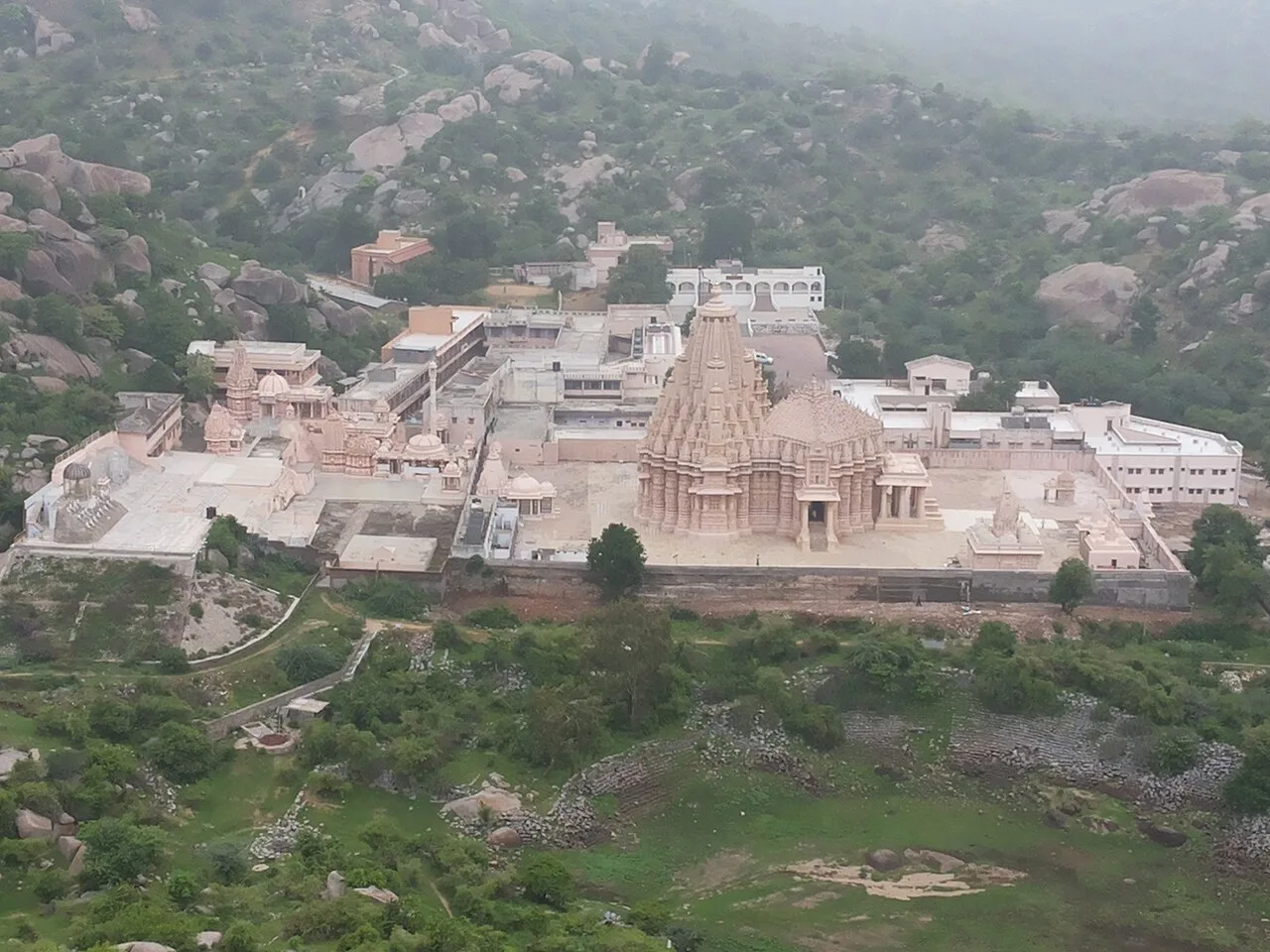
Taranga is a Jain pilgrimage site near Kheralu, known for temples representing Śvetāmbara and Digambara traditions and for its notable Māru-Gurjara architecture.

Modhera Sun Temple

44 km away · Mehsana district

Modhera Sun Temple

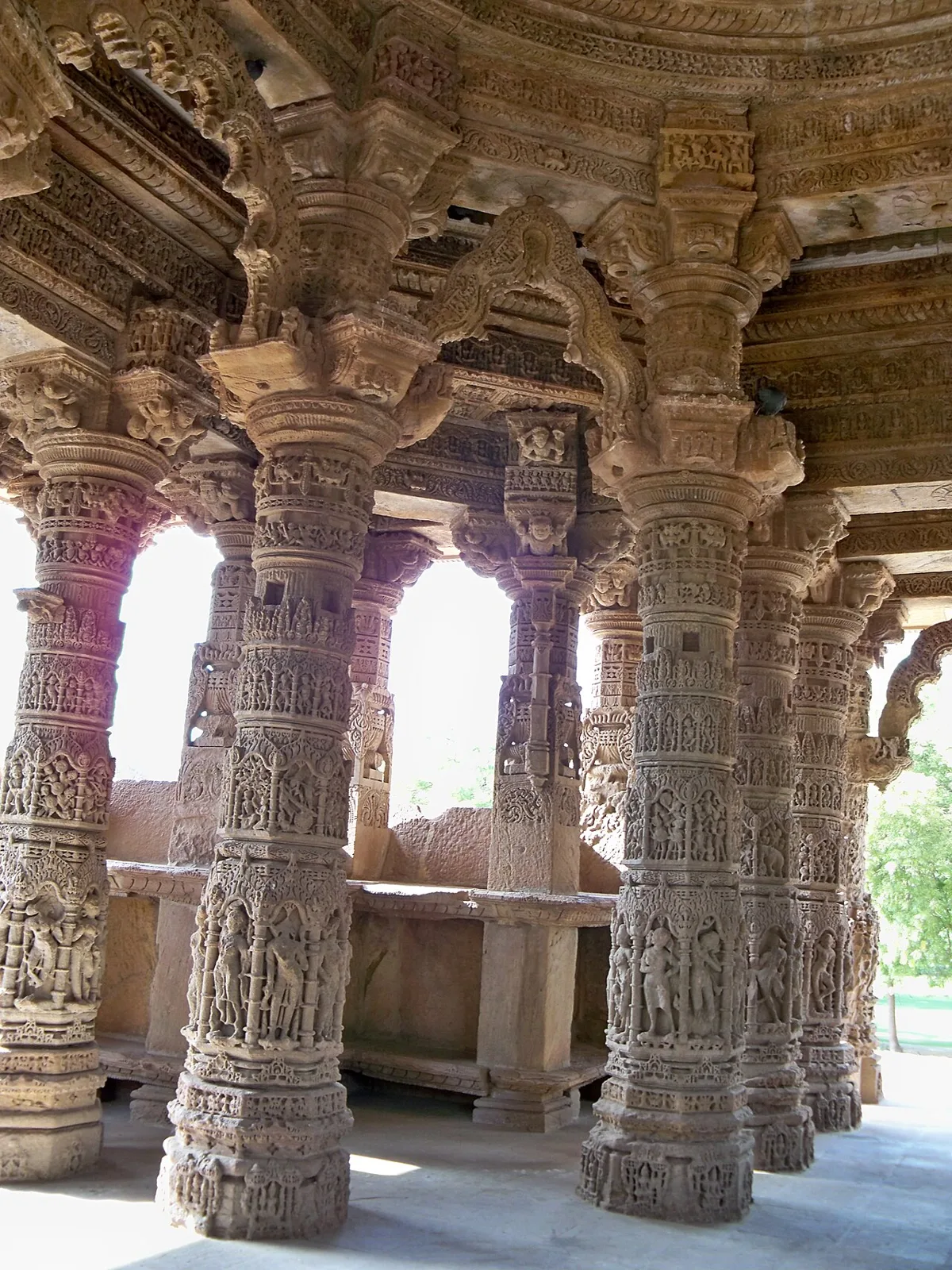
This Hindu temple complex in Modhera, Gujarat, honours Surya. Visitors come to see its carved halls, decorated pillars and stepped reservoir, which is dotted with small shrines.

Ambaji

67 km away · Banaskantha district

Ambaji

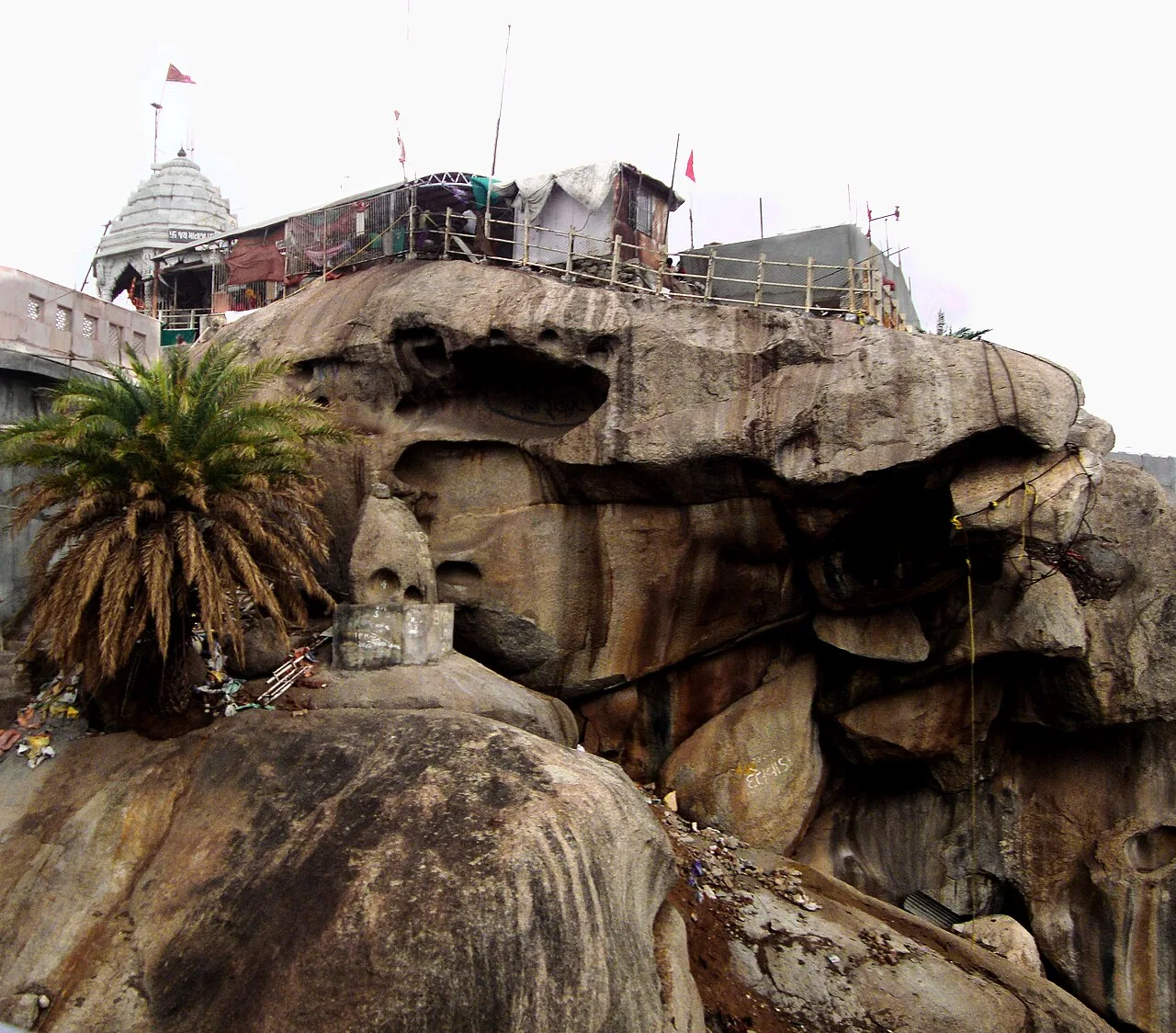
Ambaji is a census town in Banaskantha district, Gujarat. The available details establish its identity and location but do not say what draws visitors there.

Swaminarayan Akshardham

83 km away · Gandhinagar district

Swaminarayan Akshardham

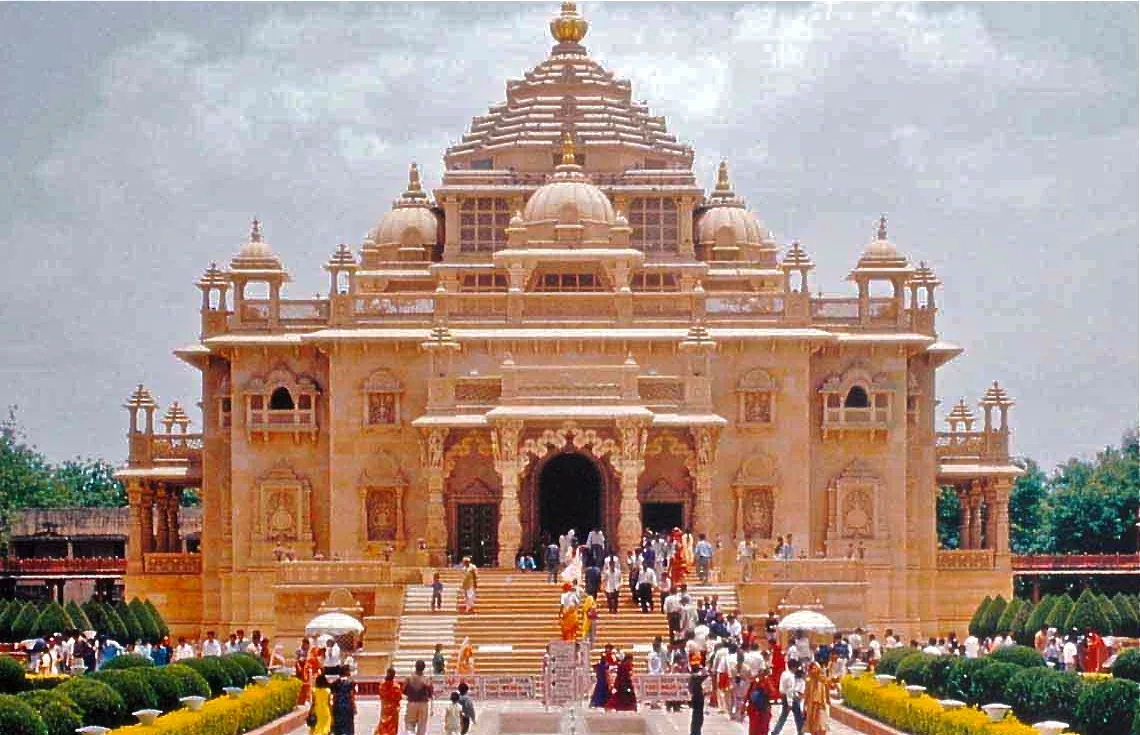
This Hindu temple complex in Gandhinagar, Gujarat, draws visitors interested in Swaminarayan’s teachings, BAPS traditions and its central shrine built from pink sandstone.

Adalaj Stepwell

86 km away · Gandhinagar district

Adalaj Stepwell

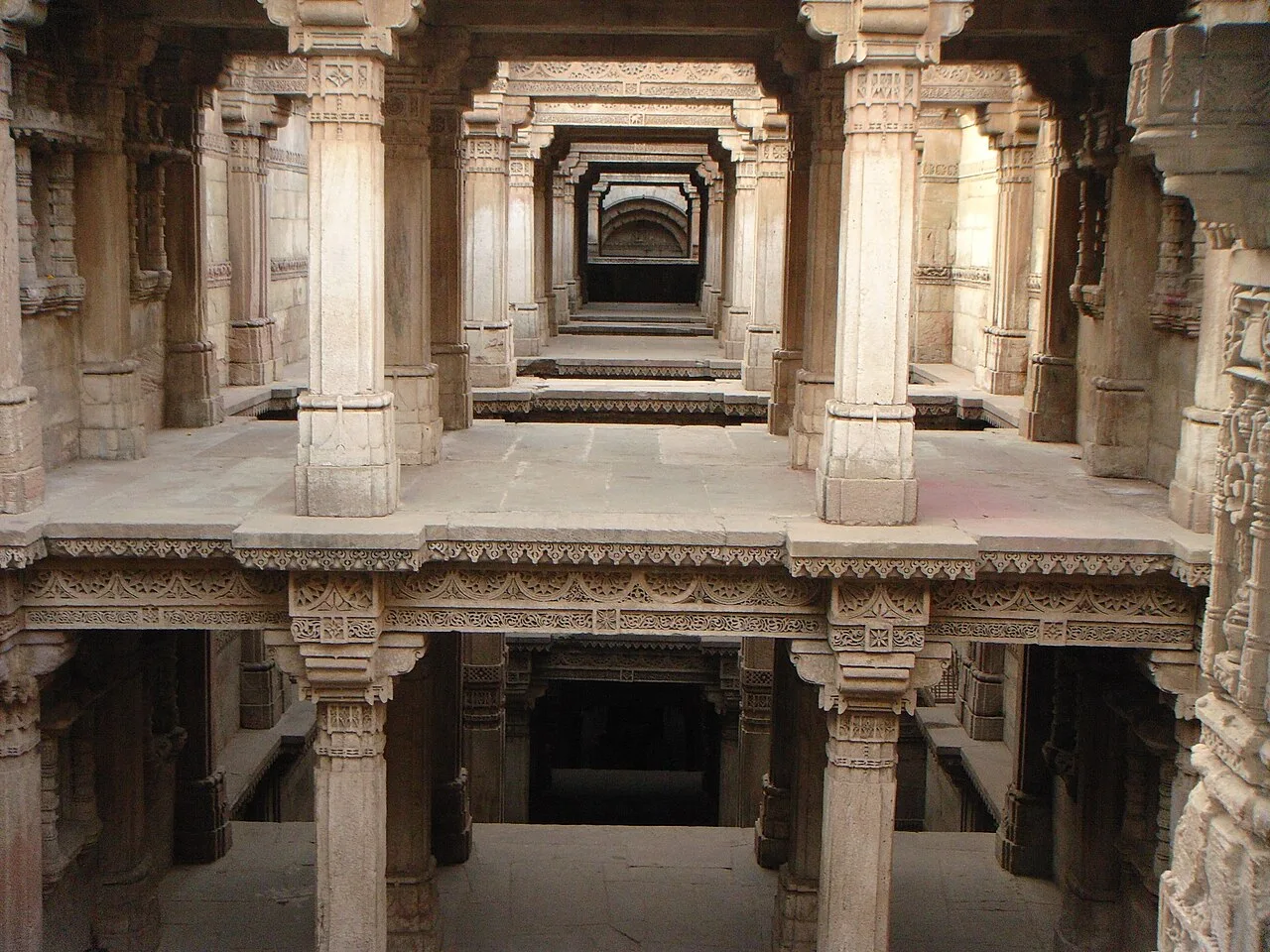
Adalaj Stepwell, also known as Rudabai Stepwell, is a sandstone structure in Gujarat’s Gandhinagar district. Visitors come to see its Solanki-style design and its connection to Rana Veer Singh.

Polo Forest

91 km away · Sabarkantha district

Polo Forest

Polo Forest, also called Vijaynagar Forest, is a dry mixed deciduous woodland in Gujarat. Visitors come to explore its extensive forest landscape beside the perennial Harnav River and below the Aravalli foothills.

Map

Siddhpur on the map

  1. 1Rani ki Vav
  2. 2Sahasralinga Tank
  3. 3Taranga Jain Temples
  4. 4Modhera Sun Temple
  5. 5Ambaji
  6. 6Swaminarayan Akshardham
  7. 7Adalaj Stepwell
  8. 8Polo Forest

Gujarat

Other cities to explore