Ghumoopedia — Explore, Discover, Experience
Sign in
Kankaria Lake, near Kheda

City guide · Gujarat

Kheda

Kheda is a historic town in central Gujarat, set near the meeting of the Vatrak and Shedhi rivers. It is best known nationally for its place in the Kheda Satyagraha, the 1918 campaign in which Mahatma Gandhi and local cultivators opposed tax demands during a period of hardship.

Famous for

  • Kheda Satyagraha
  • Tobacco farming
  • Historic Khetaka region
  • Vatrak and Shedhi rivers
  • Babi-era fort

Why Kheda matters

Kheda is a historic town in central Gujarat, set near the meeting of the Vatrak and Shedhi rivers. It is best known nationally for its place in the Kheda Satyagraha, the 1918 campaign in which Mahatma Gandhi and local cultivators opposed tax demands during a period of hardship. The town’s long history also makes it a point of interest for visitors curious about Gujarat’s older administrative centres and changing dynasties.

Today, Kheda serves as a regional town and is associated with agriculture, particularly tobacco cultivation. Its setting, historic old-town fabric and links to the surrounding countryside offer a quieter experience than Gujarat’s larger cities. Visitors may explore the town’s traditional streets and river surroundings, while using it as a base for understanding the wider Kheda region. Kheda was formerly the district’s administrative capital; the district headquarters is now elsewhere. Gujarati life, local markets and the town’s layered past are central to its identity.
Famous for: crafts, trade & products

Kheda’s best-known agricultural association is tobacco farming. Cultivation and related trade are part of the surrounding rural economy, though the town is not chiefly recognised as a destination for a particular textile, handicraft or GI-tagged product. Visitors looking for locally made goods can browse the everyday shops and markets in town, where provisions, clothing and household items serve residents and nearby villages. These are practical local markets rather than specialist craft bazaars.

The town’s identity is also connected to its historic role as Khetaka, an important regional centre mentioned in early records, and to the Babi-era fort built under Mahmad Khan Babi. Its strongest national association, however, is the Kheda Satyagraha and the history of agrarian protest. Kheda is not widely known for a signature sweet, textile tradition or large-scale manufacturing sector, so travellers should not expect a dedicated shopping district for those products. For a sense of the town’s present-day trade, explore the central market streets and ask locally about seasonal agricultural activity.

History

Kheda’s name is linked to the Sanskrit kshetra, meaning land or field. The broader region appears in early references as Khetaka and became an important administrative division under the Maitraka rulers of Valabhi. Later records describe it as a significant town and settlement. From the 10th century, it was governed by the Chaulukyas and then the Vaghelas, before coming under the Gujarat Sultanate.

In the early 18th century Kheda passed to the Babi dynasty, whose rule included the construction of the town’s fort. Maratha forces took it in 1763, and the Gaekwads ceded the district to the British in 1803. Under British rule, Kheda—then commonly called Kaira—was part of the Bombay Presidency and had a military station until the cantonment moved to Deesa in 1830. On 22 March 1918, Gandhi launched the Kheda Satyagraha against taxation during famine conditions. Kheda later ceased to be the district headquarters, but retains its historical and regional importance.

Food, festivals & culture

Gujarati is the main language of everyday life; Hindi is also understood in many settings. Food follows familiar Gujarati tastes, with meals built around rotli, rice, dal, seasonal vegetables and farsan. Sweets such as jalebi, ladoo and other milk- or flour-based treats are commonly available in local shops, though menus and specialties vary. Town markets are a good place to see the everyday food culture and pick up snacks for the road.

Navratri, usually in autumn, brings garba and dandiya dancing, while Diwali is marked with household celebrations, lights and worship. Uttarayan, the January kite festival, is another prominent seasonal occasion across Gujarat. Folk songs and devotional music are part of community and family gatherings. Kheda’s places of worship include local Hindu temples and Muslim mosques, reflecting the town’s varied religious life; visitors should dress respectfully and follow local customs. Festivals follow the Gujarati calendar, so their dates shift from year to year.

Visiting the city

October to February is generally the most comfortable season to visit, with warmer conditions from spring into summer and rainfall during the monsoon. The nearest airport is Ahmedabad Airport. The main railway station serving Kheda is Mahemadavad Kheda Road; check current connections before travelling. Local travel is usually by auto-rickshaw, taxi or other road transport, with buses and private vehicles useful for journeys to nearby towns and villages.

In town, explore the central streets and market area for everyday shopping and local food. The older parts of Kheda and the area associated with the historic fort offer a sense of its past; ask locally about access and condition before setting out. The banks and meeting area of the Vatrak and Shedhi rivers provide a glimpse of the town’s landscape. Kheda is best approached as a small regional town rather than a destination with a large, formal visitor circuit.

Trips from the city

Nearest places to visit from Kheda

Our closest destination guides, by straight-line distance.

Kankaria Lake

30 km away · Ahmedabad district

Kankaria Lake

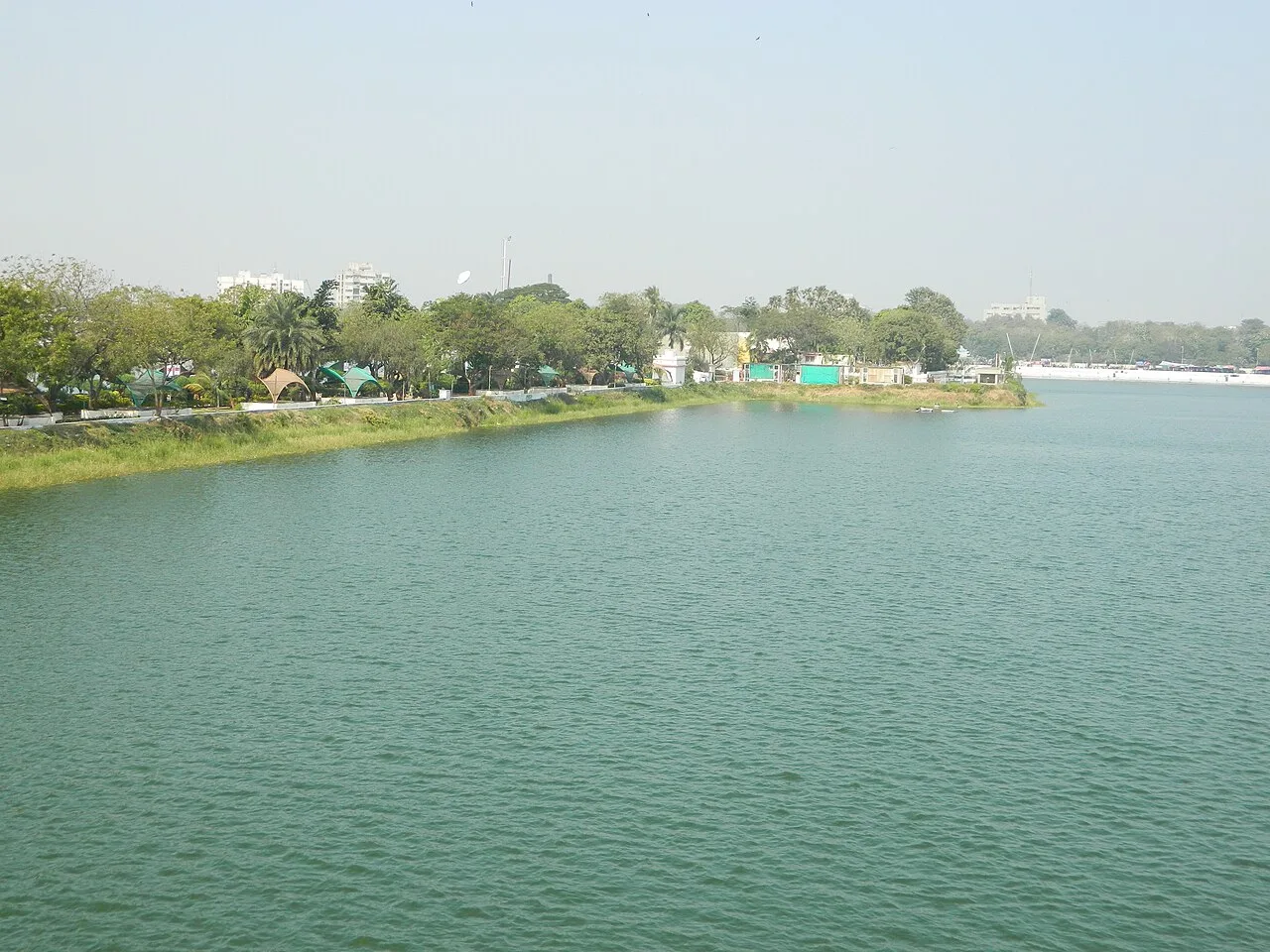
Kankaria Lake is Ahmedabad’s largest lake, situated in Maninagar. Visitors come for its leisure attractions and the cultural, artistic and social programme of the Kankaria Carnival.

Bhadra Fort

32 km away · Ahmedabad district

Bhadra Fort

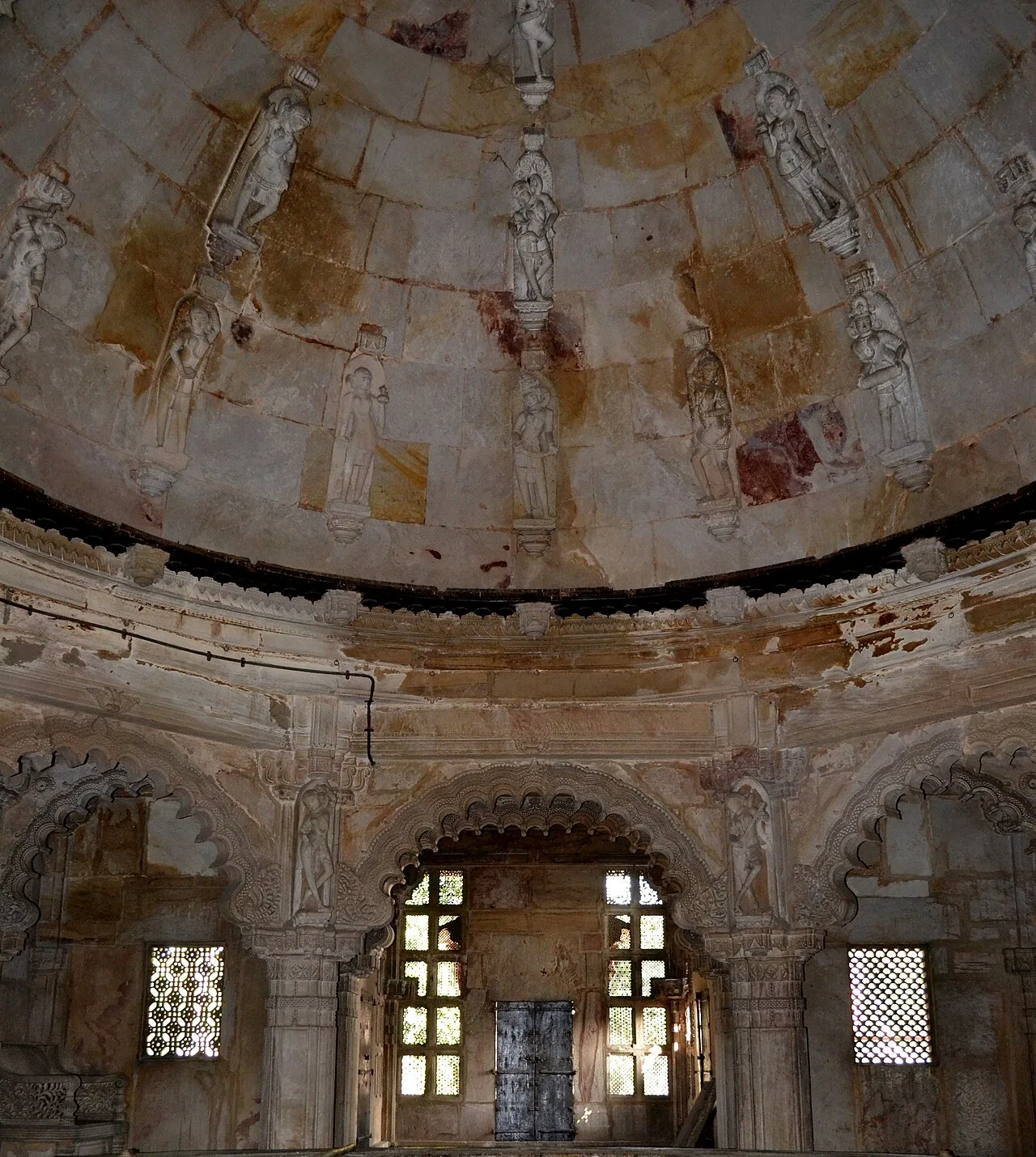
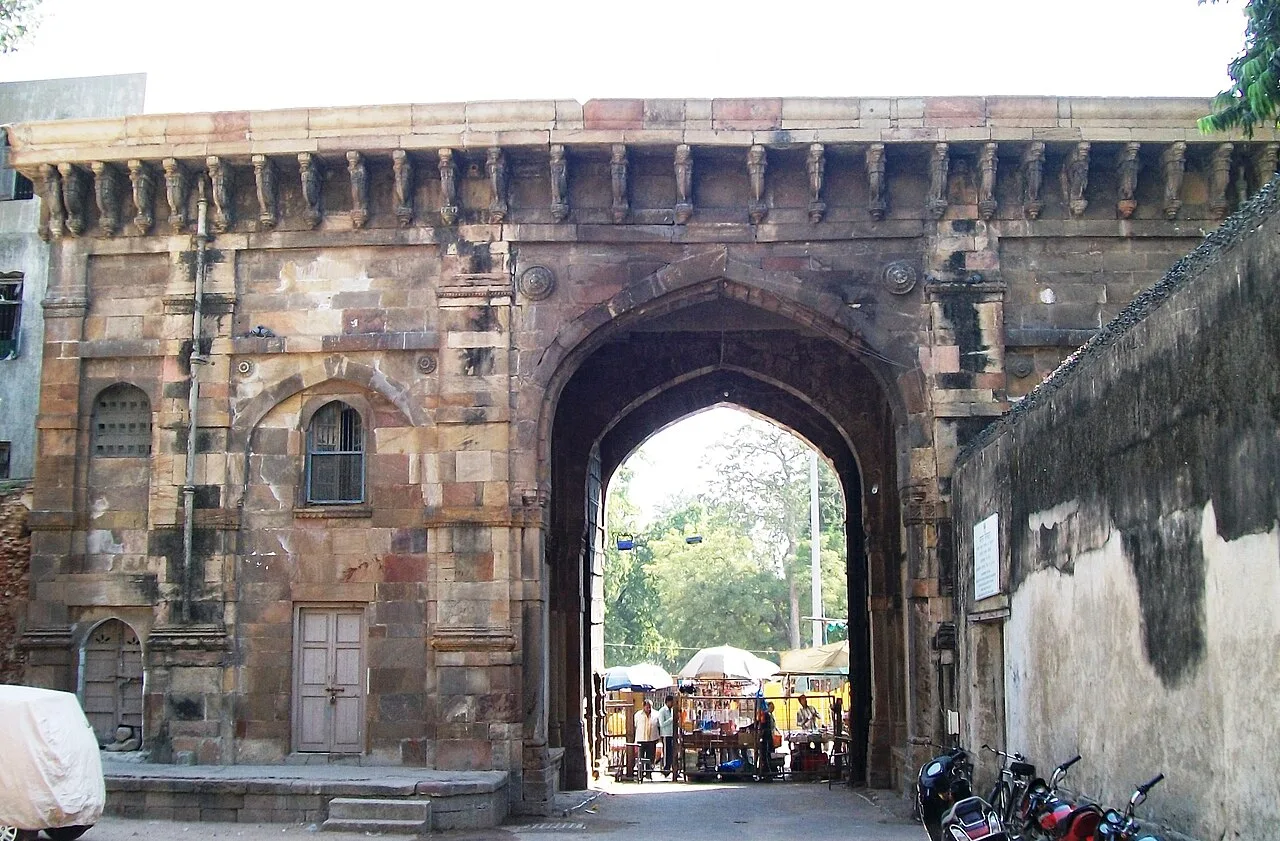
This historic Ahmedabad complex brings together royal buildings, mosques, gateways and open areas. Visitors explore its architecture and its present role as a cultural centre for the city.

Jama Masjid, Ahmedabad

32 km away · Ahmedabad district

Jama Masjid, Ahmedabad

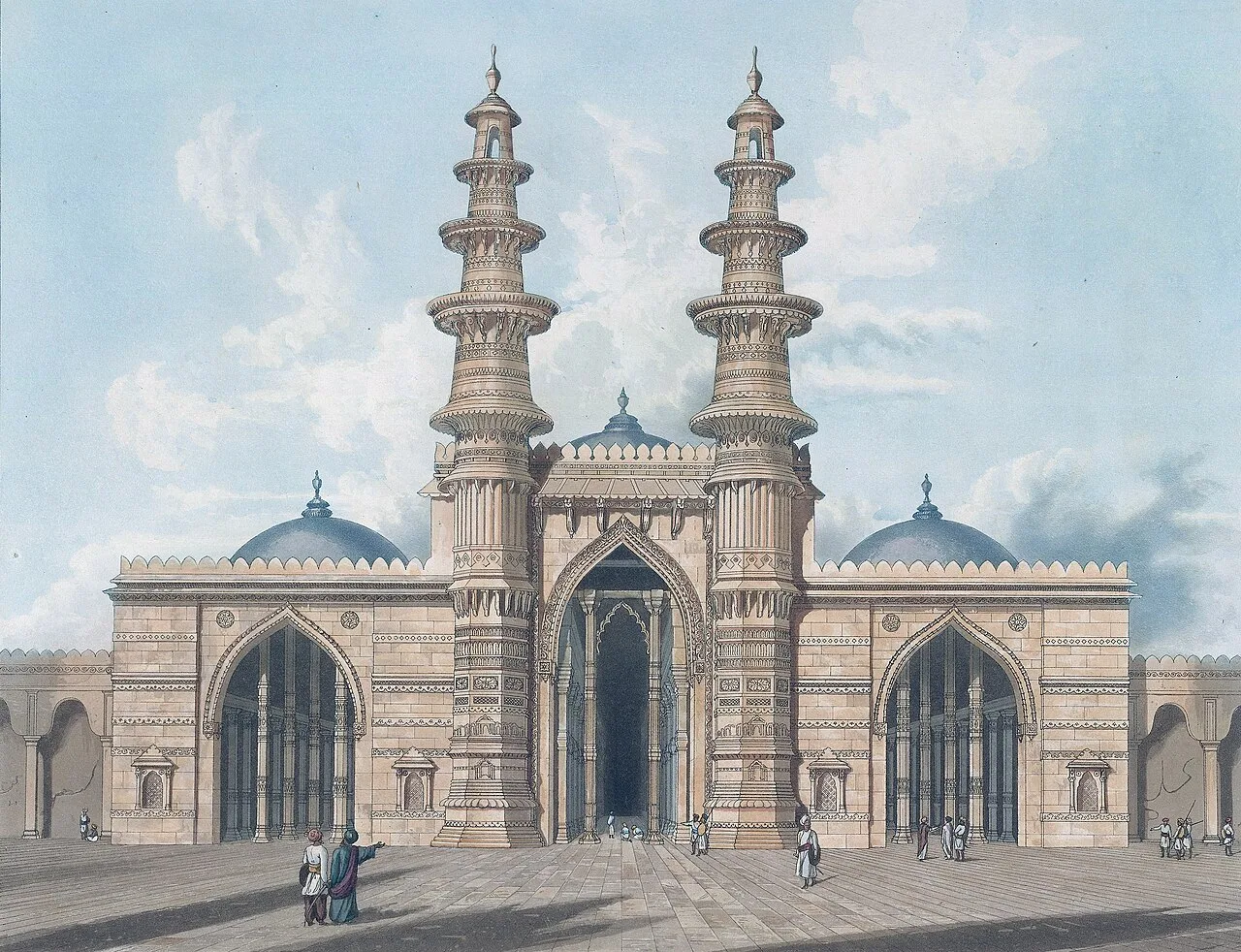
Ahmedabad’s Jama Masjid is a historic Friday mosque in the old city, visited for its impressive scale, central courtyard and expression of Gujarat-style architecture.

Sarkhej Roza

32 km away · Ahmedabad district

Sarkhej Roza

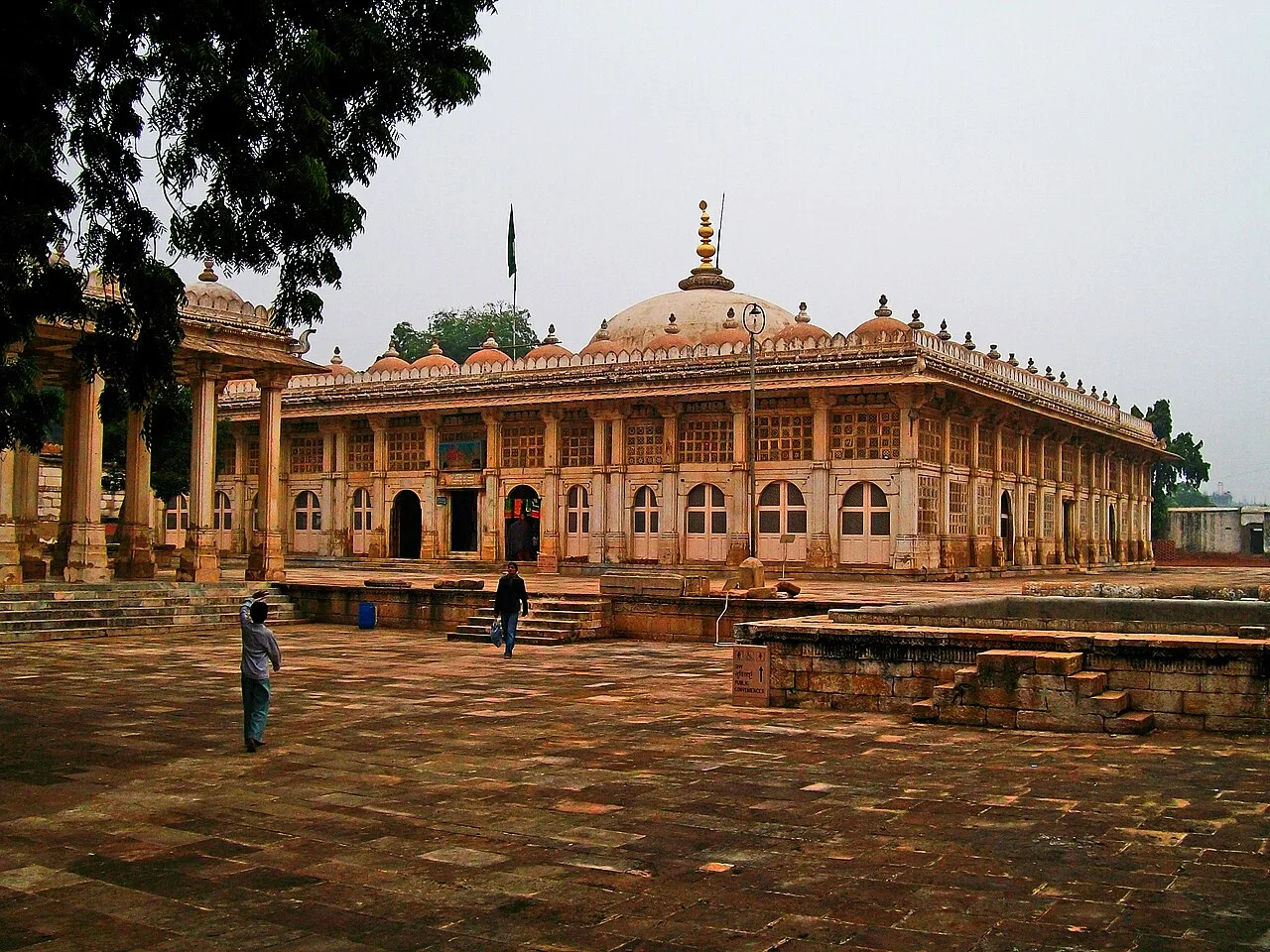
Sarkhej Roza is a Sufi religious complex in Makarba, Ahmedabad district, made up of a mosque and tombs. Visitors explore its nationally recognised status and its association with Shaikh Ahmed Ganj Baksh.

Sidi Saiyyed Mosque

32 km away · Ahmedabad district

Sidi Saiyyed Mosque

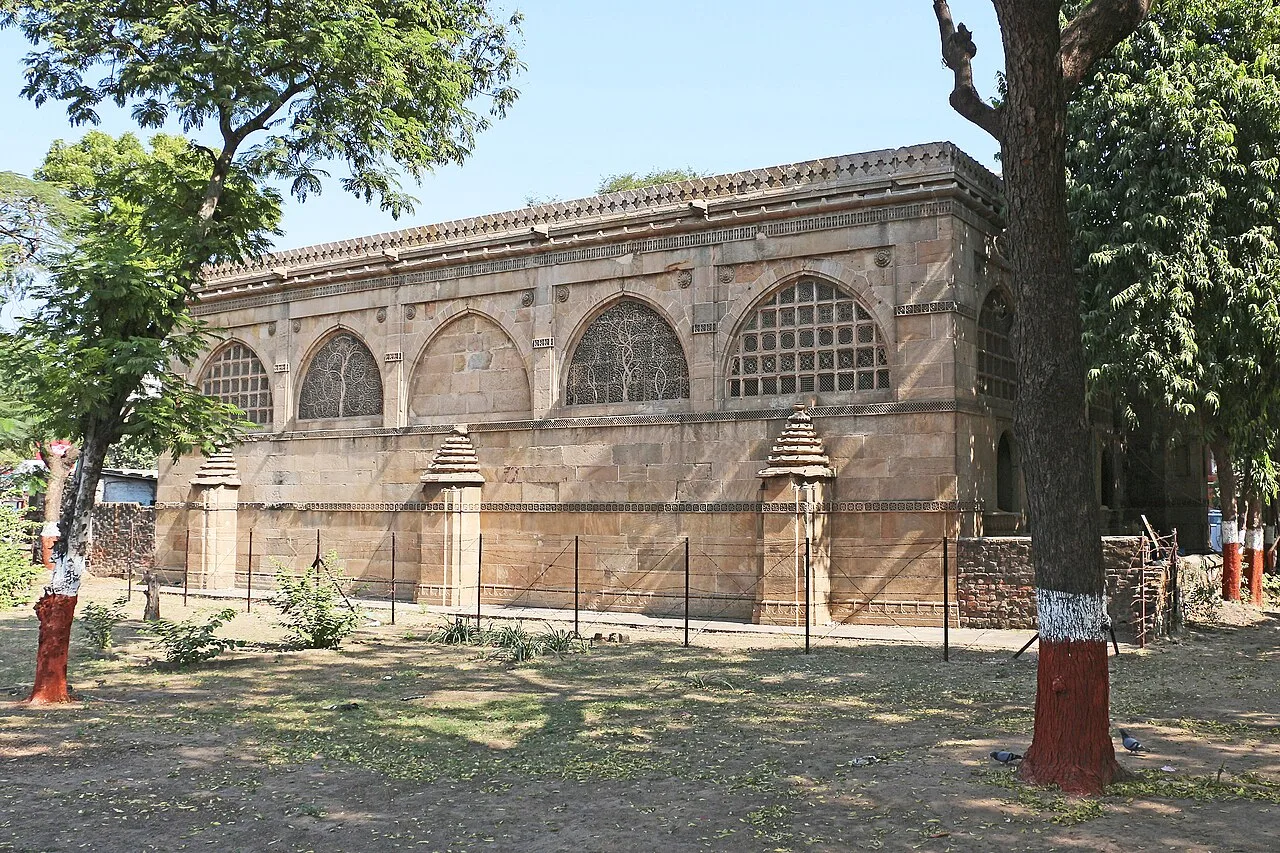
Sidi Saiyyed Mosque is a Sunni place of worship in Ahmedabad, Gujarat, also known locally as Sidi Saiyyed ni Jali. Visitors come to see this nationally important historic monument.

Dada Harir Stepwell

33 km away · Ahmedabad district

Dada Harir Stepwell

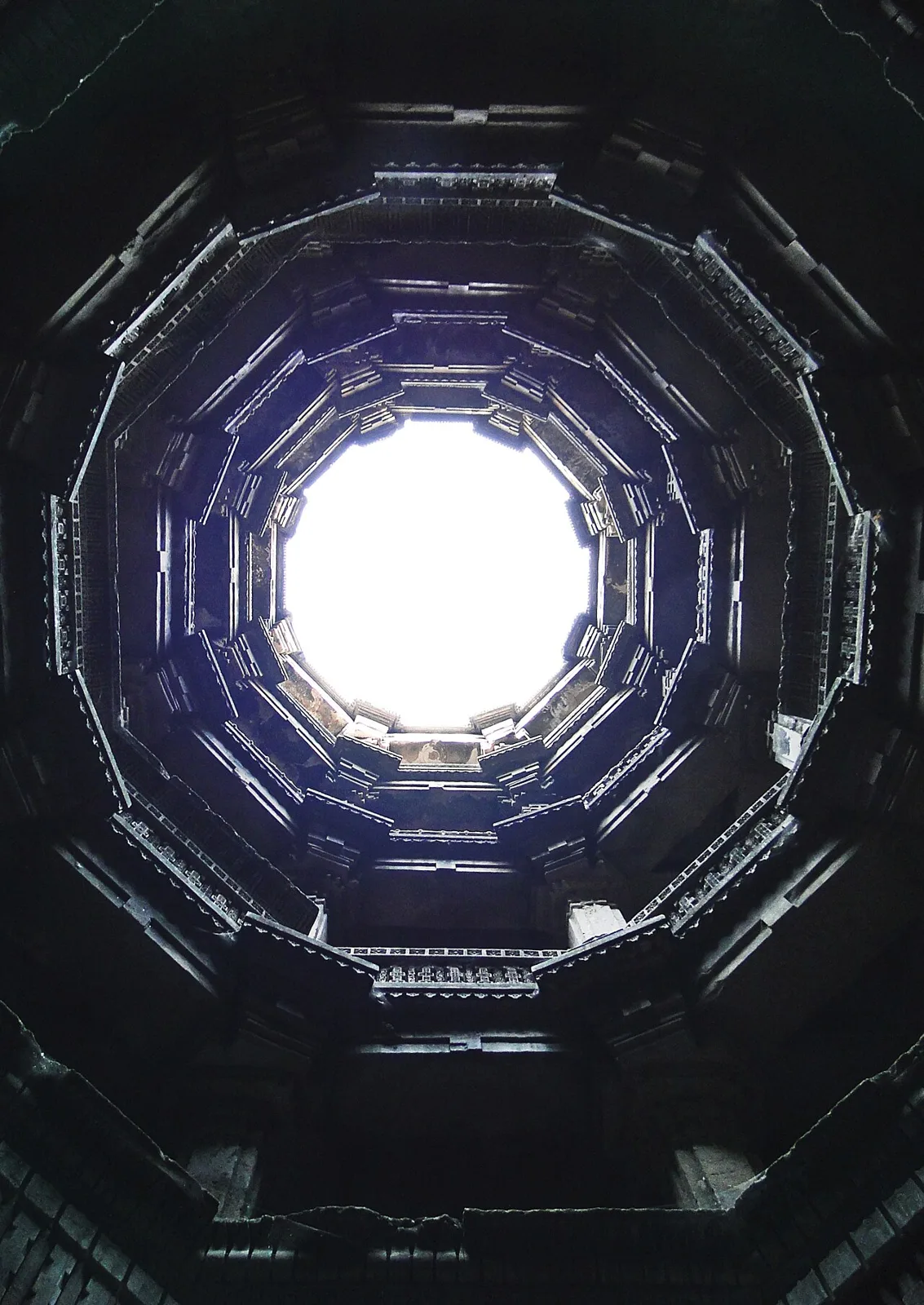
Dada Harir Stepwell is a fifteenth-century stepwell in Asarwa, Ahmedabad district, Gujarat. Visitors can see this historic structure about 15 kilometres from Ahmedabad.

Sabarmati Riverfront

33 km away · Ahmedabad district

Sabarmati Riverfront

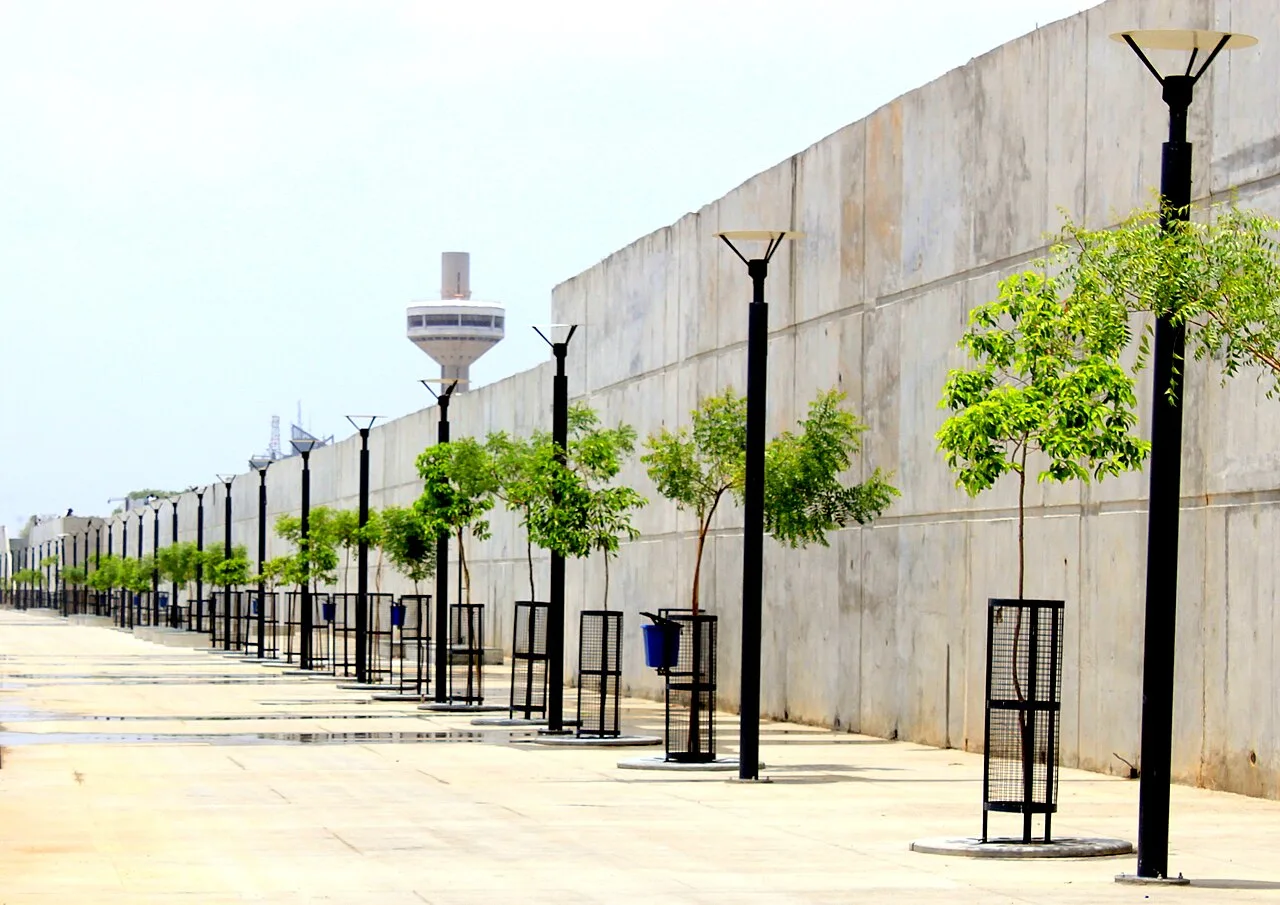
The Sabarmati Riverfront is a developing public waterfront in Ahmedabad. Visitors can access its facilities as they open, while the project aims to improve the environment and provide social infrastructure.

Hutheesing Jain Temple

34 km away · Ahmedabad district

Hutheesing Jain Temple

Ahmedabad's Hutheesing Jain Temple, in Gujarat, is a place of Jain worship built by the Hutheesing family in 1848. Visitors can see its blend of Maru-Gurjara temple design and haveli features.

Map

Kheda on the map

  1. 1Kankaria Lake
  2. 2Bhadra Fort
  3. 3Jama Masjid, Ahmedabad
  4. 4Sarkhej Roza
  5. 5Sidi Saiyyed Mosque
  6. 6Dada Harir Stepwell
  7. 7Sabarmati Riverfront
  8. 8Hutheesing Jain Temple

Gujarat

Other cities to explore