Ghumoopedia — Explore, Discover, Experience
Sign in
Dakor, near Kapadvanj

City guide · Gujarat

Kapadvanj

Kapadvanj is a town and taluka centre in Gujarat’s Kheda district, set beside the Mohar River. Its location once served traders travelling inland from the port of Cambay, giving the town a place in the region’s commercial history.

Famous for

  • Kundvav stepwell
  • Kapadvanj torana
  • Vohrawad havelis
  • Historic Jain temples
  • Feroze Tuglaq Mosque

Why Kapadvanj matters

Kapadvanj is a town and taluka centre in Gujarat’s Kheda district, set beside the Mohar River. Its location once served traders travelling inland from the port of Cambay, giving the town a place in the region’s commercial history. Today, it serves nearby communities while offering visitors a quieter, heritage-focused stop away from the state’s larger cities.

The old town’s most distinctive sights are its medieval stepwell and sculpted torana, associated with the Solanki ruler Jayasimha Siddharaja. The historic quarter also includes Jain temples, a mosque with distinctive Gujarati-Arabic calligraphy, and the Bohra neighbourhood of Vohrawad, known for its elegant older homes. These places make Kapadvanj particularly rewarding for travellers interested in architecture and the layered religious life of Gujarat. Ahmedabad is about 65 kilometres away, making the town possible to visit as part of a wider journey through central Gujarat. Its appeal lies less in major visitor facilities than in exploring its historic streets and enduring local character.
Famous for: crafts, trade & products

Kapadvanj’s name is associated with textiles, and its past as a trading centre links it to the movement of goods between Cambay and inland Gujarat. That history is a useful context for the town, but visitors should not assume it is a major contemporary textile-production or specialist saree-buying destination. The town’s local shops and markets mainly serve everyday needs; ask locally for current cloth and garment choices rather than expecting a concentrated textile market.

The clearest draws today are architectural rather than commercial: carved stonework at the torana and stepwell, old wooden houses in Vohrawad, and the town’s places of worship. Vohrawad’s havelis are notable for their blend of architectural influences and carved details, including musicians. Kapadvanj is not particularly identified with a widely marketed GI-tagged product or a nationally prominent craft market. For locally made goods and routine shopping, explore the central bazaar streets and ask shopkeepers about regional products available during your visit. The heritage buildings themselves offer a glimpse of the skill and decorative traditions once valued in the town.

History

Kapadvanj prospered as a trading settlement on an inland route from Cambay, with the Mohar River helping make water storage a practical concern. In the 12th century, the Solanki ruler Jayasimha Siddharaja is credited with building the town’s celebrated stepwells and torana. Kundvav, a rectangular stepwell, is smaller and simpler in plan than the famous stepwell at Modhera, while the torana is distinguished by its elaborate carved sculpture.

The town also witnessed conflict: in 1451, Gujarat’s Ahmad Shah defeated an invading Malwa force at the Battle of Kapadvanj. In 1746, a siege and political struggle involving regional chiefs and Maratha forces brought further disruption. During British rule, the area formed part of the Kaira district in the Bombay Presidency. In modern Gujarat, Kapadvanj has developed as a taluka centre in Kheda district. Its historic core remains a reminder of its earlier commercial importance, while newer parts of town serve the daily needs of surrounding settlements.

Food, festivals & culture

Gujarati is the main language of everyday life; Hindi is also useful with many residents and in shops. Kapadvanj’s cultural character is reflected in its varied places of worship: Jain temples, including Chintamani Parshwanath and Astapad, the Shantinath Glass Temple, the Feroze Tuglaq Mosque, and the distinctive Bohra neighbourhood of Vohrawad. Their architecture and continuing use reflect the town’s diverse religious communities.

Gujarati home-style meals and snacks are the best guide to local eating. Visitors may find familiar regional dishes such as thali, khichdi-kadhi and farsan, along with sweets from local shops; availability varies, so ask what is freshly prepared. Navratri, usually in autumn, brings the wider Gujarati traditions of garba and dandiya, while Diwali is marked with lights and family gatherings. Uttarayan, in January, is celebrated across Gujarat with kite-flying. Jain communities observe Paryushan according to the religious calendar, and Muslim residents mark Eid. These occasions offer a sense of local life, though public celebrations and events can vary from year to year.

Visiting the city

The cooler months, roughly October to February, are generally the most comfortable for exploring. Summer can be very hot, especially in May, while the monsoon usually falls from July through September. Sardar Vallabhbhai Patel International Airport in Ahmedabad is the nearest major airport, about 65 kilometres away. Kapadvanj railway station serves the town; Nadiad Junction is another option for broader rail connections.

Within town, local auto-rickshaws and hired vehicles can help connect the station, market and heritage sights; confirm availability locally. Explore the old-town area for Kundvav and the torana, then walk through Vohrawad to see its older homes. The Jain temples and Feroze Tuglaq Mosque add further architectural stops. Allow time to move between sights at an unhurried pace, and be considerate around active places of worship.

Trips from the city

Nearest places to visit from Kapadvanj

Our closest destination guides, by straight-line distance.

Dakor

31 km away · Kheda district

Dakor

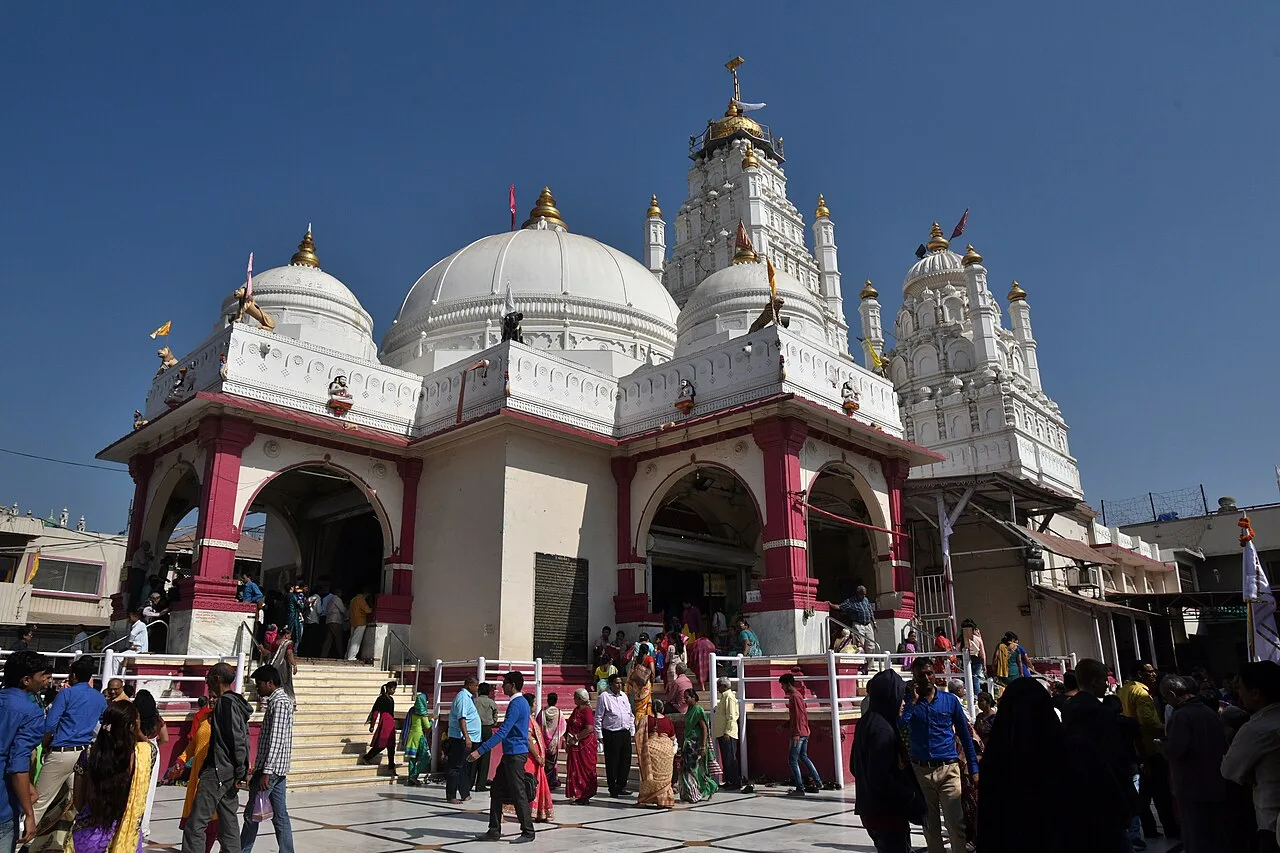
Dakor is a small city and municipality in Gujarat’s Kheda district, known for the temple of Raṇchoḍrāyjī, which draws people to the town.

Swaminarayan Akshardham

47 km away · Gandhinagar district

Swaminarayan Akshardham

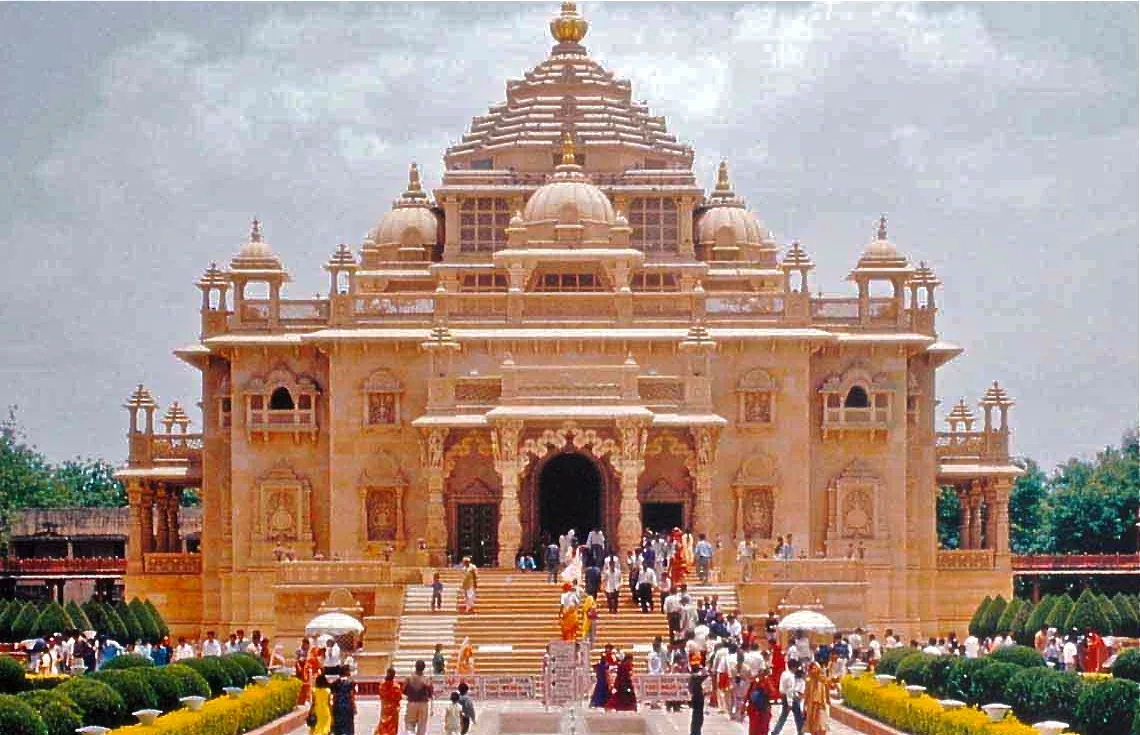
This Hindu temple complex in Gandhinagar, Gujarat, draws visitors interested in Swaminarayan’s teachings, BAPS traditions and its central shrine built from pink sandstone.

Dada Harir Stepwell

48 km away · Ahmedabad district

Dada Harir Stepwell

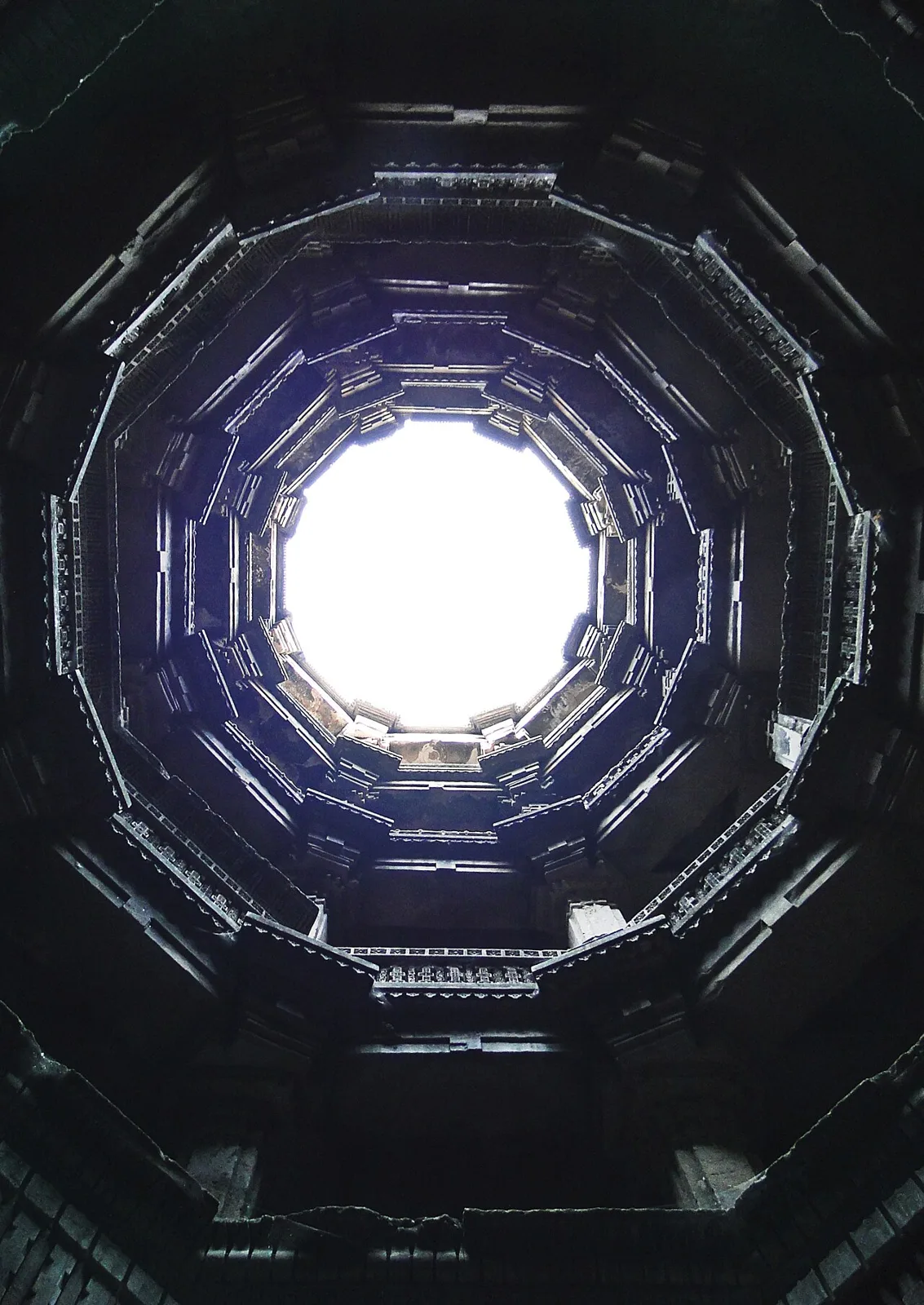
Dada Harir Stepwell is a fifteenth-century stepwell in Asarwa, Ahmedabad district, Gujarat. Visitors can see this historic structure about 15 kilometres from Ahmedabad.

Kankaria Lake

48 km away · Ahmedabad district

Kankaria Lake

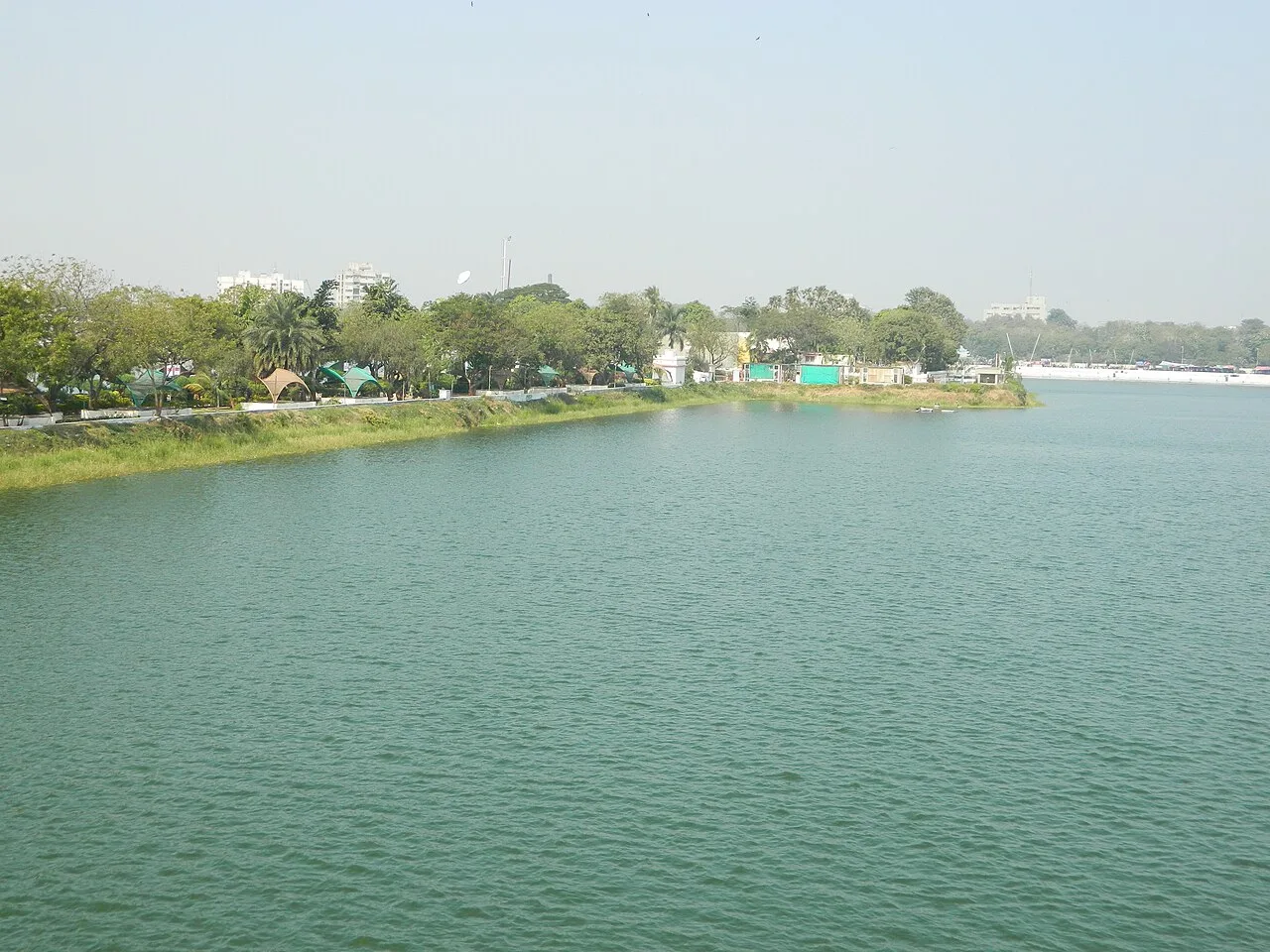
Kankaria Lake is Ahmedabad’s largest lake, situated in Maninagar. Visitors come for its leisure attractions and the cultural, artistic and social programme of the Kankaria Carnival.

Calico Museum of Textiles

49 km away · Ahmedabad district

Calico Museum of Textiles

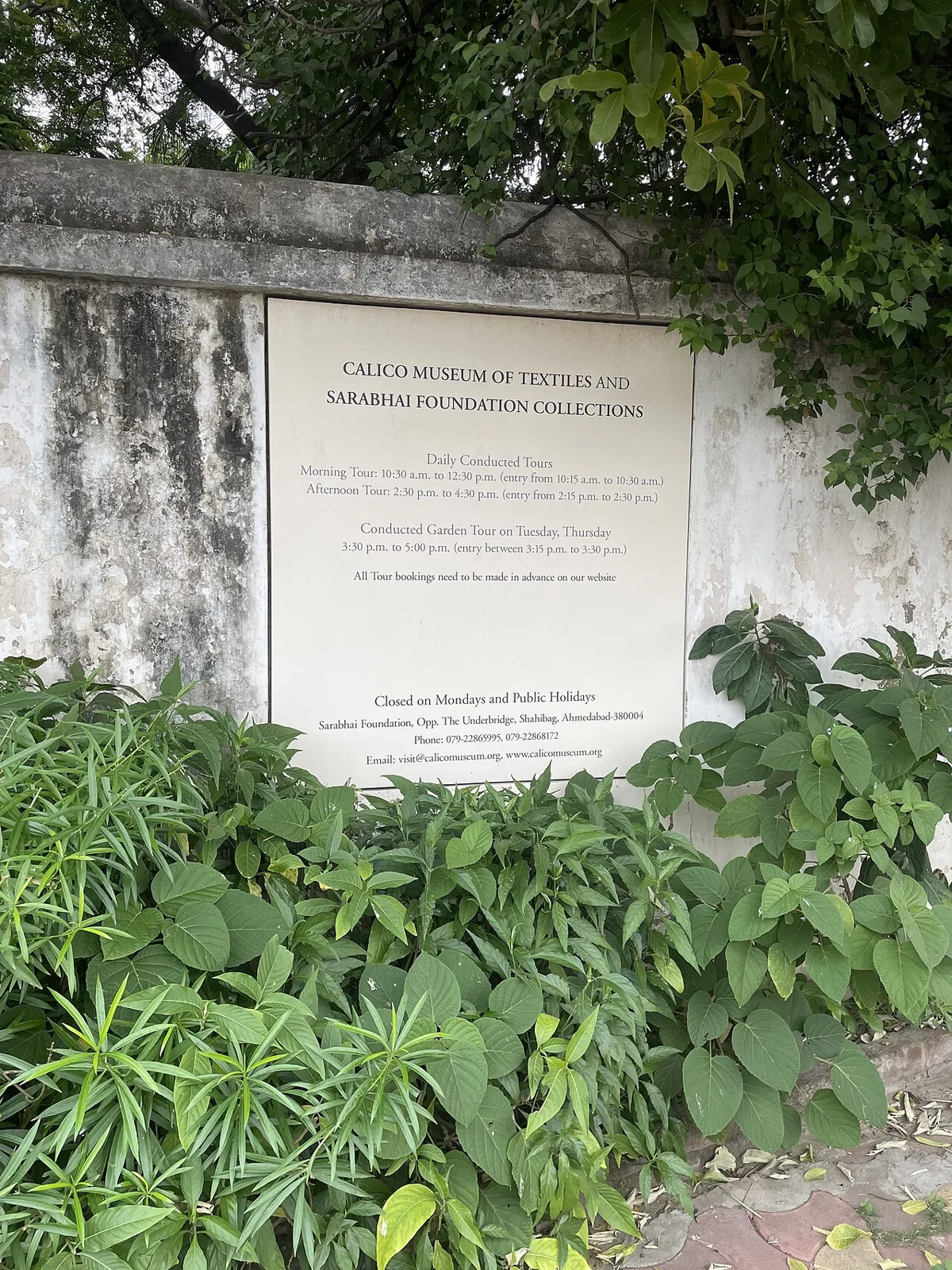
The Calico Museum of Textiles is a textile museum in Ahmedabad, Gujarat. Visitors come to see and learn about textiles at this institution, which is managed by the Sarabhai Foundation.

Hutheesing Jain Temple

49 km away · Ahmedabad district

Hutheesing Jain Temple

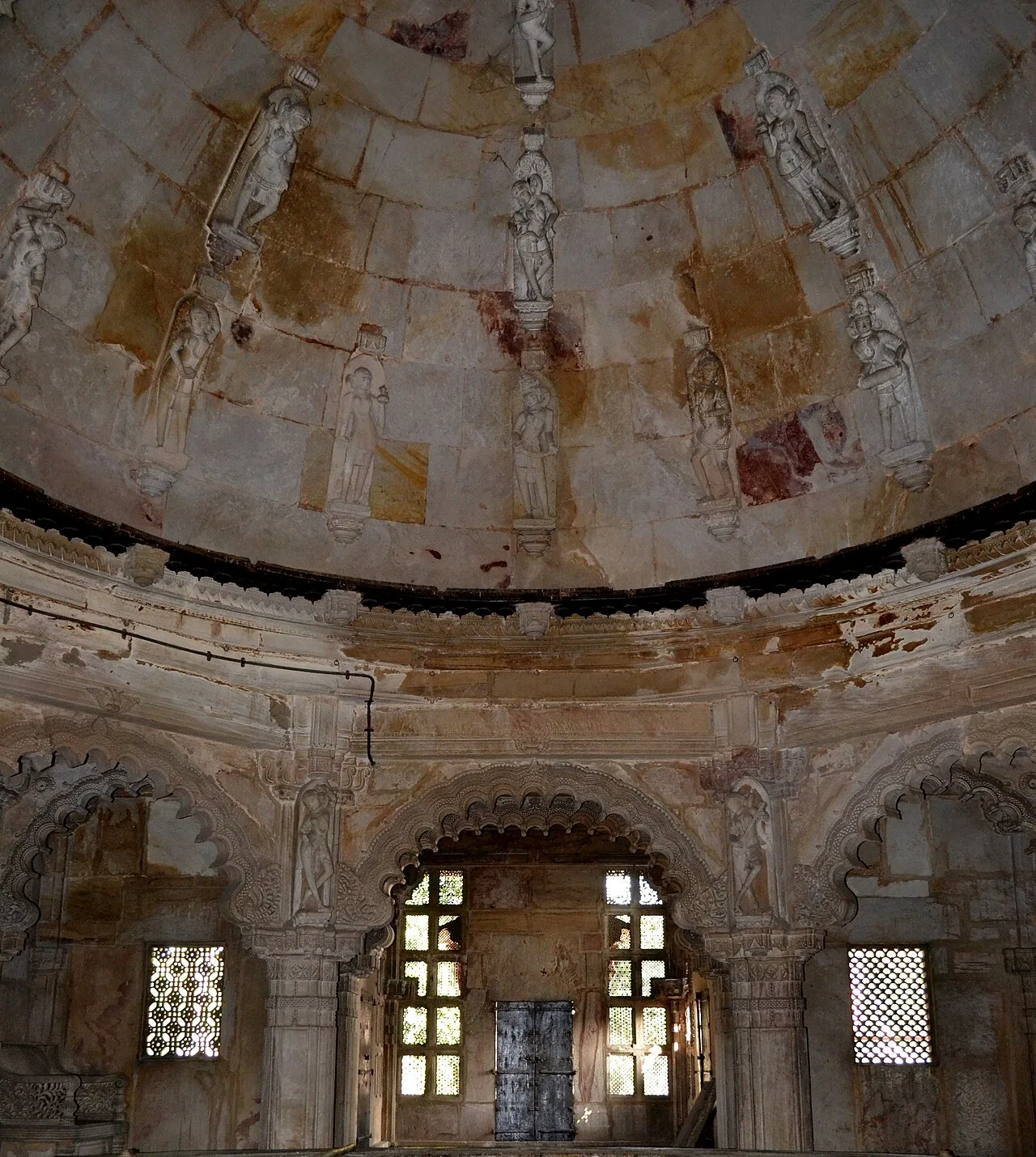
Ahmedabad's Hutheesing Jain Temple, in Gujarat, is a place of Jain worship built by the Hutheesing family in 1848. Visitors can see its blend of Maru-Gurjara temple design and haveli features.

Bhadra Fort

50 km away · Ahmedabad district

Bhadra Fort

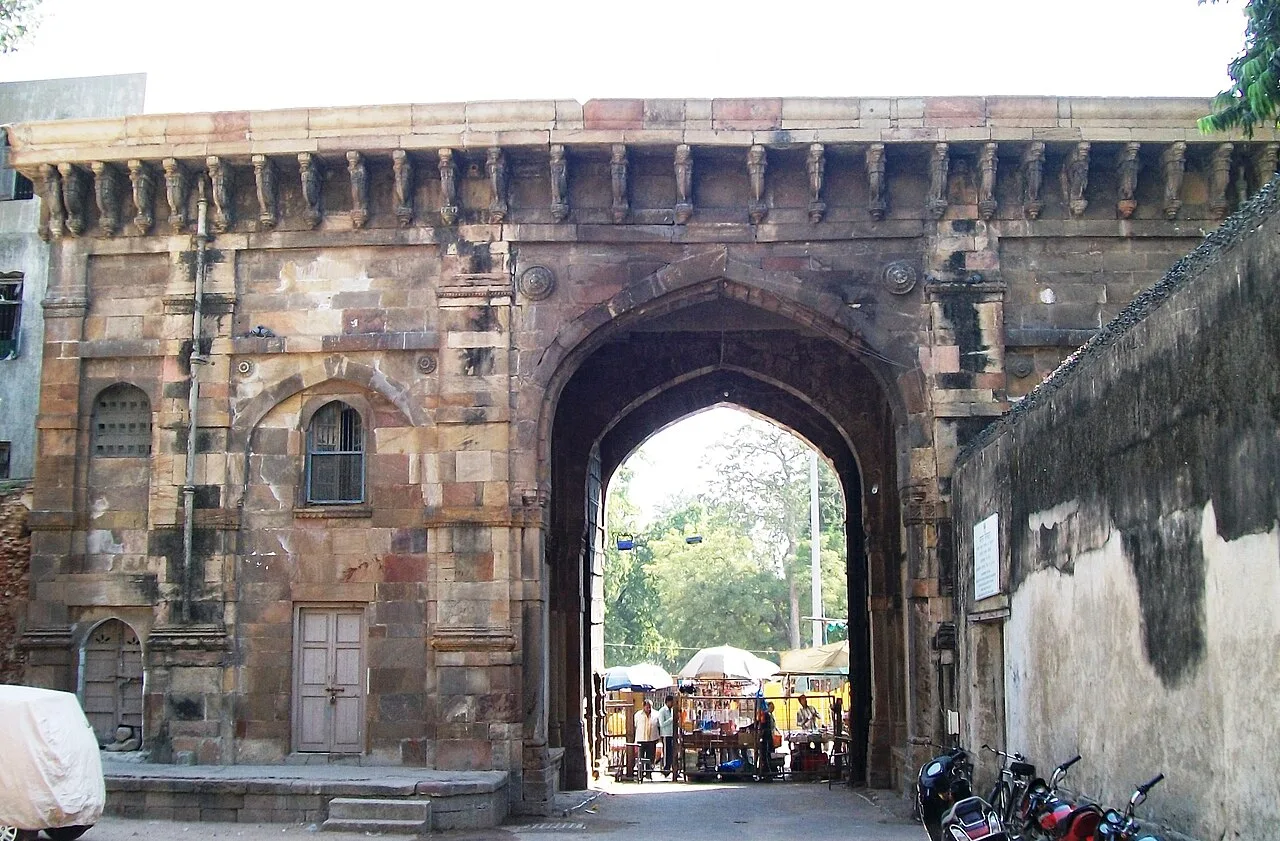
This historic Ahmedabad complex brings together royal buildings, mosques, gateways and open areas. Visitors explore its architecture and its present role as a cultural centre for the city.

Jama Masjid, Ahmedabad

50 km away · Ahmedabad district

Jama Masjid, Ahmedabad

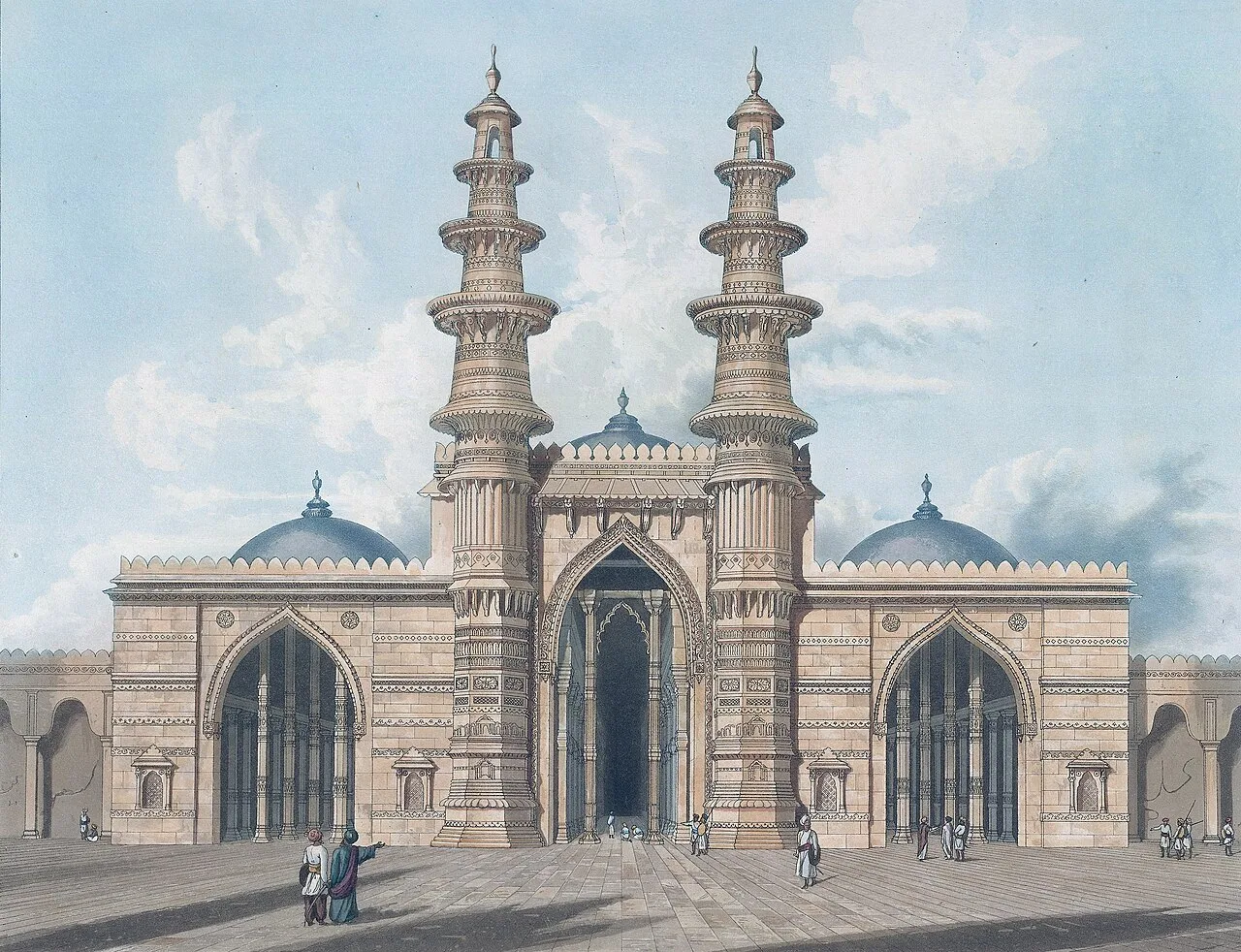
Ahmedabad’s Jama Masjid is a historic Friday mosque in the old city, visited for its impressive scale, central courtyard and expression of Gujarat-style architecture.

Map

Kapadvanj on the map

  1. 1Dakor
  2. 2Swaminarayan Akshardham
  3. 3Dada Harir Stepwell
  4. 4Kankaria Lake
  5. 5Calico Museum of Textiles
  6. 6Hutheesing Jain Temple
  7. 7Bhadra Fort
  8. 8Jama Masjid, Ahmedabad

Gujarat

Other cities to explore