Ghumoopedia — Explore, Discover, Experience
Sign in
Dholavira, near Rapar

City guide · Gujarat

Rapar

Rapar is a municipal town in eastern Kutch, Gujarat, and the principal market centre of the Vagad region. Its position serves villages across this relatively remote part of the district: residents come to town for shopping and everyday services, while visitors use it as a practical stop on journeys towards Dholavira, the celebrated Harappan archaeological site.

Famous for

  • Ravechi Mata temple
  • Ravechi Fair
  • Vagad regional market
  • Dholavira access point
  • Kutchi temples and ponds

Why Rapar matters

Rapar is a municipal town in eastern Kutch, Gujarat, and the principal market centre of the Vagad region. Its position serves villages across this relatively remote part of the district: residents come to town for shopping and everyday services, while visitors use it as a practical stop on journeys towards Dholavira, the celebrated Harappan archaeological site. Bhuj, the district headquarters, lies about 140 kilometres to the west.

The town’s appeal is rooted in both its regional role and its links to local religious life. Temples dedicated to Swaminarayan, Shiva, Rama and Dariyalal sit among the town’s familiar landmarks, alongside two ponds and a public garden. Nearby Nana Raava village is known for the Ravechi Mata temple and its large annual fair, which draws worshippers from across the region. Rapar was badly affected in parts by the 2001 Gujarat earthquake and has since been rebuilt. It offers a useful base for experiencing Vagad and the wider Kutch landscape, rather than the bustle of a major tourist city.
Famous for: crafts, trade & products

Rapar is best known locally as a trading and shopping centre for Vagad. Its market serves the town and surrounding villages, making it a place to look for everyday provisions and locally traded goods. The market is practical rather than a destination for a particular textile, saree or craft tradition; visitors seeking Kutch’s specialist crafts may need to explore other towns and villages in the district. No distinctive GI-tagged product is specifically associated with Rapar.

Religious landmarks are among the town’s most recognisable features. Swaminarayan Temple, Ratneswar Temple, Ram Mandir and Dariyasthan reflect different strands of local worship. The ponds and public garden offer a quieter glimpse of daily town life. Outside Rapar, the Ravechi Mata temple at Nana Raava is a significant pilgrimage destination, especially during its fair, when devotees gather to make offerings. For visitors, the town market is the most straightforward place to browse everyday goods; the temples and nearby fair provide a stronger sense of the area’s devotional traditions than any single signature product.

History

Rapar, also known historically as Rahpar, developed as an important settlement in Vagad, the eastern part of Kutch. Its role as a market town grew from its position among villages that look to it for trade and services. The town’s past is part of the wider history of Kutch, which was governed by the Jadeja rulers as a princely state before the end of British rule in India. Rapar’s own landmarks and local religious traditions reflect the area’s long-standing community life, though the town is not chiefly known for a single royal monument or colonial-era institution.

In modern times, Rapar has continued to serve as a regional centre and a stopping point for travellers heading towards Dholavira. The 2001 Gujarat earthquake caused significant damage to parts of the town. Rapar was subsequently rebuilt, with attention to planning and recovery, and remains an important service and market centre for eastern Kutch. Its story today is closely tied to the resilience of its residents and the needs of the surrounding Vagad villages.

Food, festivals & culture

Gujarati and Kutchi are widely used in everyday life, and Hindi is also understood in many settings. Local food reflects the wider Kutch and Gujarati kitchen: visitors may find rotla or other flatbreads served with vegetables, pulses, chutneys and pickles, as well as familiar Gujarati snacks and sweets. Menus and availability vary, so Rapar is better approached as a place to enjoy regional home-style cooking than as the home of one celebrated city-specific dish.

Hindu festivals bring worshippers to the town’s temples, with Navratri in autumn associated with garba and devotional music, and Diwali marked by prayers and family celebrations. The Ravechi Fair at the temple in nearby Nana Raava is a major local gathering, attracting communities including Charan, Ahir and Rabari devotees. Newly married Ahir couples traditionally attend in wedding dress to seek blessings from Ravechi Mata. Swaminarayan Temple, Ratneswar Temple, Ram Mandir and Dariyasthan are among Rapar’s places of worship; the fair offers a particularly vivid view of regional devotion and community customs.

Visiting the city

The cooler months, roughly October to February, are generally the most comfortable for visiting; summer can be very hot. The nearest airport is Kandla Airport, near Gandhidham, about 95 kilometres away. Chhitrod railway station is the nearest rail stop, around 18 kilometres from Rapar. From either, visitors can continue by road; local taxis and other road transport connect Rapar with nearby settlements. Check onward connections locally, especially when travelling to rural sites.

In town, explore the central market, the temples, the ponds and the public garden. Rapar also makes a convenient road stop for journeys to Dholavira. To visit Ravechi Mata temple, travel to Nana Raava village; the annual fair is the liveliest time, but dates and transport arrangements should be confirmed locally. Bhuj lies roughly 140 kilometres west and is a larger regional centre for extending a Kutch itinerary.

Trips from the city

Nearest places to visit from Rapar

Our closest destination guides, by straight-line distance.

Dholavira

56 km away · Kutch district

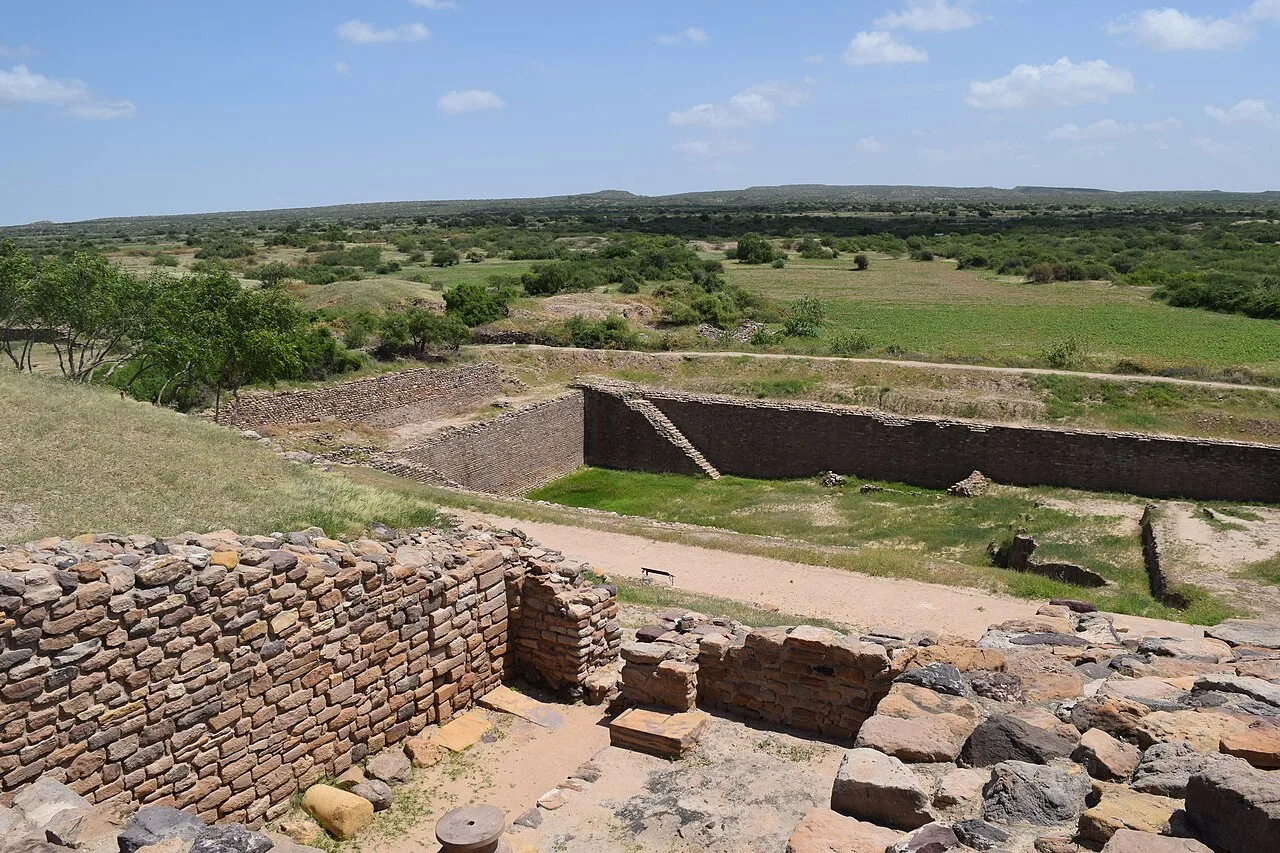
Dholavira

Dholavira is the remains of a city of the Indus Valley Civilization in Gujarat. People visit to see the archaeological ruins and learn about this ancient settlement.

Great Rann of Kutch

57 km away · Kutch district

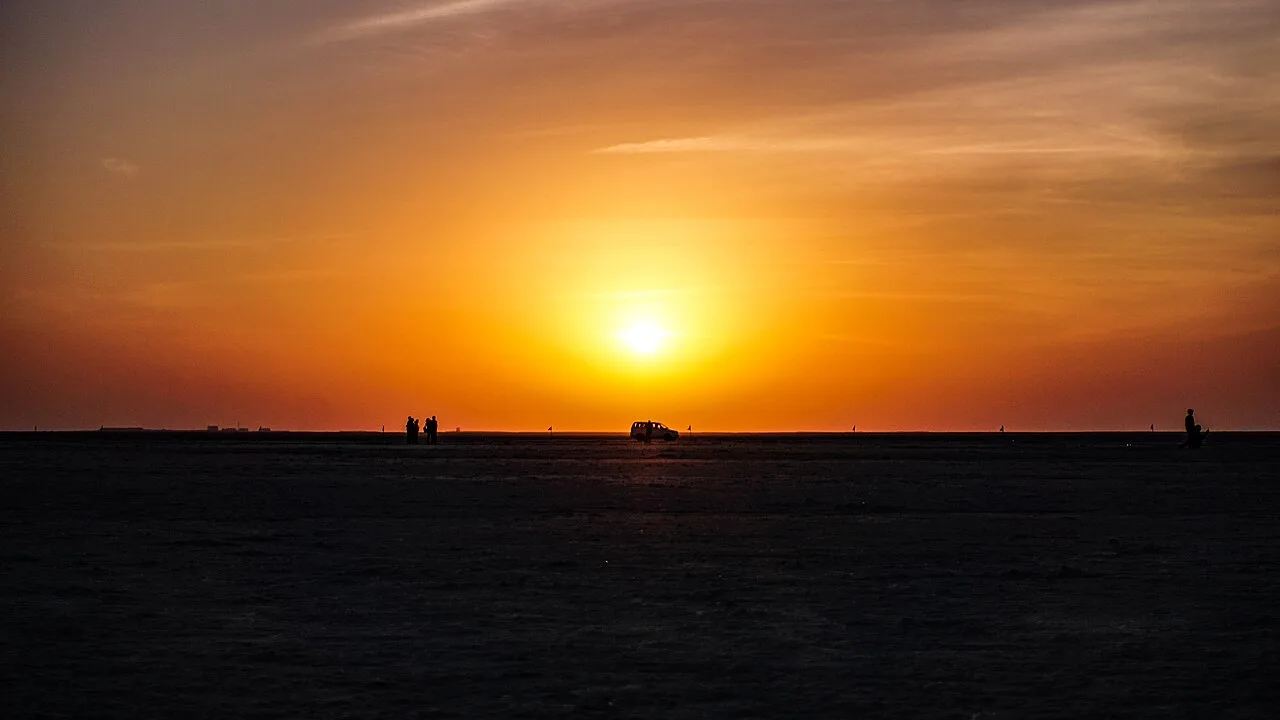
Great Rann of Kutch

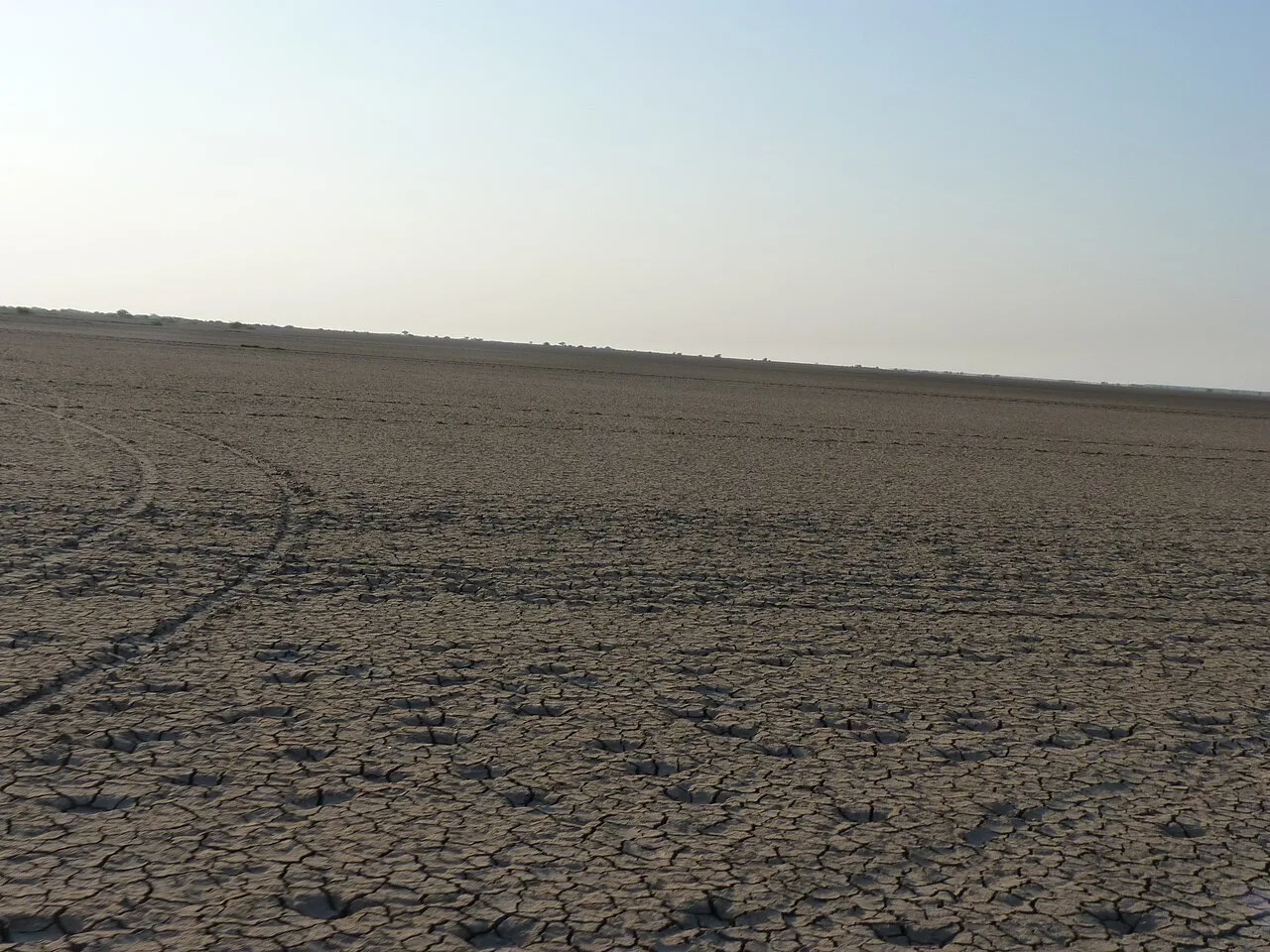
A vast saline desert in Gujarat’s Kutch district, the Great Rann forms part of the Thar Desert. Visitors come to encounter its immense salt-flat landscape.

Kalo Dungar

94 km away · Kutch district

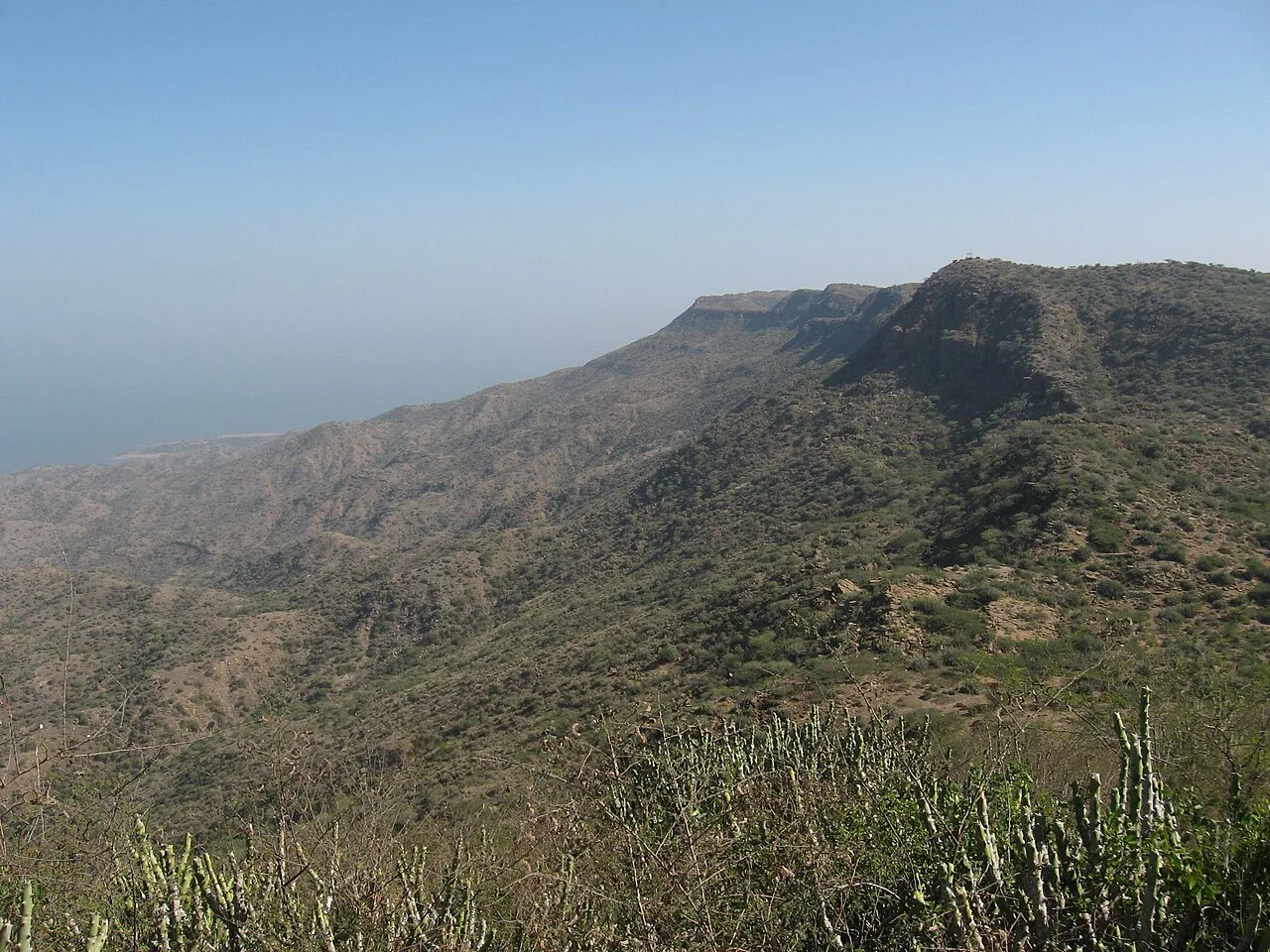
Kalo Dungar

Kalo Dungar, also called Black Hill, is a 462-metre summit in Kutch, Gujarat. Visitors come for its Dattatreya temple and the magnetic-hill illusion.

Khavda

99 km away · Kutch district

Khavda

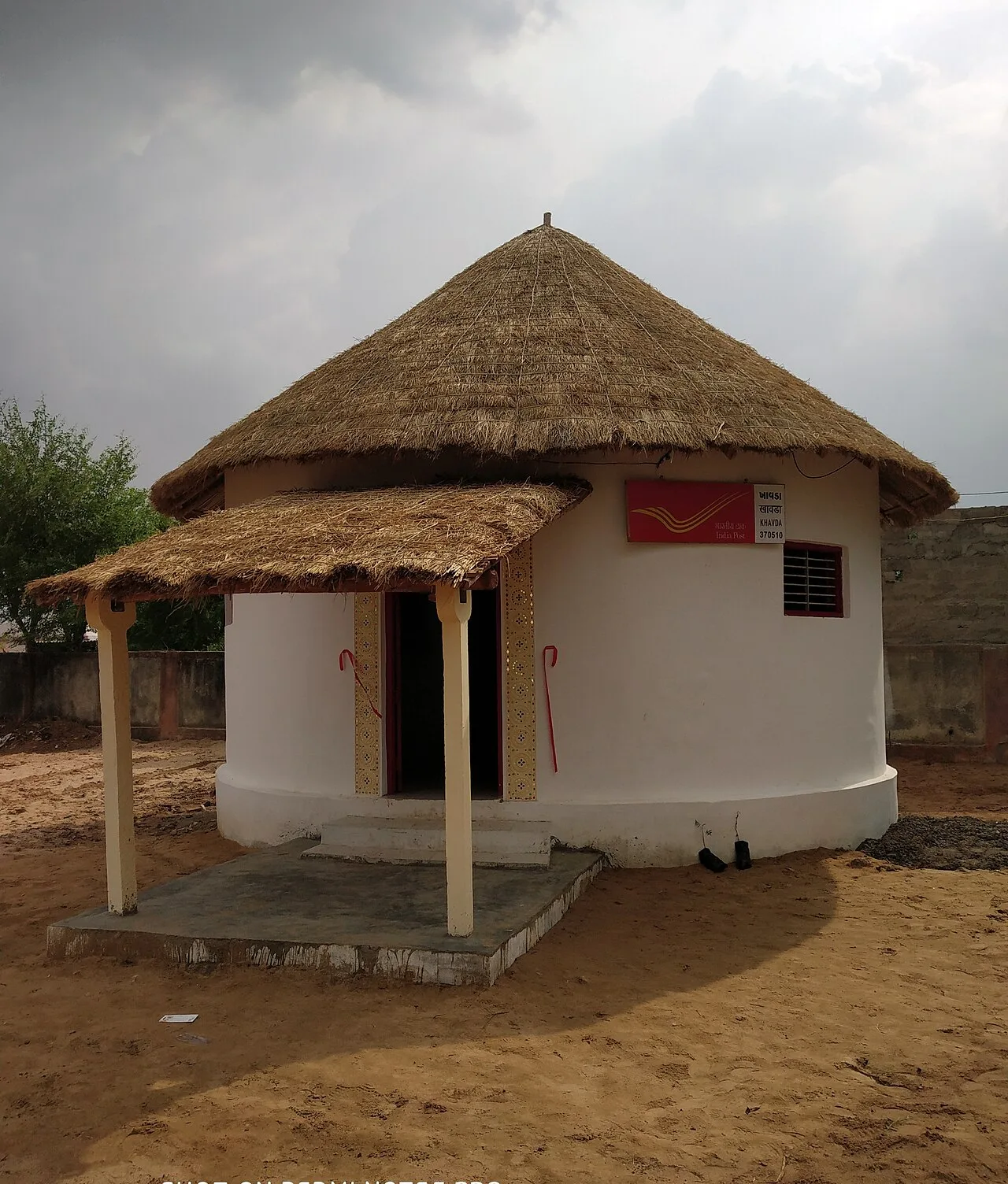
Khavda is a settlement in Bhuj taluka, Gujarat’s Kutch district, on Pachham Island’s western side in the Greater Rann of Kutch. Visitors come for its setting in this landscape.

Indian Wild Ass Sanctuary

104 km away · Surendranagar district

Indian Wild Ass Sanctuary

In Gujarat’s Little Rann of Kutch, the Indian Wild Ass Sanctuary protects the endangered khur. Visitors are drawn by the chance to see this wild ass, a southern subspecies of the Asiatic wild ass.

Aina Mahal

106 km away · Kutch district

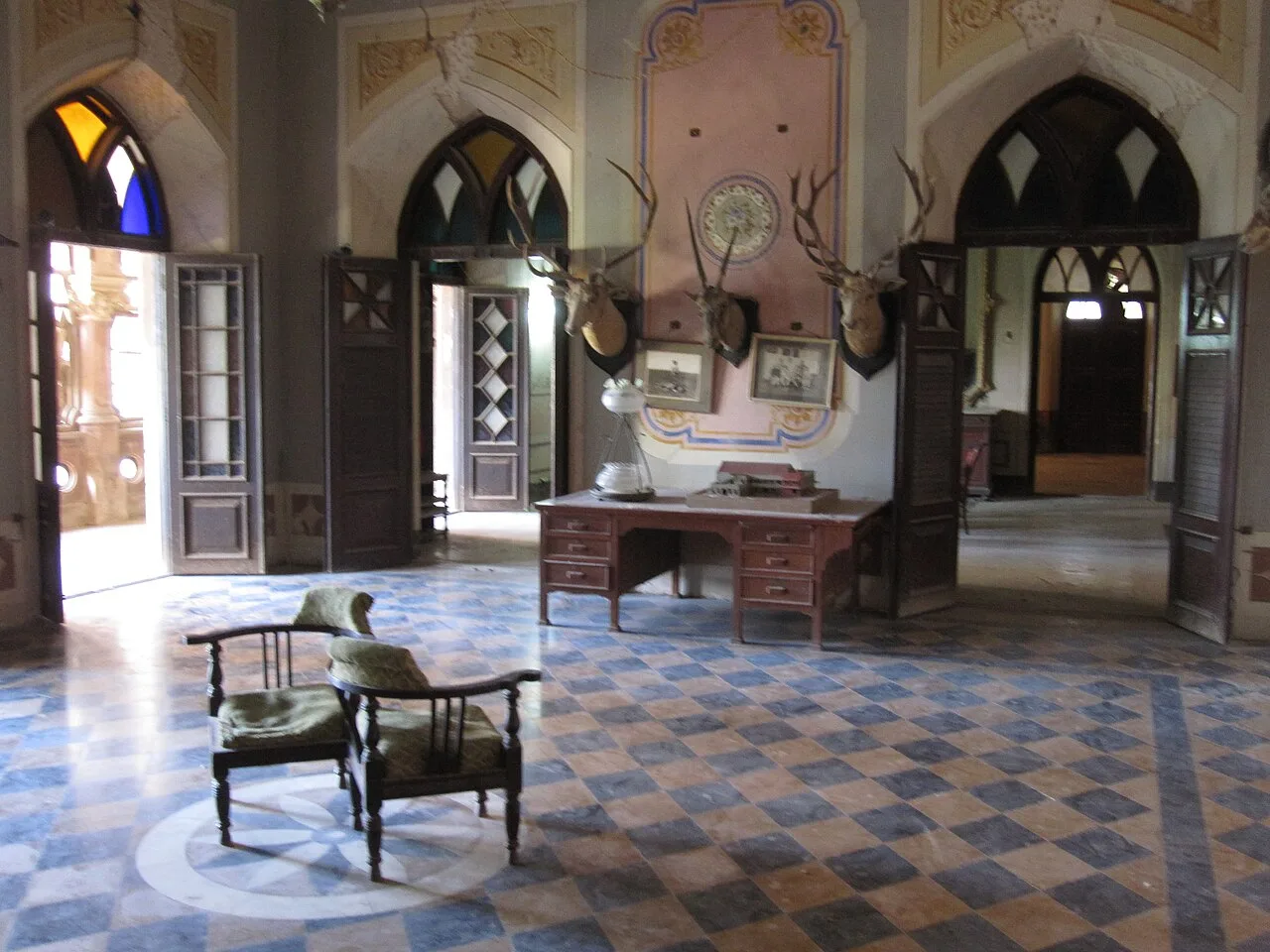
Aina Mahal

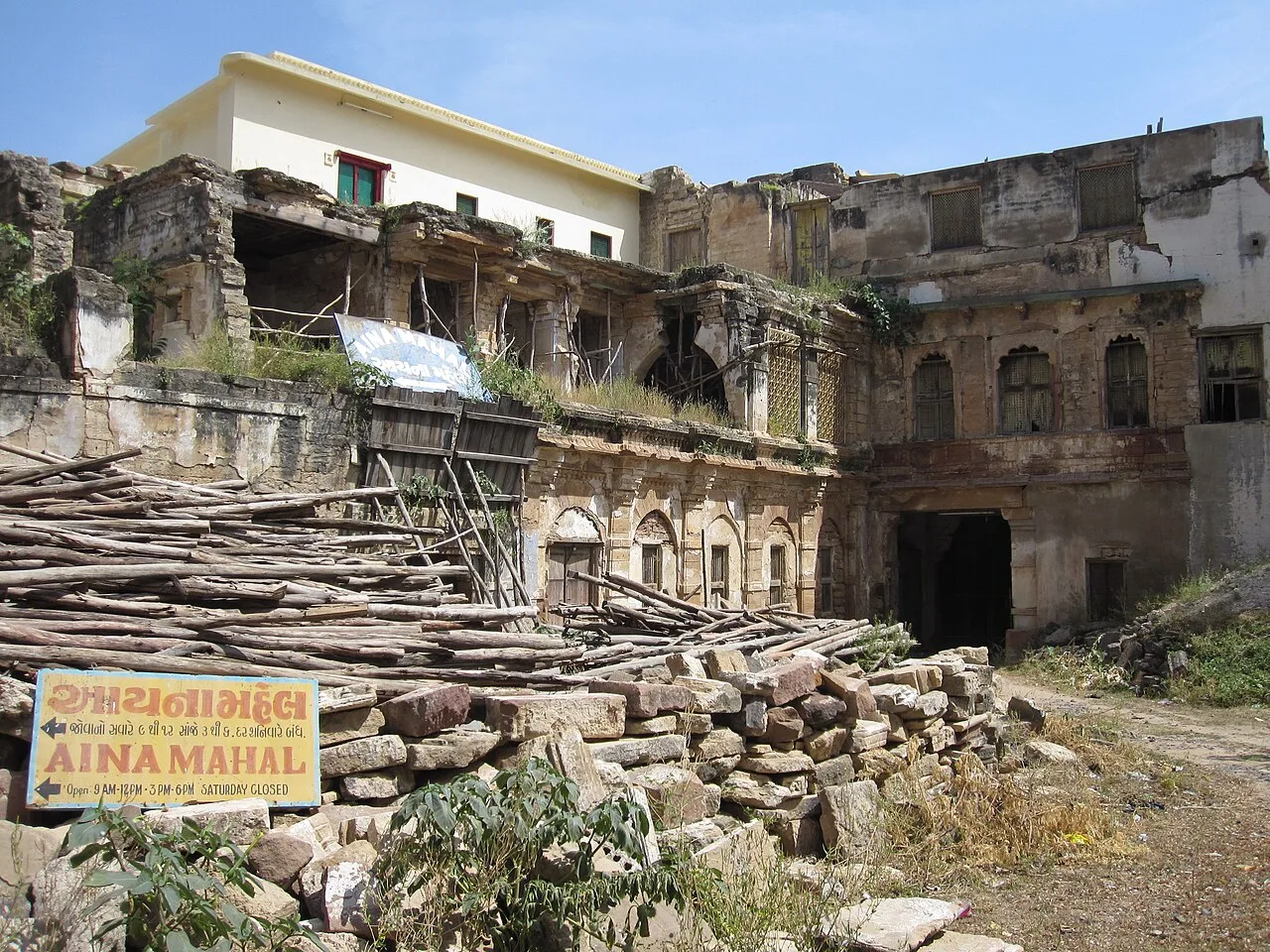
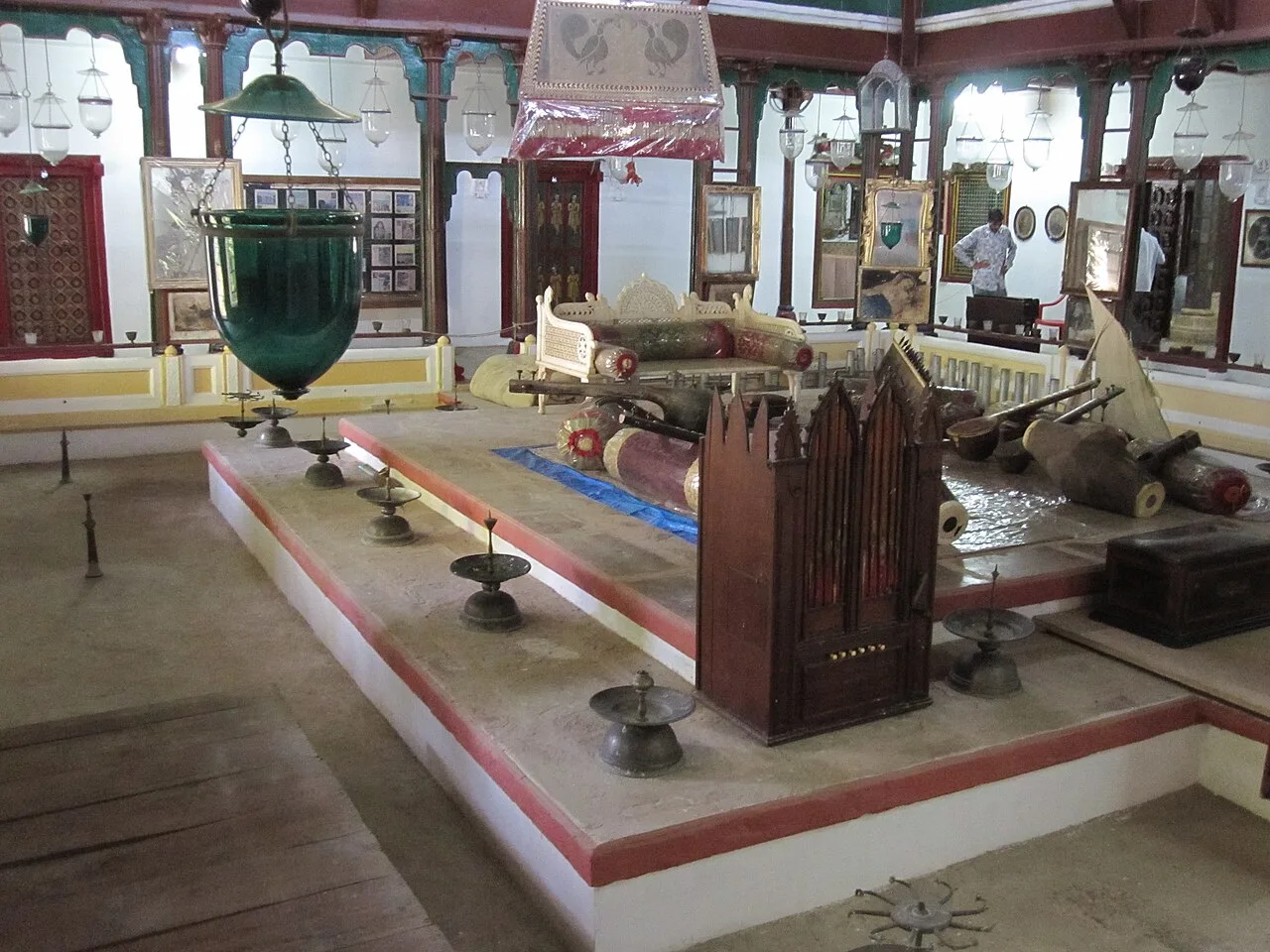
Aina Mahal is an eighteenth-century palace beside Prag Mahal in Bhuj, Gujarat. Visitors explore its historic interiors and museum collection, which includes clocks, mechanical toys and paintings.

Bhuj

106 km away · Kutch district

Bhuj

Bhuj is a city and administrative centre in Gujarat’s Kutch district. Visitors interested in Kutch’s past may come to learn about its former role as the capital of Kutch State.

Prag Mahal

106 km away · Kutch district

Prag Mahal

Prag Mahal is a nineteenth-century palace in Bhuj, in Gujarat’s Kutch district, adjoining Aina Mahal. Visitors can see the palace and its position beside its neighbour.

Map

Rapar on the map

  1. 1Dholavira
  2. 2Great Rann of Kutch
  3. 3Kalo Dungar
  4. 4Khavda
  5. 5Indian Wild Ass Sanctuary
  6. 6Aina Mahal
  7. 7Bhuj
  8. 8Prag Mahal

Gujarat

Other cities to explore