Ghumoopedia — Explore, Discover, Experience
Sign in
Swaminarayan Akshardham, near Prantij

City guide · Gujarat

Prantij

Prantij is a small municipal town in Sabarkantha district, northern Gujarat, serving as a local centre for nearby villages and farms. Its importance comes less from major tourist attractions than from its everyday role in the region: residents come here for markets, services and connections to surrounding settlements.

Famous for

  • Meshwo River surroundings
  • Sabarkantha farm produce
  • Cotton-growing countryside
  • Local Gujarati markets

Why Prantij matters

Prantij is a small municipal town in Sabarkantha district, northern Gujarat, serving as a local centre for nearby villages and farms. Its importance comes less from major tourist attractions than from its everyday role in the region: residents come here for markets, services and connections to surrounding settlements. Agriculture shapes the landscape and local trade, with cotton among the crops grown in the wider area.

The Meshwo River passes near Prantij and forms part of the broader Sabarmati river system. Its surroundings offer a glimpse of the gently rolling, cultivated countryside typical of this part of Gujarat. Visitors may find Prantij useful as a stop on a journey through Sabarkantha or as a starting point for exploring the district’s rural character. The town is not widely known as a specialist craft or resort destination; its appeal lies in local life, regional food and the rhythms of a working market town. Gujarati traditions are evident in its language, worship and seasonal celebrations.
Famous for: crafts, trade & products

Prantij is not especially identified with a nationally prominent textile, handicraft or GI-tagged product. Its local economy is more closely connected with agriculture and the exchange of goods serving the surrounding countryside. Cotton is an important crop in the area, alongside food crops and vegetables grown across Sabarkantha. The district’s produce varies with season and local conditions, so the town’s markets are a practical place to see what is currently being traded rather than a destination for a single signature product.

For everyday shopping, look around the town’s central bazaar and market streets, where small retailers and vendors serve local residents. These are the best places to look for groceries, household goods, snacks and seasonal produce; availability changes, and specialist craft shops should not be assumed. Visitors seeking a wider range of branded goods or established artisan clusters may need to travel to larger cities in Gujarat. Prantij’s defining commercial character is that of a regional service and trading town, linked to farms and villages rather than to a large manufacturing or export industry.

History

Prantij’s development is closely tied to its position among the settlements and agricultural lands of northern Gujarat. Before independence, this part of the region was shaped by princely administration and British paramountcy; Prantij’s past is best viewed within that wider political setting rather than through a single celebrated royal monument or ruling dynasty. The town’s local markets and links with neighbouring villages helped sustain its role as a service centre.

Following independence and the integration of princely territories into India, administration was reorganised across the region. Prantij became part of Sabarkantha district in Gujarat and developed as a municipal and taluka centre. Roads, rail connections and public services strengthened its links with nearby towns and rural communities, while agriculture continued to influence local trade and employment. Today, its growth reflects the needs of a working regional town, with municipal services, shops and transport serving both residents and people from surrounding villages. Its history is therefore most visible in its continuing administrative and market role.

Food, festivals & culture

Gujarati is the principal language of daily life in Prantij, and Hindi is also understood by many people. Food reflects familiar Gujarati home cooking: meals may include rotli or rotla, dal, vegetables, rice and khichdi, with snacks such as farsan and sweets such as jalebi or locally available milk-based mithai. Menus and market offerings vary, so travellers should ask locally about seasonal specialities rather than expect a single dish unique to the town.

Navratri, usually in autumn, brings devotional music and garba dancing, while Diwali is marked by worship, family gatherings and festive foods. Uttarayan, the January kite festival, is celebrated across Gujarat and is part of the seasonal calendar here as well. Hindu temples and Muslim places of worship serve local communities; visitors should dress respectfully and follow posted customs. Folk and devotional music are heard especially during religious occasions and community celebrations. The cultural experience is rooted in everyday neighbourhood life rather than in a large, dedicated performance or museum circuit.

Visiting the city

The cooler months, roughly from November to February, are generally the most comfortable time to visit. Summer can be very hot, while the monsoon brings rain and greener countryside. The nearest major airport is Sardar Vallabhbhai Patel International Airport in Ahmedabad. Prantij has a railway station; check current rail connections before travelling, as services and routes can change.

Within town, auto-rickshaws and local vehicles are practical for short trips; arrange transport locally for villages or river-side areas. Begin around the central market streets to see everyday town life, then explore the surrounding agricultural landscape and Meshwo River environs where access is suitable. Prantij is a modest regional centre rather than a resort, so visitors looking for a broader range of accommodation or attractions may plan onward travel through larger towns in Sabarkantha or Ahmedabad.

Trips from the city

Nearest places to visit from Prantij

Our closest destination guides, by straight-line distance.

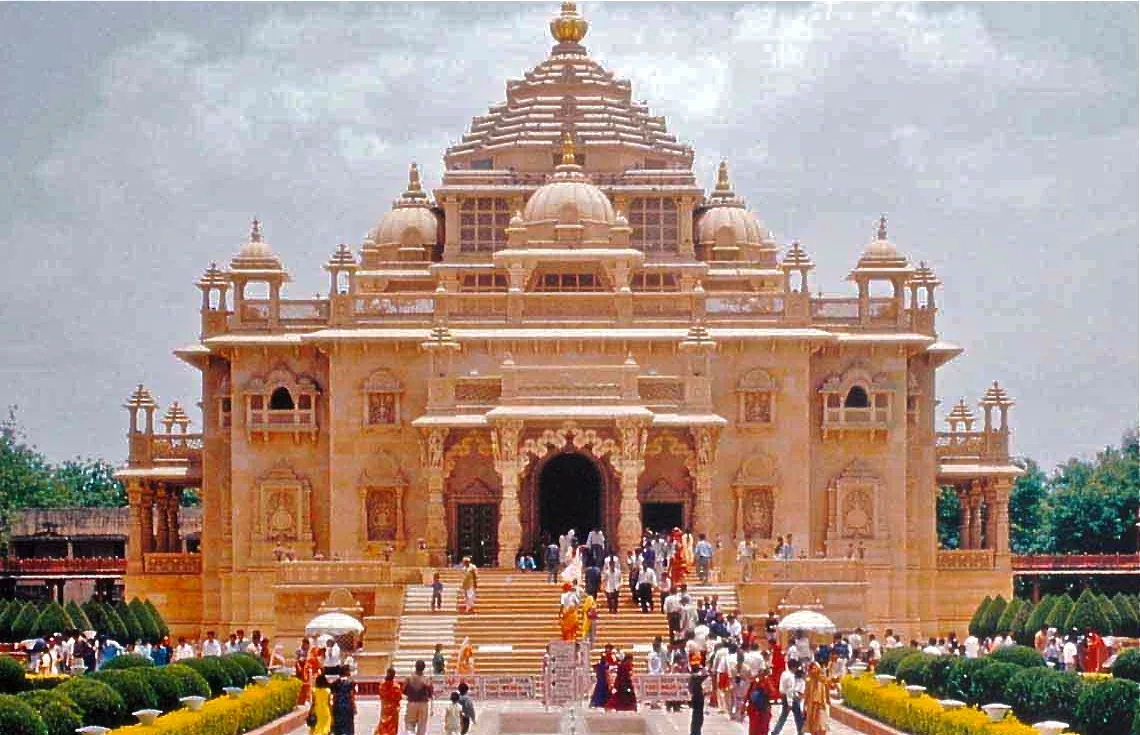
Swaminarayan Akshardham

29 km away · Gandhinagar district

Swaminarayan Akshardham

This Hindu temple complex in Gandhinagar, Gujarat, draws visitors interested in Swaminarayan’s teachings, BAPS traditions and its central shrine built from pink sandstone.

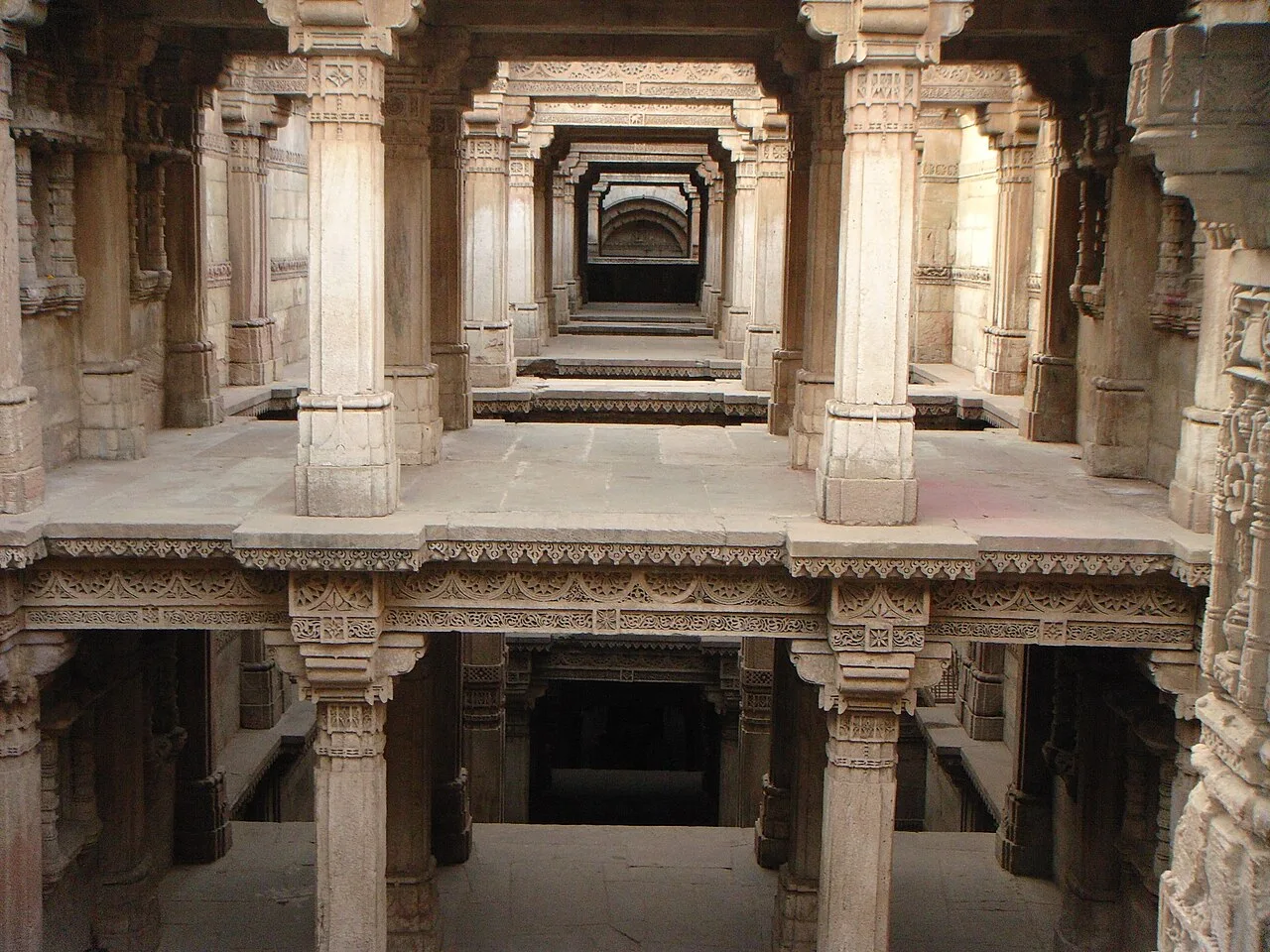
Adalaj Stepwell

40 km away · Gandhinagar district

Adalaj Stepwell

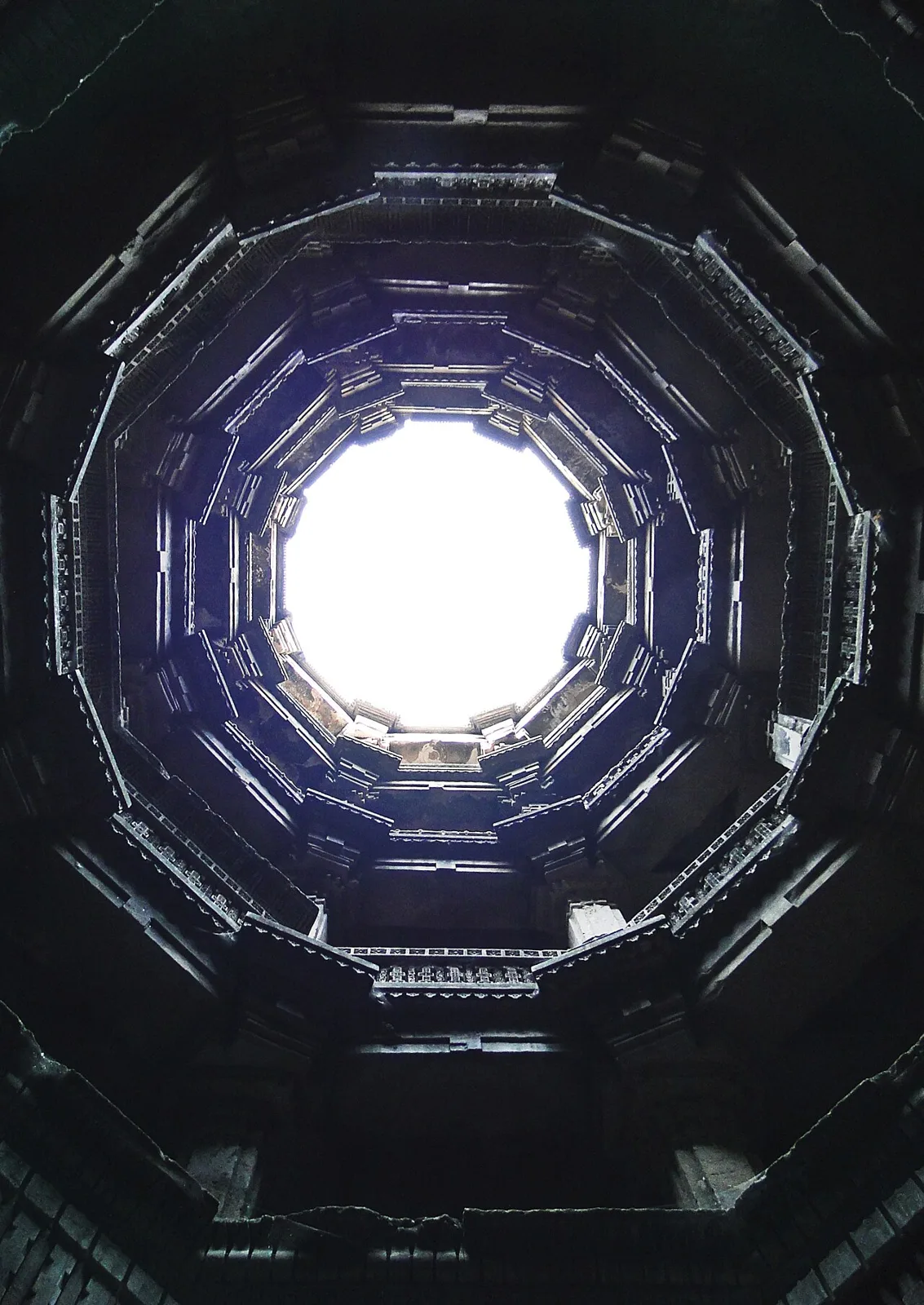
Adalaj Stepwell, also known as Rudabai Stepwell, is a sandstone structure in Gujarat’s Gandhinagar district. Visitors come to see its Solanki-style design and its connection to Rana Veer Singh.

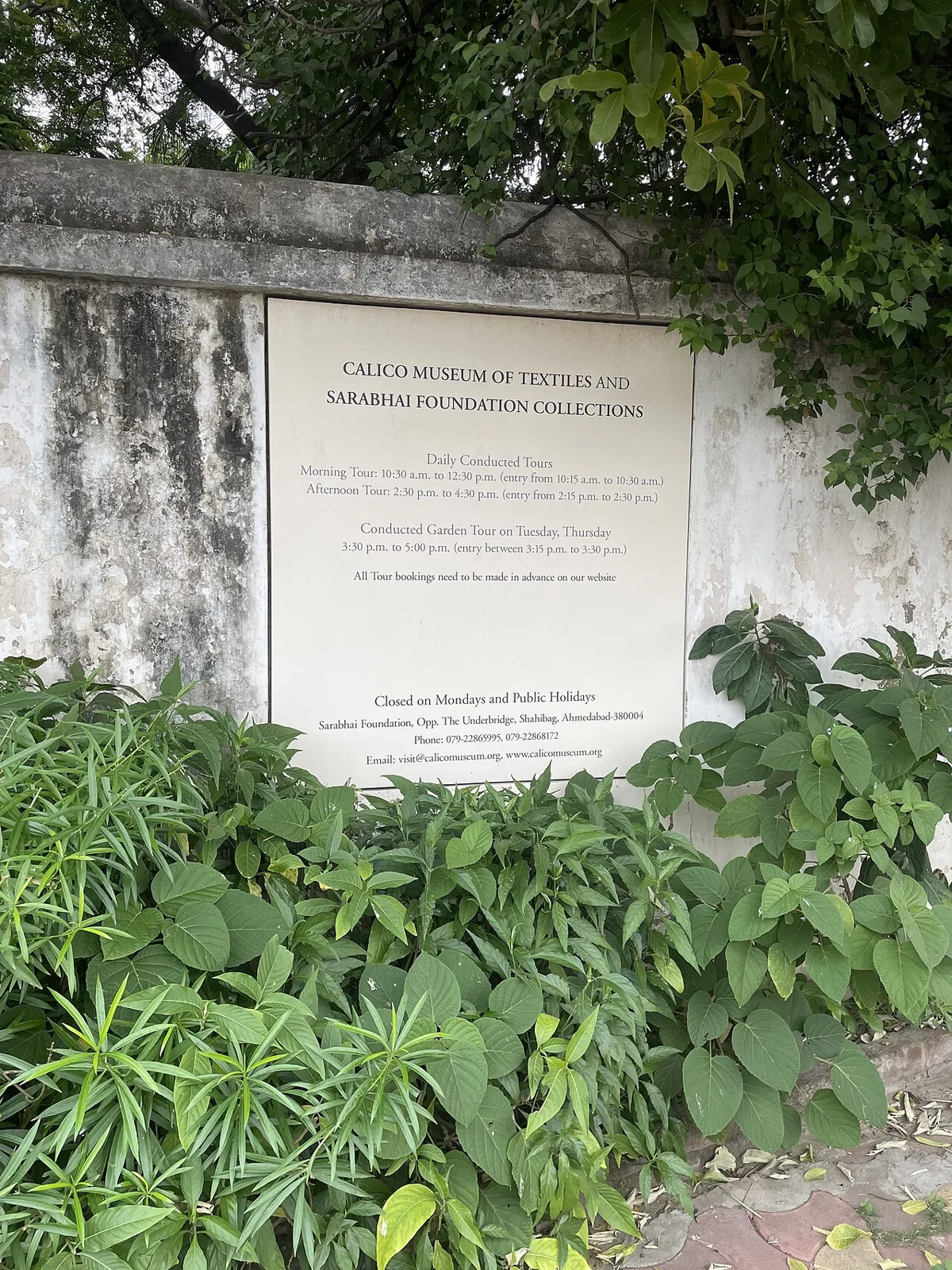
Calico Museum of Textiles

50 km away · Ahmedabad district

Calico Museum of Textiles

The Calico Museum of Textiles is a textile museum in Ahmedabad, Gujarat. Visitors come to see and learn about textiles at this institution, which is managed by the Sarabhai Foundation.

Dada Harir Stepwell

50 km away · Ahmedabad district

Dada Harir Stepwell

Dada Harir Stepwell is a fifteenth-century stepwell in Asarwa, Ahmedabad district, Gujarat. Visitors can see this historic structure about 15 kilometres from Ahmedabad.

Sabarmati Ashram

50 km away · Ahmedabad district

Sabarmati Ashram

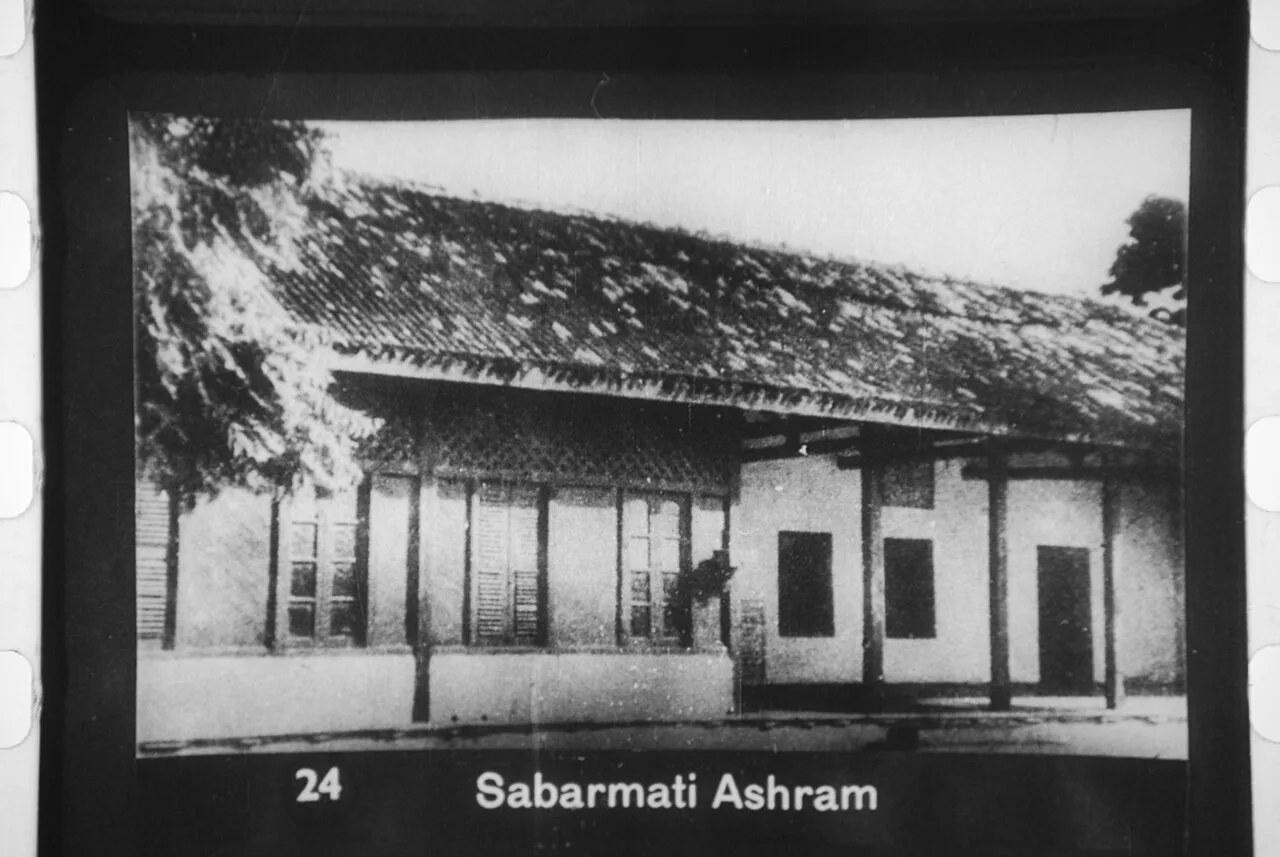
Sabarmati Ashram, in Ahmedabad, is one of Mahatma Gandhi’s former homes and is now a national monument. Visitors come for its links with Gandhi and the Dandi March.

Hutheesing Jain Temple

51 km away · Ahmedabad district

Hutheesing Jain Temple

Ahmedabad's Hutheesing Jain Temple, in Gujarat, is a place of Jain worship built by the Hutheesing family in 1848. Visitors can see its blend of Maru-Gurjara temple design and haveli features.

Bhadra Fort

53 km away · Ahmedabad district

Bhadra Fort

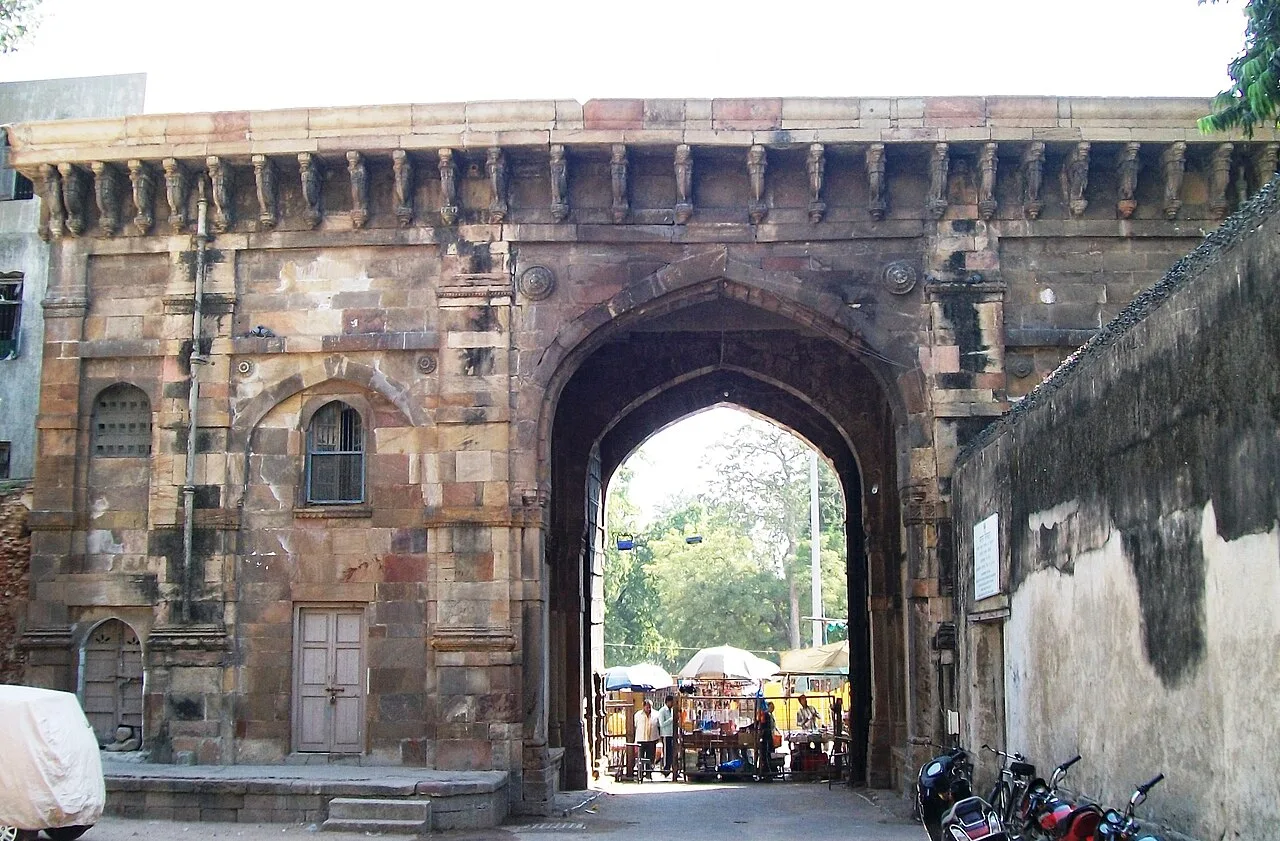
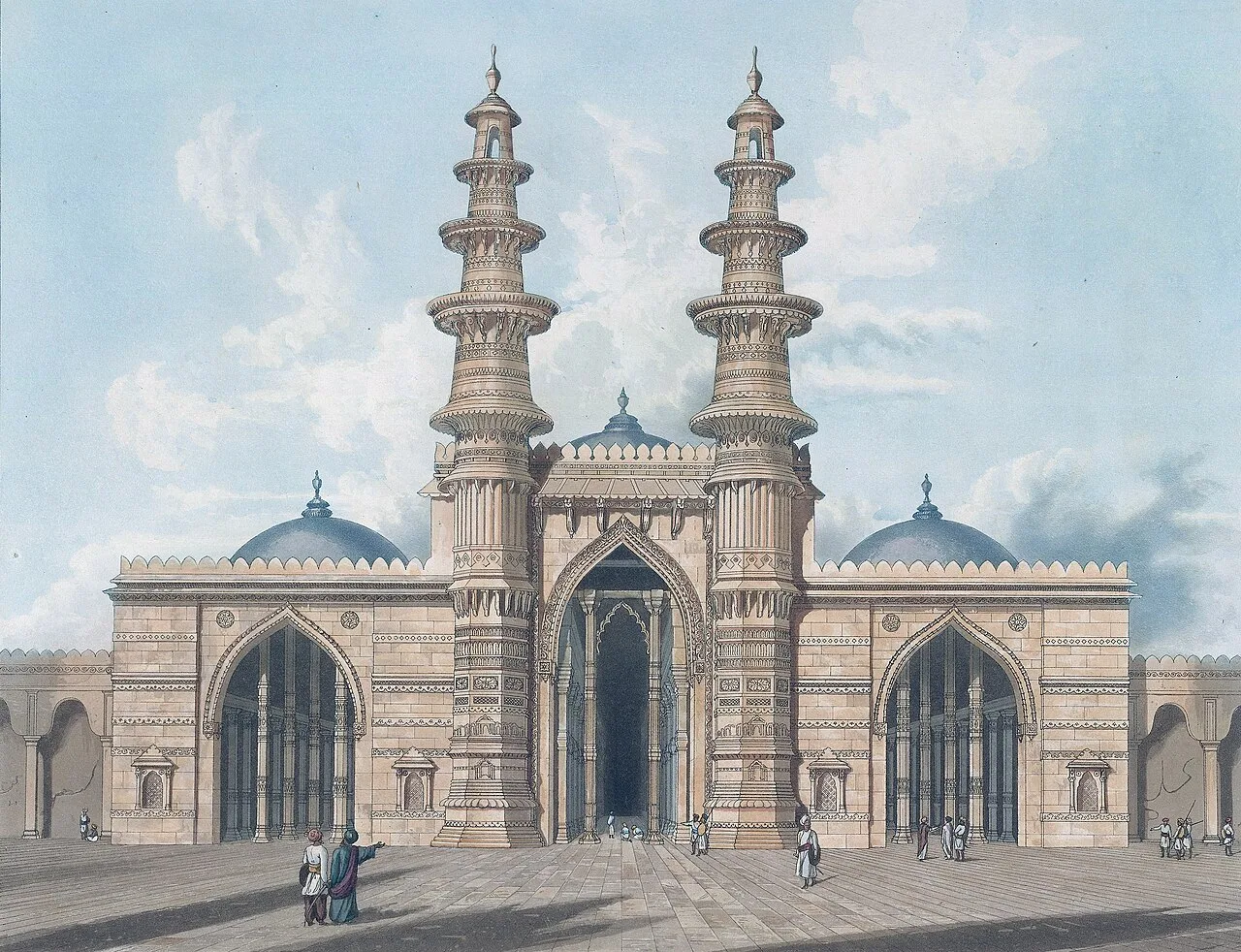
This historic Ahmedabad complex brings together royal buildings, mosques, gateways and open areas. Visitors explore its architecture and its present role as a cultural centre for the city.

Jama Masjid, Ahmedabad

53 km away · Ahmedabad district

Jama Masjid, Ahmedabad

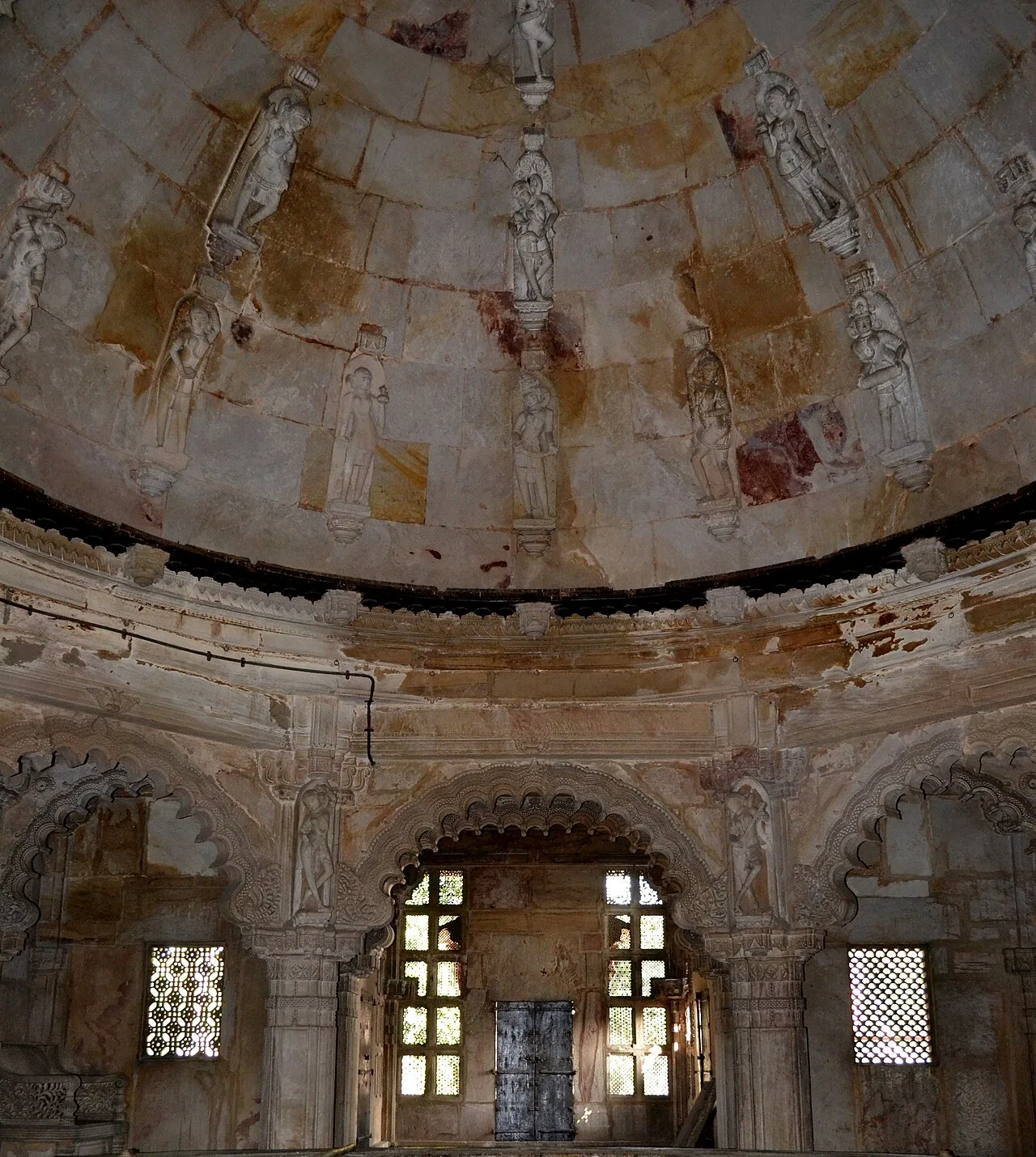
Ahmedabad’s Jama Masjid is a historic Friday mosque in the old city, visited for its impressive scale, central courtyard and expression of Gujarat-style architecture.

Map

Prantij on the map

  1. 1Swaminarayan Akshardham
  2. 2Adalaj Stepwell
  3. 3Calico Museum of Textiles
  4. 4Dada Harir Stepwell
  5. 5Sabarmati Ashram
  6. 6Hutheesing Jain Temple
  7. 7Bhadra Fort
  8. 8Jama Masjid, Ahmedabad

Gujarat

Other cities to explore