Ghumoopedia — Explore, Discover, Experience
Sign in
Rani ki Vav, near Deesa

City guide · Gujarat

Deesa

Deesa is a regional city in Banaskantha district, northern Gujarat, set near the east bank of the West Banas River. Its importance today comes chiefly from its role as a commercial centre for the surrounding agricultural belt.

Famous for

  • Potato and produce trade
  • West Banas River
  • Historic Camp Deesa
  • Banaskantha agriculture

Why Deesa matters

Deesa is a regional city in Banaskantha district, northern Gujarat, set near the east bank of the West Banas River. Its importance today comes chiefly from its role as a commercial centre for the surrounding agricultural belt. Potatoes and other farm produce move through local trading networks, drawing farmers, merchants and transport businesses from nearby towns and villages. The city also serves as a practical service hub, with shops and everyday facilities used by residents across the area.

Visitors may find interest in the contrast between Juna Deesa, the older settlement, and Camp Deesa, the planned cantonment area established during British rule. The river setting and the town’s layered history offer a quieter alternative to Gujarat’s better-known tourist centres. Deesa is not primarily a destination for major monuments or resort attractions; it is best understood through its markets, local streets and connections to the agricultural life of northern Gujarat.
Famous for: crafts, trade & products

Deesa’s best-known commercial identity is its potato trade. Potatoes and other agricultural commodities from the surrounding region are bought, sold and distributed through wholesale channels, supporting a busy local economy. Visitors looking for produce can explore the town’s market and trading areas, while everyday shops in the central commercial streets offer groceries, snacks and household goods. Market activity varies with the harvest and trading season.

The city is not especially associated with a signature textile, handicraft tradition or a widely recognised GI-tagged product. Its appeal for shoppers is practical rather than specialised: local produce, regional food items and ordinary retail goods are easier to find than dedicated craft districts or designer boutiques. Deesa’s agricultural trade is closely tied to the wider economy of Banaskantha, where farming shapes both commerce and daily life. For a sense of this connection, the produce markets and the surrounding town centre are more relevant stops than a search for a single landmark shop or craft institution.

History

Deesa developed on the east bank of the West Banas River. The older settlement, now called Juna Deesa, was an estate and administrative centre under the Mandori, also known as Jhalori, dynasty. Its later history was linked to the Palanpur estate and the political administration of the region.

In 1820, the British established Deesa Field Brigade, a military cantonment known locally as Camp Deesa. Its position between Palanpur and Rajasthan made it useful for maintaining security across the area. The cantonment included a resident Catholic chaplain and a chapel. Deesa was administered through the Palanpur Agency of the Bombay Presidency, later reorganised as the Banas Kantha Agency. After Indian independence, it became part of Bombay State, and then Gujarat when the state was formed in 1960. In more recent decades, growth in potato and other produce trading has helped expand the city. Families from Rajasthan, including several Rajput clans, have also contributed to its population and social character.

Food, festivals & culture

Gujarati is the main language of daily life in Deesa, while Hindi and varieties of Rajasthani or Marwari are also heard. The town’s food reflects the broader cooking traditions of northern Gujarat: meals often centre on rotli, vegetables, pulses and rice, with snacks such as khaman and fafda available in local shops. Jalebi and other familiar sweets are popular, especially during festive occasions. Food offerings vary between households and eateries, so visitors can ask locally for seasonal specialities.

Navratri, usually in autumn, brings garba and community celebrations; Diwali is marked with lights, family visits and festive foods. Uttarayan, the kite festival in January, and Holi in spring are also widely observed. Folk music and garba are part of the region’s celebratory life. Temples and mosques serve local communities, while the historic cantonment’s former Catholic chapel reflects another strand of Deesa’s past. Visitors should approach places of worship respectfully and check locally for access or customary practices.

Visiting the city

The cooler months, roughly November to February, are generally the most comfortable time to visit. Summers can be very hot, so plan outdoor walks for early morning or evening and carry water. Deesa has a non-functioning airport; the nearest major airport with regular commercial services is Sardar Vallabhbhai Patel International Airport in Ahmedabad. Deesa railway station is the main station serving the city.

Auto-rickshaws and local taxis are practical for getting around, while the central streets can be explored on foot in manageable stretches. Juna Deesa offers a glimpse of the older settlement, and Camp Deesa is worth exploring for its cantonment-era character. The town centre and produce-trading areas give a sense of present-day commercial life. Ask locally about access to historic sites, as facilities and visitor arrangements may be limited.

Trips from the city

Nearest places to visit from Deesa

Our closest destination guides, by straight-line distance.

Rani ki Vav

45 km away · Patan district

Rani ki Vav

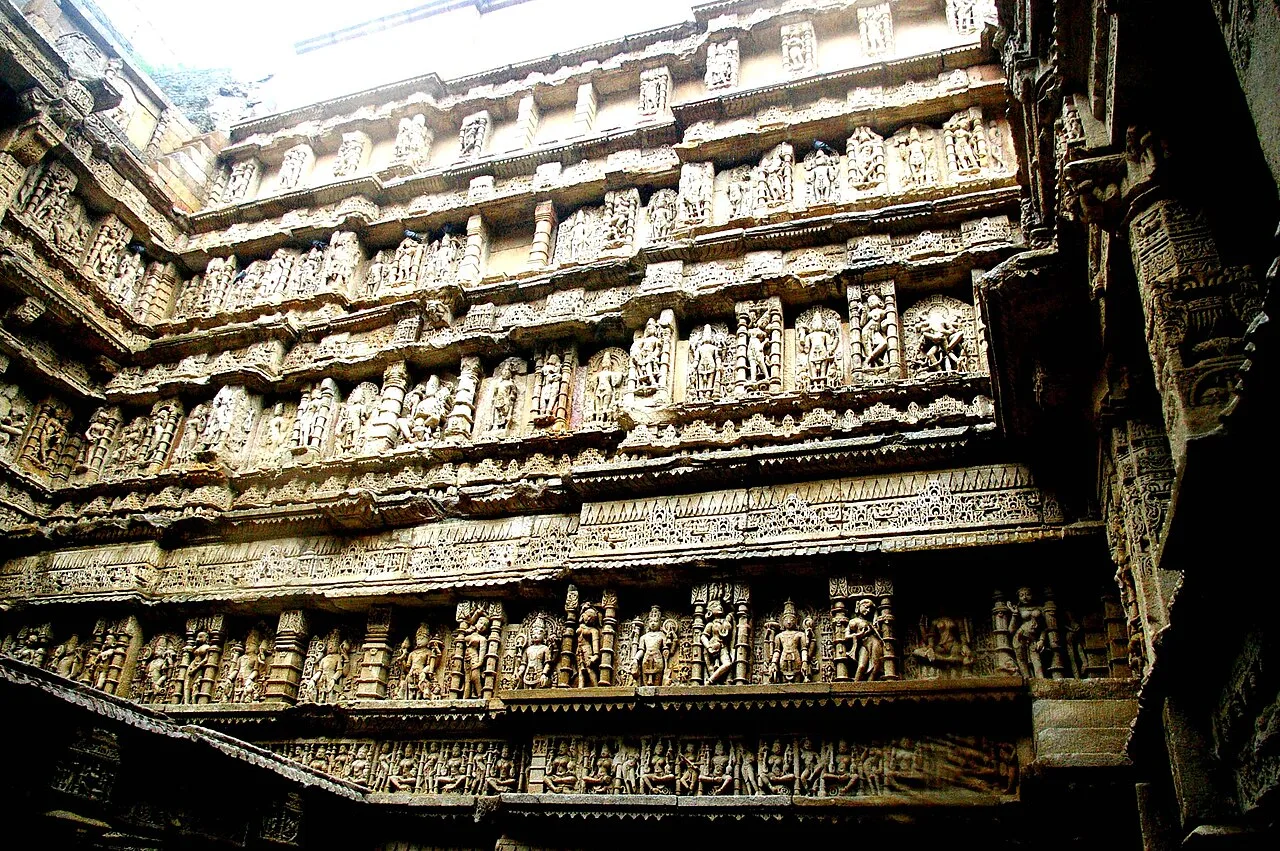
Rani ki Vav is a stepwell in Patan, Gujarat, notable for its tiered underground design and extensive sculpture, which reflect the monument’s religious and architectural significance.

Sahasralinga Tank

45 km away · Patan district

Sahasralinga Tank

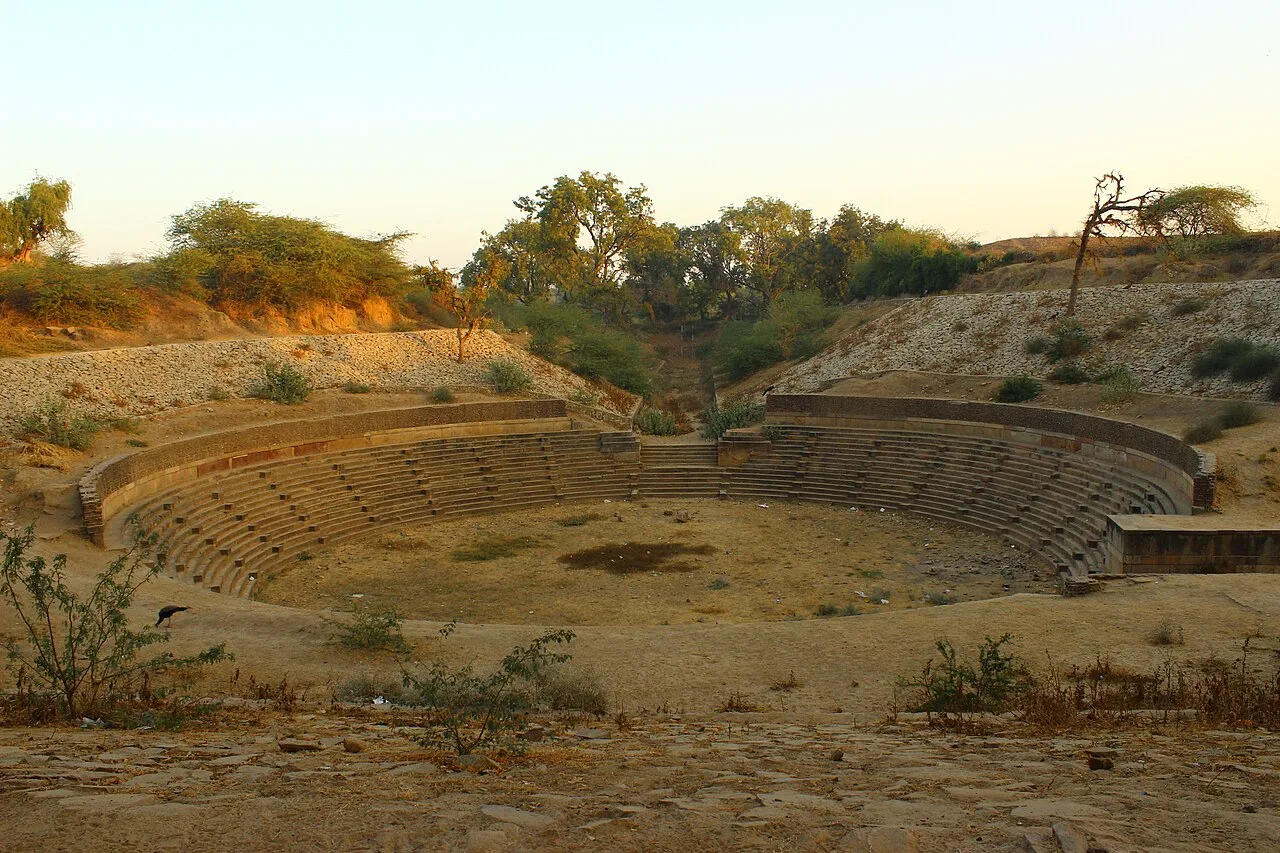
Sahasralinga Tank is a medieval, human-made reservoir in Gujarat’s Patan district, commissioned under Chaulukya rule. Visitors come to see this historic site, which is protected as a national monument.

Taranga Jain Temples

67 km away · Mehsana district

Taranga Jain Temples

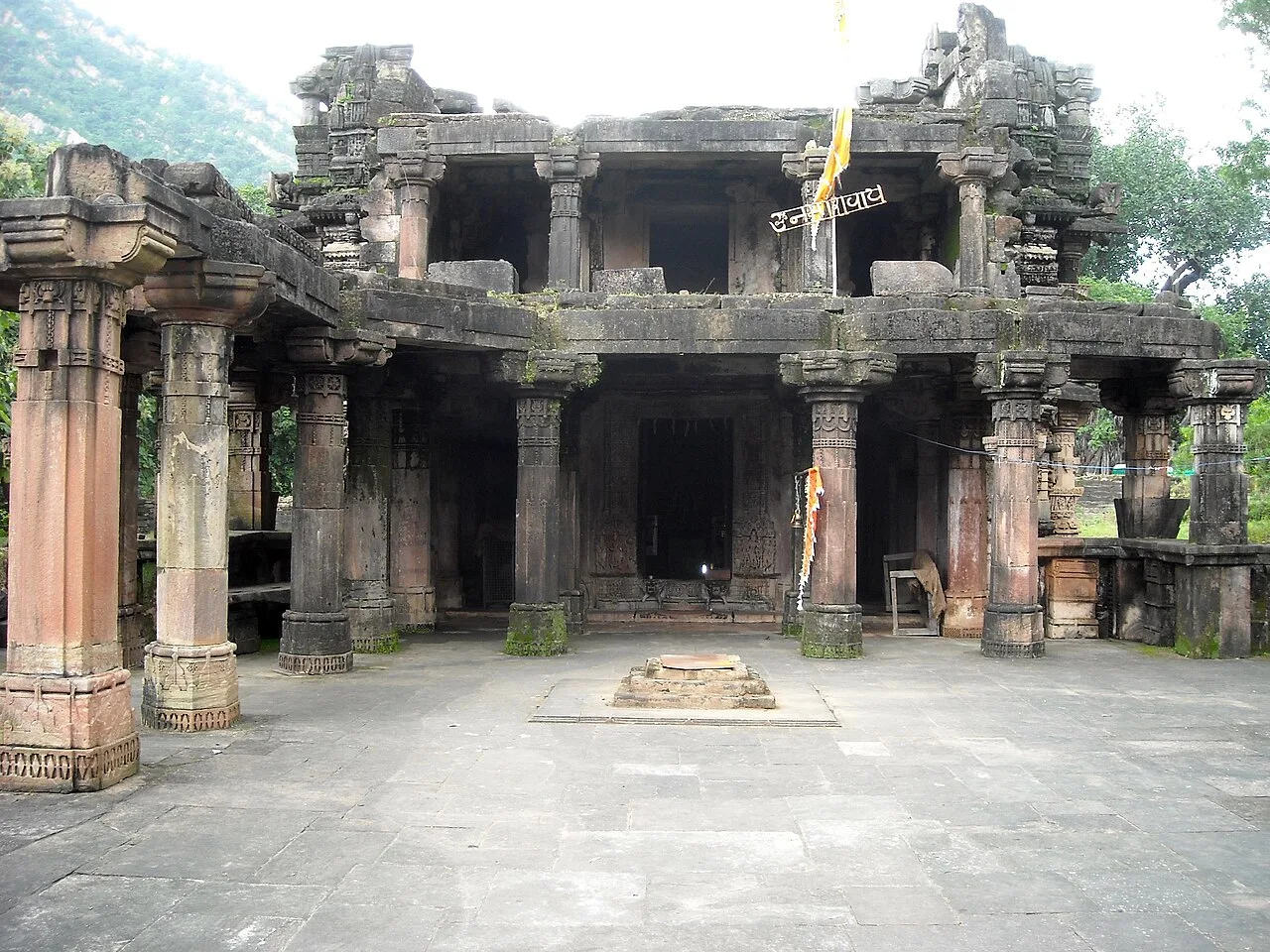
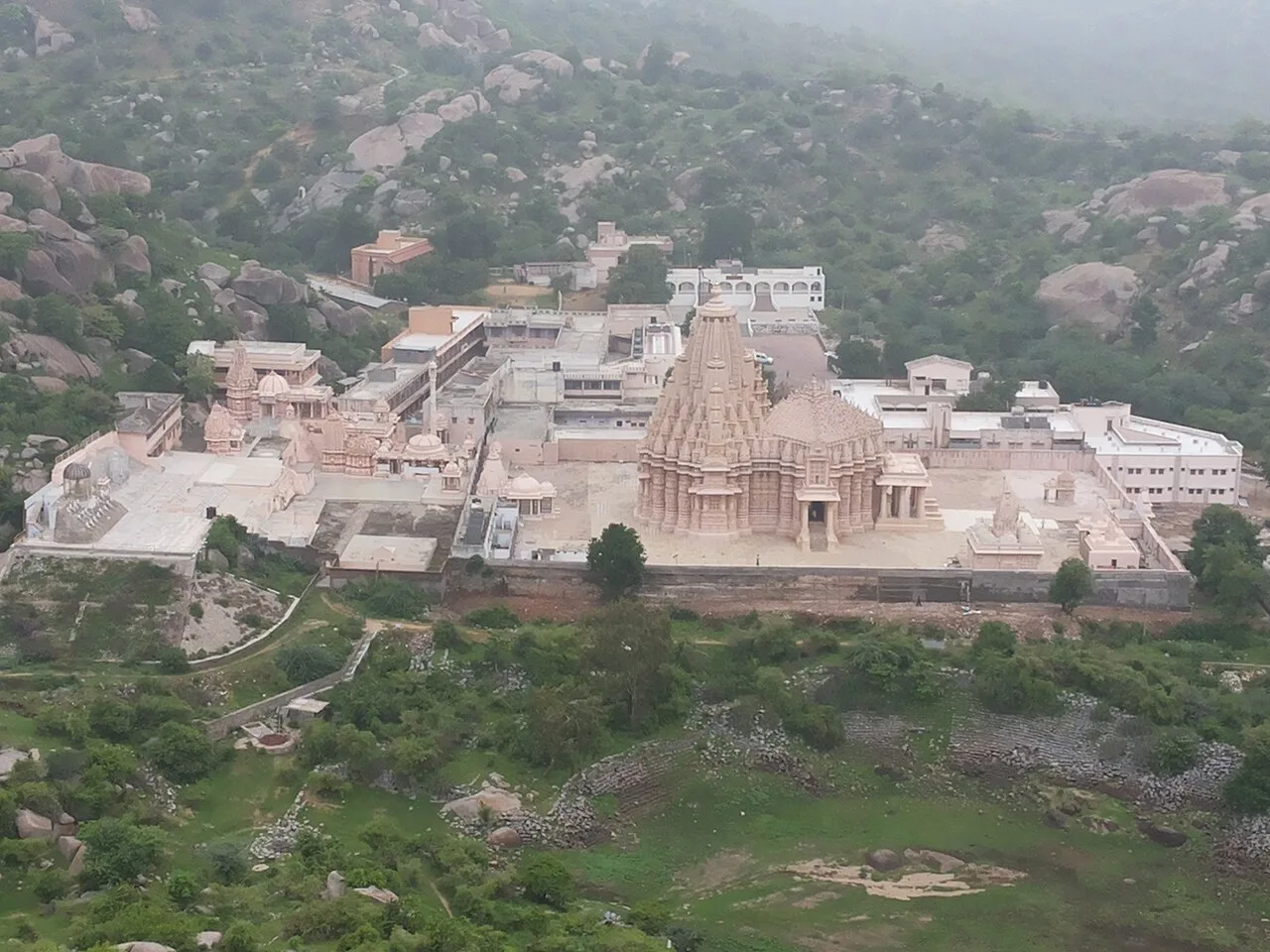
Taranga is a Jain pilgrimage site near Kheralu, known for temples representing Śvetāmbara and Digambara traditions and for its notable Māru-Gurjara architecture.

Ambaji

68 km away · Banaskantha district

Ambaji

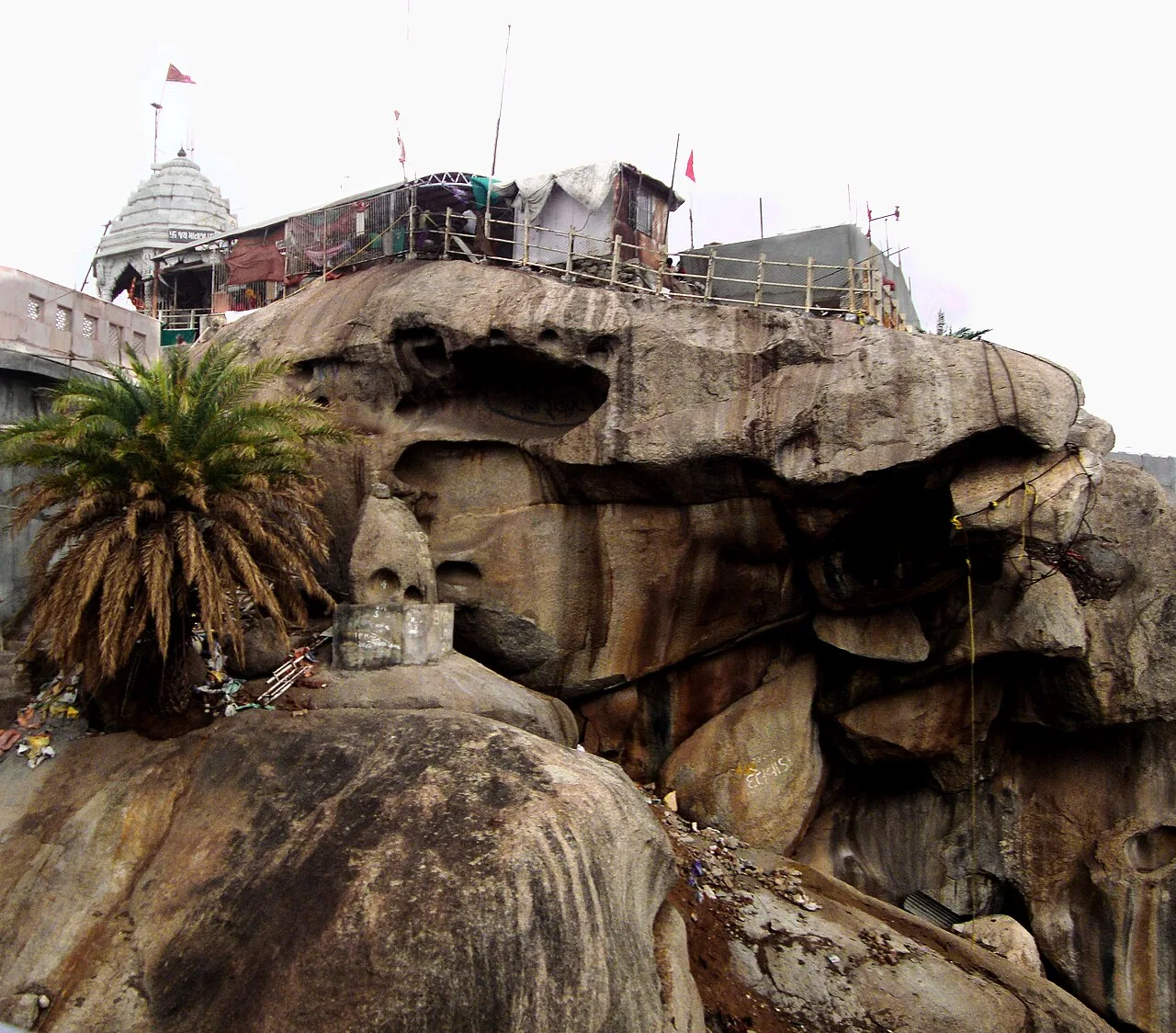
Ambaji is a census town in Banaskantha district, Gujarat. The available details establish its identity and location but do not say what draws visitors there.

Modhera Sun Temple

75 km away · Mehsana district

Modhera Sun Temple

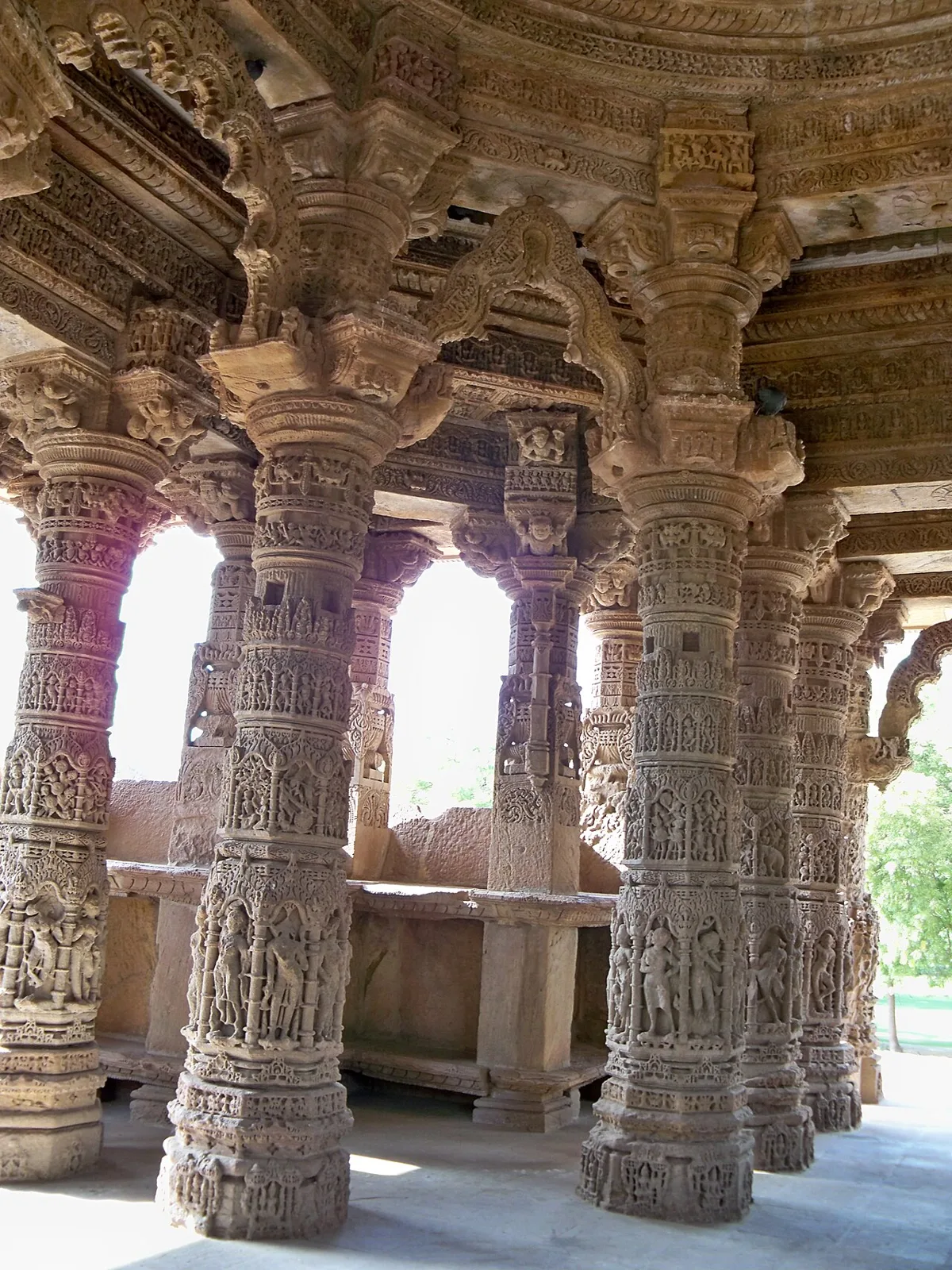
This Hindu temple complex in Modhera, Gujarat, honours Surya. Visitors come to see its carved halls, decorated pillars and stepped reservoir, which is dotted with small shrines.

Indian Wild Ass Sanctuary

115 km away · Surendranagar district

Indian Wild Ass Sanctuary

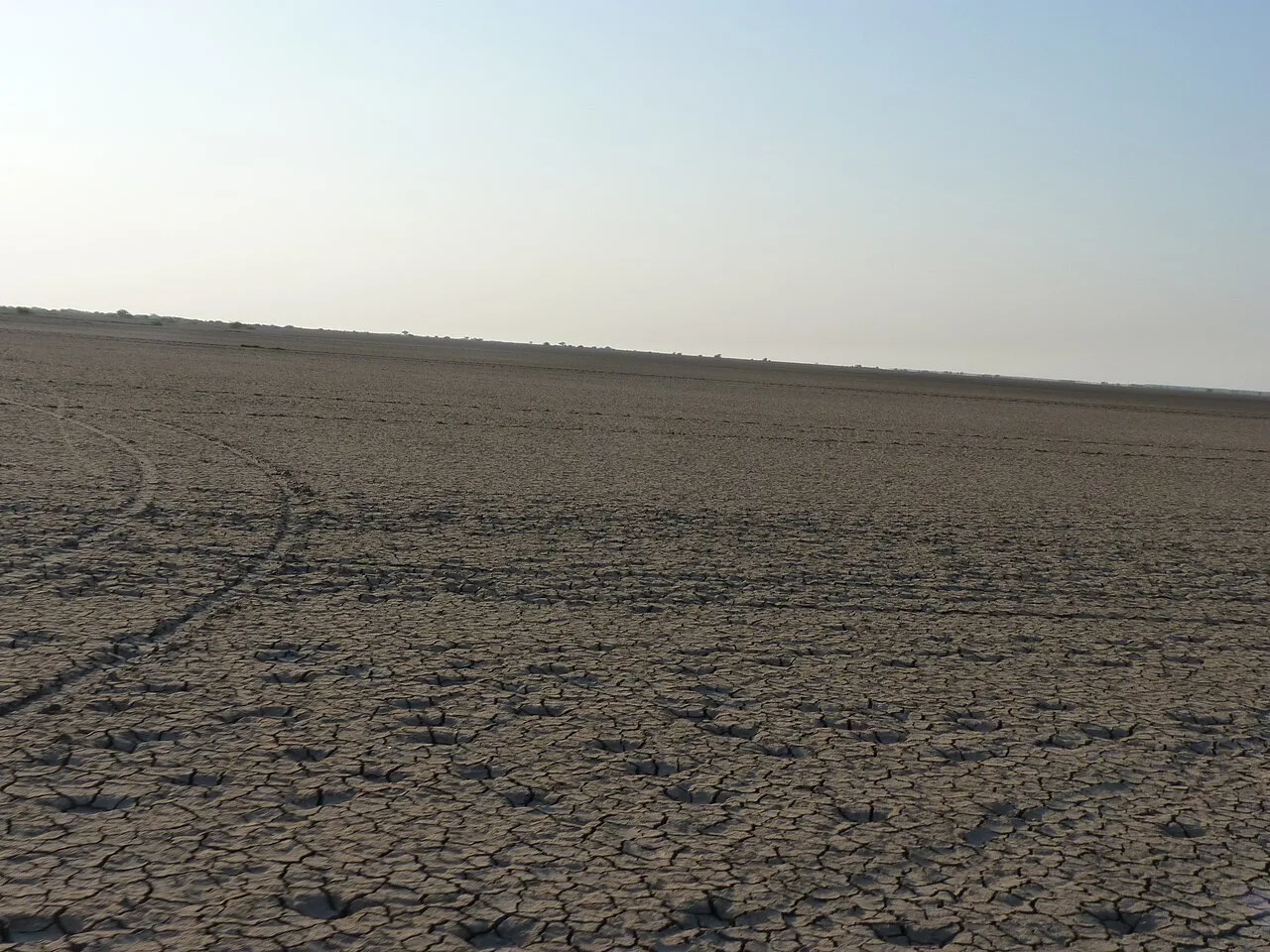
In Gujarat’s Little Rann of Kutch, the Indian Wild Ass Sanctuary protects the endangered khur. Visitors are drawn by the chance to see this wild ass, a southern subspecies of the Asiatic wild ass.

Polo Forest

115 km away · Sabarkantha district

Polo Forest

Polo Forest, also called Vijaynagar Forest, is a dry mixed deciduous woodland in Gujarat. Visitors come to explore its extensive forest landscape beside the perennial Harnav River and below the Aravalli foothills.

Swaminarayan Akshardham

125 km away · Gandhinagar district

Swaminarayan Akshardham

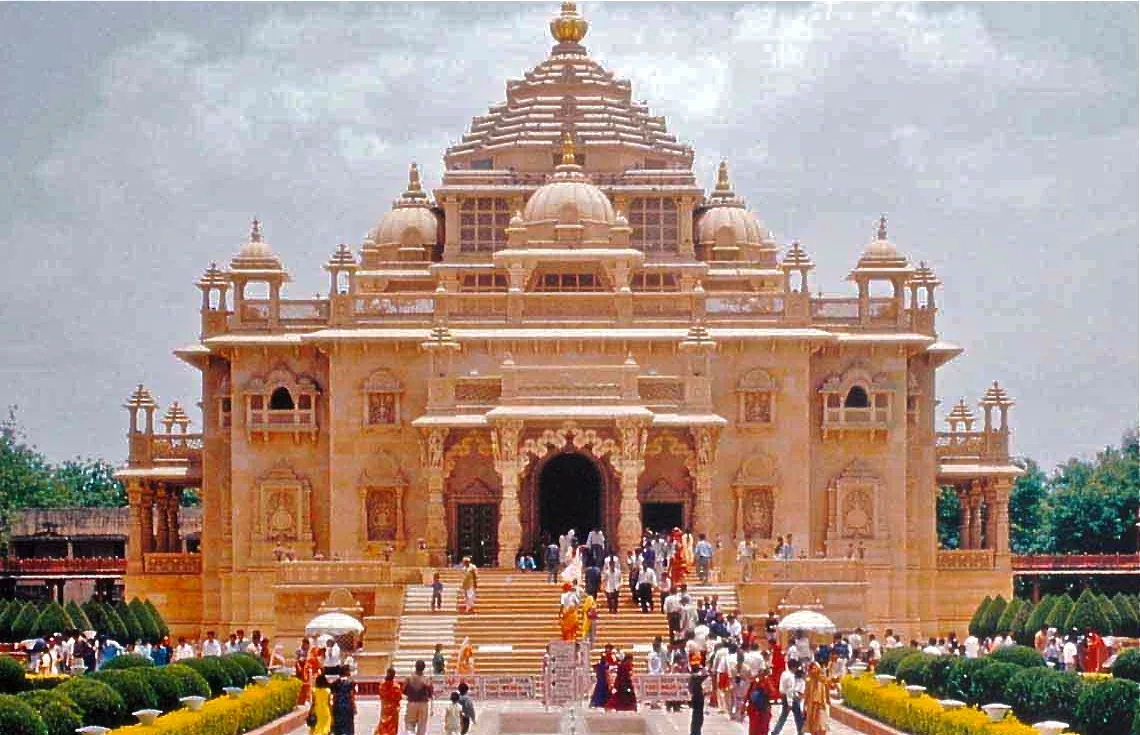
This Hindu temple complex in Gandhinagar, Gujarat, draws visitors interested in Swaminarayan’s teachings, BAPS traditions and its central shrine built from pink sandstone.

Map

Deesa on the map

  1. 1Rani ki Vav
  2. 2Sahasralinga Tank
  3. 3Taranga Jain Temples
  4. 4Ambaji
  5. 5Modhera Sun Temple
  6. 6Indian Wild Ass Sanctuary
  7. 7Polo Forest
  8. 8Swaminarayan Akshardham

Gujarat

Other cities to explore