Ghumoopedia — Explore, Discover, Experience
Sign in
Lothal, near Dhandhuka

City guide · Gujarat

Dhandhuka

Dhandhuka is a small municipal town in Ahmedabad district, set in Gujarat’s Bhal region. Its importance comes from its place in regional history and its role as a service and market centre for surrounding settlements.

Famous for

  • Hemchandra's birthplace
  • Bhal region
  • Bhalia wheat
  • Jain heritage
  • Chudasama Rajput history

Why Dhandhuka matters

Dhandhuka is a small municipal town in Ahmedabad district, set in Gujarat’s Bhal region. Its importance comes from its place in regional history and its role as a service and market centre for surrounding settlements. The town lies on the state highway connecting Ahmedabad and Bhavnagar, making it a useful stop for travellers crossing this part of the state.

Dhandhuka is best known historically as the birthplace of Hemchandra, the influential Jain scholar and teacher of the twelfth century. Jain heritage remains a point of interest, while accounts of the town also recall its links with the Chudasama Rajputs and its long association with nearby Dholka. The surrounding Bhal landscape and its agricultural identity add another dimension: the region is associated with Bhalia wheat, a recognised local grain. Visitors are more likely to find a quiet town, local markets and places of worship than a large collection of purpose-built tourist attractions. Dhandhuka suits travellers interested in Gujarat’s smaller historic towns and rural landscapes.
Famous for: crafts, trade & products

Dhandhuka is not widely known as a centre for a distinctive textile, handicraft or major manufacturing industry. Its strongest product association is agricultural: the wider Bhal region is known for Bhalia wheat, which has a Geographical Indication tag. Local grain merchants and general markets are the most practical places to ask about regionally grown wheat and other seasonal produce; availability can vary through the year.

The town’s shops mainly serve residents and nearby villages, so visitors should expect everyday provisions, clothing and household goods rather than specialist craft boutiques. There is no well-established signature saree or craft market to seek out. For a sense of local trade, walk through the central bazaar and ask shopkeepers about produce from the surrounding Bhal area. Jain heritage is part of Dhandhuka’s historical identity, but the town should not be treated as a major destination for purchasing religious objects or artisan goods. Travellers looking for a broader range of Gujarati textiles and handicrafts may find more choice in larger cities such as Ahmedabad.

History

Dhandhuka’s best-known historical association is with Hemchandra, the Jain scholar born here in the twelfth century. Chaulukya ruler Kumarapala is recorded as having raised a temple over Hemchandra’s birthplace. The town also appears in accounts of the Chudasama Rajputs: traditions connect its ruling line with the rulers of Junagadh and describe Dhandhuka as one of several inherited districts. These genealogical accounts are part of the region’s historical tradition.

Under Muslim and Maratha rule, Dhandhuka remained a country town, with its fortunes closely linked to those of Dholka. Dhandhuka and Dholka were ceded to the British in 1802. In the modern period, Dhandhuka has continued as a municipal town and local centre in Ahmedabad district. Its position on the road between Ahmedabad and Bhavnagar supports movement between the district’s rural settlements and larger urban markets, while agriculture remains important to the surrounding Bhal region.

Food, festivals & culture

Everyday food reflects the wider Gujarati tradition: meals may include rotli or rotla, vegetables, dal, rice, khichdi and kadhi. Wheat from the Bhal region, including Bhalia wheat, is part of the local agricultural identity. Sweets such as sukhdi, ladoo and other Gujarati favourites are common across the state, though Dhandhuka is not especially known for a signature sweet. Small eateries and local shops are the best places to find simple regional meals.

Gujarati is the main language of daily life; Hindi is also useful for visitors. Navratri, usually in September or October, brings garba and dandiya raas, while Uttarayan in January, Diwali in autumn and Holi in spring are widely observed across Gujarat. Jain communities mark Paryushan, whose timing varies with the lunar calendar. Hindu and Jain places of worship reflect the town’s religious life, and devotional songs and bhajans are part of community observances. For a respectful visit, follow local customs at places of worship and ask before taking photographs.

Visiting the city

The cooler months from November to February are generally the most comfortable for visiting; summers can be very hot, and monsoon travel may be affected by rain. The nearest major airport is Sardar Vallabhbhai Patel International Airport in Ahmedabad. Dhandhuka has a railway station of its own, while Ahmedabad Junction is the larger rail hub; check current services before planning a rail journey.

Within town, local buses, auto-rickshaws and hired vehicles are practical options, though availability may be limited. Explore the central market streets, local places of worship and older parts of town on foot where convenient. The surrounding Bhal countryside offers a glimpse of the region’s agricultural landscape. Dhandhuka also works as a road stop between Ahmedabad and Bhavnagar, but visitors seeking extensive sightseeing or specialist shopping may prefer to use a larger city as their base.

Trips from the city

Nearest places to visit from Dhandhuka

Our closest destination guides, by straight-line distance.

Lothal

31 km away · Ahmedabad district

Lothal

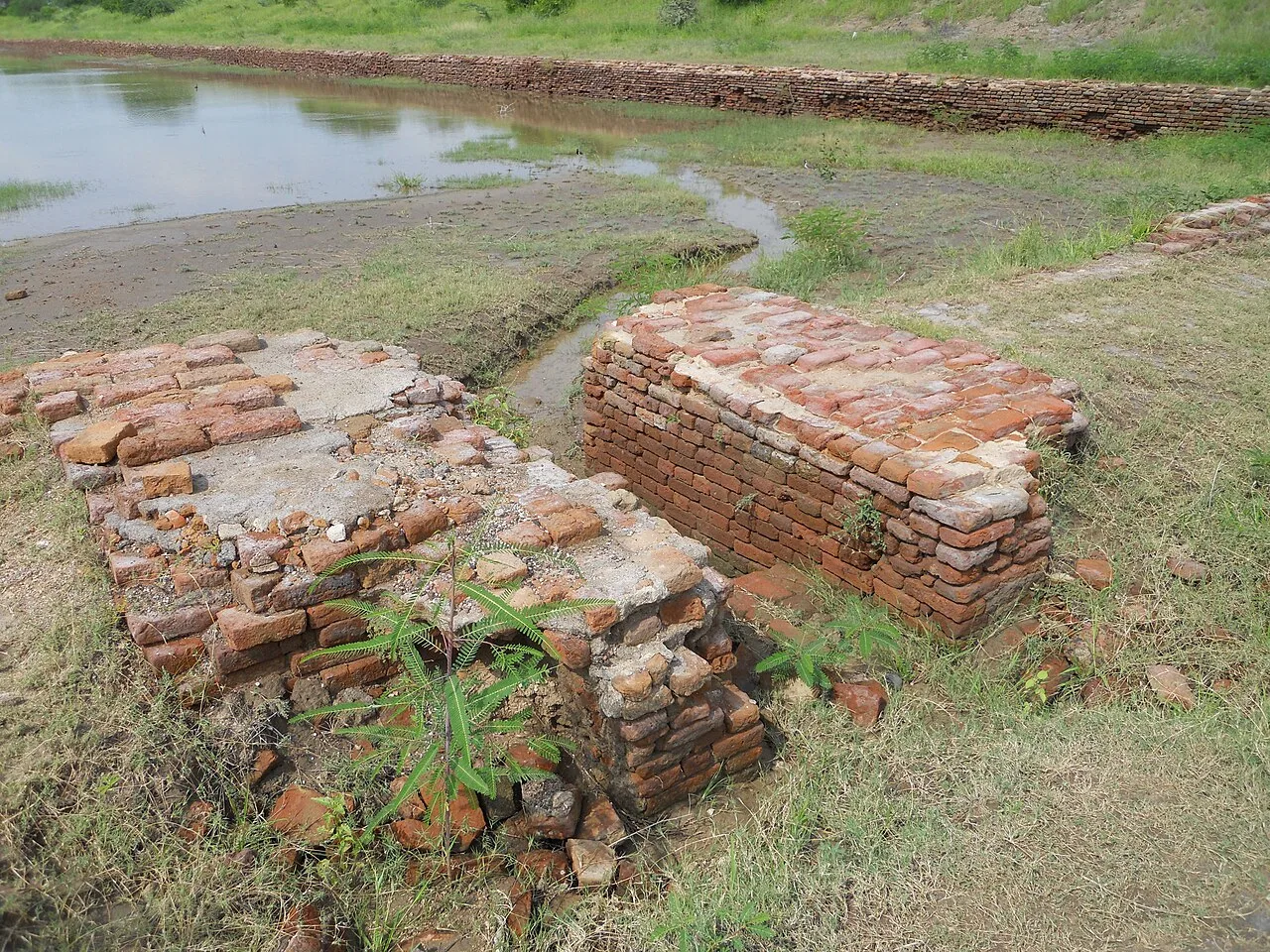
Lothal is a settlement of the ancient Indus Valley Civilisation in Gujarat. Visitors come to learn about its place among the civilisation’s southernmost sites and its early history.

Blackbuck National Park

39 km away · Bhavnagar district

Blackbuck National Park

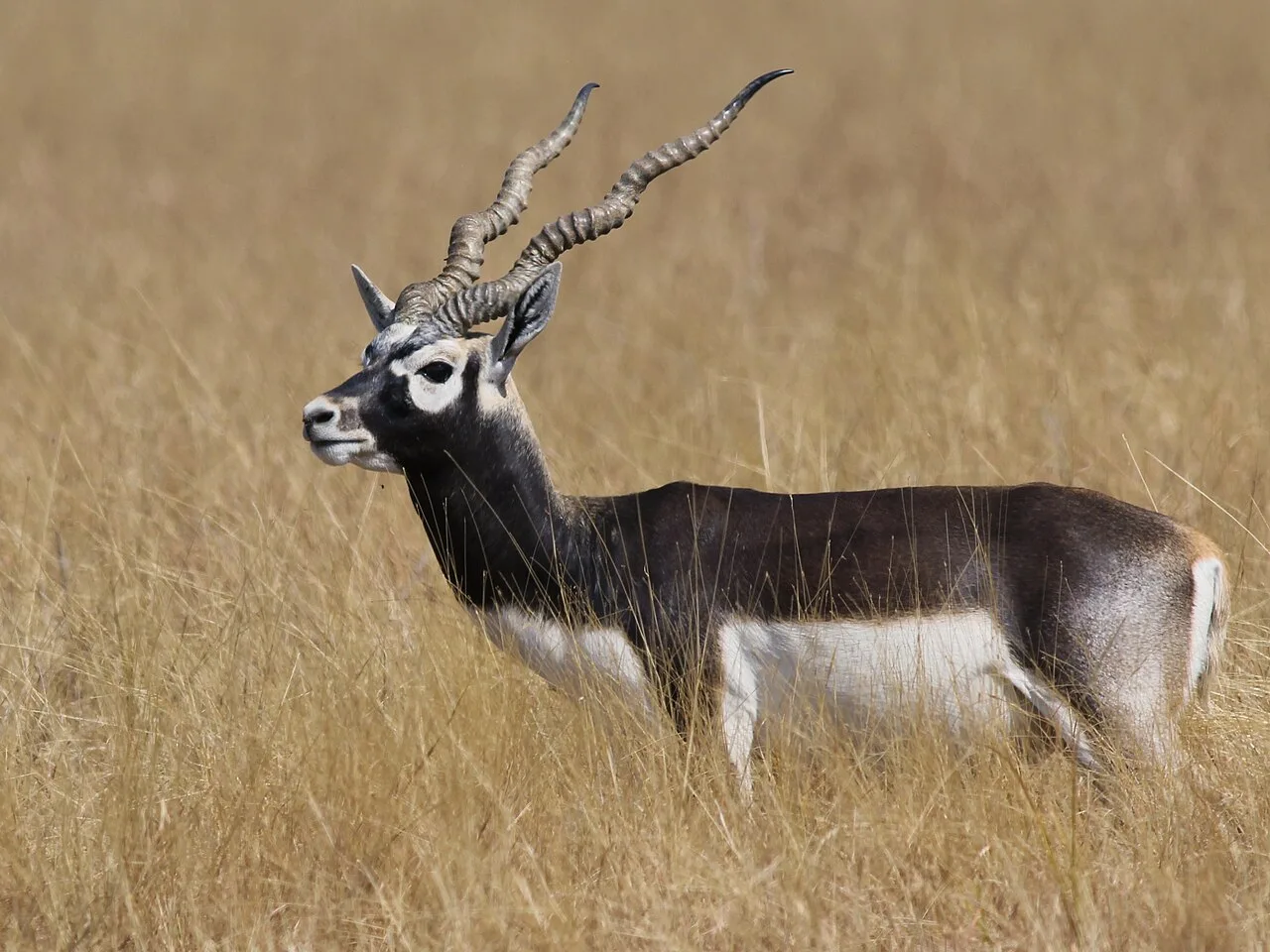
Blackbuck National Park is a protected area in Bhavnagar district, Gujarat, valued for its blackbuck and conservation efforts involving wolves and the lesser florican.

Nal Sarovar Bird Sanctuary

43 km away · Ahmedabad district

Nal Sarovar Bird Sanctuary

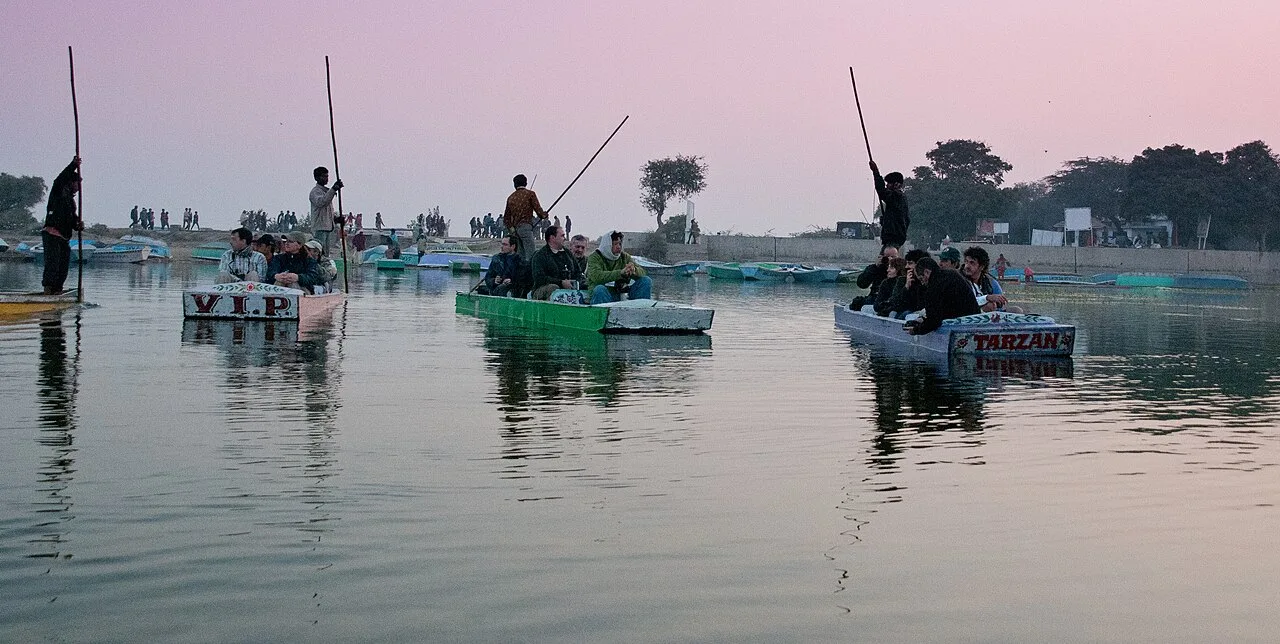
Nal Sarovar is a large lake and marshland reserve in Gujarat, known for the many resident and seasonal birds that gather there. Visitors come to observe its wetland wildlife, especially during the cooler months.

Tarnetar

85 km away · Surendranagar district

Tarnetar

Tarnetar is a village in Gujarat’s Surendranagar district, close to Thangadh. Visitors in the vicinity can include it in their travels around the nearby city.

Sarkhej Roza

86 km away · Ahmedabad district

Sarkhej Roza

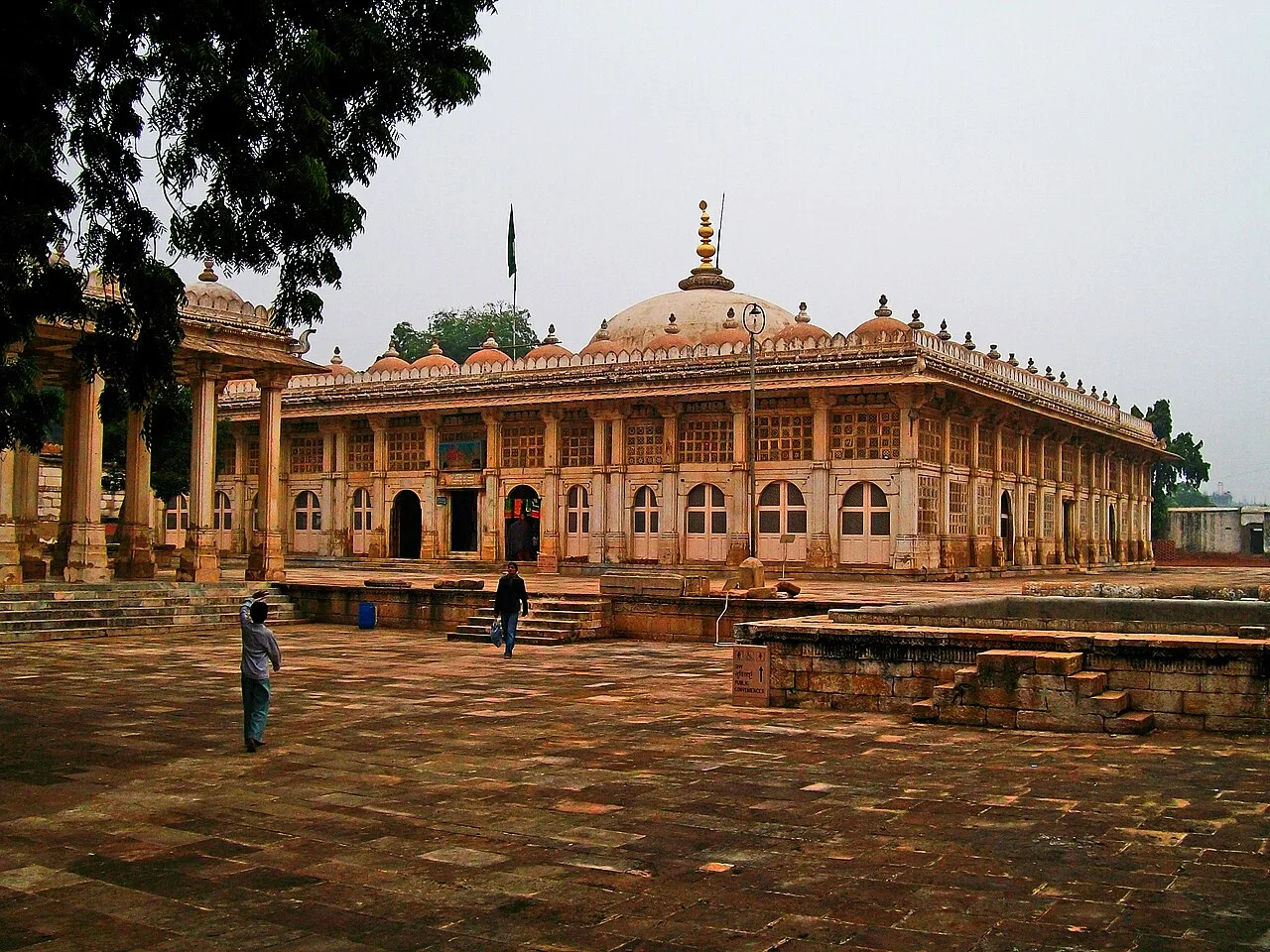
Sarkhej Roza is a Sufi religious complex in Makarba, Ahmedabad district, made up of a mosque and tombs. Visitors explore its nationally recognised status and its association with Shaikh Ahmed Ganj Baksh.

Bhadra Fort

94 km away · Ahmedabad district

Bhadra Fort

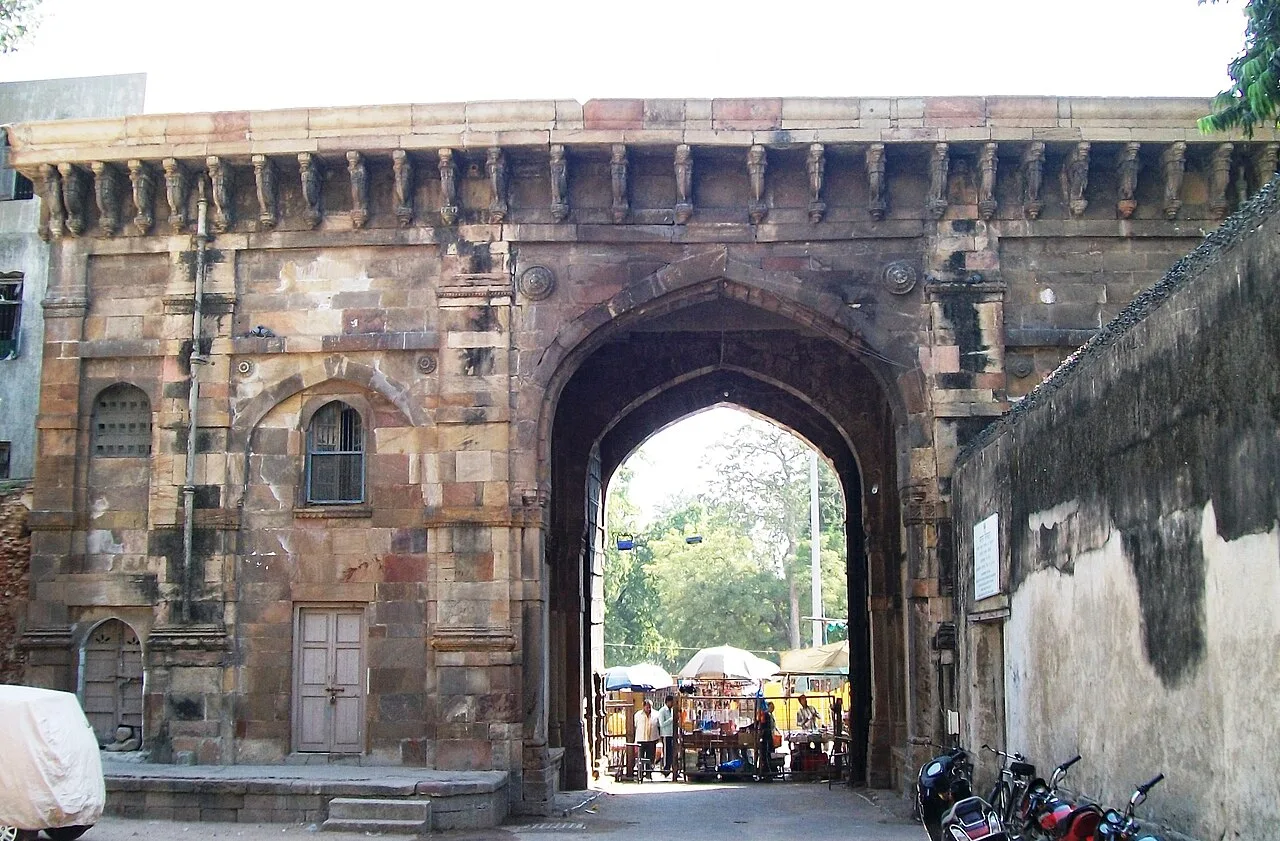
This historic Ahmedabad complex brings together royal buildings, mosques, gateways and open areas. Visitors explore its architecture and its present role as a cultural centre for the city.

Jama Masjid, Ahmedabad

94 km away · Ahmedabad district

Jama Masjid, Ahmedabad

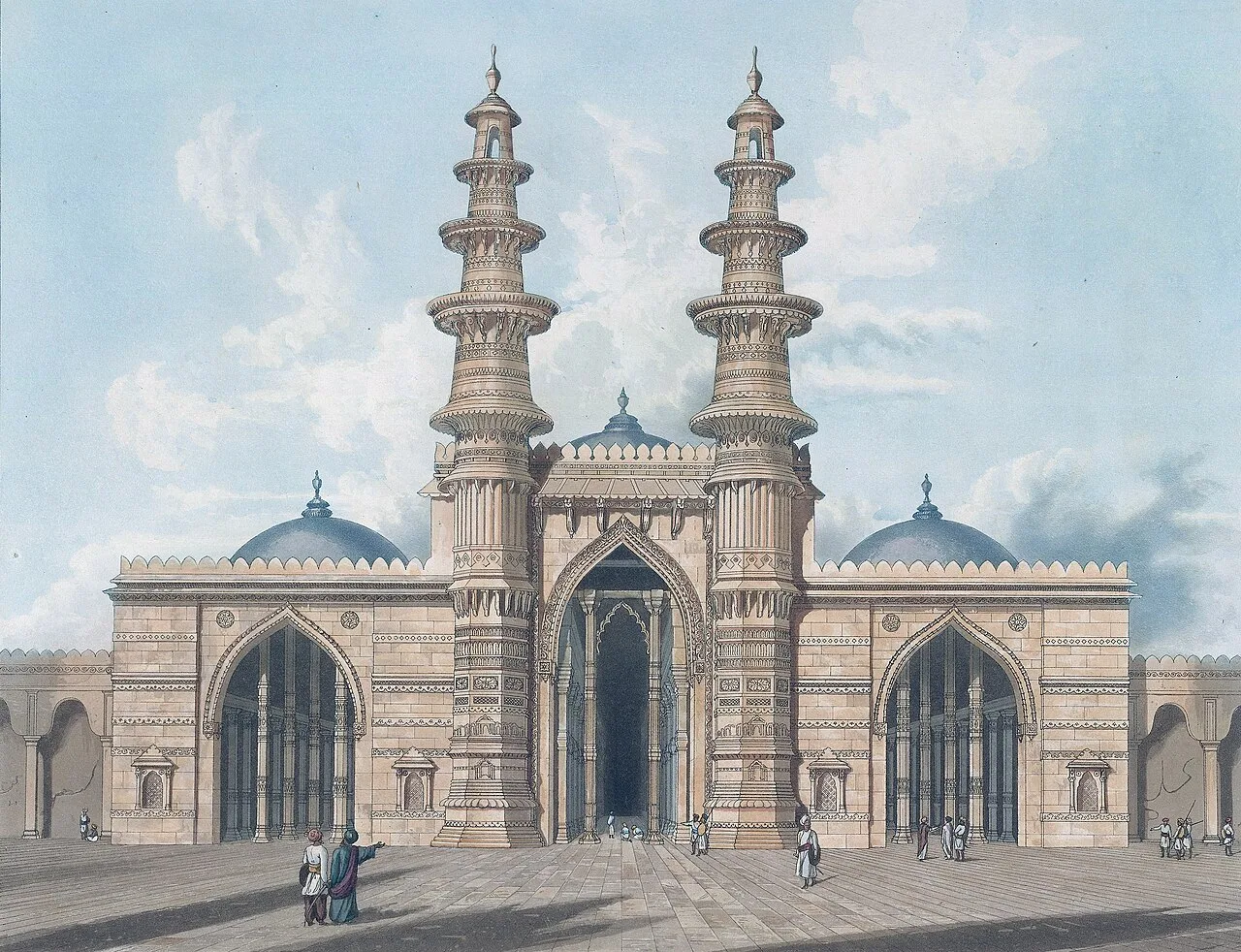
Ahmedabad’s Jama Masjid is a historic Friday mosque in the old city, visited for its impressive scale, central courtyard and expression of Gujarat-style architecture.

Kankaria Lake

94 km away · Ahmedabad district

Kankaria Lake

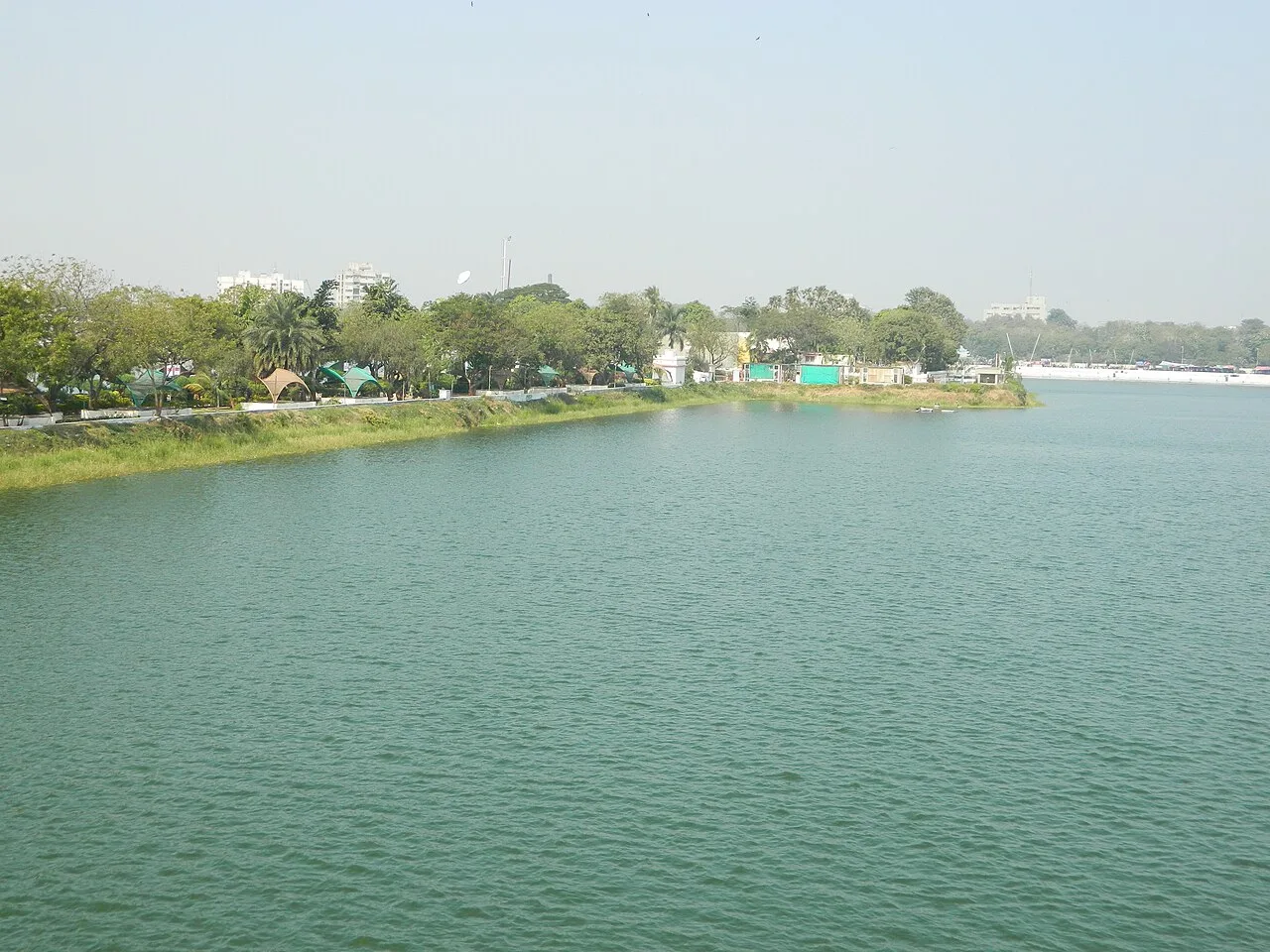
Kankaria Lake is Ahmedabad’s largest lake, situated in Maninagar. Visitors come for its leisure attractions and the cultural, artistic and social programme of the Kankaria Carnival.

Map

Dhandhuka on the map

  1. 1Lothal
  2. 2Blackbuck National Park
  3. 3Nal Sarovar Bird Sanctuary
  4. 4Tarnetar
  5. 5Sarkhej Roza
  6. 6Bhadra Fort
  7. 7Jama Masjid, Ahmedabad
  8. 8Kankaria Lake

Gujarat

Other cities to explore