Ghumoopedia — Explore, Discover, Experience
Sign in
Dakor, near Nadiad

City guide · Gujarat

Nadiad

Nadiad is a regional centre in Gujarat’s Charotar area and the administrative headquarters of Kheda district. Its importance comes from a mix of civic institutions, transport links and religious and literary heritage.

Famous for

  • Sardar Vallabhbhai Patel's birthplace
  • Santram Mandir
  • Atmasiddhi Shastra memorial
  • Kheda district centre
  • Gujarati literary heritage

Why Nadiad matters

Nadiad is a regional centre in Gujarat’s Charotar area and the administrative headquarters of Kheda district. Its importance comes from a mix of civic institutions, transport links and religious and literary heritage. The city is known as the birthplace of Sardar Vallabhbhai Patel, and its connection with Gujarati writers and thinkers adds to its cultural significance.

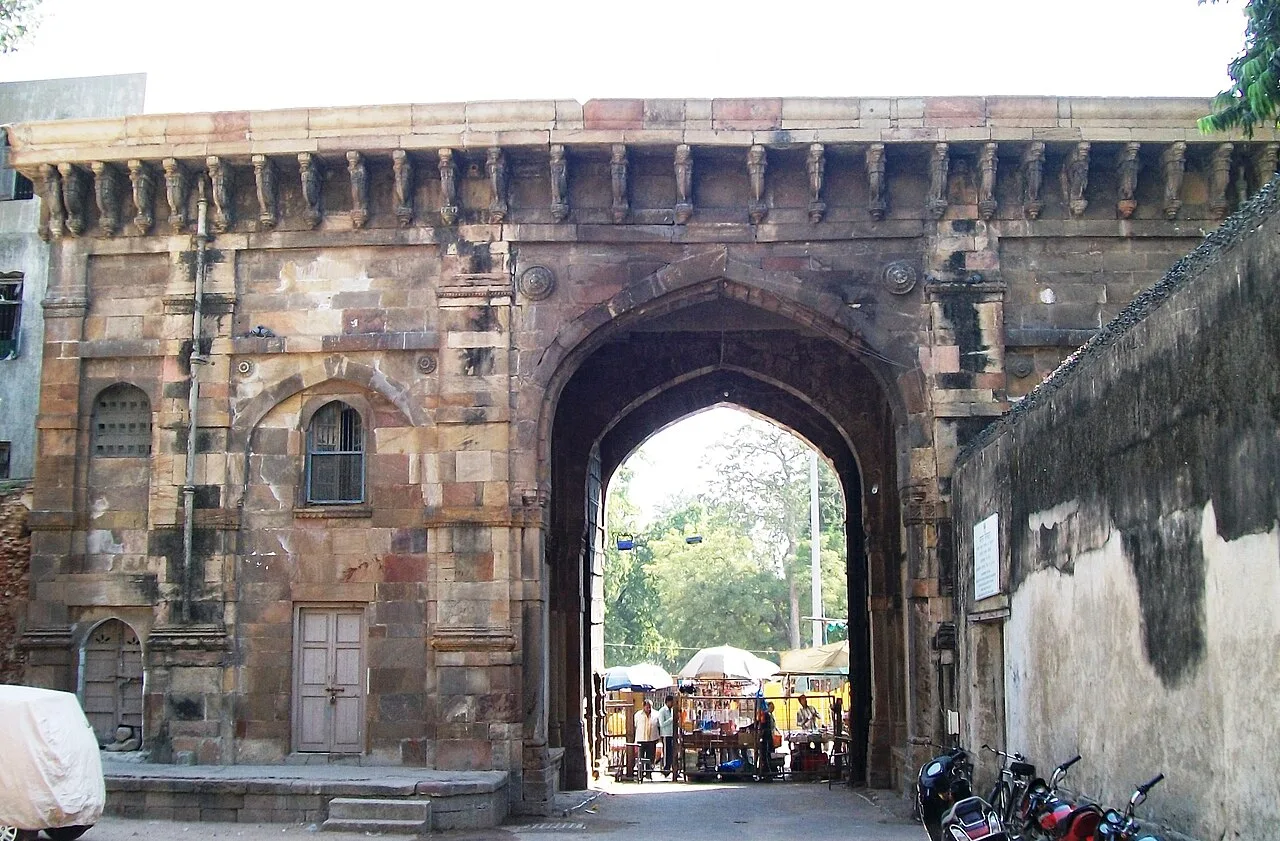
Visitors often begin in the central part of town at Santram Mandir, a long-established temple associated with charitable work and especially visited on full-moon days. Other points of interest include Mai Mandir, the old Marida and Amdavadi Darwajas, and the memorial marking where Shrimad Rajchandra composed Atmasiddhi Shastra. Nadiad is also a practical base for travel around Kheda and the wider Charotar region. Its railway junction lies on the Ahmedabad–Mumbai main line, while bus connections link it with major Gujarat cities and nearby towns. The city’s colleges and medical institutions serve residents from across the district.
Famous for: crafts, trade & products

Nadiad is better known for its temples, educational institutions and notable residents than for a signature textile, handicraft or GI-tagged product. There is no widely recognised local craft or product that defines the city in the way a specialised weaving or artisan centre might. Visitors looking for locally made goods can browse the everyday shops and bazaars in the central town, where retail serves the needs of Nadiad and nearby communities; selection varies, so it is best to ask locally about particular products.

The city’s institutional profile is more distinctive. Nadiad has colleges in arts, science, commerce and nursing, as well as Ayurveda and medical education, including Nadiad Ayurveda College and Dr. N.D. Desai Faculty of Medical Science and Research. Santram Mandir is notable for its charitable work, while the Atmasiddhishastra Rachnabhoomi memorial preserves the memory of a significant Gujarati philosophical text. Nadiad’s strongest associations, then, are with public service, learning, religious life and the people who shaped Gujarat’s political and literary history, rather than with a single export or market speciality.

History

Nadiad developed as a settlement and regional market in the fertile Charotar tract of central Gujarat. Its position among agricultural towns helped it grow as a service and trading centre, while temples and other places of worship became part of its civic life. The town’s religious heritage includes Santram Mandir, and its literary history is reflected in its association with Gujarati writers and thinkers. Sardar Vallabhbhai Patel, later a leading figure in India’s independence movement and its first Deputy Prime Minister, was born here.

During British rule, Nadiad formed part of the Kheda area of the Bombay Presidency. The arrival of railway connectivity on the Ahmedabad–Mumbai route strengthened its links with larger commercial centres and supported its growth as a regional town. After Gujarat became a separate state in 1960, Nadiad continued to develop as Kheda district’s administrative headquarters. Today, rail and road connections, district services and educational and medical institutions underpin its role in the region.

Food, festivals & culture

Gujarati is the principal language of everyday life in Nadiad, and Hindi is also commonly understood. Food follows the wider Gujarati tradition: meals may include rotli, vegetables, dal, rice and farsan, while snacks such as khaman, dhokla and fafda and sweets such as jalebi are familiar choices in local eateries and shops. These are regional favourites rather than dishes unique to Nadiad.

Navratri, usually celebrated in autumn, brings devotional music and garba dancing; Diwali is marked with family gatherings, lights and festive foods. Uttarayan, the January kite festival, and Janmashtami are also observed. Santram Mandir draws worshippers throughout the year, with a notable gathering on full-moon days, and Mai Mandir is another local place of worship. The Atmasiddhishastra Rachnabhoomi memorial offers a quieter point of interest for visitors drawn to Gujarati spiritual and literary traditions. Nadiad’s cultural character is shaped by these devotional practices, Gujarati language and the everyday rhythms of a district centre.

Visiting the city

The most comfortable season to visit is generally November to February, when days are milder. Summers can be very hot, while the monsoon brings rain. The nearest airport is Sardar Vallabhbhai Patel International Airport in Ahmedabad, about 65 km away. Nadiad Junction is the city’s main railway station, on the Ahmedabad–Mumbai line.

Buses connect Nadiad with Ahmedabad, Vadodara and other cities, as well as towns across Kheda and the Charotar region. Within the city, local buses and auto-rickshaws are useful for getting around. Start in the central area for Santram Mandir, Mai Mandir and the nearby Marida and Amdavadi Darwajas. The Atmasiddhishastra Rachnabhoomi memorial and the town’s everyday shopping streets make worthwhile additions to a visit. Check locally for current access arrangements at individual sites.

Trips from the city

Nearest places to visit from Nadiad

Our closest destination guides, by straight-line distance.

Dakor

30 km away · Kheda district

Dakor

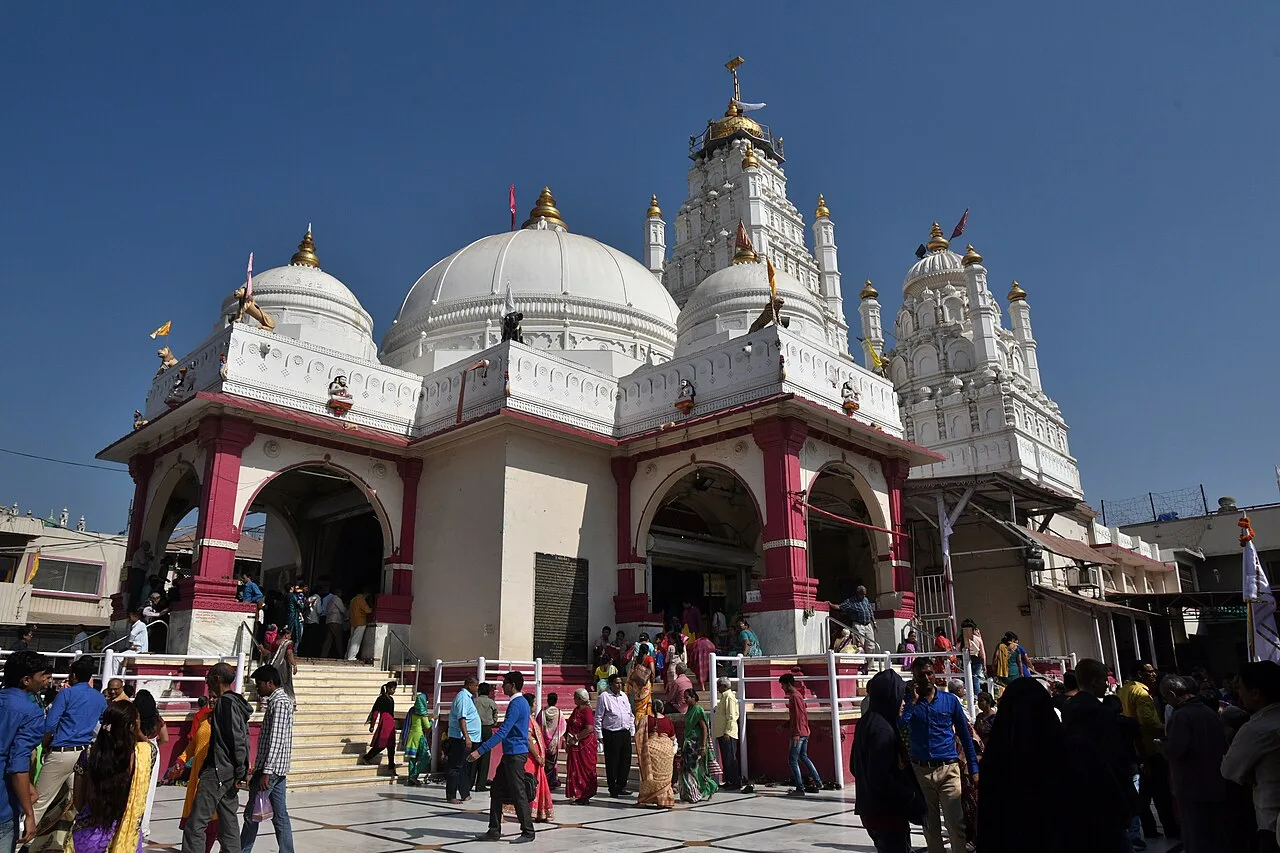
Dakor is a small city and municipality in Gujarat’s Kheda district, known for the temple of Raṇchoḍrāyjī, which draws people to the town.

Kankaria Lake

44 km away · Ahmedabad district

Kankaria Lake

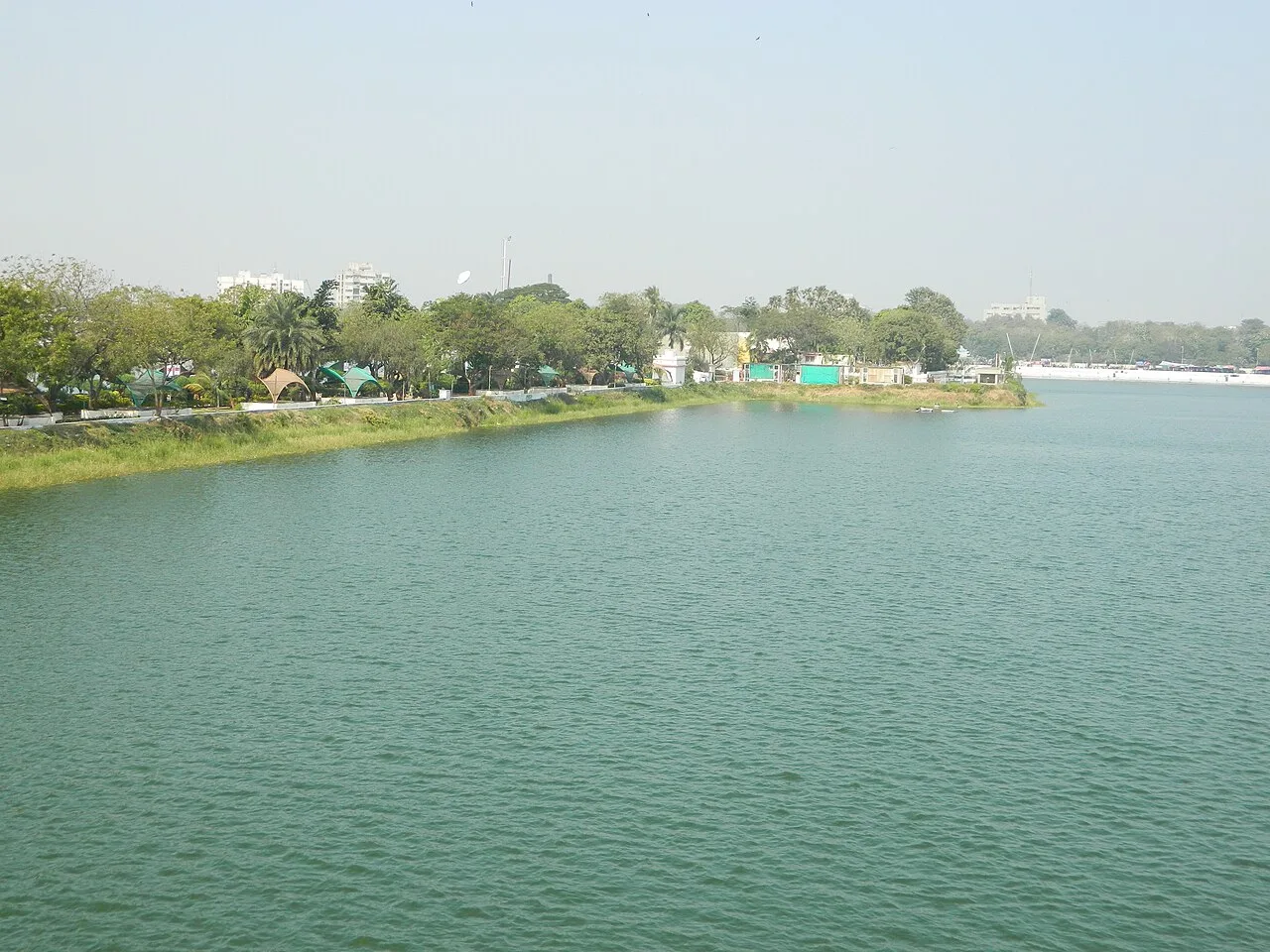
Kankaria Lake is Ahmedabad’s largest lake, situated in Maninagar. Visitors come for its leisure attractions and the cultural, artistic and social programme of the Kankaria Carnival.

Jama Masjid, Ahmedabad

46 km away · Ahmedabad district

Jama Masjid, Ahmedabad

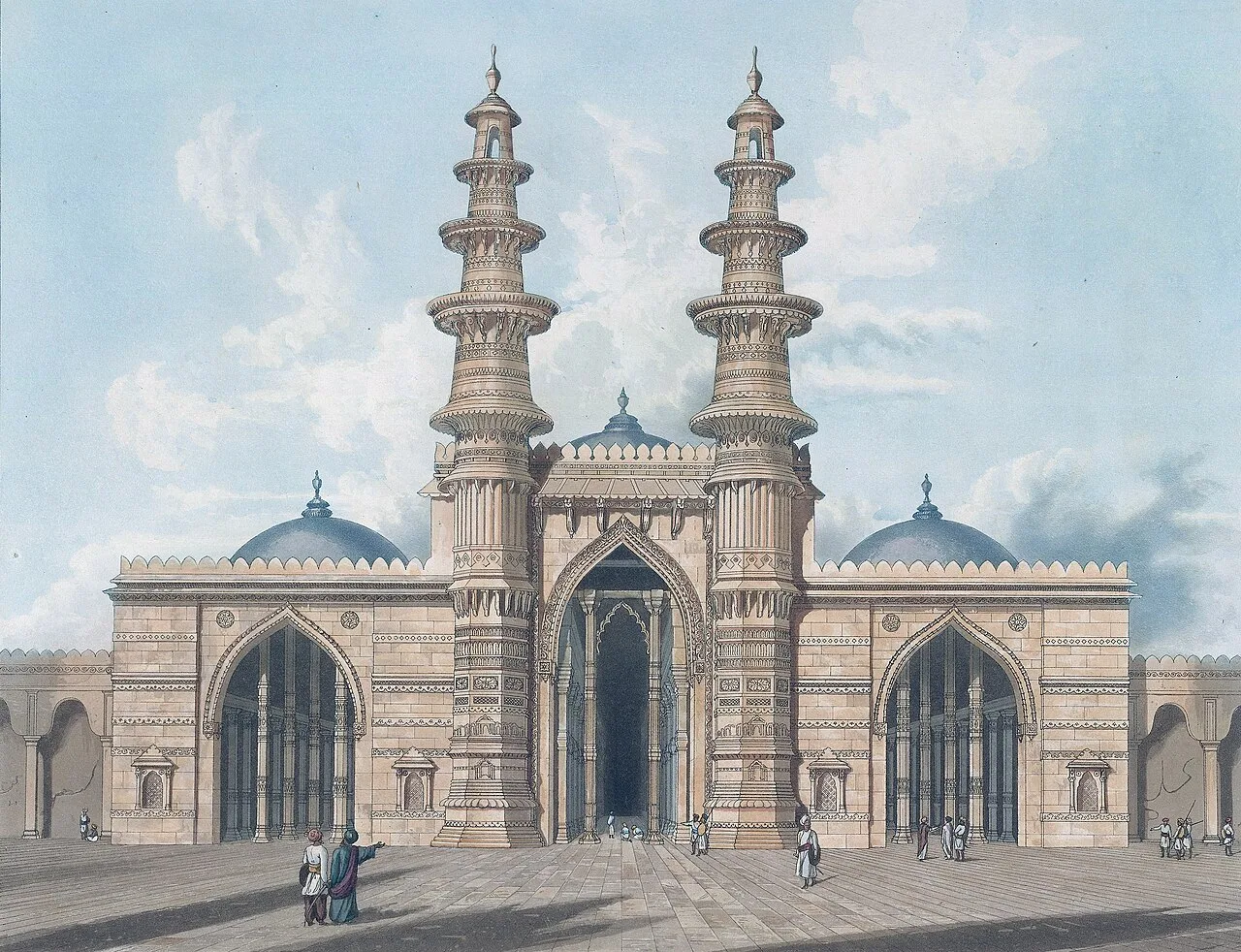
Ahmedabad’s Jama Masjid is a historic Friday mosque in the old city, visited for its impressive scale, central courtyard and expression of Gujarat-style architecture.

Bhadra Fort

47 km away · Ahmedabad district

Bhadra Fort

This historic Ahmedabad complex brings together royal buildings, mosques, gateways and open areas. Visitors explore its architecture and its present role as a cultural centre for the city.

Dada Harir Stepwell

47 km away · Ahmedabad district

Dada Harir Stepwell

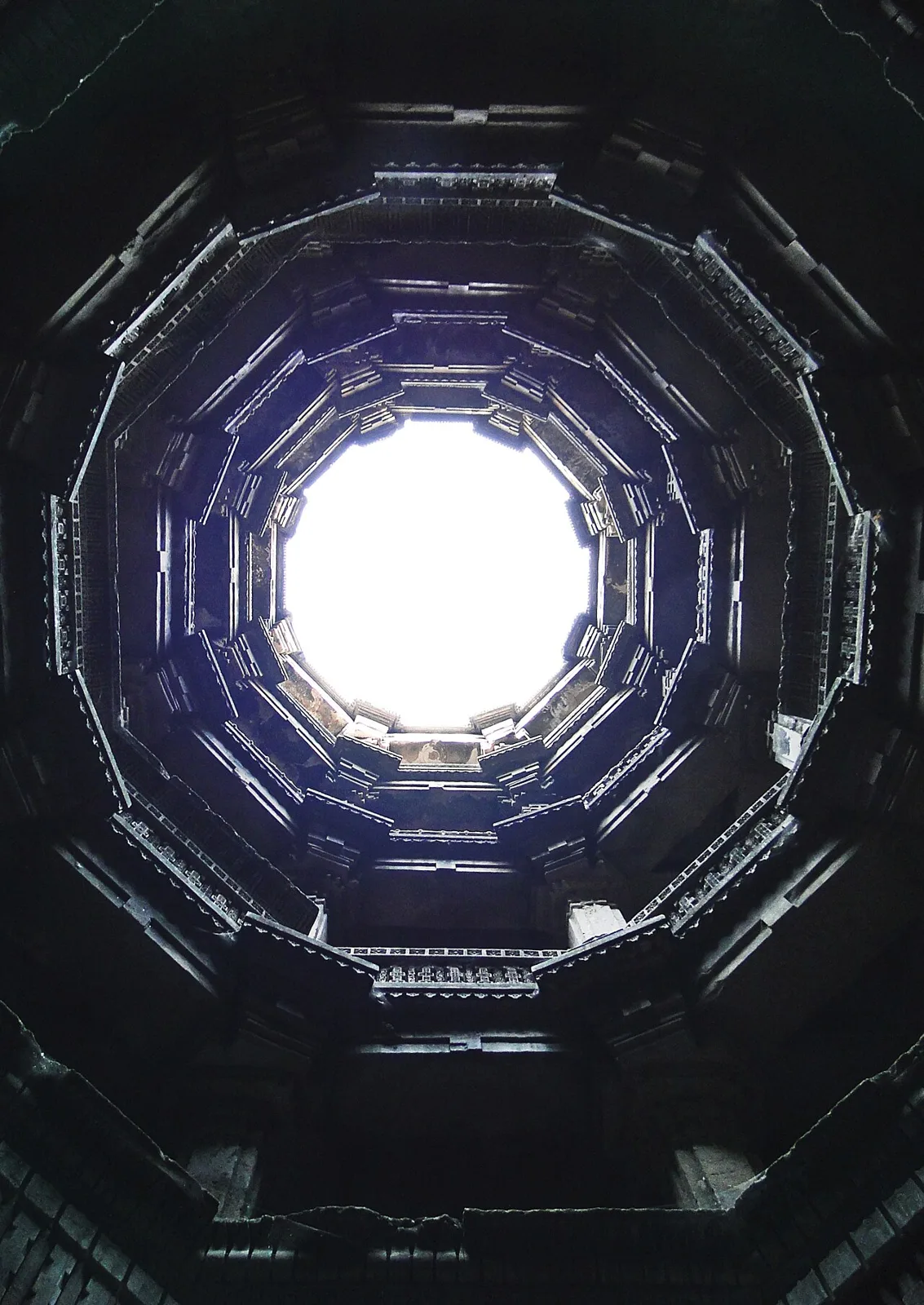
Dada Harir Stepwell is a fifteenth-century stepwell in Asarwa, Ahmedabad district, Gujarat. Visitors can see this historic structure about 15 kilometres from Ahmedabad.

Sidi Saiyyed Mosque

47 km away · Ahmedabad district

Sidi Saiyyed Mosque

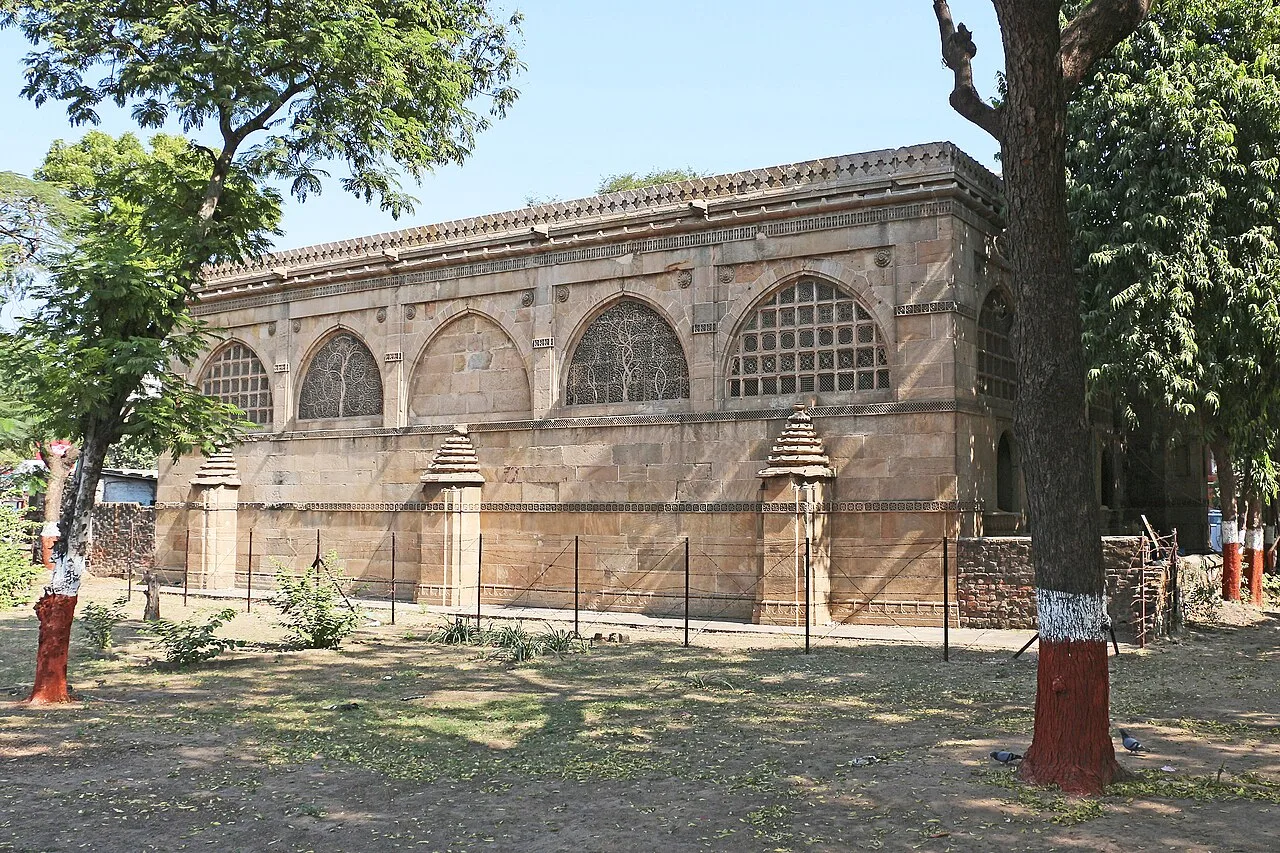
Sidi Saiyyed Mosque is a Sunni place of worship in Ahmedabad, Gujarat, also known locally as Sidi Saiyyed ni Jali. Visitors come to see this nationally important historic monument.

Hutheesing Jain Temple

48 km away · Ahmedabad district

Hutheesing Jain Temple

Ahmedabad's Hutheesing Jain Temple, in Gujarat, is a place of Jain worship built by the Hutheesing family in 1848. Visitors can see its blend of Maru-Gurjara temple design and haveli features.

Sabarmati Riverfront

48 km away · Ahmedabad district

Sabarmati Riverfront

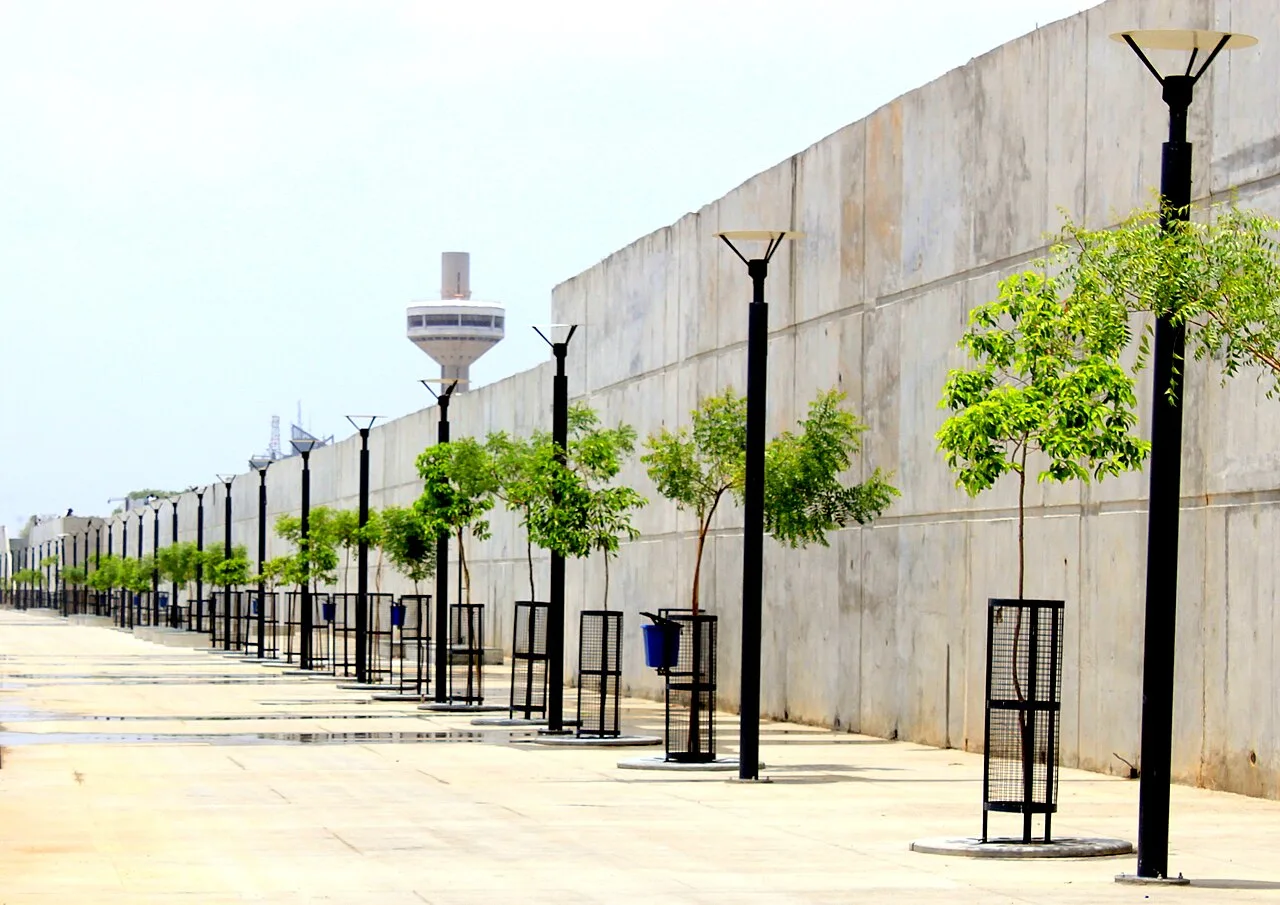
The Sabarmati Riverfront is a developing public waterfront in Ahmedabad. Visitors can access its facilities as they open, while the project aims to improve the environment and provide social infrastructure.

Map

Nadiad on the map

  1. 1Dakor
  2. 2Kankaria Lake
  3. 3Jama Masjid, Ahmedabad
  4. 4Bhadra Fort
  5. 5Dada Harir Stepwell
  6. 6Sidi Saiyyed Mosque
  7. 7Hutheesing Jain Temple
  8. 8Sabarmati Riverfront

Gujarat

Other cities to explore