Ghumoopedia — Explore, Discover, Experience
Sign in

City guide · Gujarat

Tharad

Tharad is a regional centre in northern Gujarat, close to both the Rajasthan state boundary and the international border with Pakistan. It serves the surrounding settlements as an administrative, trading and transport hub, and is an early major town on National Highway 68 for travellers entering Gujarat from the north.

Famous for

  • Nandevi Temple
  • Jain pilgrimage temples
  • Agricultural market yard
  • Dairy cooperatives
  • Jewellery trade
  • National Highway 68

Why Tharad matters

Tharad is a regional centre in northern Gujarat, close to both the Rajasthan state boundary and the international border with Pakistan. It serves the surrounding settlements as an administrative, trading and transport hub, and is an early major town on National Highway 68 for travellers entering Gujarat from the north. Agriculture and private businesses underpin local livelihoods, while the town’s bus links connect it with destinations across Gujarat and Rajasthan.

Visitors come for its religious heritage, particularly its Jain temples and the old Nandevi Temple, set outside the town. Tharad also offers a glimpse of the commercial life of a rural market centre: farmers bring produce to the agricultural market yard, and local businesses serve residents from nearby villages. Dairy cooperatives and a substantial jewellery market add to its trading character. Rather than a large resort destination, Tharad is best approached as a practical stop and a place to explore the temples, markets and history of this borderland region.
Famous for: crafts, trade & products

Tharad’s commercial identity is rooted in agriculture and regional trade, rather than in a widely recognised textile, handicraft or GI-tagged product. The Central Agriculture Market Yard is a focal point for farmers selling produce, and nearby cold-storage facilities support the handling of agricultural goods. Dairy cooperatives are also part of the local economy. Visitors interested in everyday commerce can explore the market area and ask locally about the produce available in season.

The town has a notable jewellery market, where shops cater to local families and customers from surrounding settlements. Its religious institutions are another important part of its profile: Jain visitors come to temples including Shri Mota Mahaveer/Adinath Swami Jain Temple, Sakal Tirth Derasar and Jayantsen Suri Guru Mandir. Kanku Chiman Vihar Dham is among the town’s Jain centres, while Nandevi Temple is a Hindu place of worship outside town. These temples and markets give Tharad a distinctive mix of pilgrimage and regional commerce. Visitors should not expect a single signature craft district or a famous local textile tradition.

History

Tharad is also known historically as Thirpur. Traditional accounts connect its founding with Tharpar Parmar, who is said to have established the town after leaving Shripur or Bhinmal. Parmar rulers were followed by Chauhan chiefs associated with Vav; later accounts describe conflict and changing control by Muslim rulers and regional powers. Over the centuries, Tharad’s position shifted among local dynasties and chiefs, including the Jhaloris, BabIs and Vaghelas.

In the early nineteenth century, regional insecurity and raids led the ruling chief to seek British support. Tharad entered a British-Gaekwad agreement in 1821 and was subsequently governed by Vaghela chieftains under the Palanpur Agency, later part of the Banas Kantha Agency. After Indian independence, it became part of Bombay State and then Gujarat when the state was formed in 1960. It was formerly within Banaskantha district and now serves as an administrative centre of Vav-Tharad district. Agriculture, trade, transport and public services shape its present-day role.

Food, festivals & culture

Gujarati is the principal language of daily life, and Hindi is also commonly understood; the town’s location near Rajasthan brings contact with neighbouring regional speech and customs. Food is broadly characteristic of northern Gujarat: meals may include rotla or other breads, dal, kadhi, vegetables and seasonal accompaniments. Gujarati snacks and sweets are available locally, though Tharad is not especially known for a signature dish.

Navratri, usually in autumn, is marked across Gujarat with devotional events and garba; Diwali, Holi and Uttarayan are also widely observed. Jain religious life is visible in the town’s temples and pilgrimage centres, while Nandevi Temple serves Hindu worshippers. Local celebrations and temple observances are the best places to encounter community traditions. Gujarati devotional songs and folk music are part of the wider regional culture, with garba especially associated with Navratri. The mix of Hindu and Jain places of worship reflects the town’s varied religious heritage.

Visiting the city

The cooler months, roughly November to February, are generally the most comfortable time to visit; summer can be very hot. Tharad has no airport or railway station of its own. Sardar Vallabhbhai Patel International Airport in Ahmedabad is a major air gateway, while Deesa railway station is a nearby rail option; check current onward connections before travelling. Buses link Tharad with towns in Gujarat and Rajasthan, and local taxis or auto-rickshaws can help with short trips.

Explore the town’s market areas for its agricultural and jewellery trade, and set aside time for its Jain temples. Nandevi Temple lies outside the town and is worth visiting for its setting and nearby stepwell. Tharad is compact enough for local exploration, but confirm transport locally for sites beyond the centre.

Trips from the city

Nearest places to visit from Tharad

Our closest destination guides, by straight-line distance.

Sahasralinga Tank

76 km away · Patan district

Sahasralinga Tank

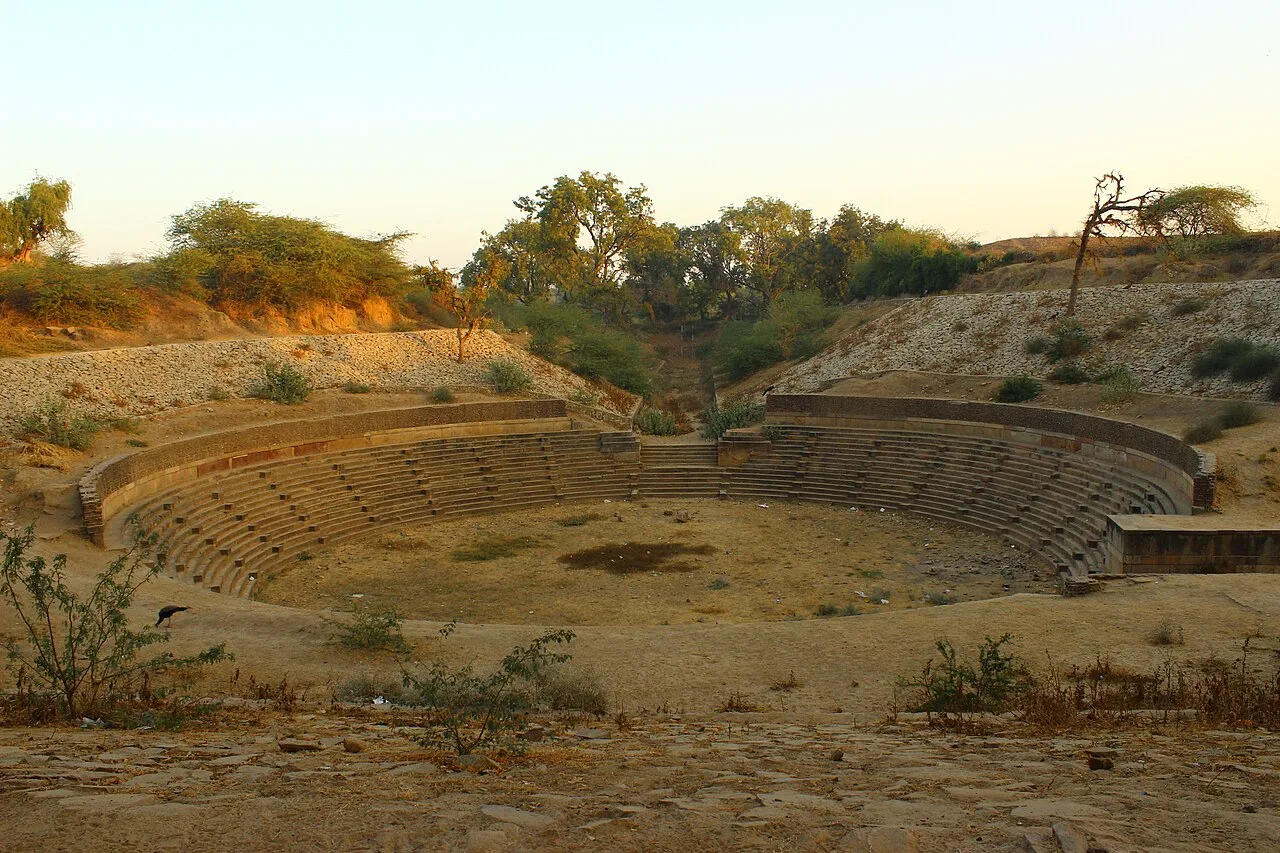
Sahasralinga Tank is a medieval, human-made reservoir in Gujarat’s Patan district, commissioned under Chaulukya rule. Visitors come to see this historic site, which is protected as a national monument.

Rani ki Vav

77 km away · Patan district

Rani ki Vav

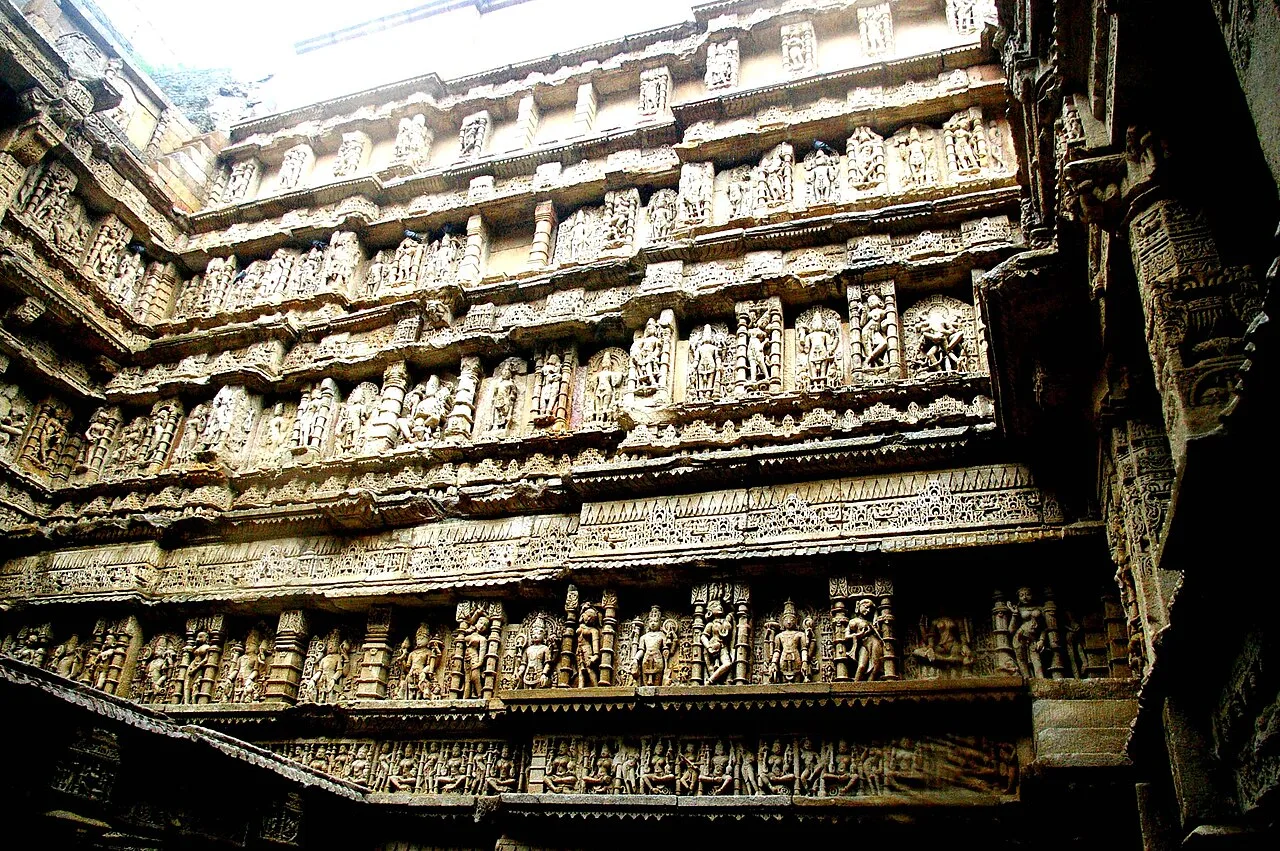
Rani ki Vav is a stepwell in Patan, Gujarat, notable for its tiered underground design and extensive sculpture, which reflect the monument’s religious and architectural significance.

Modhera Sun Temple

104 km away · Mehsana district

Modhera Sun Temple

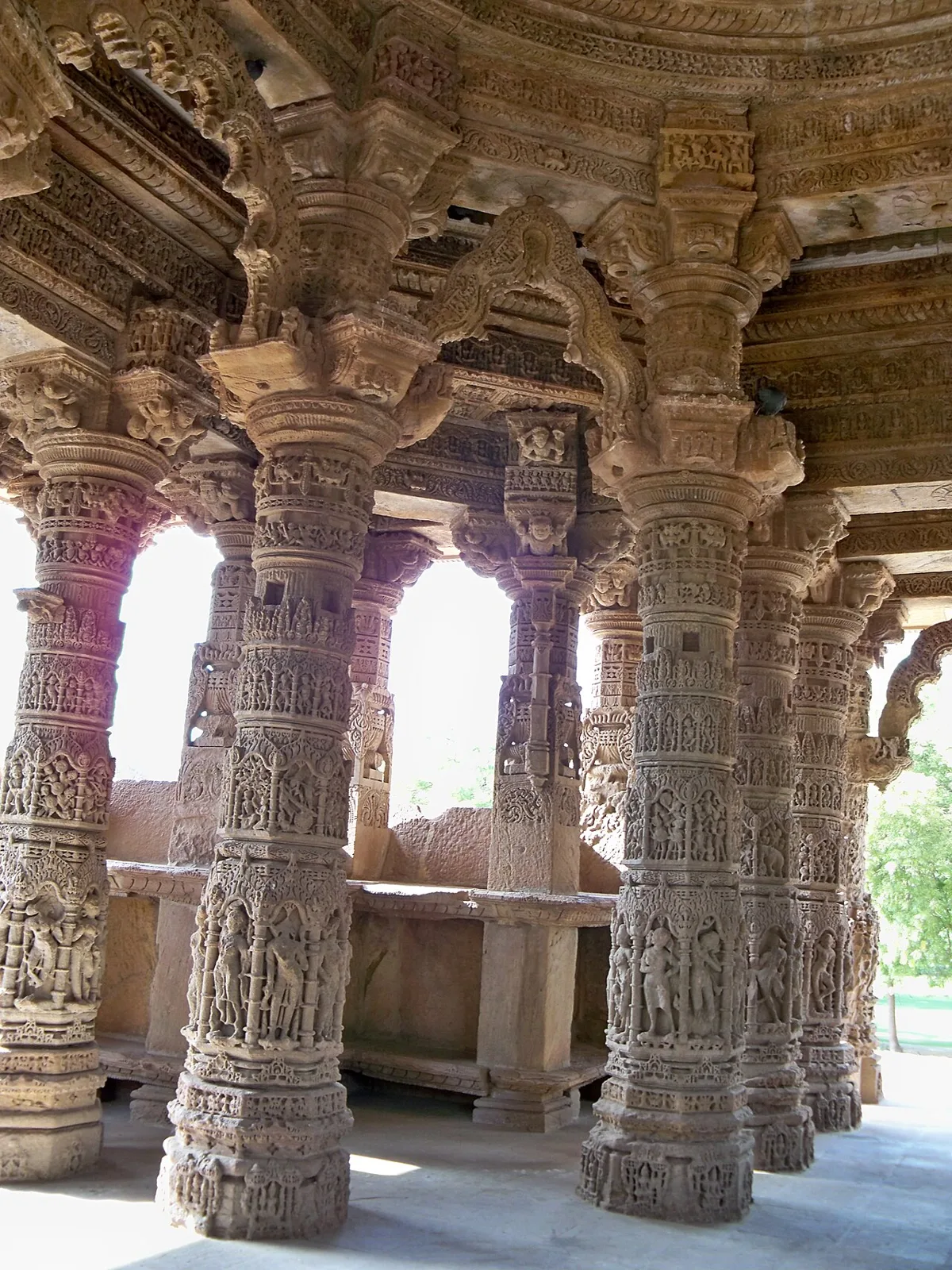
This Hindu temple complex in Modhera, Gujarat, honours Surya. Visitors come to see its carved halls, decorated pillars and stepped reservoir, which is dotted with small shrines.

Great Rann of Kutch

106 km away · Kutch district

Great Rann of Kutch

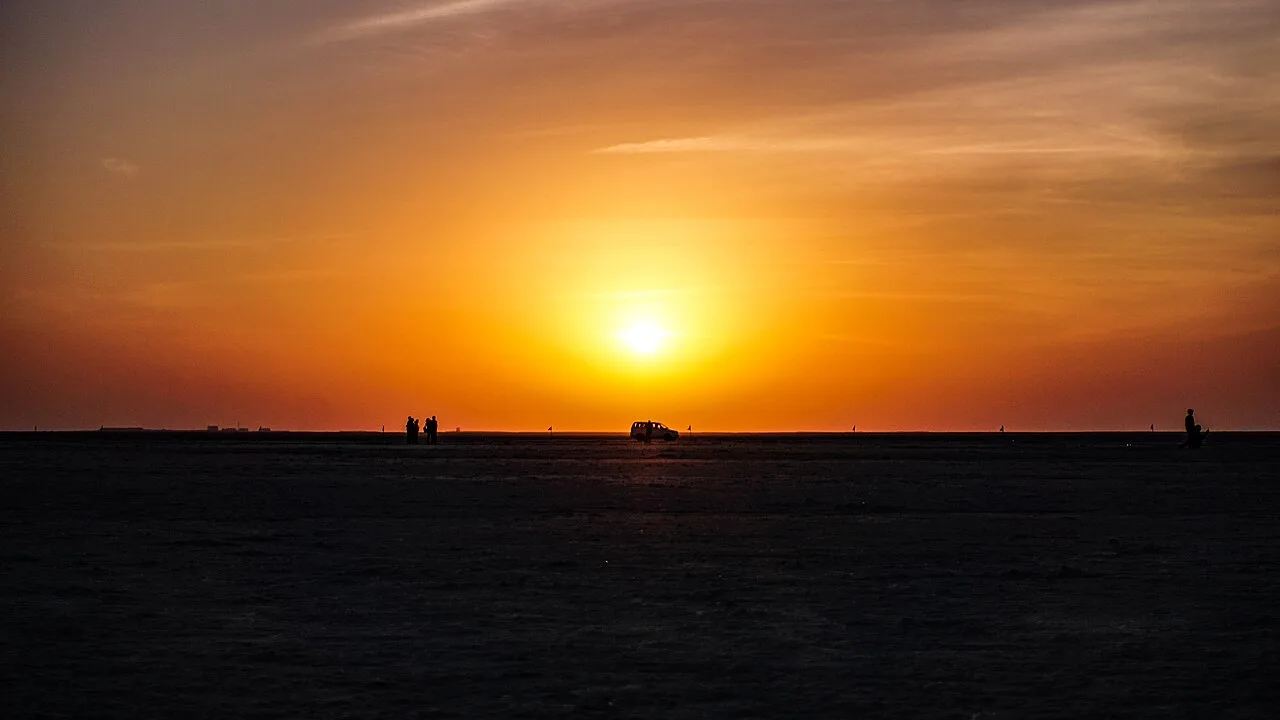
A vast saline desert in Gujarat’s Kutch district, the Great Rann forms part of the Thar Desert. Visitors come to encounter its immense salt-flat landscape.

Indian Wild Ass Sanctuary

116 km away · Surendranagar district

Indian Wild Ass Sanctuary

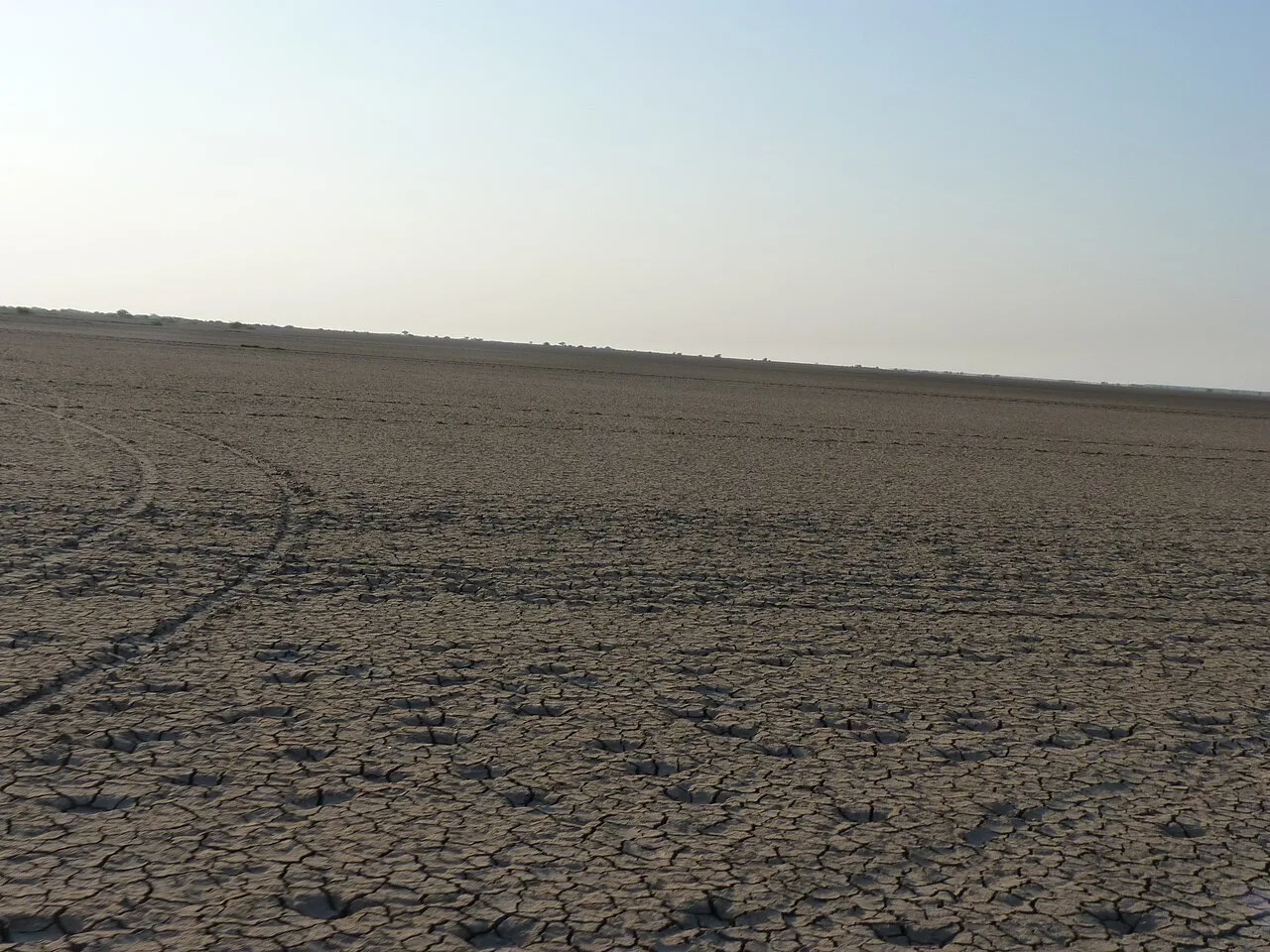
In Gujarat’s Little Rann of Kutch, the Indian Wild Ass Sanctuary protects the endangered khur. Visitors are drawn by the chance to see this wild ass, a southern subspecies of the Asiatic wild ass.

Ambaji

124 km away · Banaskantha district

Ambaji

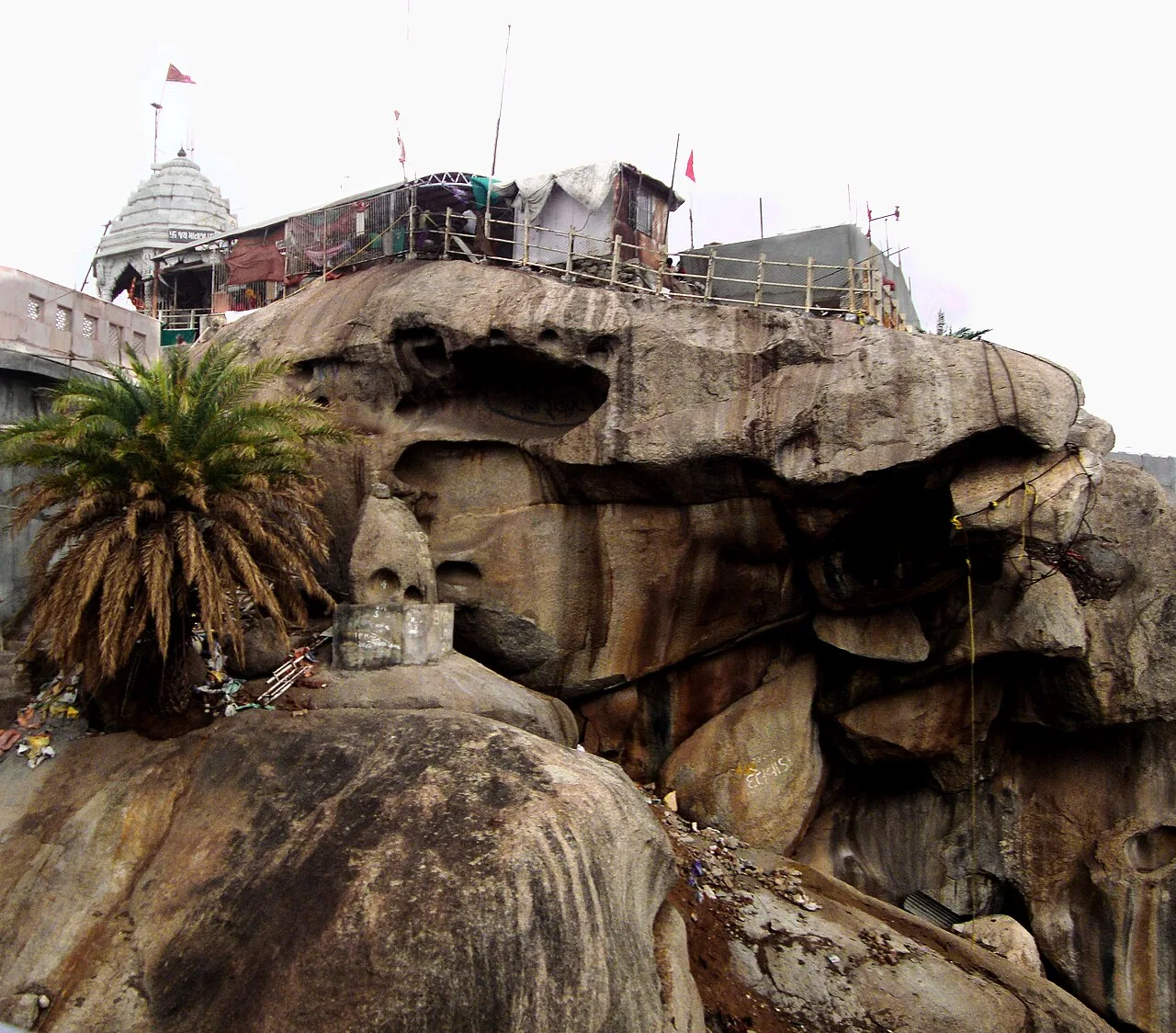
Ambaji is a census town in Banaskantha district, Gujarat. The available details establish its identity and location but do not say what draws visitors there.

Taranga Jain Temples

124 km away · Mehsana district

Taranga Jain Temples

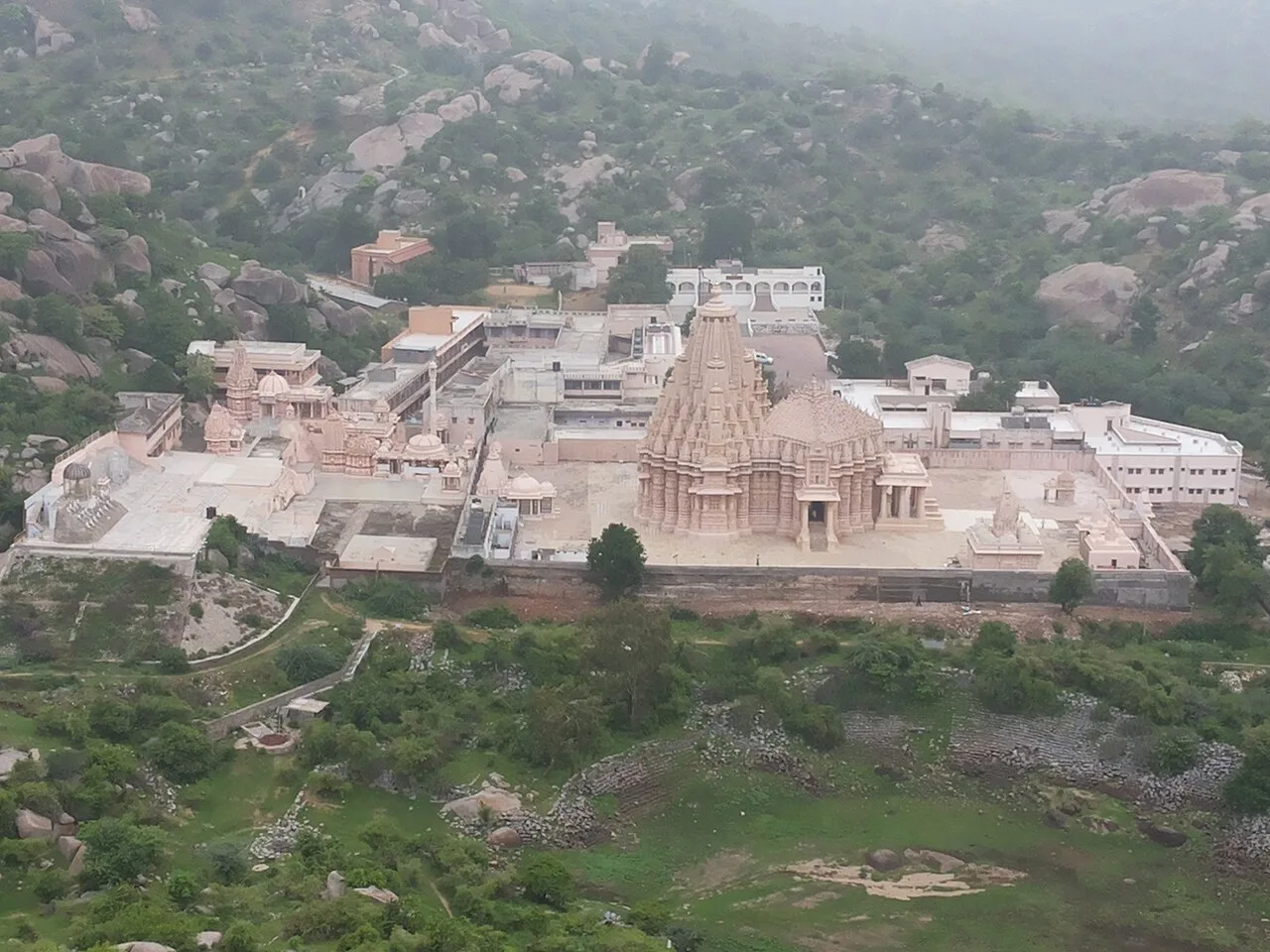
Taranga is a Jain pilgrimage site near Kheralu, known for temples representing Śvetāmbara and Digambara traditions and for its notable Māru-Gurjara architecture.

Dholavira

154 km away · Kutch district

Dholavira

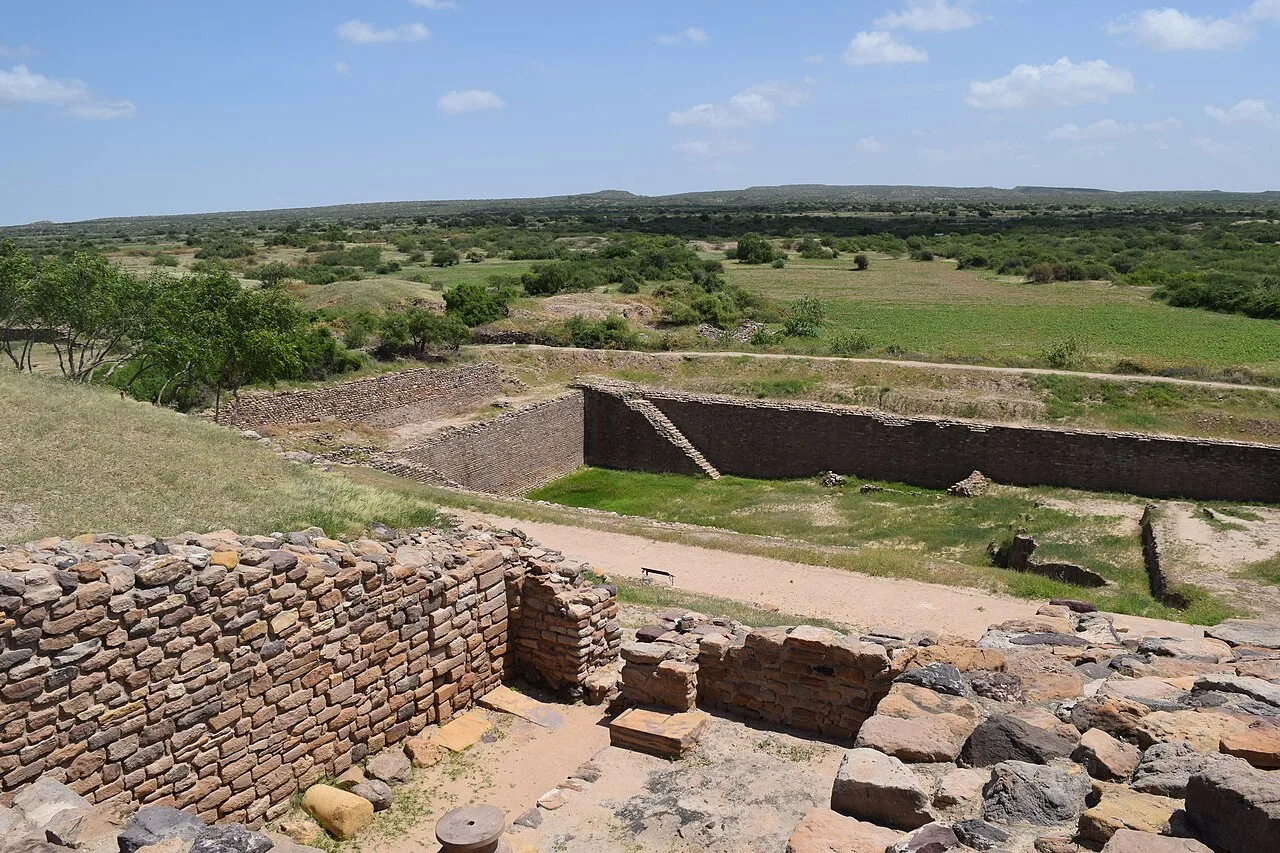
Dholavira is the remains of a city of the Indus Valley Civilization in Gujarat. People visit to see the archaeological ruins and learn about this ancient settlement.

Map

Tharad on the map

  1. 1Sahasralinga Tank
  2. 2Rani ki Vav
  3. 3Modhera Sun Temple
  4. 4Great Rann of Kutch
  5. 5Indian Wild Ass Sanctuary
  6. 6Ambaji
  7. 7Taranga Jain Temples
  8. 8Dholavira

Gujarat

Other cities to explore