Ghumoopedia — Explore, Discover, Experience
Sign in
Polo Forest, near Vadali

City guide · Gujarat

Vadali

Vadali is a small town in Sabarkantha district in northern Gujarat. Its importance is primarily regional: it serves nearby villages with everyday shopping, services and connections to larger centres such as Idar and Himmatnagar.

Famous for

  • Sabarkantha market-town life
  • Agricultural trade
  • Gateway to Idar
  • Gujarati regional culture

Why Vadali matters

Vadali is a small town in Sabarkantha district in northern Gujarat. Its importance is primarily regional: it serves nearby villages with everyday shopping, services and connections to larger centres such as Idar and Himmatnagar. Rather than being a major industrial or heritage-city destination, Vadali offers a quieter glimpse of life in Gujarat’s inland countryside, where local markets and agriculture shape the rhythm of the day.

Visitors may use the town as a stop while exploring the surrounding Sabarkantha landscape, including Idar and its hill country, or as a base for journeys towards Shamlaji. Vadali’s appeal lies in this local setting and in the chance to experience Gujarati food, worship and market life away from the state’s larger cities. It is not widely associated with a signature textile, craft or large visitor attraction; travellers should treat it as a regional town rather than expect a concentrated sightseeing district.
Famous for: crafts, trade & products

Vadali is best understood as a local trading centre, not as a specialist textile or handicraft hub. Its shops and market area serve residents of the town and surrounding villages, with everyday goods and produce moving through the local economy. Agriculture is important across this part of Sabarkantha, and regional trade commonly includes food grains, pulses and other farm products. The selection varies with season and local supply, so there is no single product that defines Vadali for visitors.

For a sense of the town’s commercial life, walk through the central bazaar and its surrounding streets, where small shops, food sellers and service businesses cater mainly to local needs. Visitors looking for established craft markets, branded textiles or a recognised GI-tagged product should not assume these are a feature of Vadali; larger nearby towns are more likely to offer broader shopping choices. Vadali’s strongest offering is an everyday view of a rural market town and its links with the agricultural villages around it.

History

Vadali’s story is best placed within the wider history of Sabarkantha and the former Idar region. For centuries, settlements in this part of northern Gujarat were shaped by agriculture, local routes and the influence of regional rulers. The princely state of Idar was an important political presence in the area during the period of British rule, although Vadali is not generally known as a major royal or colonial centre in its own right.

After Indian independence, princely territories in the region were integrated into the country, and the formation of Gujarat in 1960 brought the area into the new state. In modern times Vadali has continued chiefly as a local administrative and commercial town, serving nearby villages and connecting them with larger district centres. Its growth reflects changing transport, public services and rural trade more than a single defining industrial or monumental development.

Food, festivals & culture

Gujarati is the main language of daily life in Vadali, and Hindi is also understood by many people. The town’s food follows familiar regional patterns: meals may include rotli, shaak, dal, rice and khichdi, while snacks and sweets are available from local shops. Farsan, jalebi and other popular Gujarati treats are common choices, though menus and availability depend on the season and individual vendors.

Navratri, usually in autumn, brings evenings of devotional music and garba; Diwali is marked with lights, family visits and festive foods. Uttarayan in January and Holi in spring are also widely observed across Gujarat. Religious life centres on neighbourhood places of worship and community gatherings, with Hindu observances prominent in local festival life. Visitors can ask locally about current events, since celebrations are organised by communities and may vary from year to year. Music, garba and regional folk traditions are part of the wider cultural setting.

Visiting the city

The cooler months from November to February are generally the most comfortable for visiting; summers can be very hot, while monsoon travel may bring rain. Vadali has no major airport of its own. Sardar Vallabhbhai Patel International Airport in Ahmedabad is the principal air gateway. Himmatnagar railway station is a useful rail connection for the region; onward travel to Vadali is by road.

Buses, taxis and private vehicles connect towns in Sabarkantha, while local auto-rickshaws are useful for short journeys within Vadali. The central bazaar and nearby streets are the easiest places to explore on foot and to find everyday food and shops. Idar makes a natural excursion from the area, and Shamlaji is another regional pilgrimage destination to consider. Check local road and transport conditions before setting out for day trips.

Trips from the city

Nearest places to visit from Vadali

Our closest destination guides, by straight-line distance.

Polo Forest

24 km away · Sabarkantha district

Polo Forest

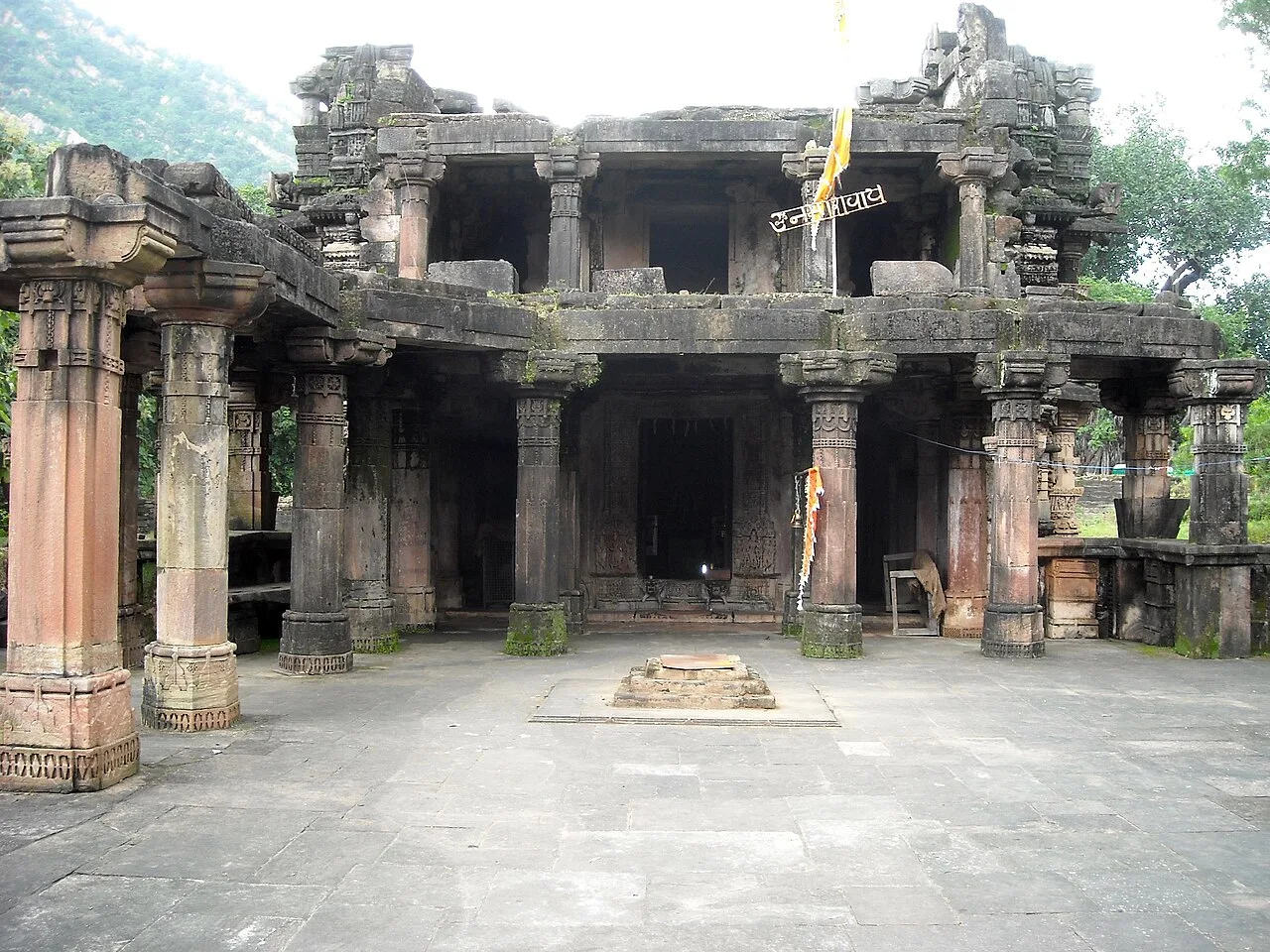
Polo Forest, also called Vijaynagar Forest, is a dry mixed deciduous woodland in Gujarat. Visitors come to explore its extensive forest landscape beside the perennial Harnav River and below the Aravalli foothills.

Taranga Jain Temples

29 km away · Mehsana district

Taranga Jain Temples

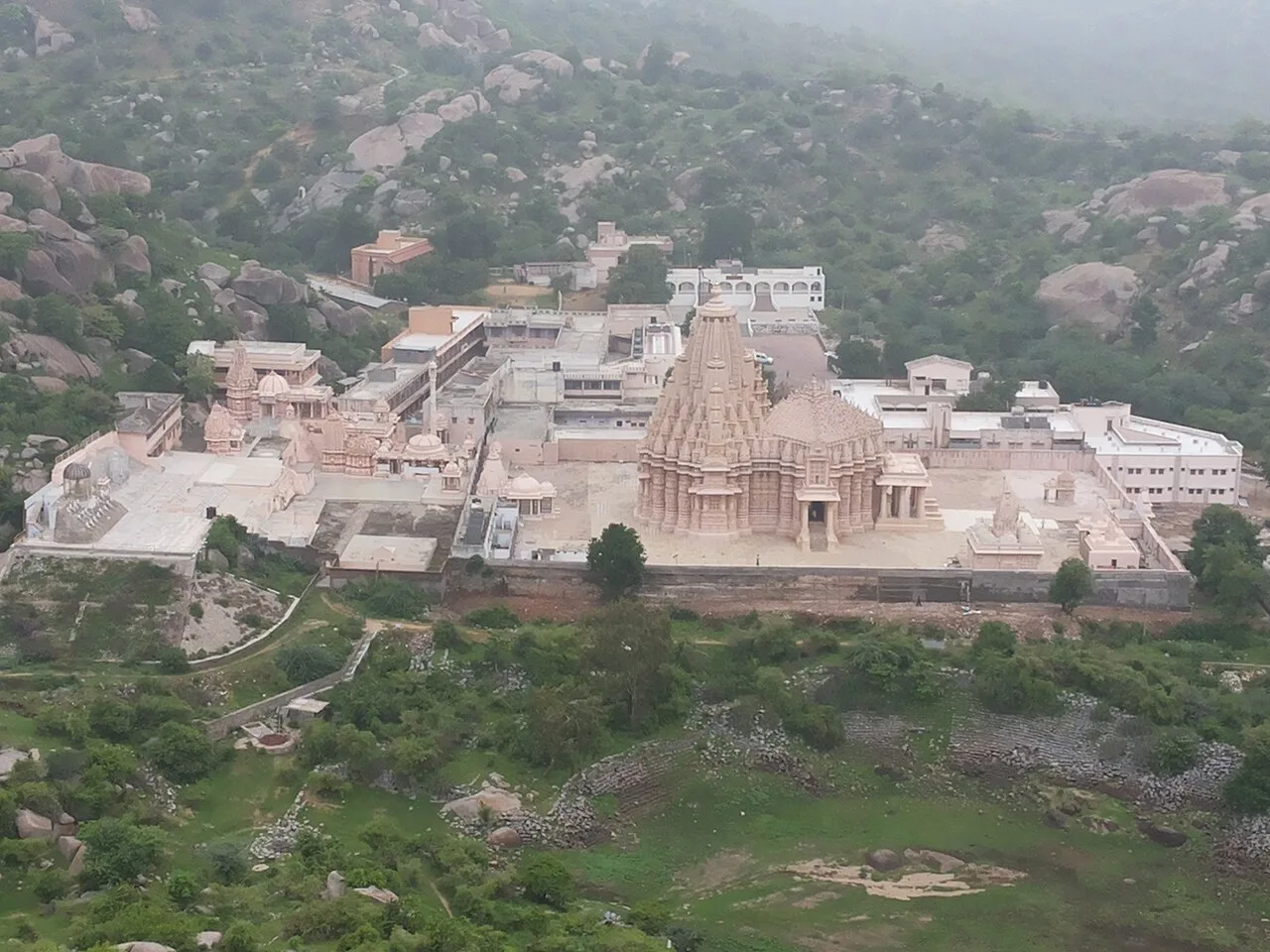
Taranga is a Jain pilgrimage site near Kheralu, known for temples representing Śvetāmbara and Digambara traditions and for its notable Māru-Gurjara architecture.

Ambaji

47 km away · Banaskantha district

Ambaji

Ambaji is a census town in Banaskantha district, Gujarat. The available details establish its identity and location but do not say what draws visitors there.

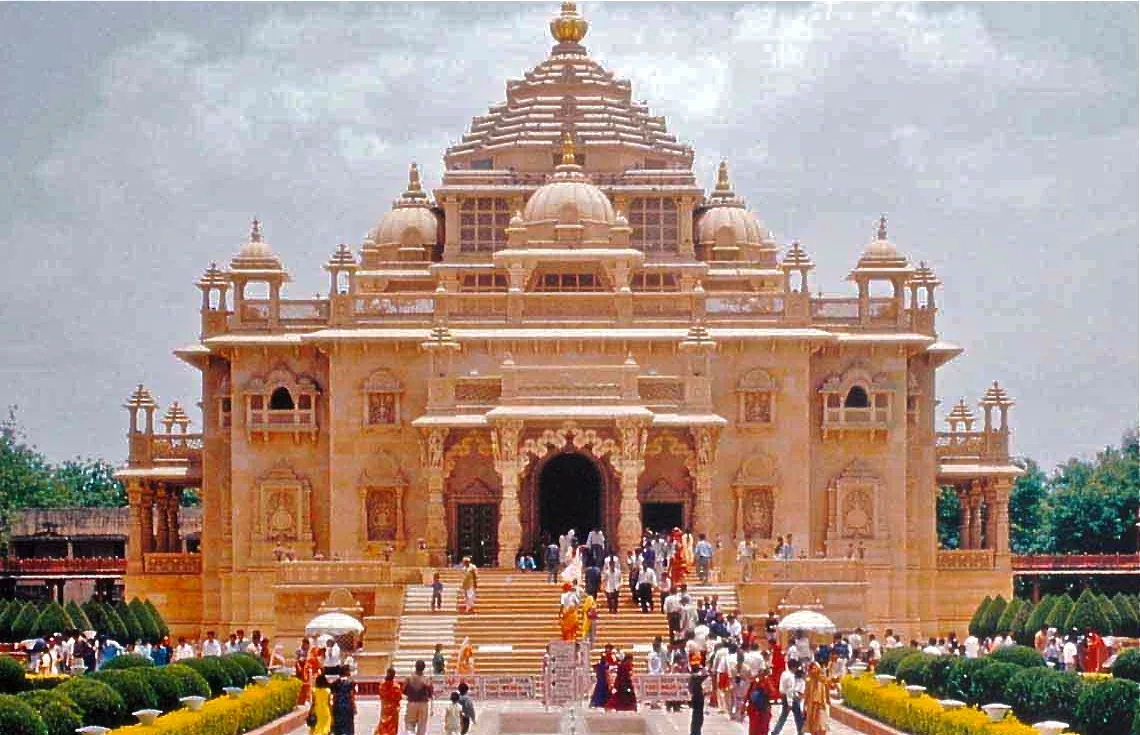
Swaminarayan Akshardham

88 km away · Gandhinagar district

Swaminarayan Akshardham

This Hindu temple complex in Gandhinagar, Gujarat, draws visitors interested in Swaminarayan’s teachings, BAPS traditions and its central shrine built from pink sandstone.

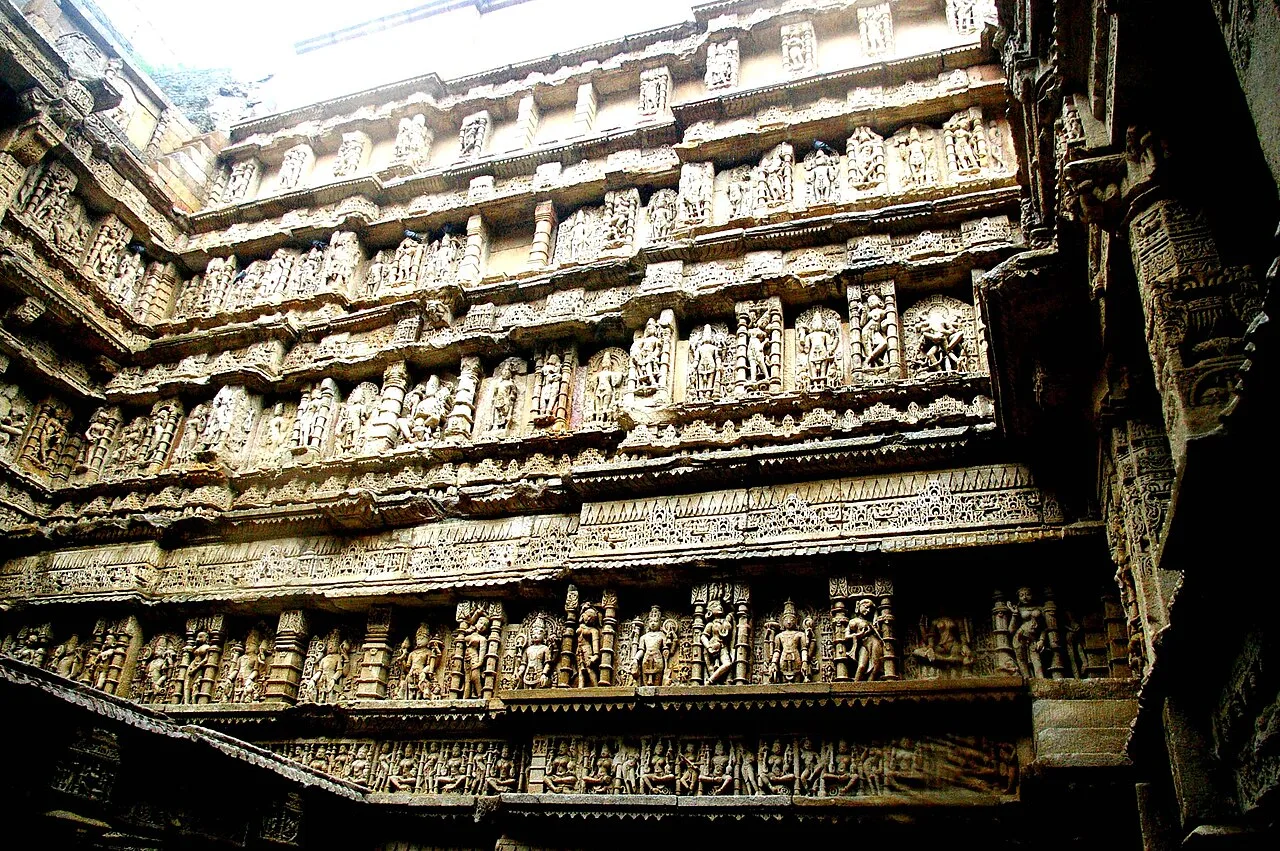
Rani ki Vav

96 km away · Patan district

Rani ki Vav

Rani ki Vav is a stepwell in Patan, Gujarat, notable for its tiered underground design and extensive sculpture, which reflect the monument’s religious and architectural significance.

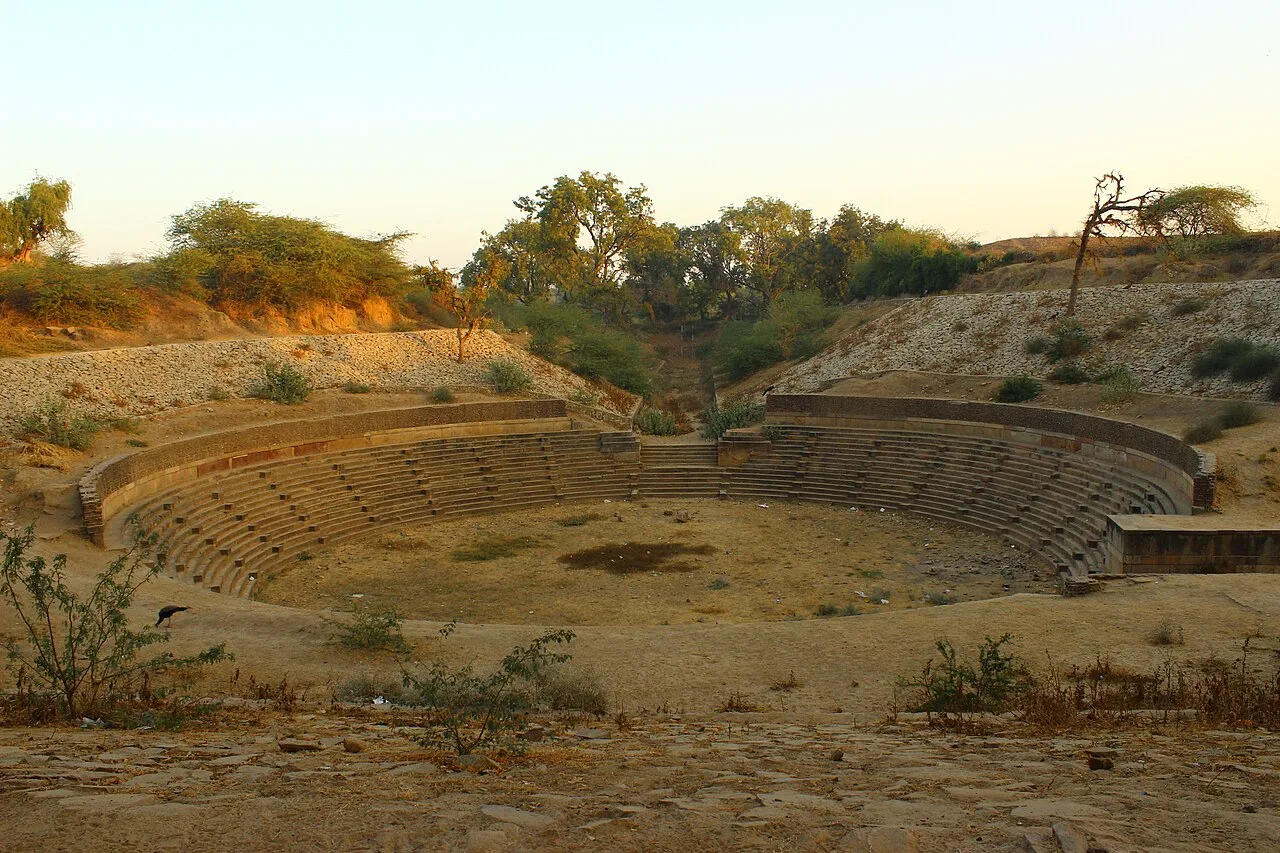
Sahasralinga Tank

96 km away · Patan district

Sahasralinga Tank

Sahasralinga Tank is a medieval, human-made reservoir in Gujarat’s Patan district, commissioned under Chaulukya rule. Visitors come to see this historic site, which is protected as a national monument.

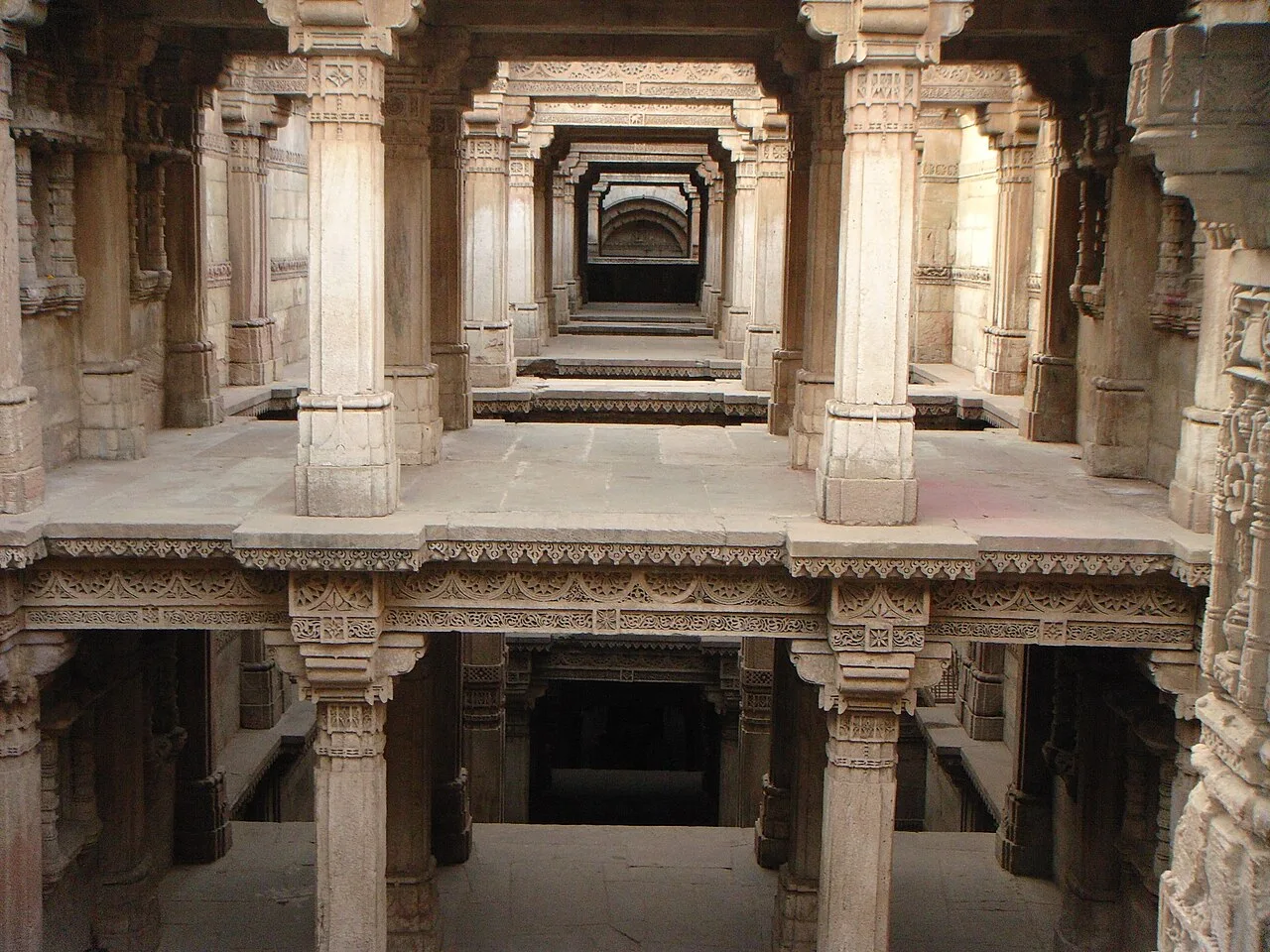
Adalaj Stepwell

98 km away · Gandhinagar district

Adalaj Stepwell

Adalaj Stepwell, also known as Rudabai Stepwell, is a sandstone structure in Gujarat’s Gandhinagar district. Visitors come to see its Solanki-style design and its connection to Rana Veer Singh.

Modhera Sun Temple

100 km away · Mehsana district

Modhera Sun Temple

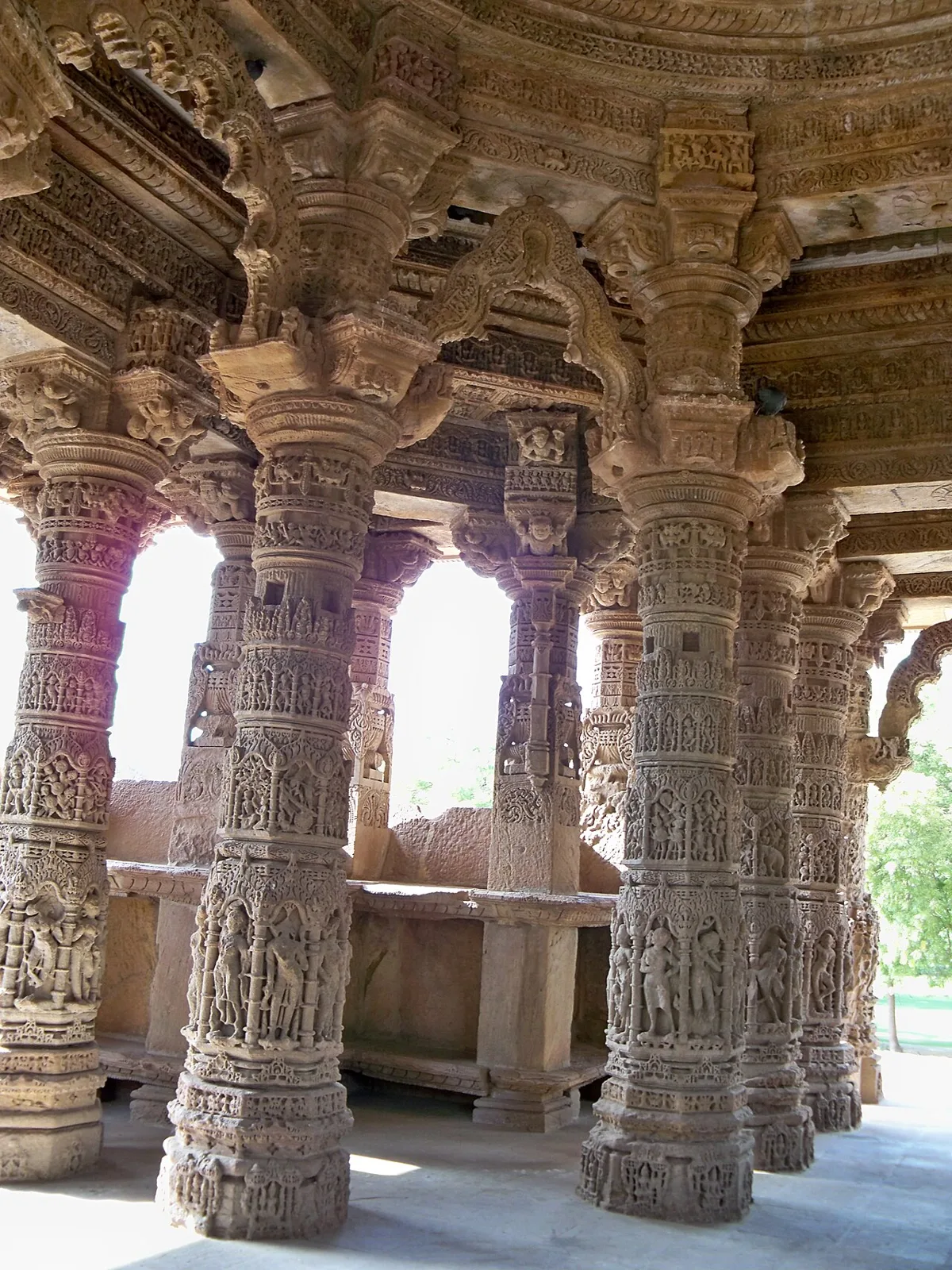
This Hindu temple complex in Modhera, Gujarat, honours Surya. Visitors come to see its carved halls, decorated pillars and stepped reservoir, which is dotted with small shrines.

Map

Vadali on the map

  1. 1Polo Forest
  2. 2Taranga Jain Temples
  3. 3Ambaji
  4. 4Swaminarayan Akshardham
  5. 5Rani ki Vav
  6. 6Sahasralinga Tank
  7. 7Adalaj Stepwell
  8. 8Modhera Sun Temple

Gujarat

Other cities to explore