Ghumoopedia — Explore, Discover, Experience
Sign in

City guide · Gujarat

Jhalod

Jhalod, also written as Zalod, is a town in Dahod district in eastern Gujarat, close to the Rajasthan border. It serves as the administrative headquarters of Jhalod taluka and as a commercial and service centre for surrounding settlements.

Famous for

  • Zalai Mata temple
  • Bhil heritage
  • Maratha fort remains
  • Titodi River setting
  • Jhalod Taluka headquarters

Why Jhalod matters

Jhalod, also written as Zalod, is a town in Dahod district in eastern Gujarat, close to the Rajasthan border. It serves as the administrative headquarters of Jhalod taluka and as a commercial and service centre for surrounding settlements. Its position near Kushalgarh in Rajasthan gives it a regional character shaped by movement and exchange across state boundaries.

The town’s appeal lies more in its local history and everyday life than in large-scale tourism. Zalai Mata temple is associated with local tradition, while Bhil heritage is central to accounts of Jhalod’s origins. Remains of a small Maratha-era fort can still be seen on the outskirts. The nearby Titodi River and the surrounding countryside add to the setting. Visitors interested in eastern Gujarat’s smaller towns can use Jhalod as a place to explore local markets, religious life and the layered history of the border region. It is also a practical centre for people travelling around the taluka.
Famous for: crafts, trade & products

Jhalod is not widely identified with a nationally recognised textile, GI-tagged product or single signature handicraft. Its commercial role is chiefly local: shops and markets serve residents and nearby villages with daily essentials, household goods and produce. Visitors looking for a particular craft or regional product should ask traders about goods made or grown in the surrounding area, since availability can vary.

The town’s best-known points of interest are historical and religious rather than manufacturing landmarks. The Zalai Mata temple is connected with local beliefs about the town’s name and origins. On the outskirts, the remains of a small fort recall the Maratha period. Jhalod’s role as the taluka headquarters also makes it a centre for local administration and services. Maniben School is associated with a local tradition about the Bhil ruler Jhala Vasaiya, whose tombstone is said to be visible near its entrance; visitors should be considerate, as a school is an active institution. For everyday shopping, the town centre is the most useful place to browse.

History

Local tradition attributes Jhalod’s founding to the Bhil king Jhala Vasaiya, and links the town’s name to Zalai Mata, its revered local goddess. A tombstone associated with Vasaiya is said to remain near the entrance of Maniben School. These accounts form part of the town’s Bhil heritage. Before the establishment of the Santrampur state, its ruler is said to have lived in Jhalod; following conflict with other Bhils, the court moved to Santrampur.

In a later political shift, the Scindia ruler of Gwalior transferred the area to the British. Under colonial rule, it became one of the original Five Mahals of Panchmahal district in Bombay Province. A small fort built during Maratha rule survives in partial remains on the town’s outskirts. Jhalod taluka was formed by bringing together the territories of Sanjeli State and Jhalod Mahal. In modern Gujarat, Jhalod has developed as the taluka’s administrative and commercial centre, serving settlements on the eastern edge of the state.

Food, festivals & culture

Jhalod’s culture reflects its location in eastern Gujarat and its strong Bhil presence. Gujarati and Hindi are commonly useful to visitors, while Bhili varieties are also spoken in the wider region. There is no single dish or sweet for which the town is especially renowned. Everyday meals draw on the broader food traditions of the area, including rotla, pulses and seasonal vegetables; familiar Gujarati sweets and snacks can be found in local shops, though selection varies.

Hindu festivals such as Navratri, usually in autumn, and Diwali, generally in autumn, are observed alongside Holi in spring. Celebrations and customs can differ between communities and villages, and local Bhil traditions are an important part of the region’s cultural life. Zalai Mata temple is a notable place of worship and a focal point in local accounts of the town. Folk music, dance and community gatherings are part of the wider tribal culture of the area; visitors should ask locally about events rather than assume a fixed performance schedule.

Visiting the city

The cooler months, roughly October to February, are generally the most comfortable for visiting. Summer can be very hot, while monsoon brings rain and greener countryside. Vadodara Airport is the nearest major airport; Dahod is the main railway station commonly used for reaching Jhalod. Check current onward road connections before travelling, as services can change.

Jhalod is best explored on foot around the town centre, with local autos, taxis or buses useful for longer trips. The central market area offers a glimpse of daily commerce. Visitors can also seek out Zalai Mata temple and, with local directions, the fort remains on the outskirts and the Titodi River area. The Maniben School landmark is an active school, so approach respectfully and do not enter without permission. Jhalod is a working regional town rather than a developed sightseeing hub; allow time for road travel and ask locally about access to sites.

Trips from the city

Nearest places to visit from Jhalod

Our closest destination guides, by straight-line distance.

Champaner-Pavagadh Archaeological Park

94 km away · Panchmahal district

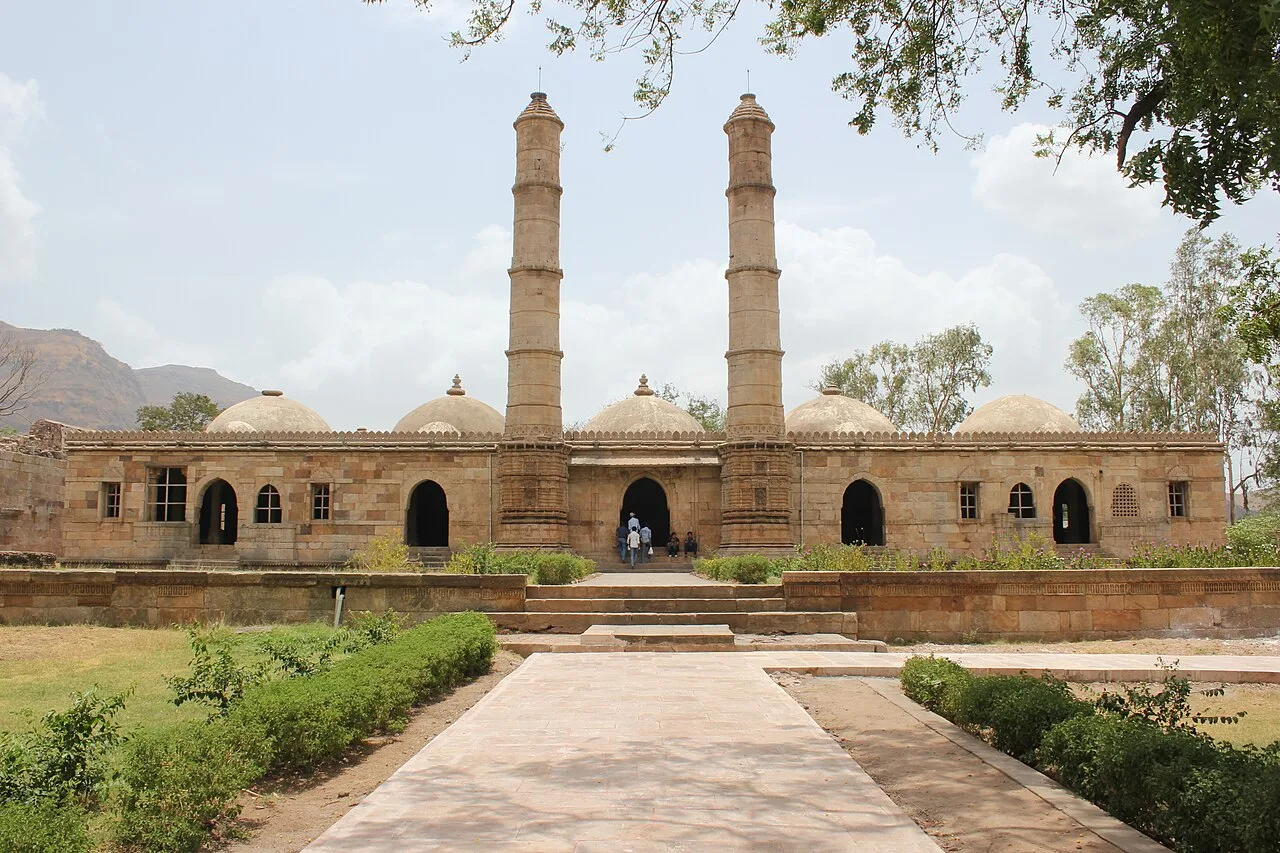
Champaner-Pavagadh Archaeological Park

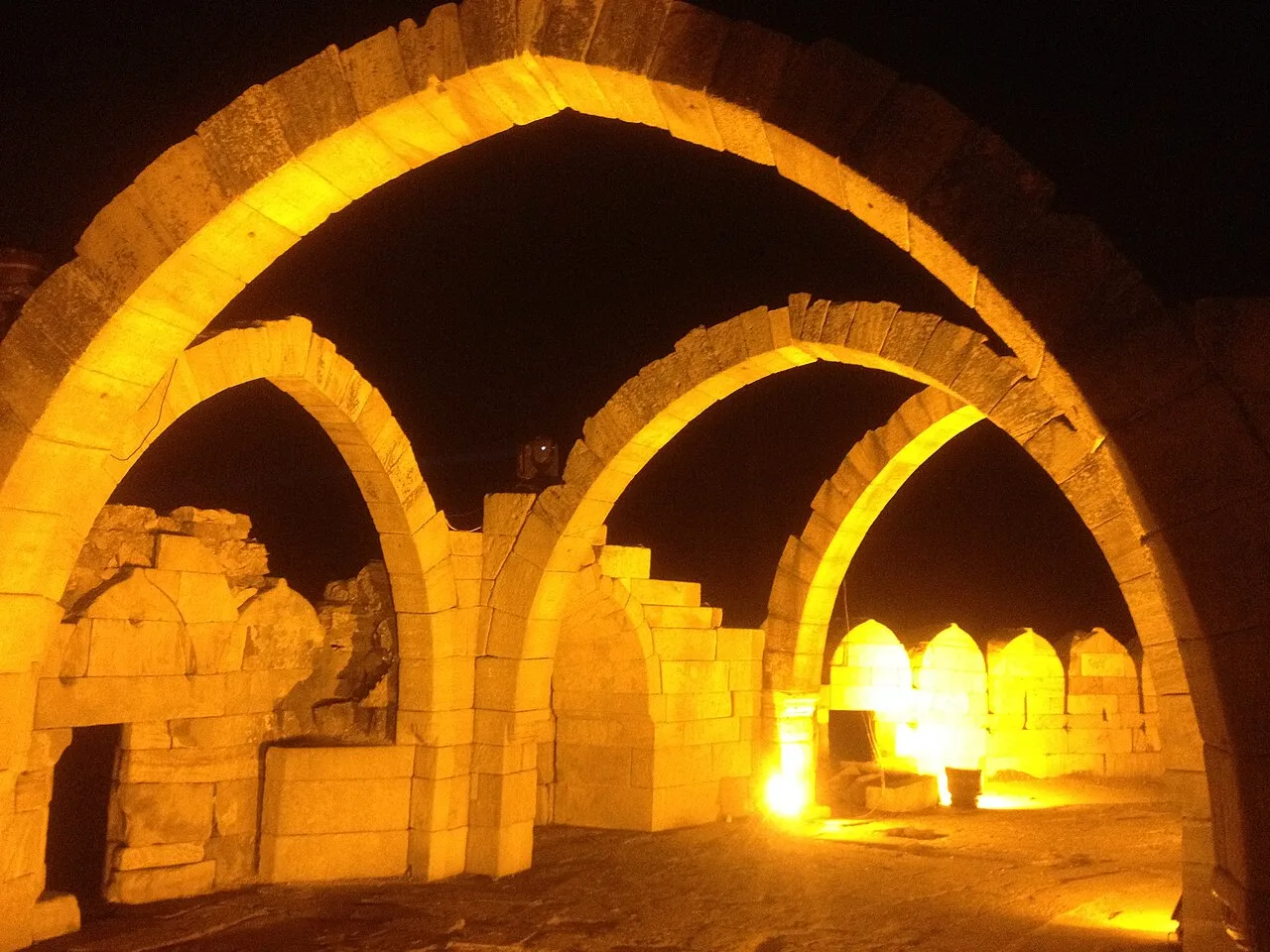
This archaeological park in Gujarat’s Panchmahal district preserves Champaner, Pavagadh’s hill fortress and monuments from several periods. Visitors explore its historic architecture and visit the Kalika Mata Temple.

Pavagadh

97 km away · Panchmahal district

Pavagadh

Pavagadh is a municipal area in Gujarat’s Panchmahal district, about 46 kilometres from Vadodara. Visitors come to see its Mahakali temple and the Champaner-Pavagadh Archaeological Park, a UNESCO World Heritage Site.

Dakor

110 km away · Kheda district

Dakor

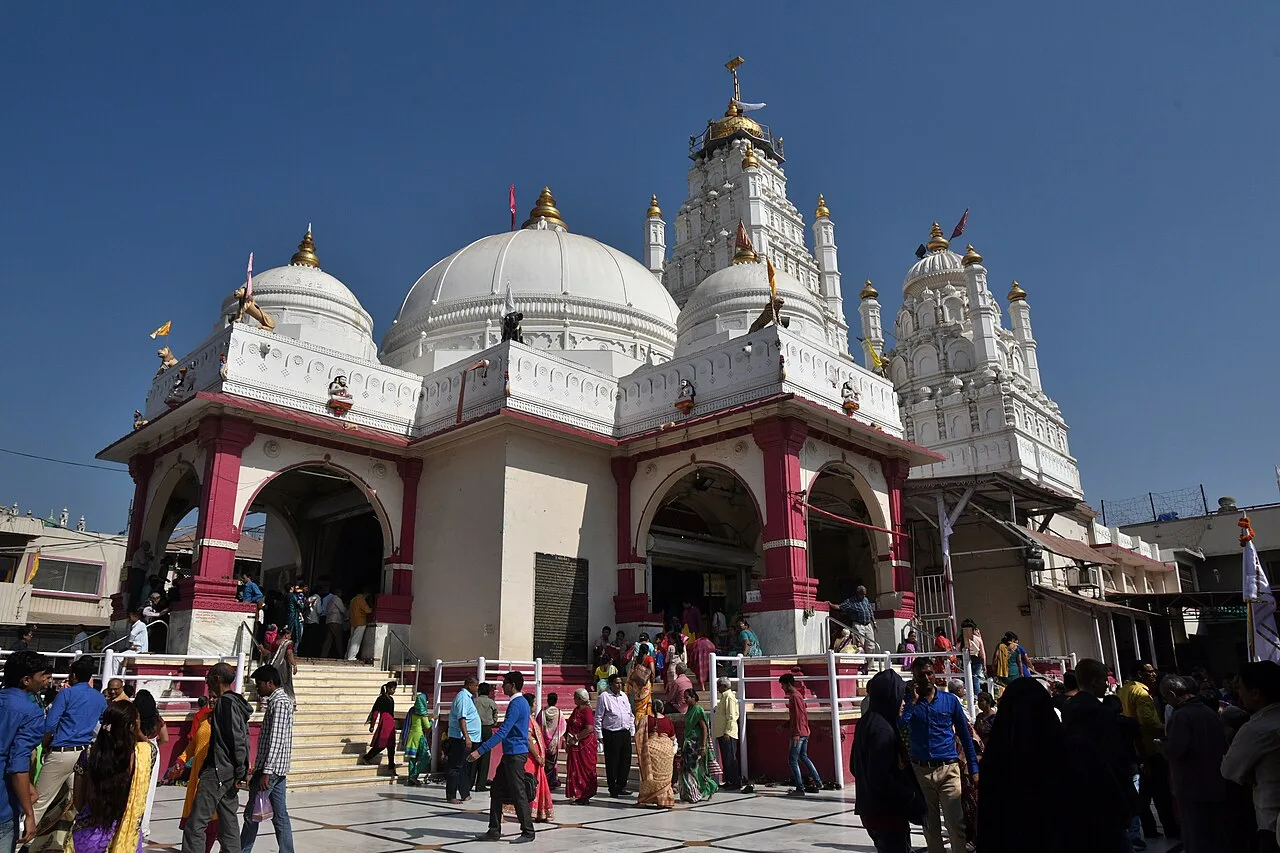
Dakor is a small city and municipality in Gujarat’s Kheda district, known for the temple of Raṇchoḍrāyjī, which draws people to the town.

Sayaji Baug

132 km away · Vadodara district

Sayaji Baug

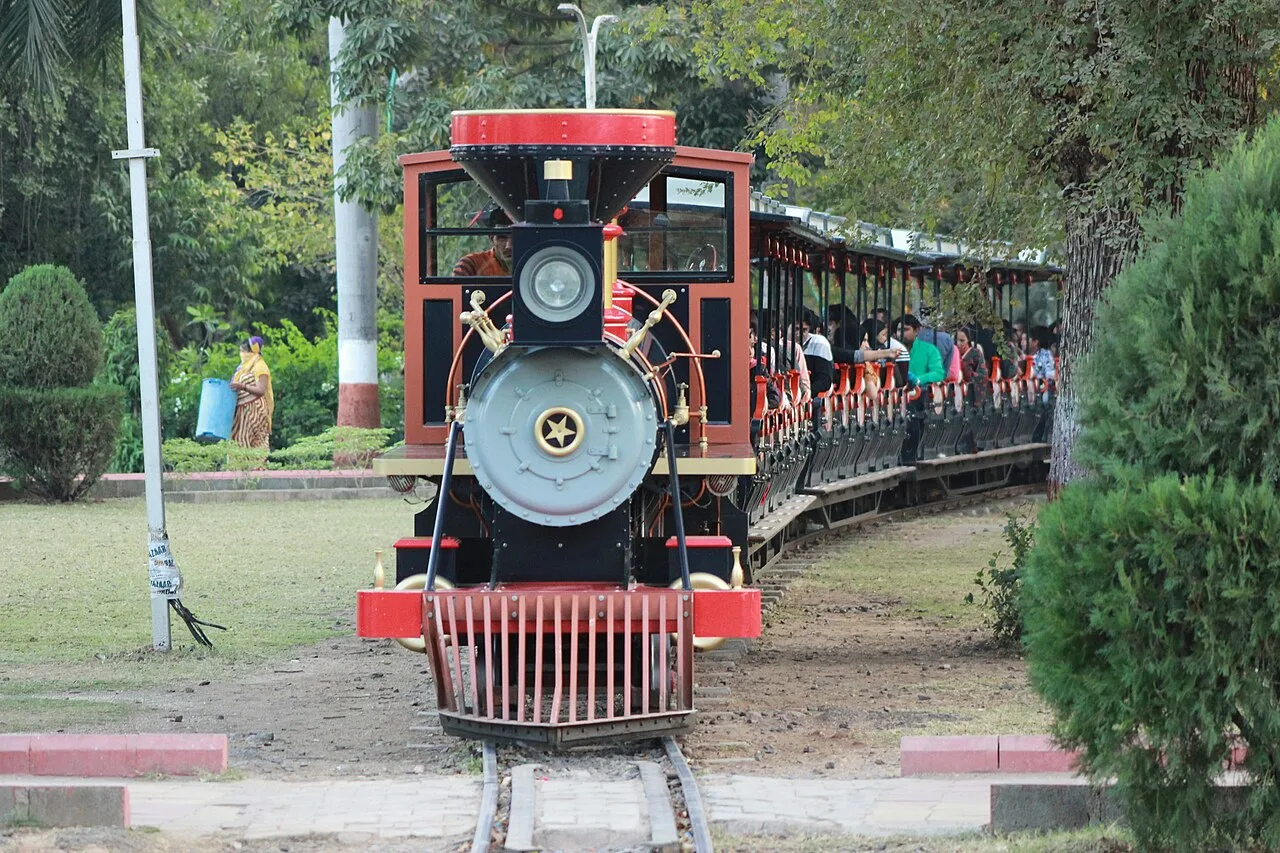
Sayaji Baug, also called Kamati Baug, is a garden in Vadodara, Gujarat, established by Maharaja Sayajirao Gaekwad and visited for recreation and tourism.

Lakshmi Vilas Palace

134 km away · Vadodara district

Lakshmi Vilas Palace

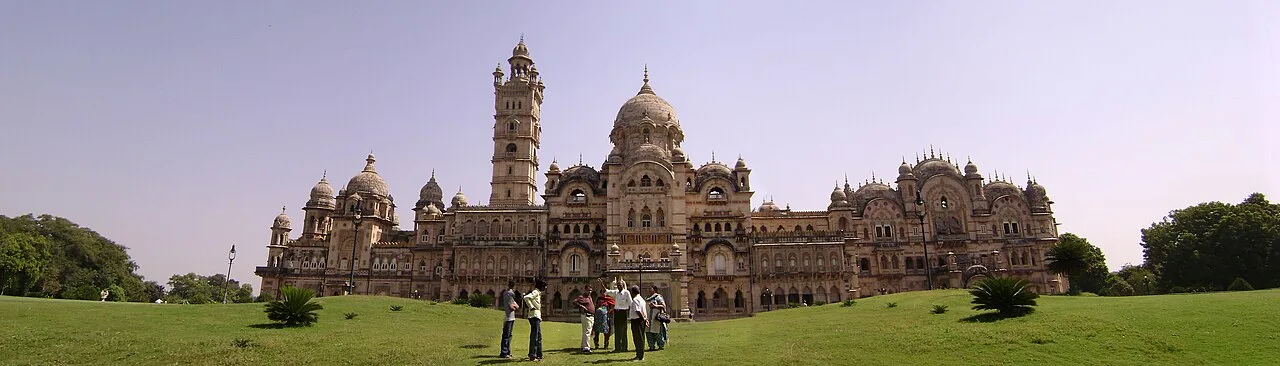
Lakshmi Vilas Palace is a former Gaekwad royal residence in Vadodara, known for its Indo-Saracenic architecture and extensive grounds. People visit to see the palace, its museum and links to the dynasty.

Polo Forest

134 km away · Sabarkantha district

Polo Forest

Polo Forest, also called Vijaynagar Forest, is a dry mixed deciduous woodland in Gujarat. Visitors come to explore its extensive forest landscape beside the perennial Harnav River and below the Aravalli foothills.

Sardar Sarovar Dam

147 km away · Narmada district

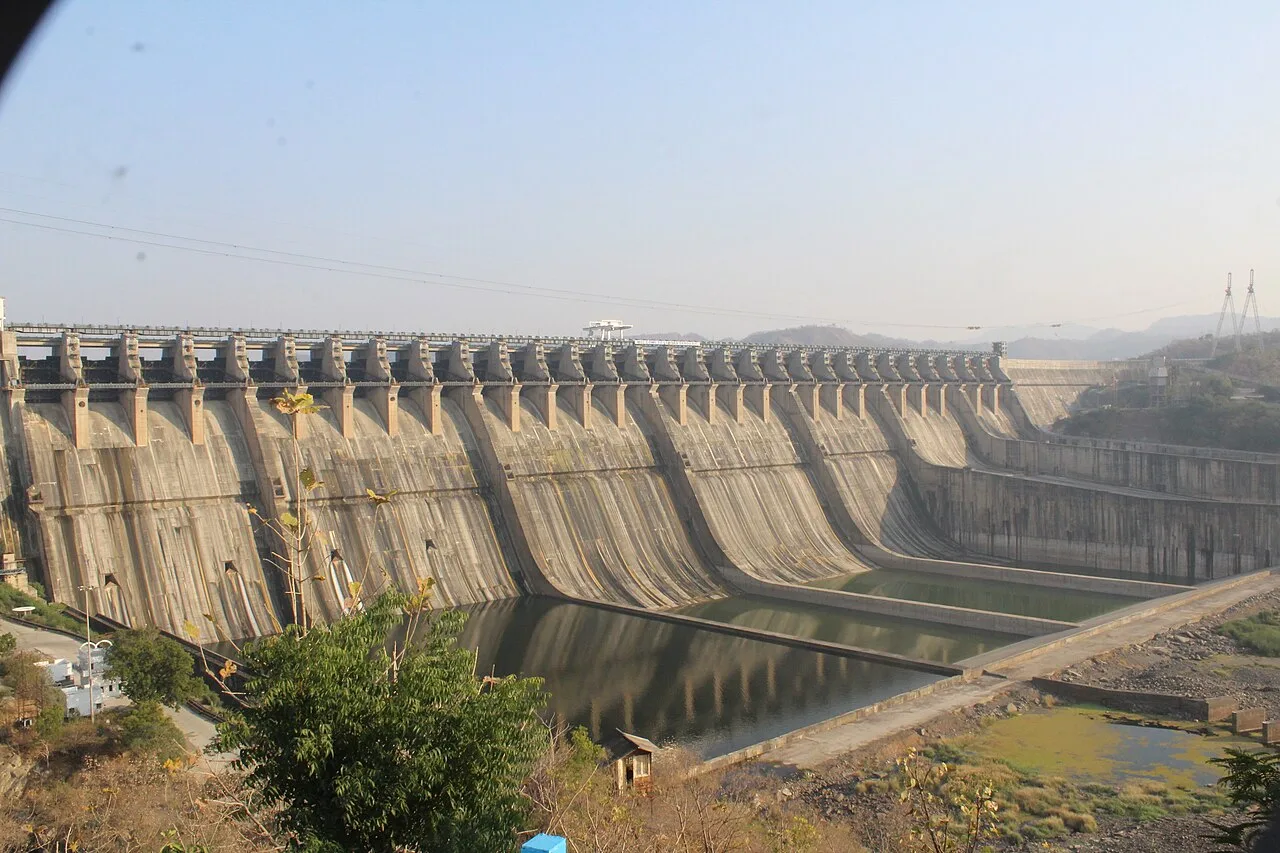
Sardar Sarovar Dam

Sardar Sarovar Dam is a major concrete structure on the Narmada, built to support irrigation and power generation. Visitors may be interested in its scale and its role in the river’s development.

Statue of Unity

147 km away · Narmada district

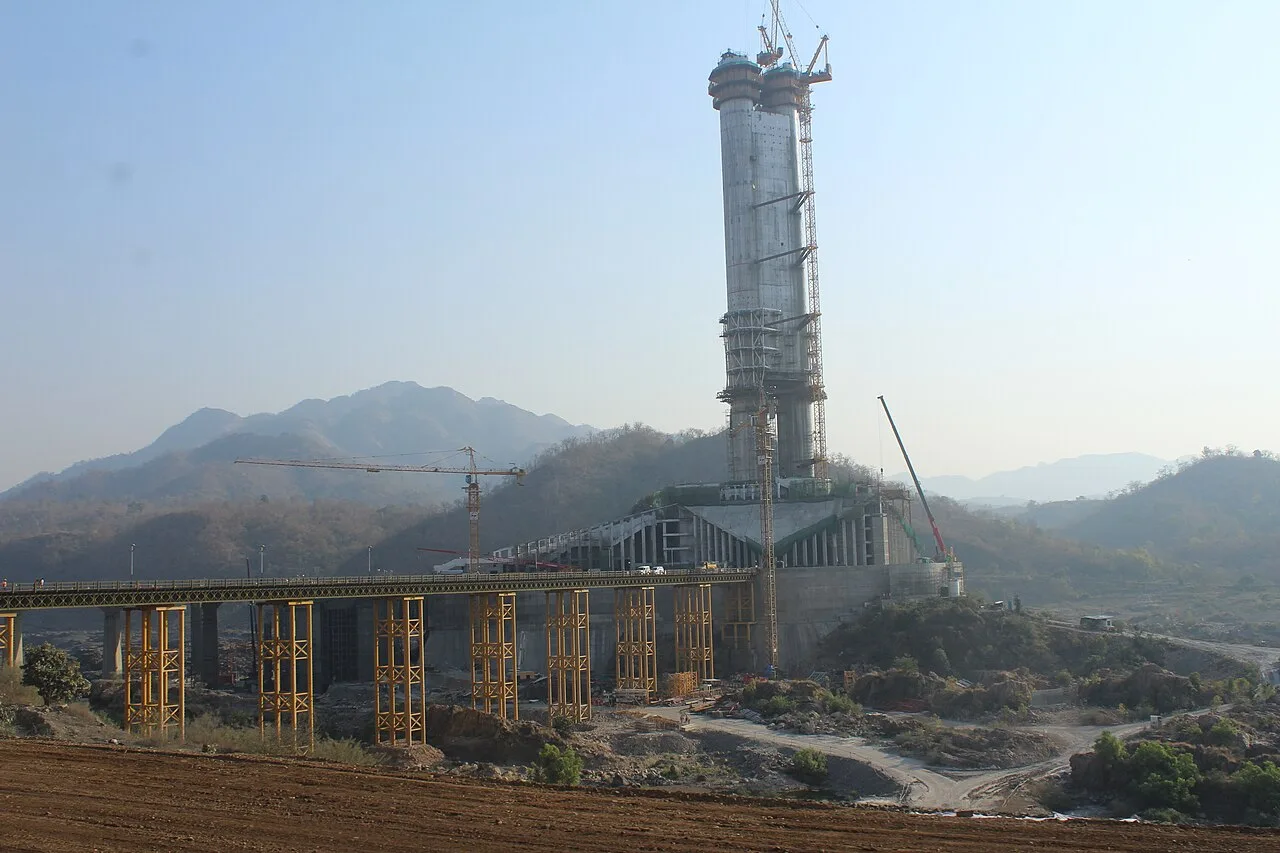
Statue of Unity

The Statue of Unity is a 182-metre tribute to Sardar Patel in Gujarat’s Narmada valley. Visitors come to see the world’s tallest statue and its commemoration of Patel’s role in India’s political integration.

Map

Jhalod on the map

  1. 1Champaner-Pavagadh Archaeological Park
  2. 2Pavagadh
  3. 3Dakor
  4. 4Sayaji Baug
  5. 5Lakshmi Vilas Palace
  6. 6Polo Forest
  7. 7Sardar Sarovar Dam
  8. 8Statue of Unity

Gujarat

Other cities to explore