Ghumoopedia — Explore, Discover, Experience
Sign in
Waghai (Gira Falls), near Dharampur

City guide · Gujarat

Dharampur

Dharampur is a small town in Valsad district, set among the southern Gujarat foothills of the Sahyadris. The Swargavahini River runs by the town, while wooded slopes and a notably rainy monsoon shape the surrounding landscape.

Famous for

  • Former princely-state heritage
  • Mohan Vilas Palace
  • Lady Wilson Museum
  • Shrimad Rajchandra Mission
  • Sahyadri hill scenery
  • Wilson Hills nearby

Why Dharampur matters

Dharampur is a small town in Valsad district, set among the southern Gujarat foothills of the Sahyadris. The Swargavahini River runs by the town, while wooded slopes and a notably rainy monsoon shape the surrounding landscape. Dharampur is a regional centre for nearby villages and a place to explore the history of the former princely state of the same name. Its heritage landmarks include the Rajya Rohan Gate, Mohan Vilas Palace and the Lady Wilson Museum, associated with the town’s rulers and their patronage of architecture and the arts.

Visitors also come for the green hill country around Dharampur, including Wilson Hills, and for the Shrimad Rajchandra Mission’s international headquarters at Mohangadh. The town offers a quieter alternative to Gujarat’s larger urban destinations, combining local markets and everyday town life with historic buildings, places of worship and access to rural scenery. Its appeal is strongest for travellers interested in regional history, spiritual destinations and the landscape of south Gujarat rather than large-scale shopping or nightlife.
Famous for: crafts, trade & products

Dharampur is better known for its royal-era landmarks and spiritual institutions than for a signature textile, handicraft or large manufacturing industry. There is no widely recognised Dharampur-made textile or GI-tagged product that defines the town. The Lady Wilson Museum reflects the former rulers’ interest in collecting art and historical objects, while the Rajya Rohan Gate and palace buildings are reminders of the state’s architectural legacy. Visitors should check locally which heritage sites are accessible during their visit.

The town’s bazaar serves residents of Dharampur and surrounding villages, with everyday groceries, household goods and seasonal produce rather than a specialist tourist market. It is a practical place to experience local commerce and buy routine provisions, but travellers looking for a particular craft or regional product should ask vendors about its origin and availability. The most prominent contemporary institution associated with Dharampur is the Shrimad Rajchandra Mission, whose headquarters occupy the Mohangadh hillock. This is a spiritual campus, not a crafts market; visitors should follow its visitor guidance and respect worship and retreat areas.

History

Dharampur was the capital of a princely state in south Gujarat. Local tradition traces its ruling dynasty to Ramsingh, a Sisodia Rajput said to have established power in the region in the 13th century. The settlement was known as Ramnagar in its early history; the present town is associated with its 18th-century foundation under Dharmdevji. Its rulers developed the capital with palaces, temples, stepwells and public buildings, and maintained ties with traders from the Portuguese-held ports of the region.

Building and civic works expanded in the late 19th century, including educational and public facilities. Under Mohandevji, who ruled from 1891 to 1921, roads, bridges and water infrastructure were developed, alongside palace construction and other reforms. His successor Vijaydevji supported music and the arts and established the Lady Wilson Museum, adding to the town’s cultural legacy. The ruler acceded to the Indian Union in 1948, and the state became part of Bombay State. Dharampur later became part of Gujarat when the state was formed in 1960. Today it is a municipality and a service centre for surrounding villages.

Food, festivals & culture

Gujarati is widely used in town life, alongside languages and speech varieties spoken by Adivasi communities in the surrounding region. Everyday meals are shaped by Gujarati home cooking, with familiar dishes such as rotli, vegetables, dal and rice; there is no single widely established Dharampur sweet or dish that visitors should expect as a local speciality. Small eateries and market-area food stalls are the best places to look for simple meals, with menus and availability varying.

Navratri, usually in autumn, brings garba and devotional celebrations; Diwali is observed in autumn, while Holi comes near the end of winter or start of spring. Local religious calendars also include festivals at Hindu temples and Jain institutions. The wider area has Adivasi musical and dance traditions, though performances are generally tied to community occasions rather than scheduled for visitors. Dharampur’s royal cultural history includes a strong association with music: Maharana Vijaydevji was a musician and patron of both Indian and Western classical forms. The Shrimad Rajchandra Mission at Mohangadh is an important contemporary spiritual centre.

Visiting the city

The cooler months, roughly October to February, are generally comfortable for exploring. The monsoon brings lush scenery but can also mean heavy rain, so allow flexibility for outdoor plans. Surat Airport is a nearby air gateway; check current flight options and onward road connections before travelling. Valsad railway station is the main rail connection commonly used for Dharampur, with the remaining journey made by road.

Local buses, taxis and auto-rickshaws can help with travel around town, while a hired vehicle is useful for visiting hill areas such as Wilson Hills. In the town centre, explore the Rajya Rohan Gate and nearby heritage buildings, and ask locally about access to Mohan Vilas Palace and the Lady Wilson Museum. Mohangadh, the Shrimad Rajchandra Mission’s hilltop campus, is another significant visit; observe its visitor rules. The market area offers a glimpse of daily town life.

Trips from the city

Nearest places to visit from Dharampur

Our closest destination guides, by straight-line distance.

Waghai (Gira Falls)

41 km away · Dang district

Waghai (Gira Falls)

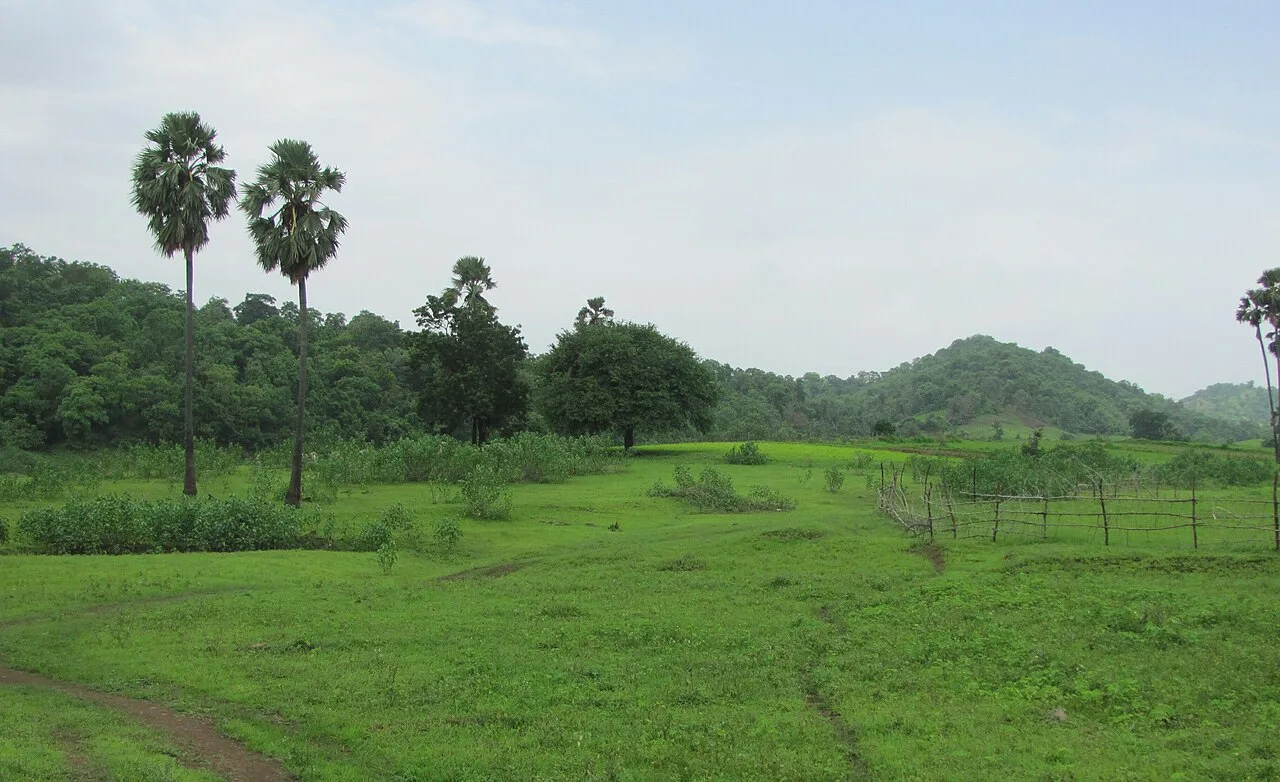
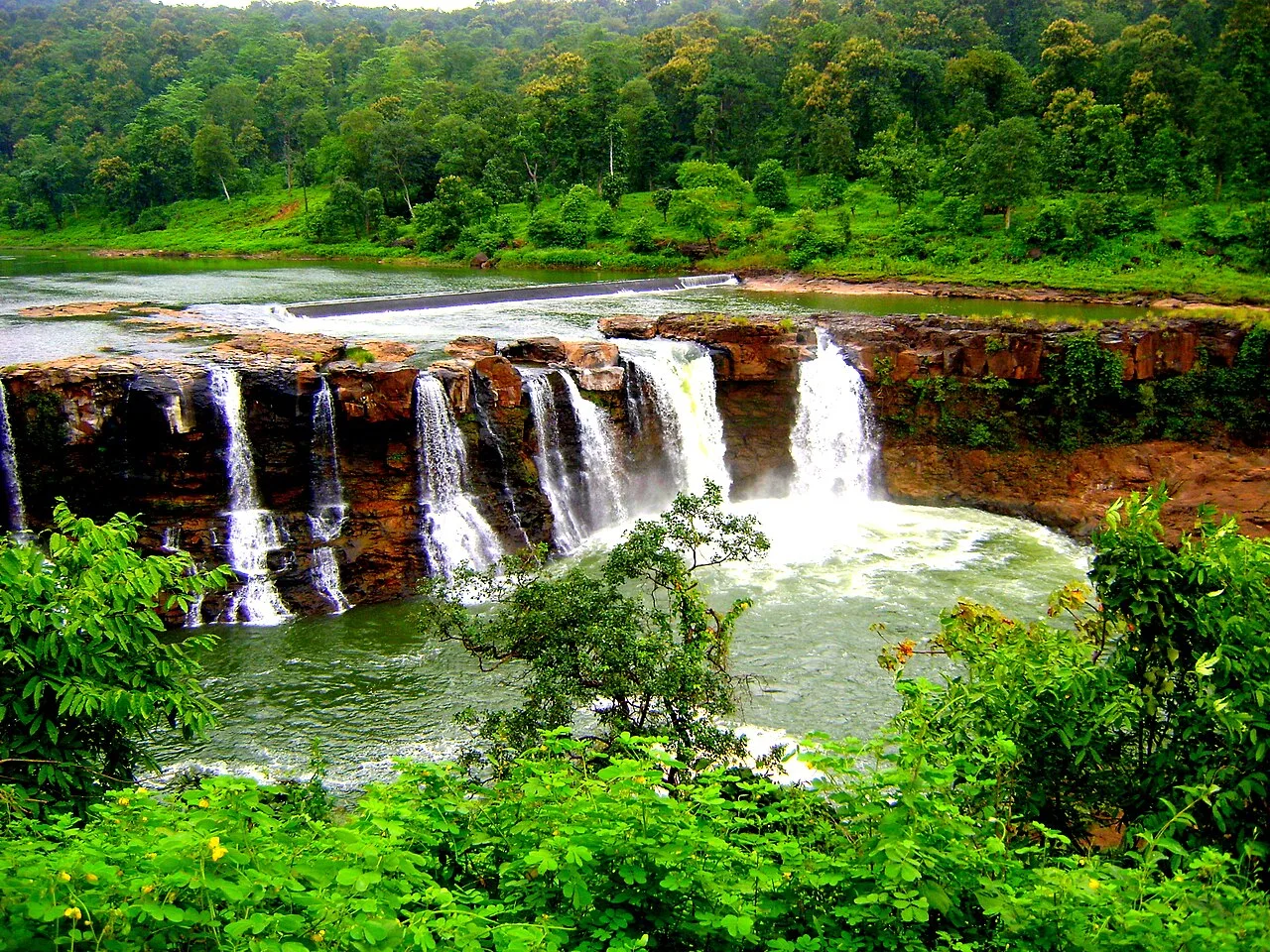
Waghai is a town and taluka in Gujarat’s Dang district, associated with Gira Falls. Visitors come to the area to see the falls and explore this part of the district.

Dandi (Salt March Memorial)

55 km away · Navsari district

Dandi (Salt March Memorial)

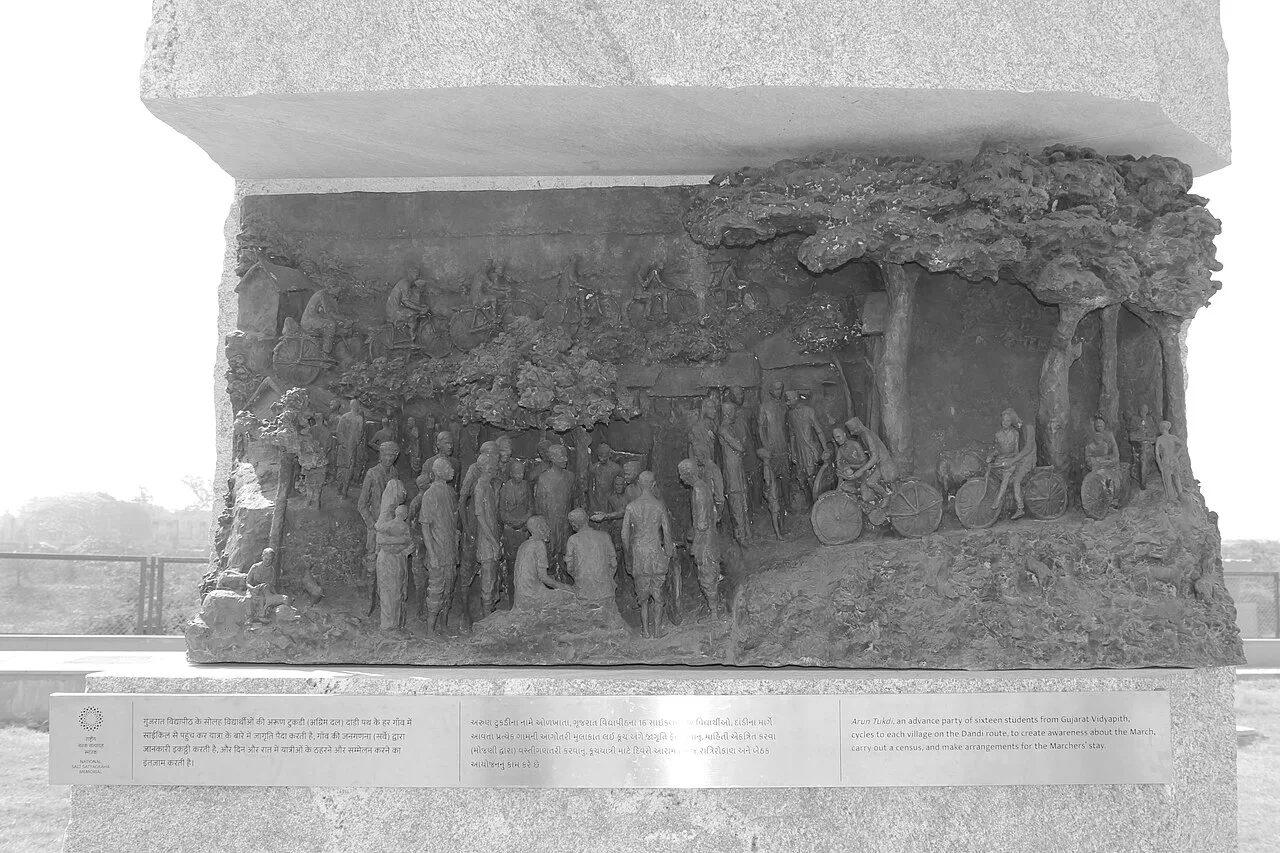
Dandi is a coastal village in Gujarat’s Navsari district, visited for its connection to Gandhi’s 1930 Salt March and the memorial commemorating the campaign.

Saputara

60 km away · Dang district

Saputara

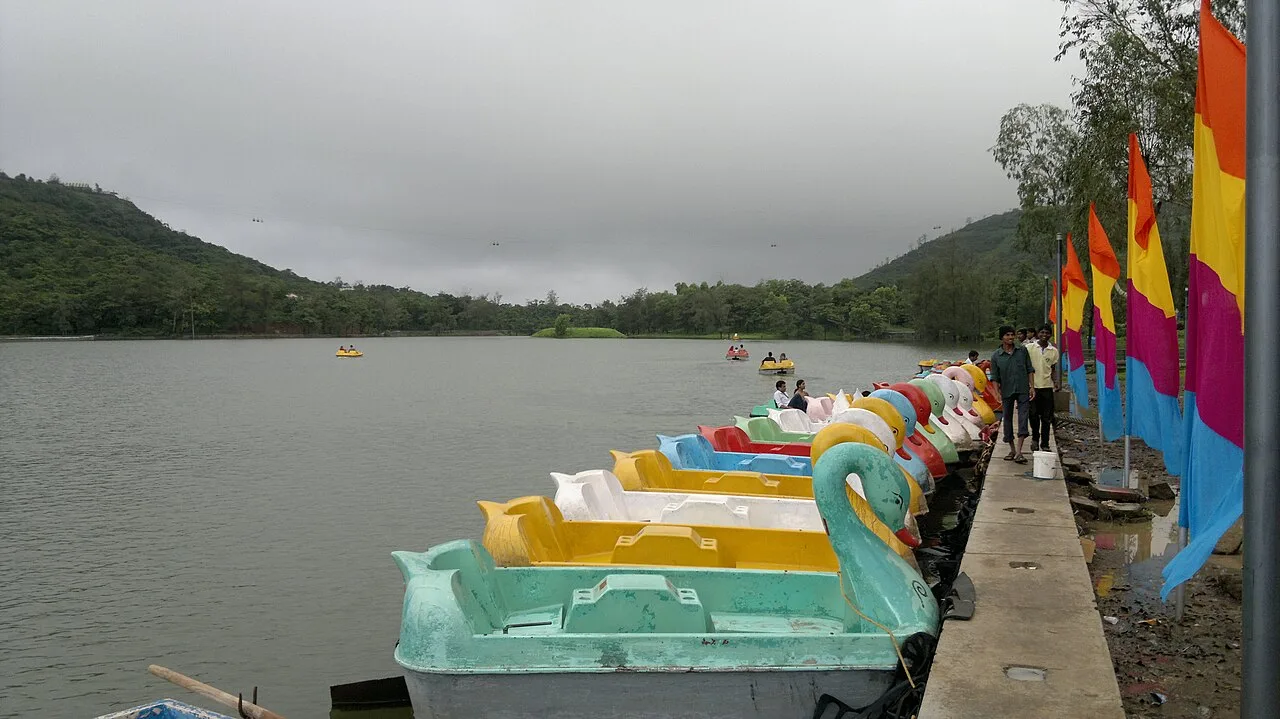
Saputara is a hill station in Gujarat’s Dang district, within the Sahyadris, also called the Western Ghats. People visit it as a recognised tourist destination.

Dumas Beach

77 km away · Surat district

Dumas Beach

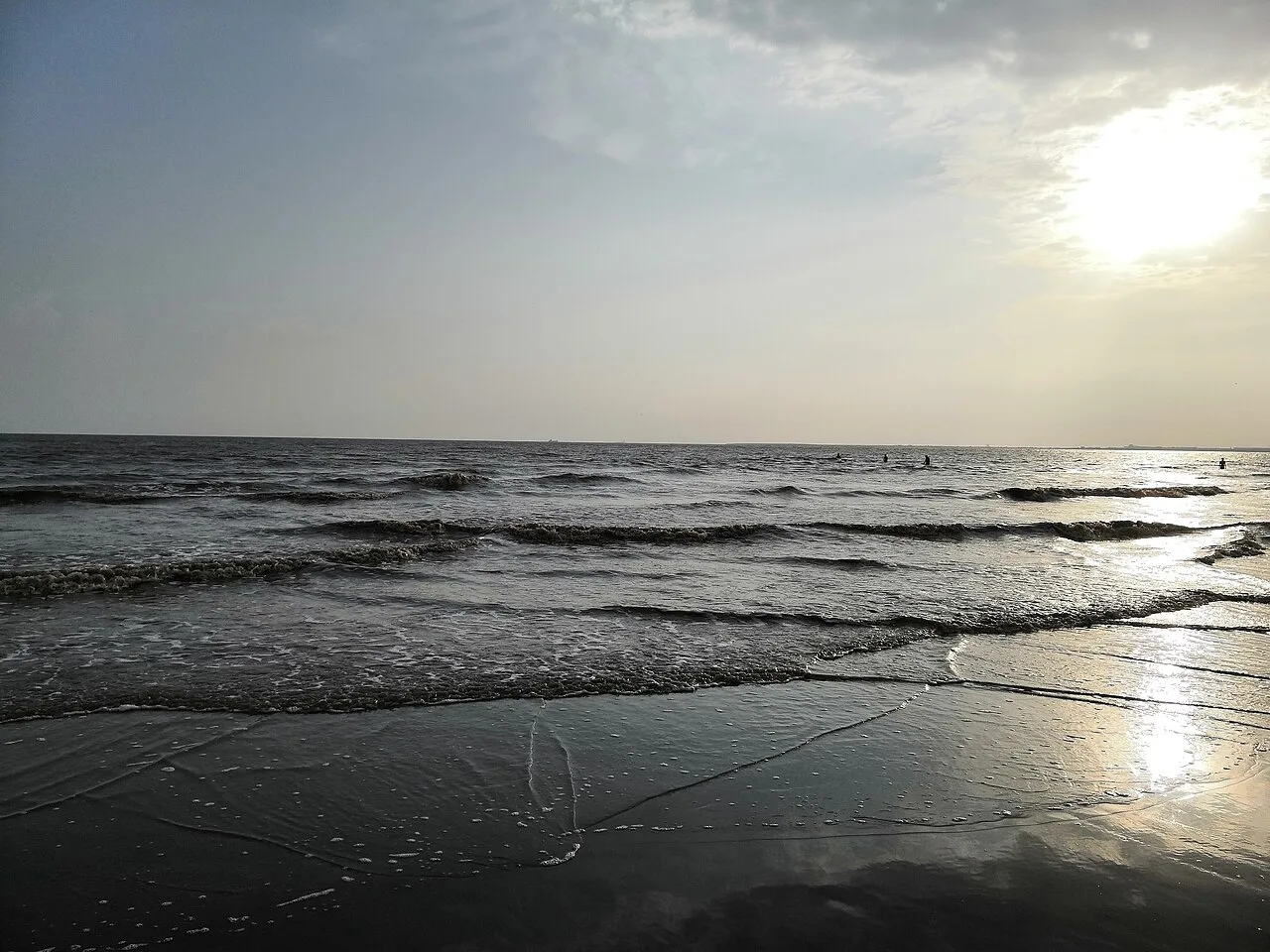
Dumas Beach is a rural coastal destination in Surat district, Gujarat, on the Arabian Sea. People visit as part of South Gujarat’s tourism, while the beach is also said to be haunted and was once a burial site.

Shoolpaneshwar Wildlife Sanctuary

151 km away · Narmada district

Shoolpaneshwar Wildlife Sanctuary

Shoolpaneshwar Wildlife Sanctuary is a 607.7-square-kilometre protected area in Gujarat’s Narmada district. Visitors come to experience its varied forest habitats and natural setting.

Statue of Unity

155 km away · Narmada district

Statue of Unity

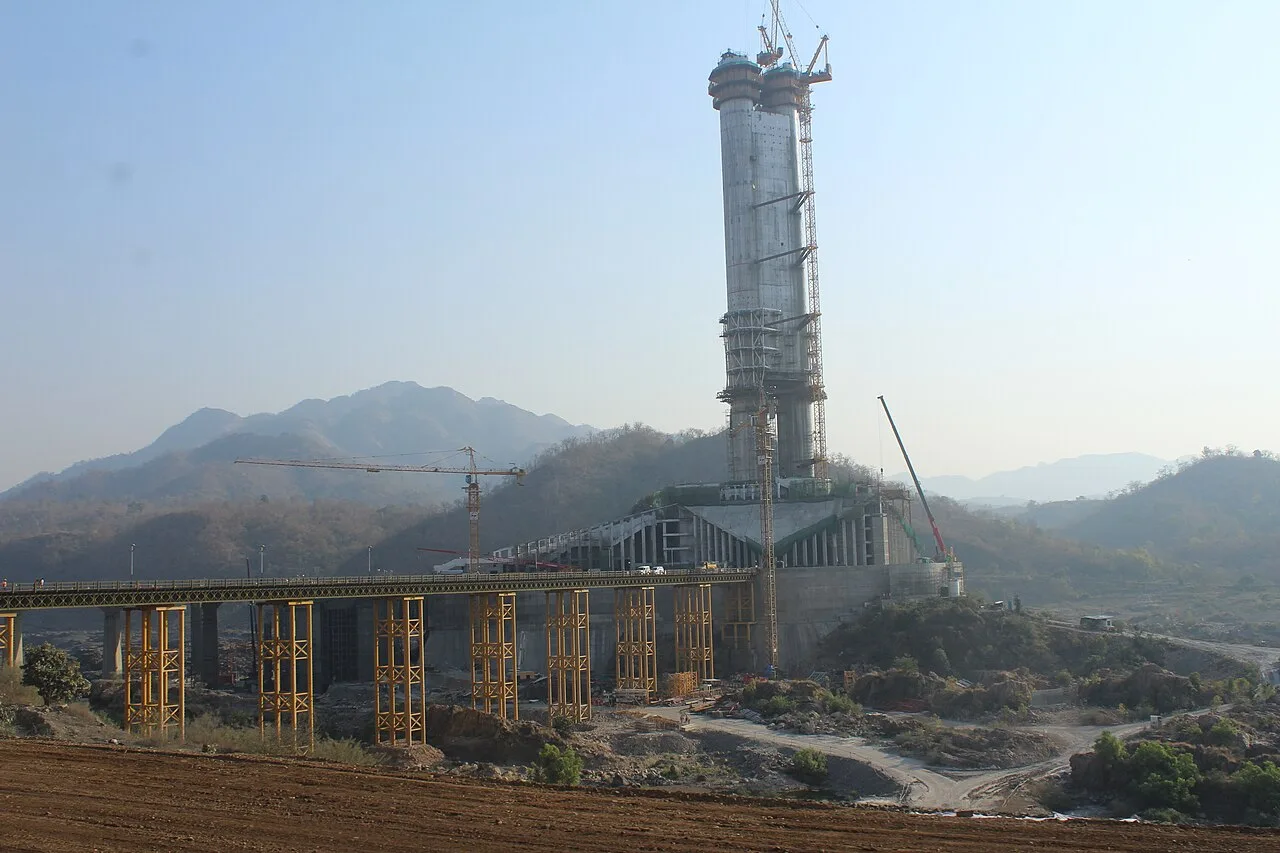
The Statue of Unity is a 182-metre tribute to Sardar Patel in Gujarat’s Narmada valley. Visitors come to see the world’s tallest statue and its commemoration of Patel’s role in India’s political integration.

Sardar Sarovar Dam

156 km away · Narmada district

Sardar Sarovar Dam

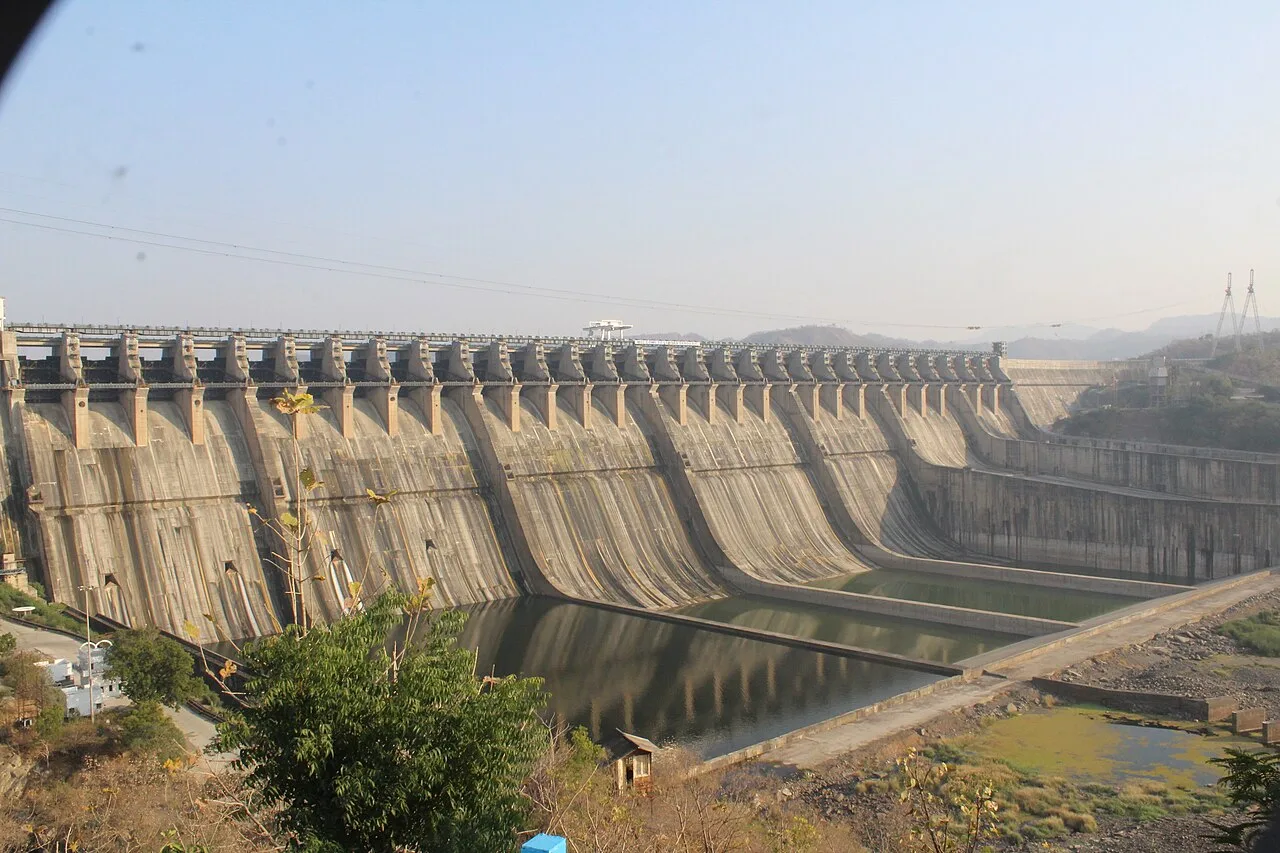
Sardar Sarovar Dam is a major concrete structure on the Narmada, built to support irrigation and power generation. Visitors may be interested in its scale and its role in the river’s development.

Palitana temples

178 km away · Bhavnagar district

Palitana temples

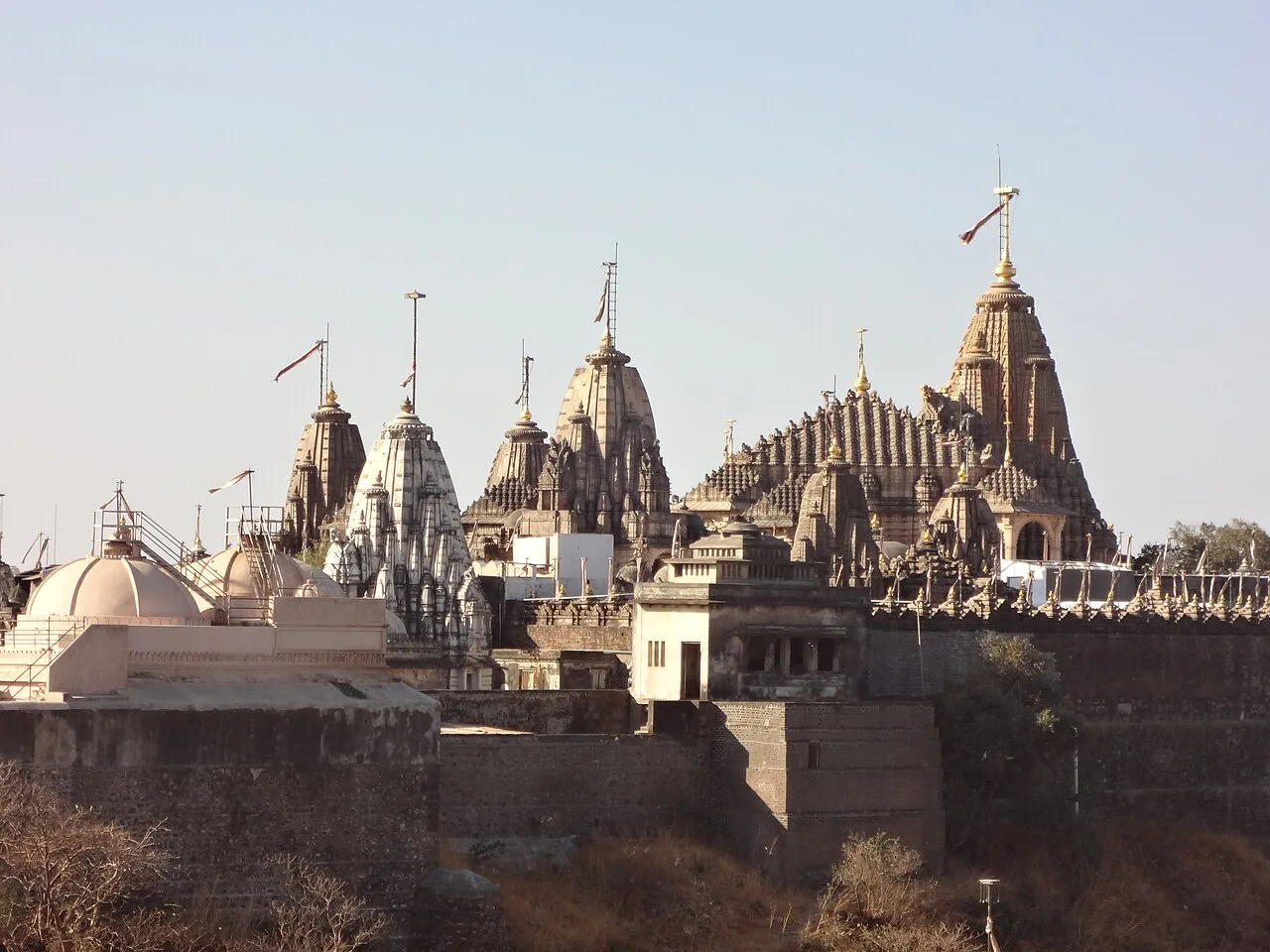
Palitana is a major Jain temple complex on Shatrunjaya Hill in Gujarat. Pilgrims visit its many shrines, especially revered by the Śvetāmbara community and linked with the Tirthankaras.

Map

Dharampur on the map

  1. 1Waghai (Gira Falls)
  2. 2Dandi (Salt March Memorial)
  3. 3Saputara
  4. 4Dumas Beach
  5. 5Shoolpaneshwar Wildlife Sanctuary
  6. 6Statue of Unity
  7. 7Sardar Sarovar Dam
  8. 8Palitana temples

Gujarat

Other cities to explore