Ghumoopedia — Explore, Discover, Experience
Sign in

City guide · Gujarat

Vav

Vav is a small town in northern Gujarat and the headquarters of Vav Taluka in Vav-Tharad district. Its importance today is chiefly regional: it serves as an administrative centre and a hub for nearby villages, linking residents with local services, markets and transport.

Famous for

  • Rana-era local history
  • Historic stepwell tradition
  • North Gujarat rural markets
  • Pastoral and farming life
Plan a tripHotels near Vav

Why Vav matters

Vav is a small town in northern Gujarat and the headquarters of Vav Taluka in Vav-Tharad district. Its importance today is chiefly regional: it serves as an administrative centre and a hub for nearby villages, linking residents with local services, markets and transport. The surrounding landscape is part of Gujarat’s dry north, where rural livelihoods and seasonal conditions shape everyday life.

For visitors, Vav offers a quieter view of the state beyond its better-known urban and pilgrimage destinations. Its strongest historical association is with the Rana rulers who made it their capital, and with the stepwell tradition connected to the town’s name. Travellers may come to understand this local history, visit places of worship and experience the rhythms of a small market town. Vav is not widely known for a major tourist circuit or a nationally recognised speciality product; it is more rewarding as a regional stop, particularly for those exploring Vav-Tharad and neighbouring parts of north Gujarat. Local markets and conversations with residents offer a sense of the area’s rural economy and culture.
Famous for: crafts, trade & products

Vav is best understood as a local service and trading centre rather than a specialist shopping destination. Its town bazaar and periodic markets serve residents of Vav and surrounding villages, with everyday provisions, household goods, clothing and farm-related supplies. Seasonal agricultural produce also moves through the wider area, though availability varies and Vav is not particularly associated with one signature crop or packaged food.

No major textile, handicraft or GI-tagged product is distinctly identified with the town. Across north Gujarat, visitors may encounter regional embroidery and other forms of household handwork, but these should not automatically be presented as Vav-made specialties. Ask locally about artisans and current market days if seeking handmade goods. For a more specialised craft selection, larger towns elsewhere in Gujarat are generally better shopping bases.

The most meaningful local purchase is likely to be a practical one from the bazaar, or a seasonal food item encountered while travelling. The historic association with a stepwell is part of Vav’s identity, but it is a heritage reference rather than a commercial product. Visitors should confirm locally where any surviving historic features can be seen and whether access is suitable.

History

Local tradition traces Vav’s ruling Rana family to Rajasthan, with ancestral connections claimed to Sambhar and Nadol. One account says Dedhrav, after being displaced from Nandol, settled at Tharad under the Chaulukya rulers of Anhilwad Patan; another places Rana Ratansing’s arrival at Tharad in 1103. These differing traditions form part of the town’s dynastic history. Rana Punja was killed in battle in 1283, and his son Rana Vaja later recovered an estate but lost Tharad. He established Vav as his capital. The town’s name is associated with a stepwell said to have been built by his great-grandfather, Rana Mehpalji.

Vav suffered severely during the famine of 1813. In 1819–20, Rana Umedsinh reached an agreement with the British, and Vav became a protected state. It was administered through the Palanpur Agency, later renamed the Banas Kantha Agency. After Independence, the area passed through the reorganisation of Bombay State and Gujarat’s formation in 1960. Vav remained in Banaskantha district until its transfer to the newly formed Vav-Tharad district in 2025.

Food, festivals & culture

Daily life in Vav reflects the dry northern Gujarat setting and the close ties between town and surrounding villages. Gujarati is the principal language of public life; Hindi and regional speech varieties may also be heard. Local meals commonly draw on familiar Gujarati home cooking, with dishes such as rotla, vegetables, dal, khichdi and kadhi. Bajra-based breads are a natural fit for the region’s food traditions. Sweets and snacks vary by household and season, so visitors will find the most representative choices at local eateries or shops rather than a single dish that defines the town.

Hindu festivals such as Navratri, usually in autumn, bring devotional gatherings and music; Diwali, around the same season, is marked by lamps, family visits and sweets. Uttarayan in January and Holi in spring are also observed in the wider region. Garba is a familiar part of Navratri celebrations, while devotional singing accompanies worship and community occasions. Temples and mosques serve local communities, though Vav is not widely known as a major pilgrimage centre. Visitors should dress respectfully at places of worship and ask before photographing ceremonies or people.

Visiting the city

The cooler months, roughly from November to February, are generally the most comfortable time to visit. Summer can be very hot, while monsoon conditions vary from year to year. Ahmedabad’s Sardar Vallabhbhai Patel International Airport is a major air gateway; check onward road connections before travelling. Palanpur Junction is a principal railway station for reaching this part of north Gujarat, with the final leg to Vav usually made by road.

Buses and hired cars connect Vav with nearby towns, while local travel is easiest by auto-rickshaw where available or by arranging a vehicle. The central bazaar is a useful place to orient yourself and see everyday town life. Explore the older town and local places of worship at a respectful pace, and ask residents about the historic stepwell association and current access. Vav also makes a practical base for short trips around the surrounding taluka, though distances and services should be checked locally.

Trips from the city

Nearest places to visit from Vav

Our closest destination guides, by straight-line distance.

Rani ki Vav

82 km away · Patan district

Rani ki Vav

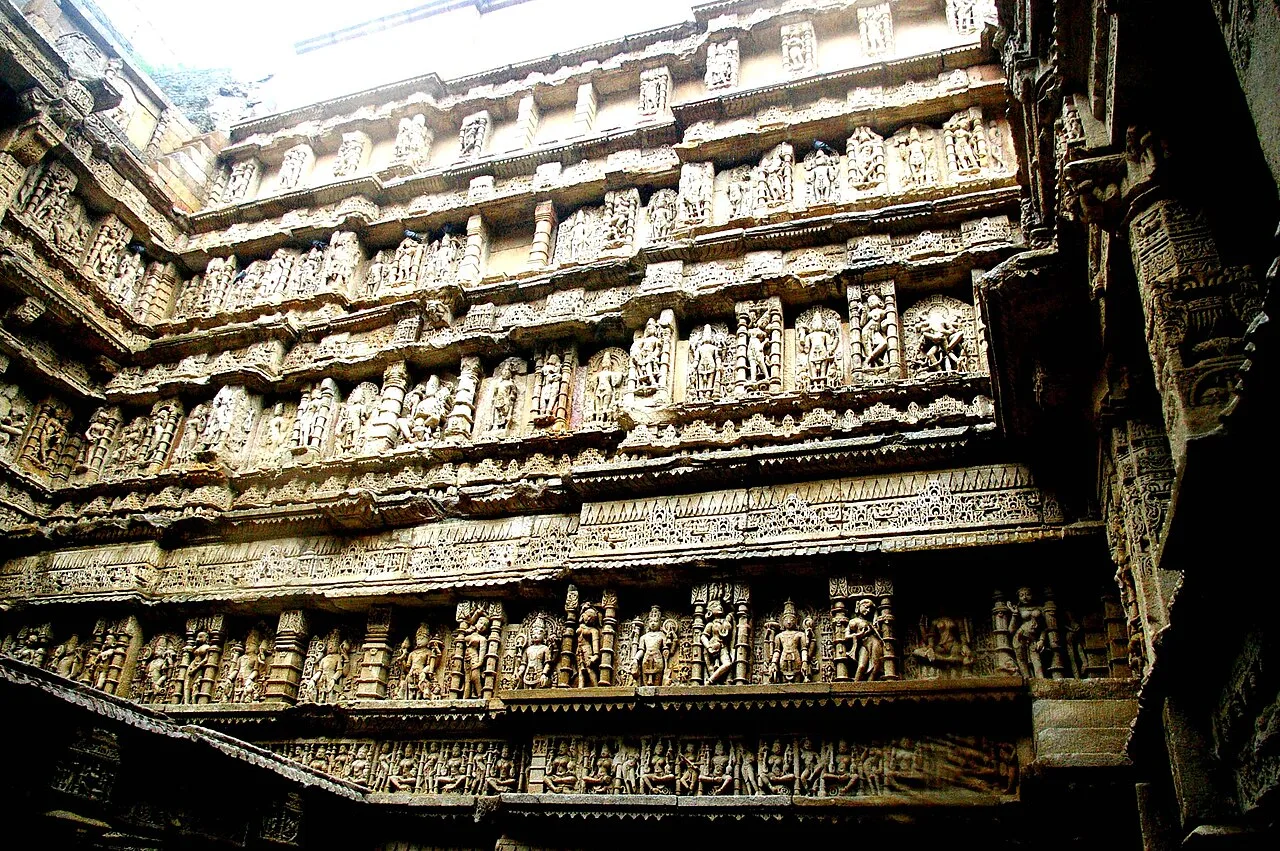
Rani ki Vav is a stepwell in Patan, Gujarat, notable for its tiered underground design and extensive sculpture, which reflect the monument’s religious and architectural significance.

Sahasralinga Tank

82 km away · Patan district

Sahasralinga Tank

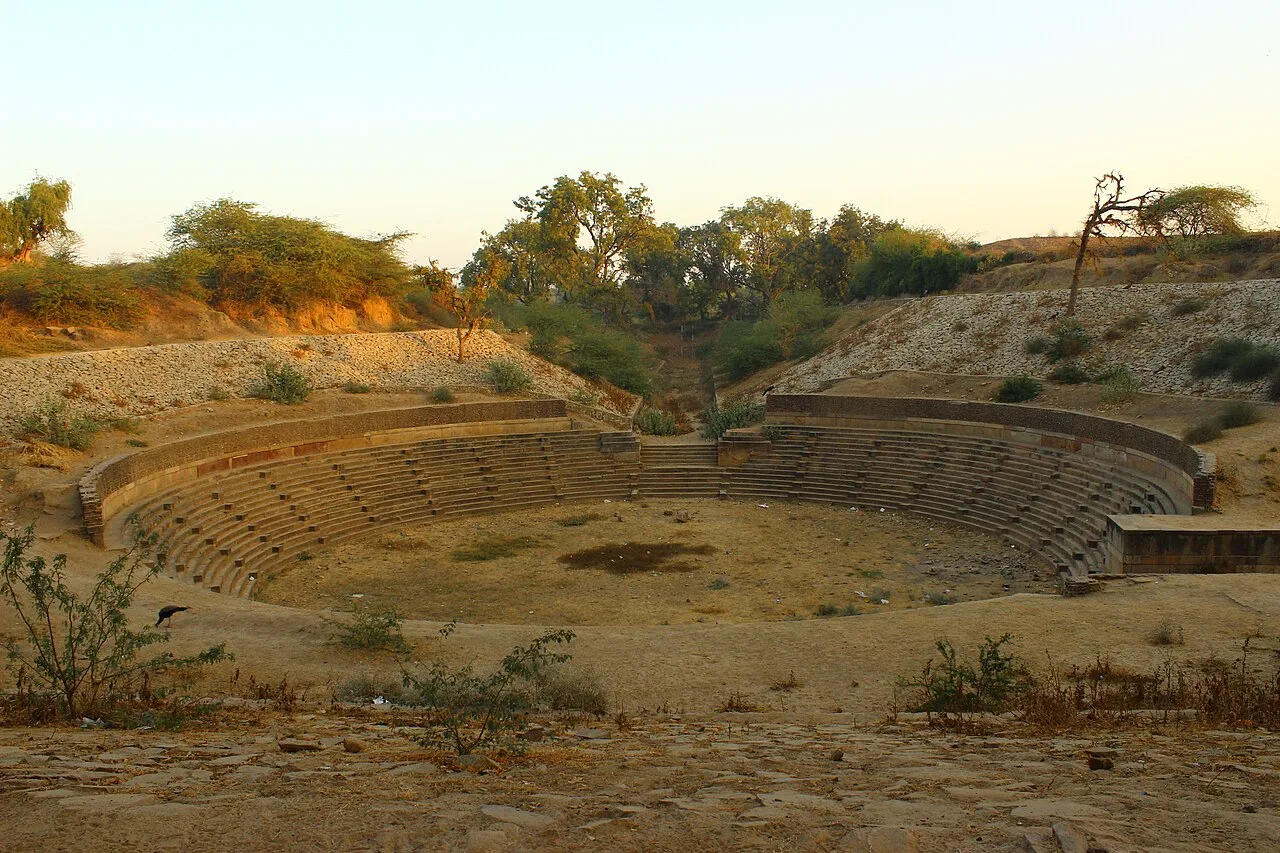
Sahasralinga Tank is a medieval, human-made reservoir in Gujarat’s Patan district, commissioned under Chaulukya rule. Visitors come to see this historic site, which is protected as a national monument.

Great Rann of Kutch

94 km away · Kutch district

Great Rann of Kutch

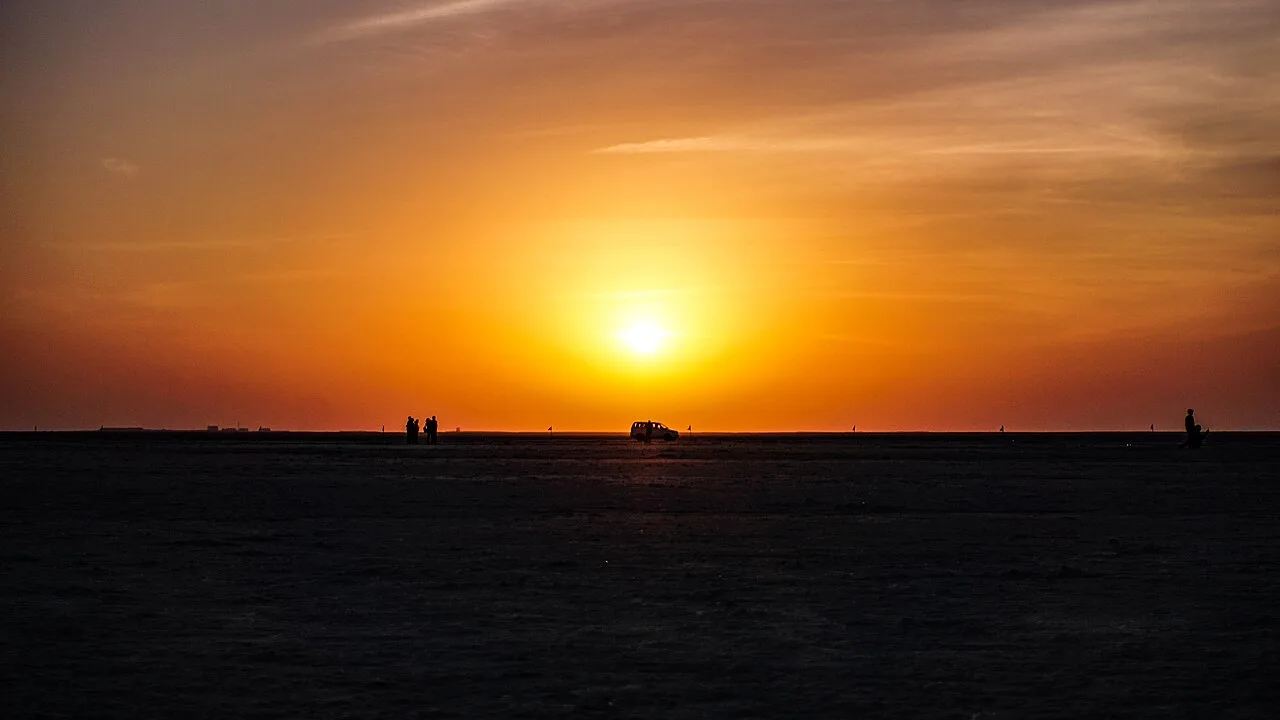
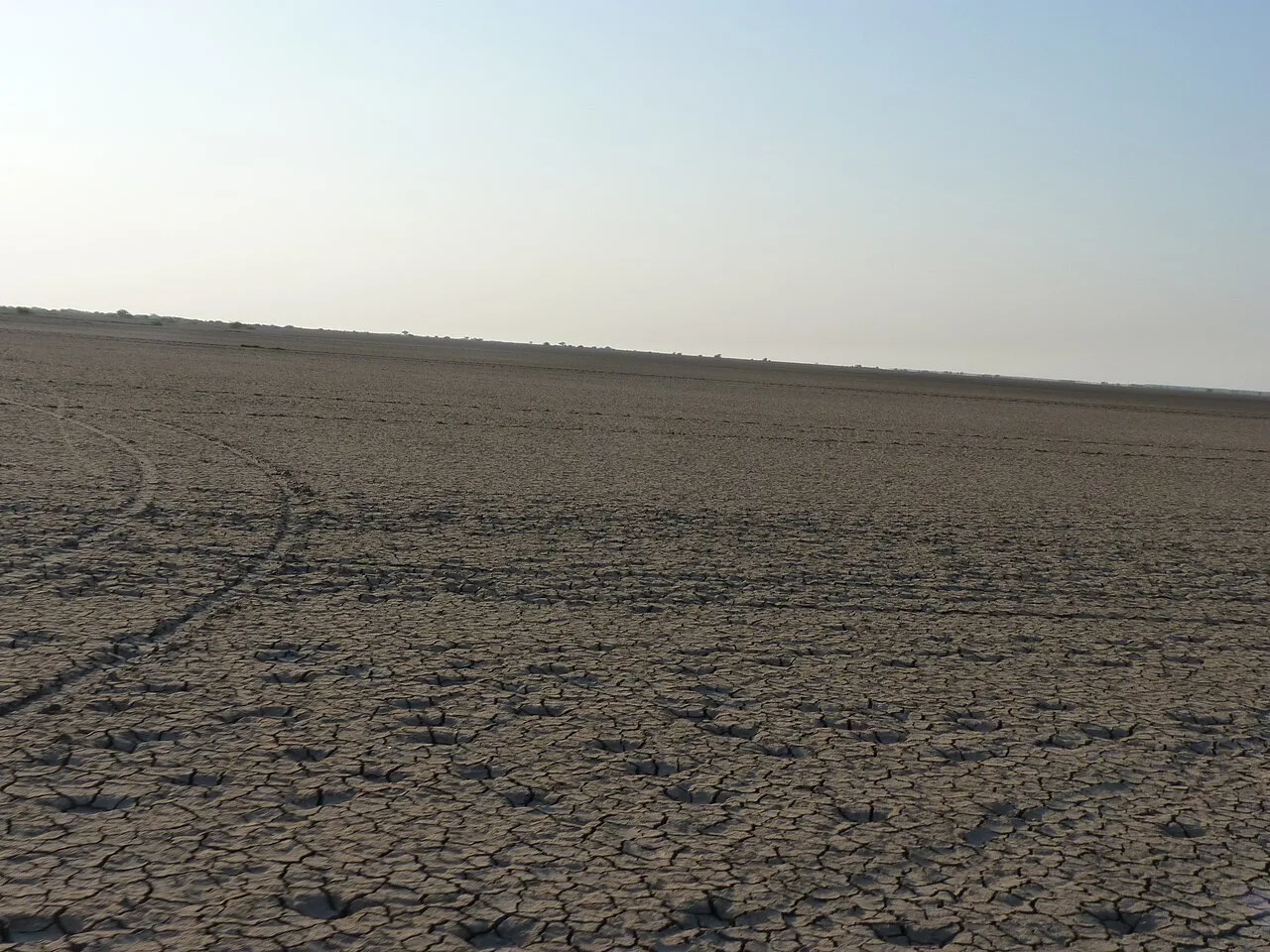
A vast saline desert in Gujarat’s Kutch district, the Great Rann forms part of the Thar Desert. Visitors come to encounter its immense salt-flat landscape.

Modhera Sun Temple

107 km away · Mehsana district

Modhera Sun Temple

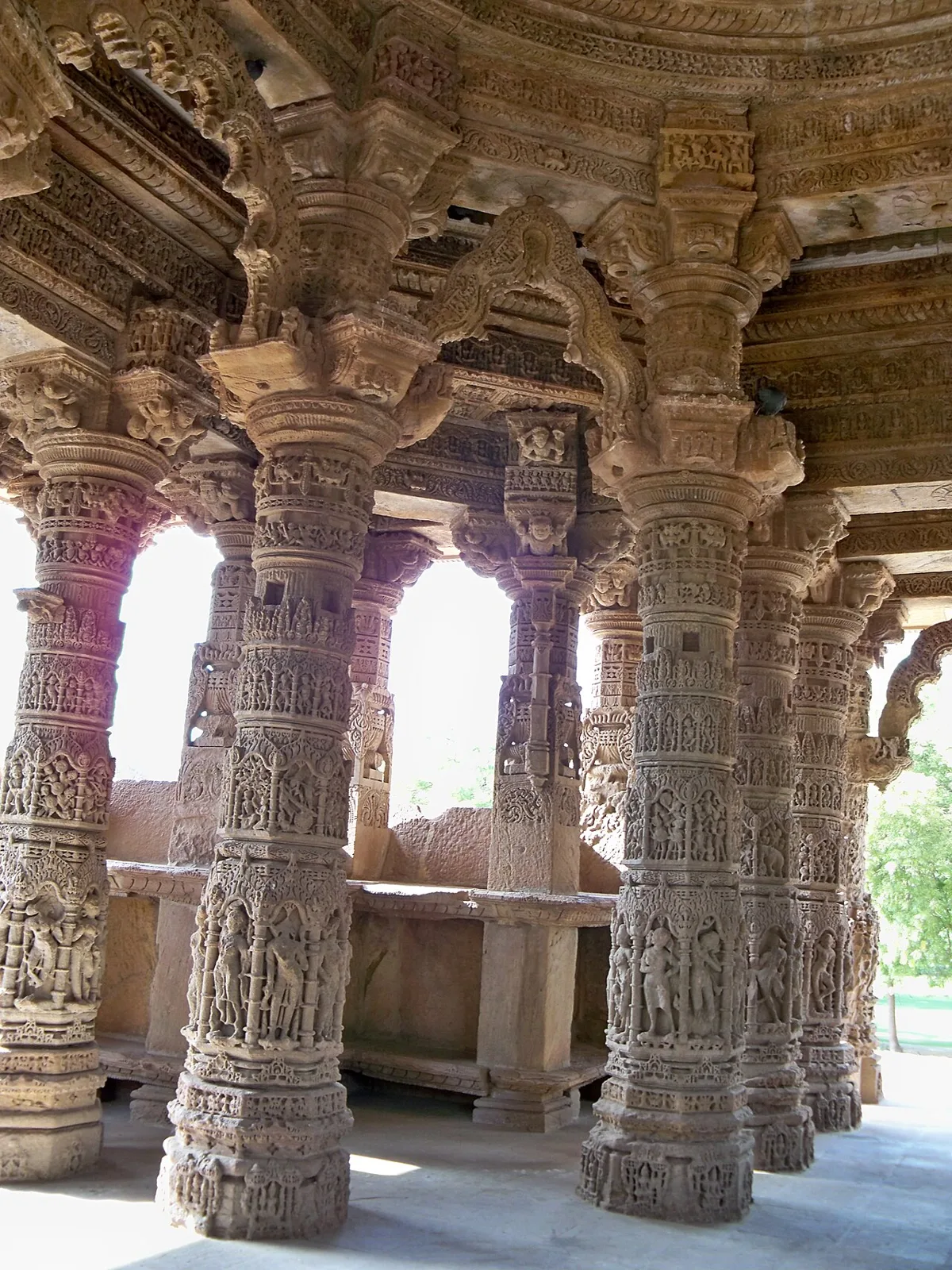
This Hindu temple complex in Modhera, Gujarat, honours Surya. Visitors come to see its carved halls, decorated pillars and stepped reservoir, which is dotted with small shrines.

Indian Wild Ass Sanctuary

113 km away · Surendranagar district

Indian Wild Ass Sanctuary

In Gujarat’s Little Rann of Kutch, the Indian Wild Ass Sanctuary protects the endangered khur. Visitors are drawn by the chance to see this wild ass, a southern subspecies of the Asiatic wild ass.

Taranga Jain Temples

134 km away · Mehsana district

Taranga Jain Temples

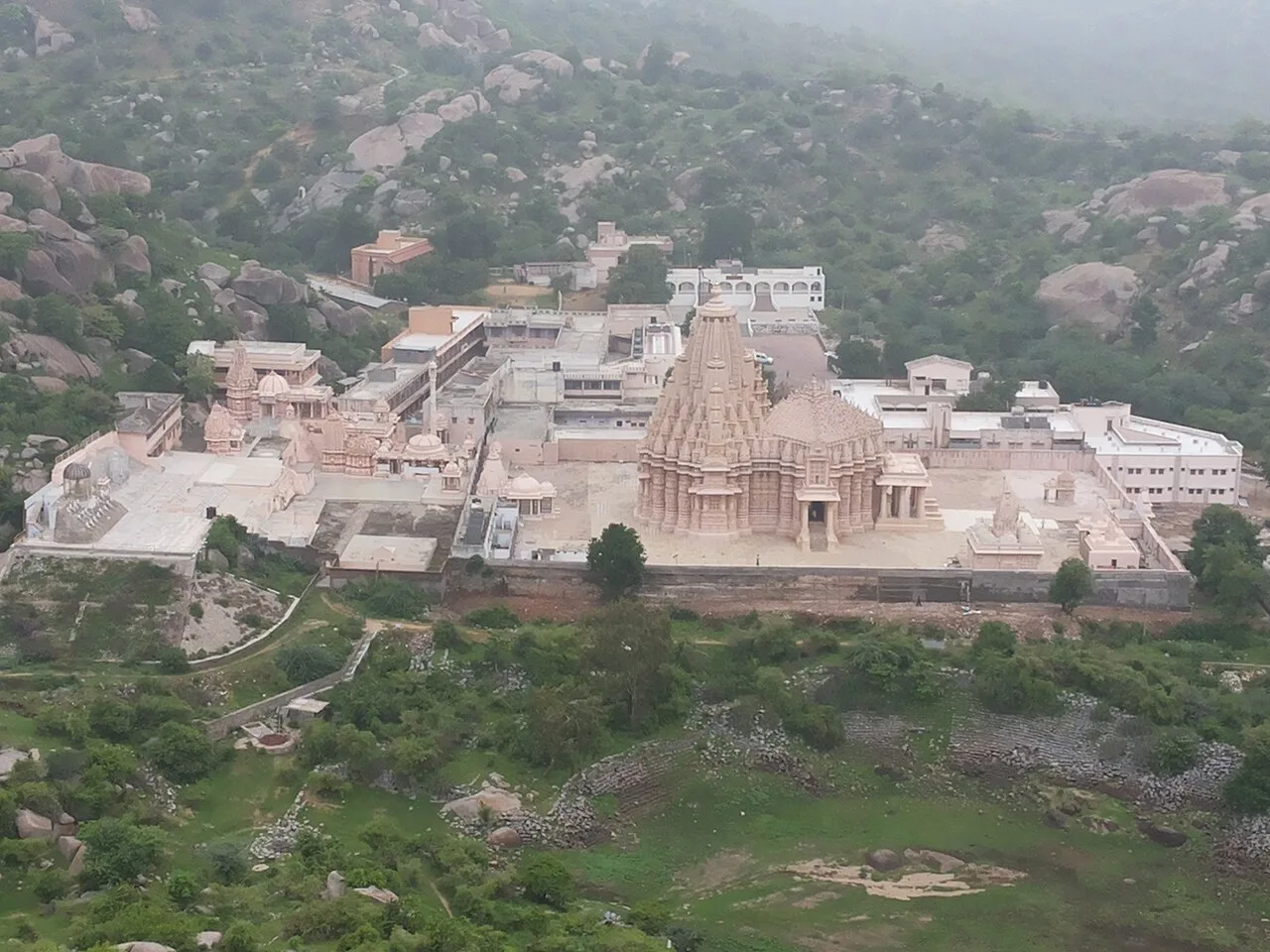
Taranga is a Jain pilgrimage site near Kheralu, known for temples representing Śvetāmbara and Digambara traditions and for its notable Māru-Gurjara architecture.

Ambaji

136 km away · Banaskantha district

Ambaji

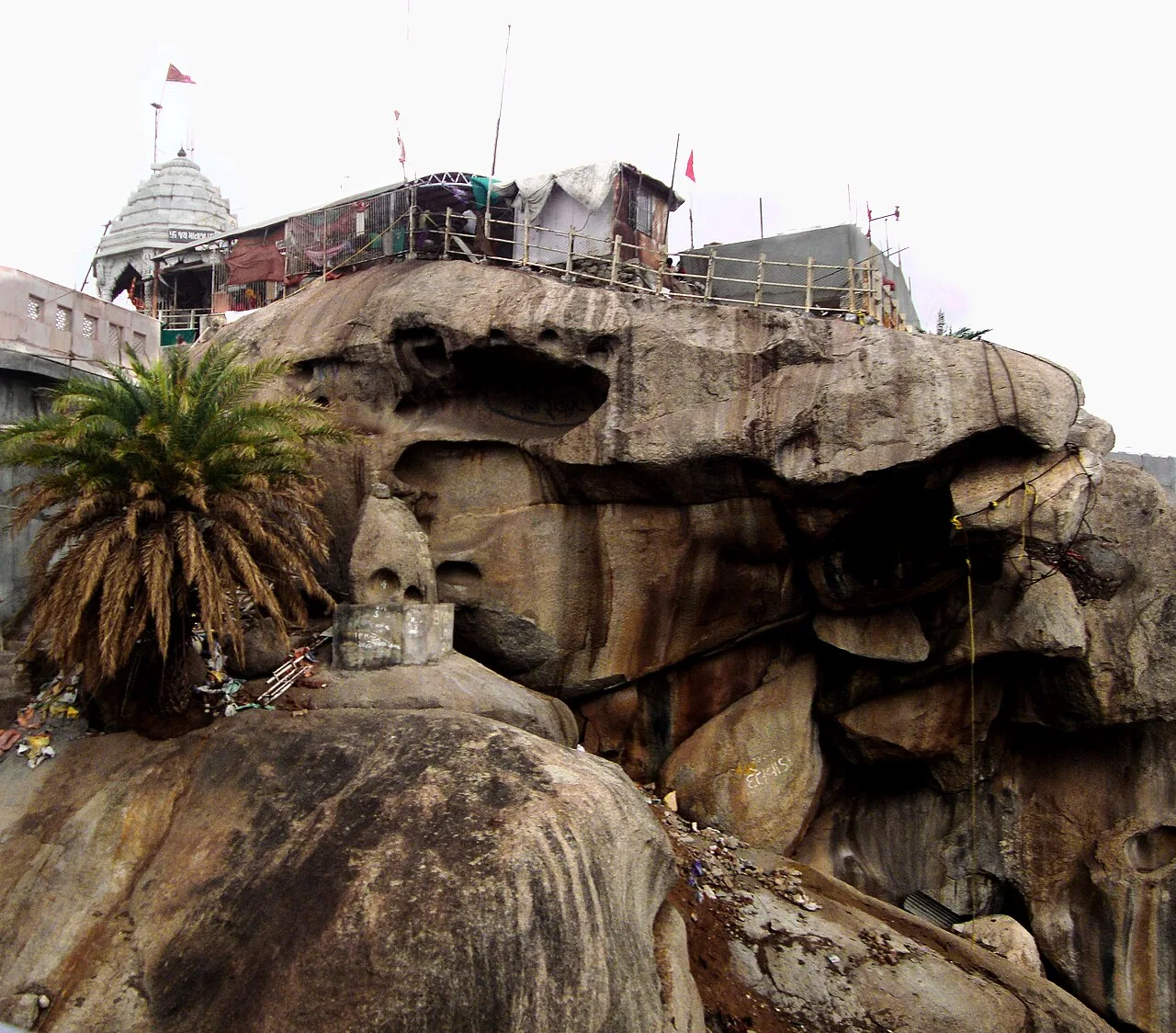
Ambaji is a census town in Banaskantha district, Gujarat. The available details establish its identity and location but do not say what draws visitors there.

Dholavira

142 km away · Kutch district

Dholavira

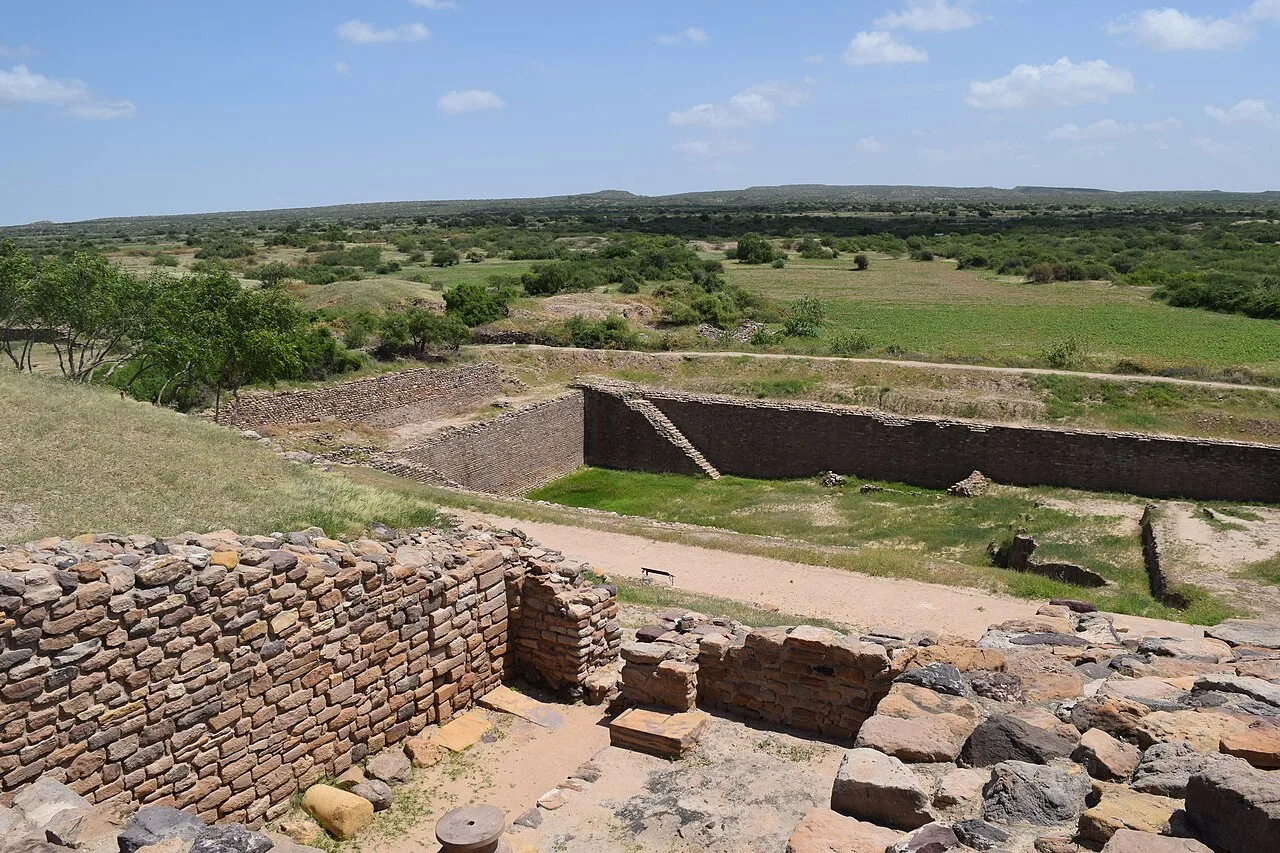
Dholavira is the remains of a city of the Indus Valley Civilization in Gujarat. People visit to see the archaeological ruins and learn about this ancient settlement.

Map

Vav on the map

  1. 1Rani ki Vav
  2. 2Sahasralinga Tank
  3. 3Great Rann of Kutch
  4. 4Modhera Sun Temple
  5. 5Indian Wild Ass Sanctuary
  6. 6Taranga Jain Temples
  7. 7Ambaji
  8. 8Dholavira

Gujarat

Other cities to explore