Ghumoopedia — Explore, Discover, Experience
Sign in
Nal Sarovar Bird Sanctuary, near Wadhwan

City guide · Gujarat

Wadhwan

Wadhwan is a historic city in Surendranagar district, set beside the Bhogavo River and closely connected to neighbouring Surendranagar. It was once the capital of Wadhwan State, and its former princely identity still gives the old town a distinctive character.

Famous for

  • Wadhwan Bandhani tie-dye
  • Bhogavo River setting
  • Former princely-state heritage
  • Historic old-town streets

Why Wadhwan matters

Wadhwan is a historic city in Surendranagar district, set beside the Bhogavo River and closely connected to neighbouring Surendranagar. It was once the capital of Wadhwan State, and its former princely identity still gives the old town a distinctive character. Today it serves as a local centre for residents and nearby settlements, while its proximity to Surendranagar links it to the district’s transport, trade and services.

Visitors come for a quieter look at Saurashtra’s history and everyday Gujarati life rather than for a large resort or entertainment scene. The old streets and traces of royal-era town life offer a change of pace from the region’s busier centres. Wadhwan is also associated with bandhani, Gujarat’s tie-dye textile tradition. Its river setting and close distance to Surendranagar make it practical to include in a wider regional visit, especially for travellers interested in local heritage, crafts and small-town markets.
Famous for: crafts, trade & products

Wadhwan is associated with bandhani, the Gujarati practice of tying sections of cloth before dyeing it to create patterned designs. The craft is part of a wider regional textile tradition, and visitors may find bandhani garments and fabrics through local textile sellers. Availability and the range of designs can vary, so it is worth asking shopkeepers about locally made pieces and how they are produced. Do not assume that every item sold in town was made there.

The central market streets are the most practical place to browse textiles, everyday goods and regional snacks, though Wadhwan is not defined by a single large shopping district or a major industrial showcase. Its commercial life is closely linked with nearby Surendranagar, where visitors can find a broader range of shops and services. Wadhwan is not especially known for a single signature food product or a widely recognised GI-tagged item; its strongest craft association is bandhani. For a more informative visit, ask locally about artisans or workshops, as access and active production can change.

History

Wadhwan developed as the capital of the former Wadhwan princely state. Its rulers belonged to the Jhala Rajput tradition, and the town’s historic identity grew around the court and the settlement that served it. Older streets and surviving built fabric reflect this past, although the city is now a working municipal centre rather than a preserved royal precinct.

During the colonial period, Wadhwan remained a princely state under British paramountcy, rather than being governed in the same way as a directly administered British district. Like other princely states in the region, it became part of independent India during the post-independence integration of states. Later administrative changes placed it within Gujarat and Surendranagar district. Modern Wadhwan has grown alongside nearby Surendranagar, sharing regional connections in transport, commerce and public services. Its historical importance remains a defining part of its identity, while daily life is shaped by contemporary local needs and links with the surrounding Saurashtra region.

Food, festivals & culture

Gujarati is the principal language of daily life; Hindi is also understood by many people. Wadhwan shares the food traditions of Saurashtra and wider Gujarat. Meals commonly draw on rotli, dal, vegetables, rice and farsan, with khichdi and kadhi among familiar comfort foods. Sweet shops and snack sellers may offer regional favourites, though menus and specialities vary by season and by establishment. Ask locally for current recommendations rather than expecting one dish to define the city.

Navratri, usually in autumn, brings devotional celebrations and garba dancing; Diwali, generally in autumn, is marked with lamps, family visits and festive foods. Uttarayan in January and Holi in spring are also widely observed in the region. Religious life is visible in local temples and other places of worship, which serve neighbourhood communities as well as visitors. Folk music and garba are part of the broader Gujarati cultural setting, alongside devotional singing and family celebrations. Customs and event scale can differ between neighbourhoods and years.

Visiting the city

October to February is generally the most comfortable period for exploring Wadhwan, while summer can be very hot. Rajkot International Airport at Hirasar is a nearby airport option; Ahmedabad’s airport is another choice for travellers with suitable connections. Surendranagar Junction is the principal railway station for reaching the area, and Surendranagar is only a short distance from Wadhwan.

Auto-rickshaws and local taxis are useful for moving between the two towns and around Wadhwan. Explore the historic core on foot where practical, and allow time for its market streets and the areas beside the Bhogavo River. Nearby Surendranagar offers additional services and transport connections. Carry water in warmer months and check local conditions before planning extended walks.

Trips from the city

Nearest places to visit from Wadhwan

Our closest destination guides, by straight-line distance.

Nal Sarovar Bird Sanctuary

40 km away · Ahmedabad district

Nal Sarovar Bird Sanctuary

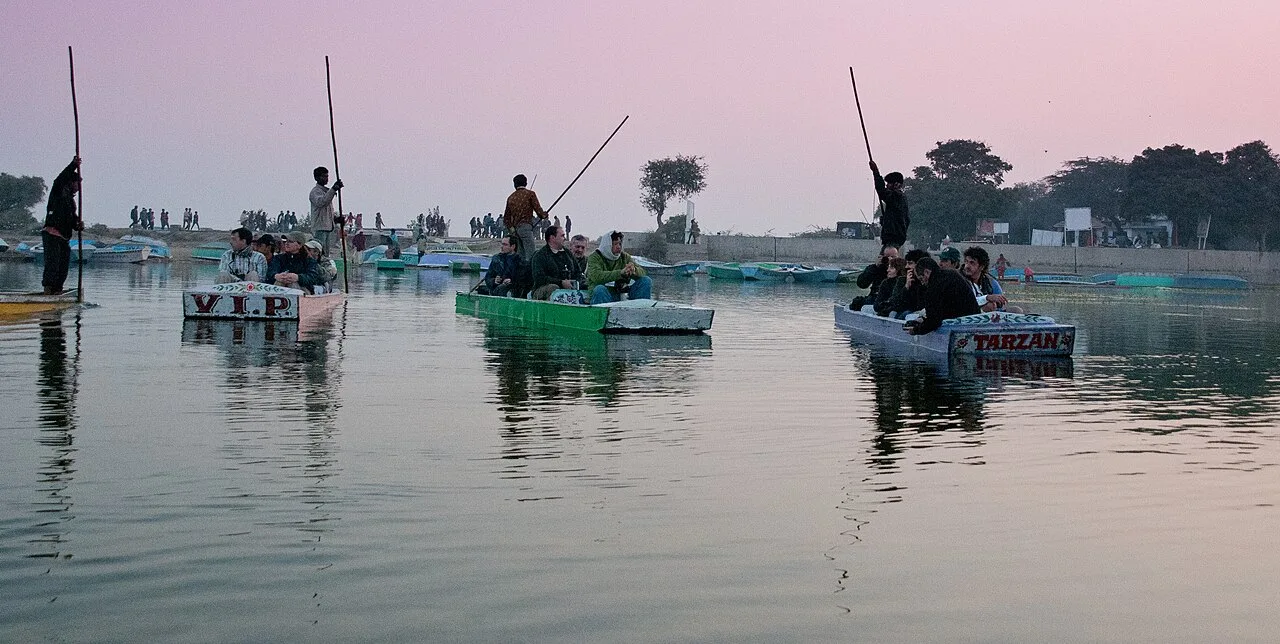
Nal Sarovar is a large lake and marshland reserve in Gujarat, known for the many resident and seasonal birds that gather there. Visitors come to observe its wetland wildlife, especially during the cooler months.

Tarnetar

46 km away · Surendranagar district

Tarnetar

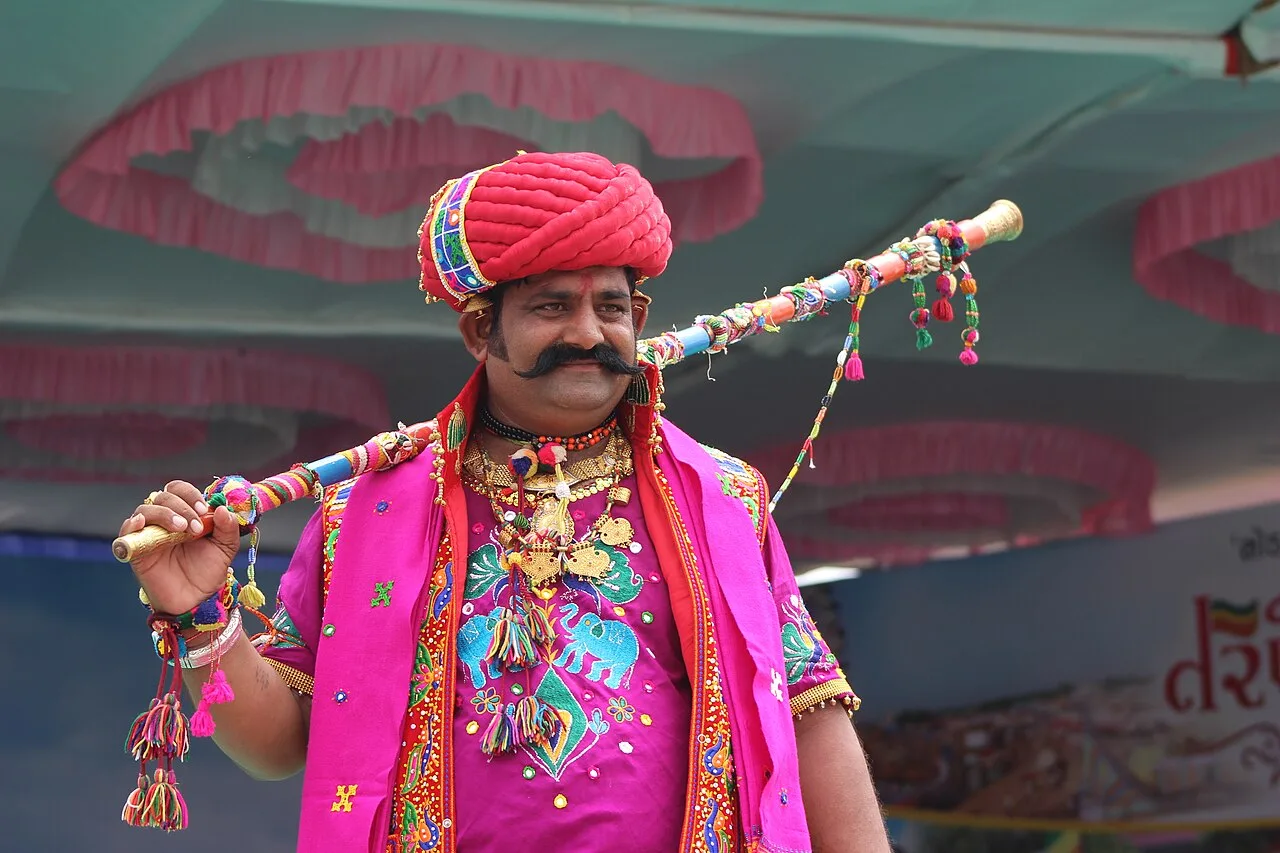
Tarnetar is a village in Gujarat’s Surendranagar district, close to Thangadh. Visitors in the vicinity can include it in their travels around the nearby city.

Lothal

66 km away · Ahmedabad district

Lothal

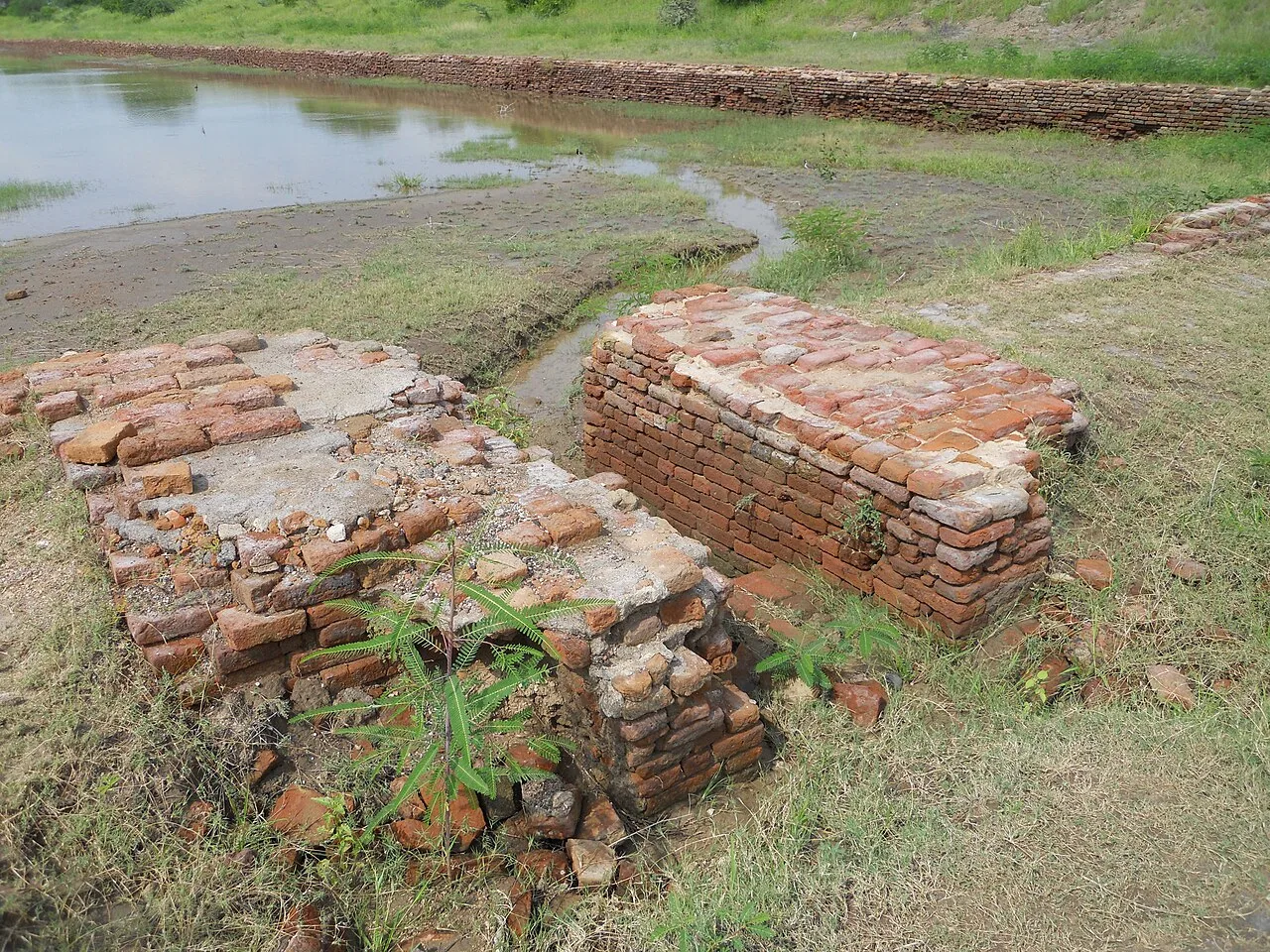
Lothal is a settlement of the ancient Indus Valley Civilisation in Gujarat. Visitors come to learn about its place among the civilisation’s southernmost sites and its early history.

Indian Wild Ass Sanctuary

69 km away · Surendranagar district

Indian Wild Ass Sanctuary

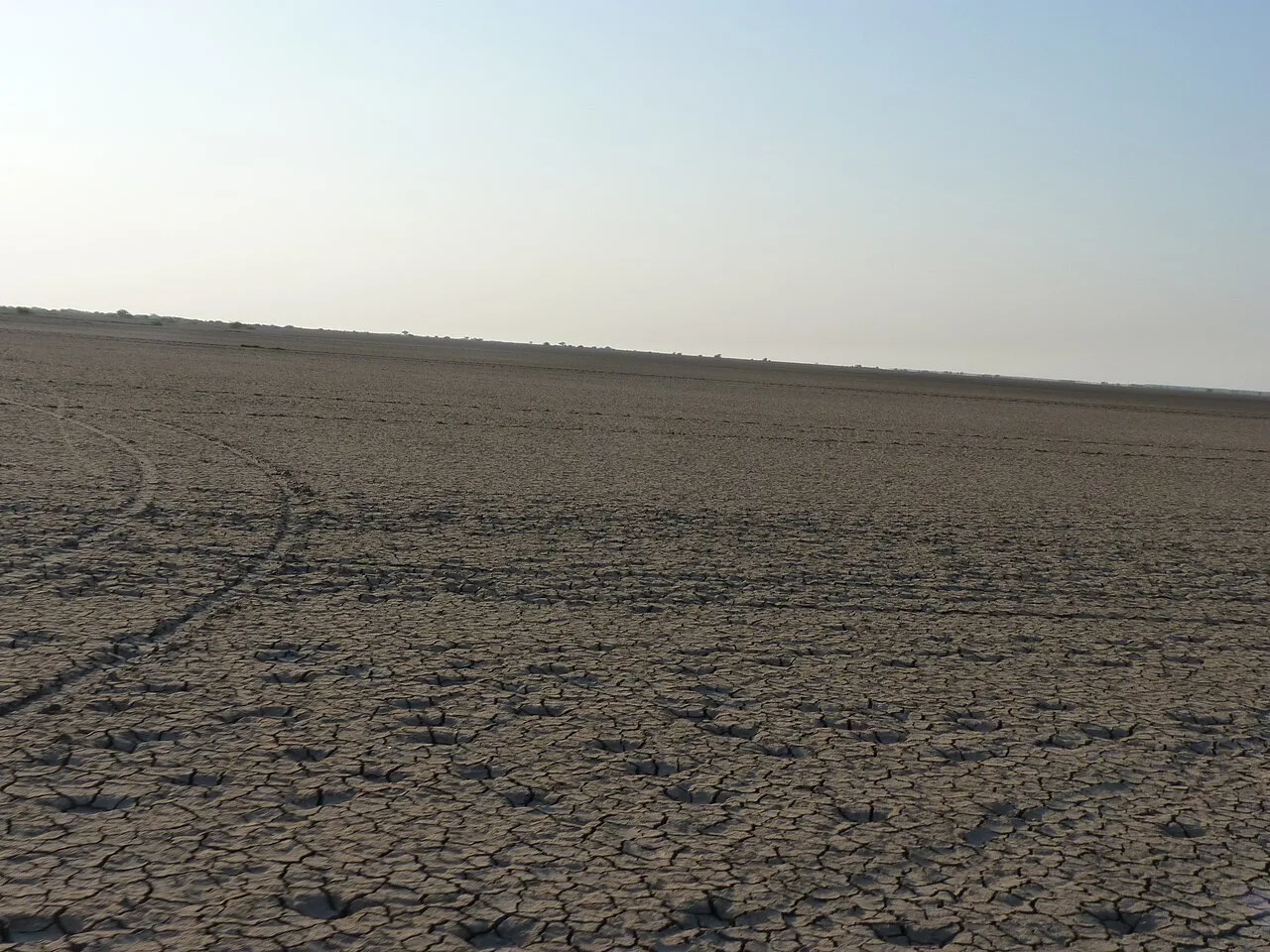
In Gujarat’s Little Rann of Kutch, the Indian Wild Ass Sanctuary protects the endangered khur. Visitors are drawn by the chance to see this wild ass, a southern subspecies of the Asiatic wild ass.

Blackbuck National Park

87 km away · Bhavnagar district

Blackbuck National Park

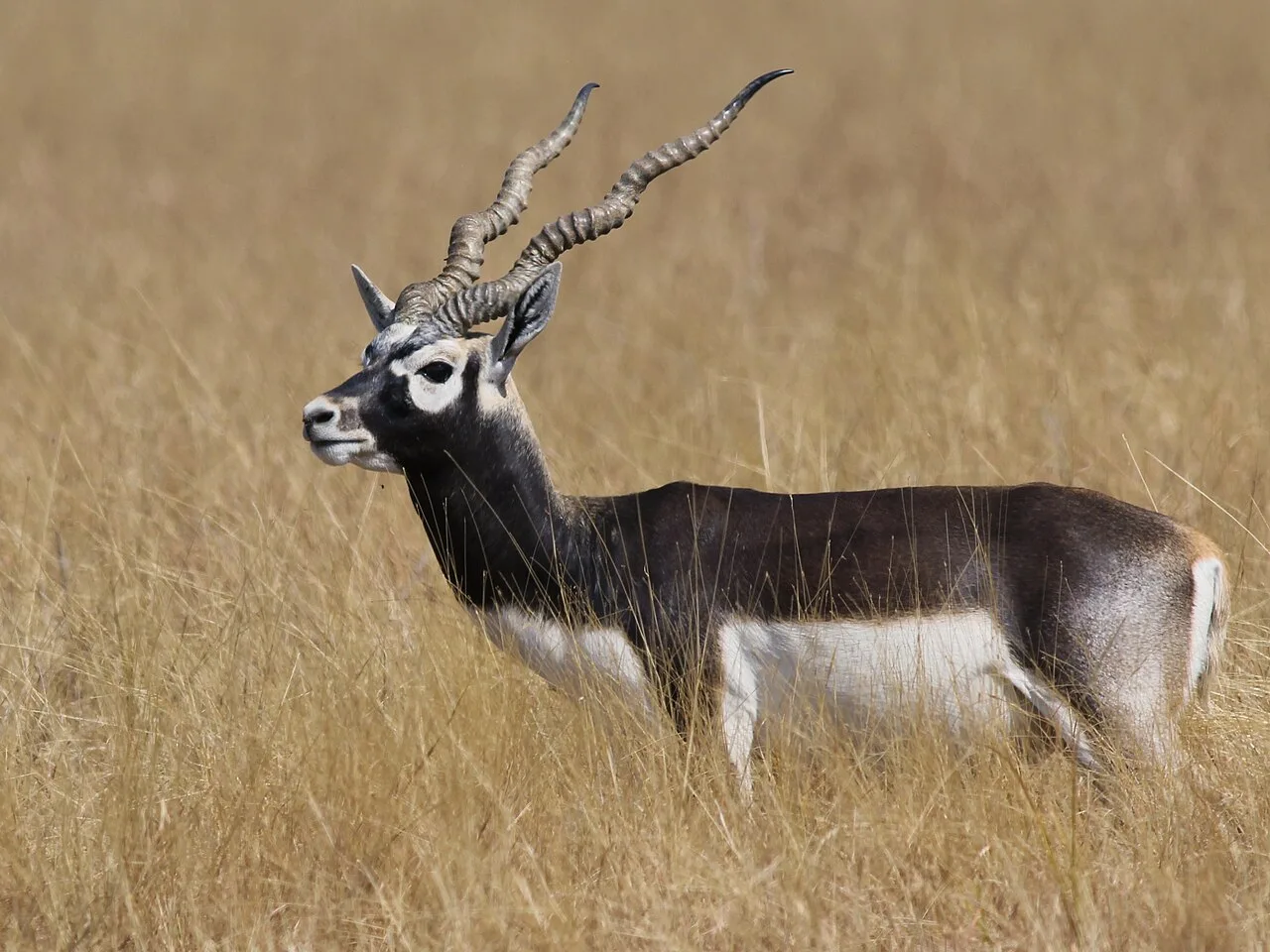
Blackbuck National Park is a protected area in Bhavnagar district, Gujarat, valued for its blackbuck and conservation efforts involving wolves and the lesser florican.

Sarkhej Roza

93 km away · Ahmedabad district

Sarkhej Roza

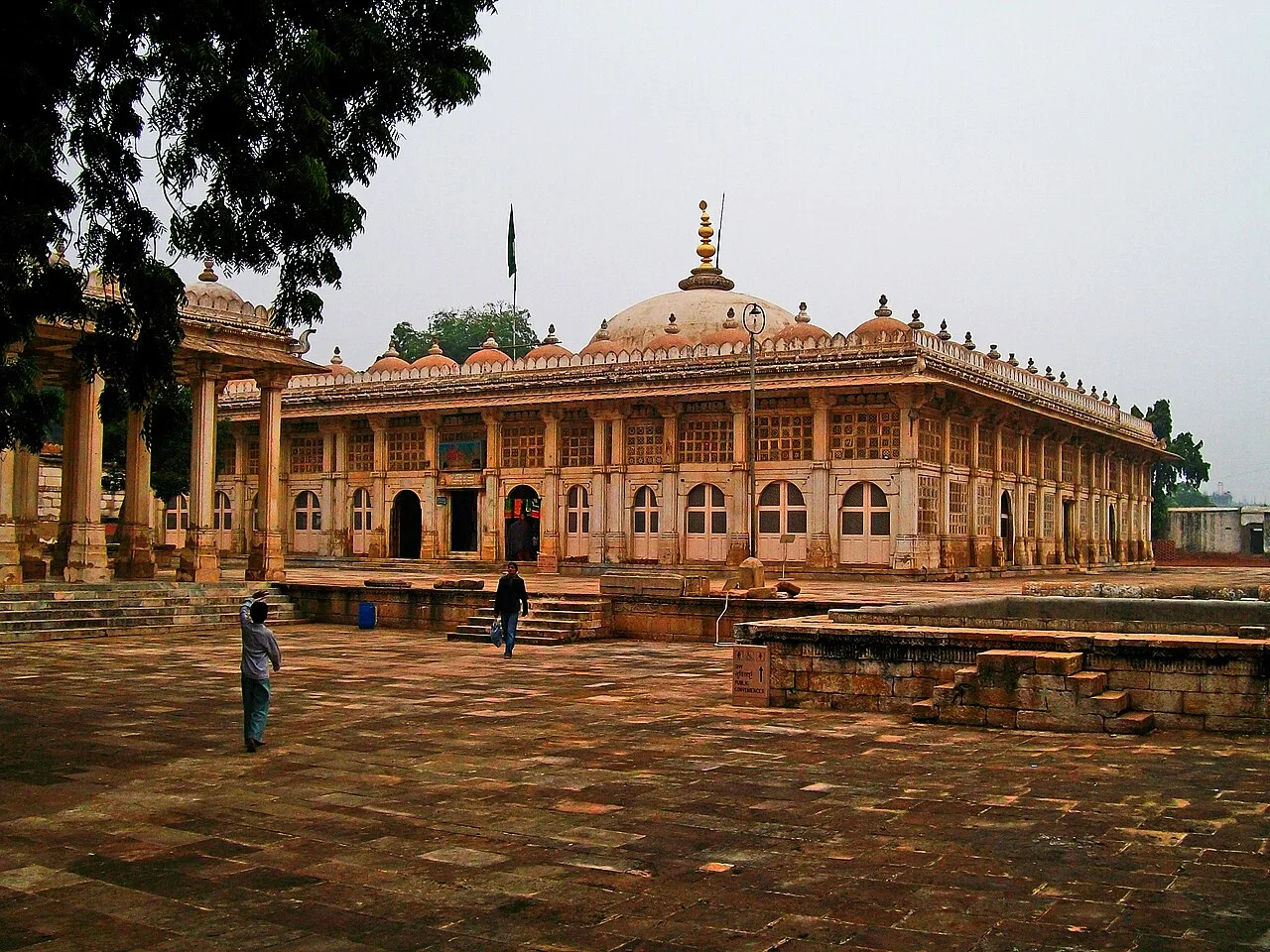
Sarkhej Roza is a Sufi religious complex in Makarba, Ahmedabad district, made up of a mosque and tombs. Visitors explore its nationally recognised status and its association with Shaikh Ahmed Ganj Baksh.

Watson Museum

99 km away · Rajkot district

Watson Museum

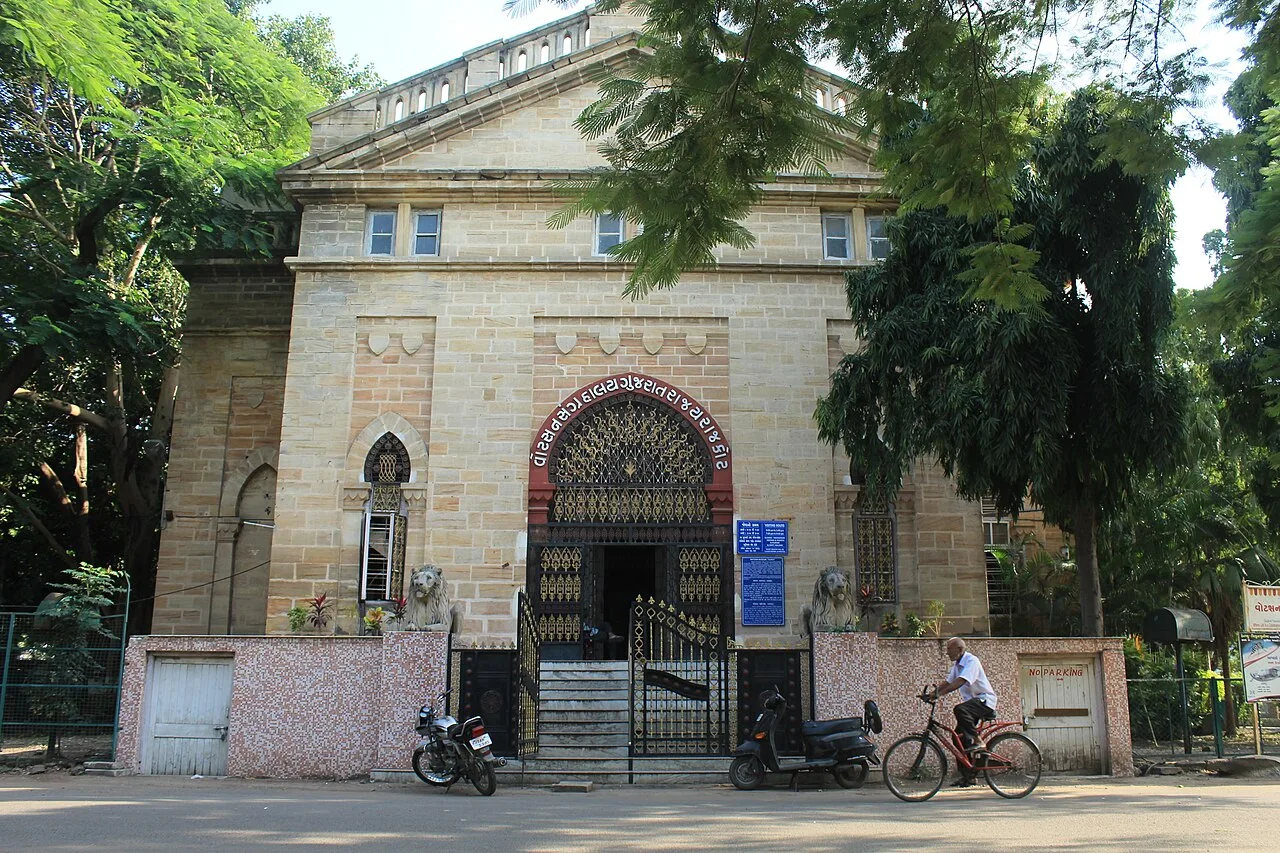
Watson Museum in Rajkot district displays objects connected with the former princely State of Rajkot. Visitors can also see photographs and artefacts, consult its reference library, and find museum publications at the sales counter.

Bhadra Fort

101 km away · Ahmedabad district

Bhadra Fort

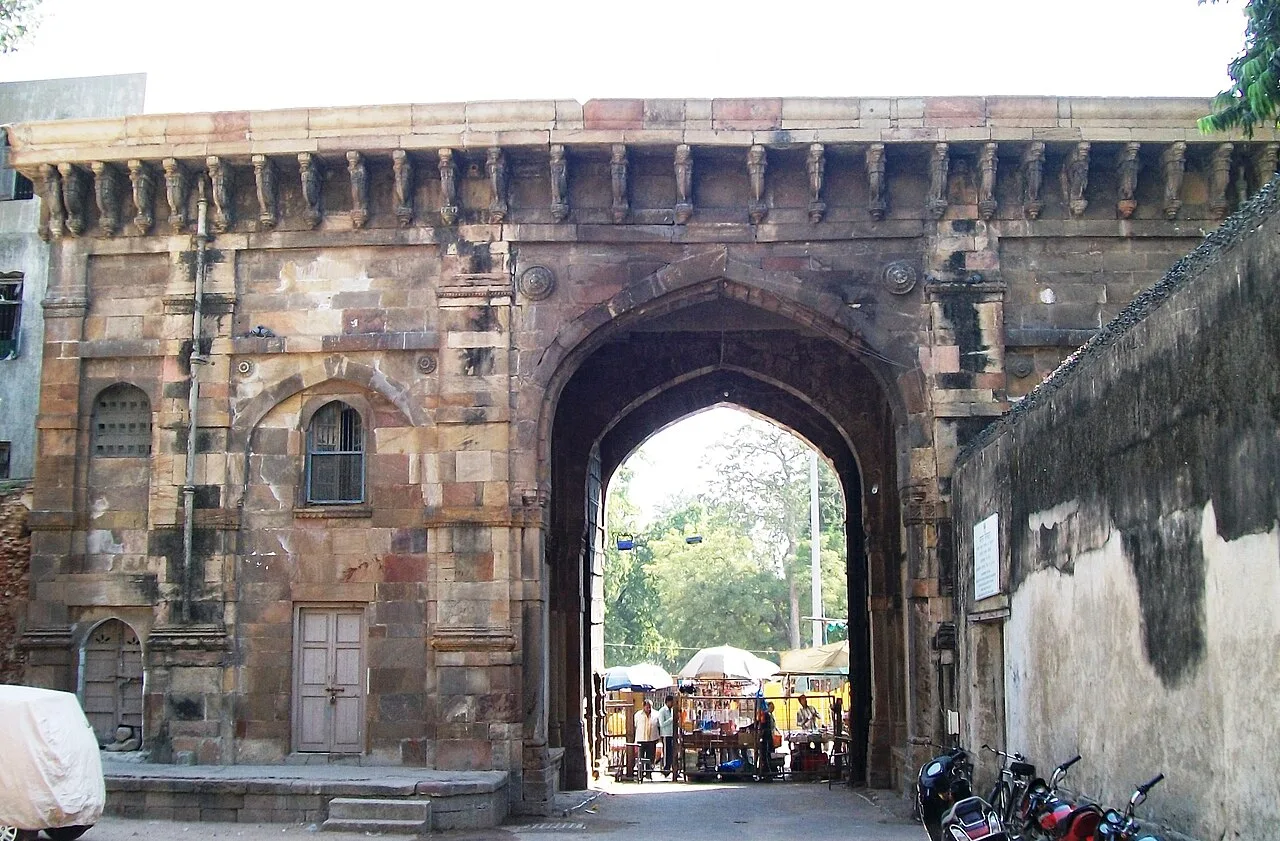
This historic Ahmedabad complex brings together royal buildings, mosques, gateways and open areas. Visitors explore its architecture and its present role as a cultural centre for the city.

Map

Wadhwan on the map

  1. 1Nal Sarovar Bird Sanctuary
  2. 2Tarnetar
  3. 3Lothal
  4. 4Indian Wild Ass Sanctuary
  5. 5Blackbuck National Park
  6. 6Sarkhej Roza
  7. 7Watson Museum
  8. 8Bhadra Fort

Gujarat

Other cities to explore