Ghumoopedia — Explore, Discover, Experience
Sign in
Dakor, near Od

City guide · Gujarat

Od

Od is a small town in Anand district, in Gujarat’s Charotar region. It is best approached as a lived-in rural town rather than a major sightseeing centre: visitors encounter local markets, temples and the agricultural landscape, with the larger town of Anand nearby for transport and regional attractions.

Famous for

  • Jasma Odan folklore
  • Od community heritage
  • Charotar farm country
  • Rural Gujarati market life
Plan a tripHotels near Od

Why Od matters

Od is a small town in Anand district, in Gujarat’s Charotar region. It is best approached as a lived-in rural town rather than a major sightseeing centre: visitors encounter local markets, temples and the agricultural landscape, with the larger town of Anand nearby for transport and regional attractions.

Od’s most notable wider cultural association is the story of Jasma Odan, linked in tradition to the Od community, known historically for digging tanks and other earthworks. The tale is usually told in connection with Sahasralinga Talav, the medieval reservoir at Patan—not a monument in Od. In the legend, Jasma rejects the advances of the ruler Jayasimha Siddharaja and curses the tank; the story is folklore rather than a reliable account of the reservoir’s construction. The historic site itself reflects sophisticated water engineering. For travellers, Od offers a quieter glimpse of central Gujarat and a point of connection with this regional tradition, while Anand and nearby settlements provide more established visitor attractions.
Famous for: crafts, trade & products

Od is not widely known as a centre for a signature saree, handloom, GI-tagged craft or large specialist market. Its everyday economy is more closely connected with the surrounding countryside and local trade. Visitors can look for seasonal farm produce and household goods in the town’s ordinary shops and bazaar; these are local conveniences rather than a dedicated craft-shopping destination.

The town’s strongest cultural distinction is its association with the Od or Oad community and the traditional work of digging tanks and earthworks. This connection is echoed in the Jasma Odan story, which is set around Sahasralinga Talav in Patan. The reservoir’s historic importance lies in its water-management system and the many shrines once built along its banks, not in a product made in Od. Travellers interested in regional crafts, textiles or specialist food shopping will find a broader choice in Anand and other larger Gujarat centres. Anand is also known nationally for its dairy sector, but that reputation belongs to the wider city and region rather than to Od as a distinct manufacturing hub.

History

Od’s local history is less widely documented than that of major Gujarat cities. It lies in the Charotar landscape, where settlements grew around farming, village markets and community networks. Over the centuries, the region came under successive Gujarat-based and wider Indian powers; the history of those administrations should not be mistaken for a specific royal foundation story for Od.

The Od community’s traditional work in digging tanks and earthworks has given the town a lasting place in regional folklore. Jasma Odan’s story links that community with Jayasimha Siddharaja and the Sahasralinga Talav at Patan. Historical evidence about the tank points instead to an engineered water supply, including channels that brought water from the Saraswati River; the curse and sacrifice belong to legend.

In modern administration, Od is part of Anand district, created from Kheda district in 1997. Its development reflects the growth of nearby Anand and the continuing importance of local agriculture, roads and town services.

Food, festivals & culture

Gujarati is the main language of daily life in Od; Hindi is also understood by many people. Food follows the familiar home-style Gujarati pattern, with rotli or bhakri, dal, seasonal shaak, rice and khichdi. Farsan and sweets such as jalebi or mohanthal are common across the region, though Od is not known for a distinct local dish. Small eateries and shops are the most practical places to sample everyday snacks.

Navratri, usually in autumn, brings devotional gatherings and garba dancing; Diwali is marked with lamps, family visits and festive foods. Uttarayan, the January kite festival, and Holi in spring are also celebrated in the wider region. Bhajans and Gujarati folk music accompany religious and community occasions. Temples and neighbourhood shrines serve as everyday places of worship, while larger religious and cultural outings are often made to Anand or other nearby towns. Customs and celebrations vary among families and communities, so visitors should follow local guidance when entering places of worship.

Visiting the city

The cooler months, from roughly November to February, are generally the most comfortable for exploring. Summer can be very hot, while monsoon travel may bring rain and humid conditions. Vadodara Airport is the nearest major airport; Anand Junction is the main practical railway station for reaching the area. From Anand, local buses, taxis or auto-rickshaws can be used for the onward journey, depending on availability.

Od is compact, so a walk through the town centre and its market streets offers a simple introduction to local life. Allow time to see its temples and the agricultural surroundings. For a wider itinerary, combine the visit with Anand and nearby Karamsad; these larger neighbouring places have more established visitor facilities and attractions. Od is best suited to travellers interested in rural Gujarat and regional folklore rather than a packed monument circuit.

Trips from the city

Nearest places to visit from Od

Our closest destination guides, by straight-line distance.

Dakor

15 km away · Kheda district

Dakor

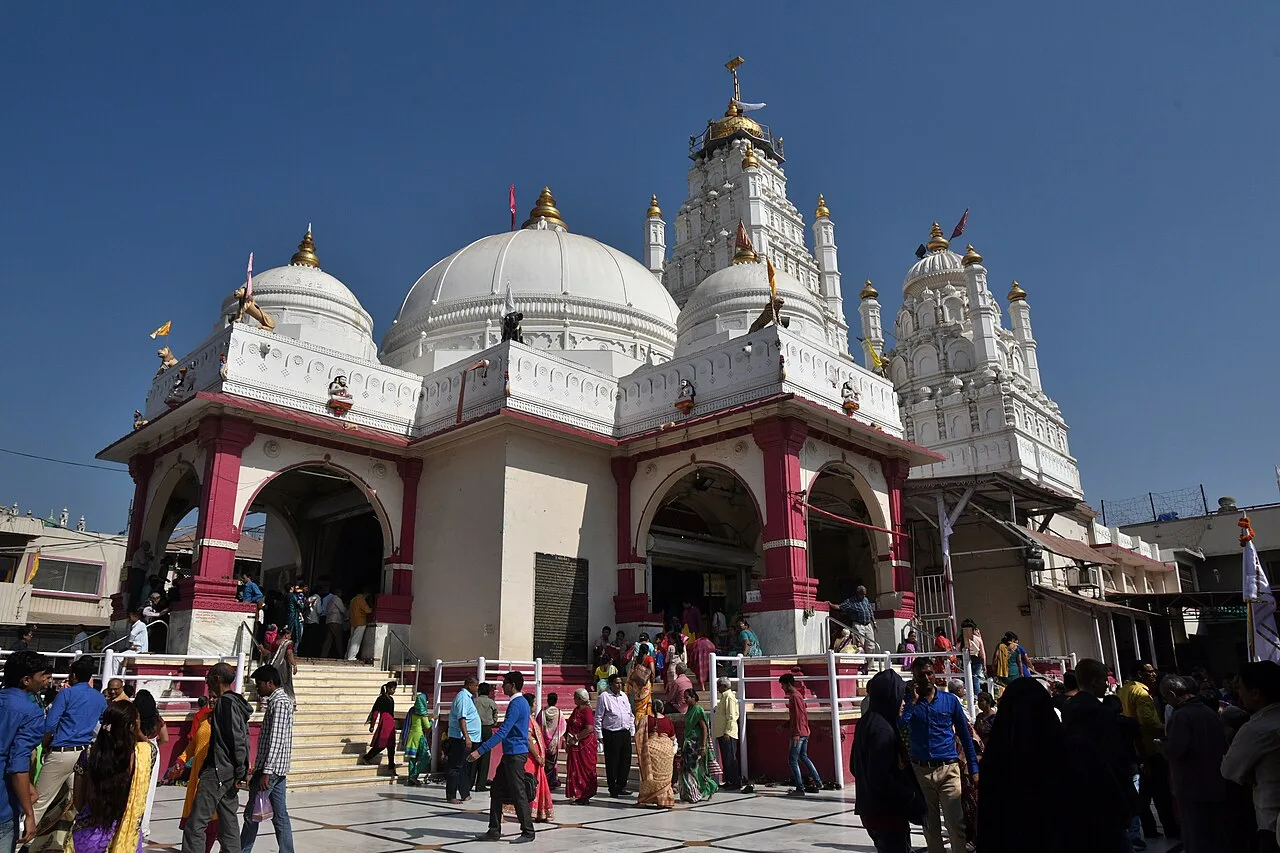
Dakor is a small city and municipality in Gujarat’s Kheda district, known for the temple of Raṇchoḍrāyjī, which draws people to the town.

Sayaji Baug

35 km away · Vadodara district

Sayaji Baug

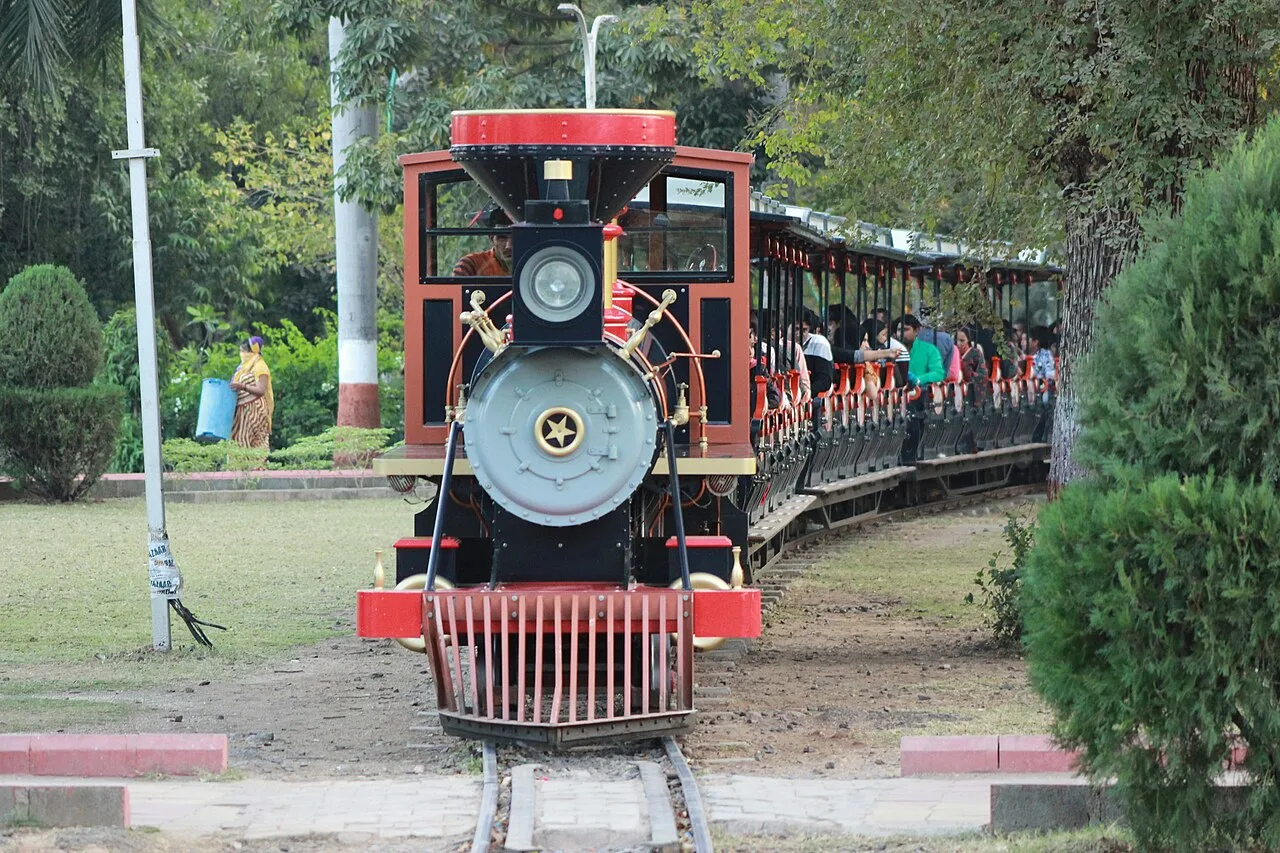
Sayaji Baug, also called Kamati Baug, is a garden in Vadodara, Gujarat, established by Maharaja Sayajirao Gaekwad and visited for recreation and tourism.

Lakshmi Vilas Palace

37 km away · Vadodara district

Lakshmi Vilas Palace

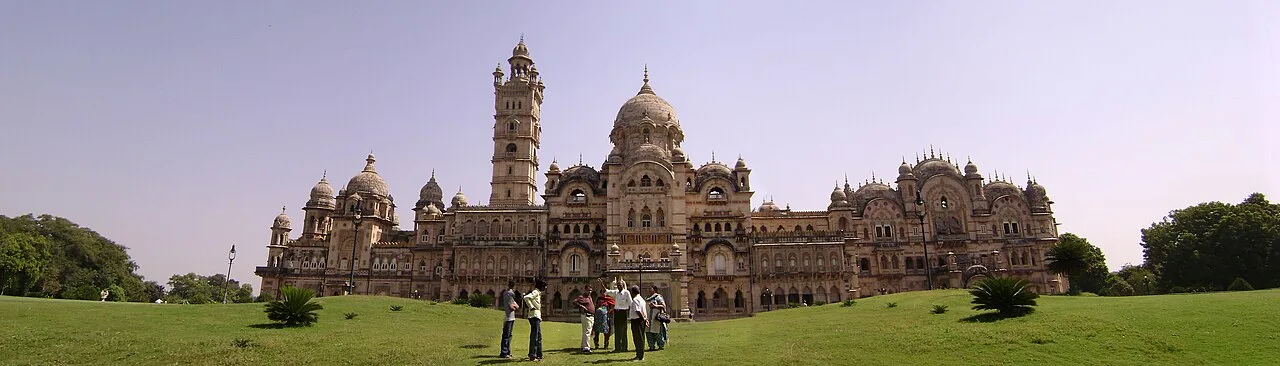
Lakshmi Vilas Palace is a former Gaekwad royal residence in Vadodara, known for its Indo-Saracenic architecture and extensive grounds. People visit to see the palace, its museum and links to the dynasty.

Champaner-Pavagadh Archaeological Park

45 km away · Panchmahal district

Champaner-Pavagadh Archaeological Park

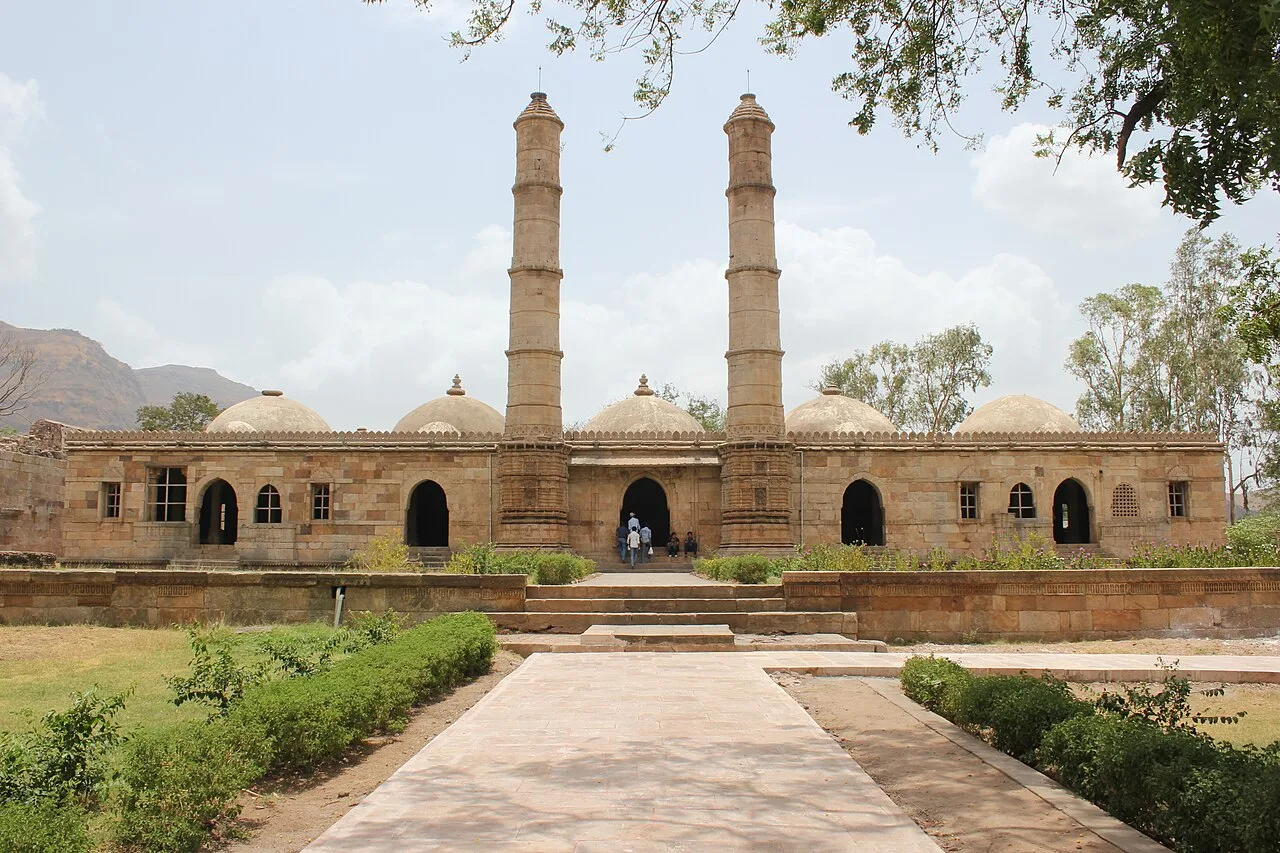
This archaeological park in Gujarat’s Panchmahal district preserves Champaner, Pavagadh’s hill fortress and monuments from several periods. Visitors explore its historic architecture and visit the Kalika Mata Temple.

Pavagadh

45 km away · Panchmahal district

Pavagadh

Pavagadh is a municipal area in Gujarat’s Panchmahal district, about 46 kilometres from Vadodara. Visitors come to see its Mahakali temple and the Champaner-Pavagadh Archaeological Park, a UNESCO World Heritage Site.

Kankaria Lake

68 km away · Ahmedabad district

Kankaria Lake

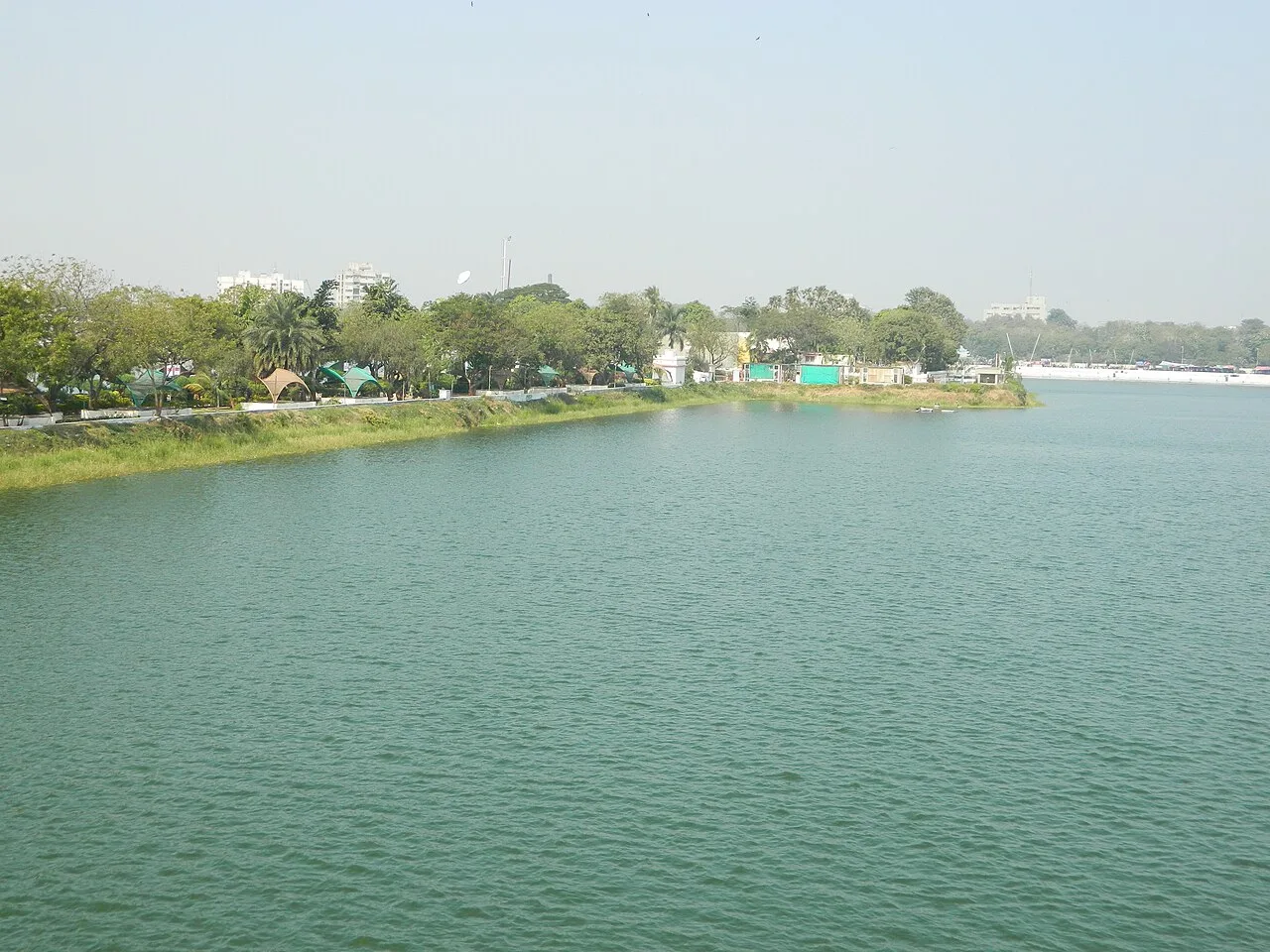
Kankaria Lake is Ahmedabad’s largest lake, situated in Maninagar. Visitors come for its leisure attractions and the cultural, artistic and social programme of the Kankaria Carnival.

Dada Harir Stepwell

70 km away · Ahmedabad district

Dada Harir Stepwell

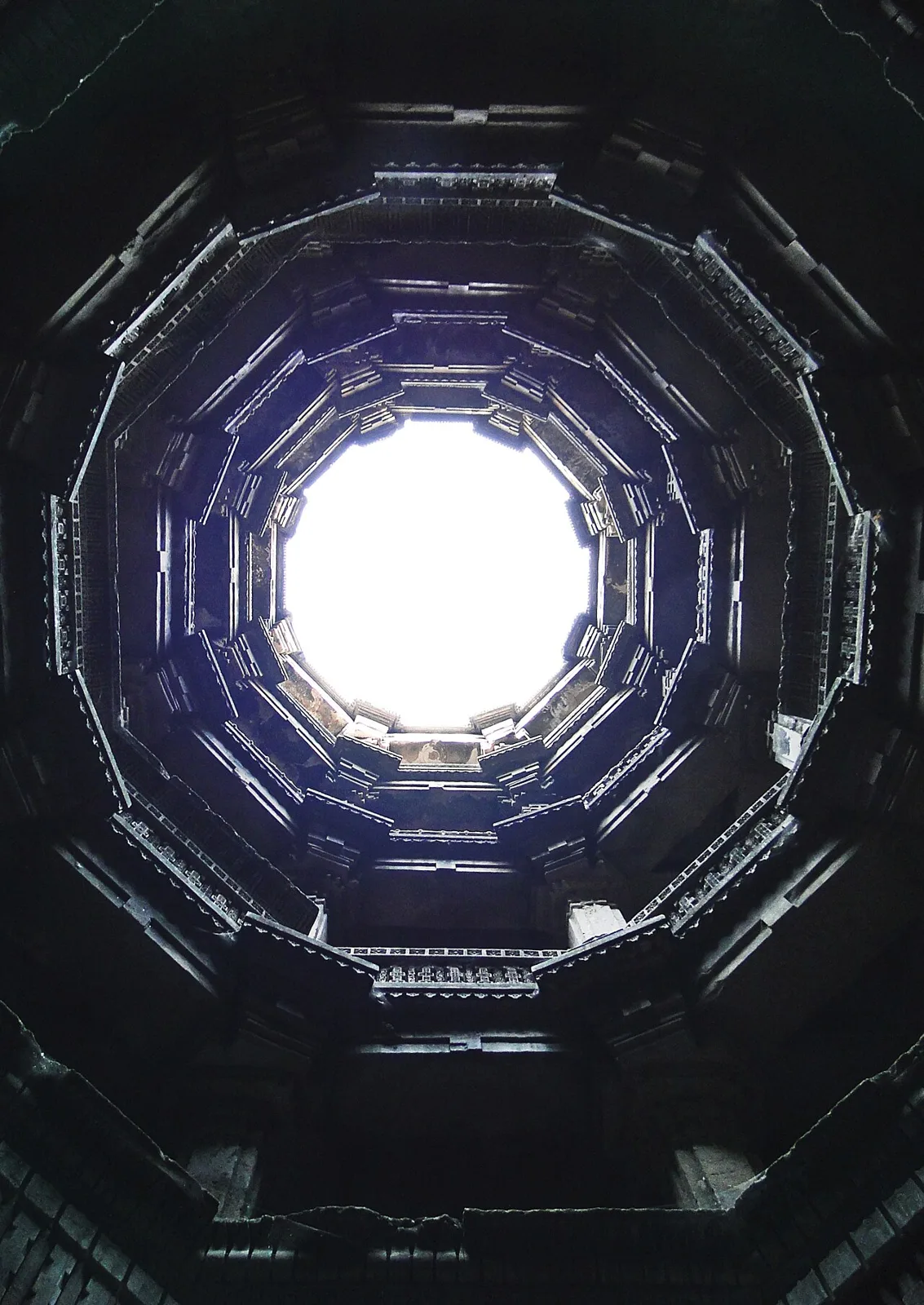
Dada Harir Stepwell is a fifteenth-century stepwell in Asarwa, Ahmedabad district, Gujarat. Visitors can see this historic structure about 15 kilometres from Ahmedabad.

Jama Masjid, Ahmedabad

70 km away · Ahmedabad district

Jama Masjid, Ahmedabad

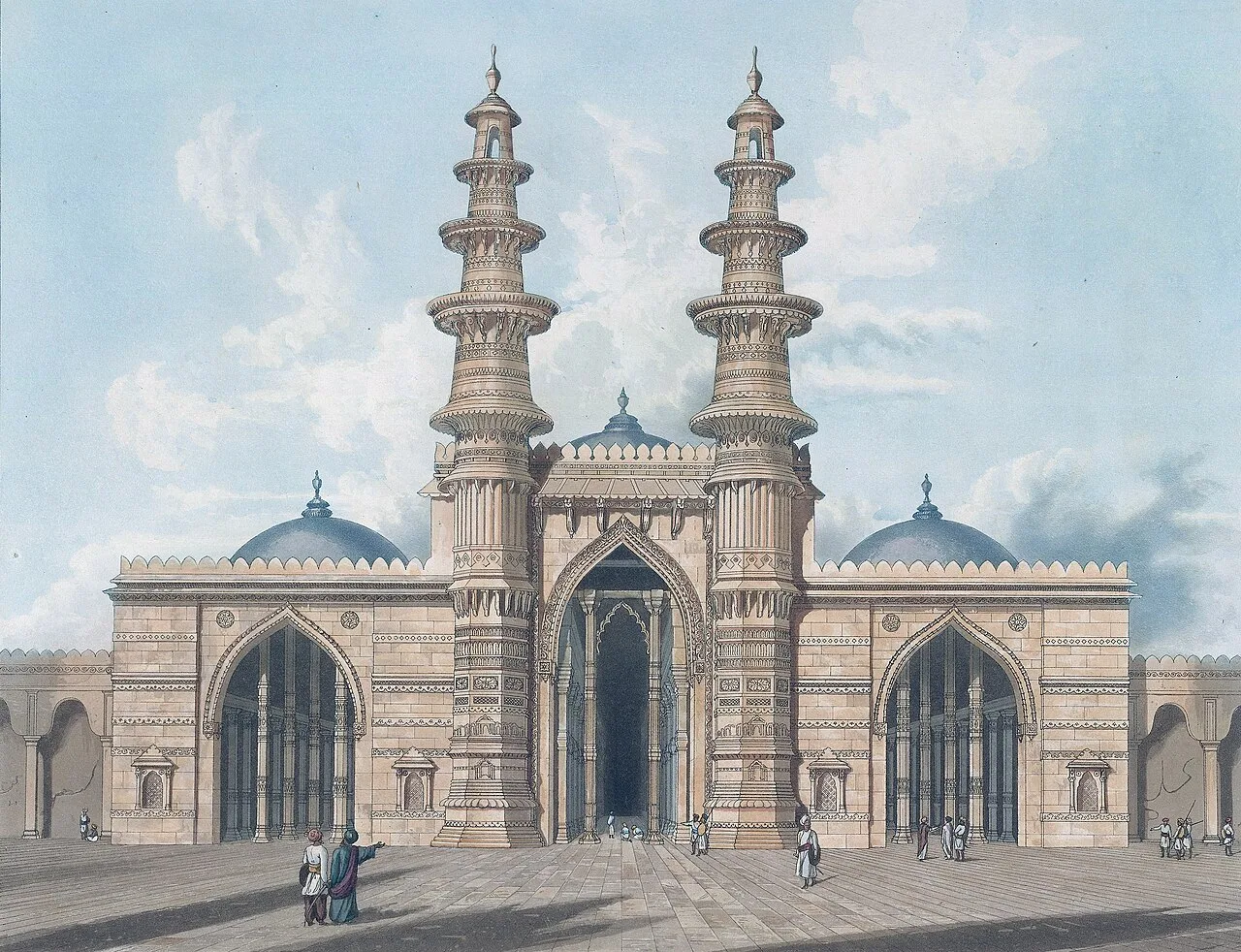
Ahmedabad’s Jama Masjid is a historic Friday mosque in the old city, visited for its impressive scale, central courtyard and expression of Gujarat-style architecture.

Map

Od on the map

  1. 1Dakor
  2. 2Sayaji Baug
  3. 3Lakshmi Vilas Palace
  4. 4Champaner-Pavagadh Archaeological Park
  5. 5Pavagadh
  6. 6Kankaria Lake
  7. 7Dada Harir Stepwell
  8. 8Jama Masjid, Ahmedabad

Gujarat

Other cities to explore