Ghumoopedia — Explore, Discover, Experience
Sign in
Rani ki Vav, near Thara

City guide · Gujarat

Thara

Thara is a small town in Banaskantha district, in northern Gujarat. Its importance is chiefly regional: it serves as a taluka headquarters and a centre for everyday services, local commerce and connections between nearby settlements.

Famous for

  • Taluka-level administration
  • Banaskantha market-town life
  • North Gujarat setting

Why Thara matters

Thara is a small town in Banaskantha district, in northern Gujarat. Its importance is chiefly regional: it serves as a taluka headquarters and a centre for everyday services, local commerce and connections between nearby settlements. For residents of the surrounding area, the town is a place to reach shops and administrative services without travelling to a larger city.

Thara is not widely known as a major monument or destination for a particular craft or product. Its appeal to visitors lies instead in seeing a working town and the rhythms of life in rural north Gujarat. A walk through the central market area offers a glimpse of local trade, while the surrounding countryside gives a sense of the district’s open, semi-arid landscape. Travellers passing through can use Thara as a modest stop on a wider journey around Banaskantha, rather than expecting a developed sightseeing circuit. Gujarati language and regional food traditions shape the town’s everyday character.
Famous for: crafts, trade & products

Thara’s best-established role is as a local administrative and trading centre, rather than as a recognised textile, handicraft or manufacturing hub. Visitors looking for local goods can browse the central shops and market streets, where everyday household supplies and products serving nearby communities are more likely to be found than specialist souvenirs.

The town’s commerce reflects its place in the Banaskantha region: small retailers and service businesses cater to residents and people travelling in from surrounding settlements. Local produce and seasonal goods may appear in ordinary market trade, but availability varies and should not be treated as a fixed visitor attraction. Thara does not have a known dedicated craft bazaar or a prominent institution centred on a particular industry. For travellers, the market is best approached as a window into daily life and regional exchange, not as a guaranteed place to buy a named local speciality.

History

Thara’s history is most clearly understood through its continuing role as a settlement and administrative centre in Banaskantha. The wider north Gujarat region has a long history shaped by local rulers, princely-state administrations and connections between agricultural communities and market towns. However, a detailed town-specific account of Thara’s rulers, monuments or founding period is not widely established, so those wider regional histories should not be treated as a precise chronology for the town itself.

During British rule, parts of the region were governed through princely-state arrangements, alongside the broader colonial administration of western India. After independence, political and administrative boundaries changed, and Gujarat became a separate state in 1960. In the modern period, Thara’s significance has remained practical and local: its taluka-level administrative role, shops and services support surrounding settlements. Rather than growing around a celebrated palace or historic fort, its contemporary identity is that of a functional regional town.

Food, festivals & culture

Gujarati is the principal language of everyday life in Thara, with regional speech reflecting its setting in north Gujarat. Food is generally rooted in Gujarati home cooking: visitors may encounter rotli or bajra rotla, vegetables, dal, khichdi, thepla and familiar snacks such as dhokla. Sweets and savoury items vary by shop and season; Thara is not especially known for a distinct signature dish, so local eateries are the best guide to what is available on the day.

The religious calendar follows festivals celebrated widely across Gujarat. Navratri, usually in the autumn, brings devotional observances and garba; Diwali is marked in autumn with lamps and family gatherings. Uttarayan, in January, is associated with kite-flying, while Holi is celebrated around the end of winter. Community worship and family ceremonies are part of local life, though Thara is not known for a major pilgrimage site. Music, devotional singing and garba form part of festive gatherings, with celebrations typically centred on neighbourhood and community participation.

Visiting the city

The cooler months, roughly November to February, are generally the most comfortable time to visit; summers can be very hot, and monsoon conditions may affect road journeys. For commercial flights, Sardar Vallabhbhai Patel International Airport in Ahmedabad is a major air gateway. Palanpur Junction is a principal railway connection for the wider district; check current onward connections before travelling, as Thara is a small town.

Local movement is easiest by auto-rickshaw, hired vehicle or on foot around the centre. Begin with the market streets and administrative heart of town, then explore the nearby outskirts for a sense of the surrounding countryside. Thara has no widely established sightseeing neighbourhoods, so allow time for an unhurried visit rather than planning a full itinerary around attractions.

Trips from the city

Nearest places to visit from Thara

Our closest destination guides, by straight-line distance.

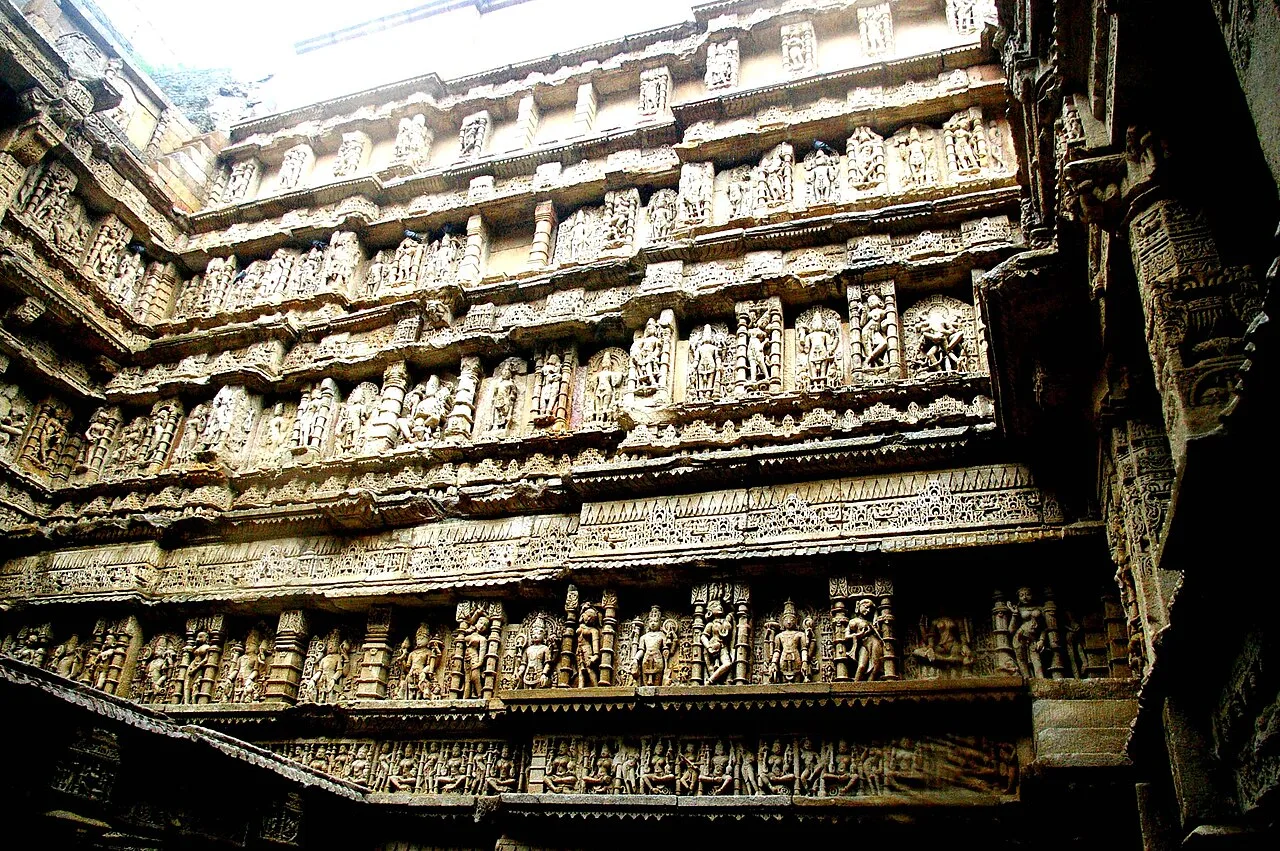
Rani ki Vav

31 km away · Patan district

Rani ki Vav

Rani ki Vav is a stepwell in Patan, Gujarat, notable for its tiered underground design and extensive sculpture, which reflect the monument’s religious and architectural significance.

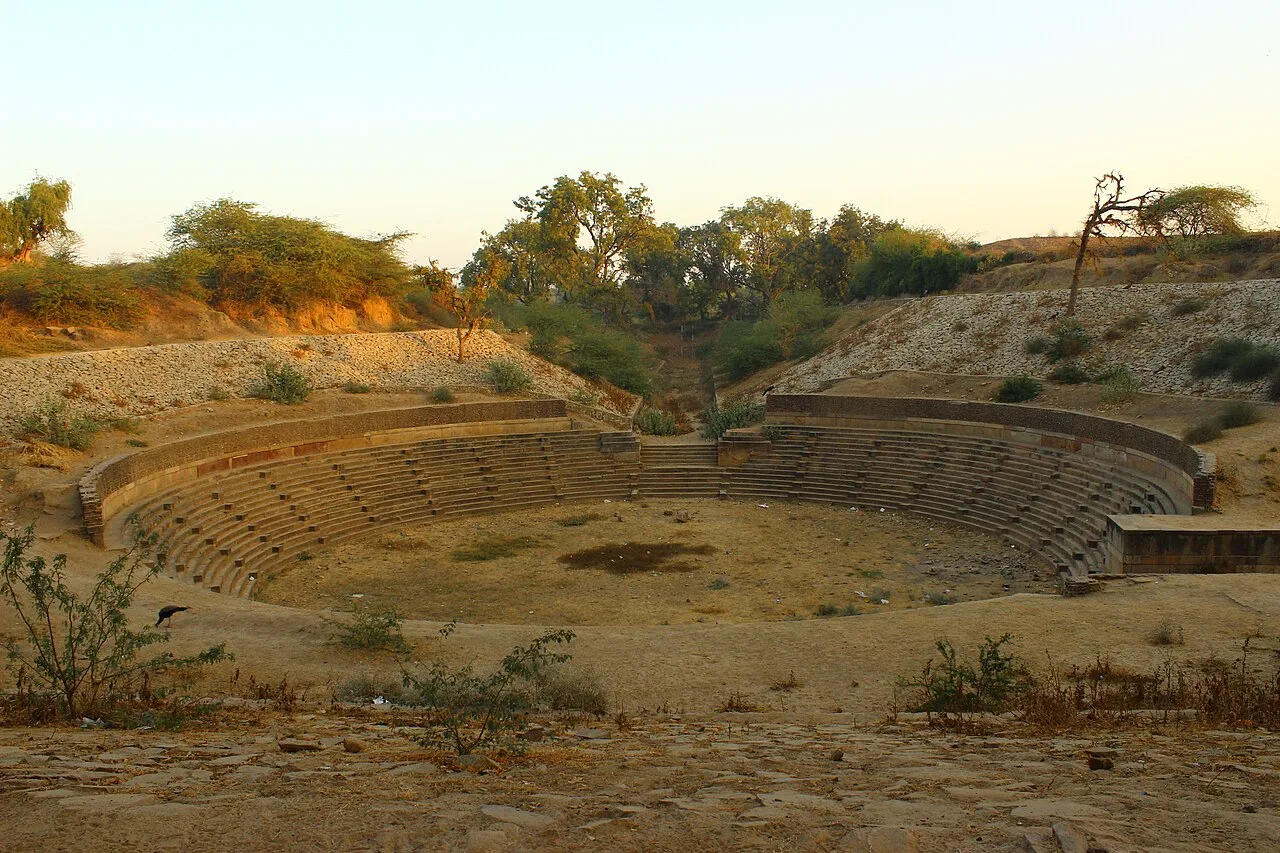
Sahasralinga Tank

31 km away · Patan district

Sahasralinga Tank

Sahasralinga Tank is a medieval, human-made reservoir in Gujarat’s Patan district, commissioned under Chaulukya rule. Visitors come to see this historic site, which is protected as a national monument.

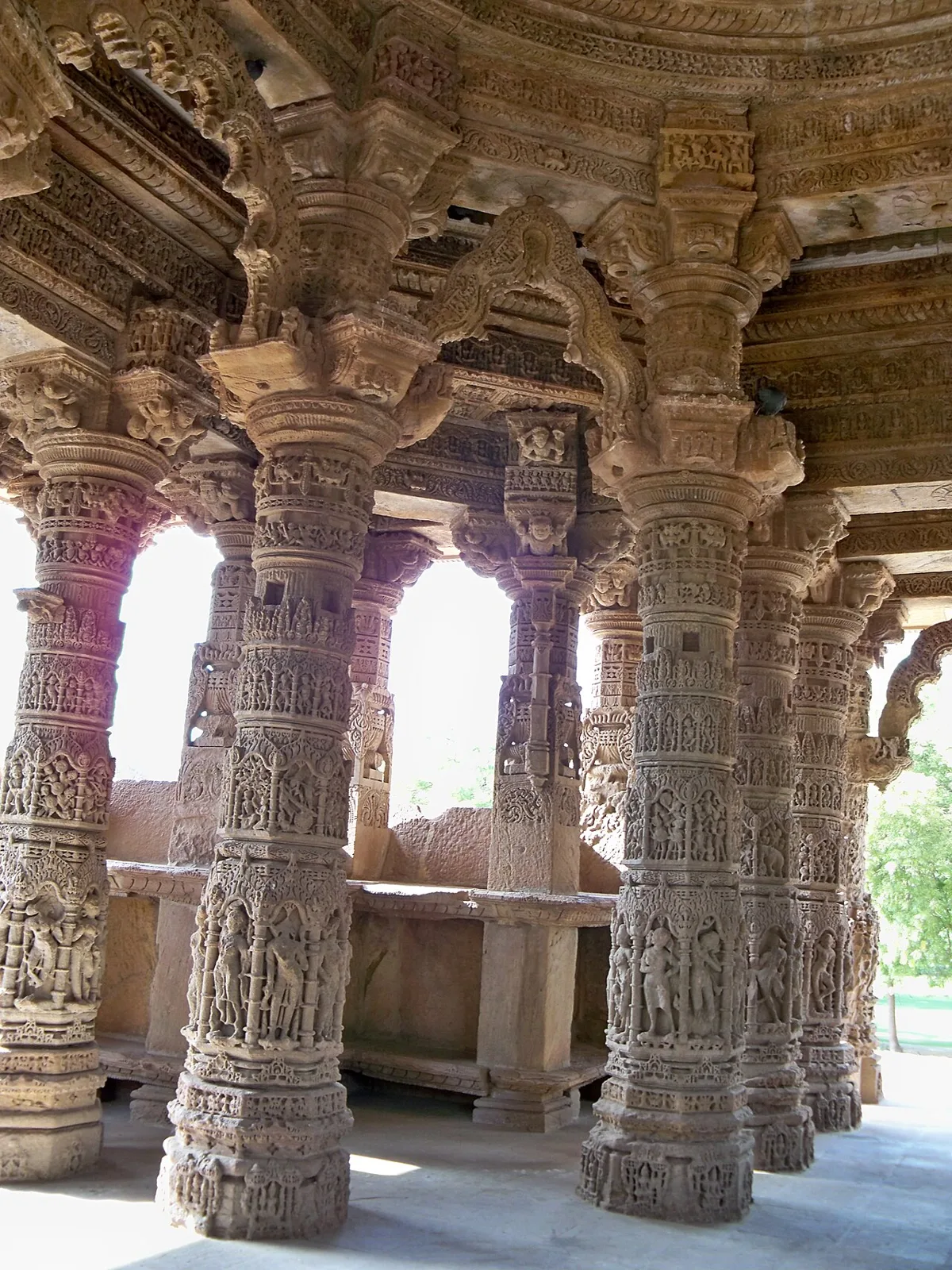
Modhera Sun Temple

54 km away · Mehsana district

Modhera Sun Temple

This Hindu temple complex in Modhera, Gujarat, honours Surya. Visitors come to see its carved halls, decorated pillars and stepped reservoir, which is dotted with small shrines.

Indian Wild Ass Sanctuary

72 km away · Surendranagar district

Indian Wild Ass Sanctuary

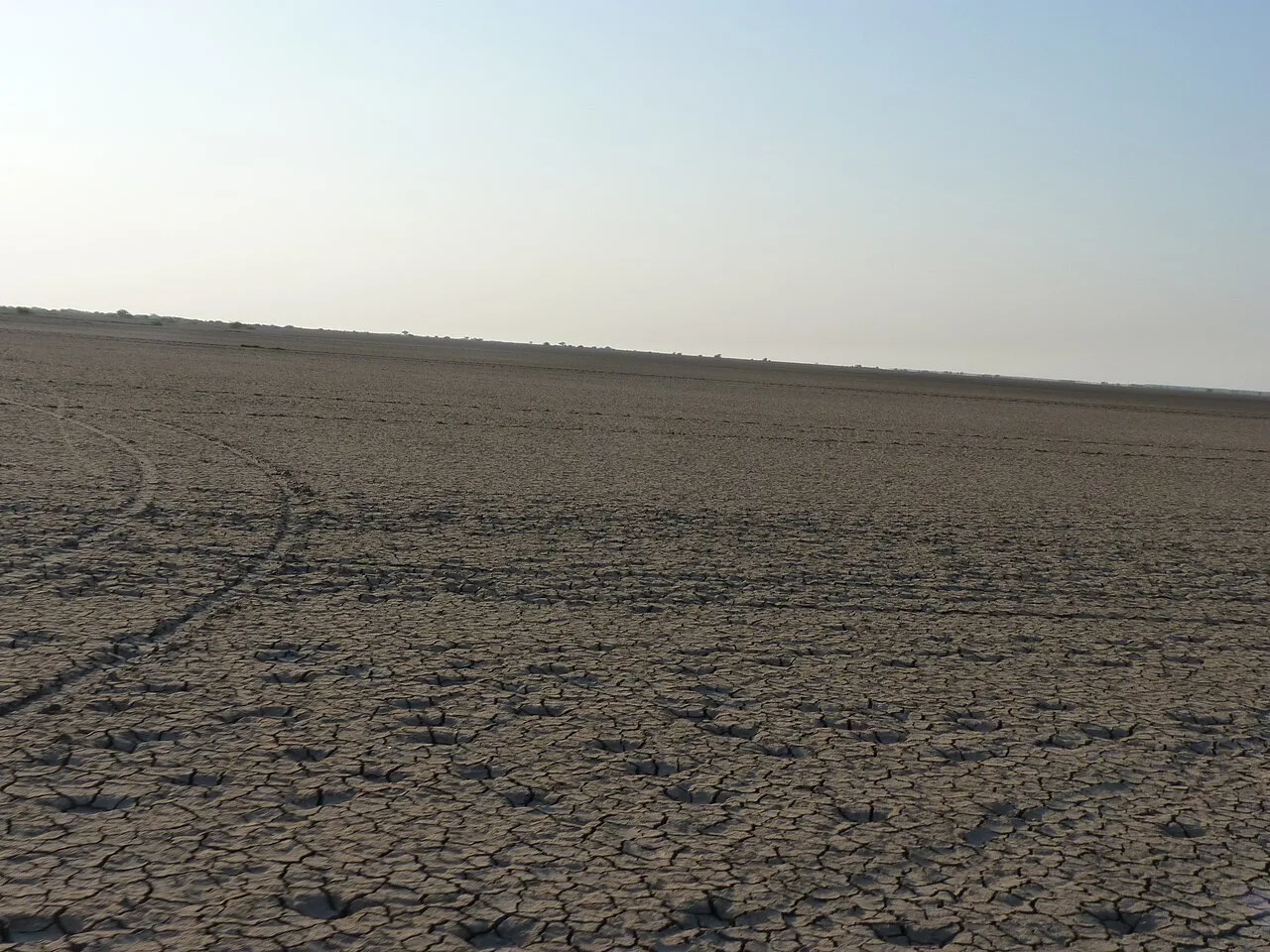
In Gujarat’s Little Rann of Kutch, the Indian Wild Ass Sanctuary protects the endangered khur. Visitors are drawn by the chance to see this wild ass, a southern subspecies of the Asiatic wild ass.

Taranga Jain Temples

95 km away · Mehsana district

Taranga Jain Temples

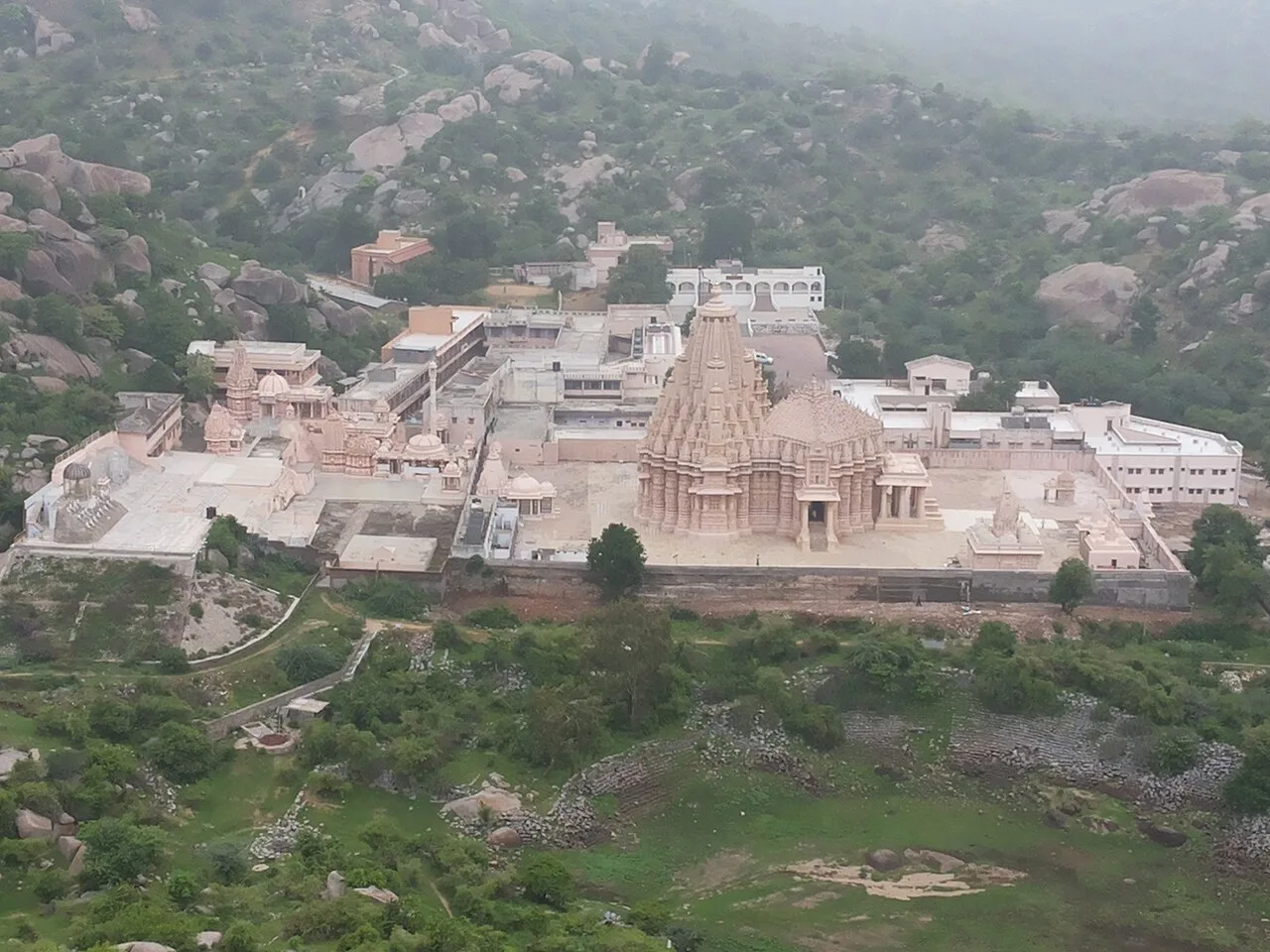
Taranga is a Jain pilgrimage site near Kheralu, known for temples representing Śvetāmbara and Digambara traditions and for its notable Māru-Gurjara architecture.

Ambaji

112 km away · Banaskantha district

Ambaji

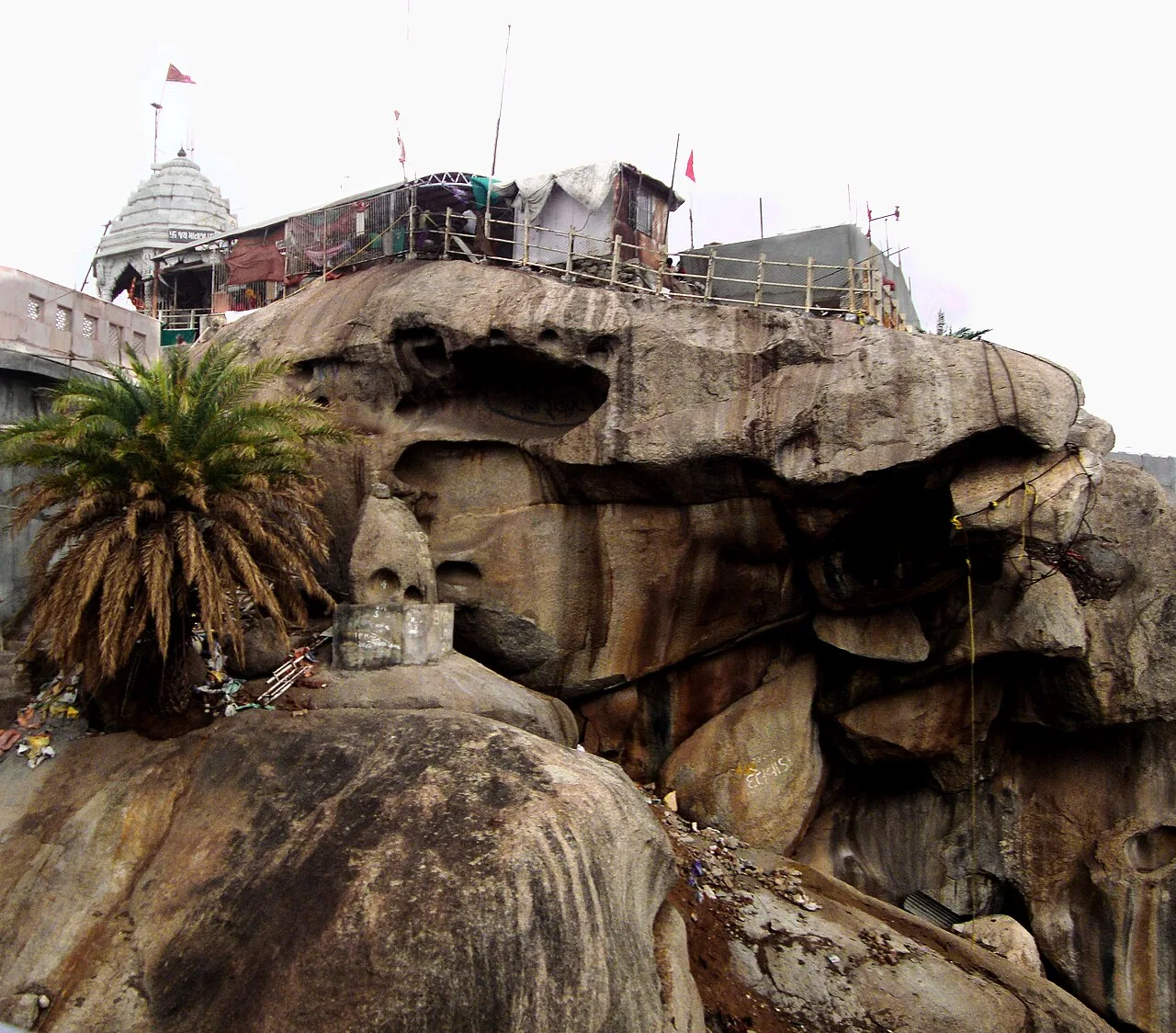
Ambaji is a census town in Banaskantha district, Gujarat. The available details establish its identity and location but do not say what draws visitors there.

Adalaj Stepwell

119 km away · Gandhinagar district

Adalaj Stepwell

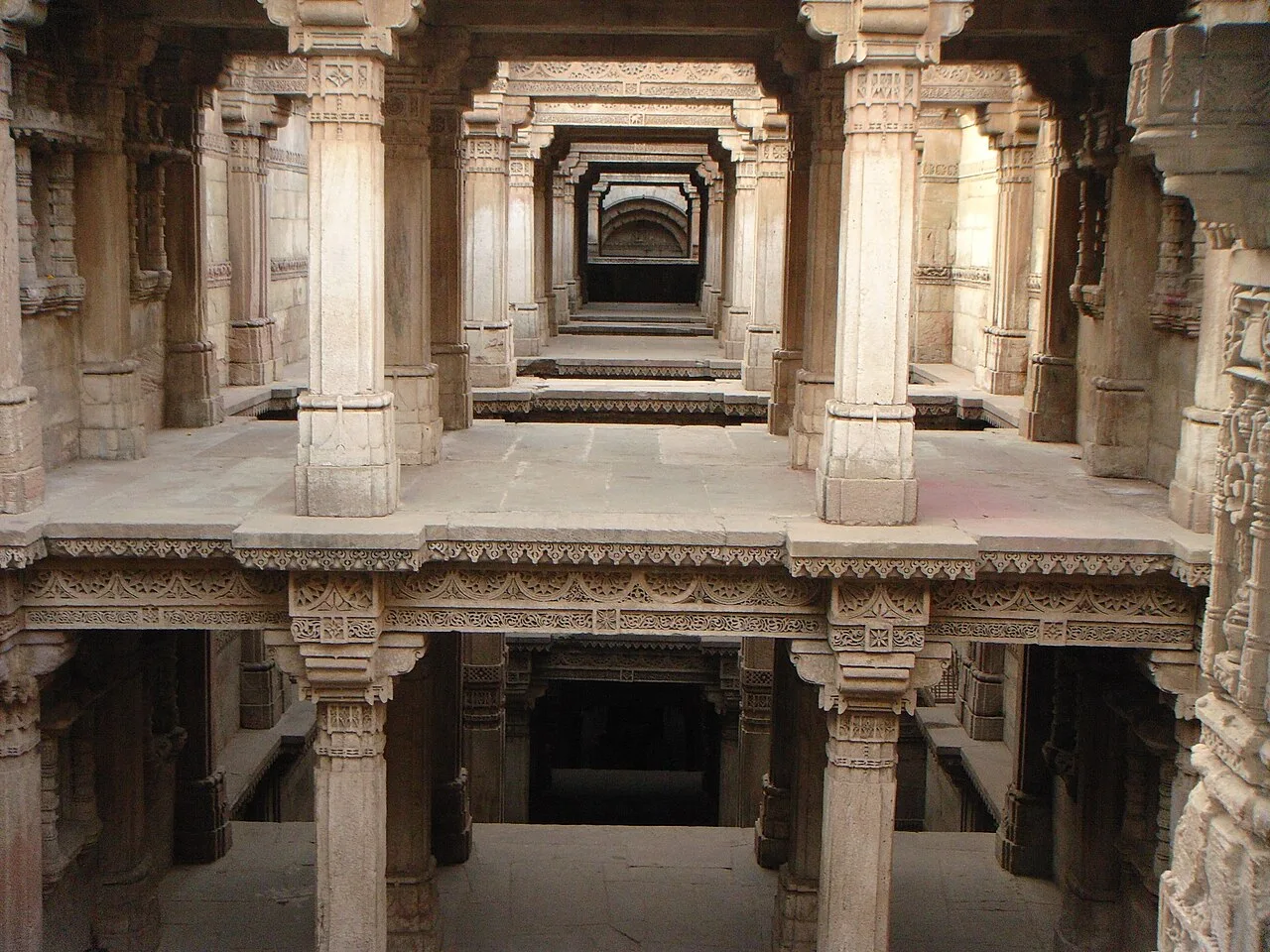
Adalaj Stepwell, also known as Rudabai Stepwell, is a sandstone structure in Gujarat’s Gandhinagar district. Visitors come to see its Solanki-style design and its connection to Rana Veer Singh.

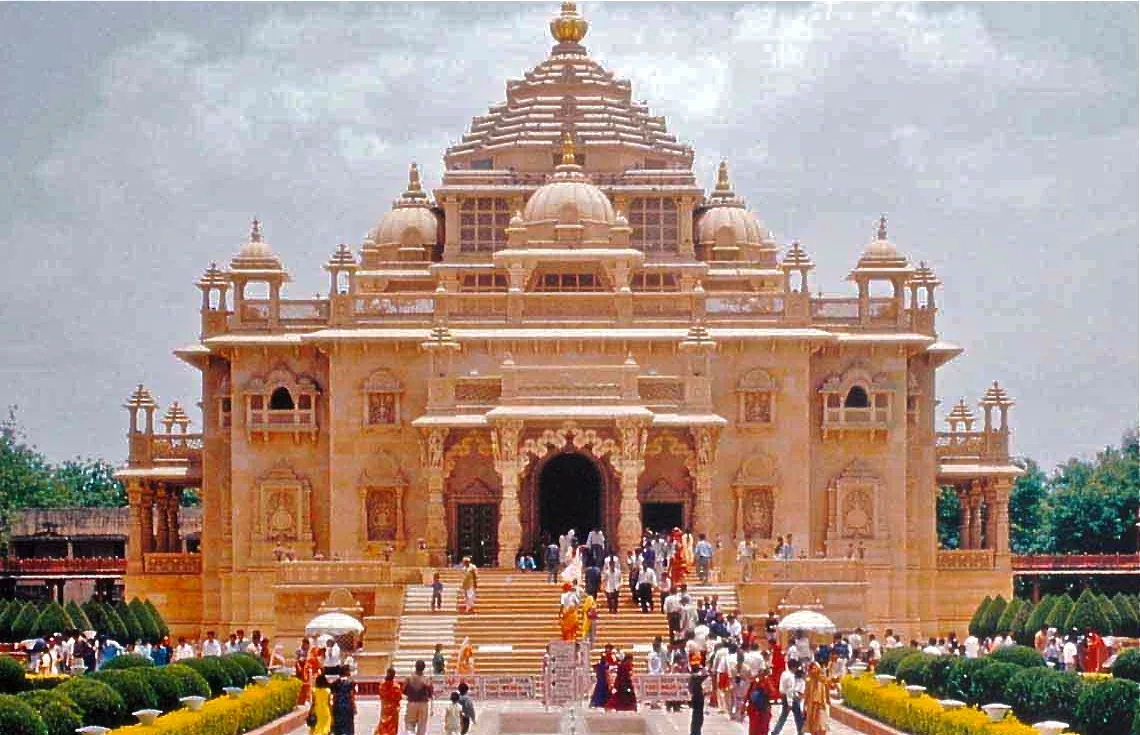
Swaminarayan Akshardham

120 km away · Gandhinagar district

Swaminarayan Akshardham

This Hindu temple complex in Gandhinagar, Gujarat, draws visitors interested in Swaminarayan’s teachings, BAPS traditions and its central shrine built from pink sandstone.

Map

Thara on the map

  1. 1Rani ki Vav
  2. 2Sahasralinga Tank
  3. 3Modhera Sun Temple
  4. 4Indian Wild Ass Sanctuary
  5. 5Taranga Jain Temples
  6. 6Ambaji
  7. 7Adalaj Stepwell
  8. 8Swaminarayan Akshardham

Gujarat

Other cities to explore