Ghumoopedia — Explore, Discover, Experience
Sign in

City guide · Gujarat

Santrampur

Santrampur is a small town in Mahisagar district, eastern Gujarat, serving as the administrative headquarters of Santrampur taluka. Its regional importance comes from this civic role and from its past as the capital of the princely Sant State.

Famous for

  • Historic Sant State
  • Western city tower
  • Tuesday Haat bazaar
  • Suki River setting
  • Parmar Rajput heritage

Why Santrampur matters

Santrampur is a small town in Mahisagar district, eastern Gujarat, serving as the administrative headquarters of Santrampur taluka. Its regional importance comes from this civic role and from its past as the capital of the princely Sant State. The town lies beside the Suki River, with the Aravalli hills shaping the wider landscape, and offers a quieter stop for travellers exploring this part of Gujarat.

Visitors come for a glimpse of the town’s heritage, including a historic tower in its western part, and for the bustle of the open-air Haat bazaar held on Tuesdays. Heritage buildings, public offices and educational institutions give the town its everyday character. Santrampur is not a large sightseeing centre, but its combination of princely-state history, local market life and a river-and-hill setting makes it a useful base for understanding the area. The Suki may run low in the hotter months, so its waterside scenery changes with the season.
Famous for: crafts, trade & products

Santrampur is best known locally for its Tuesday Haat bazaar, where residents gather for everyday shopping and trade. Visitors can browse for ordinary household goods and locally traded produce, though the selection varies by season and stall. The bazaar is the most direct way to experience the town’s commercial life.

There is no well-established, widely recognised GI-tagged product, signature saree tradition or named handicraft associated specifically with Santrampur in the available local profile. Rather than expecting a dedicated craft district or branded factory outlet, travellers can ask vendors about goods made or grown in nearby villages. The town also has administrative offices and educational institutions that serve the surrounding region, but these are civic facilities rather than visitor attractions. For locally made items, the Haat and small shops around the town centre are the most practical places to look; availability should not be assumed outside market days.

History

Santrampur was historically the capital of the Kingdom of Santrampur, also known as Sant State. Its rulers belonged to the Mahipavat branch of the Parmar Rajputs. The former state covered a broad area adjoining territories in Rajputana and neighbouring princely states, including Lunavada and Sanjeli. Its position and ruling house shaped the town’s historic role in the region.

During the colonial period, Sant State entered a subsidiary alliance with British India and retained its princely status. Its ruler held a hereditary nine-gun salute, with an additional local salute. After Indian independence, the ruler acceded to the Indian Union, and the former state became part of the new national order. In modern Gujarat, Santrampur developed as the headquarters of its taluka, with municipal administration, public services, schools and other institutions supporting nearby communities. The town’s historic tower and remaining heritage buildings offer reminders of its earlier political importance, while its civic role continues to shape daily life.

Food, festivals & culture

Daily life in Santrampur reflects the mix of communities found in eastern Gujarat. Gujarati is widely used, while Hindi and local tribal languages may also be heard. Home cooking follows regional Gujarati and Adivasi influences, with grains, pulses, seasonal vegetables and simple breads common in everyday meals. There is no particular sweet or restaurant dish that is established as the town’s signature, so visitors can explore local eateries and ask what is freshly prepared.

Navratri in autumn, Diwali in autumn, and Holi in spring are among the major festivals observed in the region; Eid is also celebrated by Muslim residents. Garba and dandiya are associated with Navratri, while folk music and dance traditions vary among local communities and villages. Places of worship include local temples and mosques, which serve their neighbourhoods and religious communities. The Tuesday Haat is another important social occasion, bringing people together for shopping and conversation as well as trade.

Visiting the city

The cooler months, roughly from October to February, are generally the most comfortable for exploring Santrampur. Summers can be hot, and the Suki River may shrink to a small stream; monsoon brings greener surroundings but can make rural travel less predictable. Vadodara Airport is a practical nearby airport for onward road travel. Dahod railway station is a main railhead serving the wider region; check current connections before planning a journey.

Within town, walking and auto-rickshaws are useful for short trips, while buses and hired vehicles connect Santrampur with nearby settlements. Explore the town centre and western side for the historic tower and heritage streets, and visit the Haat bazaar on Tuesday for local market life. The riverbank and surrounding foothill roads are best approached with local guidance, especially after rain. Public facilities and shops are concentrated around the central area.

Trips from the city

Nearest places to visit from Santrampur

Our closest destination guides, by straight-line distance.

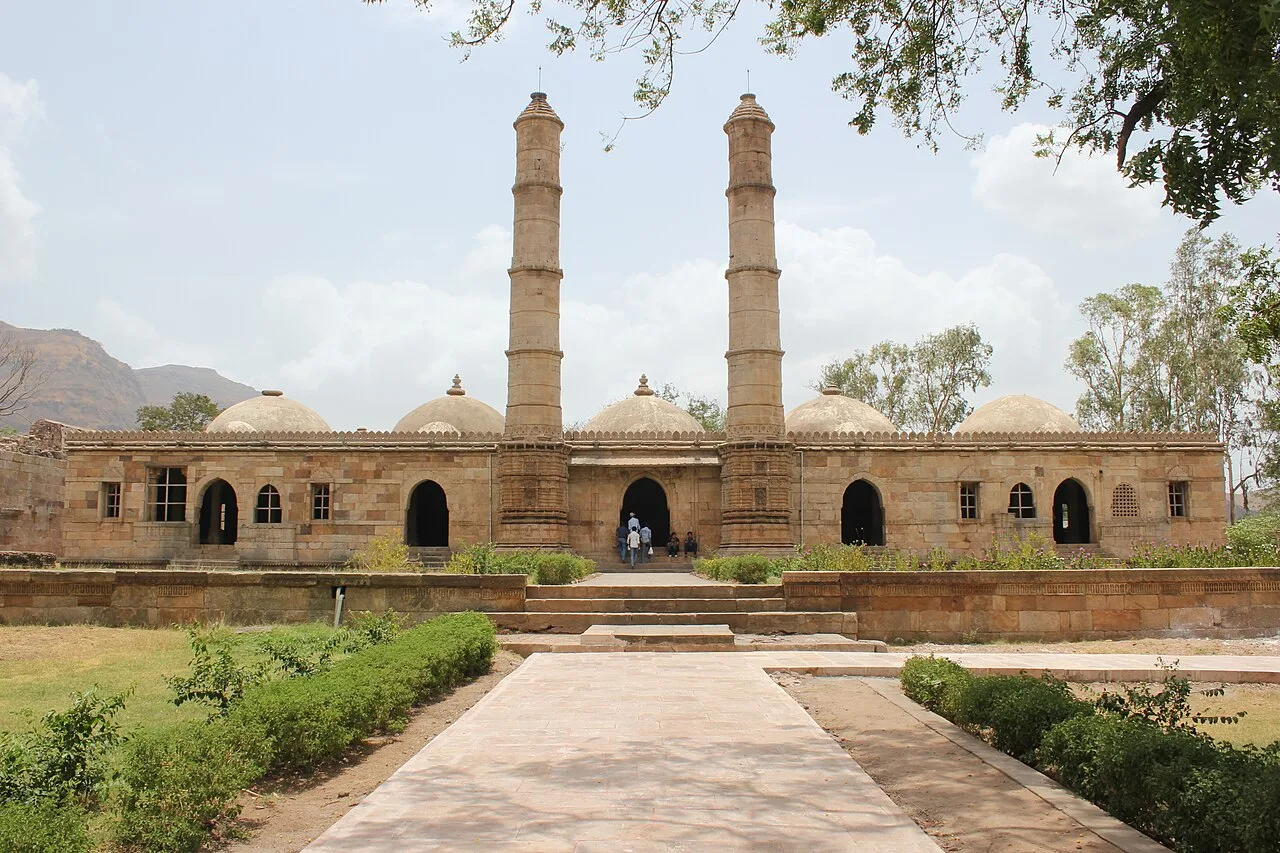
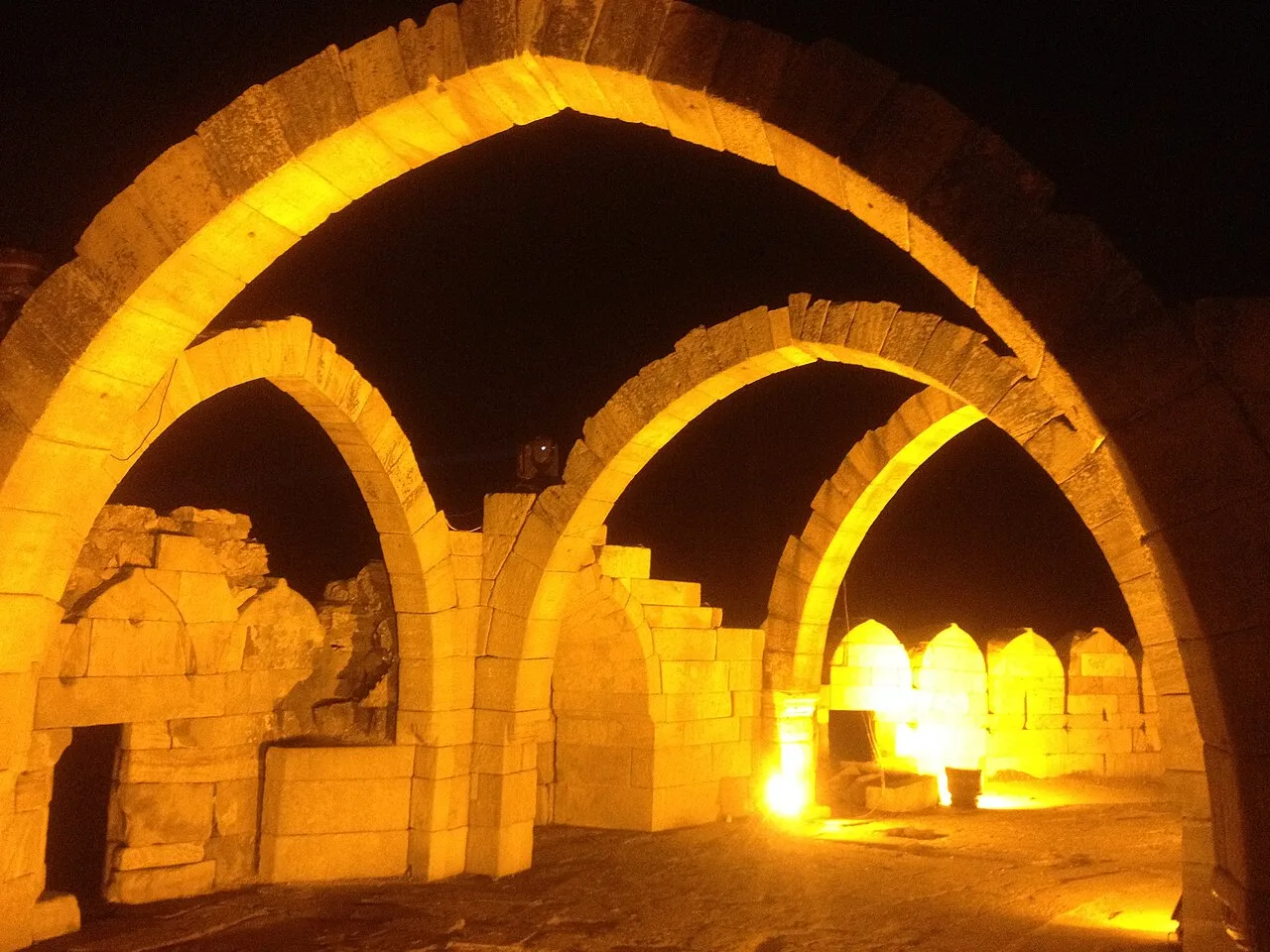
Champaner-Pavagadh Archaeological Park

87 km away · Panchmahal district

Champaner-Pavagadh Archaeological Park

This archaeological park in Gujarat’s Panchmahal district preserves Champaner, Pavagadh’s hill fortress and monuments from several periods. Visitors explore its historic architecture and visit the Kalika Mata Temple.

Pavagadh

90 km away · Panchmahal district

Pavagadh

Pavagadh is a municipal area in Gujarat’s Panchmahal district, about 46 kilometres from Vadodara. Visitors come to see its Mahakali temple and the Champaner-Pavagadh Archaeological Park, a UNESCO World Heritage Site.

Dakor

91 km away · Kheda district

Dakor

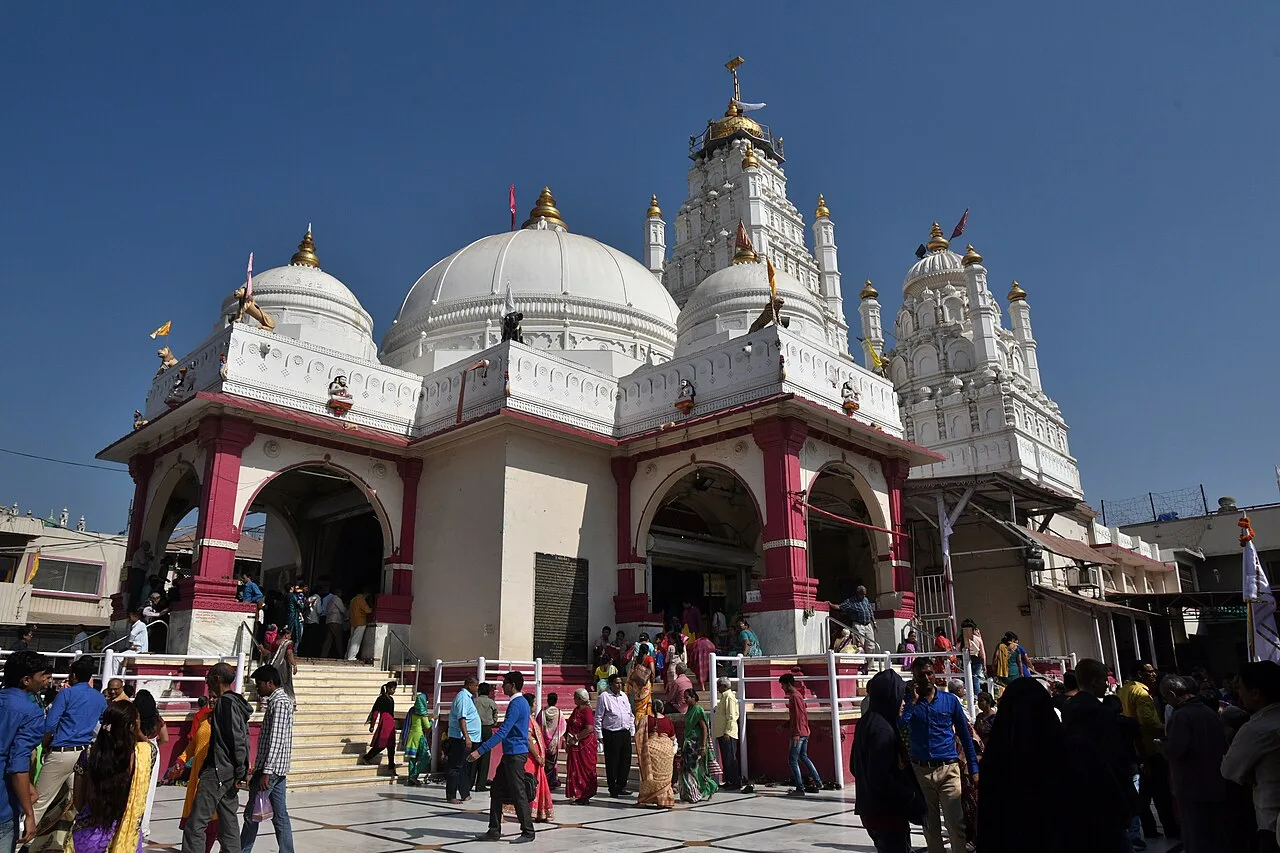
Dakor is a small city and municipality in Gujarat’s Kheda district, known for the temple of Raṇchoḍrāyjī, which draws people to the town.

Polo Forest

109 km away · Sabarkantha district

Polo Forest

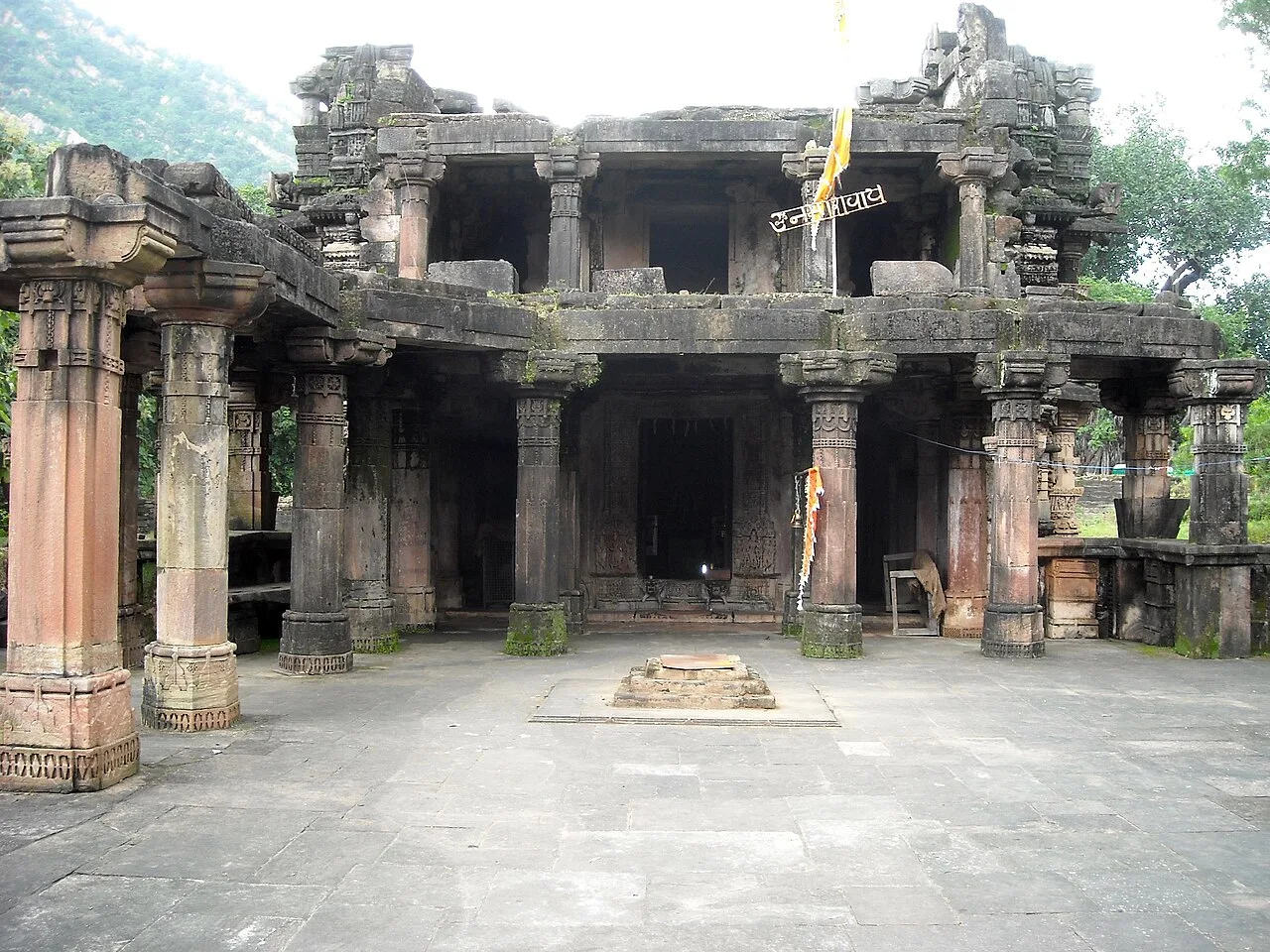
Polo Forest, also called Vijaynagar Forest, is a dry mixed deciduous woodland in Gujarat. Visitors come to explore its extensive forest landscape beside the perennial Harnav River and below the Aravalli foothills.

Sayaji Baug

122 km away · Vadodara district

Sayaji Baug

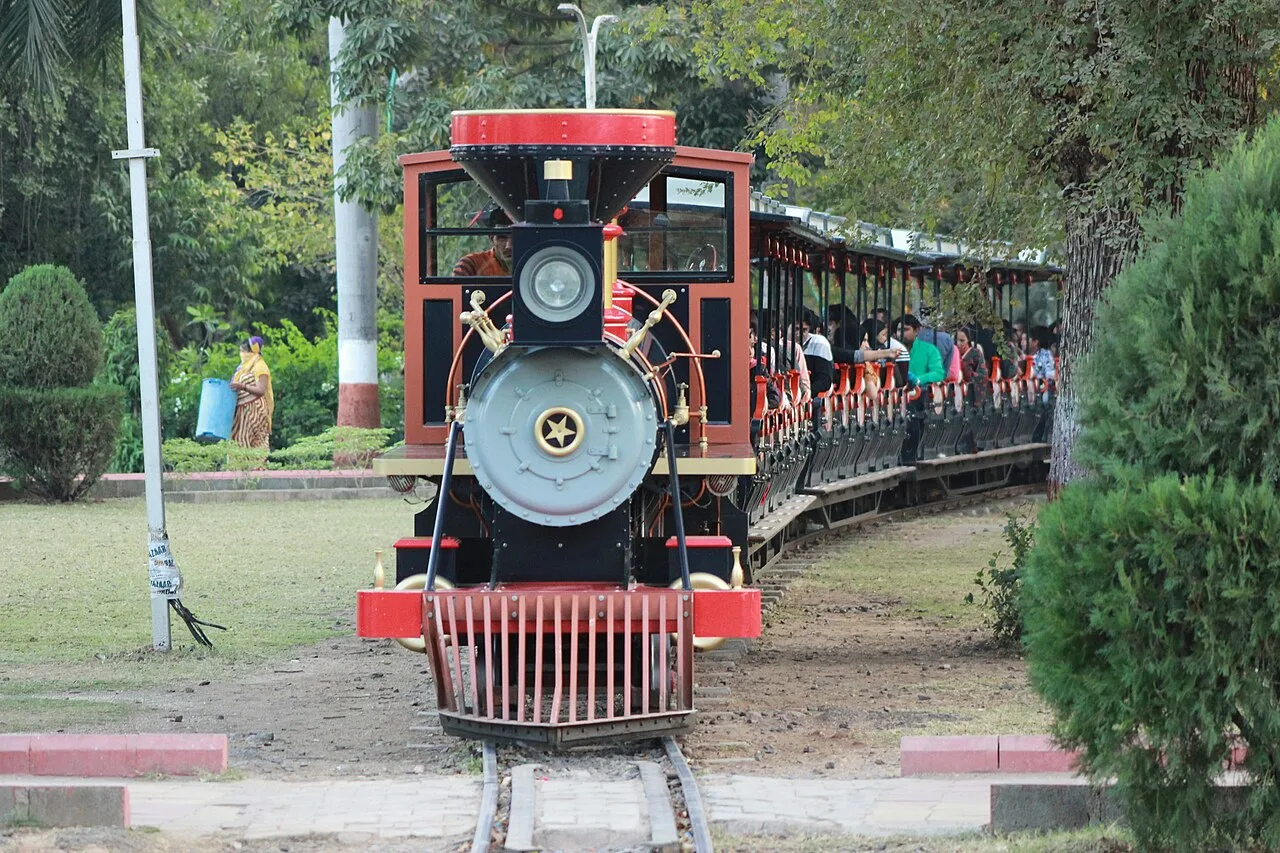
Sayaji Baug, also called Kamati Baug, is a garden in Vadodara, Gujarat, established by Maharaja Sayajirao Gaekwad and visited for recreation and tourism.

Lakshmi Vilas Palace

123 km away · Vadodara district

Lakshmi Vilas Palace

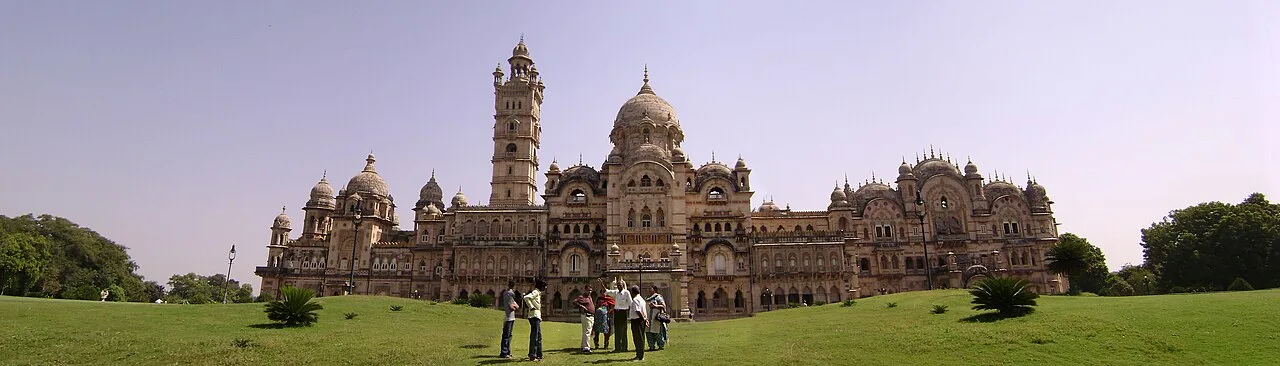
Lakshmi Vilas Palace is a former Gaekwad royal residence in Vadodara, known for its Indo-Saracenic architecture and extensive grounds. People visit to see the palace, its museum and links to the dynasty.

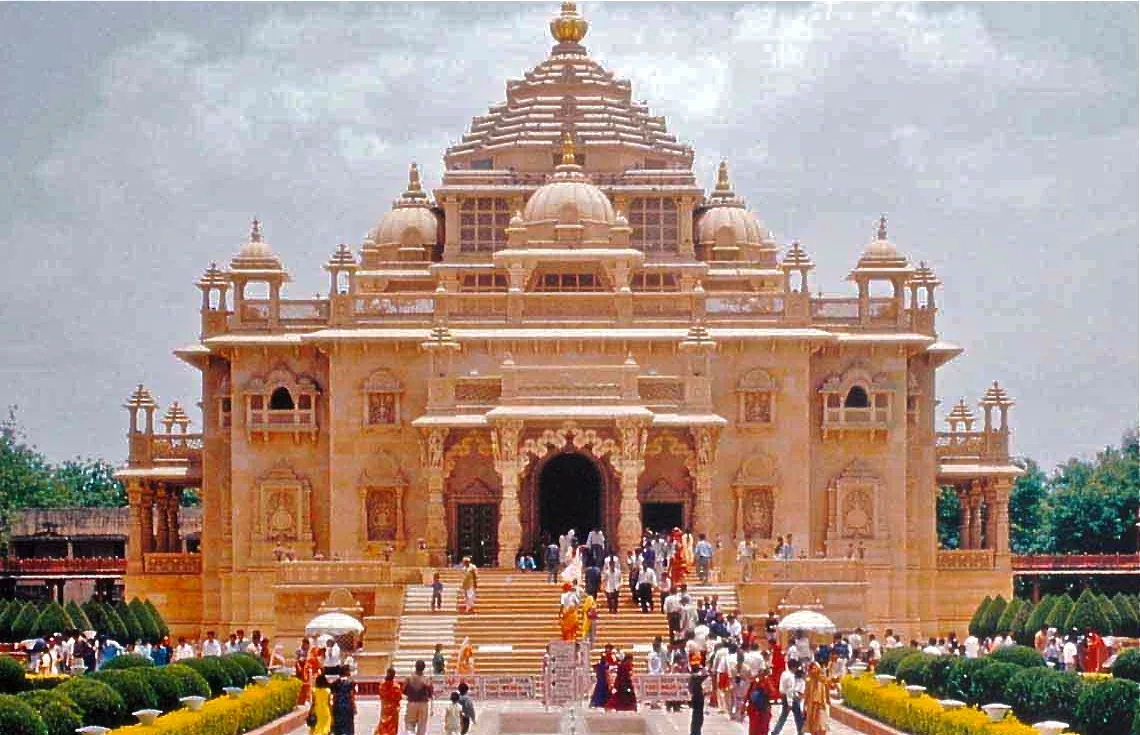
Swaminarayan Akshardham

125 km away · Gandhinagar district

Swaminarayan Akshardham

This Hindu temple complex in Gandhinagar, Gujarat, draws visitors interested in Swaminarayan’s teachings, BAPS traditions and its central shrine built from pink sandstone.

Dada Harir Stepwell

133 km away · Ahmedabad district

Dada Harir Stepwell

Dada Harir Stepwell is a fifteenth-century stepwell in Asarwa, Ahmedabad district, Gujarat. Visitors can see this historic structure about 15 kilometres from Ahmedabad.

Map

Santrampur on the map

  1. 1Champaner-Pavagadh Archaeological Park
  2. 2Pavagadh
  3. 3Dakor
  4. 4Polo Forest
  5. 5Sayaji Baug
  6. 6Lakshmi Vilas Palace
  7. 7Swaminarayan Akshardham
  8. 8Dada Harir Stepwell

Gujarat

Other cities to explore