Ghumoopedia — Explore, Discover, Experience
Sign in
Dakor, near Bayad

City guide · Gujarat

Bayad

Bayad is a town in Gujarat’s Aravalli district and the administrative headquarters of Bayad taluka. Its importance is primarily regional: government offices and everyday services connect the town with surrounding villages, while local shops and businesses support routine trade.

Famous for

  • Bayad taluka headquarters
  • Aravalli district town
  • Regional services and trade

Why Bayad matters

Bayad is a town in Gujarat’s Aravalli district and the administrative headquarters of Bayad taluka. Its importance is primarily regional: government offices and everyday services connect the town with surrounding villages, while local shops and businesses support routine trade. For visitors, Bayad offers a look at a working town in eastern Gujarat rather than a major, purpose-built tourist destination.

The town may serve as a convenient stop for people exploring the district or visiting family and local institutions. Visitors looking for specialist crafts, a famous local product or a major monument should check locally before making a dedicated trip, as these are not established features of Bayad in widely available accounts. Bayad’s clearest distinction is its role as a taluka centre and its place within Aravalli district, which was formed in 2013 from part of the former Sabarkantha district.
Famous for: crafts, trade & products

Bayad is best understood as a local service and trading centre, rather than as a destination associated with a nationally recognised textile, handicraft or GI-tagged product. Shops in town cater mainly to everyday needs and to people from nearby villages.

For practical shopping, visitors can explore the central market and commercial streets for groceries, clothing, household goods and snacks. These are local markets, not specialist craft bazaars, and the choice of goods may vary. Small businesses and service providers reflect Bayad’s role as the headquarters of its taluka. Anyone seeking a particular regional handicraft or product should ask shopkeepers or local residents whether it is made or sold nearby, rather than assuming it is available in town. Bayad’s most clearly established distinction remains administrative and regional: it serves as a hub for the surrounding settlements in Aravalli district.

History

Bayad’s documented modern history is closely tied to changes in district administration. Before Aravalli district was formed in 2013, the town was part of Sabarkantha district; it is now within Aravalli and remains the headquarters of Bayad taluka. This shift placed Bayad within a newer district framework while preserving its local administrative role.

The town’s growth can be understood through that role: offices and services for the taluka, along with shops serving nearby settlements, have helped make it a regional centre. Detailed accounts identifying particular rulers, a distinct princely state or specific colonial-era events in Bayad are not well established in commonly available descriptions, so claims about them should be treated cautiously. Like other parts of Gujarat, the area became part of the state when Gujarat was formed in 1960, but Bayad’s clearest documented administrative milestone is its inclusion in Aravalli district in 2013. Its present-day identity is shaped chiefly by local governance and its connections with surrounding villages.

Food, festivals & culture

Bayad shares the everyday food culture of Gujarati towns in the region. Meals commonly draw on rotli or rotla, vegetables, lentils, rice, khichdi and kadhi; farsan and Indian sweets are also familiar choices. These are regional foods rather than dishes uniquely associated with Bayad, and menus differ between homes and eateries. The town’s shops and food stalls are the most practical places to sample everyday local fare.

Gujarati is the principal language of daily life, and Hindi may also be understood. Navratri, usually in autumn, brings devotional music and garba dancing across Gujarat; Diwali, also in autumn, and Uttarayan, in January, are widely observed. Holi is celebrated in spring. Local religious life includes neighbourhood temples and other places of worship, though no single site is established as a major visitor landmark. For details of community events or services, ask locally, since observances and schedules can vary.

Visiting the city

The cooler months, roughly from November to February, are generally the most comfortable time to visit; summer can be hot, and the monsoon brings rain. Sardar Vallabhbhai Patel International Airport in Ahmedabad is the main air gateway for reaching Bayad. Modasa railway station is a nearby railhead; check current connections before travelling, as onward road transport may be needed.

Within Bayad, the central market and the area around administrative offices are practical places to explore on foot. Local buses, auto-rickshaws or hired vehicles can help with trips between town and nearby settlements, though availability may vary. Bayad is better suited to a short regional visit than to a landmark-focused sightseeing itinerary. Confirm onward transport locally, especially if travelling beyond the town.

Trips from the city

Nearest places to visit from Bayad

Our closest destination guides, by straight-line distance.

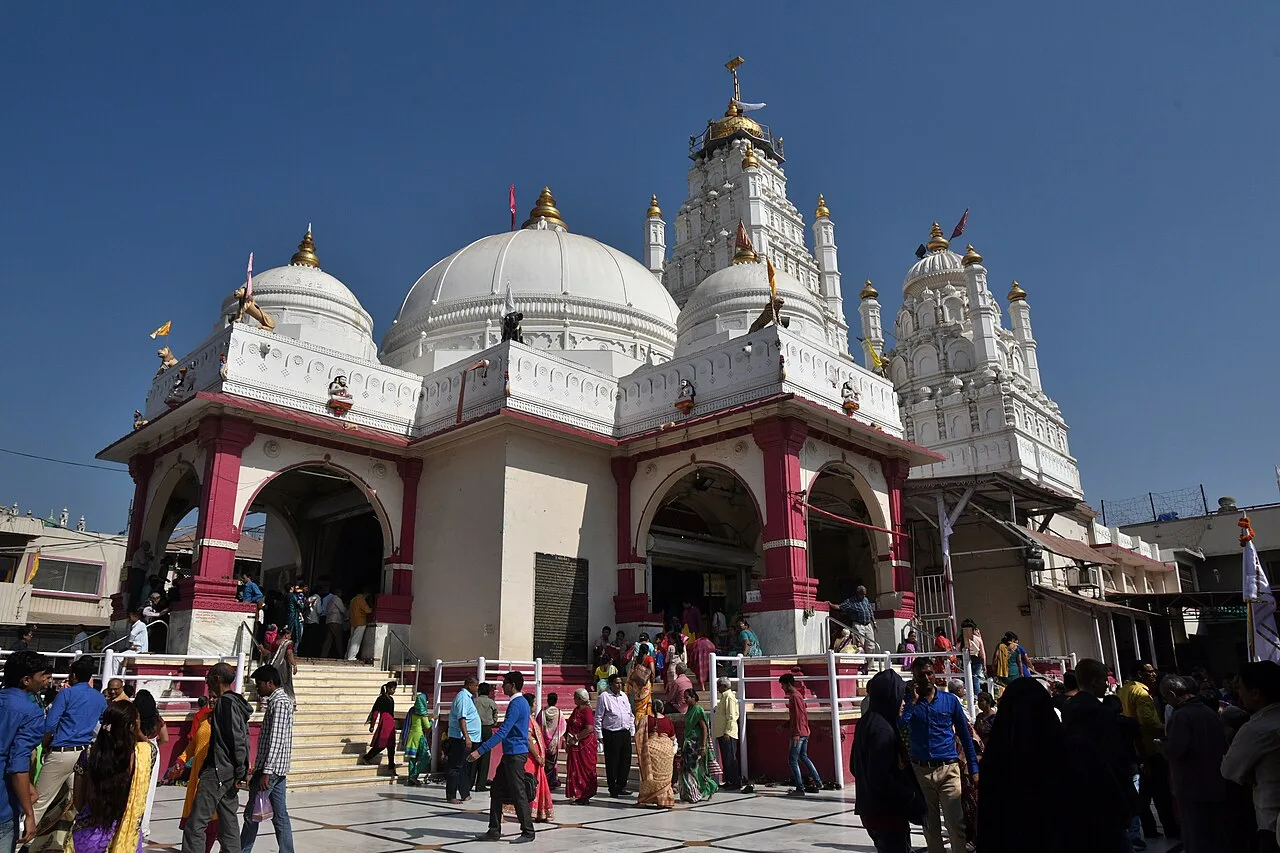
Dakor

53 km away · Kheda district

Dakor

Dakor is a small city and municipality in Gujarat’s Kheda district, known for the temple of Raṇchoḍrāyjī, which draws people to the town.

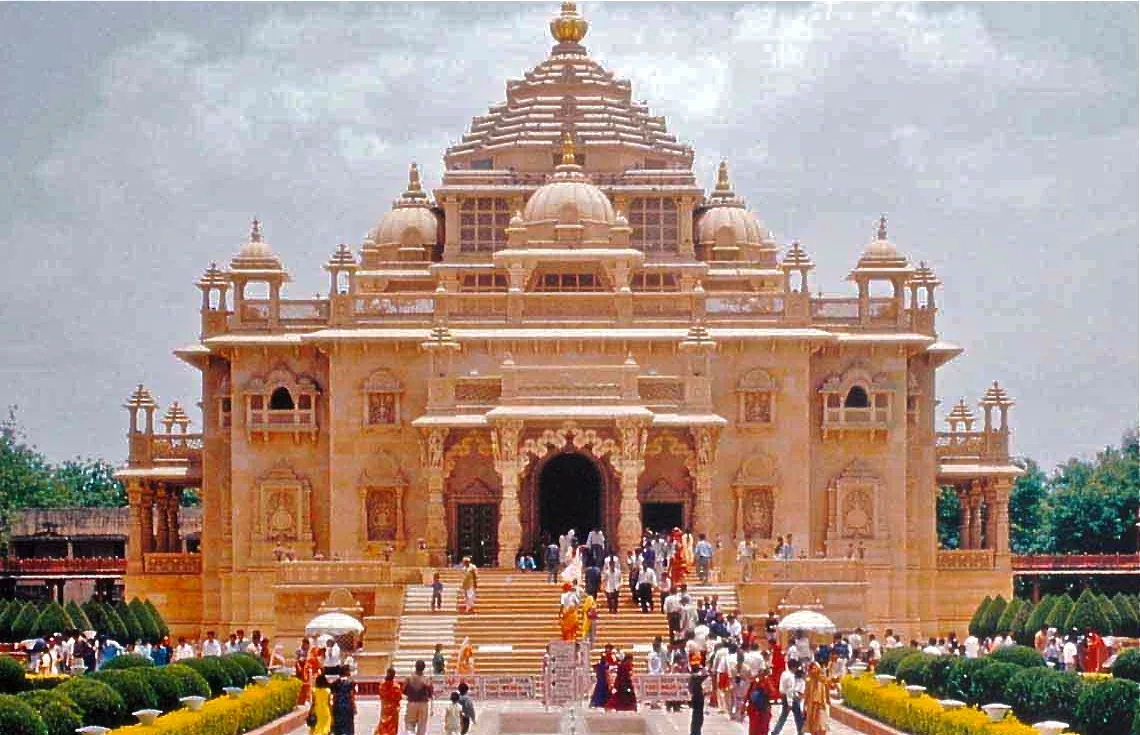
Swaminarayan Akshardham

55 km away · Gandhinagar district

Swaminarayan Akshardham

This Hindu temple complex in Gandhinagar, Gujarat, draws visitors interested in Swaminarayan’s teachings, BAPS traditions and its central shrine built from pink sandstone.

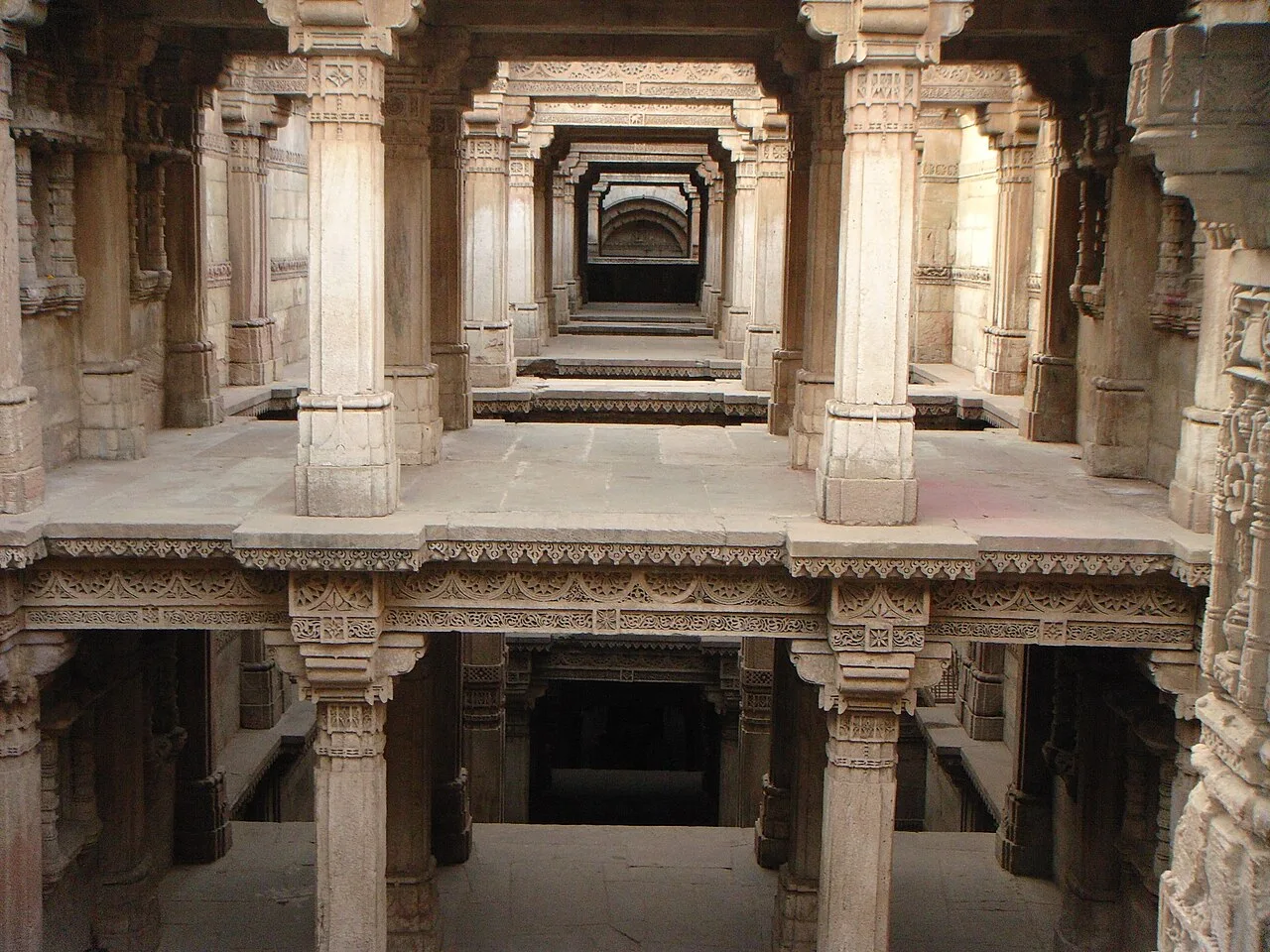
Adalaj Stepwell

65 km away · Gandhinagar district

Adalaj Stepwell

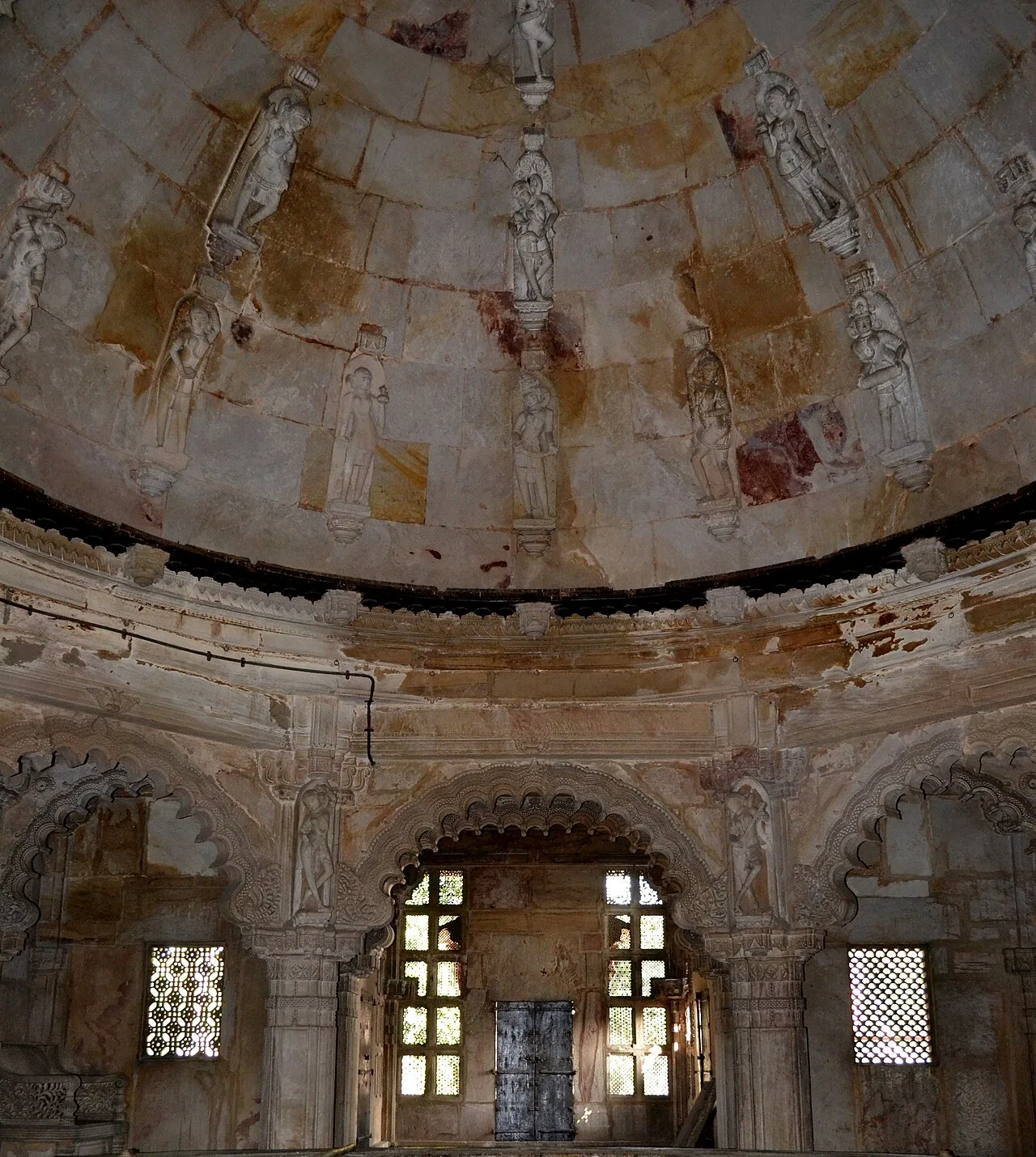
Adalaj Stepwell, also known as Rudabai Stepwell, is a sandstone structure in Gujarat’s Gandhinagar district. Visitors come to see its Solanki-style design and its connection to Rana Veer Singh.

Calico Museum of Textiles

66 km away · Ahmedabad district

Calico Museum of Textiles

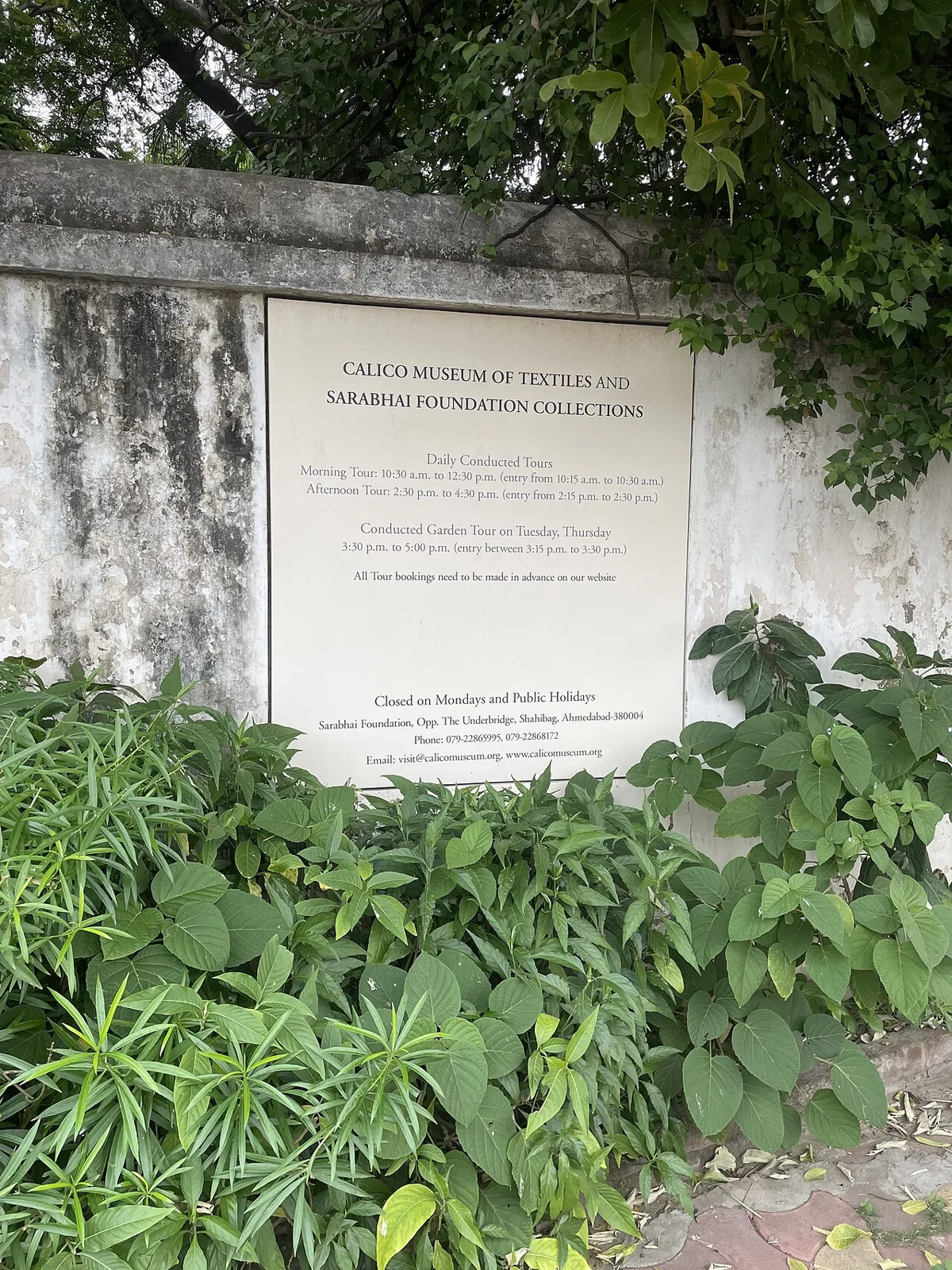
The Calico Museum of Textiles is a textile museum in Ahmedabad, Gujarat. Visitors come to see and learn about textiles at this institution, which is managed by the Sarabhai Foundation.

Dada Harir Stepwell

66 km away · Ahmedabad district

Dada Harir Stepwell

Dada Harir Stepwell is a fifteenth-century stepwell in Asarwa, Ahmedabad district, Gujarat. Visitors can see this historic structure about 15 kilometres from Ahmedabad.

Hutheesing Jain Temple

67 km away · Ahmedabad district

Hutheesing Jain Temple

Ahmedabad's Hutheesing Jain Temple, in Gujarat, is a place of Jain worship built by the Hutheesing family in 1848. Visitors can see its blend of Maru-Gurjara temple design and haveli features.

Kankaria Lake

67 km away · Ahmedabad district

Kankaria Lake

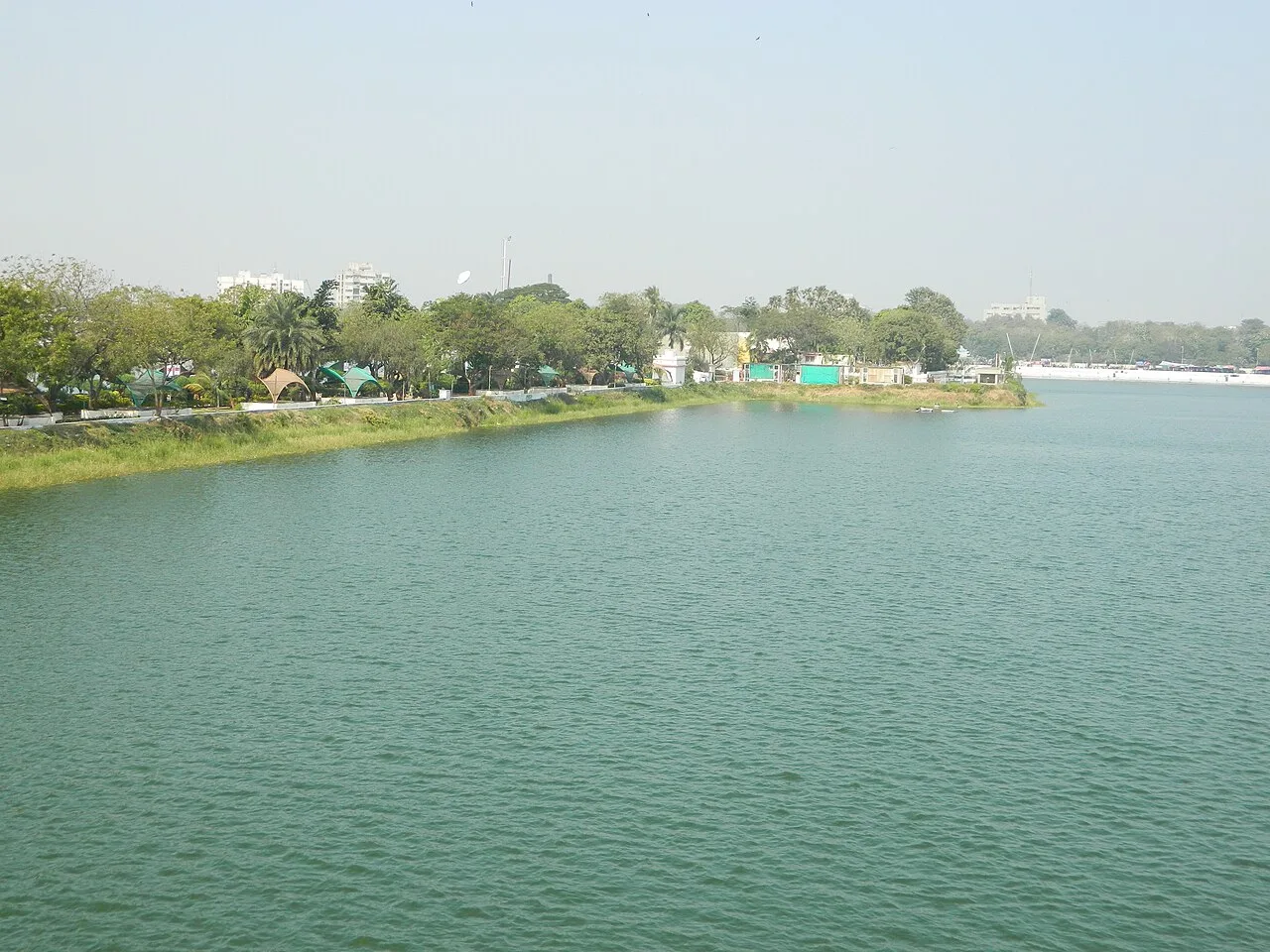
Kankaria Lake is Ahmedabad’s largest lake, situated in Maninagar. Visitors come for its leisure attractions and the cultural, artistic and social programme of the Kankaria Carnival.

Sabarmati Ashram

67 km away · Ahmedabad district

Sabarmati Ashram

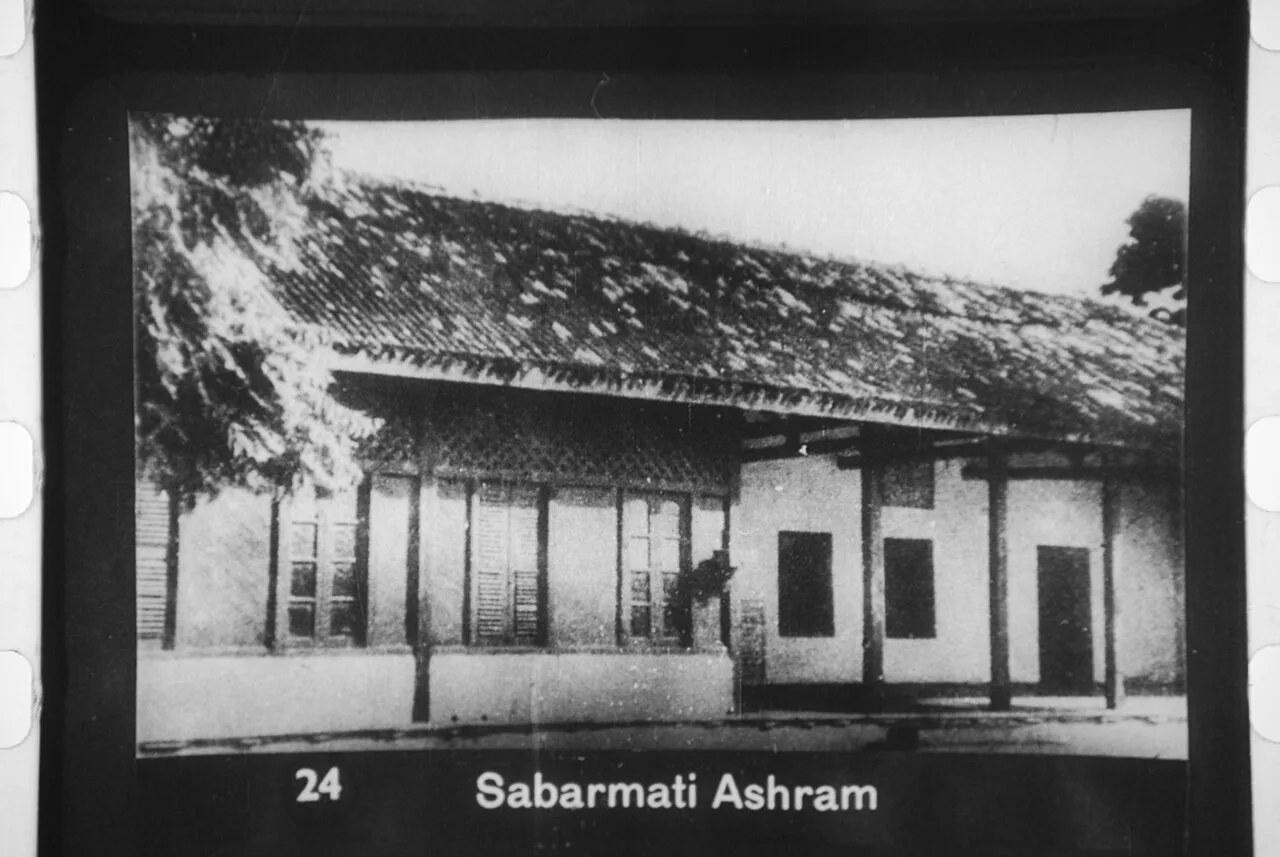
Sabarmati Ashram, in Ahmedabad, is one of Mahatma Gandhi’s former homes and is now a national monument. Visitors come for its links with Gandhi and the Dandi March.

Map

Bayad on the map

  1. 1Dakor
  2. 2Swaminarayan Akshardham
  3. 3Adalaj Stepwell
  4. 4Calico Museum of Textiles
  5. 5Dada Harir Stepwell
  6. 6Hutheesing Jain Temple
  7. 7Kankaria Lake
  8. 8Sabarmati Ashram

Gujarat

Other cities to explore