Ghumoopedia — Explore, Discover, Experience
Sign in
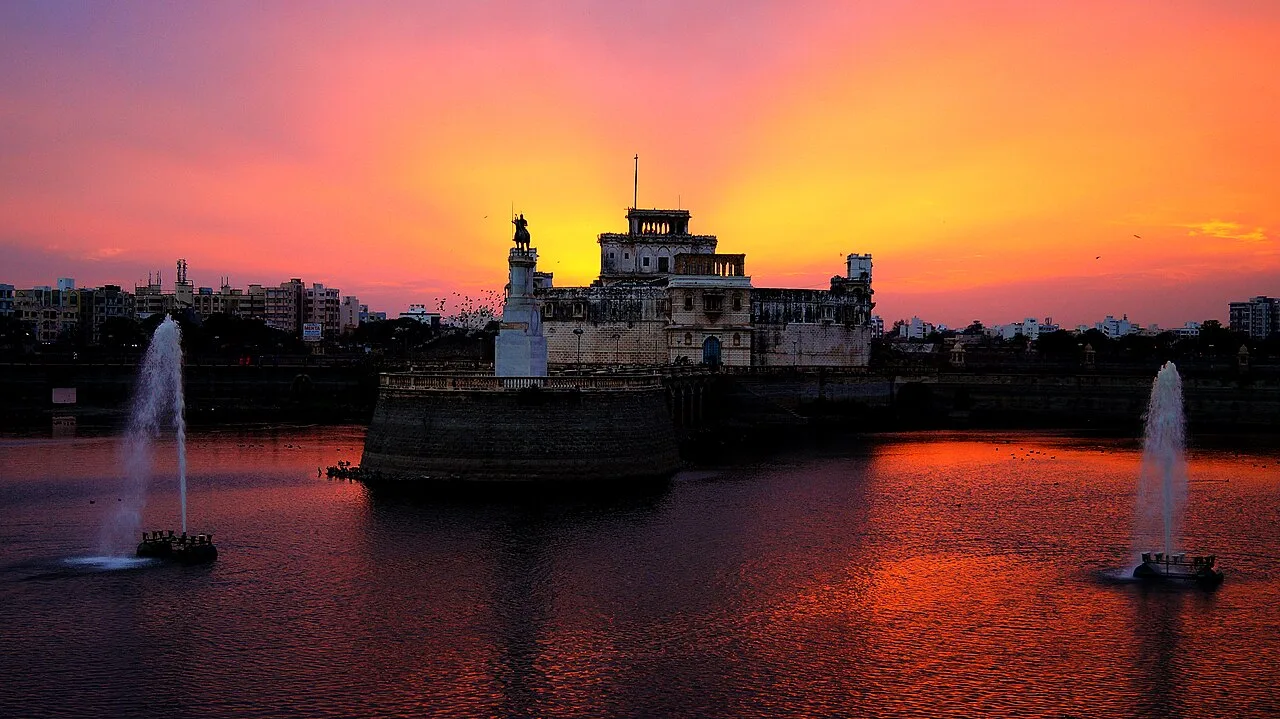
Lakhota Lake, near Jodia

City guide · Gujarat

Jodia

Jodia, also spelled Jodiya, is a coastal town in Jamnagar district, in the Saurashtra region of Gujarat. Its identity is closely tied to its port: Jodia was a recognised harbour before India’s independence, and port activity remained significant in later decades.

Famous for

  • Historic Jodia Port
  • Gunatitanand Swami’s birthplace
  • Clothing and fish markets
  • Balachadi Sainik School
  • Planned seawater desalination

Why Jodia matters

Jodia, also spelled Jodiya, is a coastal town in Jamnagar district, in the Saurashtra region of Gujarat. Its identity is closely tied to its port: Jodia was a recognised harbour before India’s independence, and port activity remained significant in later decades. The town’s markets and coastal setting give it a role in local trade, while its religious associations make it of interest to visitors exploring the wider region. Jodia is known as the birthplace of Gunatitanand Swami, an important figure in the Swaminarayan tradition.

Today, Jodia’s importance also lies in regional infrastructure and development plans. The Amritsar–Jamnagar Economic Corridor passes through the subdivision, and proposals have included a large seawater desalination plant and renewed rail links. These projects reflect the area’s potential in transport and water supply, though plans should not be confused with completed facilities. Visitors can explore the town’s markets and port setting, or use Jodia as a stop while travelling around Jamnagar district. Balachadi, known for its Sainik School, is another point of interest in the surrounding area.
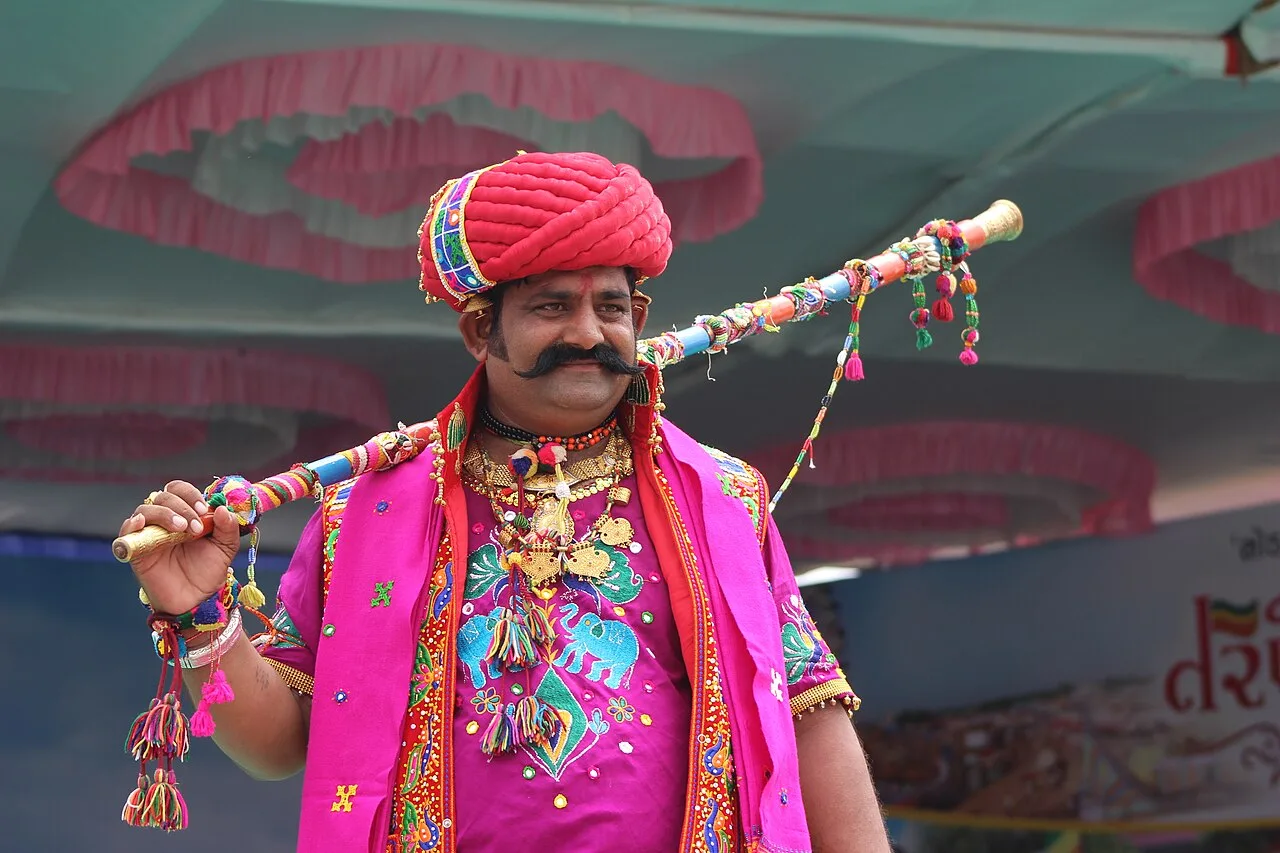
Famous for: crafts, trade & products

Jodia’s best-known commercial stops are its clothing and fish markets. The clothing market serves everyday local needs, while the fish market reflects the town’s coastal setting and links to maritime trade. Visitors looking for locally sold goods can start in the market area and ask shopkeepers about seasonal stock. The town is not especially identified with a named textile tradition, handicraft, or GI-tagged product, so it is better approached as a local trading centre than as a specialist craft-shopping destination.

The port is central to Jodia’s commercial identity, although its former prominence should not be taken to mean that all historic port facilities remain active or open to visitors. A proposed 100-million-litre-per-day seawater desalination plant was intended to supply parts of Gujarat’s water grid, including Jamnagar, Rajkot and Morbi, but it is a development proposal rather than a visitor attraction. Regional transport plans have also focused on restoring rail connectivity. Balachadi Sainik School is a notable institution nearby; access to school grounds may be restricted, so visitors should check before planning a visit.

History

Jodia’s history is shaped by its position on the Gulf of Kutch coast. Before India became independent in 1947, it was known as a port, linking the settlement to maritime movement and trade. The surrounding region was associated with the princely state of Nawanagar, whose centre was at present-day Jamnagar. Jodia’s port continued to be active in later decades, with activity reported as especially strong in the 1980s.

Railways once connected the port with the hinterland. The Jodia Port railway connection ended in 1978, and proposals in more recent years have considered reviving the Hadmatiya–Dhrol–Jodia line as well as building a Jamnagar–Jodia line. These remain part of broader plans rather than a description of current passenger services. Modern development proposals have also included a major seawater desalination facility at the port, intended to contribute to water supplies across parts of Gujarat. The economic corridor passing through the subdivision adds to Jodia’s contemporary regional significance.

Food, festivals & culture

Gujarati is the main language of daily life in Jodia; Hindi may also be useful to visitors. Local food reflects the wider Saurashtra and Gujarati traditions, with home-style meals, breads, vegetable dishes, snacks and sweets found in the town’s eateries and shops. As a coastal settlement, Jodia also has a fish market, though the availability and variety of seafood can change. Ask locally about what is fresh rather than expecting a particular dish to be served everywhere.

Navratri, usually in autumn, is marked across Gujarat with devotional music, garba and dandiya dancing. Diwali, generally in autumn, and Janmashtami, usually in late summer, are also widely observed in the region. Religious life includes Hindu places of worship and the Swaminarayan tradition, with Jodia’s association with Gunatitanand Swami giving the town particular devotional significance. For a respectful visit, ask residents about local worship sites and customs; specific venues and public access can vary.

Visiting the city

The cooler months, roughly November to February, are generally the most comfortable time to visit Jodia. Jamnagar Airport is the nearest airport commonly used for the area, and Jamnagar railway station is the main rail access point for onward road travel. Jodia itself has no current port railway service; historic rail links and proposed revival plans are not operating passenger connections.

Local travel is best arranged by road, using a hired car or taxi from Jamnagar or nearby towns. In Jodia, explore the market area and ask locally about access around the port. Balachadi is a nearby point of interest, but the Sainik School is an institution rather than a standard tourist attraction, and entry may be restricted. Check road conditions and facility access before setting out.

Trips from the city

Nearest places to visit from Jodia

Our closest destination guides, by straight-line distance.

Lakhota Lake

36 km away · Jamnagar district

Lakhota Lake

Lakhota Lake is an artificial lake in central Jamnagar, Gujarat, also known as Lakhota Talav and Ranmal Lake. Visitors come to see Lakhota Fort, which stands on an island in the water.

Watson Museum

71 km away · Rajkot district

Watson Museum

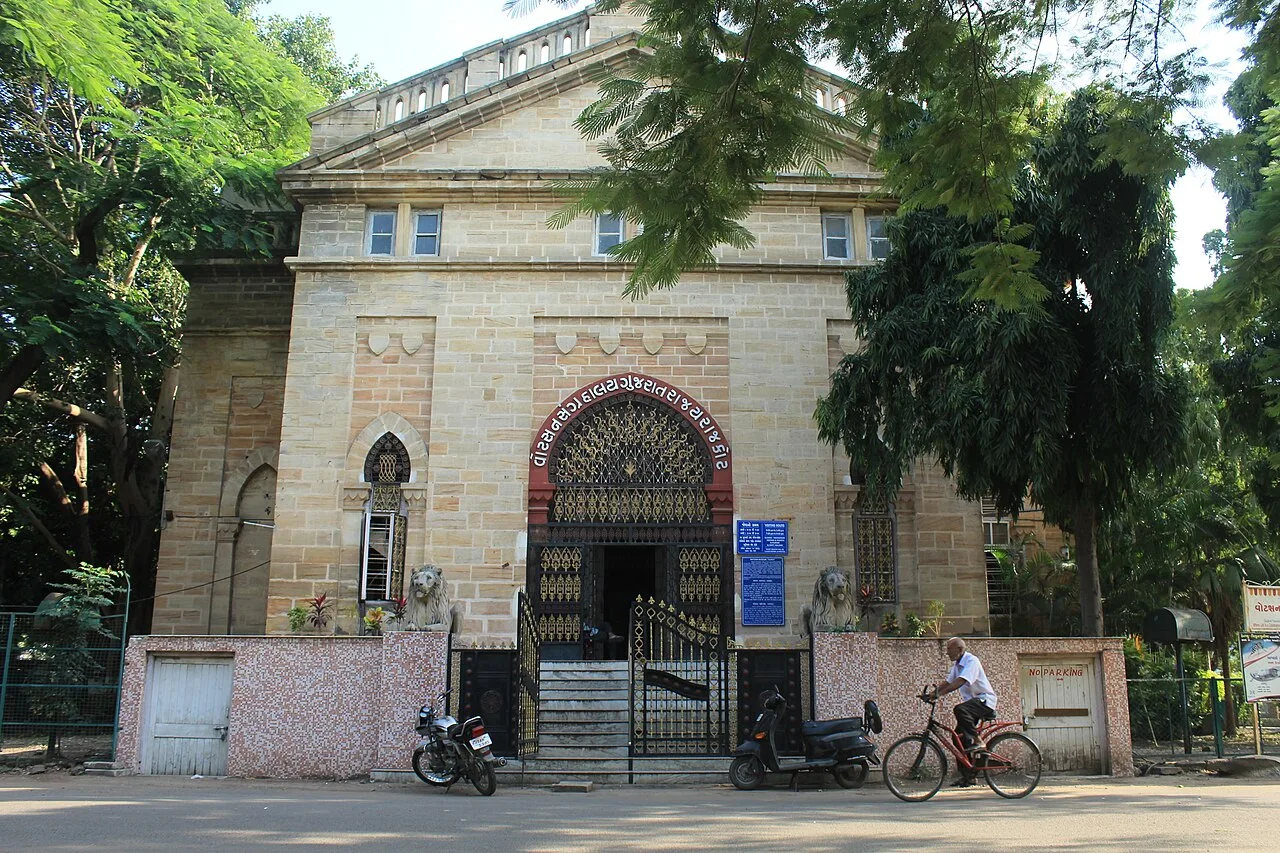
Watson Museum in Rajkot district displays objects connected with the former princely State of Rajkot. Visitors can also see photographs and artefacts, consult its reference library, and find museum publications at the sales counter.

Marine National Park

74 km away · Jamnagar district

Marine National Park

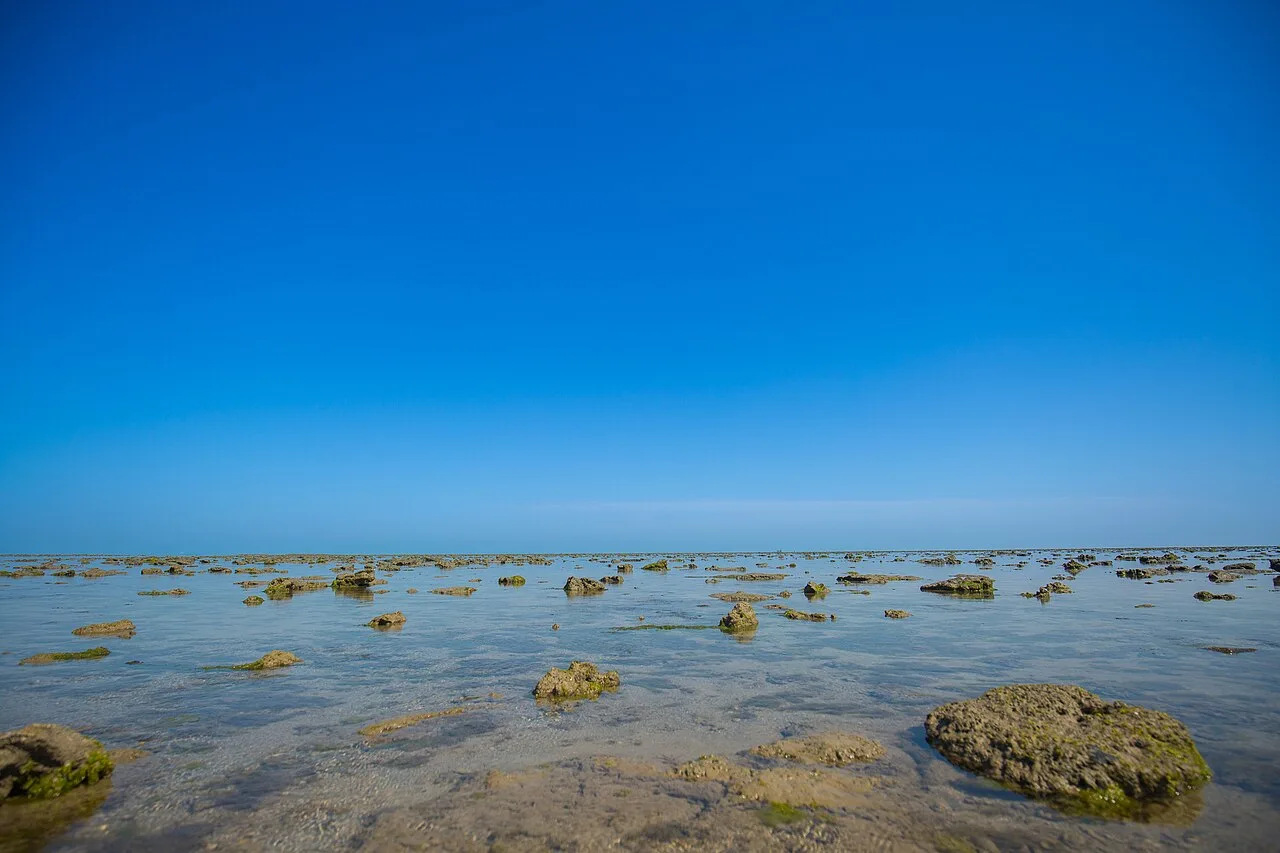
The Marine National Park is a protected marine area in Gujarat’s Gulf of Kutch. Visitors come to encounter its reef-fringed islands and the coral and mangrove environments it conserves.

Bhuj

86 km away · Kutch district

Bhuj

Bhuj is a city and administrative centre in Gujarat’s Kutch district. Visitors interested in Kutch’s past may come to learn about its former role as the capital of Kutch State.

Aina Mahal

87 km away · Kutch district

Aina Mahal

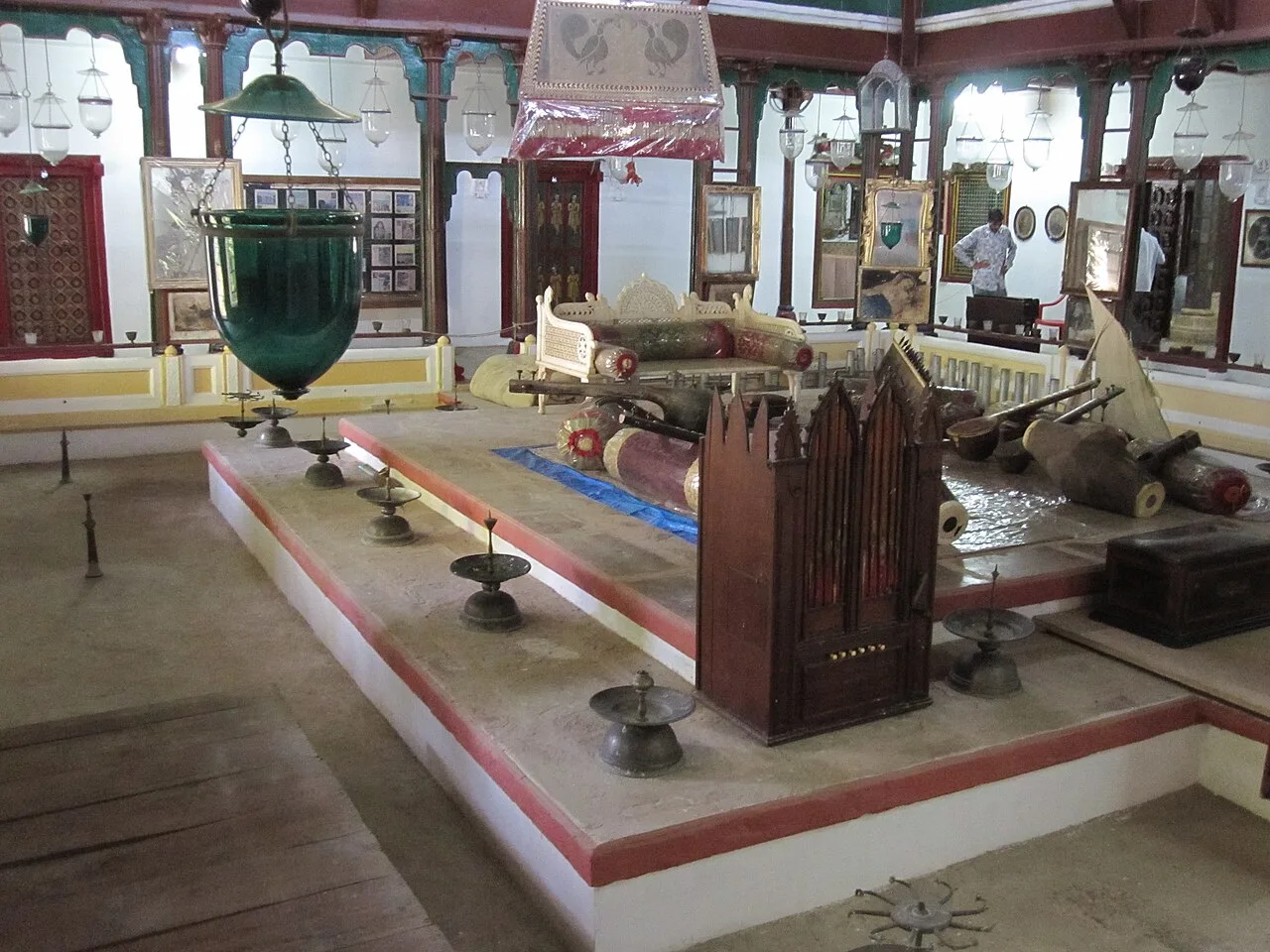
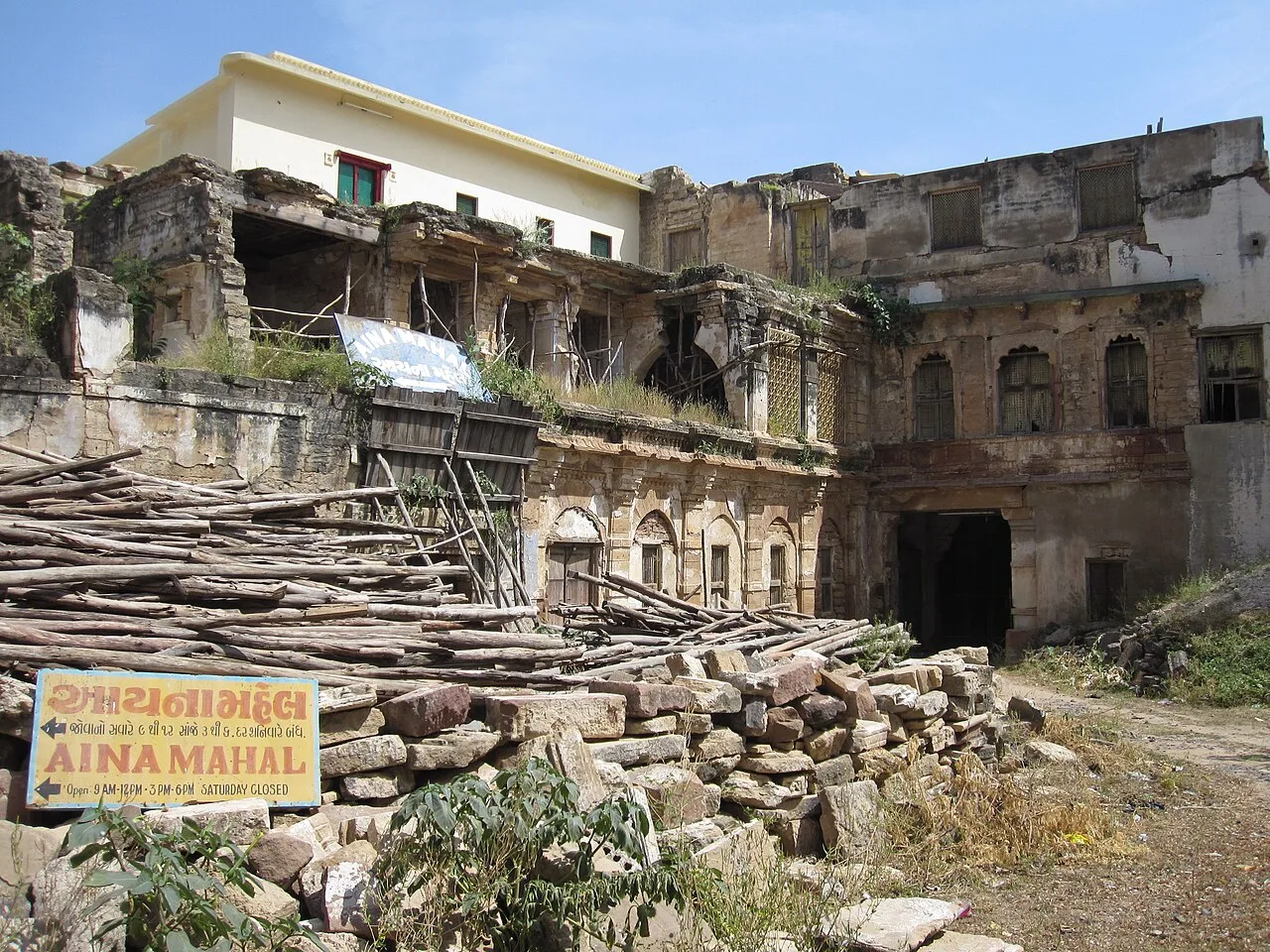
Aina Mahal is an eighteenth-century palace beside Prag Mahal in Bhuj, Gujarat. Visitors explore its historic interiors and museum collection, which includes clocks, mechanical toys and paintings.

Prag Mahal

87 km away · Kutch district

Prag Mahal

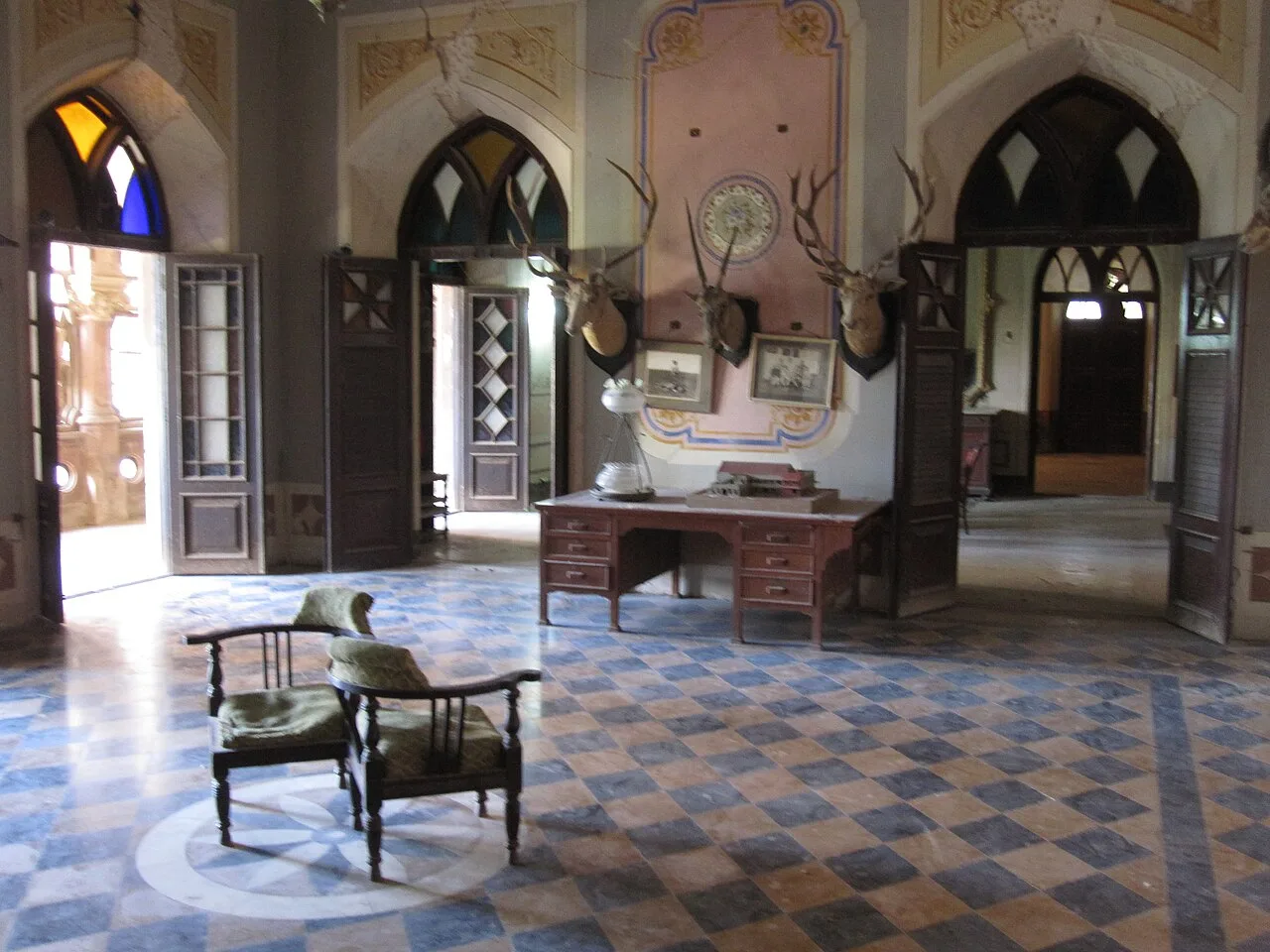
Prag Mahal is a nineteenth-century palace in Bhuj, in Gujarat’s Kutch district, adjoining Aina Mahal. Visitors can see the palace and its position beside its neighbour.

Mandvi

96 km away · Kutch district

Mandvi

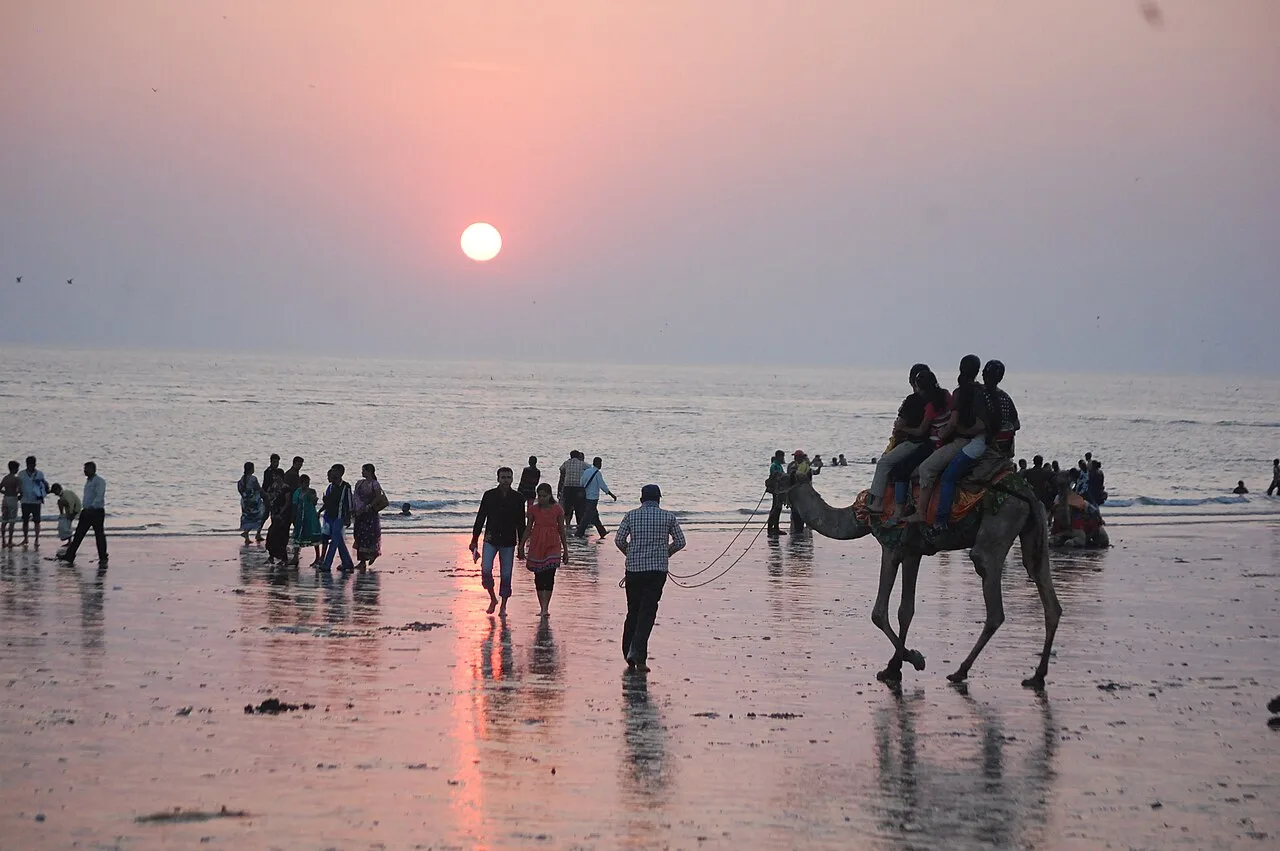
Mandvi is a coastal municipal town in Gujarat’s Kachchh district, drawing visitors for its beach, remains of old fortifications and centuries-old shipbuilding tradition.

Tarnetar

96 km away · Surendranagar district

Tarnetar

Tarnetar is a village in Gujarat’s Surendranagar district, close to Thangadh. Visitors in the vicinity can include it in their travels around the nearby city.

Map

Jodia on the map

  1. 1Lakhota Lake
  2. 2Watson Museum
  3. 3Marine National Park
  4. 4Bhuj
  5. 5Aina Mahal
  6. 6Prag Mahal
  7. 7Mandvi
  8. 8Tarnetar

Gujarat

Other cities to explore