Ghumoopedia — Explore, Discover, Experience
Sign in
Tarnetar, near Morbi

City guide · Gujarat

Morbi

Morbi is an industrial and historic city on the Kathiawar peninsula in Gujarat, set along the Machhu River. It is best known today as one of India’s major centres for ceramic production: tiles, sanitaryware and related products made here reach markets across the country and overseas.

Famous for

  • Ceramic tiles and sanitaryware
  • Morbi princely architecture
  • Mani Mandir
  • Machhu River heritage
  • Clock manufacturing

Why Morbi matters

Morbi is an industrial and historic city on the Kathiawar peninsula in Gujarat, set along the Machhu River. It is best known today as one of India’s major centres for ceramic production: tiles, sanitaryware and related products made here reach markets across the country and overseas. The industry gives Morbi an important role in Gujarat’s manufacturing economy and shapes the city’s busy commercial landscape.

Visitors find a different side of Morbi in its former princely capital architecture. The Darbargadh, Mani Mandir and other historic buildings reflect the town’s royal past, while the river and the site of its celebrated suspension bridge are reminders of its distinctive setting. Morbi can be a useful stop for travellers exploring the region, as well as for those interested in ceramics and manufacturing. In January 2025, the city was upgraded from a municipality to a municipal corporation, reflecting its growth and expanding civic needs.
Famous for: crafts, trade & products

Morbi’s signature products are ceramic tiles, vitrified tiles and sanitaryware. The city has a large concentration of ceramic manufacturers, with factories and industrial estates on its outskirts and tile showrooms and dealers along major approach roads. Visitors interested in the trade can see product displays at local showrooms; factory visits should be arranged directly with businesses. Morbi also has a history of clock manufacturing. It is not especially known for a particular saree tradition or a widely recognised GI-tagged craft, and its strongest product identity is industrial ceramics rather than handloom textiles.

Local markets serve everyday shopping needs, including clothing, household goods and Gujarati snacks, while ceramic dealers cater to buyers and trade visitors. The city’s historic buildings are its most visible cultural heritage, rather than a large specialised handicraft market. For a sense of how Morbi’s economy works, the contrast between the commercial streets in town and the manufacturing zones beyond the centre is notable. Product availability and access to factories can vary, so visitors seeking particular tiles or a factory tour should confirm arrangements locally.

History

Morbi’s origins as a princely state are traced to around 1698, when it was founded by Jadeja ruler Kayoji Ravaji. It later became the capital of Morvi State, ruled by a branch of the Jadeja family. In the late princely period, rulers including Waghji Thakor shaped the town with public works and buildings that combined Indian and European architectural influences. The Darbargadh, Mani Mandir and historic river crossings remain reminders of this era.

During British rule, Morvi was a princely state under British paramountcy rather than a directly administered district. The state ended in 1948, when it joined the new Indian Union. In the decades after independence, Morbi’s manufacturing base expanded, especially in ceramics, transforming it into a nationally significant production centre. Its growth has brought new demands for transport, services and urban planning. In January 2025, Gujarat upgraded Morbi from a municipality to a municipal corporation, a change intended to support local administration as the city continues to grow.

Food, festivals & culture

Morbi shares the food traditions of Saurashtra and wider Gujarat. Gujarati thalis and Kathiawadi dishes are common, including bajra rotla, vegetable preparations, khichdi and kadhi. Fafda, jalebi and other sweets or savoury snacks are easy to find in local food shops. Recipes and menus vary between restaurants, so the city is best approached as a place to sample regional Gujarati cooking rather than one with a single defining dish.

Gujarati is the main local language; Hindi is also widely understood, and some residents speak Kutchi. Navratri, usually in autumn, brings evenings of garba and community celebrations. Diwali, Uttarayan in January, Holi in spring and Janmashtami are also observed. Gujarati folk forms such as garba and dayro are part of the wider regional cultural scene. Hindu temples, including the distinctive Mani Mandir, are among the city’s notable places of worship; Jain and Muslim communities also contribute to Morbi’s religious life. Visitors should dress respectfully and follow local customs at religious sites.

Visiting the city

October to February is generally the most comfortable season to visit, with cooler conditions than the hot summer months. Morbi is served by Morbi railway station. The nearest major airport is Rajkot International Airport at Hirasar; onward travel to the city is by road. Auto-rickshaws and taxis are useful for getting around, while local transport options can be checked on arrival.

Begin in the central heritage area around Darbargadh, Mani Mandir and Green Chowk, then explore the Machhu River setting and the historic suspension bridge site. Access to individual heritage sites may change, so check locally before making a special trip. Ceramic showrooms and industrial zones on the city’s outskirts offer a look at Morbi’s contemporary identity; arrange any factory visit in advance. The town centre is convenient for food and everyday shopping.

Trips from the city

Nearest places to visit from Morbi

Our closest destination guides, by straight-line distance.

Tarnetar

43 km away · Surendranagar district

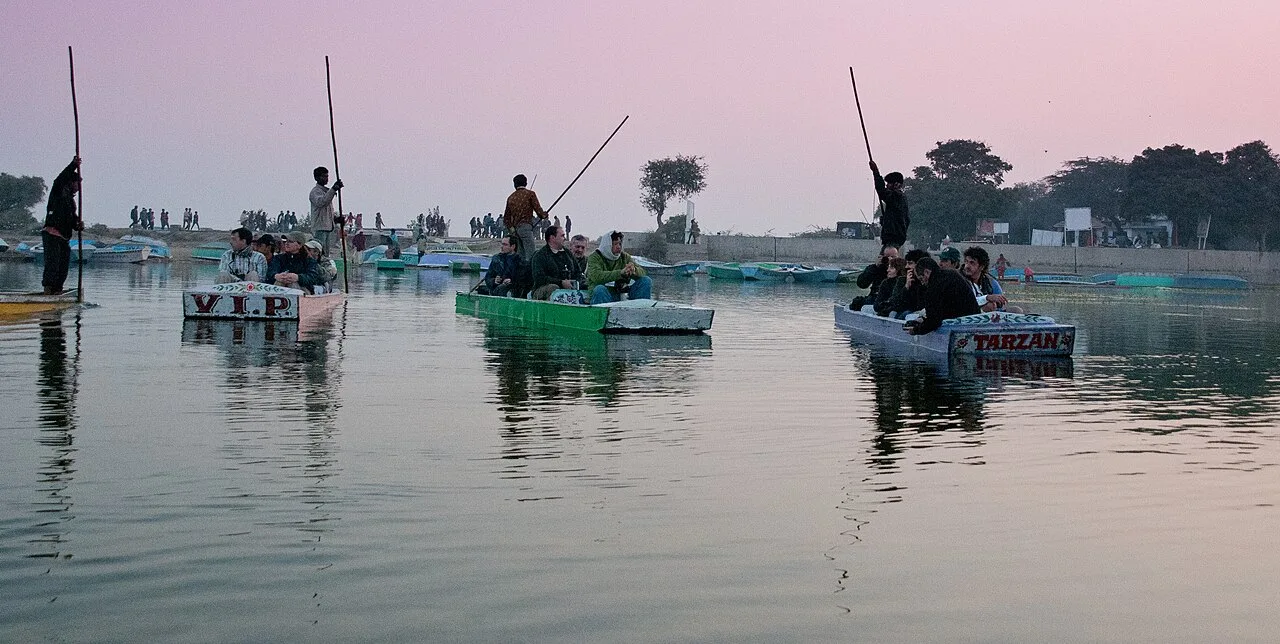
Tarnetar

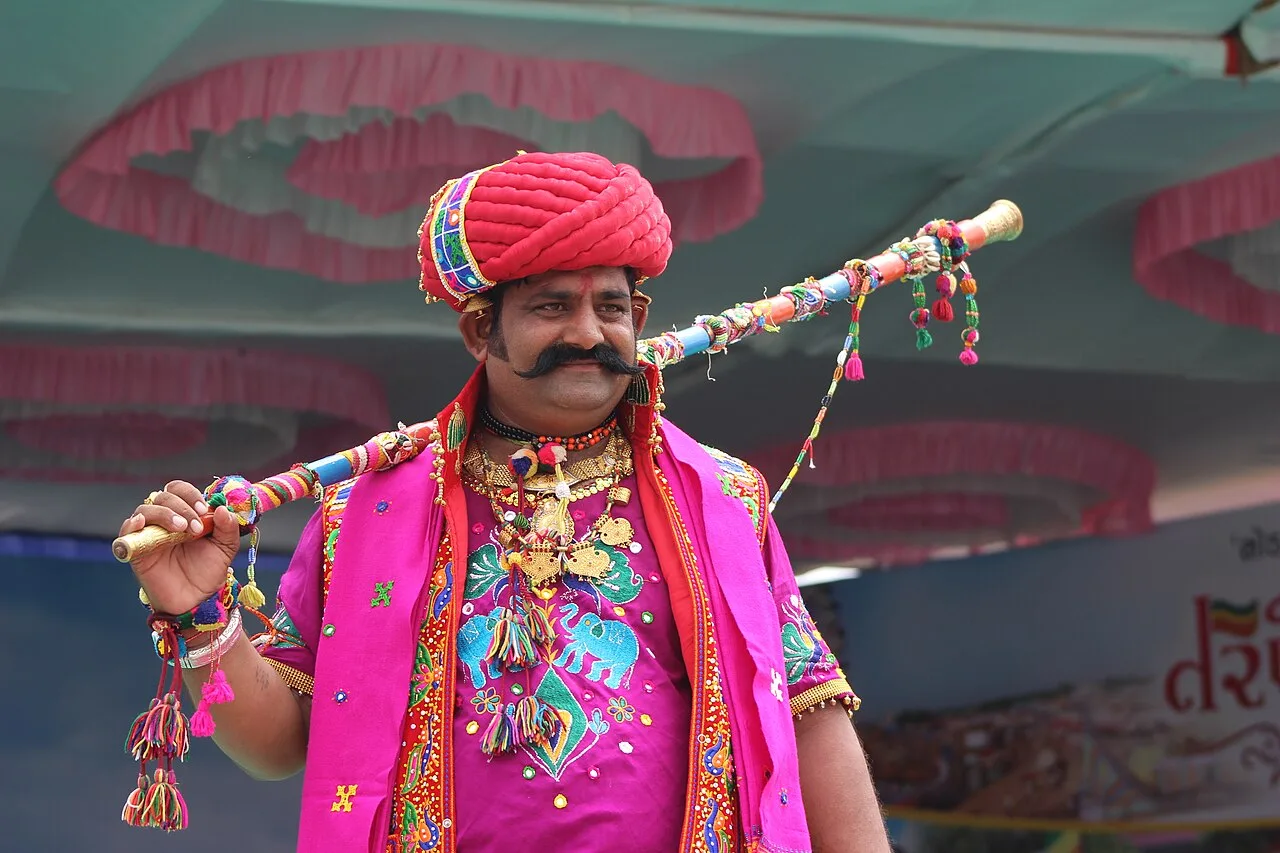
Tarnetar is a village in Gujarat’s Surendranagar district, close to Thangadh. Visitors in the vicinity can include it in their travels around the nearby city.

Watson Museum

58 km away · Rajkot district

Watson Museum

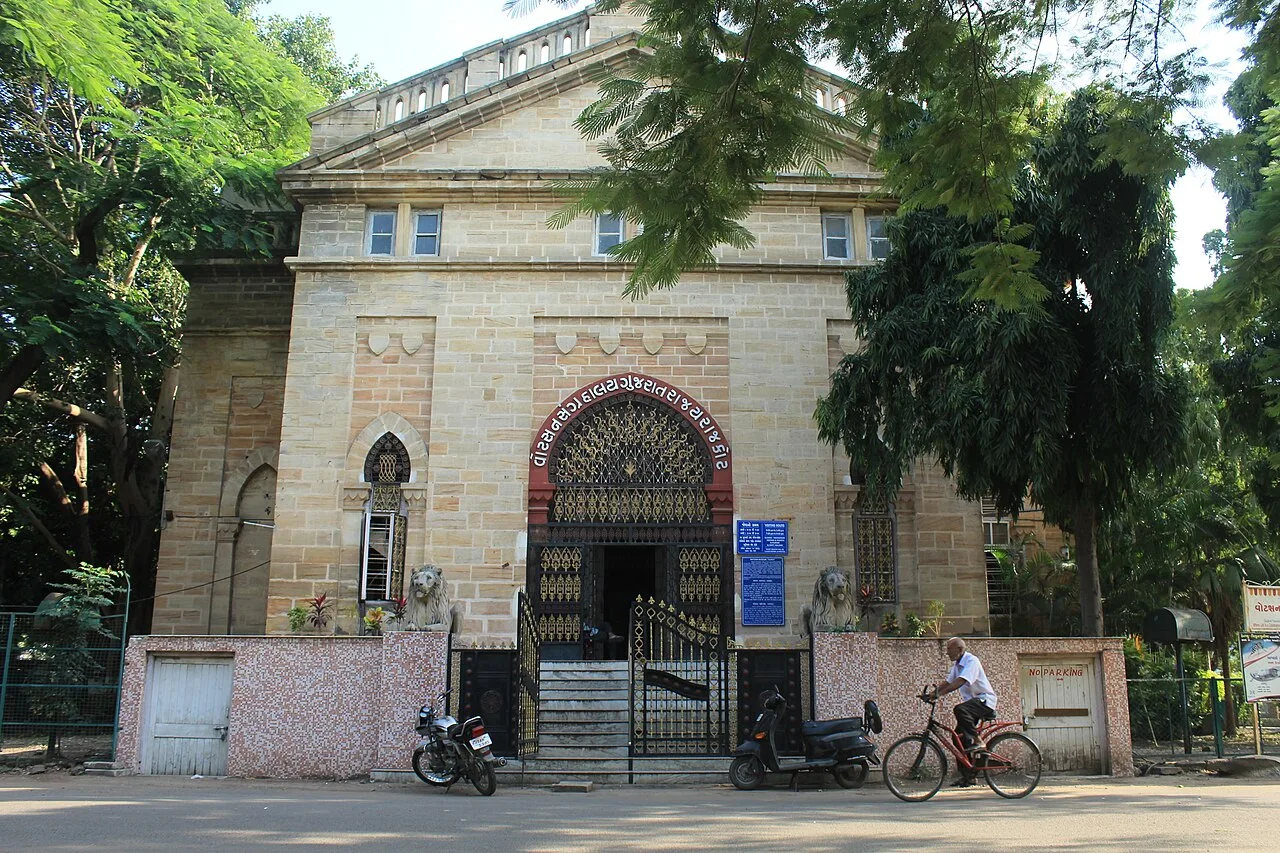
Watson Museum in Rajkot district displays objects connected with the former princely State of Rajkot. Visitors can also see photographs and artefacts, consult its reference library, and find museum publications at the sales counter.

Lakhota Lake

88 km away · Jamnagar district

Lakhota Lake

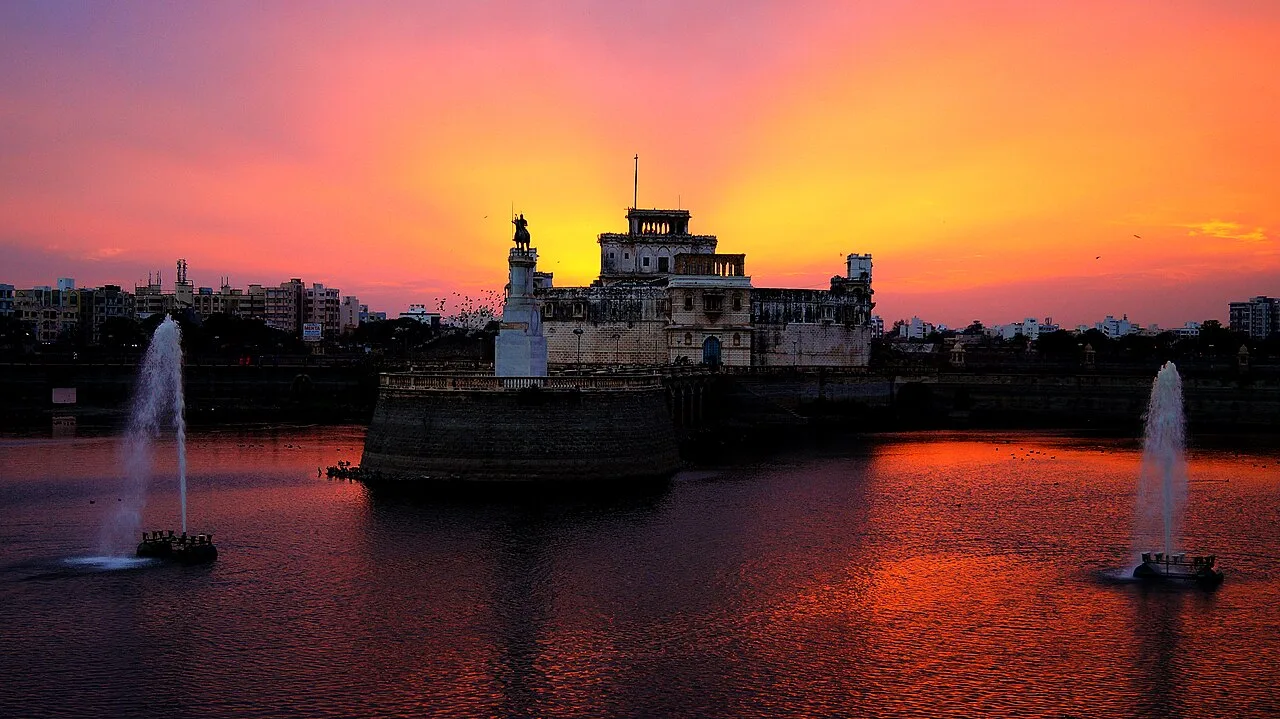
Lakhota Lake is an artificial lake in central Jamnagar, Gujarat, also known as Lakhota Talav and Ranmal Lake. Visitors come to see Lakhota Fort, which stands on an island in the water.

Indian Wild Ass Sanctuary

101 km away · Surendranagar district

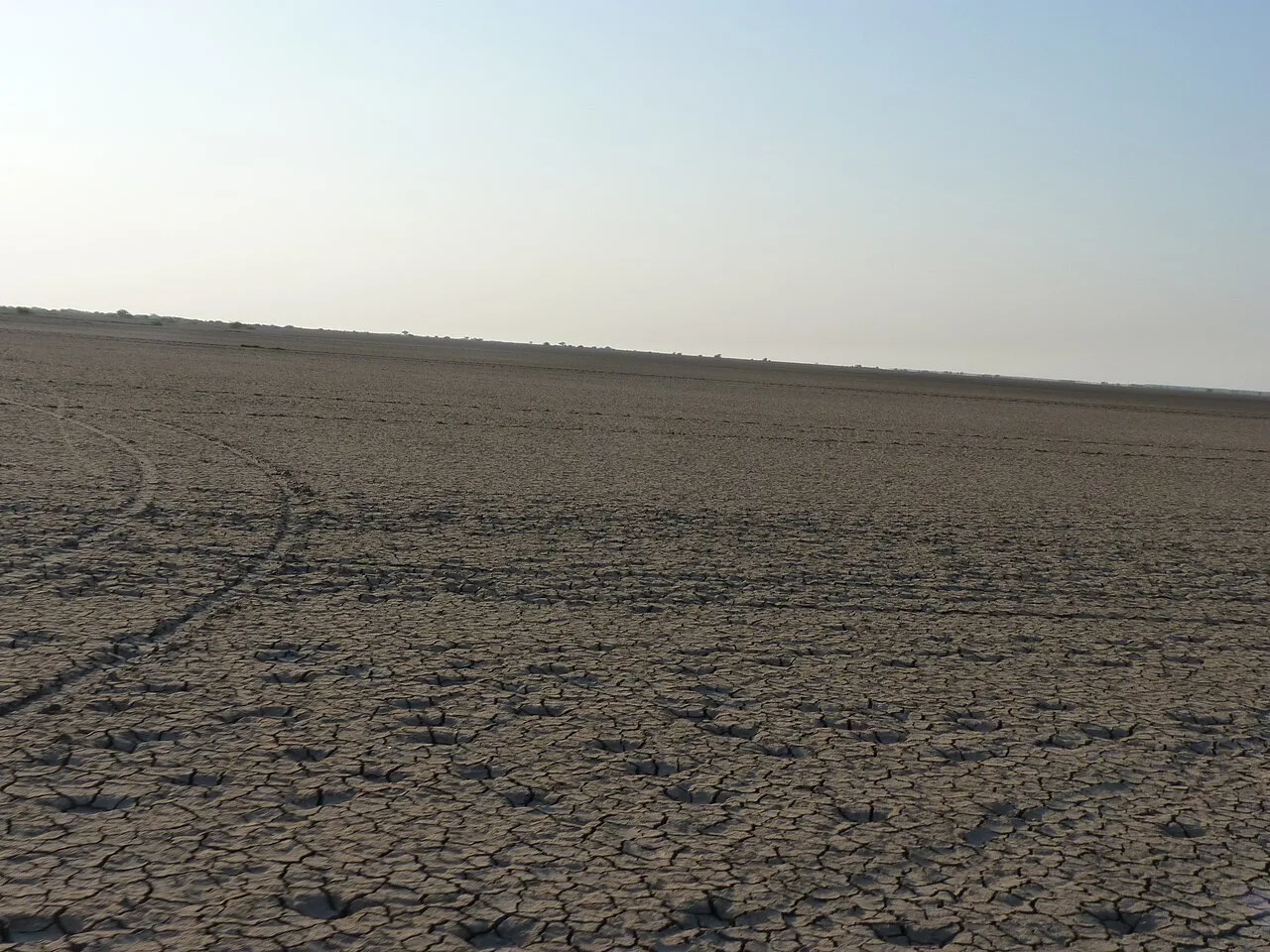
Indian Wild Ass Sanctuary

In Gujarat’s Little Rann of Kutch, the Indian Wild Ass Sanctuary protects the endangered khur. Visitors are drawn by the chance to see this wild ass, a southern subspecies of the Asiatic wild ass.

Nal Sarovar Bird Sanctuary

123 km away · Ahmedabad district

Nal Sarovar Bird Sanctuary

Nal Sarovar is a large lake and marshland reserve in Gujarat, known for the many resident and seasonal birds that gather there. Visitors come to observe its wetland wildlife, especially during the cooler months.

Aina Mahal

129 km away · Kutch district

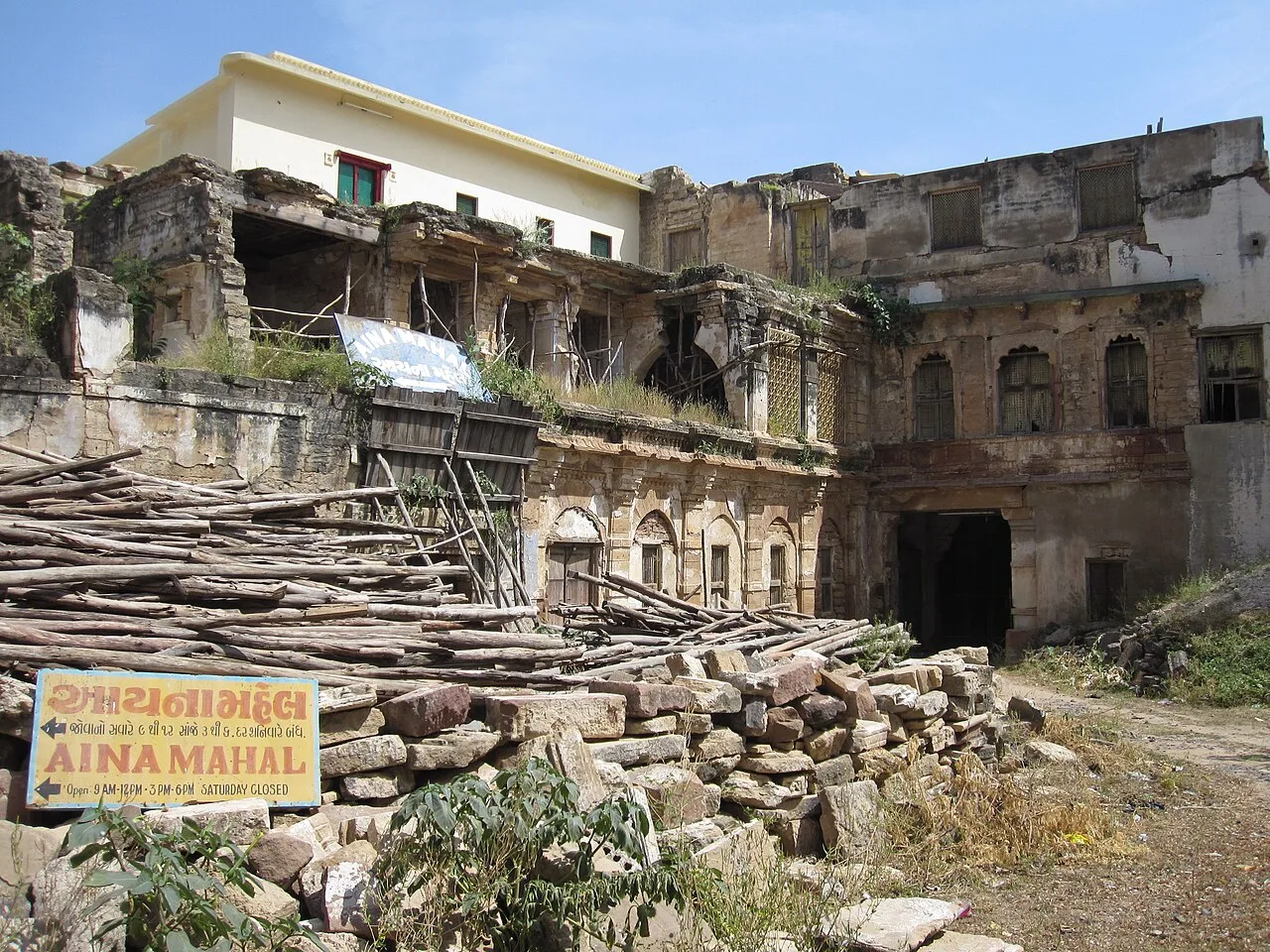
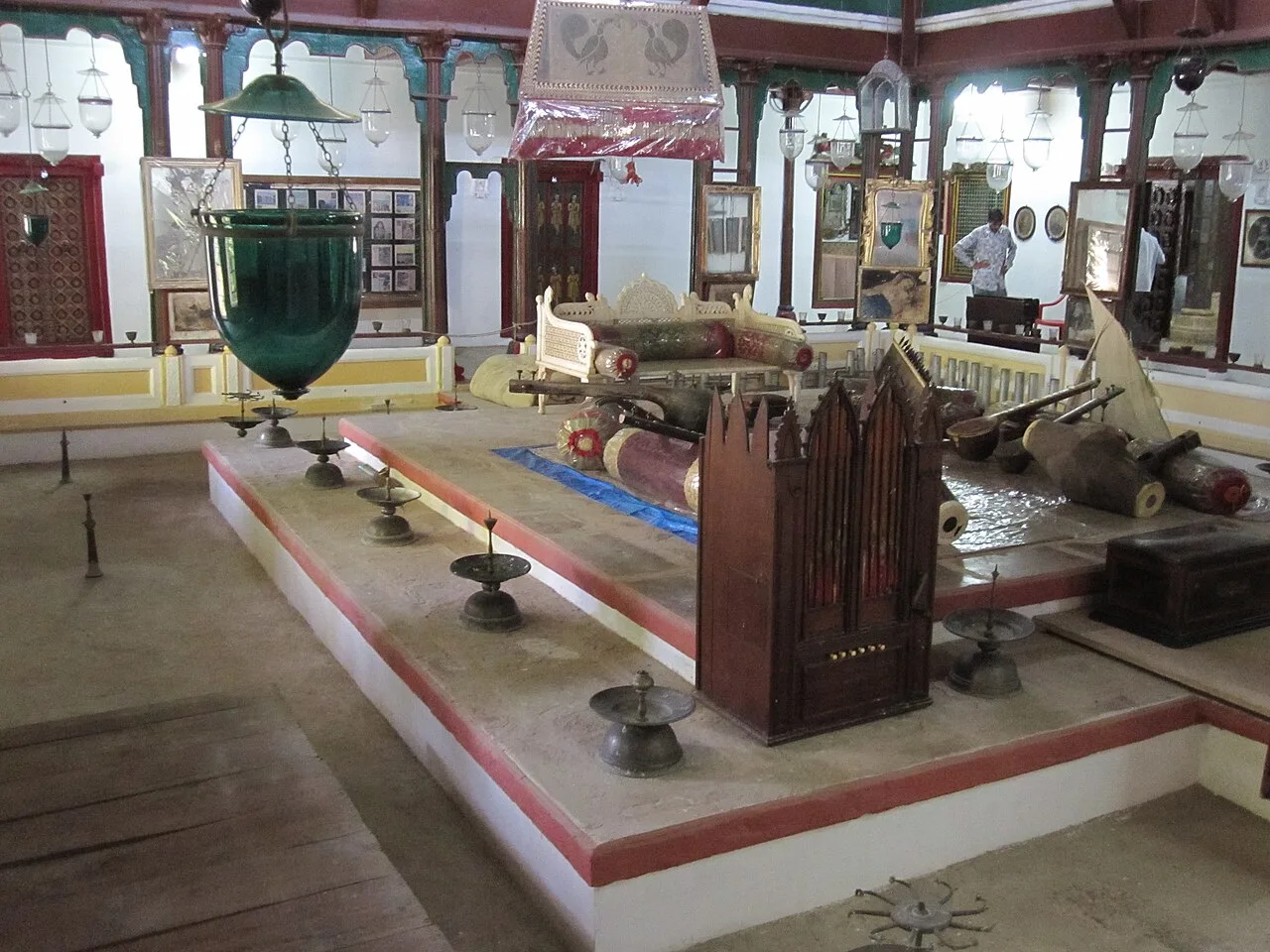
Aina Mahal

Aina Mahal is an eighteenth-century palace beside Prag Mahal in Bhuj, Gujarat. Visitors explore its historic interiors and museum collection, which includes clocks, mechanical toys and paintings.

Bhuj

129 km away · Kutch district

Bhuj

Bhuj is a city and administrative centre in Gujarat’s Kutch district. Visitors interested in Kutch’s past may come to learn about its former role as the capital of Kutch State.

Prag Mahal

129 km away · Kutch district

Prag Mahal

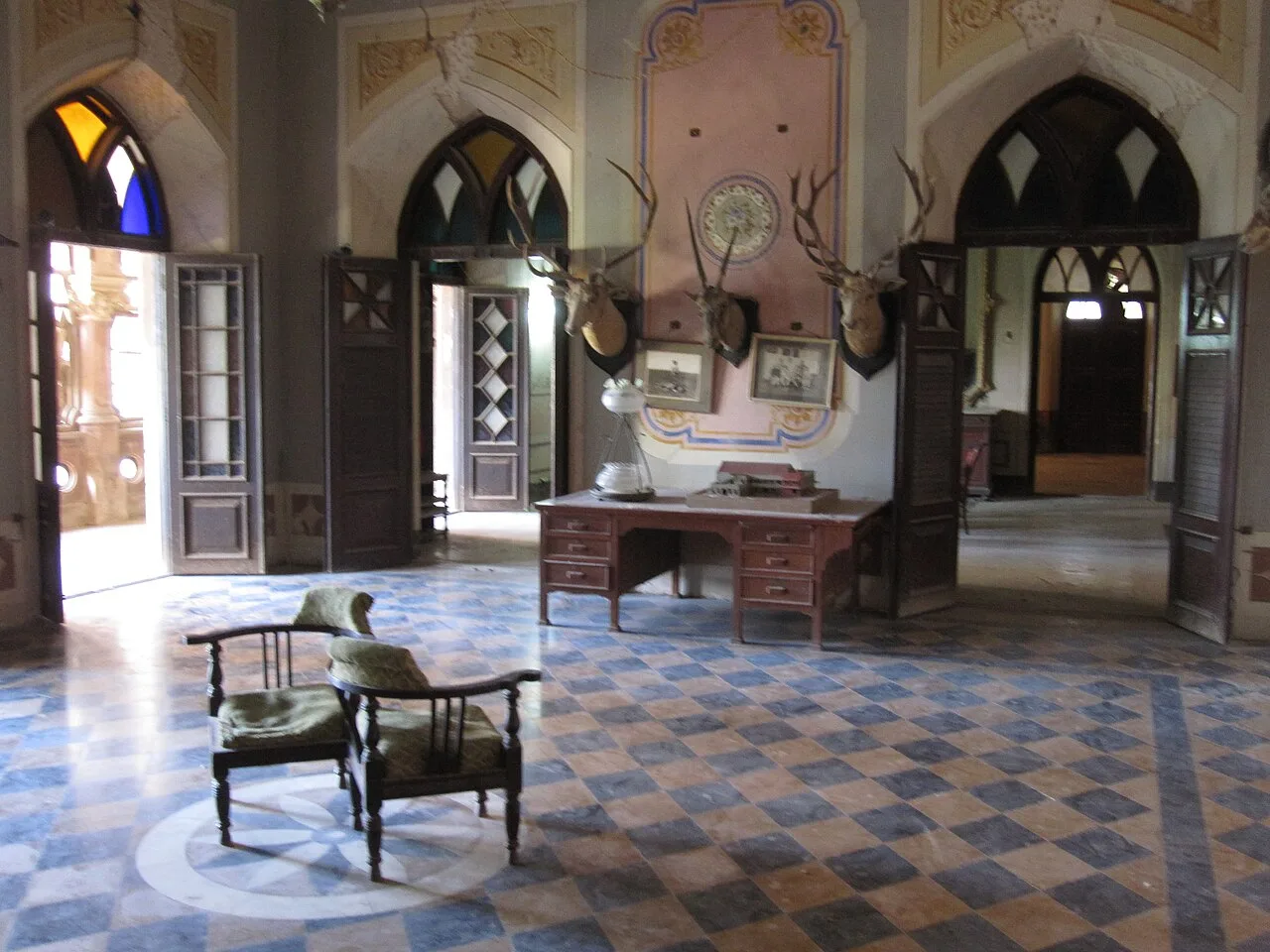
Prag Mahal is a nineteenth-century palace in Bhuj, in Gujarat’s Kutch district, adjoining Aina Mahal. Visitors can see the palace and its position beside its neighbour.

Map

Morbi on the map

  1. 1Tarnetar
  2. 2Watson Museum
  3. 3Lakhota Lake
  4. 4Indian Wild Ass Sanctuary
  5. 5Nal Sarovar Bird Sanctuary
  6. 6Aina Mahal
  7. 7Bhuj
  8. 8Prag Mahal

Gujarat

Other cities to explore