Ghumoopedia — Explore, Discover, Experience
Sign in
Gir National Park, near Dhari

City guide · Gujarat

Dhari

Dhari is a taluka headquarters in Amreli district, serving surrounding villages as a local centre for administration, education, agriculture and trade. Set in Saurashtra beside the Shetrunji River, it is also associated with the eastern Gir landscape and the forests and grasslands of the wider region.

Famous for

  • Dhari Kesar mangoes
  • Gir East forest
  • Asiatic lion country
  • Khodiyar temple at Galadhara
  • Yogiji Maharaj’s birthplace

Why Dhari matters

Dhari is a taluka headquarters in Amreli district, serving surrounding villages as a local centre for administration, education, agriculture and trade. Set in Saurashtra beside the Shetrunji River, it is also associated with the eastern Gir landscape and the forests and grasslands of the wider region. The Forest (Gir East) Division and research institutions give the town a role beyond its immediate hinterland.

Visitors know Dhari for its Kesar mangoes, the nearby presence of Asiatic lions in Gir country and the Khodiyar shrine at Galadhara. It is also the birthplace of Yogiji Maharaj, an influential Swaminarayan spiritual leader. Dhari makes a practical base for exploring nearby religious destinations such as Tulsishyam, Kankai and Banej, though forest visits and wildlife sightings depend on access conditions and chance. The town is not a large resort centre; its appeal lies in its connections to rural Saurashtra, pilgrimage and the landscape around Gir.
Famous for: crafts, trade & products

Dhari is best known for Kesar mangoes, grown in the region and sold through local shops and seasonal produce trading. The town is not widely recognised as a centre for textiles, sarees or a particular handicraft, and no locally distinctive GI-tagged craft or product is established here. Visitors looking for local goods can browse the town’s general markets and fruit sellers, especially during mango season; availability varies through the year.

Agriculture and the surrounding forest landscape shape Dhari’s local identity. The town hosts the Forest (Gir East) Division and a Grassland Research Station, as well as agricultural and educational institutions that serve the area. Its administrative offices and shops support residents from nearby villages. For visitors, the Galadhara Khodiyar temple and the Swaminarayan mandir associated with Yogiji Maharaj’s birthplace are notable local destinations. Dhari’s strongest associations are therefore regional produce, forest and grassland work, pilgrimage and education rather than a specialised manufacturing or craft trade.

History

Dhari developed as a settlement beside the Shetrunji River and grew into the administrative headquarters of its taluka, serving a broad rural area. Its position within Saurashtra linked it to nearby market towns and routes across the peninsula. The river, together with the Dedhio and Nataliyo waterways, has been part of the local landscape; the Khodiyar Dam is associated with the area around Galadhara.

Dhari’s history is also shaped by religious and community traditions. Galadhara is an important Khodiyar place of worship, and the town is known as the birthplace of Yogiji Maharaj. A Jain derasar on Kandoi Street is another longstanding religious institution. In modern times, Dhari’s role as a taluka centre has been reinforced by government offices, schools and colleges, forest administration and agricultural research. Road links and the Dhasa–Visavadar railway line connect it with other parts of Saurashtra. The town’s development has remained closely tied to local administration, farming, pilgrimage and the neighbouring Gir region.

Food, festivals & culture

Gujarati is the main language of everyday life; Hindi is also understood by many residents. Local meals commonly draw on Saurashtrian and Gujarati home cooking, including rotla or rotli, vegetables, pulses, kadhi and snacks such as gathiya and fafda. Mangoes are a seasonal favourite, with Kesar fruit especially associated with Dhari. Specific restaurants and menus change, so visitors can ask locally about seasonal dishes and sweets.

Navratri, usually in autumn, brings devotional music and garba dancing, while Diwali is marked with family gatherings and festive foods. Janmashtami and other Hindu observances are celebrated locally, and the Khodiyar temple at Galadhara attracts worshippers. The Swaminarayan mandir commemorates Dhari’s connection with Yogiji Maharaj, while the Jain derasar on Kandoi Street serves the town’s Jain community. Folk and devotional singing are part of regional celebrations, alongside the wider Gujarati traditions of garba and community worship.

Visiting the city

The cooler months, roughly November to February, are generally the most comfortable for exploring Dhari and nearby places. Summers can be very hot; the monsoon usually falls between June and August and may affect road journeys. The nearest airport identified for the area is Diu Airport, while Rajkot is another commonly used option; check current connections before travelling. Dhari railway station is on the Dhasa–Visavadar line, and road links connect the town with Amreli and other Saurashtra centres.

Auto-rickshaws and local taxis are useful for getting around town; arrange transport ahead for visits beyond it. Explore the central market streets, Kandoi Street’s Jain derasar and the Galadhara Khodiyar temple. Tulsishyam, Kankai and Banej are nearby pilgrimage destinations, while forest visits should be planned with current local access guidance. Wildlife sightings are never guaranteed.

Trips from the city

Nearest places to visit from Dhari

Our closest destination guides, by straight-line distance.

Gir National Park

32 km away · Gir Somnath district

Gir National Park

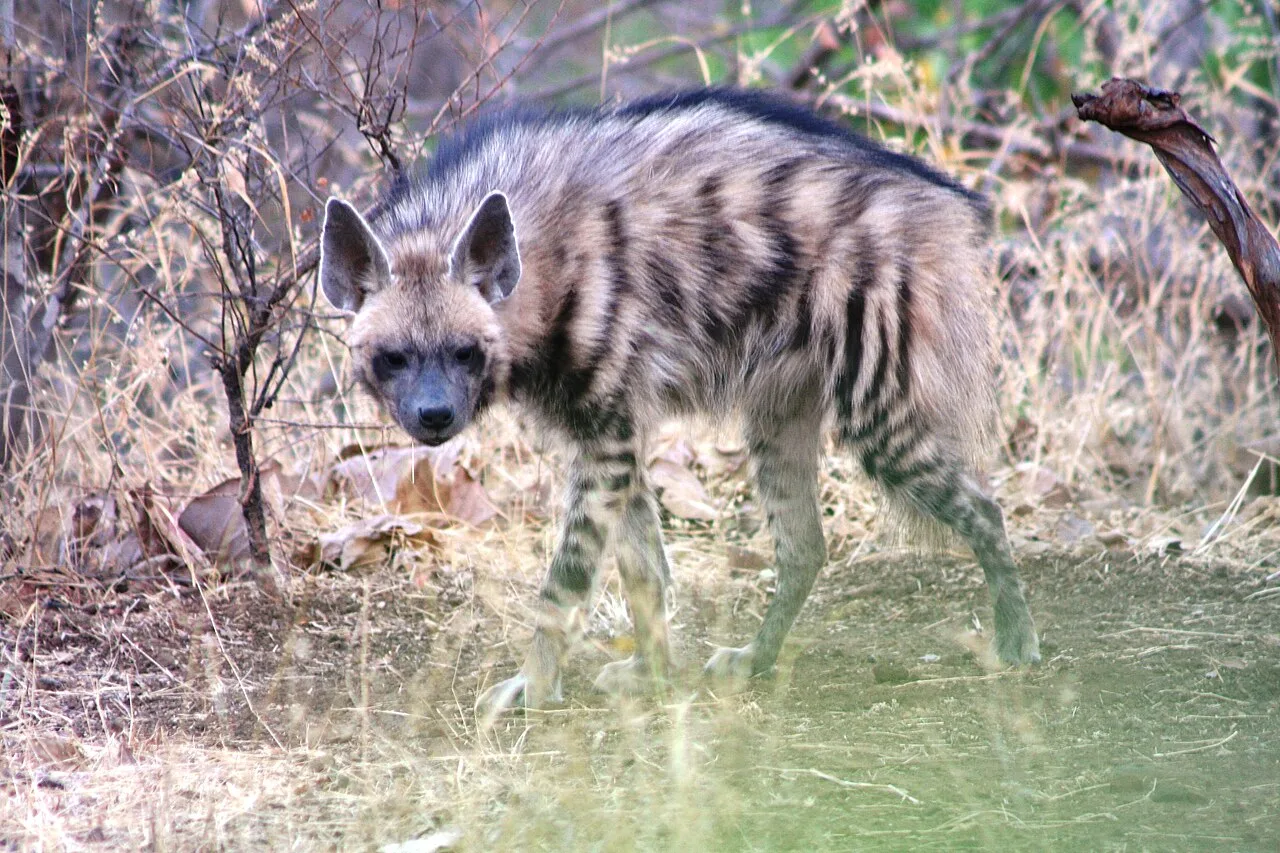
Gir National Park, also called Sasan Gir, is a protected area in Gujarat known for its Asiatic lions. Visitors come to see its wildlife and forest landscape.

Girnar Hill

57 km away · Junagadh district

Girnar Hill

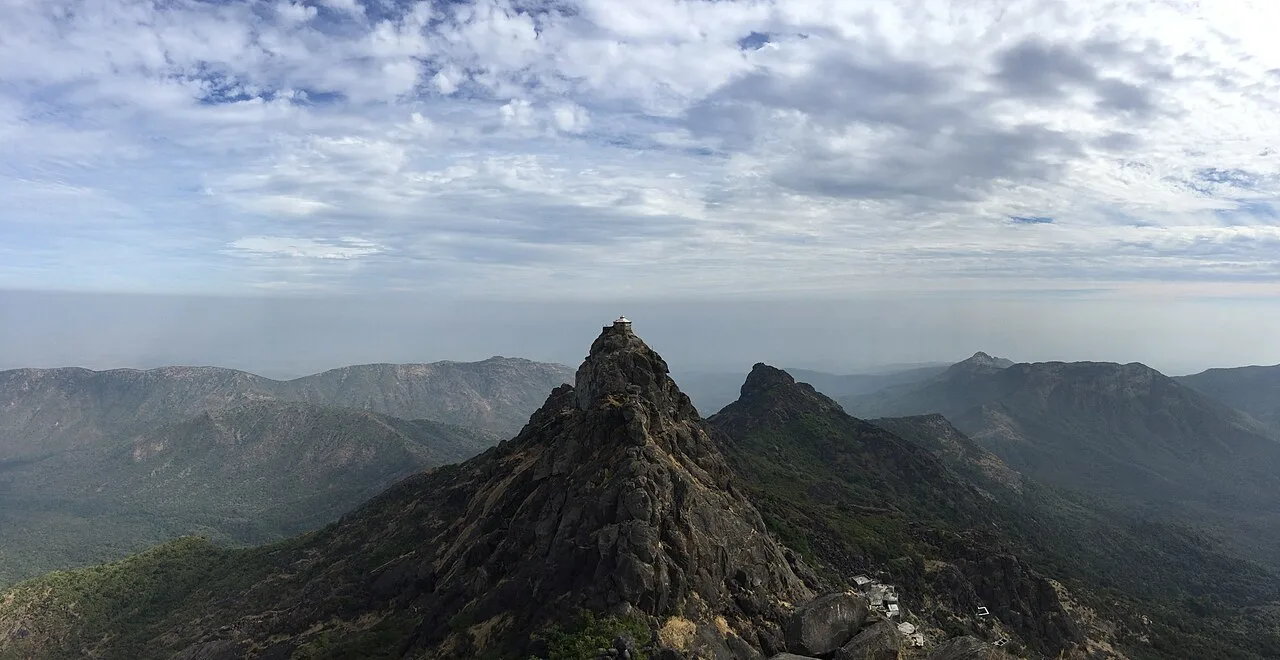
Girnar is a hill in Junagadh, Gujarat, revered as a Jain Mahatirth. Pilgrims visit in connection with traditions about Neminath, the 22nd Tirthaṅkar, and the hill’s highest summit.

Uparkot Fort

62 km away · Junagadh district

Uparkot Fort

Uparkot Fort is a fort in Junagadh district, Gujarat, on the eastern side of Junagadh. Visitors come to see the fort and its location within the city.

Mahabat Maqbara complex

63 km away · Junagadh district

Mahabat Maqbara complex

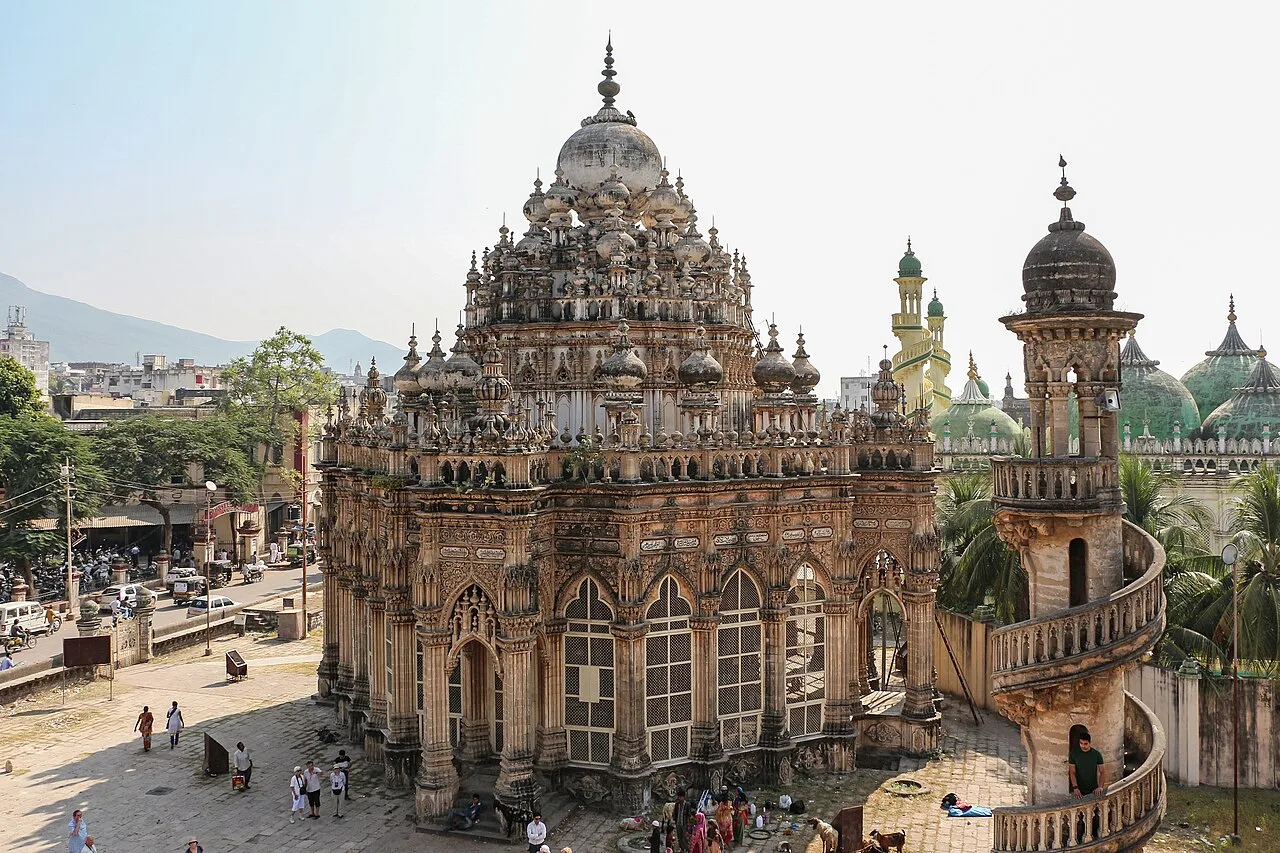
The Mahabat Maqbara complex in Junagadh, Gujarat, contains two mausoleums; visitors come to see memorials dedicated to Nawab Mahabat Khan II and his minister.

Sakkarbaug Zoological Garden

63 km away · Junagadh district

Sakkarbaug Zoological Garden

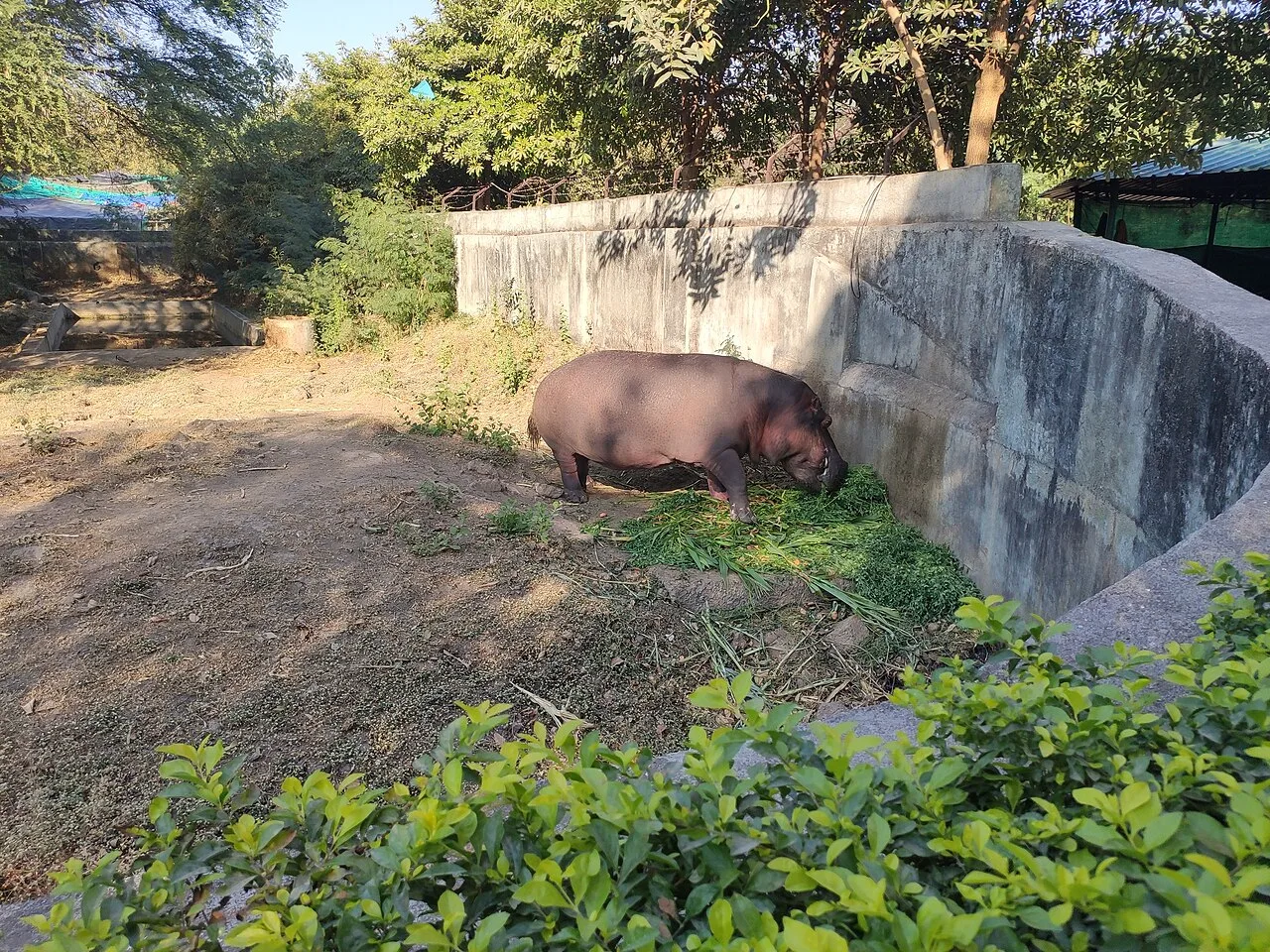
In Junagadh, Gujarat, Sakkarbaug Zoological Garden is an 84-hectare zoo established in 1863. Visitors come to see the zoo and its part in captive breeding programmes for Asiatic lions.

Bhalka Tirtha

81 km away · Gir Somnath district

Bhalka Tirtha

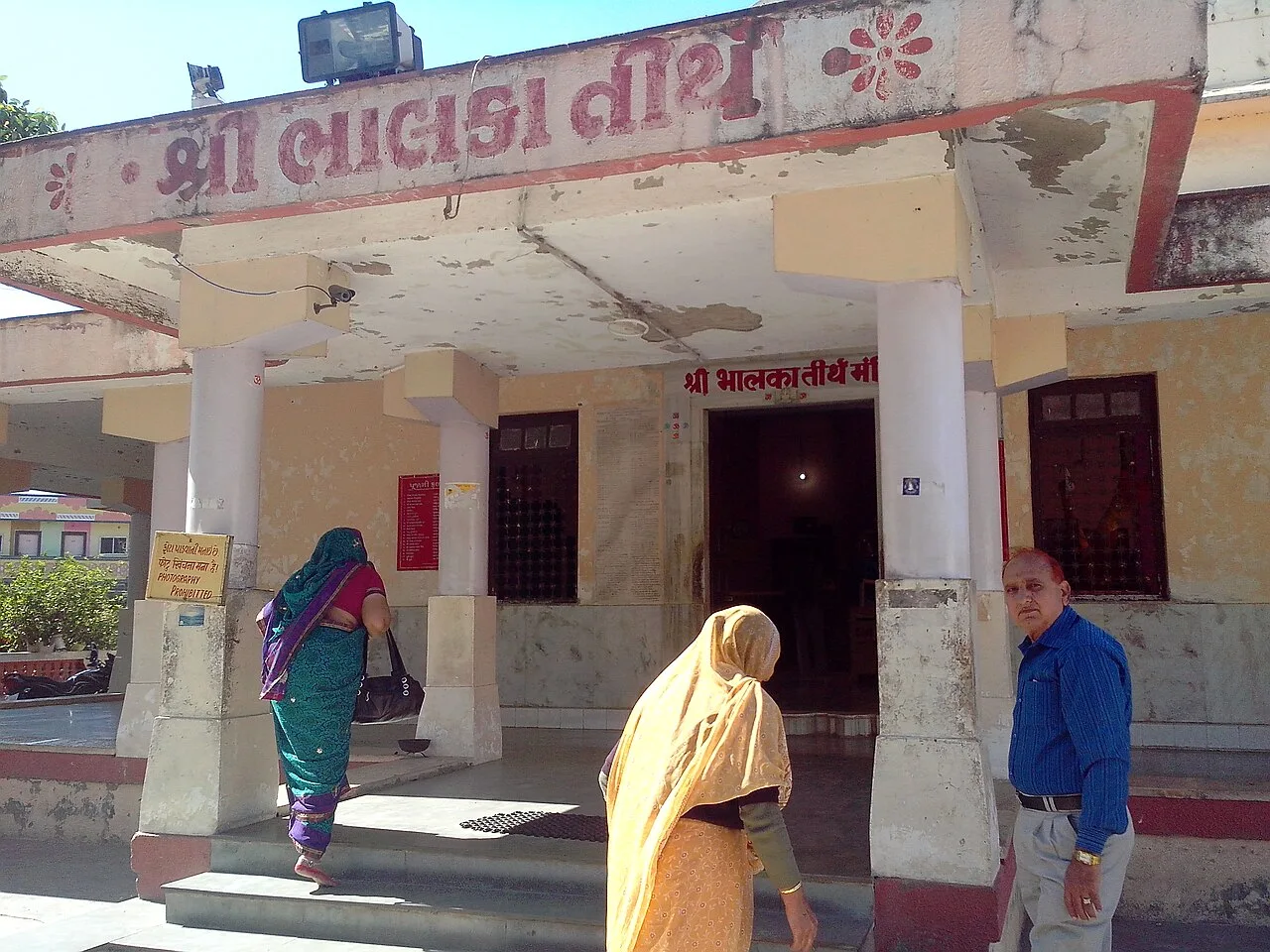
Bhalka Tirtha is a shrine in Veraval, Gujarat, associated with Krishna’s departure from earthly life. Visitors come to honour this event and include the site in Krishna pilgrimage journeys.

Palitana temples

81 km away · Bhavnagar district

Palitana temples

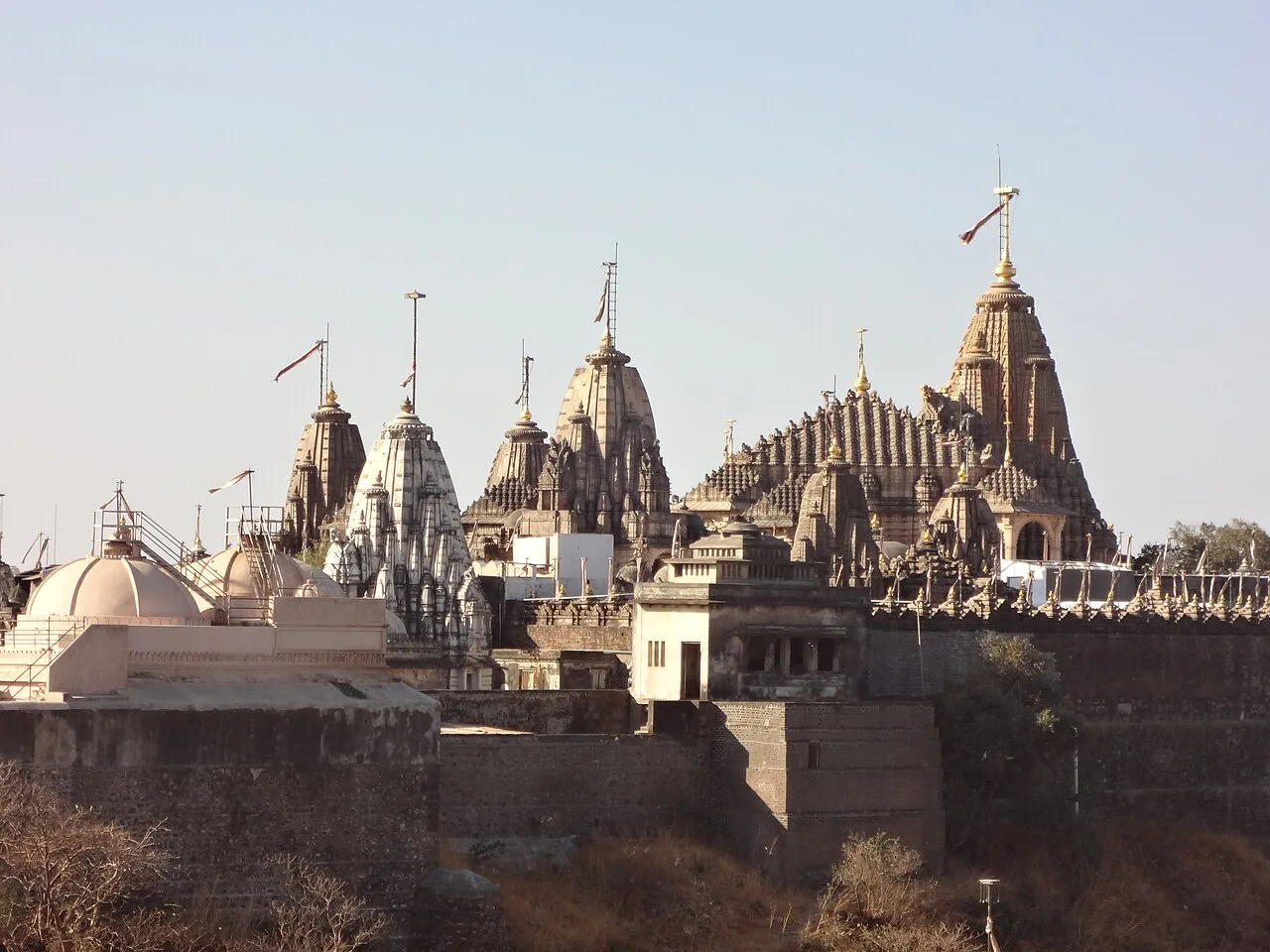
Palitana is a major Jain temple complex on Shatrunjaya Hill in Gujarat. Pilgrims visit its many shrines, especially revered by the Śvetāmbara community and linked with the Tirthankaras.

Somnath Temple

81 km away · Gir Somnath district

Somnath Temple

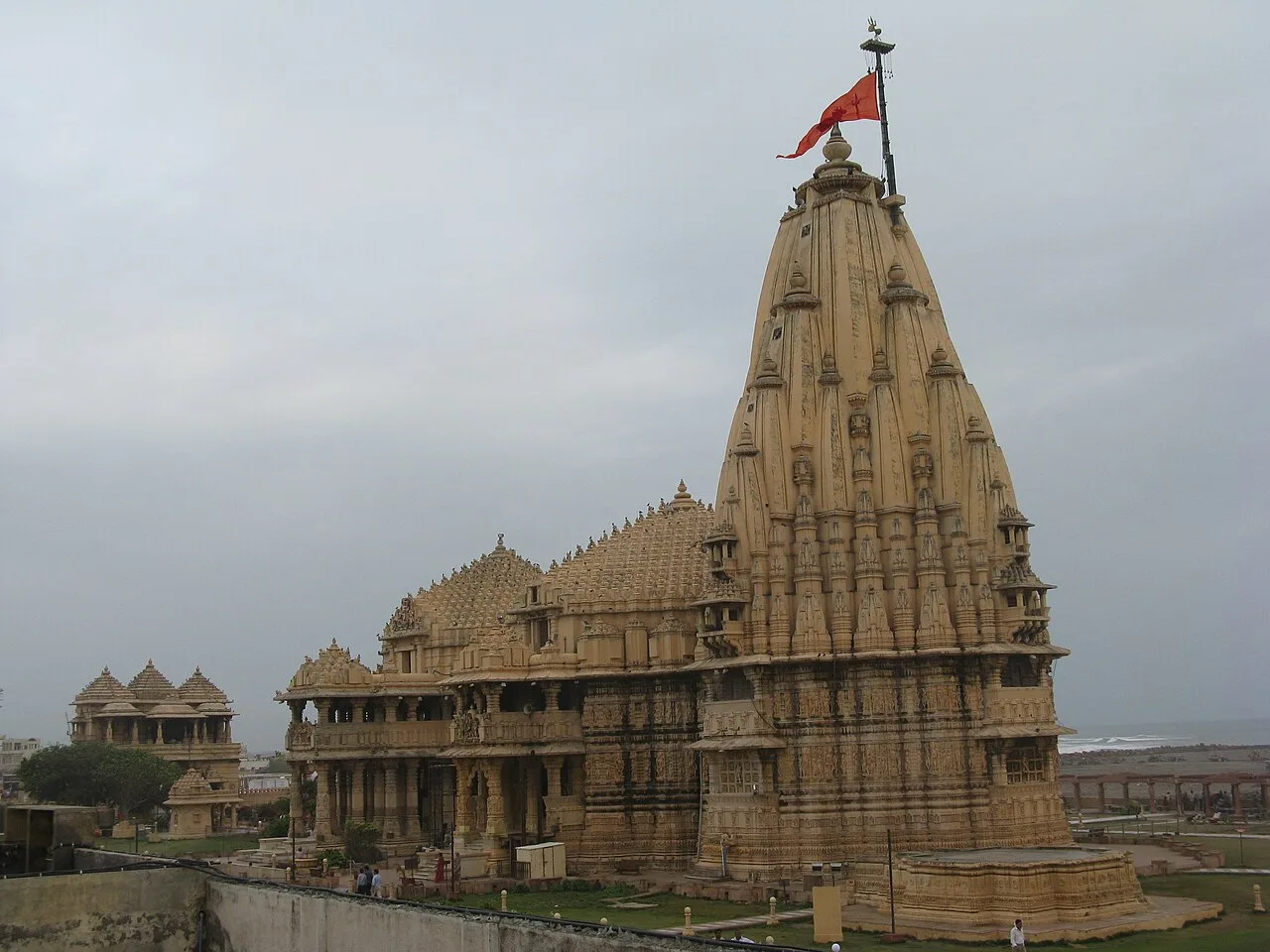
At Prabhas Patan near Veraval, Somnath is a Hindu shrine associated with Shiva and a major pilgrimage destination, revered as the foremost of the twelve Jyotirlinga sites.

Map

Dhari on the map

  1. 1Gir National Park
  2. 2Girnar Hill
  3. 3Uparkot Fort
  4. 4Mahabat Maqbara complex
  5. 5Sakkarbaug Zoological Garden
  6. 6Bhalka Tirtha
  7. 7Palitana temples
  8. 8Somnath Temple

Gujarat

Other cities to explore