Ghumoopedia — Explore, Discover, Experience
Sign in
Taranga Jain Temples, near Idar

City guide · Gujarat

Idar

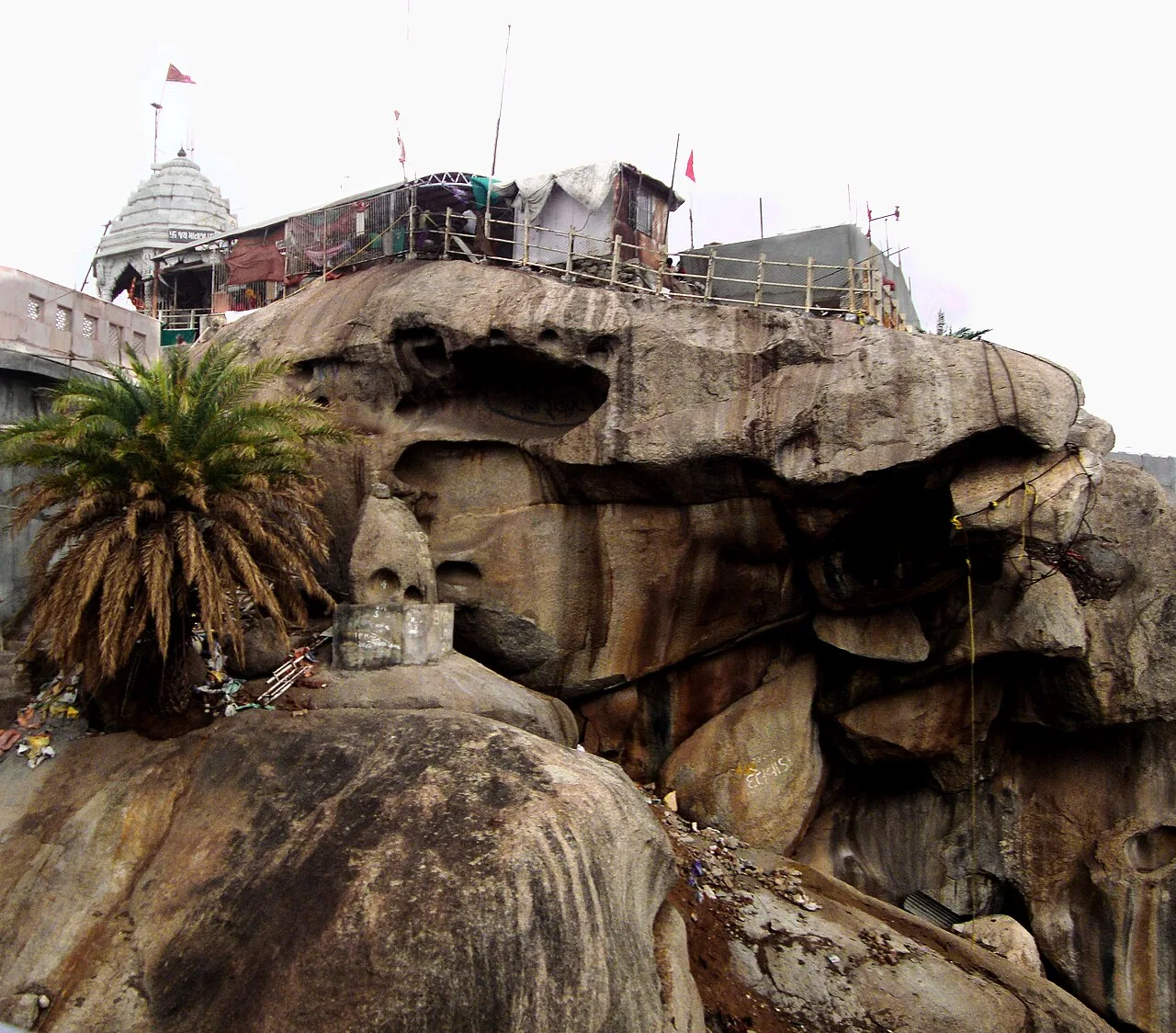
Idar is a historic town in Sabarkantha district, in northern Gujarat, set at the southern end of the Aravalli Range. Its most distinctive feature is the landscape of rounded grey and red granite hills, with old fortifications, temples and other architectural remains rising among the rocks.

Famous for

  • Handmade wooden toys
  • Idar hill fort
  • Granite hill scenery
  • Historic temples
  • Tile making
  • Cotton ginning
Plan a tripHotels near Idar

Why Idar matters

Idar is a historic town in Sabarkantha district, in northern Gujarat, set at the southern end of the Aravalli Range. Its most distinctive feature is the landscape of rounded grey and red granite hills, with old fortifications, temples and other architectural remains rising among the rocks. The hill setting and the town’s layered past make Idar a rewarding stop for visitors interested in history, architecture and regional landscapes.

Idar also has a working-town character. Handmade wooden toys and tiles are among its best-known products, while cotton ginning and processing and dairy cooperatives contribute to the local economy. Its location makes it a useful base for exploring the surrounding countryside and nearby settlements in Sabarkantha. The name is traditionally linked to Ilvadurg, or the fortress of Ilvan, and stories associated with the town reach back into epic and Puranic tradition. Today, Idar’s appeal lies in the combination of a living craft and agricultural economy with hill scenery and a long record of changing rulers and communities.
Famous for: crafts, trade & products

Idar is particularly associated with handmade wooden toys, a craft that gives the town a distinctive place among Sabarkantha’s local producers. Tiles are another recognised product. Visitors hoping to see or buy these goods can ask at shops and workshops in town for current makers and stock; production and retail outlets may vary. Idar is not chiefly known as a saree-weaving centre, and no particular GI-tagged product is established here among its best-known specialities.

The wider economy includes cotton ginning and processing, supported by agriculture and a strong network of dairy cooperatives. These activities are part of the region’s everyday trade rather than visitor-focused attractions, so local markets and business areas are the most practical places to enquire about products. The town’s historic buildings and temples also reflect skilled stonework, while the surrounding hills provide the setting for its fortifications and architectural remains. For travellers, the combination of craft, local commerce and hill heritage is more characteristic of Idar than a large specialised shopping district or a major textile market.

History

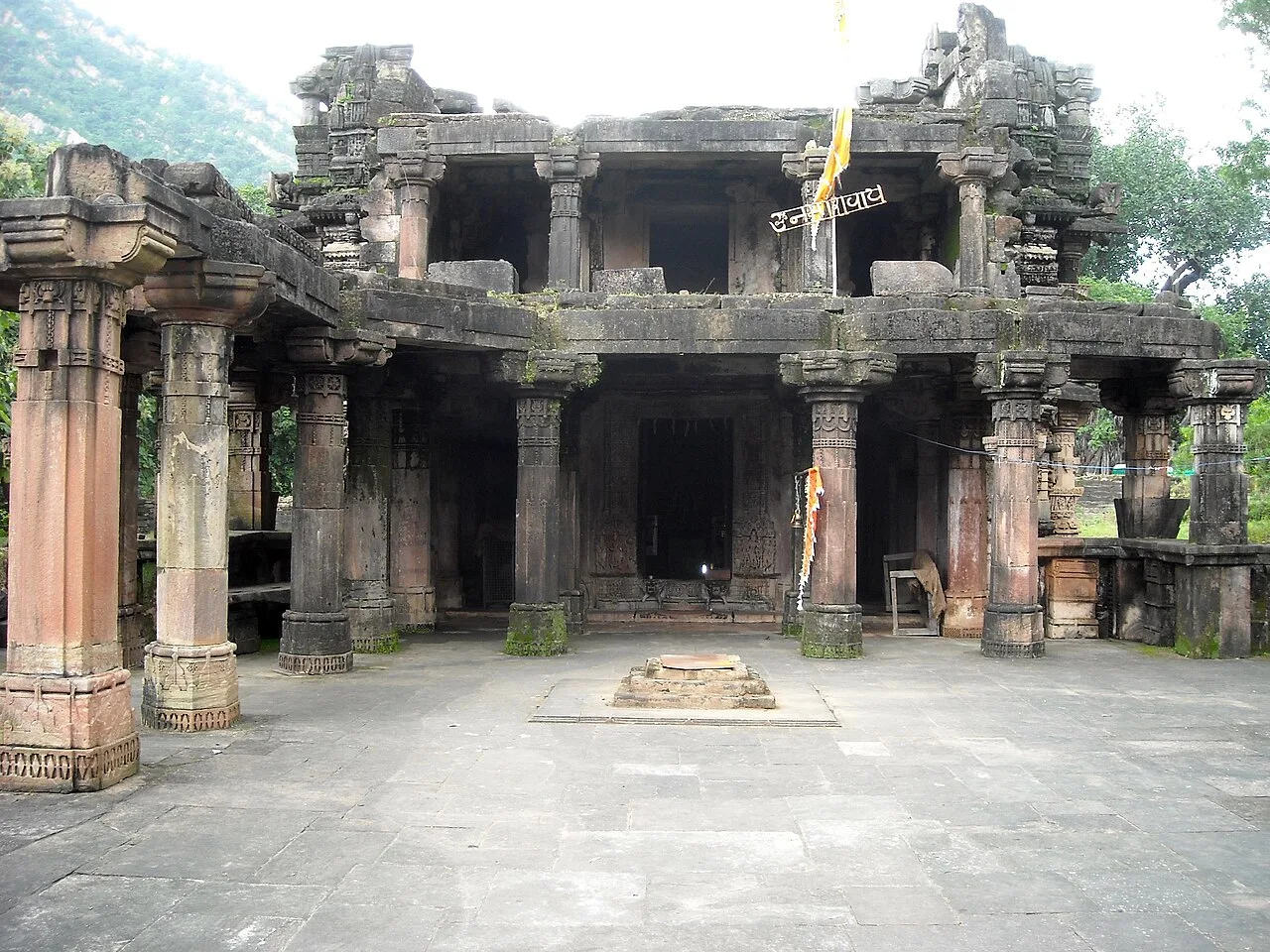
Idar’s beginnings are uncertain, and accounts of its earliest past combine historical traditions with legend. The town is associated with the old name Ilvadurg and is mentioned in epic and Puranic traditions. Historical accounts describe the Bhils as early holders of the region. Later traditions connect Idar with Rajput rulers, including Parihars and Rathods, amid repeated changes of power and conflict. The town’s hill fortifications reflect the importance of its rugged setting to defence and rule.

In 1728 or 1729, Anand Singh established Rathod rule at Idar with support from his brother Rai Singh and local allies. Idar later became the centre of a princely state. Under British rule it was included in the Western India States Agency in 1924 and transferred to the Rajputana States in the early 1940s. The princely state was dissolved in 1949, and its territory was divided between Sabarkantha and Mehsana districts. Both districts became part of Gujarat when the state was formed in 1960.

Food, festivals & culture

Gujarati is the main language of daily life in Idar; Hindi is also understood. The town’s cultural landscape includes Hindu temples, with several places of worship set among the hills and old stone structures. Gujarati devotional music and community singing are heard especially during religious observances. Garba and dandiya raas are central to Navratri celebrations, usually held in autumn, while Diwali, Uttarayan in January, Holi and Janmashtami are also observed.

Food reflects the wider Gujarati home-cooking tradition rather than a single dish unique to Idar. Meals commonly include rotli, shaak, dal and rice or khichdi, with farsan and seasonal snacks. Sweets such as mohanthal and sukhdi are familiar across the region and may be found in local sweet shops. During festivals, families prepare special foods and share them with neighbours. Visitors can ask locally about seasonal dishes and community events, as menus and celebrations vary among households and neighbourhoods.

Visiting the city

The cooler months, roughly November to February, are generally the most comfortable for exploring Idar’s hills and heritage sites. Summer days can be very hot; monsoon brings greener scenery but may make rocky paths slippery. The nearest major airport is Sardar Vallabhbhai Patel International Airport in Ahmedabad. Idar railway station serves the town, while Himmatnagar is a nearby rail hub; check current rail connections before travelling.

Local auto-rickshaws and hired vehicles are useful for getting around, and a vehicle can make it easier to reach sites beyond the town centre. Explore the old town and its market streets, then allow time for the hill fort, temples and granite formations. Wear sturdy footwear for uneven paths and carry water, particularly in warm weather. Ask locally about access conditions before setting out to hilltop sites.

Trips from the city

Nearest places to visit from Idar

Our closest destination guides, by straight-line distance.

Taranga Jain Temples

29 km away · Mehsana district

Taranga Jain Temples

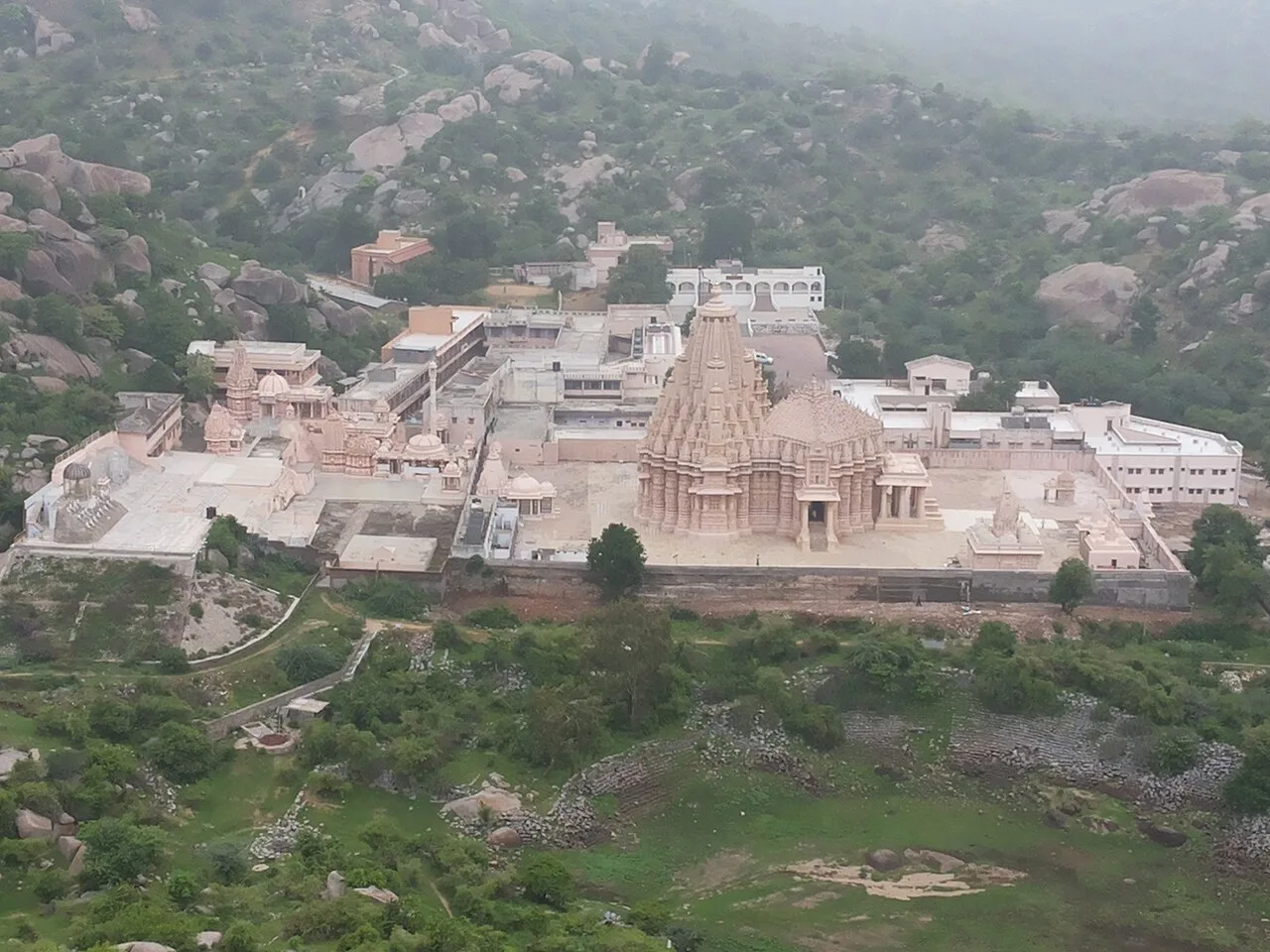
Taranga is a Jain pilgrimage site near Kheralu, known for temples representing Śvetāmbara and Digambara traditions and for its notable Māru-Gurjara architecture.

Polo Forest

32 km away · Sabarkantha district

Polo Forest

Polo Forest, also called Vijaynagar Forest, is a dry mixed deciduous woodland in Gujarat. Visitors come to explore its extensive forest landscape beside the perennial Harnav River and below the Aravalli foothills.

Ambaji

56 km away · Banaskantha district

Ambaji

Ambaji is a census town in Banaskantha district, Gujarat. The available details establish its identity and location but do not say what draws visitors there.

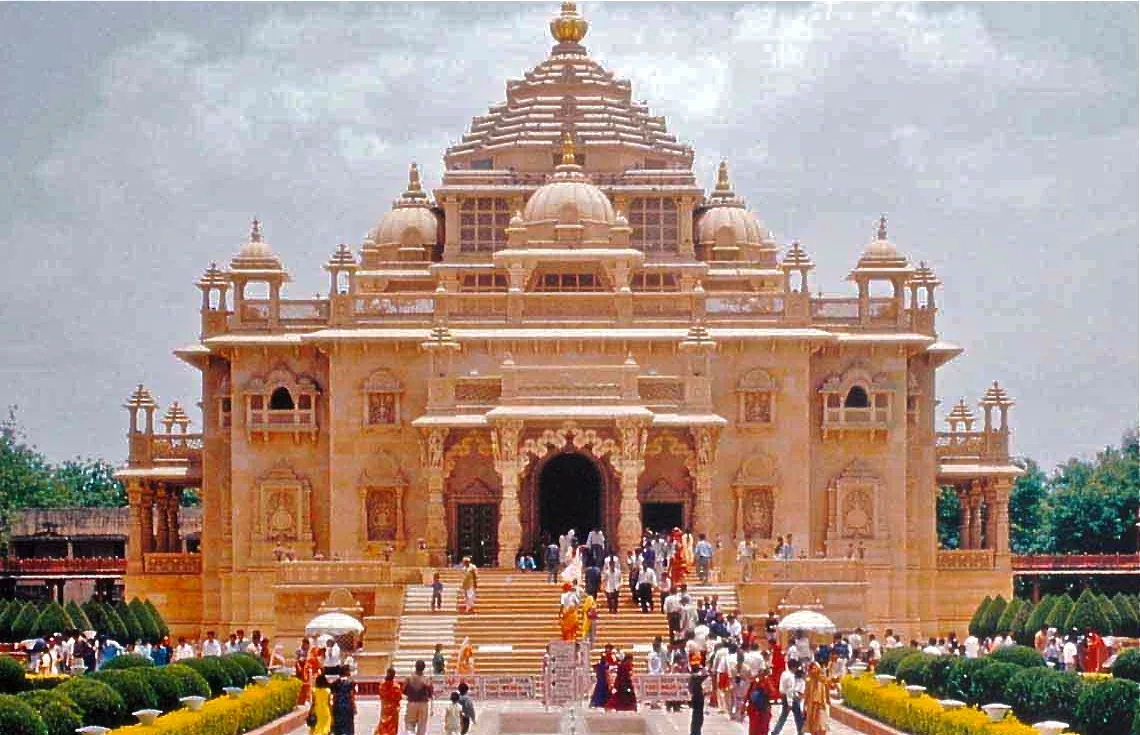
Swaminarayan Akshardham

76 km away · Gandhinagar district

Swaminarayan Akshardham

This Hindu temple complex in Gandhinagar, Gujarat, draws visitors interested in Swaminarayan’s teachings, BAPS traditions and its central shrine built from pink sandstone.

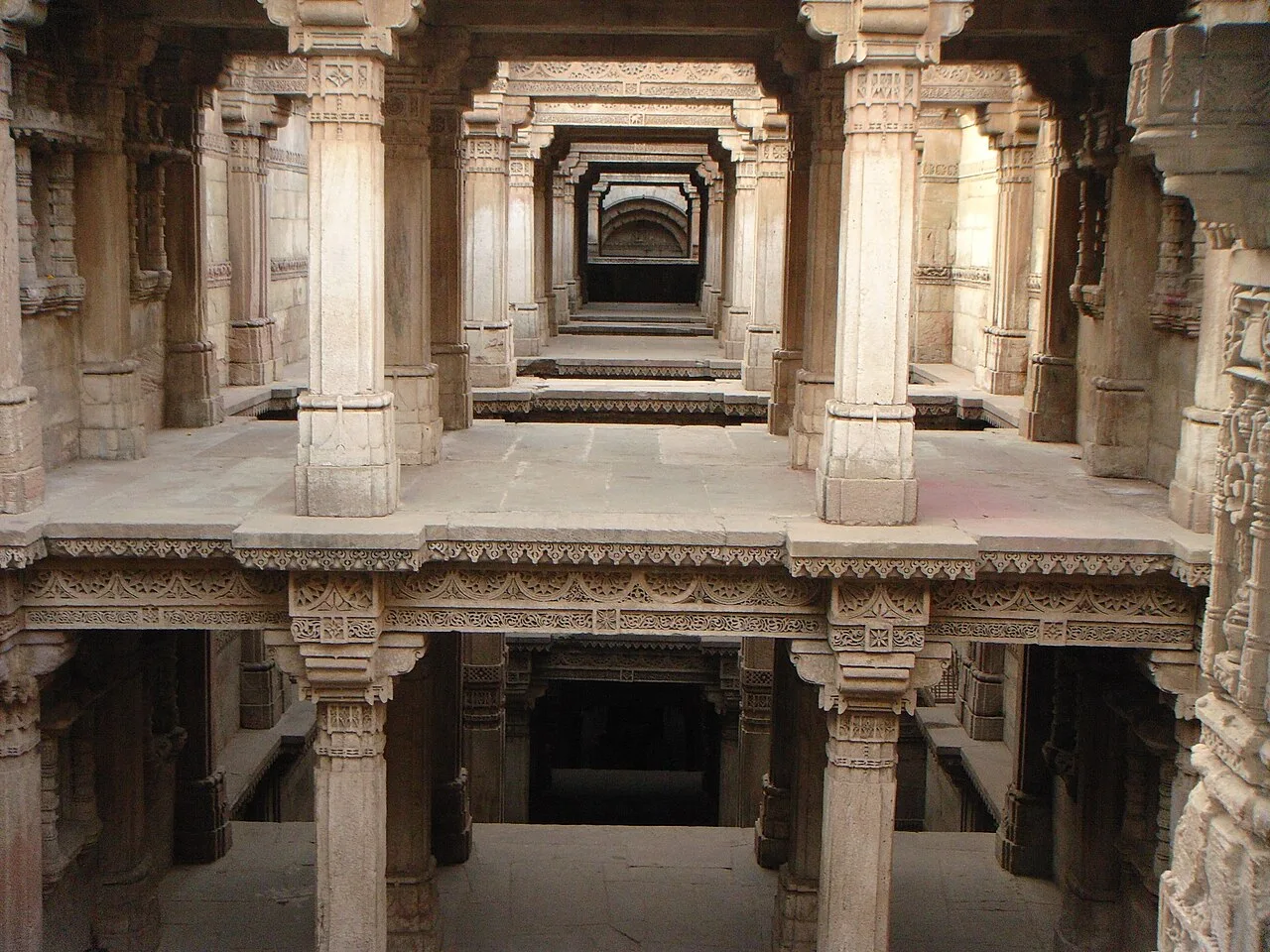
Adalaj Stepwell

86 km away · Gandhinagar district

Adalaj Stepwell

Adalaj Stepwell, also known as Rudabai Stepwell, is a sandstone structure in Gujarat’s Gandhinagar district. Visitors come to see its Solanki-style design and its connection to Rana Veer Singh.

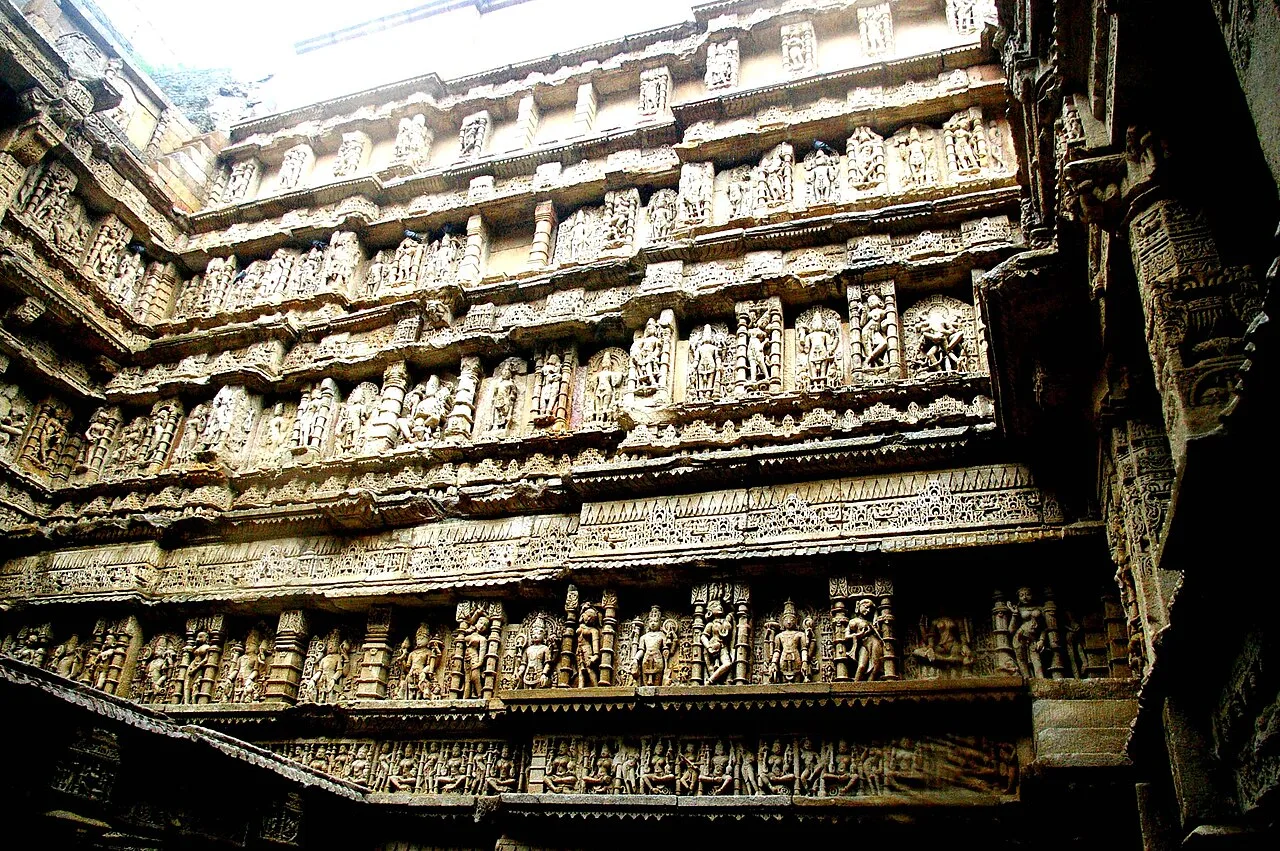
Rani ki Vav

91 km away · Patan district

Rani ki Vav

Rani ki Vav is a stepwell in Patan, Gujarat, notable for its tiered underground design and extensive sculpture, which reflect the monument’s religious and architectural significance.

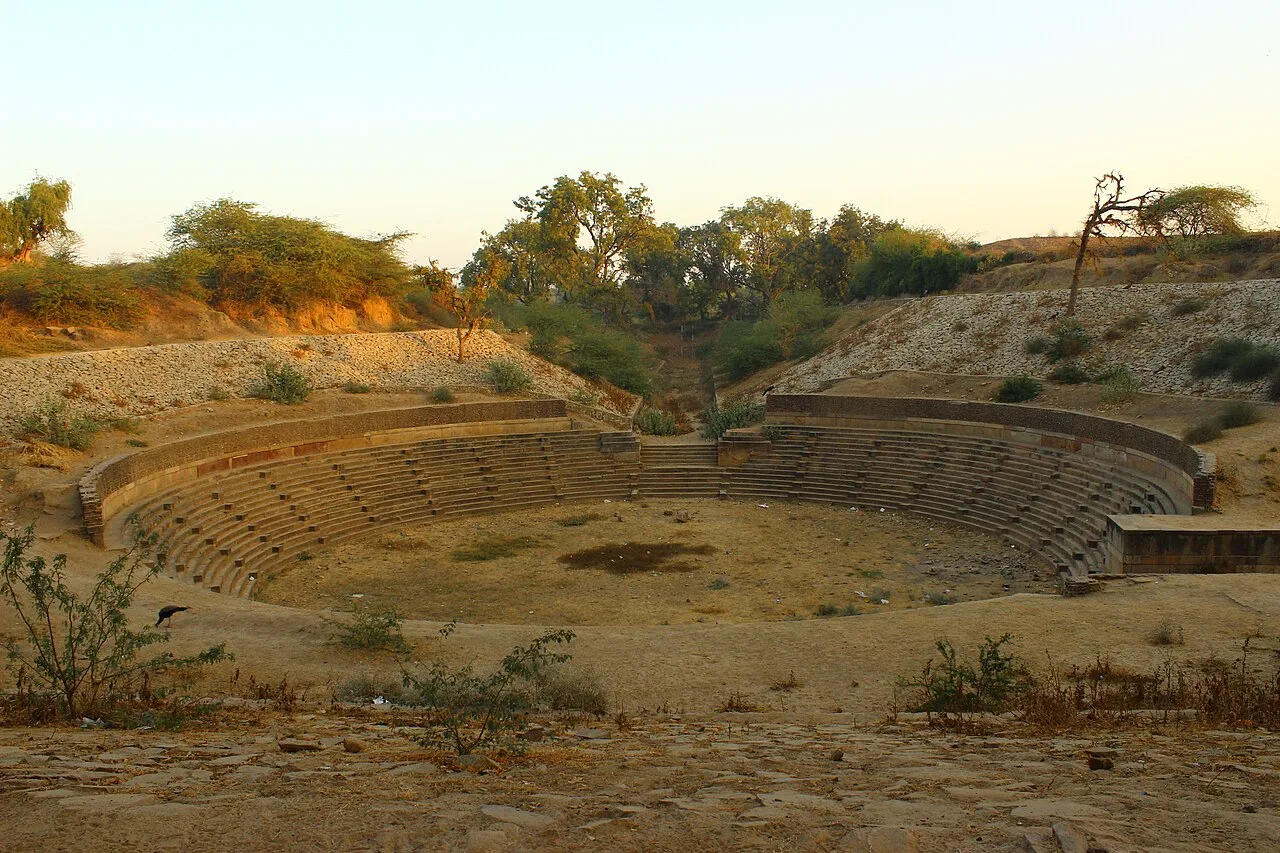
Sahasralinga Tank

92 km away · Patan district

Sahasralinga Tank

Sahasralinga Tank is a medieval, human-made reservoir in Gujarat’s Patan district, commissioned under Chaulukya rule. Visitors come to see this historic site, which is protected as a national monument.

Modhera Sun Temple

93 km away · Mehsana district

Modhera Sun Temple

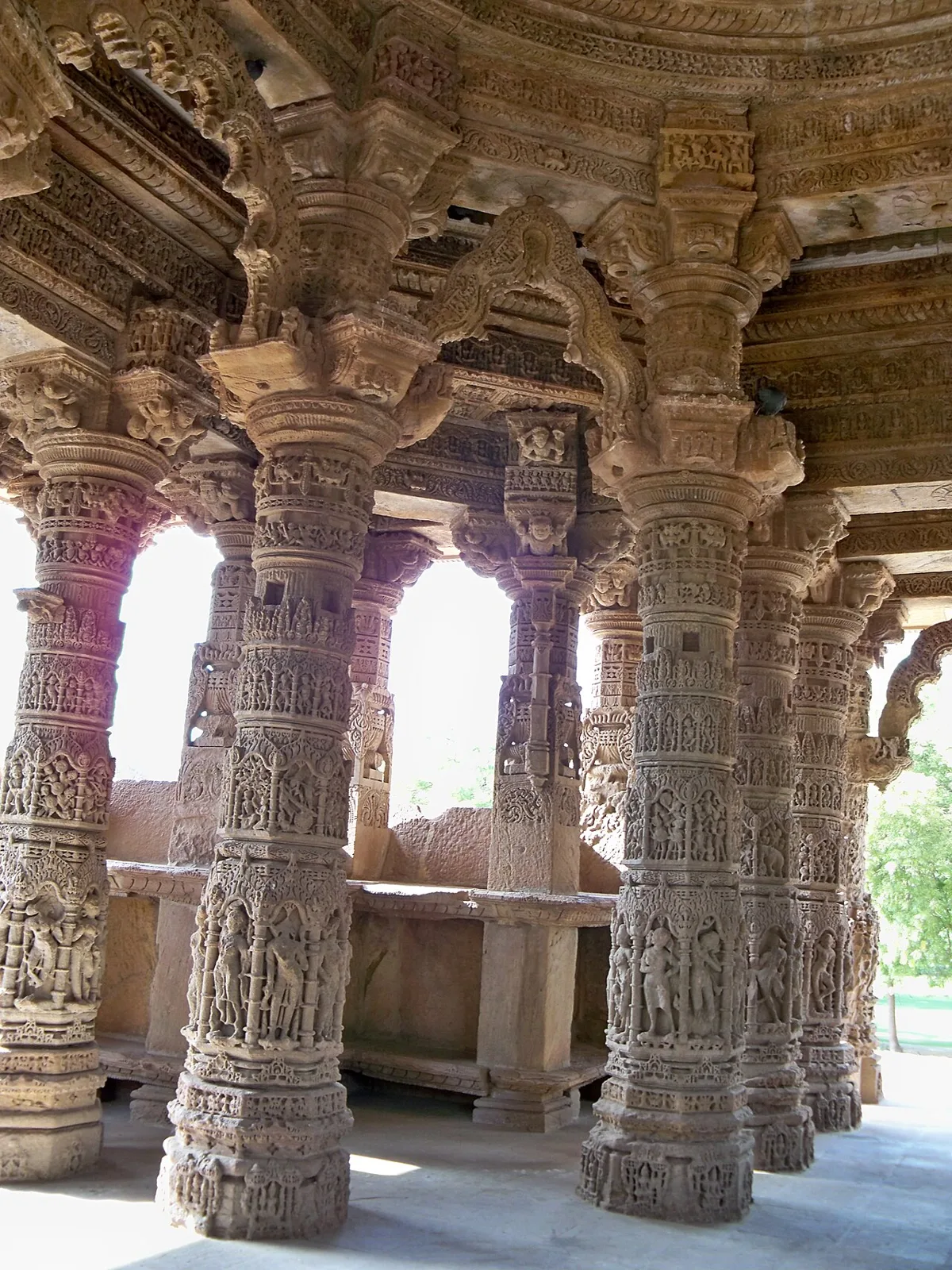
This Hindu temple complex in Modhera, Gujarat, honours Surya. Visitors come to see its carved halls, decorated pillars and stepped reservoir, which is dotted with small shrines.

Map

Idar on the map

  1. 1Taranga Jain Temples
  2. 2Polo Forest
  3. 3Ambaji
  4. 4Swaminarayan Akshardham
  5. 5Adalaj Stepwell
  6. 6Rani ki Vav
  7. 7Sahasralinga Tank
  8. 8Modhera Sun Temple

Gujarat

Other cities to explore