Ghumoopedia — Explore, Discover, Experience
Sign in
Bhuj, near Mankuwa

City guide · Gujarat

Mankuwa

Mankuwa is a small settlement in Kutch district, best understood as part of the rural landscape around Bhuj rather than as a major urban centre. Its appeal lies in experiencing everyday life in this dry, western part of Gujarat: village lanes, local places of worship and the rhythms of a region shaped by farming, trade and strong community traditions.

Famous for

  • Rural Kutch setting
  • Gujarati and Kutchi traditions
  • Nearby Bhuj craft markets

Why Mankuwa matters

Mankuwa is a small settlement in Kutch district, best understood as part of the rural landscape around Bhuj rather than as a major urban centre. Its appeal lies in experiencing everyday life in this dry, western part of Gujarat: village lanes, local places of worship and the rhythms of a region shaped by farming, trade and strong community traditions. Visitors often include it in a wider Kutch journey, using Bhuj as a base for regional heritage sites, craft centres and desert landscapes.

Mankuwa does not have a widely recognised city-scale attraction or a distinct national reputation for a particular product. Its importance is local, while its cultural setting reflects the broader Kutch region, known for Gujarati and Kutchi languages, distinctive dress and a variety of craft traditions. Bhuj is the area’s principal service and visitor hub, with transport connections and markets. A visit to Mankuwa is therefore most rewarding for travellers seeking a quieter village stop alongside the better-known destinations of Kutch, rather than a stand-alone sightseeing itinerary.
Famous for: crafts, trade & products

Mankuwa is not widely identified with a particular textile, handicraft or manufactured product. It sits within Kutch, a region whose craft traditions include embroidery, bandhani tie-dye, block printing, weaving and leatherwork. These skills are associated with different communities and villages across the district, so they should be regarded as regional crafts rather than products made specifically in Mankuwa.

For visitors interested in shopping, Bhuj is the practical nearby centre for browsing handicrafts, textiles and locally made goods. Craft outlets and artisan centres around Kutch can offer more direct encounters with makers, though the relevant craft and place of production vary. Ask about the origin and technique of an item when buying, especially when seeking a particular Kutch tradition. Mankuwa itself is better approached as a village visit than as a dedicated shopping destination; its small local shops serve everyday needs and may not carry a broad selection of tourist crafts. There is no widely known Mankuwa-specific GI-tagged product or major market to single out.

History

Mankuwa’s history is best placed within that of Kutch, a region with a long record of settlements, local trade and distinct community traditions. Kutch was historically ruled by the Jadeja dynasty, whose seat was Bhuj. Under British rule, the former princely state retained its local ruler while entering a relationship of British paramountcy. After independence, Kutch became part of the Indian Union and was later incorporated into Gujarat when the state was formed in 1960.

As a village, Mankuwa’s growth has been shaped mainly by local needs and its connections with Bhuj and surrounding settlements. Agriculture, small-scale commerce and community institutions have formed part of rural life in the area, though a detailed, well-documented account of the village’s own political history is not widely available. Kutch’s modern development has also been influenced by improved regional roads, changing livelihoods and reconstruction after the devastating 2001 earthquake. These broader events provide context for Mankuwa, but should not be mistaken for a separate account of the village’s history.

Food, festivals & culture

Daily life in Mankuwa reflects the wider culture of Kutch and Gujarat. Gujarati and Kutchi are commonly heard across the region, alongside Hindi in wider public settings. Meals often draw on familiar Gujarati and Kutch flavours: rotla, lentils, vegetables, kadhi and pickles are common regional fare, while sweets such as jalebi or ladoo may appear at celebrations. What is served varies between households and occasions, and Mankuwa is not known for a nationally distinctive dish of its own.

Navratri, usually in autumn, brings devotional gatherings and garba dancing across Gujarat; Diwali and Holi are also widely celebrated. Janmashtami is observed by many Hindu communities. Music, folk performance and colourful dress are important parts of Kutch’s wider cultural life, though practices differ among communities. Visitors should be respectful at local temples and other places of worship, dress modestly and follow posted or customary rules. The village’s religious life is part of its everyday community setting rather than a large, established visitor circuit.

Visiting the city

The cooler months, roughly November to February, are generally the most comfortable time to explore Kutch. Summers can be very hot, while monsoon conditions may affect road travel. The nearest airport is Bhuj Airport, and Bhuj railway station is the main rail gateway for the area. From Bhuj, visitors can continue to Mankuwa by road using a hired vehicle, taxi or locally available transport; check current connections before setting out.

Mankuwa is a modest village stop, so allow time for a short visit rather than expecting a large tourist district. Explore the village respectfully and ask locally about access to places of worship. For a broader outing, Bhuj’s old-town area and craft-shopping streets provide a useful contrast, while nearby Kutch destinations can be added with a vehicle and advance planning. Carry water and be prepared for limited visitor facilities in smaller settlements.

Trips from the city

Nearest places to visit from Mankuwa

Our closest destination guides, by straight-line distance.

Bhuj

11 km away · Kutch district

Bhuj

Bhuj is a city and administrative centre in Gujarat’s Kutch district. Visitors interested in Kutch’s past may come to learn about its former role as the capital of Kutch State.

Prag Mahal

11 km away · Kutch district

Prag Mahal

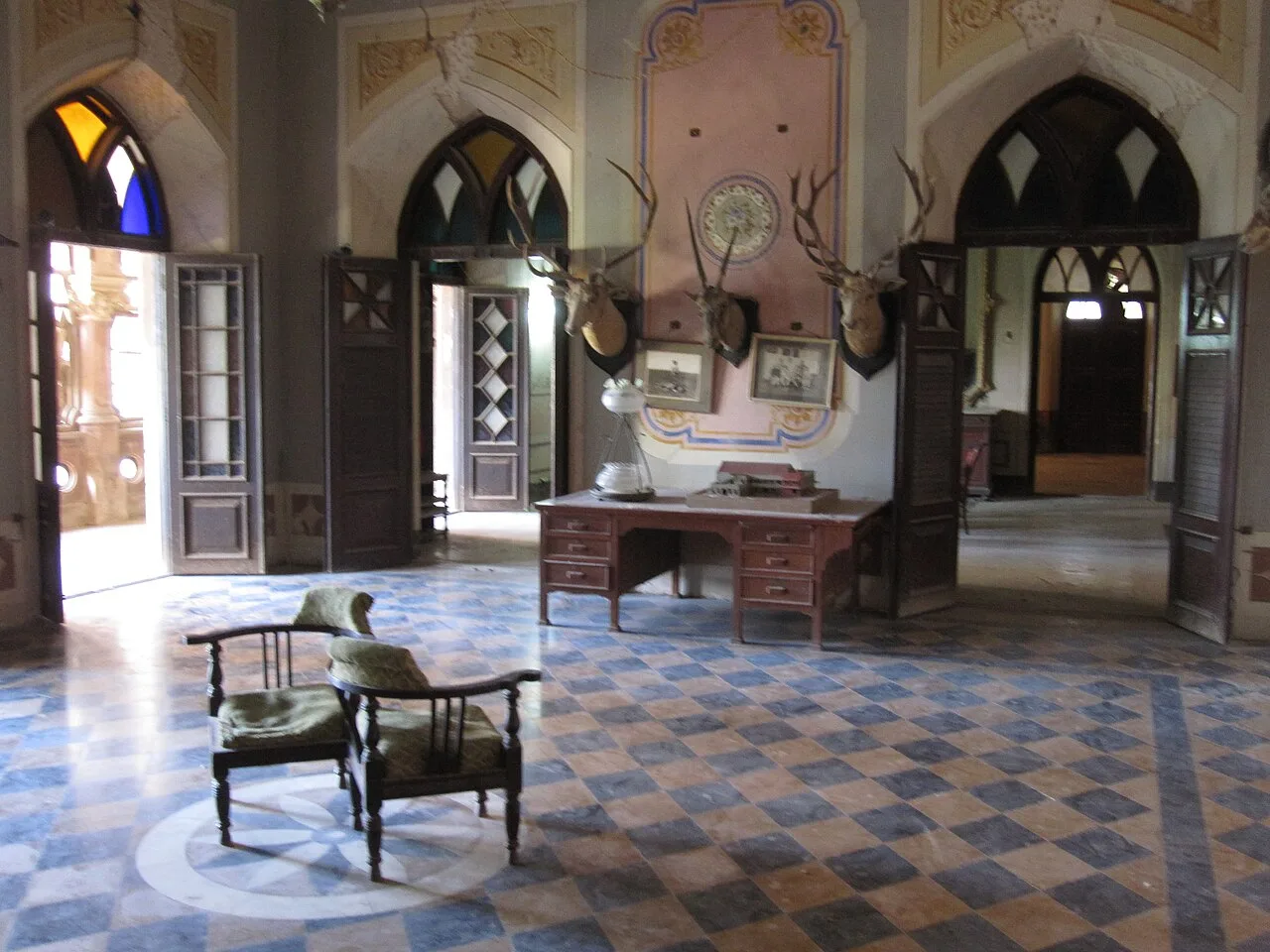
Prag Mahal is a nineteenth-century palace in Bhuj, in Gujarat’s Kutch district, adjoining Aina Mahal. Visitors can see the palace and its position beside its neighbour.

Aina Mahal

12 km away · Kutch district

Aina Mahal

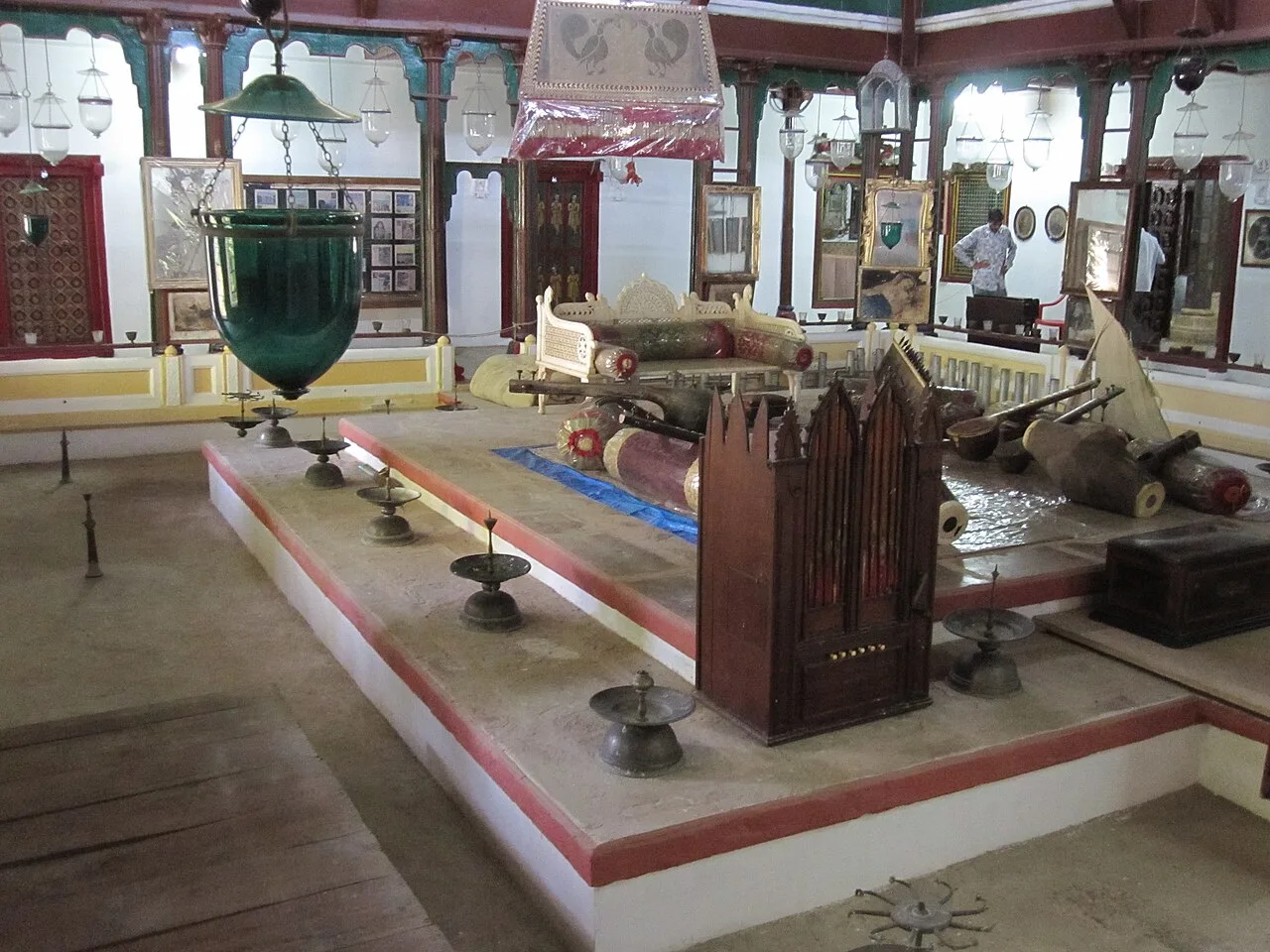
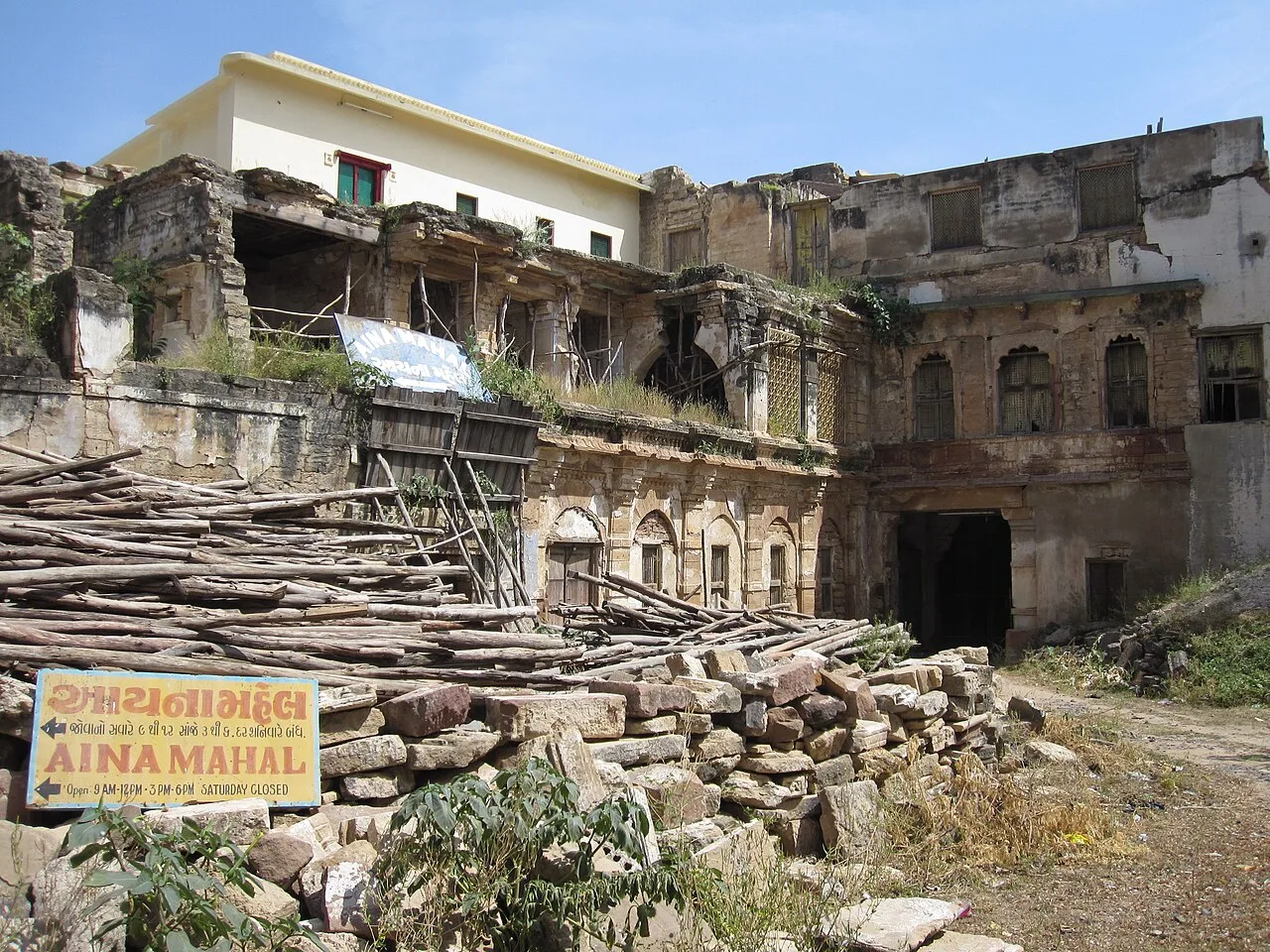
Aina Mahal is an eighteenth-century palace beside Prag Mahal in Bhuj, Gujarat. Visitors explore its historic interiors and museum collection, which includes clocks, mechanical toys and paintings.

Mandvi

47 km away · Kutch district

Mandvi

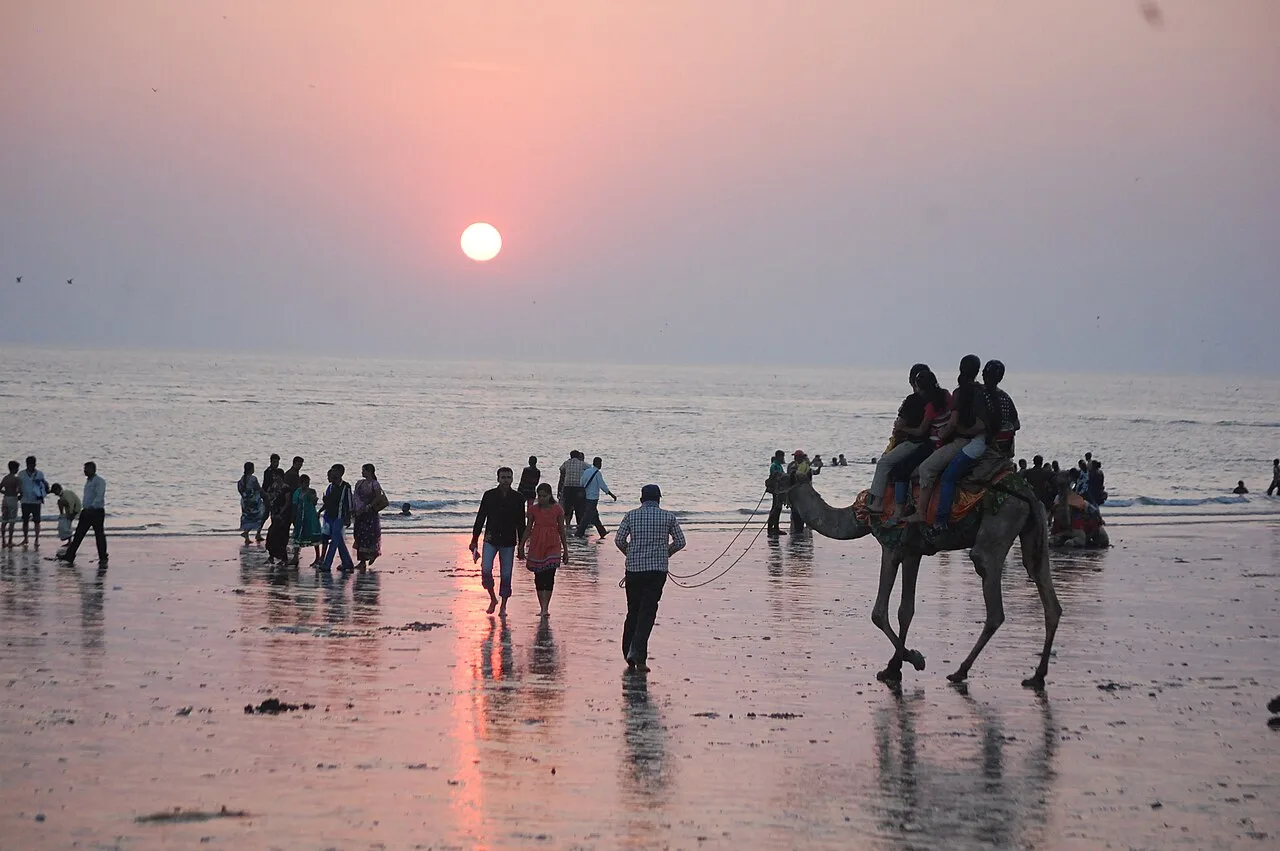
Mandvi is a coastal municipal town in Gujarat’s Kachchh district, drawing visitors for its beach, remains of old fortifications and centuries-old shipbuilding tradition.

51 km away · Kutch district

Hodka

Hodka is a village in Gujarat’s Kutch district, about 63 kilometres from Bhuj. Visitors come to see its traditionally decorated mud homes and attend evening folk performances.

Vijaya Vilas Palace

51 km away · Kutch district

Vijaya Vilas Palace

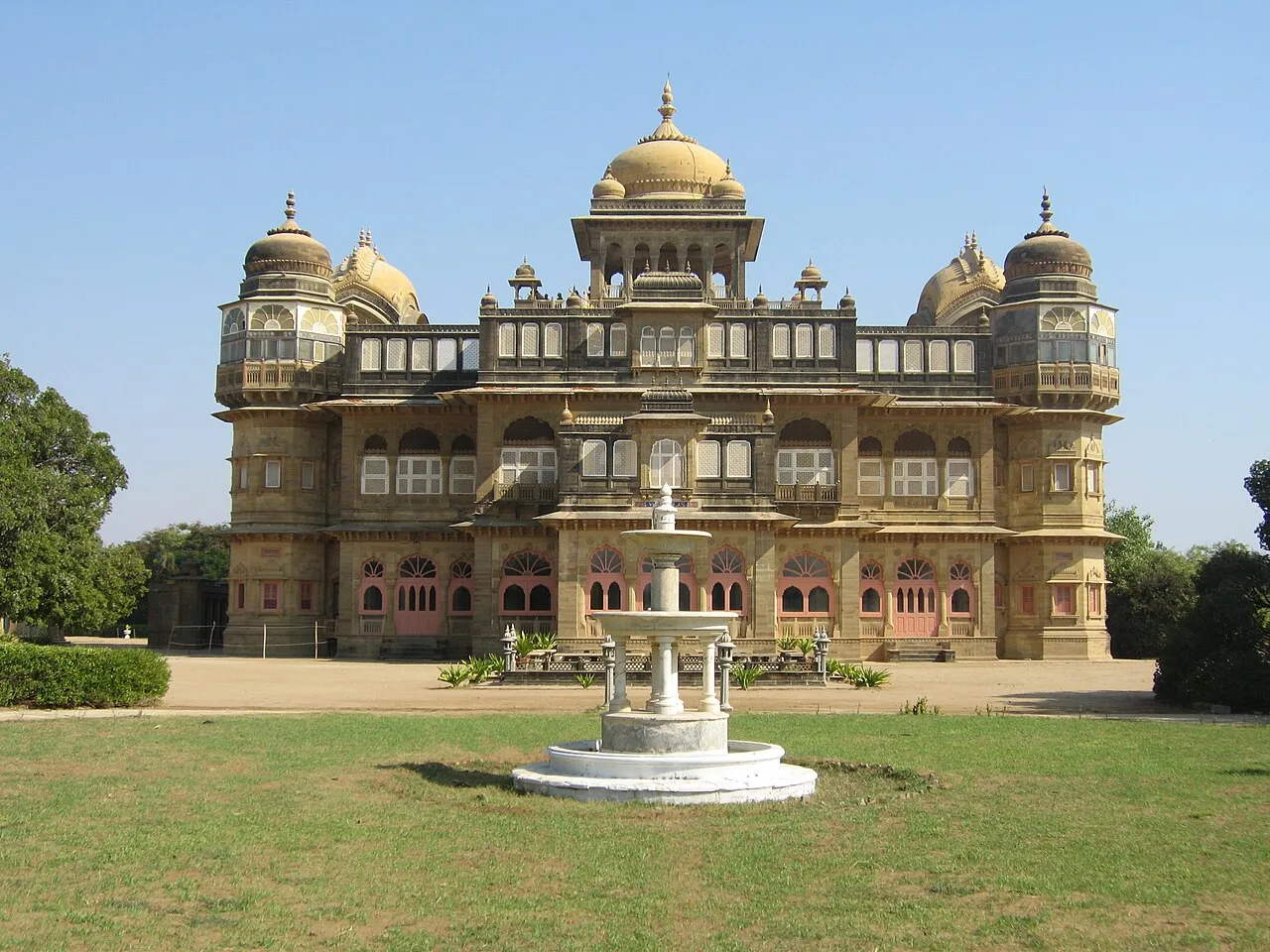
Vijaya Vilas Palace served as the Maharao of Kutch’s summer residence. Set beside the beach at Mandvi, Gujarat, it draws visitors interested in the palace and its seaside setting.

Dhordo

64 km away · Kutch district

Dhordo

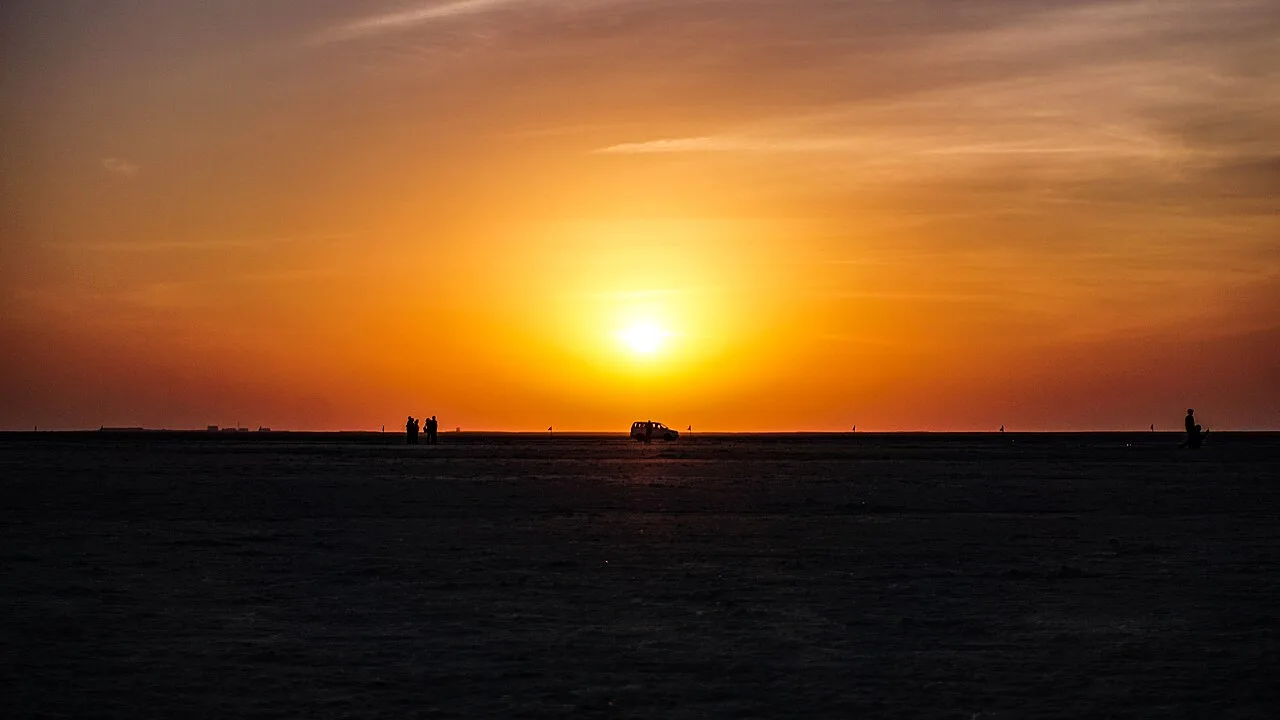
Dhordo is a village in Gujarat’s Kutch district, near the India–Pakistan border. Visitors come for Rann Utsav, a three-month festival held there each year.

Khavda

73 km away · Kutch district

Khavda

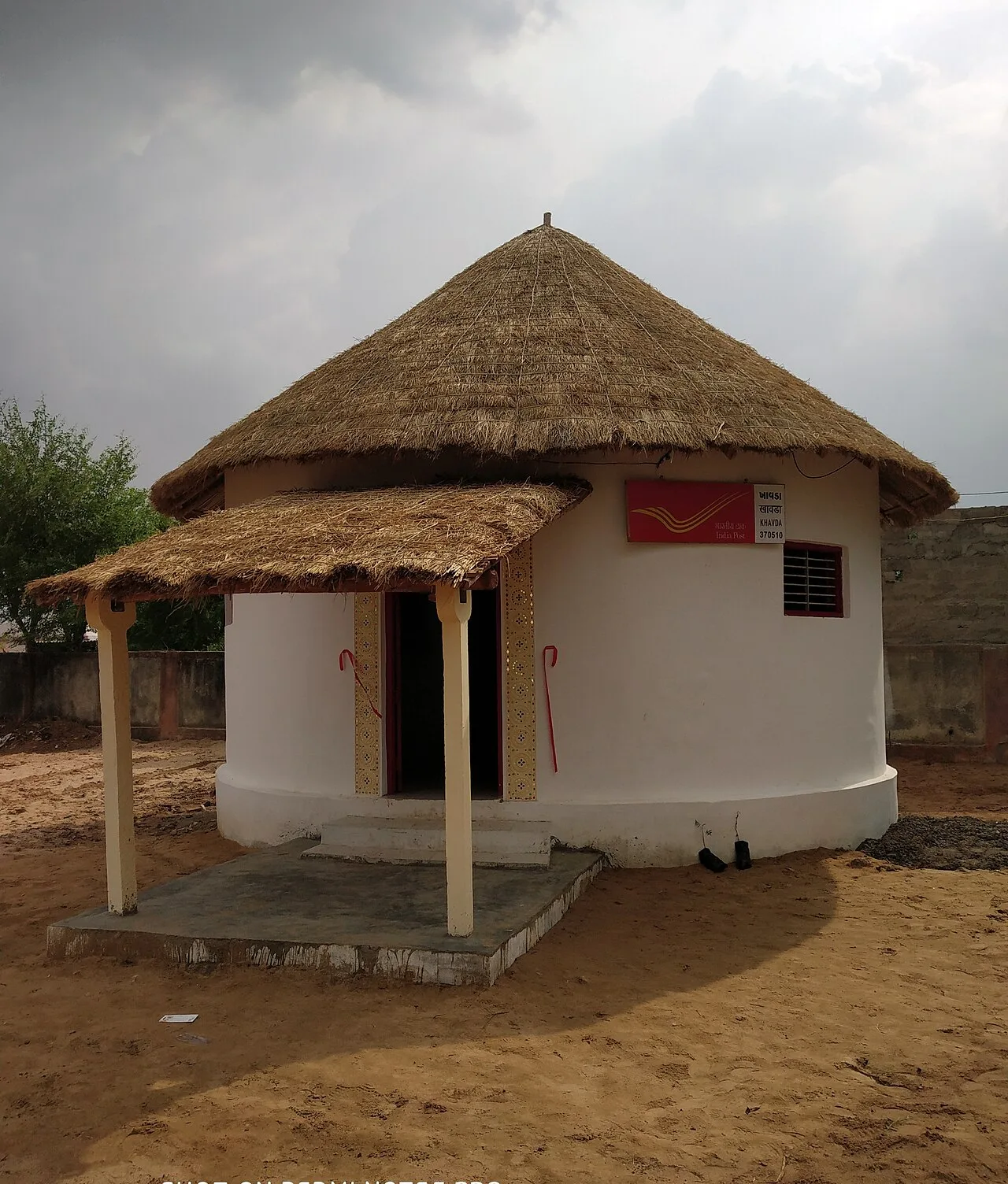
Khavda is a settlement in Bhuj taluka, Gujarat’s Kutch district, on Pachham Island’s western side in the Greater Rann of Kutch. Visitors come for its setting in this landscape.

Map

Mankuwa on the map

  1. 1Bhuj
  2. 2Prag Mahal
  3. 3Aina Mahal
  4. 4Mandvi
  5. 5Hodka
  6. 6Vijaya Vilas Palace
  7. 7Dhordo
  8. 8Khavda

Gujarat

Other cities to explore