Ghumoopedia — Explore, Discover, Experience
Sign in
Aina Mahal, near Gandhidham

City guide · Gujarat

Gandhidham

Gandhidham is an important commercial centre in eastern Kutch, shaped by its connection to Kandla Port, now known as Deendayal Port. Trade, transport, warehousing and industry give the city a central role in the district’s economy.

Famous for

  • Sindhi resettlement heritage
  • Kandla Port commerce
  • Adipur–Gandhidham twin town
  • Gateway to Kutch
  • Regional handicrafts

Why Gandhidham matters

Gandhidham is an important commercial centre in eastern Kutch, shaped by its connection to Kandla Port, now known as Deendayal Port. Trade, transport, warehousing and industry give the city a central role in the district’s economy. Its location also makes it a practical base for business visitors and for travellers exploring Kutch, although the district’s major heritage and landscape attractions lie farther afield.

The city has a distinctive modern history: it was planned after Partition to resettle Sindhi Hindu families who had migrated from Sindh. Nearby Adipur grew as part of the same resettlement effort, and the two townships remain closely linked. Visitors encounter this heritage in the area’s community life, places of worship, food and local institutions. Gandhidham is also known for meetings and conventions, and its markets offer a way to browse goods from across Kutch. It is less a conventional sightseeing destination than a working port city and regional hub, with a character formed by migration, commerce and its position at the edge of the Kutch peninsula.
Famous for: crafts, trade & products

Gandhidham’s best-known economic connection is the port and the network of transport, logistics, warehousing and industrial businesses that serve it. Markets and commercial districts cater to residents, traders and visitors, with everyday clothing, household goods and food alongside products brought in from elsewhere. The city is not especially known as a centre for producing a particular textile or craft.

It is, however, a convenient place to look for Kutch-made goods. Shops and craft outlets may carry embroidered textiles, Ajrakh block-printed fabric, bandhani and other regional handicrafts. These traditions belong to Kutch and its artisan communities rather than being exclusive to Gandhidham; ask sellers about the maker and place of origin if provenance matters. For a wider choice, visitors can enquire locally about craft markets or outlets elsewhere in the district. Gandhidham’s main commercial areas are useful for browsing, while nearby Adipur adds to the shopping and service options of the connected twin townships. Port-related business is significant, but port facilities are working infrastructure, not ordinary walk-in attractions.

History

Gandhidham was established after the Partition of India, when many Sindhi Hindu families left Sindh and sought homes in India. The ruler of Kutch, Maharao Vijayrajji, granted land for their resettlement. Bhai Pratap Dialdas helped lead the effort through the Sindhu Resettlement Corporation, which set out to build a planned township. The town’s name honours Mahatma Gandhi, and its foundation was laid in the years around independence.

Planning for the new settlement involved Otto H. Königsberger, with a later revision by the American firm Adams, Howard and Greeley. Adipur developed nearby as part of the same resettlement landscape, and the two places grew into closely connected townships. Their planned streets and division into residential and commercial areas reflect that origin. Gandhidham’s subsequent growth followed the expansion of Kandla Port and related trade and industry. The 2001 Gujarat earthquake caused serious damage across Kutch, including Gandhidham; rebuilding became an important part of the city’s recent history.

Food, festivals & culture

Gandhidham’s culture reflects both Kutch and the Sindhi communities who made new homes here after Partition. Gujarati, Kutchi, Sindhi and Hindi are heard in everyday life. Sindhi dishes such as sai bhaji, koki and dal pakwan sit alongside Gujarati and Kutchi meals, snacks and sweets. Dabeli, associated with Kutch, is widely enjoyed in the region; local eateries and markets are good places to sample familiar street foods.

Navratri, usually in autumn, brings garba and community dancing, while Diwali and Holi are widely celebrated. Sindhi families mark Cheti Chand in spring with gatherings and worship. Eid and other observances are also part of the city’s diverse calendar. Folk music and devotional singing accompany festivals and community events, with Gujarati and Sindhi traditions both represented. Hindu temples and Sindhi community places of worship serve as gathering points; visitors should dress respectfully and follow local customs. Festival dates vary from year to year, so check locally if planning a visit around a celebration.

Visiting the city

The cooler months, roughly November to February, are generally the most comfortable for visiting. Summer afternoons can be very hot, and monsoon rain is concentrated in the middle of the year. Kandla Airport is the nearest airport; Gandhidham Junction is the city’s main railway station and a useful rail gateway to Kutch.

Auto-rickshaws, taxis and local buses can help with trips around town, while a hired car is useful for reaching places elsewhere in the district. Explore Gandhidham’s commercial centre and markets, and set aside time for nearby Adipur, the closely connected township with shared resettlement heritage. The port area is primarily operational, so access may be restricted; confirm arrangements before planning a visit. Gandhidham works well as a base for business travel or as a starting point for wider Kutch journeys.

Trips from the city

Nearest places to visit from Gandhidham

Our closest destination guides, by straight-line distance.

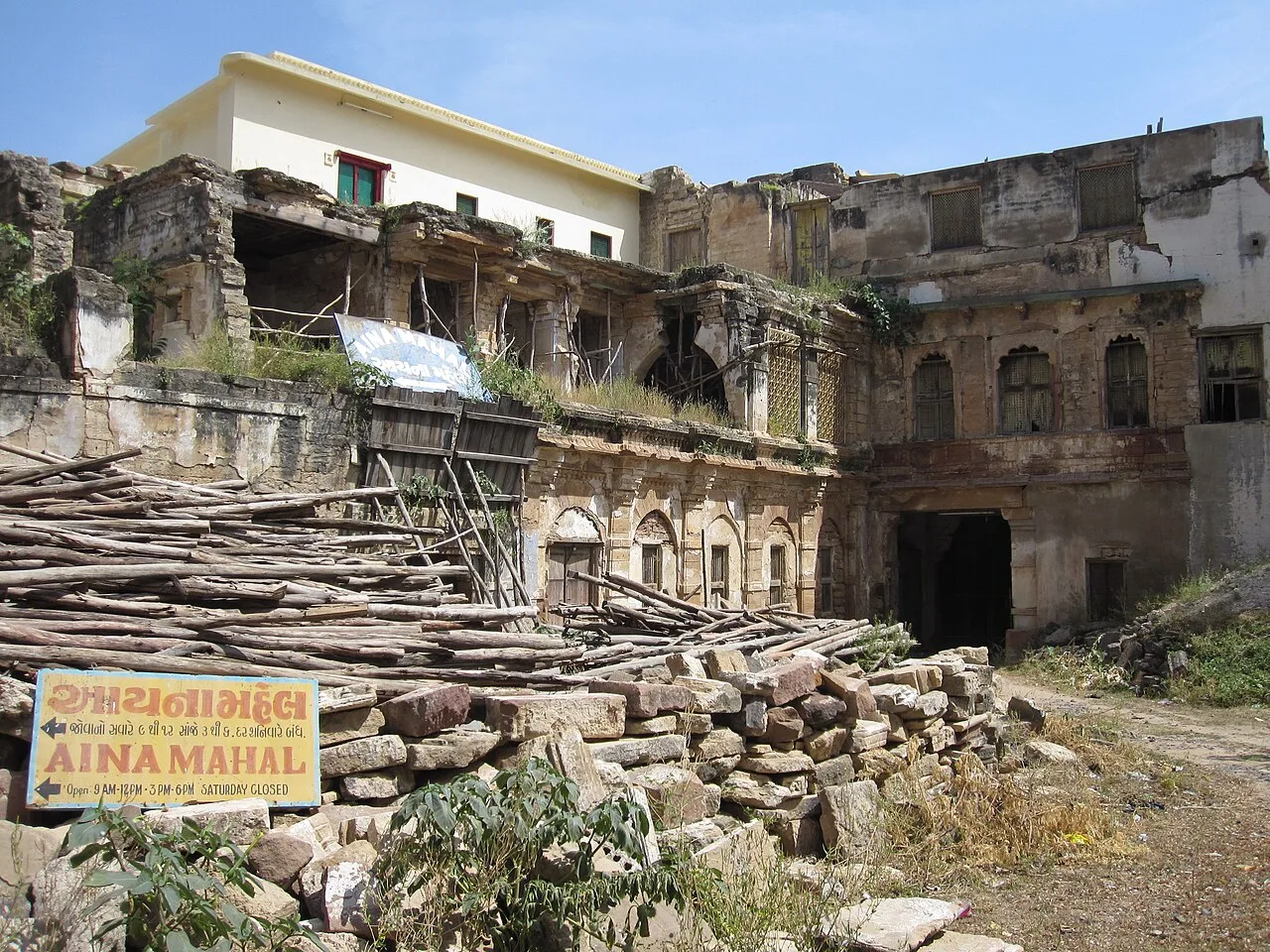
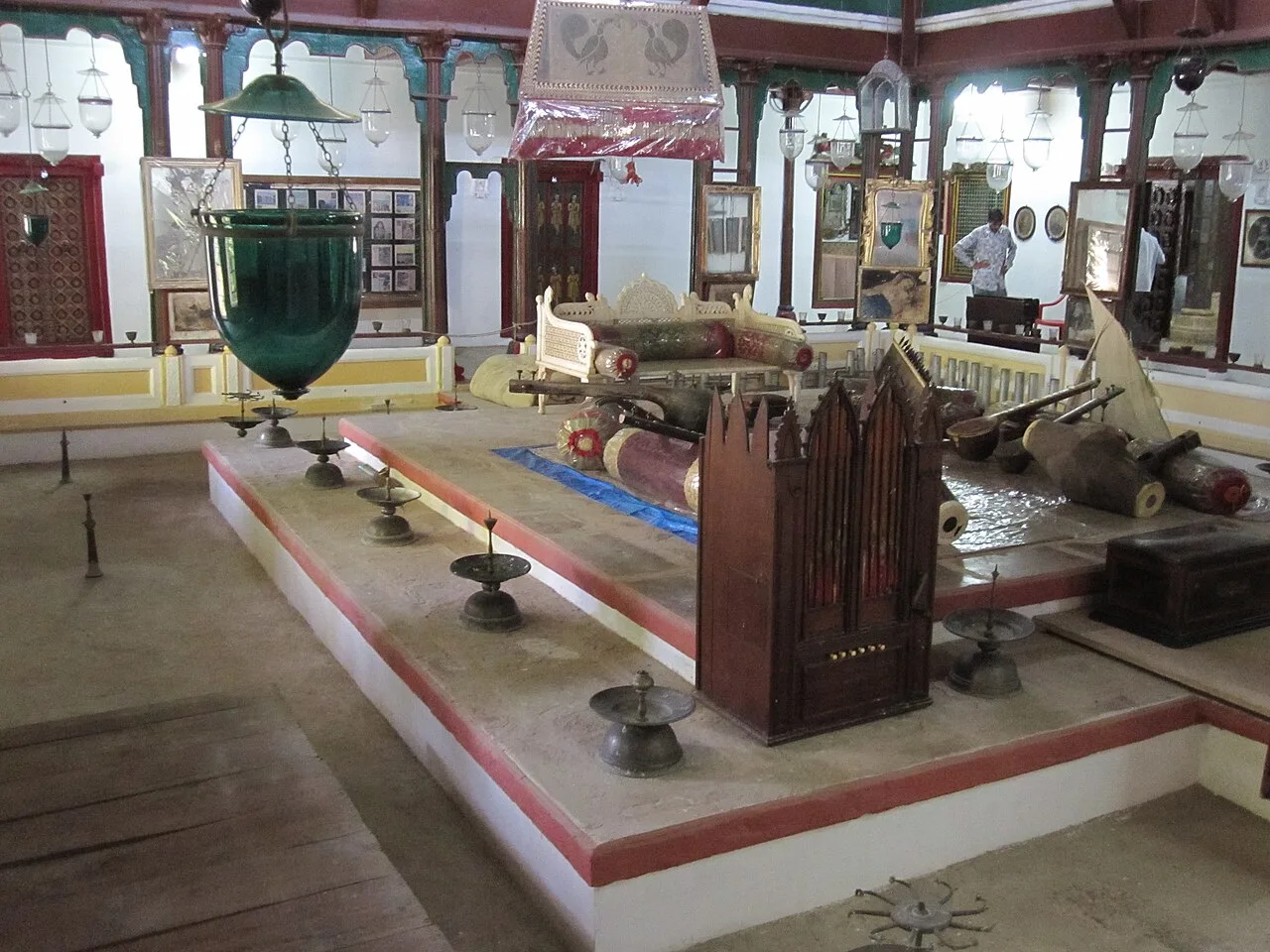
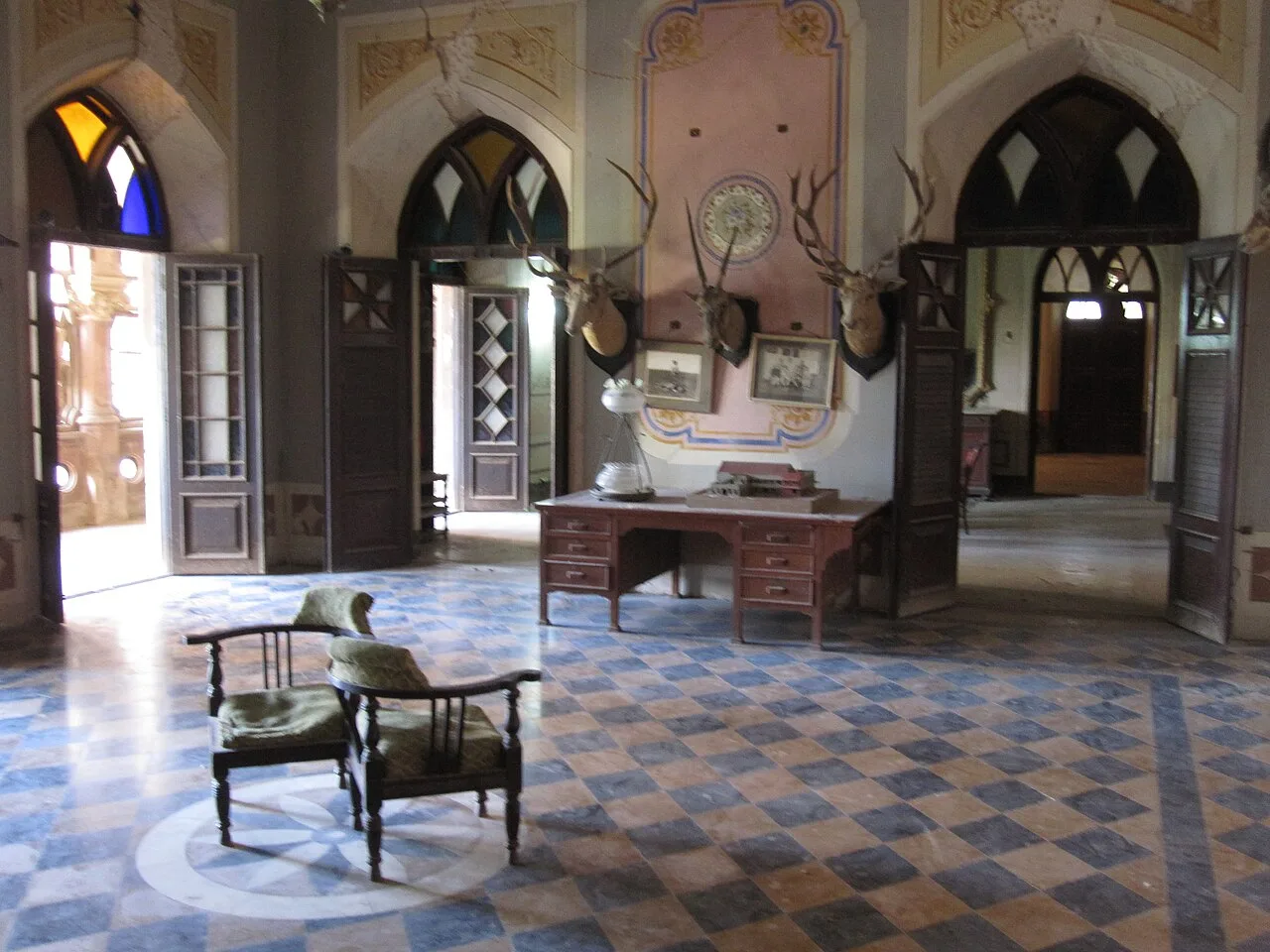
Aina Mahal

51 km away · Kutch district

Aina Mahal

Aina Mahal is an eighteenth-century palace beside Prag Mahal in Bhuj, Gujarat. Visitors explore its historic interiors and museum collection, which includes clocks, mechanical toys and paintings.

Bhuj

51 km away · Kutch district

Bhuj

Bhuj is a city and administrative centre in Gujarat’s Kutch district. Visitors interested in Kutch’s past may come to learn about its former role as the capital of Kutch State.

Prag Mahal

51 km away · Kutch district

Prag Mahal

Prag Mahal is a nineteenth-century palace in Bhuj, in Gujarat’s Kutch district, adjoining Aina Mahal. Visitors can see the palace and its position beside its neighbour.

Lakhota Lake

69 km away · Jamnagar district

Lakhota Lake

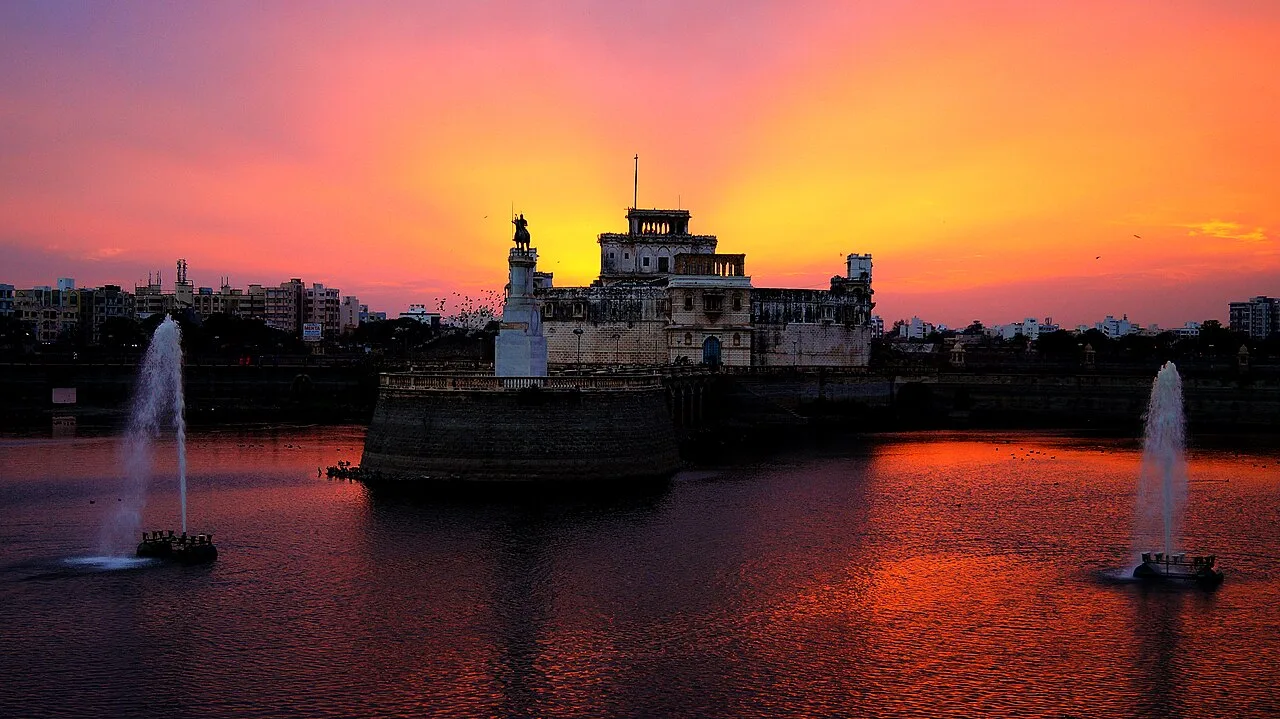
Lakhota Lake is an artificial lake in central Jamnagar, Gujarat, also known as Lakhota Talav and Ranmal Lake. Visitors come to see Lakhota Fort, which stands on an island in the water.

Mandvi

84 km away · Kutch district

Mandvi

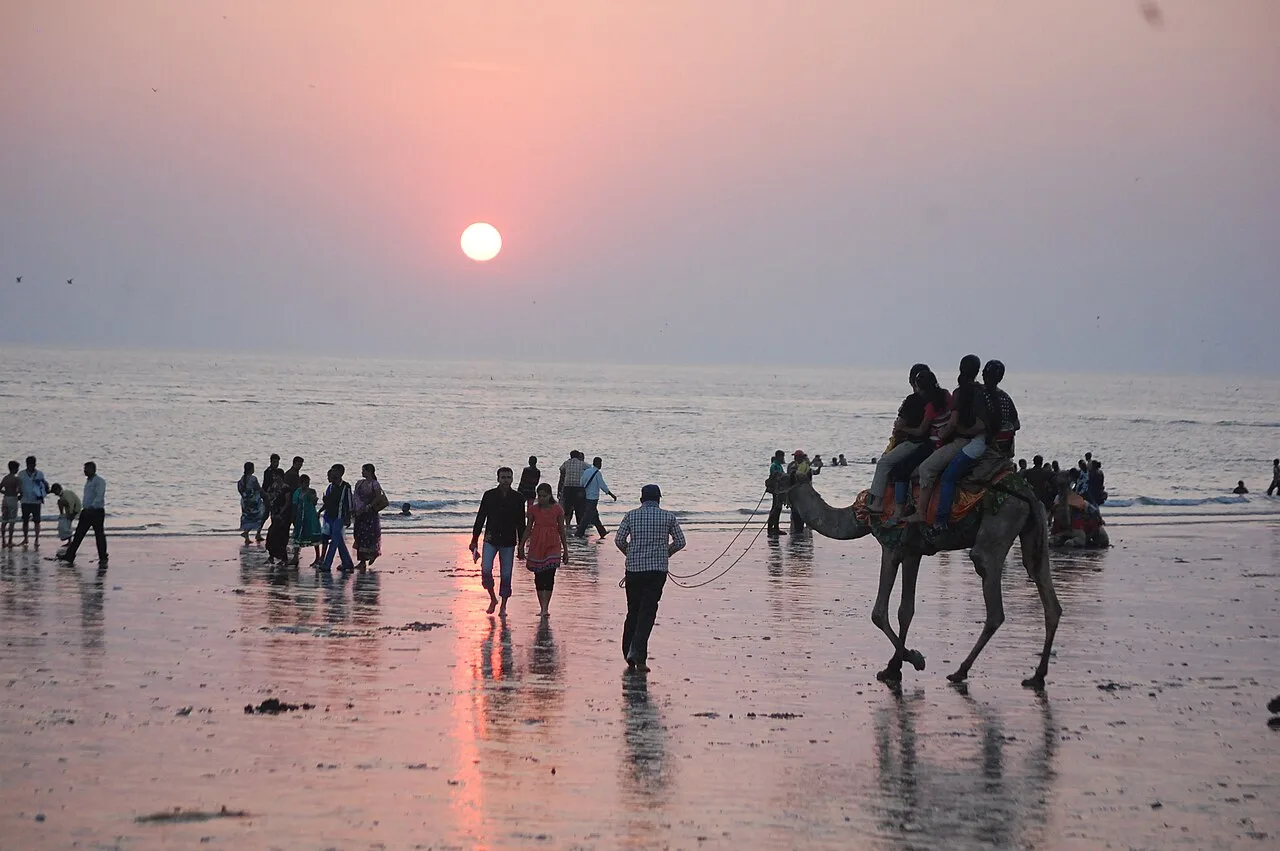
Mandvi is a coastal municipal town in Gujarat’s Kachchh district, drawing visitors for its beach, remains of old fortifications and centuries-old shipbuilding tradition.

85 km away · Kutch district

Hodka

Hodka is a village in Gujarat’s Kutch district, about 63 kilometres from Bhuj. Visitors come to see its traditionally decorated mud homes and attend evening folk performances.

Marine National Park

87 km away · Jamnagar district

Marine National Park

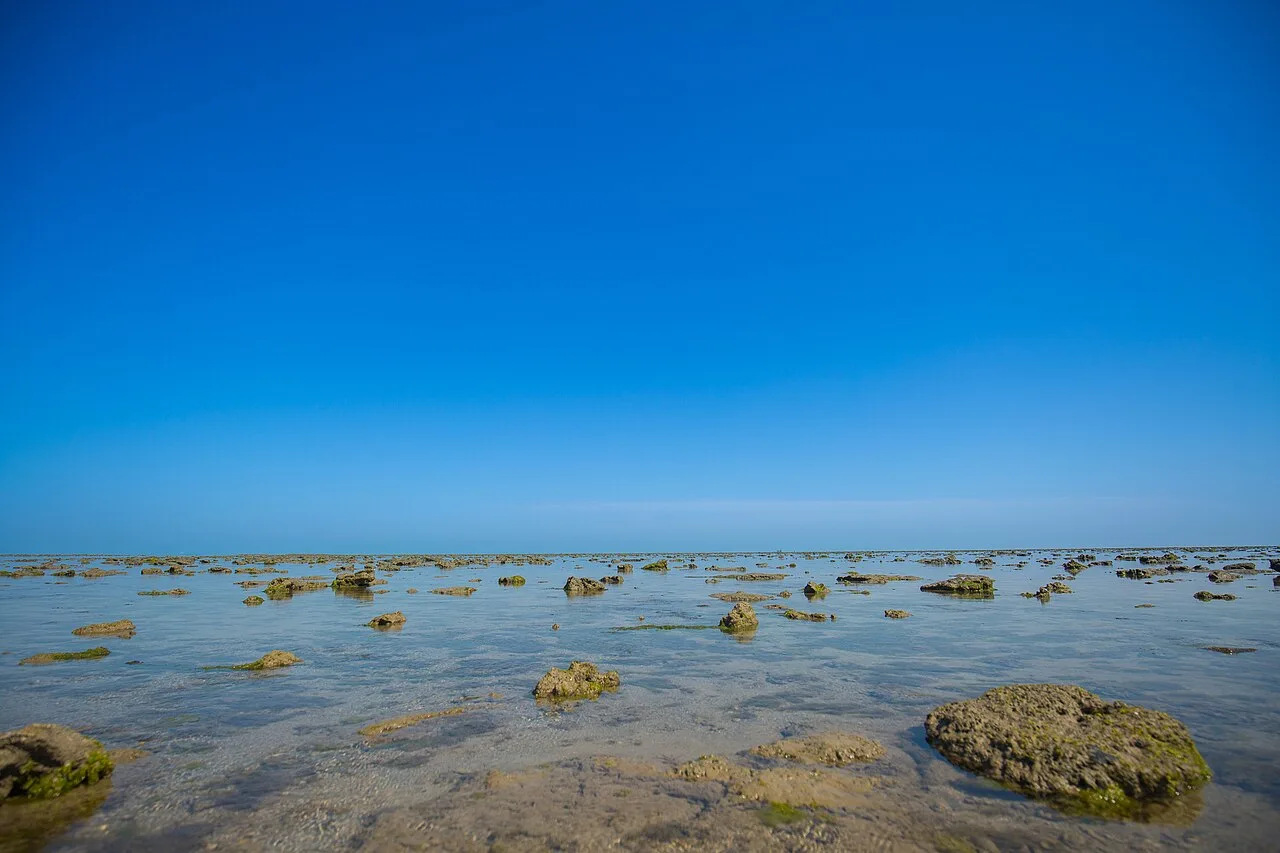
The Marine National Park is a protected marine area in Gujarat’s Gulf of Kutch. Visitors come to encounter its reef-fringed islands and the coral and mangrove environments it conserves.

Dholavira

90 km away · Kutch district

Dholavira

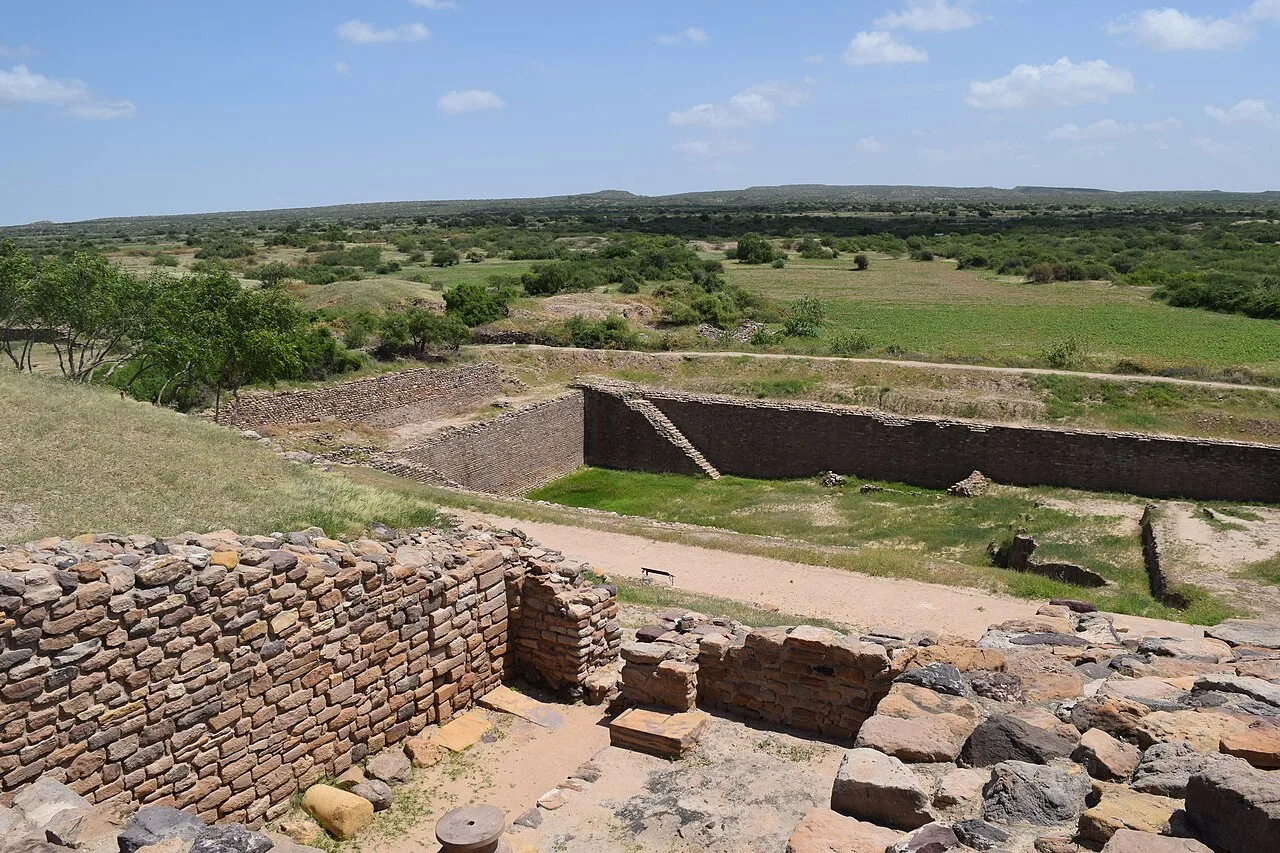
Dholavira is the remains of a city of the Indus Valley Civilization in Gujarat. People visit to see the archaeological ruins and learn about this ancient settlement.

Map

Gandhidham on the map

  1. 1Aina Mahal
  2. 2Bhuj
  3. 3Prag Mahal
  4. 4Lakhota Lake
  5. 5Mandvi
  6. 6Hodka
  7. 7Marine National Park
  8. 8Dholavira

Gujarat

Other cities to explore